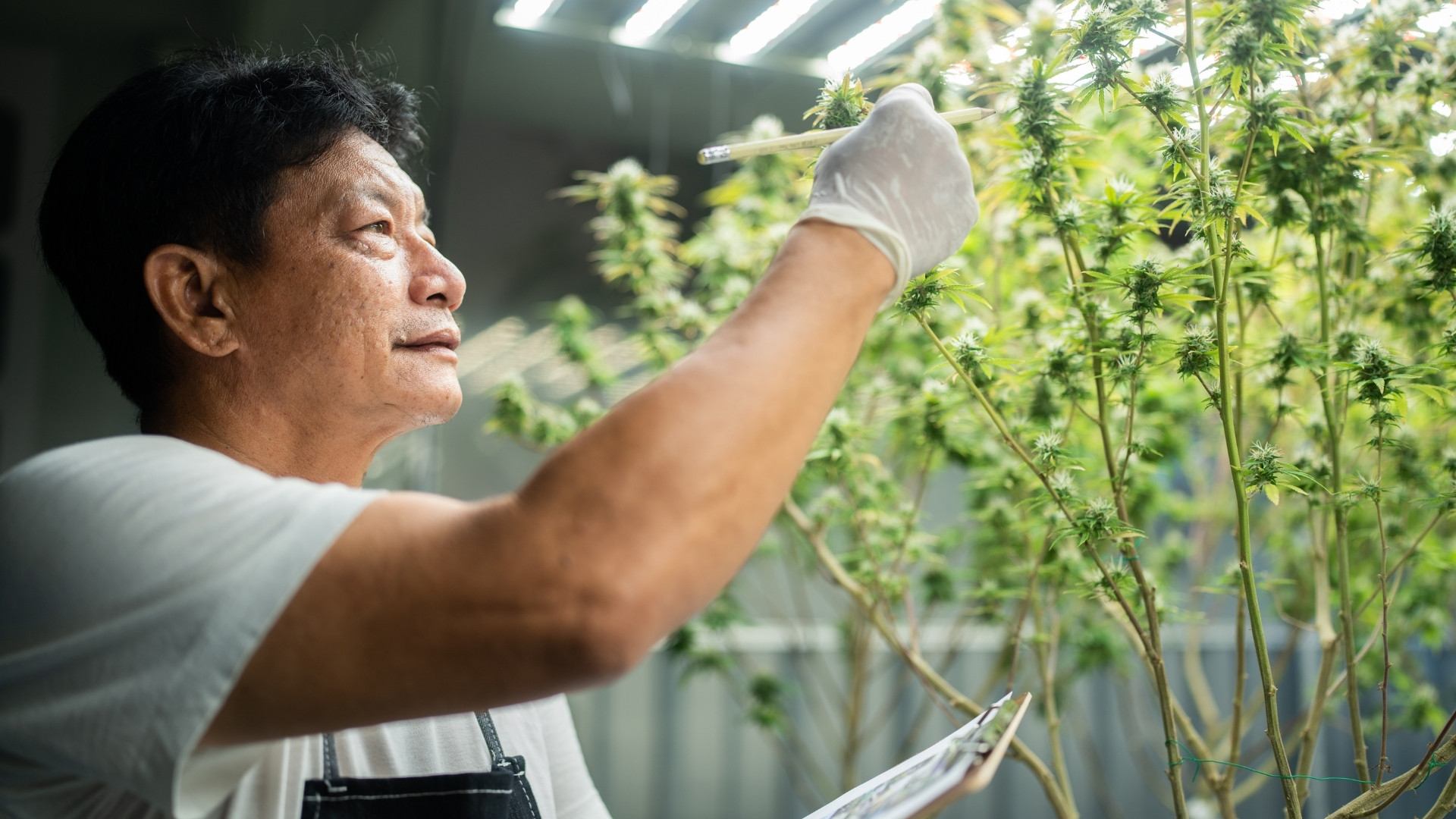
Batch variability is one of the hardest problems in commercial cultivation. Identical inputs, the same genetics, and standardized SOPs can still result in uneven quality across rooms and cycles, making it difficult to maintain consistent output.
The risk is measurable. A study of cannabis products sold in California dispensaries found that many contained detectable levels of pesticides, fungicides, or other contaminants, showing how easily quality control can fail without structured oversight.
Quality control of cannabis is not a final checkpoint. It is a system that runs across every stage of cultivation. In this guide, we break down how to build that system, measure it, and scale it across operations for consistent results.
Here's the short version:
- Quality control is built during cultivation. It depends on consistent execution across stages, not just final testing.
- Stage-based checks prevent failures early. Applying checkpoints during growth reduces variability and improves outcomes.
- Measurement drives real control. Tracking task completion, batch consistency, and deviations reveals where processes break down.
- Compliance depends on documentation. Accurate records and traceability are essential to meet regulatory requirements.
- Systems enable scalable consistency. Structured workflows and centralized tracking help maintain quality across teams and cycles.
What Is Quality Control in Commercial Cannabis Cultivation?
Quality control in US cannabis cultivation is the system used to ensure plants meet defined standards for safety, consistency, and compliance across every grow cycle. In regulated industries like pharmaceuticals, the FDA enforces Current Good Manufacturing Practices (cGMP).
These define strict controls for production, documentation, and consistency. However, cannabis cultivation does not operate under federal cGMP oversight. With no federal framework, growers often rely on adapted cGMP principles to bring structure and consistency into their operations.
In the next section, we break down where to apply quality checks across the cannabis growth stages and what to monitor at each stage.
Suggested Read: Best Practices for High Yield with Quality Control in Cultivation
Where to Apply Quality Checks Across Cannabis Growth Stages?
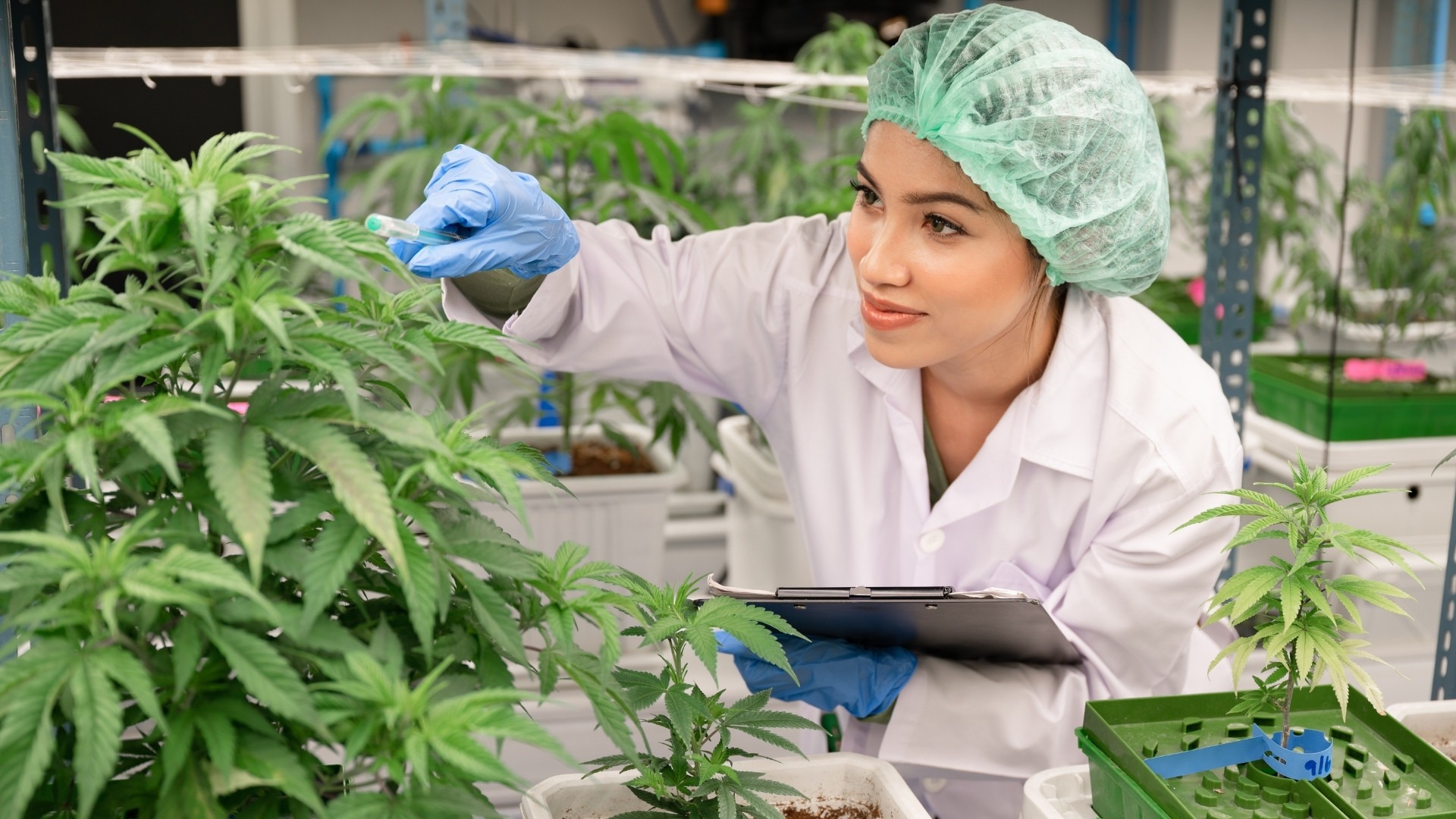
Quality control only works when it is applied at the right points in the growth cycle. Each stage introduces different risks, and without structured checks, small issues compound into larger quality and yield problems by the time of harvest.
Critical stage checks include:
- Germination and Early Growth: Monitor seed viability, root development, and early plant health to ensure strong starts. Weak or inconsistent seedlings often lead to uneven growth across the entire batch.
- Vegetative Stage: Check for uniform growth, branching structure, and canopy development to support future bud sites. Inconsistent plant structure at this stage limits light distribution and reduces yield potential later.
- Transition to Flowering: Verify timing of light cycle changes and plant readiness before initiating flowering. Poorly timed transitions can stress plants and impact bud formation.
- Flowering Stage: Monitor bud development, plant health, and environmental stability to ensure consistent growth. Variations here directly affect bud density, potency, and overall quality.
- Pre-Harvest: Assess trichome development, plant maturity, and overall condition to determine optimal harvest timing. Missing the ideal window reduces both yield and product quality.
- Post-Harvest Handling: Track drying and curing conditions to maintain product integrity and prevent contamination. Poor handling at this stage can undo the quality achieved during cultivation.
PlanaCan helps map these quality checkpoints directly to growth stages, ensuring tasks are completed at the right time. Teams can track execution, monitor progress, and maintain visibility across rooms and batches. Try PlanaCan for free.
How do Commercial Growers Build a Quality Control System That Scales?
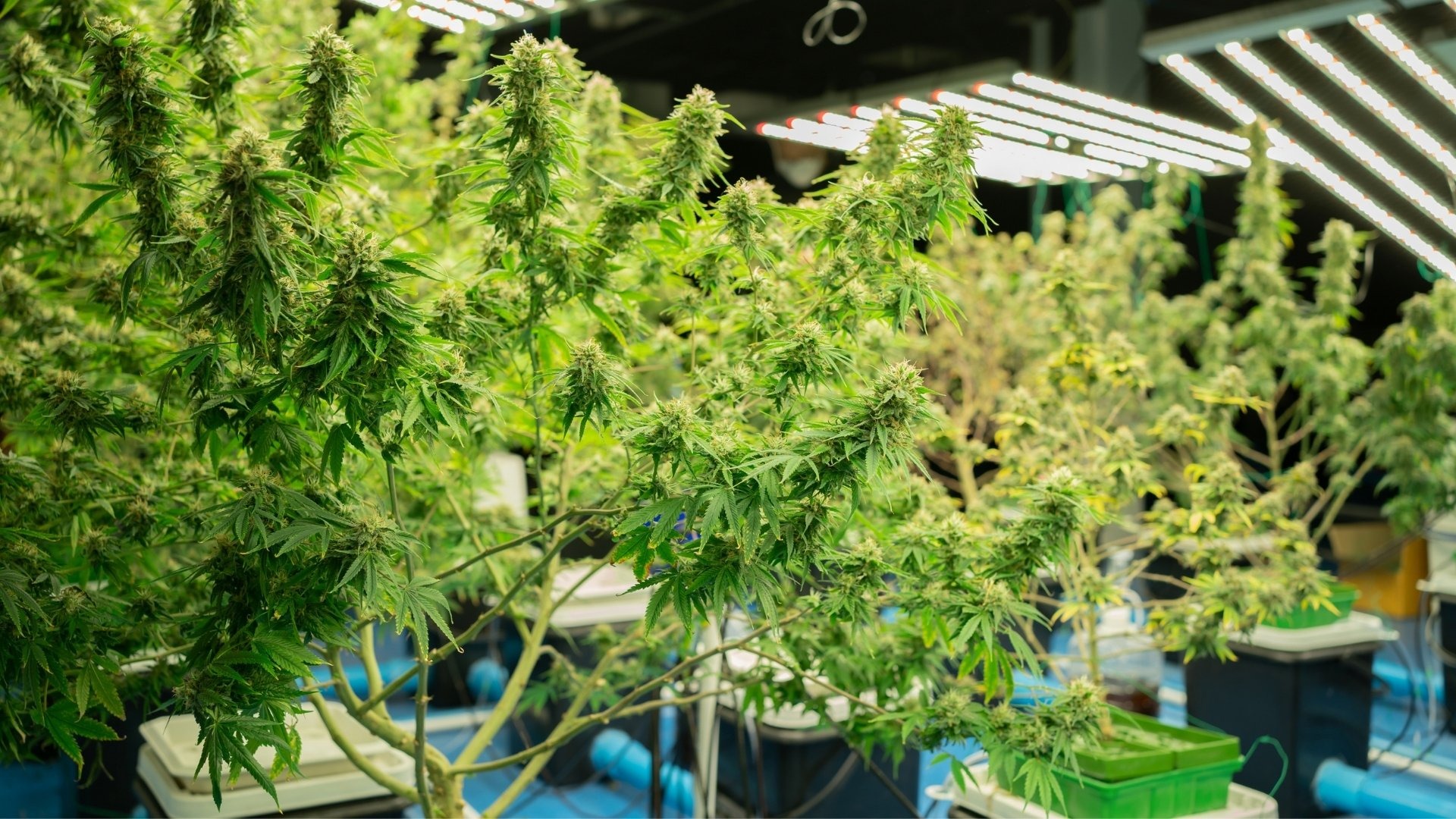
Scaling quality control requires building a system that ensures those checks are executed consistently across rooms, teams, and cycles. Without structure, quality becomes dependent on individuals rather than on processes, leading to variability as operations grow.
Take the following steps to improve cannabis quality control:
1. Standardize Workflows
Consistency starts with clearly defined processes that can be repeated without variation. When workflows are standardized, teams do not rely on memory or interpretation, reducing the risk of errors across batches.
Key elements to implement include:
- Documented SOPs for each growth stage
- Clear task sequences tied to plant development
- Defined quality benchmarks at each step
- Version-controlled processes to maintain consistency
2. Align Tasks with Growth Stages
Quality control depends heavily on timing. Tasks must be executed at the right stage, not just completed at some point during the cycle.
Focus areas include:
- Stage-based task scheduling
- Timely transitions between growth phases
- Coordination between teams during handoffs
- Preventing delays that impact plant development
3. Build Accountability Into Execution
A scalable system requires visibility into who is doing what and when. Without accountability, even well-designed processes break down in execution.
Core practices include:
- Assigning ownership for each task
- Tracking task completion in real time
- Verifying execution against standards
- Reducing reliance on manual follow-ups
4. Track and Use Operational Data
Scaling quality requires moving from assumptions to measurable insights. Data helps identify where processes are working and where they are breaking down.
What to track:
- Task completion rates
- Deviation from planned schedules
- Batch-level performance
- Recurring quality issues across cycles
5. Consistency Across Rooms and Cycles
As operations scale, variability increases across rooms and harvest cycles. A quality control system must ensure uniform execution regardless of location or team.
This includes:
- Applying the same workflows across all rooms
- Monitoring consistency between batches
- Reducing variation in execution
- Continuously refining processes based on results
In the next section, we break down how to measure quality control in cannabis cultivation and track whether your system is actually working.
Suggested Read: How to create and execute your commercial cultivation plan
How to Measure Quality Control in Cannabis Cultivation
Quality control is only effective if it can be measured. Without clear metrics, issues go unnoticed, improvements are guesswork, and consistency becomes difficult to maintain across cycles.
Table showing the metrics to track:
Tracking these metrics helps identify where quality control is working and where it is breaking down.
Ways to improve measurement:
- Define clear benchmarks for each metric
- Track performance at the task and batch level
- Review data at the end of every cycle
- Identify recurring patterns and bottlenecks
- Use insights to refine workflows and schedules
PlanaCan brings operational data into one place through centralized reporting and visibility tools. Growers can track task execution, review performance across cycles, and identify where processes are not being followed consistently. Request a free demo.
Managing Compliance and Documentation Across Cultivation Cycles
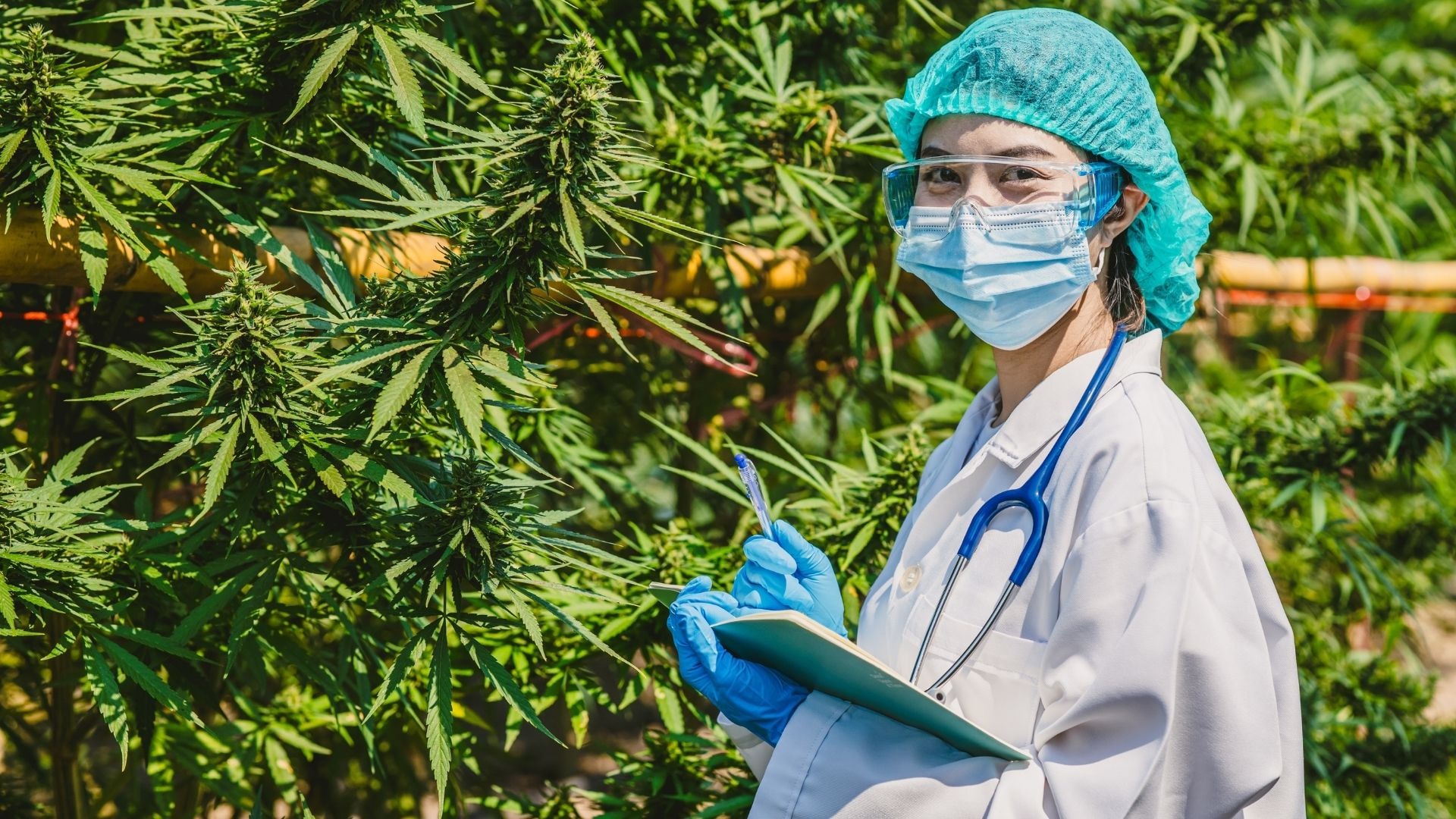
Every action taken during the grow cycle must be recorded, traceable, and aligned with state-level requirements. Without consistent documentation, even well-executed cultivations can fail audits or face regulatory risk.
In commercial operations, the challenge is not just capturing data. It is maintaining accurate, complete records across multiple rooms, batches, and cycles without gaps.
Key compliance and documentation practices include:
- Batch-Level Recordkeeping: Maintain detailed logs for each batch, including inputs, treatments, and growth progress
- Task Documentation: Record when tasks are completed, by whom, and under what conditions to support accountability
- Environmental Logs: Track temperature, humidity, lighting, and other variables to demonstrate controlled conditions
- Input Tracking: Document nutrients, pesticides, and other inputs to ensure compliance with approved standards
- Audit Trails: Ensure all actions are traceable and can be reviewed during inspections or audits
- Consistent Record Storage: Centralize documentation to prevent data loss and ensure accessibility
When documentation is inconsistent, compliance risk increases even if the underlying cultivation practices are sound. In the next section, we break down the common mistakes that undermine cannabis quality control during growth and how they impact consistency and output.
Suggested Read: 9 Environmental Factors That Affect Your Cannabis Growth
Common Mistakes That Undermine Cannabis Quality Control During Cultivation
Most quality issues in cultivation do not come from a lack of knowledge. They come from small execution gaps that compound over time and create variability across batches and cycles.
Common mistakes include:
- Relying on End-of-Cycle Testing: Many operations depend too heavily on final lab results to validate quality. By the time issues are detected, there is no opportunity to correct them within the same cycle.
Fix: Shift quality checks earlier in the cycle by defining stage-based checkpoints tied to plant development. Build in mid-cycle reviews that trigger corrective actions before problems reach harvest. - Inconsistent SOP Execution: SOPs exist, but teams interpret or apply them differently across rooms or shifts. This creates variability even when processes are documented.
Fix: Break SOPs into task-level instructions with clear sequencing and timing, then track execution against those steps instead of relying on general compliance. - Poor Timing of Critical Tasks: Tasks like pruning, feeding, or transitioning stages are completed late or out of sequence. This disrupts plant development and reduces final yield and quality.
Fix: Align tasks directly with growth stages using time-bound schedules, ensuring that execution matches plant needs rather than team availability. - Lack of Visibility Across Teams: Managers often lack real-time insight into what has been completed and what has been missed. This delays intervention and allows issues to spread across batches.
Fix: Implement centralized tracking where task status is visible across teams, enabling faster identification of gaps and quicker corrective action. - Weak Traceability Between Actions and Outcomes: When quality issues arise, it is difficult to trace them back to specific actions or stages. This prevents meaningful process improvement.
Fix: Link task execution and environmental data to specific batches, allowing teams to analyze outcomes and identify root causes across cycles.
These mistakes are symptoms of a system that lacks structure, visibility, and consistency. In the next section, we look at how to standardize quality control across teams and cycles using a system designed specifically for commercial cultivation.
Suggested Read: How to Improve Crop Yield in Commercial Cannabis Cultivation
Maintain Quality Control Across Teams and Cycles with PlanaCan

Quality control breaks down when execution is inconsistent across teams, rooms, and cycles. PlanaCan is built for growers who need to standardize how quality checks are applied, tracked, and maintained across the entire cultivation process.
How PlanaCan supports quality control:
- Execute Quality Checks Without Gaps: Tasks can be automated based on growth stages, helping teams automate work and ensure quality checks are never skipped or delayed. Templates turn SOPs into repeatable workflows, so every cycle follows the same standard.
- Run Quality Control on a Centralized Calendar: An interactive calendar connects tasks, rooms, and batches, giving full visibility into schedule management across the operation. This ensures quality checks happen at the right time, not after issues have already developed.
- Keep Teams Aligned on Execution: Real-time updates and mobile access through iOS and Android apps improve communications and ensure teams can complete and update tasks directly from the grow floor. This reduces misalignment and keeps quality control consistent across shifts.
- Track Execution Across Cycles: Task completion and workflow data are captured and organized, giving growers visibility into how consistently processes are being followed. This helps identify gaps in execution that impact quality across batches.
- Support Reporting and Continuous Improvement: Harvest analytics and operational records are centralized, making reporting easier and helping teams review performance across cycles. Over time, this allows growers to refine processes and strengthen quality control outcomes.
PlanaCan is built for growers who need control at scale. When quality control is structured, scheduled, and tracked across every cycle, consistency stops being a challenge and becomes a system.
Conclusion
Quality control often breaks down in execution, not intent. Missed checkpoints, inconsistent documentation, and poor timing across stages can lead to variability, compliance risks, and uneven product quality across cycles.
PlanaCan helps growers bring structure to quality control by turning workflows, checkpoints, and documentation into a system that is scheduled, tracked, and consistently executed. With better visibility and standardized processes, teams can maintain control across rooms, batches, and harvests without relying on manual oversight.
Understand how quality control is currently managed across your grow cycles. Schedule a free call today.
Frequently Asked Questions
1. How does quality control of cannabis differ from quality assurance?
Quality control of cannabis focuses on identifying and correcting issues during cultivation, while quality assurance is about designing processes that prevent those issues from occurring in the first place.
2. What role does batch size play in cannabis quality control?
Larger batch sizes increase the risk of variability, making it harder to maintain consistent quality without strong tracking, standardized workflows, and stage-based checks.
3. How often should quality checks be performed during cultivation?
Quality checks should be aligned with each growth stage and key transitions, rather than fixed time intervals, to ensure issues are caught when they are most impactful.
4. How does cannabis quality control impact product consistency across cycles?
Cannabis quality control ensures that processes are executed consistently, reducing variation in plant development, yield, and final product quality across multiple harvests.
5. What is the biggest challenge in scaling cannabis quality control?
The biggest challenge is maintaining consistent execution across teams and rooms, especially as operations grow and coordination becomes more complex.