Improving crop yield is a top priority for every commercial cannabis grower. Small increases in output can mean significant gains in revenue. In agriculture generally, 20–40% of crop yields are lost each year to pests and diseases. This is a reminder that crop management matters at every stage.
Yield does not come from genetics alone; it comes from how consistently you manage environment, nutrients, plant structure, and cultivation timing. In this article, you will learn practical strategies commercial growers use to improve crop yield and earn more from their cannabis cultivation.
Here's the short version:
- Yield depends on controlled cultivation cycles. Consistent environments, stable transitions, and structured workflows drive stronger growth and more predictable flower production.
- Mistakes compound quickly across a cycle. Poor timing, uneven canopies, or inconsistent feeding create long-lasting impacts that reduce final output.
- Harvest timing is critical for quality. Cutting too early or too late affects potency, terpene retention, moisture content, and sellable yield.
- Post-harvest decisions protect weight and value. Proper drying, gentle handling, and disciplined curing prevent avoidable losses and maintain product quality.
- Structured systems support better yield outcomes. Digital scheduling, templates, documentation, and real-time visibility help teams work consistently and avoid the errors that limit commercial performance.
What Does Crop Yield Mean in Cannabis Cultivation?
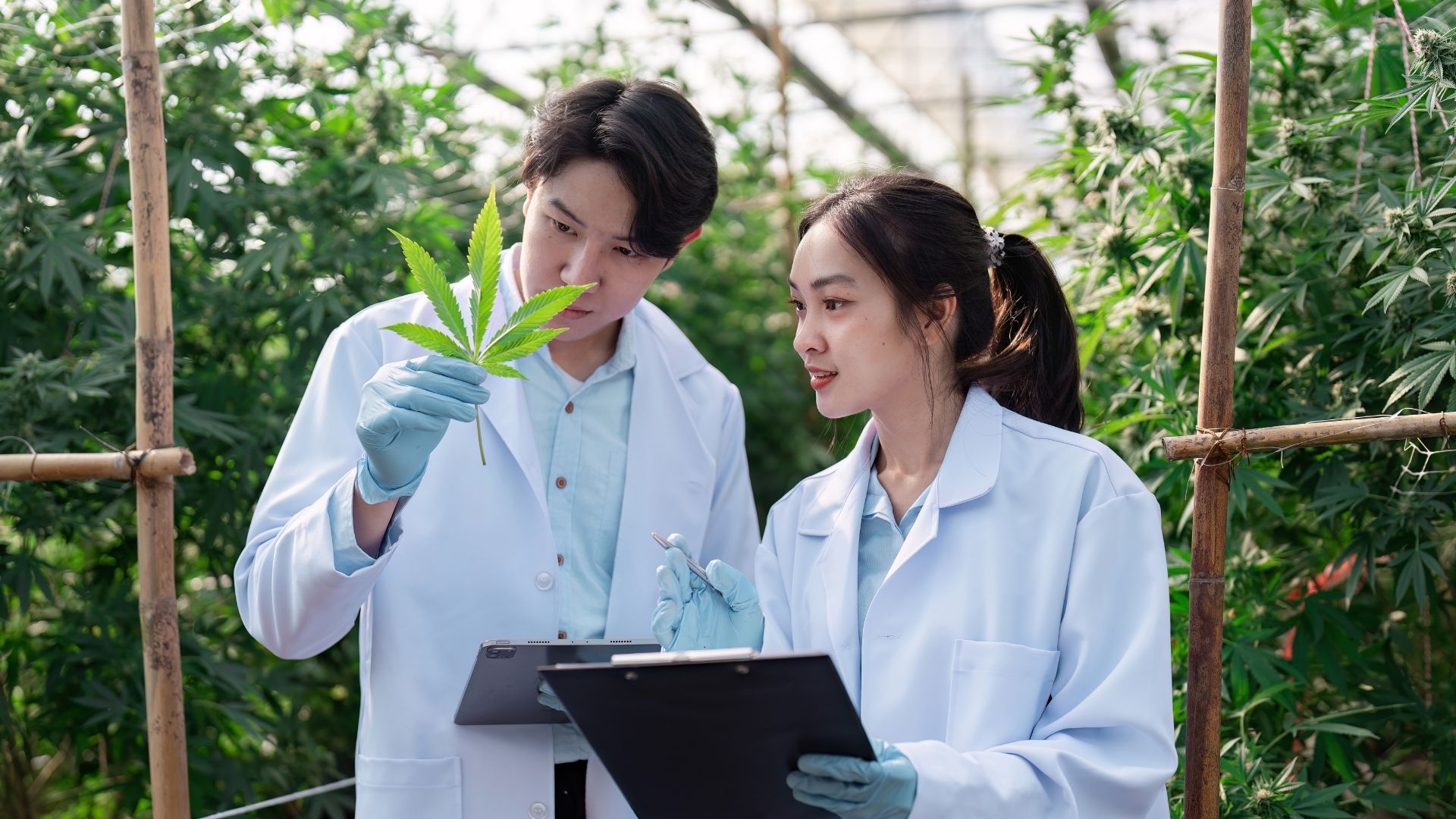
Crop yield refers to the measurable amount of cannabis produced in each cultivation cycle. It is often expressed through weight-based metrics that help growers evaluate performance.
These are the different types of yields you should track:
- Wet Yield: Weight of freshly harvested flower before moisture loss.
- Dry Yield: Weight after drying, when most moisture has evaporated.
- Trimmed Yield: Final weight after removing excess leaves and stems.
- Sellable Yield: The portion that meets quality standards for packaging or bulk sale.
Yield is closely tied to quality, potency, and consistency. Strong cannabinoid levels, good terpene retention, and uniform bud development all increase the sellable portion of each batch.
In the next section, we look at the factors that influence cannabis yield and how they shape your overall production.
Suggested Read: Step-by-Step Guide on How to Start Growing Cannabis Indoors
Primary Factors That Influence Marijuana Cultivation Cycles
A successful cultivation cycle depends on how reliably you control the conditions that drive plant behavior. Small shifts in stability or timing can alter growth, reduce consistency, and limit overall yield potential.
These factors determine how efficiently your plants grow, how well they respond to stress, and how much final yield you can expect at harvest:
- Genetics and Phenotype Expression: Determines growth speed, structure, potency potential, and overall productivity.
- Environmental Control: Light intensity, temperature, humidity, CO₂, and VPD all influence plant development and cannabinoid formation.
- Irrigation and Nutrient Strategy: Proper hydration and balanced feeding prevent stress and support strong biomass and flower production.
- Canopy Management: Training, pruning, and spacing affect light penetration, airflow, and the number of productive bud sites.
- Integrated Pest Management: Preventing pests and pathogens protects both plant health and final yield stability.
- Labor Timing and Workflow Execution: Consistent task scheduling prevents delays that disrupt plant development or increase stress.
Keeping these forces balanced is essential for predictable output. In the next section, we look at six practical ways to improve cannabis yield in commercial environments.
Suggested Read: Identifying and Treating Light Stress in Cannabis Plants
6 Strategies to Maximize Cannabis Yield

Indoor cannabis plants typically yield 100–250 grams each, while outdoor plants often produce 600–750 grams, with advanced techniques capable of pushing yields beyond 1 kilogram per plant. But improving yield requires more than strong genetics or good equipment.
These strategies help commercial growers unlock yield gains that come from operational discipline, not guesswork.
1. Use Stage-Based Environmental Recipes
Plants respond best when temperature, humidity, and VPD follow a structured recipe for veg, stretch, early flower, and finishing. Predictable transitions reduce stress and improve both biomass and bud development.
Here is how to strengthen your environmental recipes:
- Map environmental targets for every week of the cycle
- Adjust VPD to encourage either vegetative or generative response
- Prevent large, sudden climate changes during stage transitions
2. Implement Predictive Irrigation
Predictive irrigation is based on substrate dry-back targets, not guesswork or fixed schedules. This approach ensures controlled water availability and helps steer plants more effectively.
Use these steps to improve irrigation precision:
- Track dry-back percentages at the same time daily
- Adjust irrigation frequency to guide vegetative or generative growth
- Use consistent substrate monitoring tools across rooms
3. Optimize Canopy Density Using Light Saturation Data
Many facilities rely on height or visual fullness, but true optimization comes from matching canopy density to PPFD distribution. This reduces shaded zones and boosts usable bud sites.
Better canopy density management includes:
- Measuring PPFD across multiple canopy points
- Lowering plant count when light penetration drops below the target
- Training plants to achieve uniform height and spacing
4. Strengthen Flower Initiation
The first 14 days of flower determine final structure and yield potential. Managing stretch through environmental and irrigation cues helps build a balanced canopy with more productive top sites.
You can improve stretch control by:
- Increasing generative steering during the transition window
- Using early defoliation to shape airflow and light distribution
- Limiting nighttime temperature dips that increase internode length
5. Stabilize Labor-Intensive Tasks
Yield drops when critical tasks like defoliation, trellising, or pruning are late or uneven across rooms. A structured timing model keeps growth stages synchronized.
You can improve workflow timing by:
- Assigning exact days for each labor-heavy task
- Creating workload heat maps to predict peak labor needs
- Using pre-shift briefings to align staff on stage changes
6. Use Data Trends to Drive Full-Cycle Improvements
Cycle-to-cycle data allows you to compare performance, identify weak stages, and replicate what worked. Yield rises when decisions are based on patterns rather than memory.
Here is what to track for better optimization:
- Environmental trends tied to harvest outcomes
- Labor hours versus finished weight
- Irrigation events versus flower density and moisture
PlanaCan helps you apply these strategies consistently by turning environmental targets, irrigation plans, and workflow timing into clear, repeatable schedules. You can track every action across rooms and compare cycle results without digging through spreadsheets. Schedule a demo to learn more.
How Does Harvest Timing Affect Final Yield?

The harvest window is narrow, and even a few days of mistiming can shift cannabinoid profiles, reduce aroma, or result in unnecessary weight loss. Understanding how timing shapes final output helps you make confident, data-driven decisions at the end of each cycle.
The relationship between harvest timing and cannabis yield can be seen in these factors:
- Cannabinoid Levels: Harvesting too early reduces THC development, while waiting too long can increase degradation and produce less desirable effects.
- Terpene Expression: Terpenes volatilize easily, and late harvests or delayed processing lead to noticeable aroma loss.
- Bud Density and Structure: Cutting too soon produces airy buds, while overripe flowers may oxidize or darken.
- Moisture Retention: The maturity stage determines how much water remains in the plant, which affects drying loss and final weight.
- Batch Consistency: Inconsistent canopy maturity results in inconsistent quality levels and uneven potency within the same harvest.
When harvest timing is managed correctly, both yield and product quality are protected. The next stage of cultivation focuses on practices that maintain those gains and ensure consistency across the entire cycle.
Suggested Read: Step-by-Step Guide to Advanced Cannabis Cultivation Techniques
Post-Harvest Practices That Protect Yield
The post-harvest stage determines how much weight you retain, how many trichomes survive handling, and how well your final product expresses aroma and potency.
You need to be careful about the following:
- Control Drying Conditions: Keep temperature and humidity stable to prevent over-drying or moisture spikes that damage terpene-rich buds.
- Maintain Proper Spacing: Avoid overcrowding branches or racks so airflow remains even, and mold risks stay low.
- Handle Flowers Gently: Reduce physical contact, compression, and long transport routes that break trichomes and lower the grade.
- Monitor Moisture Levels Regularly: Use water activity checks and moisture meters to determine when buds are ready for curing.
- Standardize Curing Protocols: Maintain consistent container burping, airflow, and storage conditions to preserve quality and aroma.
PlanaCan helps you manage drying, curing, and post-cut workflows by giving your team clear task timing and daily checkpoints. You can track room conditions, moisture checks, and batch movements in one place. Try PlanaCan for free.
Yield-Killing Mistakes Growers Should Avoid
Mistakes in cannabis cultivation often come from rushed decisions, inconsistent execution, or gaps in environmental and workflow control. Understanding how they happen helps you prevent costly setbacks long before they affect your final product.
Table showing common mistakes and how to fix them:
These mistakes often occur when cultivation teams rely on intuition rather than structured processes. Best practices help keep cycles predictable and reduce the strain of last-minute corrections.
- Keep daily observations consistent and logged.
- Adjust workflows proactively instead of reacting to plant stress.
- Maintain uniformity across rooms to stabilize performance.
- Review stage transitions as a team before making changes.
- Establish weekly audits to catch small issues early.
Avoiding cultivation errors becomes much easier when your schedules, tasks, and observations are organized in one place. This is where PlanaCan brings clarity and structure to your entire cultivation cycle.
Suggested Read: Steps to Make Cannabis Grow Faster
Use PlanaCan to Optimize Cannabis Cultivation Cycles
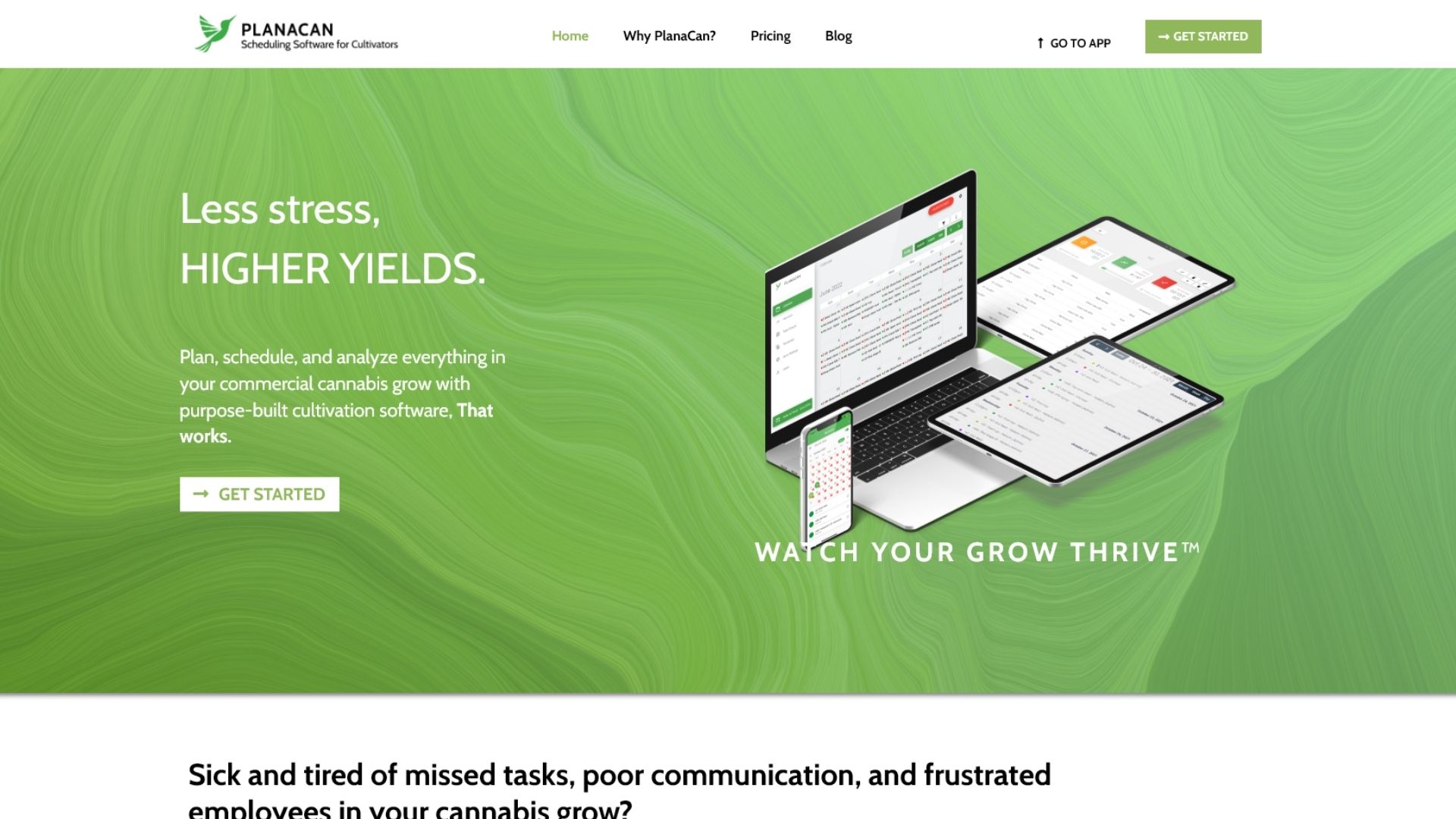
PlanaCan is a cultivation-management platform built to simplify complex cannabis operations and turn them into predictable, repeatable cycles. It centralizes schedules, tasks, team coordination, and batch data in one system that works across both web and mobile apps.
This is how PlanaCan can strengthen your cultivation cycles:
- Automated Work Scheduling: PlanaCan assigns tasks based on stage timing, workload distribution, and room-specific requirements. This ensures critical activities, like defoliation, pruning, irrigation adjustments, and harvest prep, happen exactly when plants need them, not when someone remembers.
- Interactive Calendar: All cultivation, harvest, and post-harvest actions appear on a dynamic calendar that updates in real time. This allows you to anticipate heavy workload days, manage overlapping batches, coordinate resets, and prevent room congestion before it happens.
- Team Management Tools: Your staff receives clear task lists, SOP-linked instructions, and role-specific assignments through desktop and mobile apps. Real-time updates help supervisors track progress, rebalance workloads, and maintain timing across multiple rooms or cultivars.
- Harvest Analysis and Reporting: PlanaCan records harvest timing, throughput, moisture checks, environmental readings, labor hours, and post-harvest metrics. These insights reveal patterns that influence yield, identify workflow bottlenecks, and help refine decision-making across future cycles.
- Templates for Tasks and SOPs: You can standardize repeatable actions using templates for cultivation tasks, pruning cycles, crop steering steps, harvest workflows, and post-harvest procedures. This ensures every team member performs tasks consistently, even as staff changes.
PlanaCan is designed to support real growers managing real challenges, from timing issues to inconsistent execution and complex room coordination. By converting daily actions into structured, trackable workflows, it strengthens the entire cultivation cycle.
Conclusion
Maximizing yield is one of the most reliable ways to increase returns in commercial cannabis cultivation. Without strong yield performance, even the best genetics, lighting systems, or facility upgrades struggle to deliver meaningful value.
PlanaCan helps growers achieve this consistency by organizing schedules, coordinating teams, and standardizing cultivation workflows across every room and stage. It turns complex operations into predictable cycles and provides the visibility needed to make better decisions at the right time.
Ready to strengthen your cultivation cycles? Schedule a free call today.
Frequently Asked Questions
1. Does molasses fatten up buds?
Molasses does not directly fatten buds. It feeds soil microbes, which can improve nutrient availability, but yield increases depend on overall plant health, environment, and feeding balance.
2. Why are my cannabis yields so low?
Low yields usually result from poor light distribution, weak canopy structure, inconsistent feeding, unstable environment, or delayed labor tasks. Identifying the bottleneck helps correct the underlying issue.
3. Does vegging longer increase yield?
Vegging longer allows plants to build more structure, supporting additional bud sites. However, gains plateau if the light, environment, or canopy density cannot support the larger plant.
4. What is the best temperature for maximizing yield?
Most growers maintain an ideal temperature of 75–86°F during veg and 65–80°F in flower with balanced VPD. Stable conditions promote strong growth, better metabolism, and healthier bud development.
5. How often should I defoliate for better yield?
Defoliate strategically during late veg and early flower to improve airflow and light penetration. Excessive or late defoliation can stress plants and reduce density.
6. Do bigger pots increase cannabis yield?
Bigger pots allow larger root zones, which can increase yield if lighting and environment match the plant’s potential. Oversized pots without matching resources may waste space without improving performance.