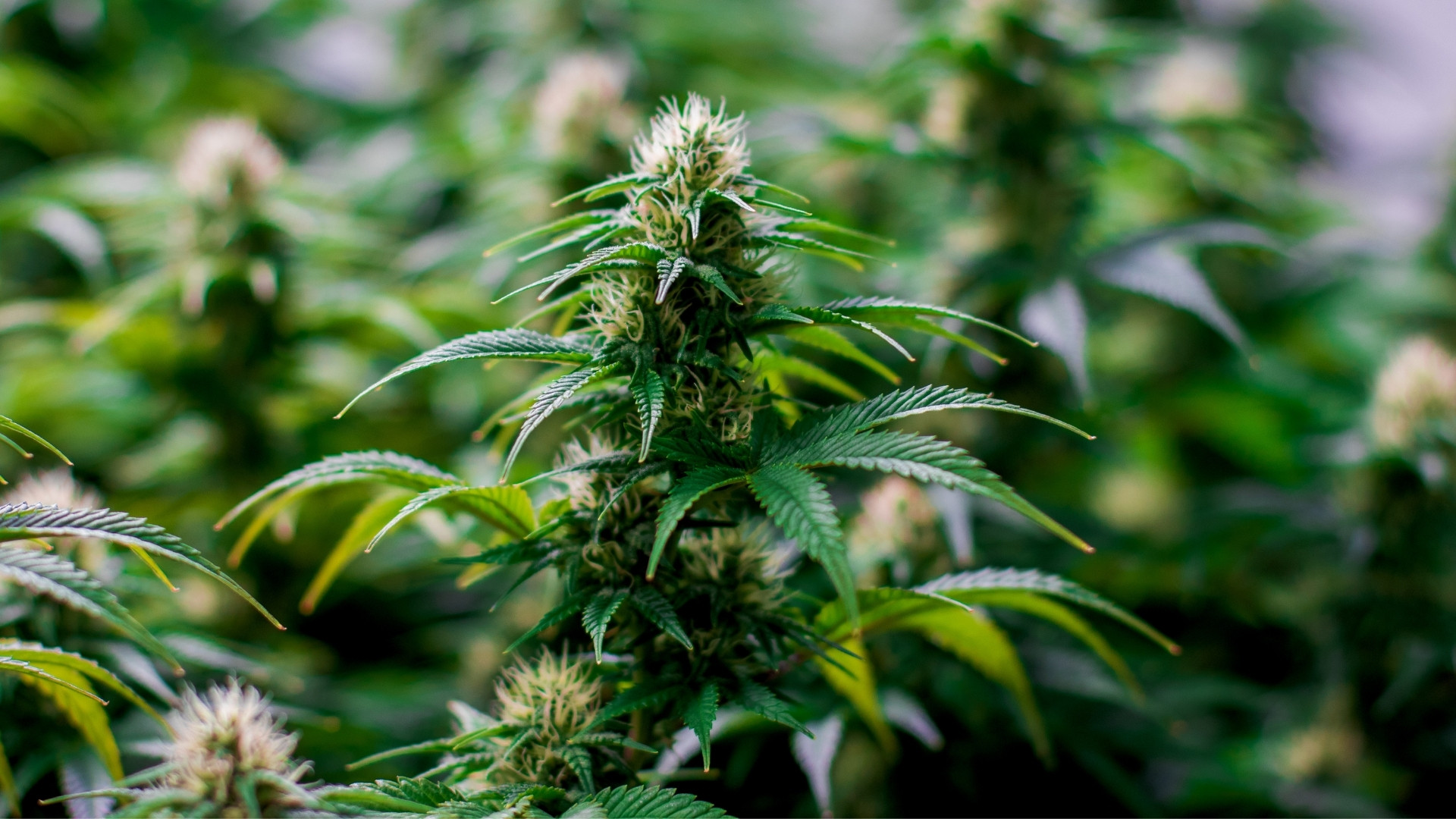
Commercial cannabis cultivation requires accuracy. Every missed feed, delayed defoliation, or forgotten treatment compounds into lost yield, wasted labor, and rising operational stress. Yet many facilities still rely on manual systems to manage hundreds of time-critical tasks.
The industry is rapidly modernizing. Among 2025 growers producing indoors or in lit greenhouses, 93% now use some form of control system, reflecting the shift toward technology-driven operations. This momentum is fueled by advanced indoor and greenhouse methods such as hydroponics and aeroponics, which improve yields, efficiency, and compliance.
In this guide, we explain what automation in cannabis production is, where it delivers immediate impact, and how to implement it effectively.
What you need to know:
- Automation stabilizes daily execution. Structured workflows replace manual coordination, reducing missed tasks, execution delays, and production variability across cultivation cycles.
- Operational discipline improves yield predictability. Consistent task timing and standardized procedures create uniform plant development, stronger canopy structure, and repeatable harvest outcomes.
- Labor efficiency increases across shifts. Automated scheduling and task assignment reduce idle time, improve coordination, and optimize workforce deployment throughout production stages.
- Scalable systems replace reactive management. Automation enables facilities to expand room count and output volume without increasing operational chaos or managerial strain.
- Data-driven optimization becomes possible. Captured execution history supports continuous workflow refinement, performance benchmarking, and smarter production planning using modern technology.
What Is Cannabis Production Automation?
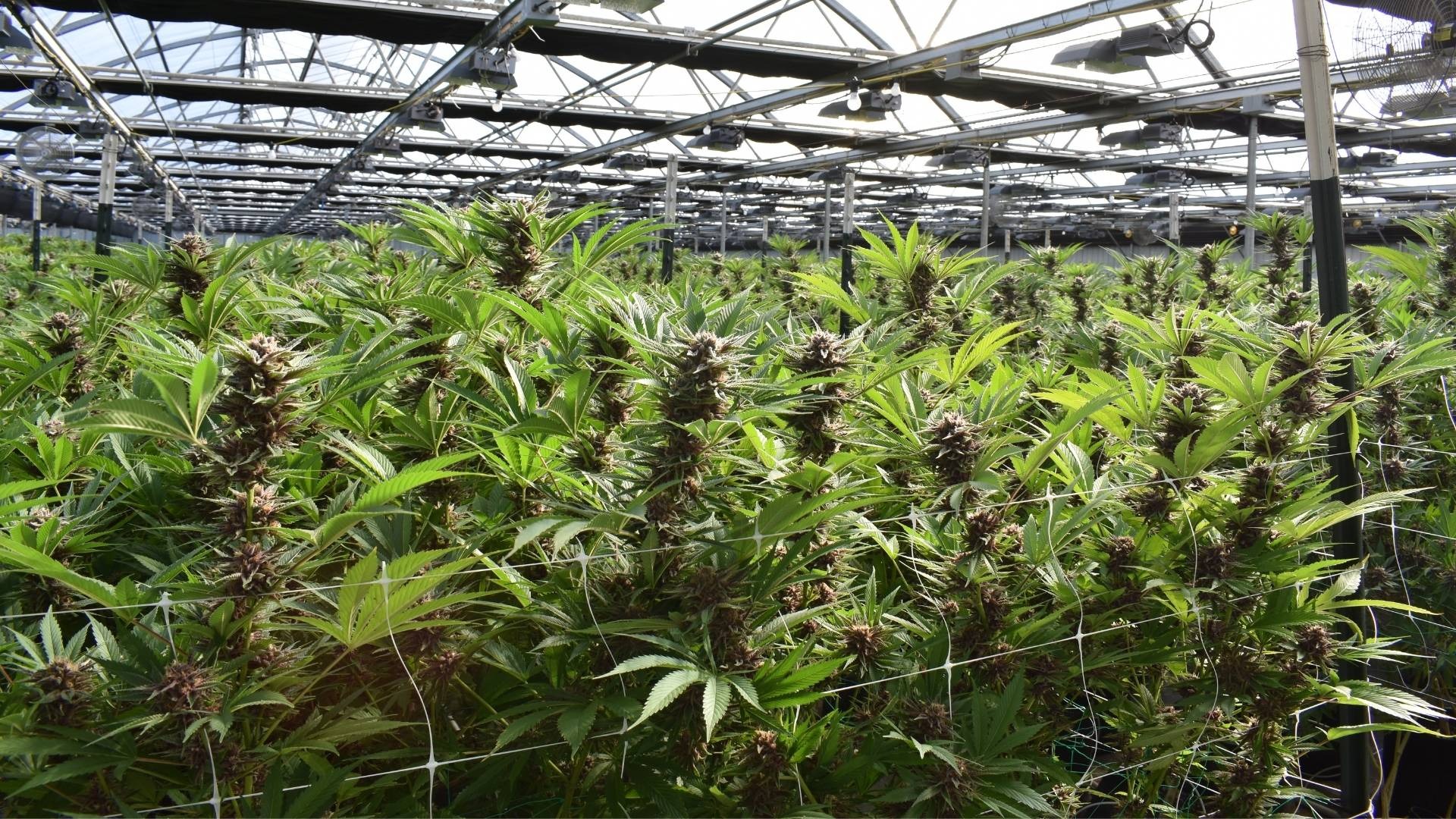
Cannabis production automation refers to the use of technology to plan, schedule, execute, and track cultivation workflows with precision and repeatability. Automation in cannabis cultivation generally falls into two categories.
Physical automation focuses on environmental and system controls, such as:
- HVAC systems for temperature and humidity regulation
- Automated fertigation and irrigation delivery
- Lighting controls and photoperiod scheduling
- CO₂ management and airflow systems
Operational automation focuses on execution and team workflows, including:
- Task scheduling and recurring workflows
- Treatment and crop-stage planning
- Team communication and accountability
- Harvest coordination and labor allocation
Physical automation stabilizes the growing environment. Operational automation stabilizes execution. And as facilities expand, execution discipline becomes the defining factor behind consistent yields, predictable harvests, and sustainable margins.
The next section examines the various limitations of traditional production that automation addresses.
Suggested Read: Emerging Trends and Solutions in Cannabis Technology
Why Has Automation Become Necessary for Commercial Growers?
Automation has become necessary because it is the only practical way to maintain precision, accountability, and execution discipline at scale.
The primary forces driving automation adoption include:
- Operational Scale: Multi-room and multi-site facilities generate massive task volume that manual systems cannot reliably manage.
- Labor Constraints: Tight hiring markets, wage inflation, and turnover demand higher productivity per worker.
- Yield Consistency: Even minor delays or missed actions compound into uneven canopies, stress responses, and reduced final weight.
- Compliance Requirements: Documentation, traceability, and audit readiness require structured, repeatable workflows.
- Shorter Production Cycles: Faster turnarounds compress task windows and increase the cost of execution errors.
- Management Load: Manual scheduling, follow-ups, and coordination create operational drag and decision fatigue.
Understanding where to deploy automation first is what determines how quickly those benefits materialize. This is explained in the next section.
Suggested Read: Step-by-Step Guide to Advanced Cannabis Cultivation Techniques
9 Areas Where Automation Creates Immediate Impact
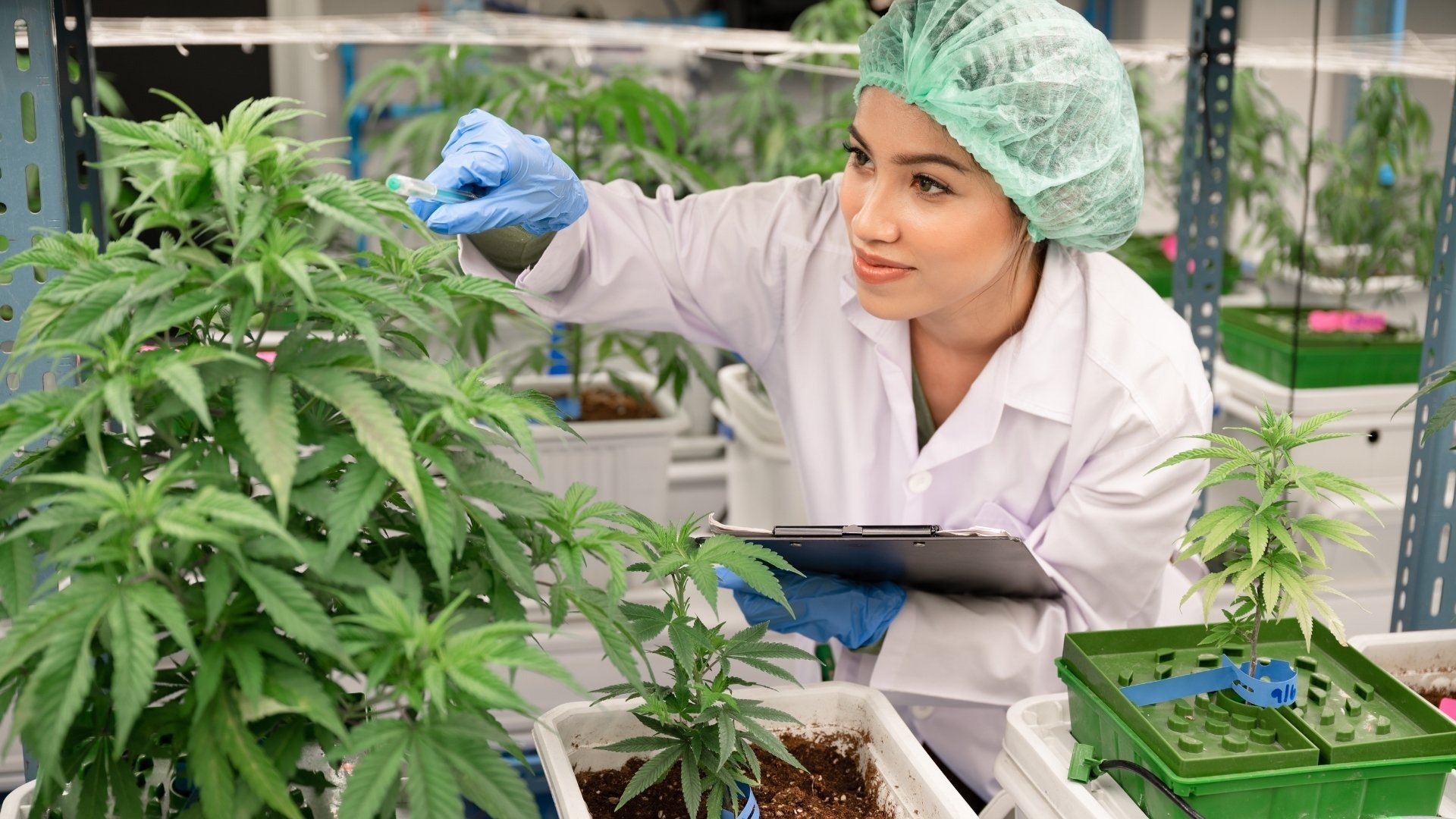
When automation is applied strategically, its benefits surface quickly across daily execution, labor coordination, and harvest outcomes.
These are the 9 critical areas where you should introduce automation first:
1. Task Scheduling and Daily Execution
In high-volume cultivation environments, daily task coordination becomes increasingly complex as rooms, shifts, and crop stages multiply. Without structured scheduling systems, tasks are frequently delayed, overlooked, or poorly sequenced.
Automation improves:
- Accuracy of task timing and completion across rooms
- Clear ownership of responsibilities between shifts
- Smooth sequencing of interdependent cultivation activities
- Consistent execution standards throughout the growth cycle
2. Recurring Cultivation Workflows
Most cultivation tasks repeat on predictable schedules, yet many facilities still rely on memory and manual reminders. Automation standardizes recurring workflows so that feeds, defoliation, inspections, and treatments occur at precise intervals.
This improves:
- Consistent execution of standard operating procedures
- Reduced risk of skipped or duplicated tasks
- Predictable daily workloads for cultivation teams
- Greater uniformity across production cycles
3. Treatment Planning and Application
Pest management, disease prevention, and nutrient treatments depend on precise timing and thorough documentation. Automation minimizes plant stress, reduces outbreak risks, and supports compliance requirements throughout the cultivation process.
It allows for:
- Precision in treatment timing and dosage control
- Consistent execution of integrated pest management protocols
- Accurate treatment documentation for audits and traceability
- Reduced crop exposure to preventable stress events
4. Harvest Planning and Coordination

Harvest windows are narrow, labor-intensive, and operationally demanding. Automation synchronizes harvest scheduling, labor allocation, room turnover, and post-harvest workflows.
You get:
- Predictable harvest timing and labor readiness
- Balanced workloads across cultivation and processing teams
- Faster room turnover for continuous production cycles
- Reduced post-harvest operational disruptions
5. Team Communication and Accountability
Automation centralizes task assignments, progress tracking, and shift handoffs. It ensures that every team member understands their responsibilities while managers maintain real-time operational visibility across facilities and production stages.
This improves:
- Clear communication of daily task expectations
- Seamless coordination between shifts and departments
- Transparent accountability for task execution
- Stronger managerial oversight of operational progress
6. Labor Allocation and Productivity
Labor represents one of the highest operational costs in cannabis cultivation. Automation aligns workforce scheduling with real-time production demands, enabling proactive staffing decisions.
Automation allows for:
- More efficient daily labor deployment
- Reduced overtime and reactive staffing adjustments
- Balanced workloads across cultivation functions
- Higher productivity per labor hour
7. Compliance and Record Keeping

Cannabis production is subject to strict regulatory oversight, and incomplete documentation creates compliance risks. Automation captures operational activity in real time, generating reliable records for audits, inspections, and internal reviews.
Automation helps with:
- Accurate documentation of cultivation activities
- Faster audit preparation and inspection readiness
- Reduced risk of regulatory violations
- Stronger internal operational transparency
8. Crop Steering Execution
Crop steering strategies depend on disciplined daily execution across irrigation, environment, and cultivation tasks. Automation ensures that planned steering protocols translate into consistent operational actions.
This improves:
- Precision in executing steering protocols
- Uniform plant development across grow rooms
- Predictable canopy and bud structure formation
- Improved consistency in final harvest results
9. Performance Tracking and Optimization
Without historical operational data, continuous improvement becomes guesswork. Automation captures cultivation performance metrics across cycles, enabling growers to identify inefficiencies, refine workflows, and improve labor planning.
This improves:
- Accurate benchmarking of cultivation performance
- Faster identification of operational bottlenecks
- Smarter labor and resource planning decisions
- Continuous refinement of production workflows
PlanaCan integrates these automation capabilities into a single, cultivation-specific platform designed for commercial operations. Converting cultivation plans into structured daily execution workflows removes operational guesswork while strengthening accountability and consistency. Schedule a free demo today.
5 Reasons to Automate Cannabis Production Operations
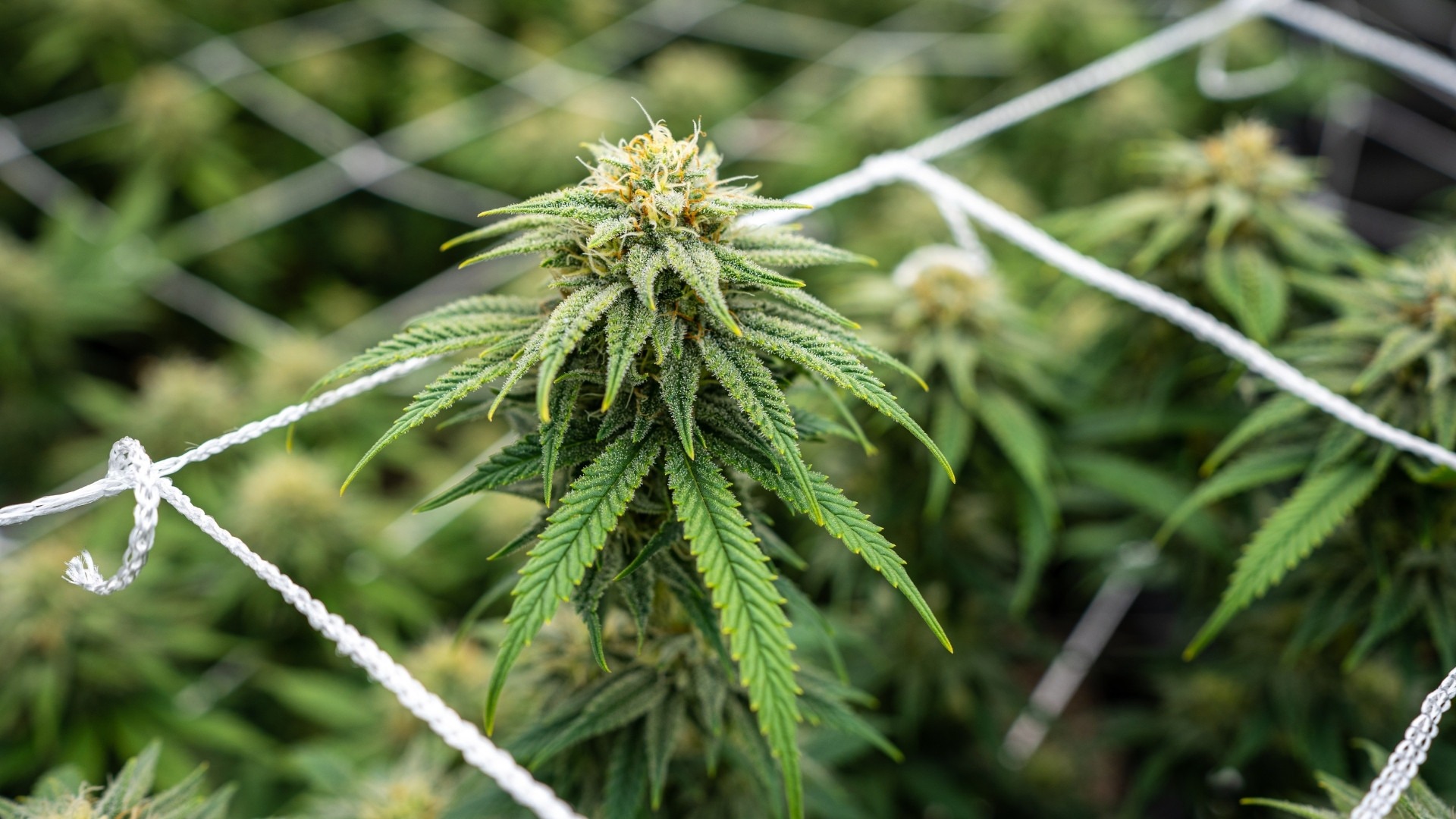
Most commercial growers automate when very specific operational problems begin costing time, yield, and control. These moments usually appear during everyday production and signal that manual systems are no longer sufficient.
Five clear triggers that push growers toward automation include:
- When You Stop Trusting Your Task Boards
Whiteboards and spreadsheets become unreliable once daily tasks exceed simple room-level tracking, creating uncertainty about what is completed, what is delayed, and what is missed. - When Firefighting Replaces Planning
Daily operations become reactive, with teams constantly fixing mistakes, chasing delayed work, and adjusting schedules instead of following structured production plans. - When New Hires Struggle to Get Up to Speed
Training becomes inconsistent, task execution varies by individual, and performance depends too heavily on a few experienced staff members. - When Harvest Timing Becomes Hard to Predict
Inconsistent execution upstream leads to uneven crop maturity, forcing rushed harvests, delayed turnovers, and unstable production scheduling. - When Growth Creates Chaos Instead of Efficiency
Adding rooms, plants, or shifts increases confusion, errors, and workload instead of improving output and profitability.
The next section outlines a practical, step-by-step approach to implementing automation without disrupting daily cultivation operations.
Suggested Read: Setting Up an Automatic Watering System for Indoor Cannabis
Step-by-Step Guide to Getting Started With Automation

A structured, phased approach can allow you to introduce automation without disrupting production, overwhelming teams, or creating unnecessary complexity.
This is what you need to do:
Step 1: Map Your Current Cultivation Workflow
Start by documenting how work currently moves through your facility, from propagation to harvest. This creates a clear operational baseline and highlights hidden inefficiencies.
To do this effectively:
- List all recurring daily, weekly, and cycle-based tasks
- Document room transitions and crop-stage changes
- Track who performs each task and when
- Identify dependencies between tasks
Step 2: Identify Bottlenecks and Failure Points
Once workflows are visible, pinpoint where delays, errors, or confusion consistently occur. These friction zones represent the highest-impact automation opportunities.
Focus on:
- Tasks that are frequently missed or delayed
- Areas where communication breaks down
- Processes that require constant follow-up
- Stages that regularly create production slowdowns
Step 3: Standardize Operating Procedures
Before automating, ensure workflows are consistent and repeatable. Standardization enables automation to reinforce best practices rather than amplify operational chaos.
At this stage:
- Define task timing, sequencing, and ownership
- Align procedures across rooms and shifts
- Document cultivation standards clearly
- Remove unnecessary task variations
Step 4: Build Automated Task Schedules
Translate standardized workflows into structured, automated schedules. This transforms production planning into a daily execution discipline.
When building schedules:
- Align tasks with crop stages and room cycles
- Automate recurring workflows
- Assign clear responsibilities
- Integrate harvest and turnover planning
Step 5: Track Performance and Continuously Optimize
Automation provides operational visibility that manual systems cannot. Use this data to refine workflows, improve labor efficiency, and enhance yield.
This includes:
- Monitoring task completion rates
- Analyzing labor utilization
- Comparing harvest performance between cycles
- Identifying continuous improvement opportunities
PlanaCan supports each of these steps through cultivation-specific workflow automation, scheduling intelligence, and real-time execution tracking. This ensures smoother adoption, faster team alignment, and measurable performance improvements. Try PlanaCan for free.
Challenges in Scaling Operations with Automation
Automation simplifies daily execution, but scaling automation introduces a new layer of operational complexity.
Table showing various challenges faced in automating cannabis production:
As operations scale, the goal is not to automate more, but to automate smarter. That requires platforms built specifically for cultivation workflows, operational flexibility, and real-world production complexity.
Key capabilities to look for include:
- Cultivation-specific workflows designed around crop stages and room cycles
- Intelligent scheduling that adapts to production changes
- Clear task ownership and team accountability tools
- Mobile usability for on-floor execution
- Integrated harvest planning and turnover coordination
- Real-time performance tracking and reporting
- Flexible workflow customization without complexity
- Scalable architecture for multi-room and multi-site growth
PlanaCan is purpose-built around these operational requirements. It enables commercial growers to scale production without sacrificing execution clarity, accountability, or performance consistency.
Suggested Read: Managing Soil Moisture for Cannabis Cultivation Using Sensors
Choose PlanaCan to Automate Your Cannabis Production Operations

PlanaCan is a cultivation management and workflow automation platform purpose-built for commercial cannabis growers. It connects production planning, daily execution, and performance analysis into one operational system. You get full visibility and control across every room, crop stage, and harvest cycle.
Key features include:
- Workflow Automation Built for Cultivation
PlanaCan converts cultivation plans into automated daily workflows that adapt to crop stages, room transitions, and production schedules. This eliminates manual task coordination while ensuring every critical action happens on time and in the correct sequence. - Interactive Production Calendar
The dynamic calendar provides real-time visibility into room schedules, task timelines, treatments, and harvest windows. You can instantly manage schedules when conditions change, keeping operations flexible without losing structure or accountability. - Harvest Analytics and Performance Insights
PlanaCan captures harvest data and operational history to reveal yield trends, labor efficiency, and workflow performance. These harvest analytics can help you identify inefficiencies, refine cultivation strategies, and continuously improve production outcomes across cycles. - Team Management Tools
Native iOS and Android apps, along with other communication tools, can help your team view assignments, complete tasks, and communicate directly from the grow floor. This ensures real-time execution tracking, seamless shift handoffs, and stronger accountability across all operational roles. - Scalable Operational Control
PlanaCan is designed to support multi-room and multi-site facilities without increasing complexity. As operations grow, workflows, schedules, and team coordination scale smoothly, preserving execution clarity and production stability.
PlanaCan is designed for fast, frictionless onboarding. Guided workflow configuration, prebuilt cultivation templates, and hands-on implementation support enable teams to begin automating core operations in days, not months. You get rapid adoption, smooth team alignment, and immediate operational value.
Conclusion
Commercial cannabis operations gradually slip into reactive management, inconsistent execution, and rising operational stress without automation. Manual systems eventually lead to missed actions, uneven crop performance, and unpredictable harvest outcomes.
PlanaCan provides growers with a structured, cultivation-specific automation platform that converts production plans into disciplined daily execution. It brings workflows, scheduling, team coordination, and harvest analytics in one system.
Ready to bring structure and predictability to your cultivation operations? Schedule a demo to simplify daily production tasks.
Frequently Asked Questions
1. How long does it take to implement cannabis automation software?
Implementation typically takes days, not months, depending on facility size. Most growers begin seeing operational improvements within the first production cycle through structured workflows, scheduling, and visibility into task execution.
2. Can automation integrate with existing environmental control systems?
Yes. Operational automation platforms typically complement HVAC, fertigation, and lighting systems by coordinating daily cultivation workflows and ensuring that environmental strategies translate into consistent execution across rooms, shifts, and production cycles.
3. Is cannabis automation suitable for small commercial grows?
Small facilities benefit by establishing operational discipline early, preventing inefficiencies from becoming embedded. Automation creates scalable workflows, making future expansion smoother while improving consistency, labor efficiency, and crop predictability from the start.
4. Does automation require technical expertise to manage daily?
Most platforms are designed for cultivation teams, not IT staff. Intuitive interfaces, mobile apps, and simple workflows allow growers and technicians to manage tasks easily with minimal training.
5. How does automation improve long-term production planning?
Automation captures historical performance data, enabling growers to analyze trends, forecast labor needs, optimize harvest schedules, and refine cultivation strategies for stronger yield consistency and long-term operational efficiency.