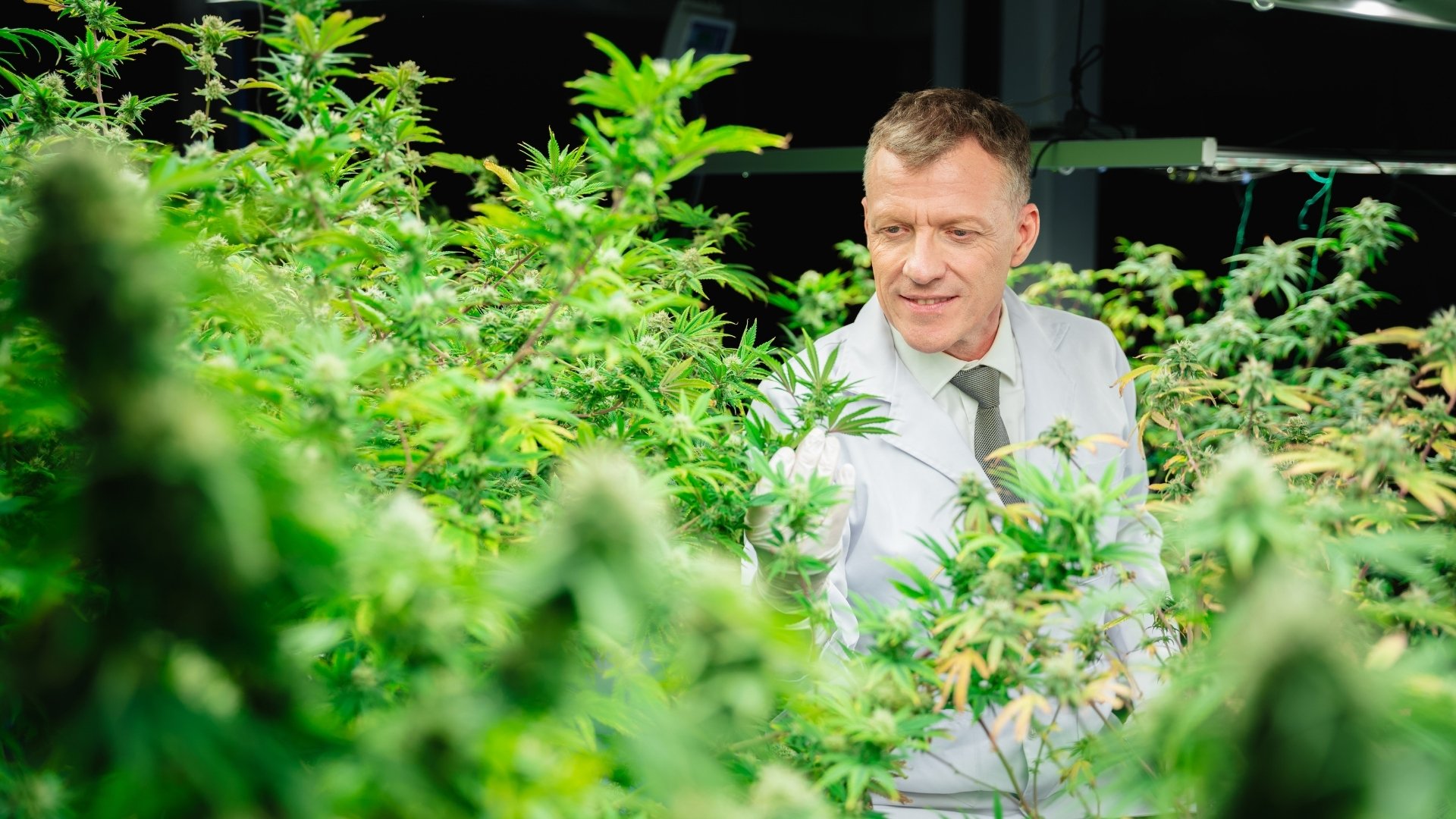
Margins are tightening across cannabis cultivation, and many growers still do not know their true cost per harvest until it is too late. Yield may look strong, but rising labor, energy, and input costs quietly reduce profitability over time. At the same time, wholesale price volatility continues to pressure cultivators.
Reports suggest that national pricing fluctuations and declining averages are making cost control more important than ever. You are expected to produce consistent quality while managing unpredictable costs, changing market demand, and increasing operational complexity. Accurate cultivation cost estimation has become a key factor in cultivation decisions that affect strain selection, scheduling, staffing, and long-term sustainability.
In this guide, we break down how cannabis cultivation costs are built, where expenses typically increase without notice, and how growers can estimate and control costs for more predictable, profitable operations.
Here's the short version:
- Accurate cost estimation protects profitability. Understanding cost per cycle and cost per gram helps growers avoid high-yield harvests that still lose money.
- Labor, energy, and inputs drive most costs. Inefficient scheduling, environmental instability, and inconsistent genetics increase expenses across cycles.
- Hidden operational inefficiencies increase costs over time. Missed tasks, poor communication, and delayed room turnover quietly raise production costs.
- Better planning reduces long-term expenses. Structured scheduling and consistent execution improve labor efficiency and yield predictability.
- Technology improves cost visibility and control. Cultivation platforms help growers track operations, reduce variability, and improve financial decision-making over multiple harvests.
Importance of Accurate Cannabis Cost Estimation
Many cultivation operations only realize their true costs after profits disappear. A harvest can look successful on paper, yet still lose money once labor, energy, and input costs are fully accounted for.
As wholesale prices tighten and operating expenses rise, growers who do not understand their real production costs risk repeating the same losses every cycle.
Accurate cost estimation helps you avoid:
- Producing High Yields With Low Profit: Strong harvest numbers can hide expensive workflows and inefficient strain choices that quietly reduce margins.
- Choosing Strains That Cost More Than They Earn: Some genetics require more labor, longer flowering periods, or higher inputs, increasing cost without improving returns.
- Labor Costs Growing Unnoticed: Missed timing, rework, and inefficient scheduling increase labor hours without improving plant performance.
- Unexpected Cost Spikes Late In The Cycle: Poor planning often leads to overtime, emergency fixes, or rushed harvest decisions that increase expenses.
- Repeating the Same Expensive Mistakes: Without clear cost visibility, inefficiencies carry forward from one harvest to the next.
Understanding where money is lost is the first step toward controlling it. The next section breaks down the major cost components in cannabis cultivation and explains where most operational expenses actually originate.
Suggested Read: Cost of Growing Your Own Marijuana Indoors
What Are the Major Cost Drivers in Cannabis Cultivation?
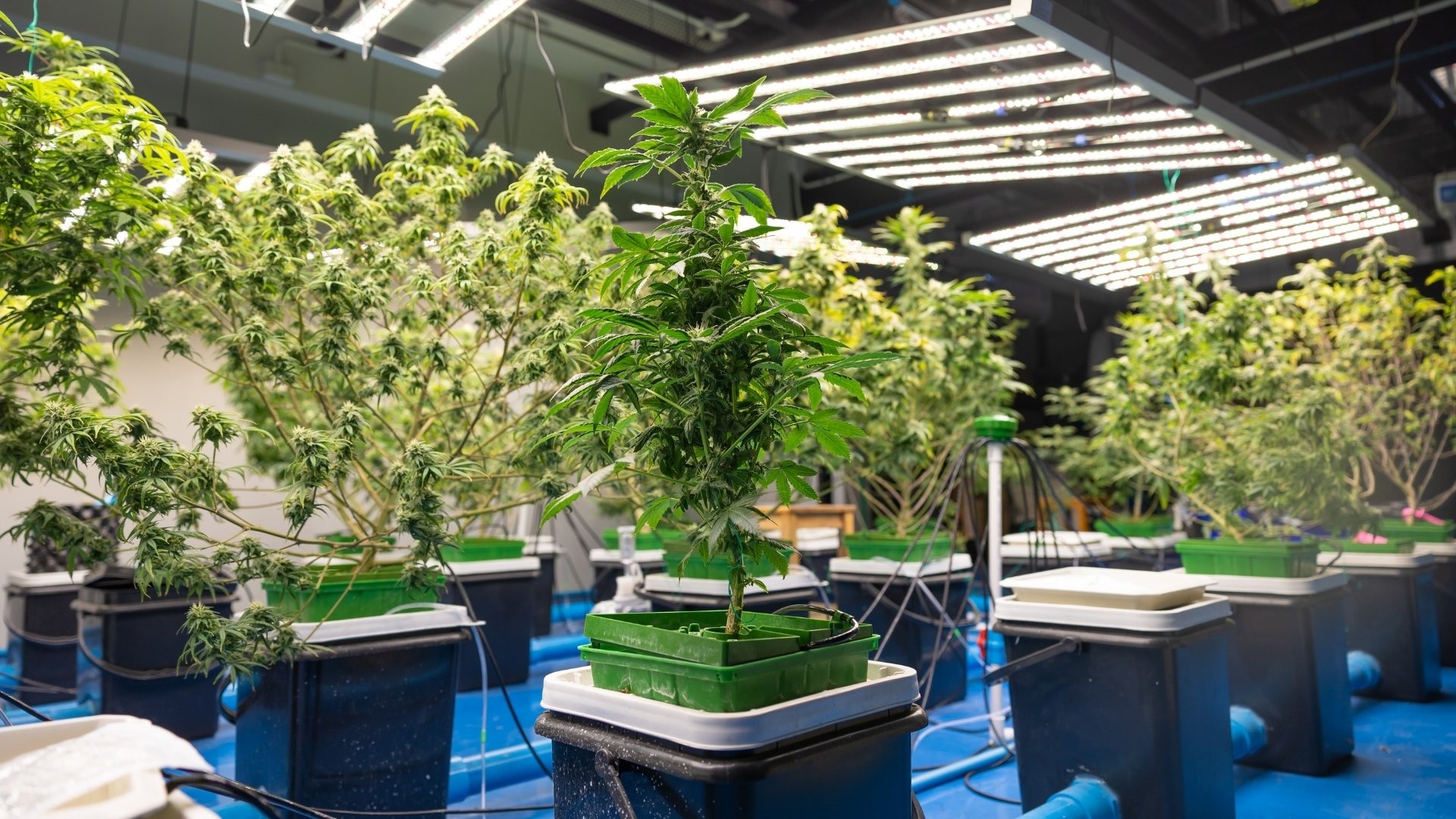
Cultivation costs rarely come from one source. They build slowly across labor, energy, inputs, and operational inefficiencies throughout the growth cycle. Knowing where the money is actually spent can help you estimate costs realistically and identify where margins are lost before harvest.
These are the primary cost components in growing cannabis on a commercial scale:
1. Application, Licensing, and Regulatory Fees
Application and licensing costs vary significantly by state and license size, making them difficult to estimate without local research. These fees are not one-time expenses, as renewal and compliance costs continue throughout operation.
For example, in California, cultivation application fees range from about $135 for small specialty outdoor licenses to several thousand dollars for larger indoor licenses, and over $8,655 for the largest indoor licenses. A small indoor cultivation license carries an annual fee of about $35,410, showing how operational scale directly affects regulatory cost planning.
You can expect regulatory costs to increase when:
- Operating in states with tiered licensing based on canopy size
- Expanding cultivation without accounting for higher renewal tiers
- Applying for multiple licenses or facility modifications
- Local jurisdictions add additional permitting or inspection fees
- Regulatory reporting requirements increase over time
2. Labor Costs
Labor is consistently one of the largest cultivation expenses because most tasks still require manual execution. Payroll can represent a significant share of fixed operating costs, especially during trimming, defoliation, and harvest periods.
You can expect labor costs to increase when:
- Tasks are delayed and require overtime or rework
- Too many staff are scheduled during low-workload phases
- Strains require excessive pruning or handling
- Communication gaps lead to duplicated work
- Harvests are not planned around staffing availability
3. Energy and Utility Costs
Indoor cultivation is energy-intensive due to lighting, HVAC, and dehumidification running continuously. Electricity alone can represent 20–40% of total operating costs, depending on facility design and location. In some markets, energy costs can reach $300–$500 per pound produced, directly affecting profitability.
Energy costs increase when:
- Light intensity is not matched to the plant stage
- HVAC systems run inefficiently or continuously
- Environmental swings require corrective cooling or heating
- Equipment runs during empty room periods
- Airflow and insulation issues increase load demand
4. Nutrients, Growing Inputs, and Consumables

Nutrients, substrates, pest management products, and consumables accumulate costs over every cycle. While individually smaller than labor or energy costs, input expenses scale quickly across rooms and harvests. Direct growing inputs can represent thousands of dollars per cycle, depending on cultivation method and scale.
Input costs increase when:
- Feeding schedules are not adjusted by strain performance
- Nutrient overuse leads to runoff or waste
- Preventive crop management is inconsistent
- Substrates are replaced more frequently than necessary
- Emergency treatments replace planned interventions
5. Genetics and Propagation Costs
Genetics influence cost indirectly through yield stability, flowering duration, and labor requirements. A strain that yields well but flowers longer or requires more maintenance increases the cost per gram. Inconsistent phenotypes also introduce variability that makes cost estimation unreliable.
Costs increase when:
- New genetics replace proven performers too frequently
- Clone failure rates increase replanting needs
- Strains stretch unevenly and require additional labor
- Flowering times extend beyond planned schedules
- Yield variability reduces predictability per cycle
6. Facility, Equipment, and Post-Harvest Costs
Facility costs include rent, depreciation, maintenance, and post-harvest processing. Drying, trimming, testing, and packaging all add cost after plants leave the grow room. Depending on operational efficiency, total production costs can range widely.
Costs increase when:
- Equipment maintenance is reactive instead of scheduled
- Drying and curing capacity delays room turnover
- Post-harvest workflows require rehandling
- Packaging or testing delays extend storage time
- Facility layout increases unnecessary labor movement
Research estimates suggest that efficient large-scale indoor cultivation could reach production costs of around $600 per pound. Accurate cost estimation becomes easier when daily execution is consistent and measurable.
PlanaCan allows growers to track tasks, schedules, and operational activity in one place. It makes labor usage and workflow efficiency easier to understand over time. Schedule a free demo today.
The next section explains how to calculate cultivation costs, enabling you to translate operational data into clear financial decisions.
Suggested Read: Steps to Make Cannabis Grow Faster
How to Estimate Cultivation Costs Per Cycle and Per Gram
Cost estimation becomes useful only when it converts to numbers you can apply to each harvest. These formulas are widely used because they allow growers to compare performance across rooms, strains, and harvests using consistent benchmarks.
Below are the standard calculation methods used in commercial cultivation.
These formulas help convert operational activity into measurable financial outcomes. Once calculated consistently, growers can identify which strains, rooms, or workflows produce the best returns rather than simply the highest yield.
You can improve accuracy by:
- Tracking labor hours per room instead of estimating payroll broadly
- Including post-harvest costs such as trimming and drying
- Accounting for failed plants or yield loss in calculations
- Comparing results across multiple harvest cycles
- Updating estimates as energy or input costs change
Even with accurate formulas, profitability can still decline when hidden operational costs go unnoticed. The next section explores the unseen costs that often reduce overall profitability.
Suggested Read: Simple Steps and Tips for Harvesting Cannabis
Hidden Costs That Reduce Cannabis Cultivation Profitability
Most cultivation losses arise from small inefficiencies that repeat across cycles and slowly increase the cost per gram. These hidden costs are often overlooked because they appear as normal operational activity rather than clear financial problems.
Common hidden costs include:
- Missed Or Delayed Tasks. Late defoliation, feeding, or treatments reduce plant performance and increase the need for corrective labor later in the cycle.
- Inefficient Labor Allocation. Overstaffing during slow periods or understaffing during peak periods increases payroll costs without improving output.
- Environmental Instability. Temperature and humidity swings increase plant stress, reduce uniformity, and lower overall yield consistency.
- Inconsistent Strain Performance. Genetics that vary between cycles make cost estimation unreliable and increase rework or sorting time.
- Unplanned Equipment Downtime. HVAC or irrigation issues create emergency fixes that increase both labor and crop risk.
- Poor Room Turnover Timing. Delays between harvest and reset reduce facility utilization and increase fixed cost per cycle.
- Communication Gaps Between Teams. Missed updates or unclear responsibilities often lead to duplicated work or incomplete tasks.
Many of these costs appear small in isolation but compound across multiple harvests. PlanaCan helps reduce these inefficiencies by keeping tasks, schedules, and team communication aligned in one system. When execution becomes consistent, hidden costs become easier to identify and control. Try PlanaCan for free.
Can Better Planning Reduce Cultivation Costs Over Time?
Cultivation costs improve when planning reduces variability across cycles and prevents problems before they occur. When work, staffing, and production timelines are planned clearly, growers spend less time correcting mistakes and more time maintaining consistent output.
Better planning helps reduce costs by:
- Improving Labor Efficiency. Scheduling work around plant stages prevents overtime and reduces unnecessary labor hours during low-workload phases.
- Reducing Crop Variability. Consistent schedules and environments produce more uniform plants, improving yield predictability and reducing waste.
- Preventing Last-Minute Adjustments. Advance planning reduces emergency fixes that increase labor, input, and energy costs late in the cycle.
- Optimizing Room Turnover. Clear harvest and reset timelines improve facility utilization and lower fixed costs per cycle.
- Supporting Better Strain Decisions. Tracking results across cycles helps identify genetics that deliver consistent economic performance.
- Improving Resource Allocation. Planned feeding, treatments, and environmental adjustments reduce unnecessary input use.
As cultivation becomes more structured, many growers are turning to technology to support planning and execution at scale. The next section explores how technology can help you bring scheduling, communication, and operational visibility together to run more cost-efficient grows.
Suggested Read: Why Analytics Helps to Increase Crop Production
Use PlanaCan to Run a Cost-Efficient Grow
PlanaCan is a cultivation management platform built for commercial cannabis growers to plan, track, and optimize daily cultivation work. It integrates scheduling, execution, communication, and operational data into a single system, enabling growers to run consistent, predictable cultivation cycles.
You can run a more cost-efficient grow with PlanaCan by:
- Communication: Keep teams aligned with real-time updates, task assignments, and automatic notifications. The iOS and Android apps allow staff to receive updates, complete tasks, and communicate directly from the grow floor, reducing missed work and miscommunication.
- Analytics: Track operational performance, labor activity, and cultivation trends across cycles. Data visibility helps identify inefficiencies and improve cost estimation over time.
- Schedule Management: Plan work around plant stages and room timelines instead of manual calendars. Structured scheduling helps prevent delays, reduces overtime, and keeps labor aligned with cultivation intensity.
- Operational Visibility: See what is happening now and what comes next across rooms and teams. Better visibility allows growers to prevent small operational issues from becoming expensive problems.
- Automate Work: Build repeatable workflows and SOP templates for treatments, feeding, and cultivation tasks. Standardized processes reduce mistakes, prevent rework, and improve consistency across cycles.
As cultivation margins tighten, cost efficiency increasingly depends on execution consistency rather than cutting inputs. PlanaCan helps growers bring structure to daily operations so every cycle runs more predictably and efficiently.
Conclusion
When cultivation costs are not clearly understood, profitability becomes unpredictable. Labor overruns, inefficient scheduling, inconsistent yields, and hidden operational expenses slowly increase the cost per gram across cycles. Without accurate estimation and planning, growers often repeat the same inefficiencies, making it difficult to improve margins even when yields remain strong.
PlanaCan helps bring structure and visibility into cultivation operations by connecting planning, scheduling, communication, and performance tracking in one system. Growers can execute work consistently, identify inefficiencies earlier, and make better decisions that improve cost control over time.
Start running more predictable and cost-efficient growth cycles with better planning and execution. Try PlanaCan and bring structure to how your cultivation operation runs every day.
Frequently Asked Questions
1. How much does a cannabis grow setup cost?
Commercial cultivation setup costs vary widely based on facility size, indoor or greenhouse design, and equipment requirements. Initial setup can range from tens of thousands to several million dollars, depending on scale and regulatory requirements.
2. How profitable is cannabis cultivation?
Profitability depends on cost control, yield consistency, and market pricing. Growers with clear cost-per-gram visibility and efficient operations are more likely to remain profitable as wholesale prices fluctuate.
3. How much is $30 worth of buds?
Retail value varies by market, quality, and brand positioning. For cultivators, the more relevant metric is production cost per gram, since profitability depends on wholesale pricing rather than retail pricing.
4. How much money can you make from 12 plants per year?
Revenue depends on yield, strain selection, market pricing, and production costs. Commercial profitability is typically measured per square foot or per harvest cycle rather than by plant count alone.
5. What is the highest cost in commercial cannabis cultivation?
Labor is typically the largest operational expense, followed by energy and environmental control. Efficient scheduling, consistent workflows, and proper planning help reduce these costs over multiple cultivation cycles.