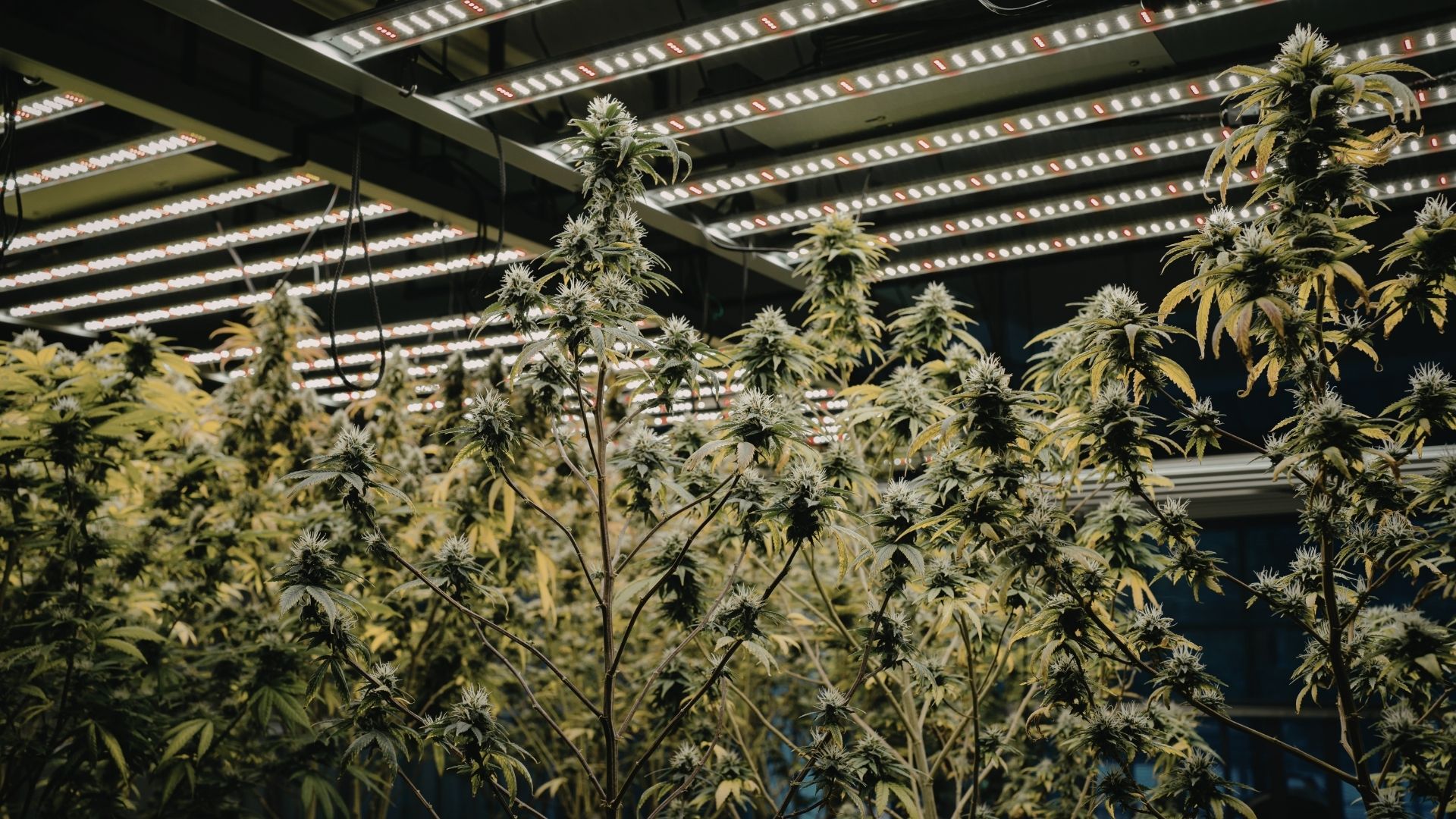
Daily cultivation work often turns reactive—tasks overlap, handoffs break down, and no one is fully accountable for outcomes. As teams expand, this lack of structure becomes harder to manage. The U.S. cannabis sector now employs more than 425,002 full-time workers, with states like New York seeing workforce growth exceed 209% in just one year.
Yet larger teams alone do not solve operational gaps. This is where an explanation of cultivation staffing roles becomes essential. This guide breaks down key roles, responsibilities, and team structure so operations run with clarity, consistency, and control.
Brief breakdown:
- Role clarity drives consistency. Clearly defined cultivation roles reduce missed tasks, improve accountability, and support stable yields across grow cycles.
- Multiple roles support each stage, from head growers to technicians, IPM, and post-harvest teams. Each role contributes to different phases of cultivation.
- Structured teams outperform larger teams. More staff does not improve outcomes unless responsibilities, workflows, and handoffs are clearly aligned.
- Common staffing mistakes reduce efficiency. Unclear ownership, poor communication, and a lack of tracking lead to errors, delays, and higher labor costs.
- Systems improve coordination and visibility. Using structured workflows and tracking tools helps teams execute consistently and maintain control over operations.
Why Clear Cultivation Staffing Roles Matter in Commercial Cannabis Operations
Unclear roles create gaps that directly impact plant health, timing, and overall yield. In commercial environments, where multiple teams work across overlapping growth stages, structure becomes the difference between consistent output and constant disruption.
Key risks of unclear roles:
- Missed Tasks and Inconsistent Execution
When responsibilities are not clearly defined, critical tasks like irrigation, pruning, or IPM checks get delayed or skipped. Over time, these small misses compound into reduced plant health and inconsistent yields. - Lack of Accountability Across Teams
Without clear ownership, it becomes difficult to track who is responsible for what. This leads to blame-shifting, unresolved issues, and slower problem resolution on the floor. - Operational Inefficiencies and Labor Waste
Overlapping roles often result in duplicated work or idle time. Labor costs increase without a corresponding improvement in productivity or outcomes. - Breakdowns Between Growth Stages
Poorly defined handoffs between propagation, vegetative, flowering, and harvest teams create timing issues. These breakdowns disrupt the entire cultivation cycle and impact final output. - Compliance and Recordkeeping Risks
Inconsistent role ownership leads to incomplete or inaccurate documentation. This increases the risk of compliance issues during audits and inspections.
A clear role definition creates structure, improves coordination, and ensures every stage of the growth operates as intended. In the next section, we break down the primary roles in a commercial cannabis grow operation and how each contributes to execution.
Suggested Read: The Cultivation Operations Plan Every Commercial Grower Needs
Primary Roles in a Commercial Cannabis Grow Operation
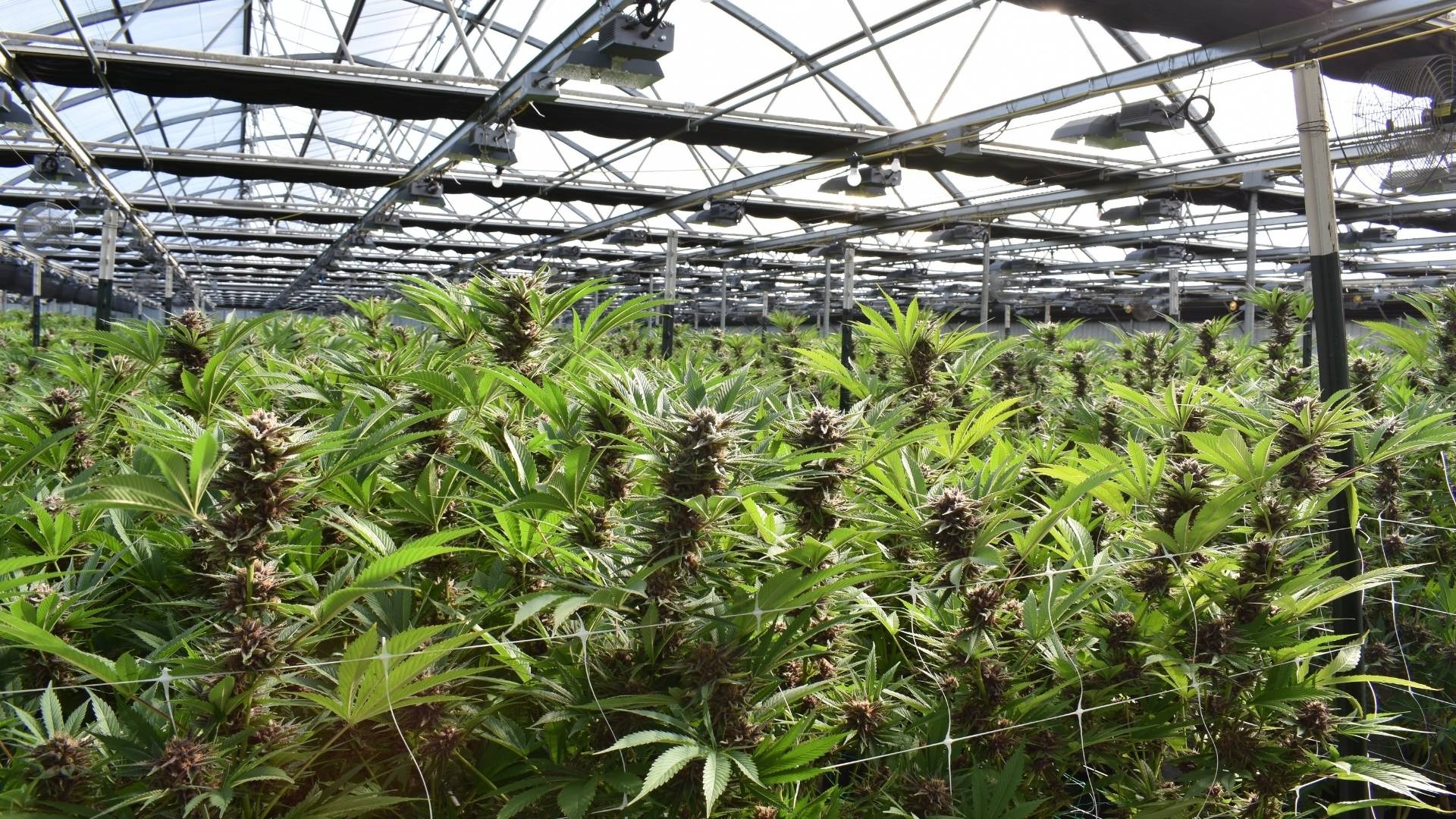
A commercial grow runs on a structured team where each position supports a specific stage of cultivation. From strategy and propagation to plant care, protection, and post-harvest, every role has defined responsibilities that keep operations consistent and scalable.
Core roles in a successful large-scale cannabis cultivation plant include:
1. Director of Cultivation / Head Grower
Owns the entire cultivation program and sets the strategic direction. This role is responsible for translating business goals into production outcomes, balancing plant health, yield, and operational efficiency. It is the most critical role in ensuring long-term success.
Key responsibilities include:
- Define cultivation strategy, genetics, and production targets
- Oversee crop scheduling and environmental control
- Train and guide cultivation teams
- Monitor plant performance and resolve issues proactively
- Align cultivation output with business goals
2. Cultivation Manager
Drives day-to-day execution across the facility. This role ensures that plans are followed, teams are aligned, and workflows move without disruption. It connects high-level strategy with on-ground operations.
Key responsibilities include:
- Manage daily schedules and team assignments
- Supervise staff across the growth stages
- Ensure SOP adherence and workflow consistency
- Coordinate between departments (IPM, harvest, compliance)
- Track progress and resolve bottlenecks
3. Assistant Grower / Cultivation Associate
Supports the cultivation manager in executing plans and maintaining plant health. This role bridges leadership and technicians, ensuring tasks are completed accurately. It often grows into leadership positions over time.
Key responsibilities include:
- Assist with planting, feeding, and plant maintenance
- Monitor environmental conditions and plant health
- Support scheduling and workflow execution
- Train junior staff on procedures
- Report issues and performance data
4. Nursery Manager / Propagation Specialist
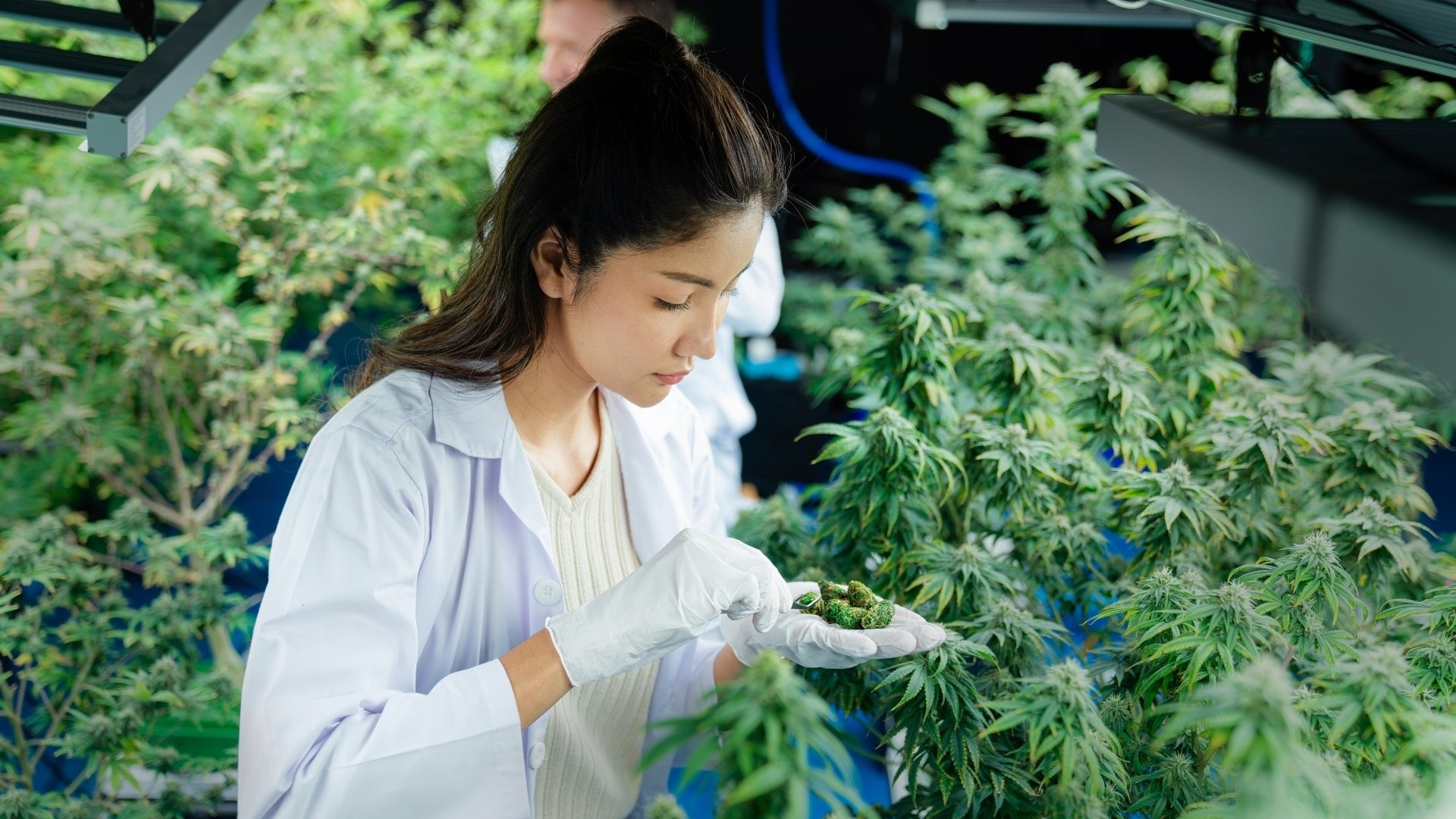
Focuses on early-stage plant development, including cloning and genetics. This role ensures strong, uniform plant starts that directly impact final yield. Consistency at this stage is critical for the entire grow cycle.
Key responsibilities include:
- Manage cloning, seedling, and propagation processes
- Maintain genetic consistency and plant quality
- Monitor early-stage plant health
- Coordinate transplant schedules
- Maintain nursery records and compliance logs
5. Cultivation Technicians / Assistants
Handle the daily execution of plant care tasks. This is the operational backbone of the facility, where consistency and precision matter most. Their work directly impacts plant health and yield outcomes.
Key responsibilities include:
- Perform watering, feeding, pruning, and transplanting
- Monitor plants for health issues
- Maintain the cleanliness and organization of the grow areas
- Follow SOPs and task instructions
- Assist in environmental checks
6. IPM (Integrated Pest Management) Specialist
Protects crops from pests, mold, and disease through proactive monitoring and treatment. This role ensures plant health is maintained without compromising compliance or quality. It is essential for risk prevention.
Key responsibilities include:
- Inspect plants for pests and disease indicators
- Apply treatments and preventive measures
- Maintain IPM schedules and logs
- Collaborate with cultivation teams on plant health
- Ensure compliant use of pest control methods
7. Harvest Manager / Post-Harvest Team
Manages all activities from harvest through drying and curing. This role ensures timing, handling, and processing to preserve product quality. Mistakes at this stage can undo an entire growth cycle.
Key responsibilities include:
- Execute harvesting, trimming, drying, and curing
- Maintain quality standards during processing
- Manage harvest schedules and labor allocation
- Track batches and output volumes
- Prepare product for downstream processes
Suggested Read: Cannabis Supply Chain: Common Challenges and Solutions
8. Trimmers and Processing Staff
Focus on post-harvest preparation and finishing. This role ensures consistency in the final product's appearance and quality. It supports the harvest team during peak cycles.
Key responsibilities include:
- Trim and prepare harvested cannabis
- Maintain product quality standards
- Support drying and curing processes
- Handle storage and packaging prep
- Maintain cleanliness and workflow efficiency
9. Compliance and Data Tracking Roles
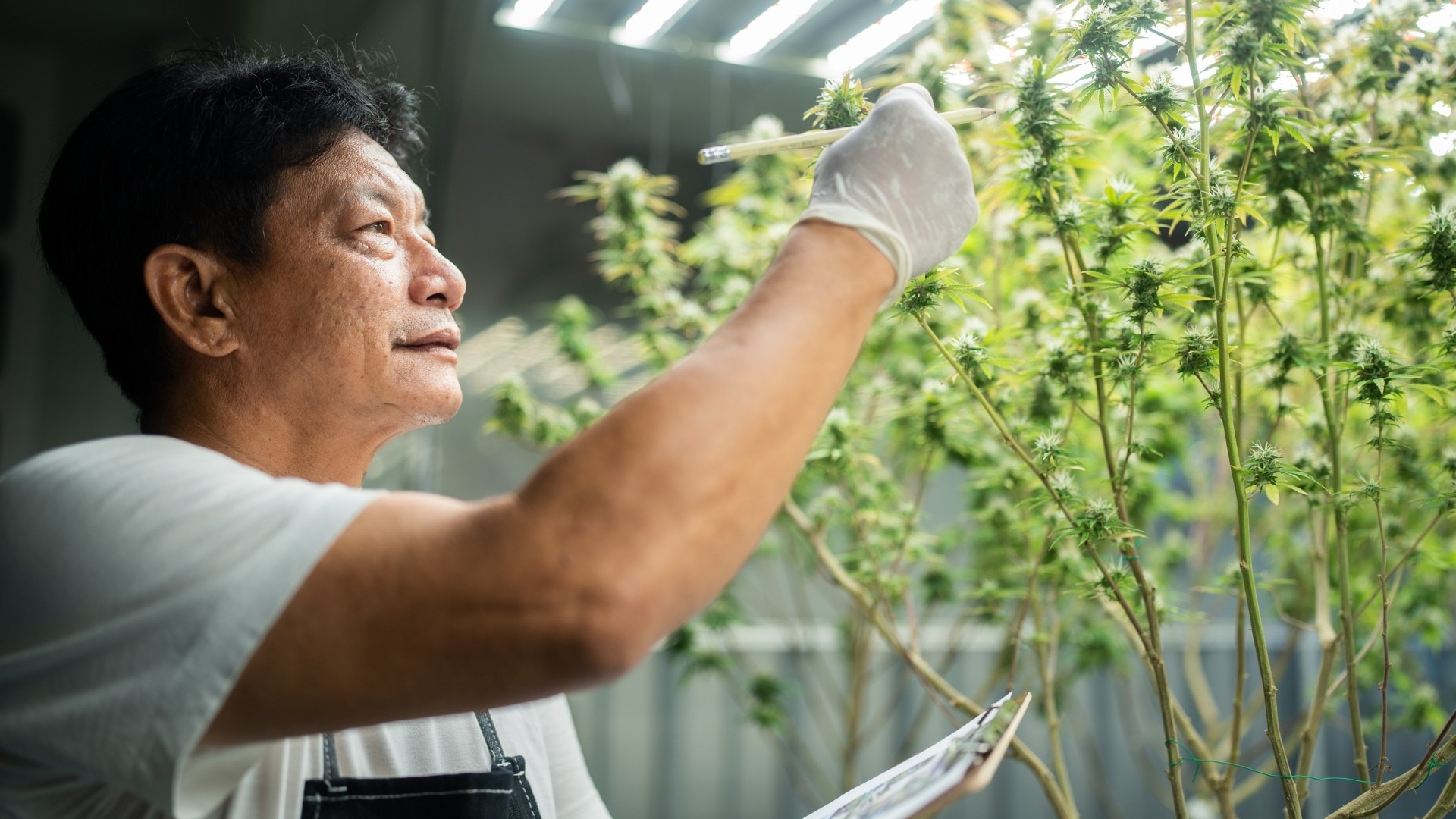
Ensure all cultivation activities are documented and audit-ready. This role supports regulatory compliance while enabling better decision-making through accurate data. It is critical in regulated markets.
Key responsibilities include:
- Maintain cultivation logs and regulatory records
- Track plant movement and batch data
- Ensure documentation accuracy and completeness
- Support audits and inspections
- Generate reports for operational insights
10. Irrigation Specialist
Manages water and nutrient delivery systems across the grow. This role ensures plants receive consistent feeding aligned with growth stages and cultivation plans. Precision here directly impacts plant health and yield consistency.
Key responsibilities include:
- Manage irrigation systems and nutrient dosing schedules
- Monitor water quality, pH levels, and nutrient balance
- Calibrate feeding programs based on plant stage
- Identify and resolve irrigation inconsistencies
- Ensure uniform distribution across all grow areas
11. Environmental Control / Facilities Manager
Oversees climate conditions and infrastructure within the cultivation facility. This role ensures environmental stability, which is critical for plant health and predictable outcomes. It supports cultivation by maintaining optimal growing conditions at all times.
Key responsibilities include:
- Manage HVAC, lighting, and airflow systems
- Monitor temperature, humidity, and CO₂ levels
- Maintain and service facility equipment
- Prevent environmental fluctuations and system failures
- Coordinate adjustments with cultivation teams
12. Quality Assurance / Quality Control (QA/QC) Specialist
Ensures cultivation processes and outputs meet defined quality standards. This role focuses on identifying deviations early and maintaining consistency across batches. It plays a key role in both compliance and product integrity.
Key responsibilities include:
- Inspect plants and finished product for quality standards
- Monitor adherence to SOPs across teams
- Identify process deviations and flag issues
- Maintain quality control documentation
- Support audits and regulatory checks
13. Inventory / Materials Manager
Manages all cultivation inputs required to keep operations running smoothly. This role ensures the right materials are available at the right time without overstocking or shortages. It directly supports uninterrupted cultivation workflows.
Key responsibilities include:
- Track inventory of nutrients, tools, and supplies
- Manage procurement and restocking schedules
- Prevent shortages and excess inventory buildup
- Align inventory with cultivation timelines
- Maintain accurate inventory records
14. R&D / Cultivation Analyst
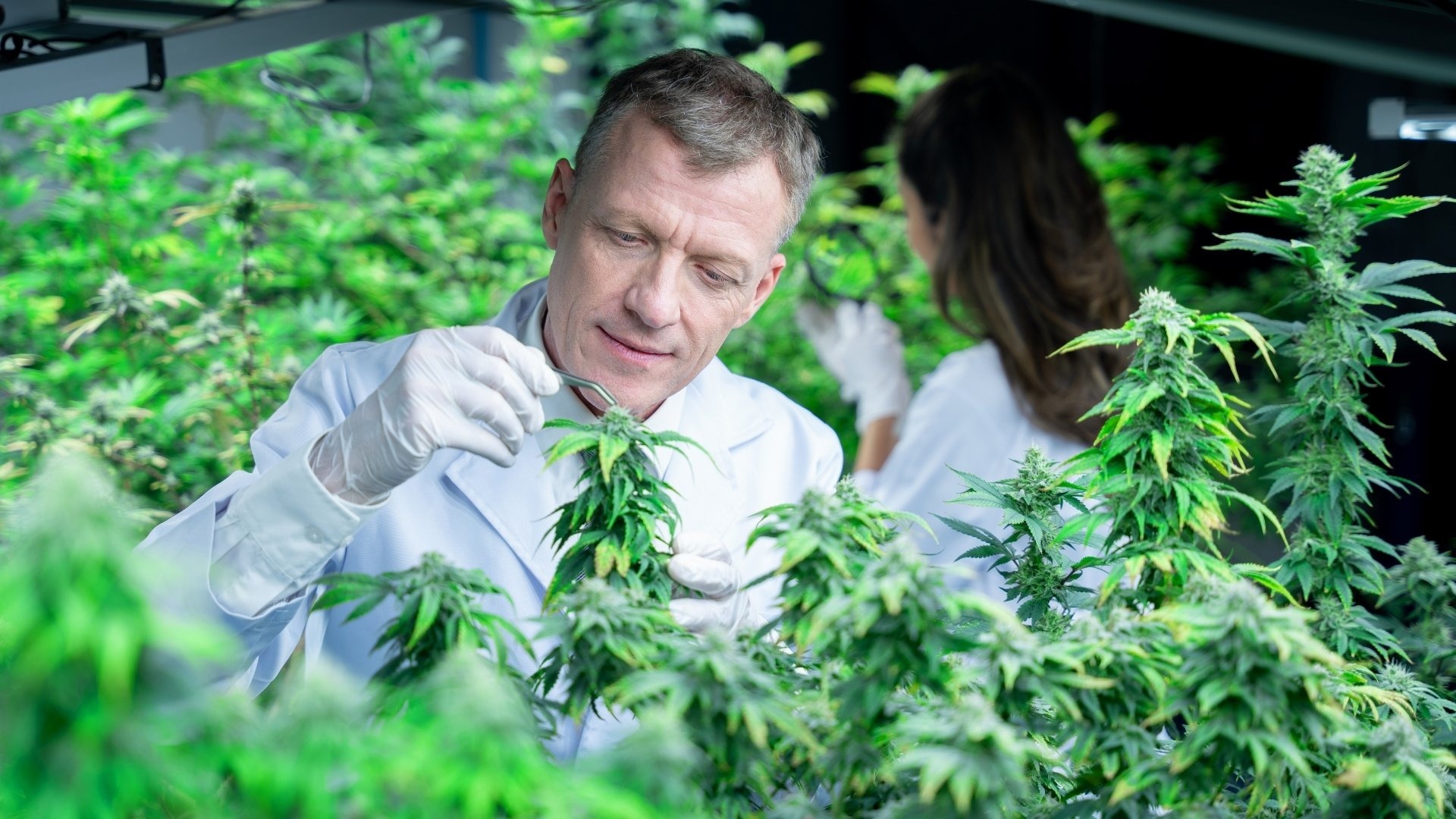
Focuses on improving cultivation performance through data and experimentation. This role analyzes past cycles and tests new methods to optimize yield and efficiency. It supports continuous improvement across the operation.
Key responsibilities include:
- Analyze cultivation data and performance trends
- Test new strains, nutrients, and techniques
- Identify opportunities for yield optimization
- Document findings and recommend improvements
- Support data-driven decision-making across teams
When these roles operate in silos, even well-structured teams struggle with coordination and visibility. PlanaCan connects every role through shared workflows, task tracking, and centralized scheduling. This ensures responsibilities are clear, execution is consistent, and every stage of cultivation stays aligned with the plan. Schedule a free demo today.
How Different Staffing Roles Align Across the Cultivation Cycle
Roles must align with these stages to ensure smooth handoffs, consistent plant care, and predictable outcomes. When alignment is clear, teams operate in sequence rather than in silos.
The table outlines where each role contributes
Clear ownership within stages is only effective when handoffs, timing, and communication are tightly coordinated. Without that linkage, even well-defined roles can still operate in silos.
Each stage depends on clear ownership:
- Defined Handoffs Between Stages: Clear transitions ensure no task is missed when plants move from one phase to another. This prevents delays and maintains consistency across the cycle.
- Role Clarity Within Each Stage: When each team knows its responsibilities, execution becomes faster and more reliable. This reduces confusion and improves overall workflow efficiency.
- Coordinated Scheduling Across Teams: Aligning schedules ensures tasks happen at the right time without overlap or gaps. This keeps the entire cultivation cycle on track.
- Shared Visibility Into Progress: Teams need visibility into what has been completed and what is next. This improves coordination and reduces miscommunication.
- Consistent Execution Across Cycles: Standardized roles and workflows ensure repeatable outcomes. This is essential for maintaining quality and yield over time.
Alignment across roles turns cultivation into a predictable system rather than a reactive process. In the next section, we examine the common mistakes that disrupt cannabis cultivation operations and how they impact performance.
Suggested Read: Digital Tools and Technology in Cannabis Cultivation
Common Staffing Mistakes That Disrupt Cannabis Cultivation Operations
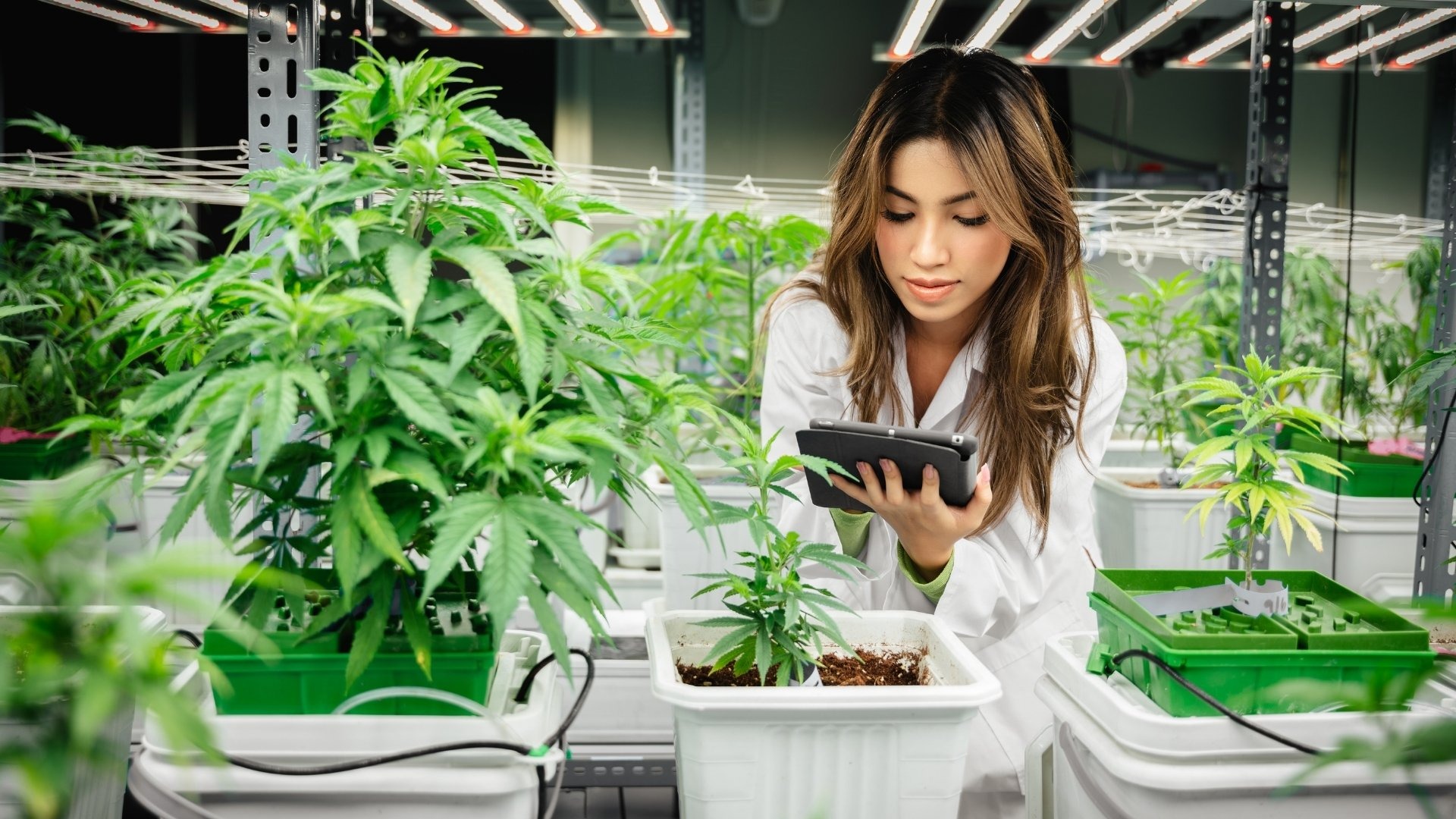
Cultivation operations break down when the structure is not supported by execution. These mistakes often show up as small inefficiencies but quickly scale into larger issues across the cultivation cycle.
Key mistakes to avoid:
- Undefined Role Ownership
When responsibilities are not clearly assigned, critical tasks fall through the cracks or get duplicated. This creates confusion on the floor and leads to inconsistent plant care. - Overlapping Responsibilities Across Teams
Multiple people handling the same tasks without coordination leads to inefficiency and errors. It also makes accountability difficult when issues arise. - Lack of Task Tracking and Visibility
Without real-time tracking, it is difficult to know what has been completed and what is pending. This results in missed tasks, delays, and reactive decision-making. - Poor Communication Between Stages
Weak handoffs between propagation, vegetative, flowering, and harvest teams create timing gaps. These gaps disrupt the cultivation cycle and affect yield quality. - Inconsistent SOP Execution
When standard procedures are not followed uniformly, outcomes vary from cycle to cycle. This reduces predictability and makes optimization difficult.
Many of these issues are not caused by people, but by how work is organized and tracked.
PlanaCan helps standardize execution by turning cultivation plans into structured, repeatable workflows that teams can follow daily. It reduces confusion and keeps operations running predictably across cycles by aligning tasks with roles and timelines. Contact us to learn more.
How to Structure a High-Performing Cultivation Team in Commercial Operations
Clear roles, defined workflows, and coordinated execution ensure that every stage of the cannabis cycle runs predictably. When teams are aligned with both responsibilities and timing, performance becomes consistent rather than reactive.
Core elements of an effective team structure:
- Define Clear Role Ownership: Assign specific responsibilities to each role to eliminate confusion and duplication. This ensures accountability at every stage of the cultivation cycle.
- Align Roles With Growth Stages: Structure teams based on propagation, vegetative, flowering, and harvest phases. This keeps responsibilities focused and improves execution within each stage.
- Standardize Workflows Across Teams: Use SOPs to ensure tasks are performed consistently regardless of who executes them. This reduces variability and improves overall crop outcomes.
- Implement Structured Scheduling: Plan tasks in advance based on cultivation timelines instead of reacting daily. This helps teams stay ahead of the workload and prevents bottlenecks.
- Enable Visibility Across Operations: Provide teams with clear insight into task status, progress, and upcoming work. This improves coordination and reduces miscommunication.
Structuring a team correctly is only part of the equation. Bringing in the right people to fill those roles is just as important. In the next section, we cover practical hiring tips to help you build a reliable and capable cultivation workforce.
Hiring Tips for Building a Strong Cultivation Team
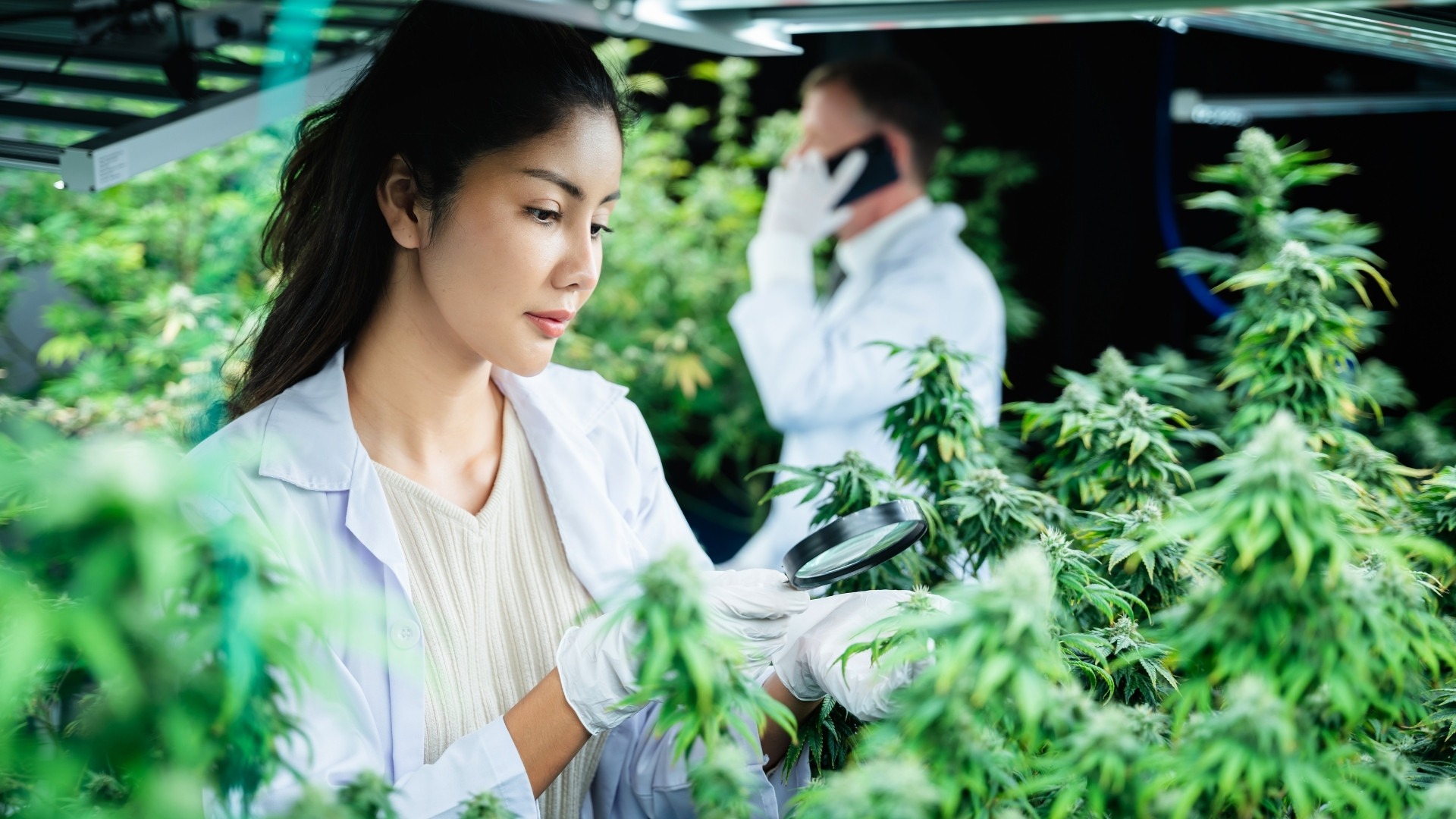
Hiring in cannabis cultivation is risk-sensitive. One weak hire can impact plant health, compliance, and output across an entire cycle. A disciplined hiring process reduces that risk and builds a team that can execute reliably.
What to focus on when hiring:
- Define Roles Before You Hire
A clear job scope attracts the right candidates and filters out mismatches early. It also sets expectations for accountability from day one. - Test Hands-On Cultivation Skills
Do not rely on resumes alone. Validate skills in irrigation, pruning, IPM, and plant diagnostics. Practical assessments reveal real capability under pressure. - Use Scenario-Based Interviews
Ask how they would handle mold outbreaks, nutrient deficiencies, or missed tasks. Strong candidates think in systems, not guesses. - Hire for Team Fit and Communication
Cultivation depends on clean handoffs between stages. Candidates must communicate clearly and work within structured workflows. - Look for Relevant Certifications
Certifications signal baseline knowledge and seriousness about the role. Common ones include Cannabis Training University (CTU), Trichome Institute certifications, and OSHA safety training for regulated environments.
Strong hiring is about building a system that performs. When the right people, skills, and discipline come together, your cultivation operation stops depending on effort and starts running efficiently.
Conclusion
Unclear roles, poor coordination, and reactive workflows create compounding risks across the entire cultivation cycle. Missed tasks, weak handoffs, and inconsistent execution lead to reduced yields, higher labor costs, and compliance gaps. These issues make it harder to scale, standardize, or maintain predictable outcomes.
PlanaCan helps bring structure to cultivation by turning plans into actionable workflows that align roles, tasks, and timelines. It centralizes scheduling, standardizes execution, and gives teams clear visibility into what needs to be done at every stage. This allows operations to run consistently, with accountability and control.
If your team is struggling with coordination, it is time to fix the system behind the work. Schedule a free call today.
Frequently Asked Questions
1. What skills should someone have to work in cannabis cultivation?
Cultivation requires attention to detail, consistency, and the ability to follow SOPs. Basic plant knowledge, environmental awareness, and physical stamina are essential. Strong teamwork and communication also improve execution across growth stages.
2. What is a cultivation assistant?
A cultivation assistant supports daily grow operations by handling tasks like watering, pruning, and plant monitoring. They work under supervisors to ensure consistent execution. This role is often an entry point into larger cultivation teams.
3. Is being a cultivation technician hard?
It can be physically demanding and repetitive, especially during peak cycles. Precision and consistency are required daily, with little room for error. However, structured workflows make the role more manageable and predictable.
4. How many staff are needed for a commercial cannabis grow?
Staffing depends on facility size, growth method, and automation level. Smaller grows may operate with lean teams, while larger facilities require specialized roles across stages. A clear role definition is more important than team size.
5. How do you improve efficiency in a cultivation team?
Efficiency improves when roles, tasks, and schedules are clearly defined and tracked. Standardized workflows reduce errors and variability. Visibility into team performance helps identify and fix bottlenecks quickly.