If you’re running a commercial grow, you already know the biggest challenges aren’t always about the plants.
They’re about keeping people on the same page. Making sure tasks don’t slip through the cracks. Avoiding costly mistakes when things scale up faster than your systems can handle.
That’s where a solid cultivation operations plan becomes essential—not just for staying compliant, but for actually running a tight, productive grow.
It’s more than a document for your licensing file. A strong operations plan maps out how your facility runs every day, who’s doing what, when, and how.
It helps you train new team members faster, spot workflow gaps before they cause problems, and make better decisions based on what’s actually happening in your rooms.
In this guide, we’ll break down how to build an operations plan that fits your facility, supports your business model, and sets your cultivation team up to run smoother, smarter, and more consistently every cycle.
Key Takeaways
- A cultivation operations plan defines how your grow facility runs day-to-day—from workflows and staffing to compliance and quality control.
- It’s not the same as a cannabis business plan. While your business plan maps your goals, the operations plan explains how you’ll execute them.
- Key components include: facility layout, team roles, task schedules, SOPs, equipment lists, security protocols, and quality standards.
- Building a detailed operations plan improves training, reduces errors, and strengthens your license application or investor pitch.
- Tools like PlanaCan help you standardize tasks, monitor execution, and turn your operations plan into a living system, not just a PDF.
What Is a Cultivation Operations Plan?
A cultivation operations plan outlines the specific workflows, resources, and standards that guide how your facility operates day to day. It’s a structured, written document that connects your cultivation goals to the actual steps your team takes from clone to cure.
While a business plan focuses on growth projections and financial models, an operations plan zeroes in on execution. It answers practical questions like:
- What happens during a typical veg cycle?
- Who’s responsible for environmental monitoring?
- How are SOPs enforced across shifts?
- What compliance checks are in place before harvest?
In many states, this plan is a licensing requirement. But even when it’s not, investors, partners, and consultants will expect to see it. A solid operations plan shows that your growth isn’t being run on instinct; it’s being run on systems.
Key Components of a Cultivation Operations Plan
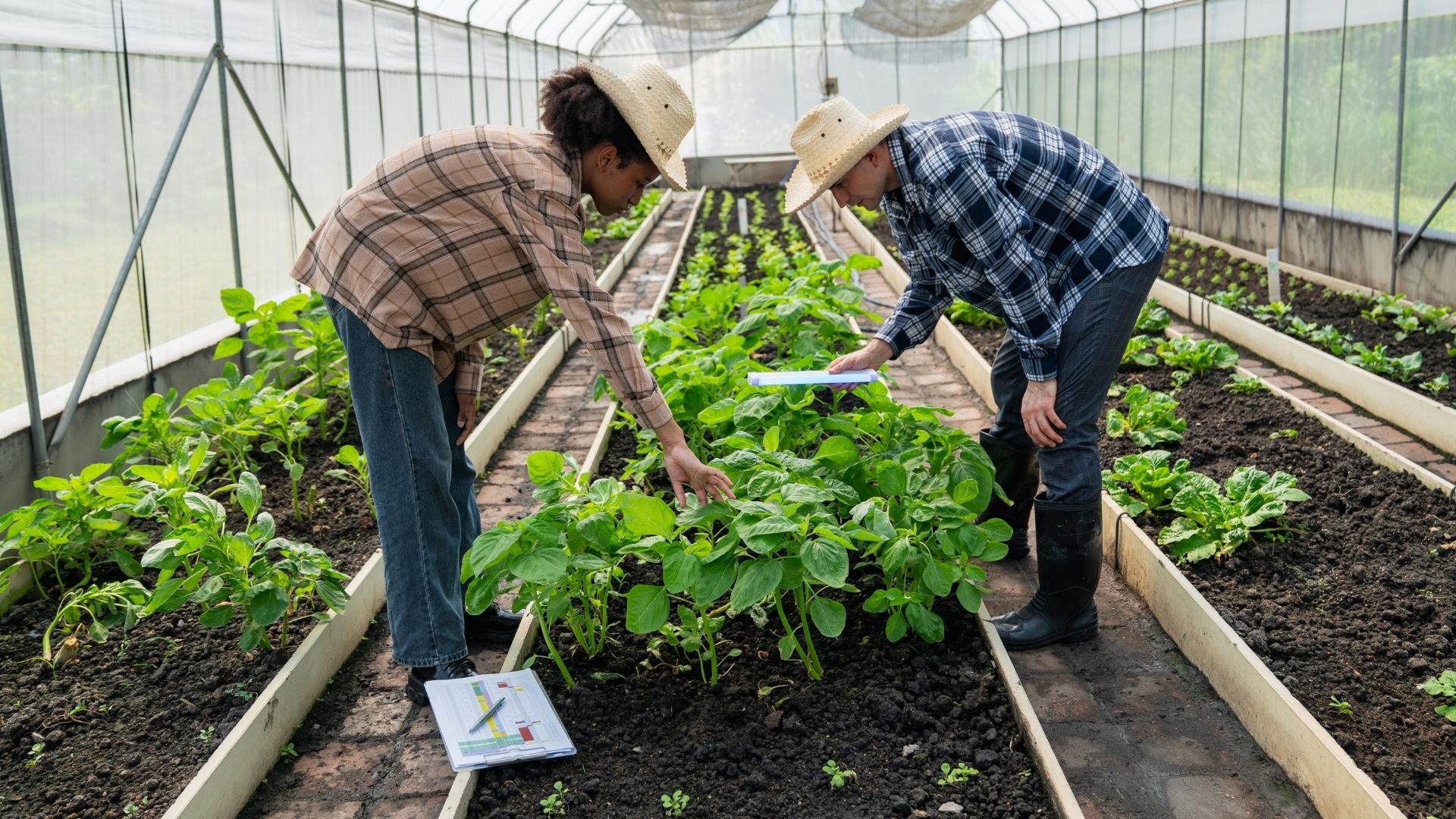
A solid operations plan breaks your entire cultivation process into clearly defined, repeatable systems. Whether you’re applying for a license, scaling your facility, or tightening internal controls, these components help ensure nothing gets missed—and everything runs as intended.
Here’s what a comprehensive cultivation operations plan typically includes:
1. Facility Layout & Infrastructure
Details on room types (veg, flower, drying, storage), workflow design, lighting zones, HVAC systems, irrigation setups, and sanitation access. Include diagrams or blueprints if required by regulators.
2. Workflow & Task Schedules
A clear outline of daily, weekly, and phase-based tasks covering everything from transplanting and defoliation to environmental monitoring. This is where tools like scheduling software or cultivation templates play a key role.
3. Staff Roles & Responsibilities
Define team structure: who handles what, chain of command, task ownership, and shift protocols. Helps avoid overlap, confusion, and communication gaps.
4. Compliance Protocols
Your plan should show how you meet state or local regulations on security, waste disposal, pesticide use, traceability (e.g., METRC integration), and record-keeping.
5. SOPs for Cultivation Processes
Documented step-by-step procedures for key cultivation tasks—from propagation to harvest. These support consistency, training, and audit readiness.
6. Quality Control & Risk Management
Describe your approach to pest prevention, cleanliness, nutrient checks, batch testing, and how you manage issues when they arise.
7. Equipment & Supplies Management
Include an overview of the tools, materials, and systems used for cultivation, maintenance, repairs, and inventory tracking.
Including these elements doesn’t just make your operations plan thorough; it also makes your growth easier to scale, audit, and improve over time.
How the Operations Plan Fits into the Larger Business Plan
Your cultivation operations plan doesn’t exist in a vacuum—it’s one of the core components of your cannabis business plan. While the business plan defines your vision, market strategy, and financial projections, the operations plan proves you can execute on those goals efficiently and consistently.
Here’s how the two connect:
- Execution Supports Strategy: If your business plan outlines a goal of producing 500 pounds per month at a specific cost per gram, your operations plan shows how you’ll get there through workflows, labor allocation, equipment usage, and facility scheduling.
- Scalability and Investor Confidence: Investors and licensing bodies don’t just want to see ambition—they want proof that you can deliver. A well-built operations plan shows that you’ve thought through capacity, risk, compliance, and process control. It adds credibility to your projections.
- Data-Driven Planning: When your operations are documented and tracked, you can tie real-time performance back to your business metrics like cost per harvest, time per task, or yield per square foot. This helps refine your financial model and support better decision-making.
In short, your operations plan brings your business plan down to earth. It bridges vision and reality and shows that your growth isn’t just designed to survive, but to scale.
Step-by-Step: How to Build Your Cultivation Operations Plan

Whether you’re writing your first plan or refining an existing one, building a strong operations plan means balancing structure with flexibility. It needs to be detailed enough to guide daily work but adaptable as you grow and evolve.
Here’s a step-by-step approach:
1. Start with Your Cultivation Workflow
Outline your full grow cycle from clone to cure. Break it down into clear phases (e.g., propagation, vegetative, flowering, harvest, post-harvest) and list the tasks required in each.
Pro tip: Use historical harvest data to identify what tasks caused delays, waste, or inconsistencies in the past and build fixes into your workflow.
2. Define Team Roles and Task Ownership
Map out who’s responsible for each part of the process. Assign tasks by role, not just by name, so the plan stays relevant as staff change or grow.
3. Document SOPs
Standard Operating Procedures (SOPs) should be clear, repeatable, and accessible. This includes step-by-step instructions for everything from mixing nutrients to cleaning tools and logging plant health issues.
4. Layer in Compliance and Quality Control
Build in checkpoints for compliance (e.g., inventory logs, waste management, pesticide protocols) and QA (e.g., cleanliness, plant inspections, environmental monitoring).
5. Build a Repeatable Schedule
Translate your workflows and SOPs into a day-by-day or week-by-week calendar. This keeps the entire team aligned and reduces the risk of tasks being missed or duplicated.
6. Use Tools to Automate and Track
Platforms like PlanaCan help turn your operations plan into a living system. You can assign tasks, track completion, adjust workflows in real time, and tie actions to harvest results, all from one place.
A well-built plan doesn’t just sit in a binder. It’s something your team refers to daily, improves on over time, and relies on to keep the growth running efficiently.
Common Mistakes Growers Make with Operations Plans (and How to Avoid Them)
Even experienced cultivators can fall into traps when building or executing their operations plans. And the cost of getting it wrong isn’t just inefficiency; it can mean failed inspections, lost yield, or stalled growth.
Here are some of the most common pitfalls, and how to avoid them:
Mistake #1: Treating the Ops Plan as a Static Document
The fix: Your plan should evolve with every cycle. Build in review checkpoints—monthly or post-harvest so you can update workflows, roles, or procedures as your team and facility grow.
Mistake #2: Over-Relying on Tribal Knowledge
The fix: Don’t let key processes live in someone’s head. Document SOPs and task instructions clearly, and make them accessible to every team member—not just your head grower.
Mistake #3: Ignoring Compliance Integration
The fix: Build compliance directly into your operational workflows. If waste disposal, pesticide use, or traceability steps aren’t part of the plan, you’re increasing risk—and potentially delaying licensing.
Mistake #4: Too Much Manual Tracking
The fix: Managing your operations plan through whiteboards, spreadsheets, or group chats works until it doesn’t. Automate task scheduling, track execution digitally, and link workflows to real results.
Mistake #5: Failing to Connect Ops with Business Metrics
The fix: Make sure your operations data feeds back into your overall strategy. Tracking inputs, labor hours, and yield performance helps refine both your business plan and financial forecasts.
Avoiding these mistakes doesn’t require more paperwork; it requires smarter systems. And that’s where PlanaCan can help.
How PlanaCan Supports Your Cultivation Operations Plan

Even the most detailed operations plan won’t help much if it’s buried in a binder or spread across disconnected spreadsheets. The real challenge isn’t just planning—it’s execution, accountability, and the ability to adapt fast when things shift mid-cycle.
That’s where PlanaCan steps in.
Turn Your Plan into a Living System
With PlanaCan, you can build custom workflows and task templates for each stage of your growth, then assign them to your team using an interactive calendar that updates in real time. No more missed tasks or duplicate efforts.
Keep Your Team Aligned (Wherever They Are)
Whether your team is on the floor or in the field, the mobile app lets everyone stay updated, log task completions, and share notes—all without needing to track someone down for status updates.
Monitor Execution, Improve Outcomes
Because every task is tied to a harvest cycle, you can analyze what worked, what didn’t, and how adjustments impacted the final yield. Over time, your operations plan becomes more accurate, more efficient, and more scalable.
Stay Audit-Ready
From compliance checkpoints to environmental data, everything is time-stamped, tracked, and organized. That means fewer surprises during inspections and faster responses to licensing updates.
Want to see how PlanaCan turns operations planning into a competitive advantage? Schedule a free call today.
Conclusion
A solid cultivation operations plan is more than a formality; it’s the foundation of a professional, scalable cannabis business. It helps your team stay aligned, your processes stay consistent, and your facility stays ready for whatever comes next, whether that’s rapid growth, an audit, or a licensing update.
But having a plan isn’t enough. You need systems that turn that plan into daily action.
PlanaCan gives you the tools to build, track, and optimize your operations plan—room by room, cycle by cycle. Get started today!
FAQs
1. What should be included in a cannabis cultivation operations plan?
A strong operations plan includes your facility layout, team roles, workflow schedules, SOPs, compliance protocols, equipment management, and quality control procedures. It should reflect how your growth runs day-to-day and be adaptable as you scale.
2. How is a cultivation operations plan different from a cannabis business plan?
A business plan focuses on your overall strategy, market, finances, and goals. An operations plan details how you’ll execute that strategy in your facility. It’s the blueprint for daily actions that drive results.
3. Is a cultivation operations plan required for licensing?
In most U.S. states, yes. Regulatory bodies often require a formal operations plan during the application process to evaluate how you’ll meet compliance, safety, and production standards.
4. Can I use templates to create my operations plan?
Templates can be a great starting point, but they need to be customized to your facility, processes, and local regulations. Generic plans often miss critical details or fail during inspections.
5. How can PlanaCan help with my operations plan?
PlanaCan turns your static plan into a dynamic system. You can schedule tasks, assign roles, monitor execution, and track outcomes all from one platform. It’s built to help commercial growers run tighter, smarter operations.