Many home growers struggle with inconsistent results, even when using good genetics and quality equipment. Small variations in environment, timing, or post-harvest handling can significantly affect yield, potency, and overall quality.
Research shows that drying and curing conditions alone can influence cannabinoid and terpene preservation, often leading to uneven outcomes when not properly controlled. If you have ever followed multiple guides, invested time and effort, and still ended up with different results each cycle, you are not alone.
This guide explores best practices for home cannabis cultivation, using commercial grower principles to help you build consistency from setup and plant care through harvest, drying, and curing.
Let's start with the basics:
- Commercial principles improve home cultivation results. Applying structured routines, stable environments, and planned growth cycles helps reduce variability and improve consistency across harvests.
- Environment and genetics determine early success. Matching strains to your space and maintaining stable light, temperature, and humidity prevents common growth problems before they begin.
- Structured vegetative and flowering practices protect yield. Consistent feeding, controlled training, airflow management, and avoiding sudden changes help plants develop stronger structures and healthier flowers.
- Harvest, drying, and curing directly impact potency and quality. Harvesting at proper maturity, drying slowly, and curing patiently preserve cannabinoids, terpenes, and overall product quality.
- Consistency comes from tracking and repeatable processes. Following schedules, documenting results, and refining methods over time help home growers achieve more predictable outcomes using structured cultivation practices.
Overview of the Cannabis Growing Cycle
Cannabis follows the same biological stages whether plants are grown at home or in a commercial facility. The difference lies in how each stage is managed.
Home growers often rely on reactive decisions, while large-scale commercial growers plan the entire cycle in advance. They adjust the environment, nutrition, and workload in accordance with predictable plant development.
Understanding the following stages of the growth cycle can help you anticipate plant needs rather than respond to problems after they appear:
- Seed or Clone: This stage determines the plant’s starting health and genetic potential. Commercial growers prioritize uniformity early because strong starts reduce variability later in the cycle.
- Seedling Stage: Seedlings focus on root establishment and early leaf development under gentle light and stable conditions. Overwatering and excessive nutrients are common mistakes at this stage, especially in home grows.
- Vegetative Stage: Plants shift into rapid growth, building structure, foliage, and root mass. Consistent light schedules, controlled feeding, and early training help create a strong foundation for flowering.
- Flowering Stage: Plants redirect energy toward bud production, making environmental stability critical. Temperature, humidity, and airflow management become essential to protect yield and prevent mold or stress.
- Harvest, Drying, and Curing: The final stage preserves months of work and determines overall quality. Proper timing, slow drying, and controlled curing directly influence potency, aroma, and smoothness.
The strain you select determines growth speed, plant size, flowering time, and environmental demands. The next section examines the importance of plant genetics.
Suggested Read: Top 8 Things to Know to Start a Commercial Cannabis Grow
How to Choose the Right Genetics for Your Home Setup
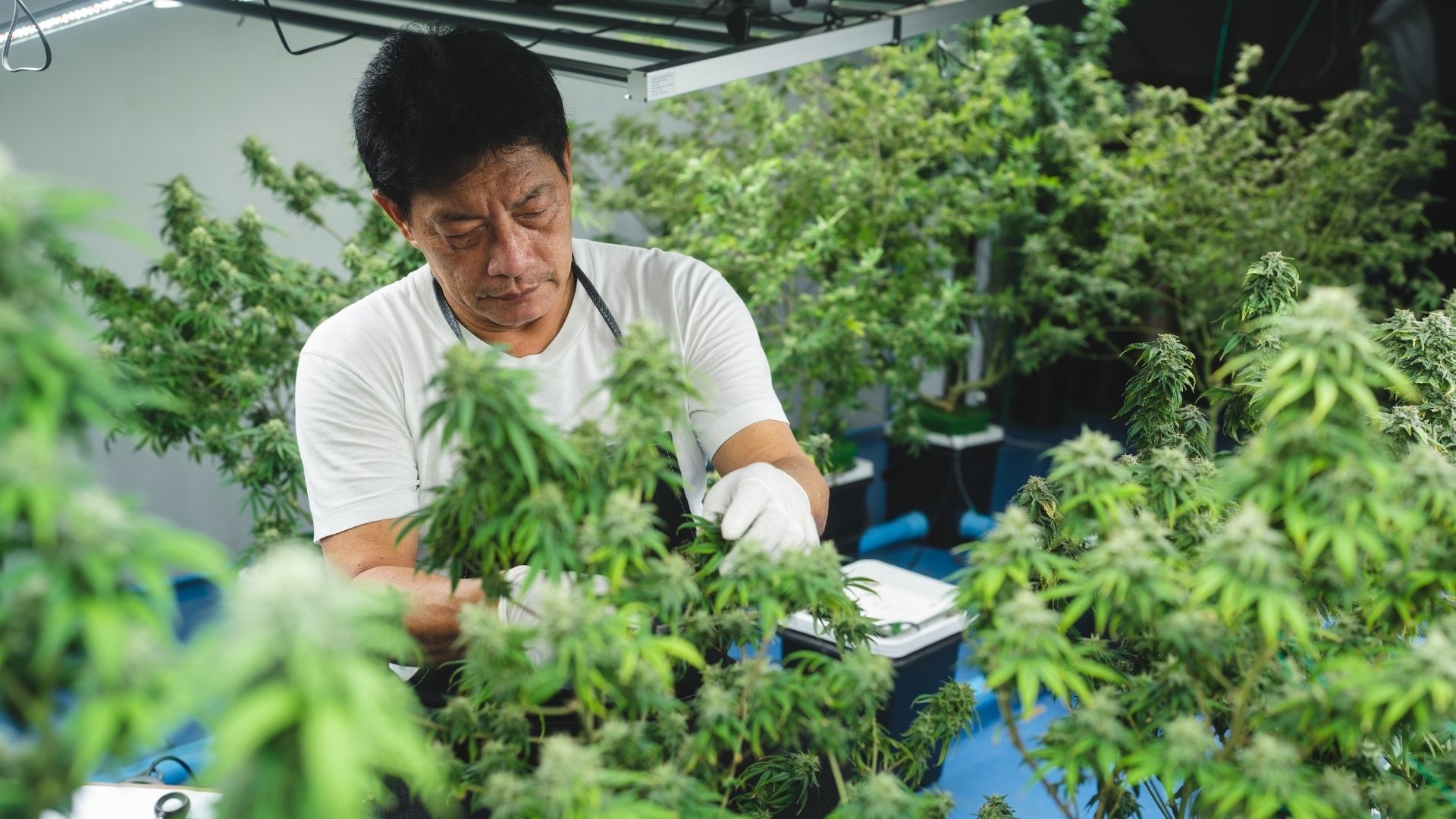
Amateur growers often choose based on reputation or potency, which can lead to plants outgrowing available space or requiring environmental control that is difficult to maintain. Commercial growers usually select strains based on environmental compatibility, flowering timelines, and operational predictability rather than popularity alone.
These tips will help you make the right decision:
1. Understand Your Available Space
Plant structure varies significantly between strains. Tall, stretch-heavy varieties can quickly outgrow small tents, while compact genetics remain manageable in limited vertical space. For example, strains like Gorilla Glue (often called Gorilla or GG4) tend to stretch during flowering, making them better suited for growers who can manage canopy height.
2. Match Genetics to Your Environment
Some strains tolerate temperature swings or humidity better than others. If your grow space experiences fluctuations, resilient hybrids are often easier to manage than sensitive, long-flowering varieties that require strict environmental stability.
3. Consider Flowering Time
Shorter-flowering strains reduce exposure to environmental risks and enable faster harvest cycles. Commercial growers often prefer predictable flowering windows because they simplify scheduling and workload planning, and the same advantage applies to home growers.
4. Photoperiod vs Autoflowering Plants
Photoperiod plants allow greater control over vegetative growth and plant size but require strict light scheduling. Autoflowering strains are easier for beginners because they flower automatically, though they offer less flexibility for training and recovery from mistakes.
5. Choose Consistency Over Novelty
Growing multiple strains at once can make feeding, training, and environmental management more complex. Commercial growers often repeat successful genetics because consistent plant behavior leads to consistent outcomes, especially in smaller grow environments.
6. Define Your Goal Before Choosing
If your priority is yield, choose stable, high-producing hybrids. If aroma and terpene expression matter most, select genetics known for flavor, but be prepared for tighter environmental control. Defining the goal first prevents mismatched expectations later in the growth.
PlanaCan helps growers document strain performance, growth timelines, and outcomes across cycles. This makes it easier to repeat successful genetics and avoid repeating mistakes. Schedule a free demo today.
Setting Up the Ideal Growing Environment for Cannabis
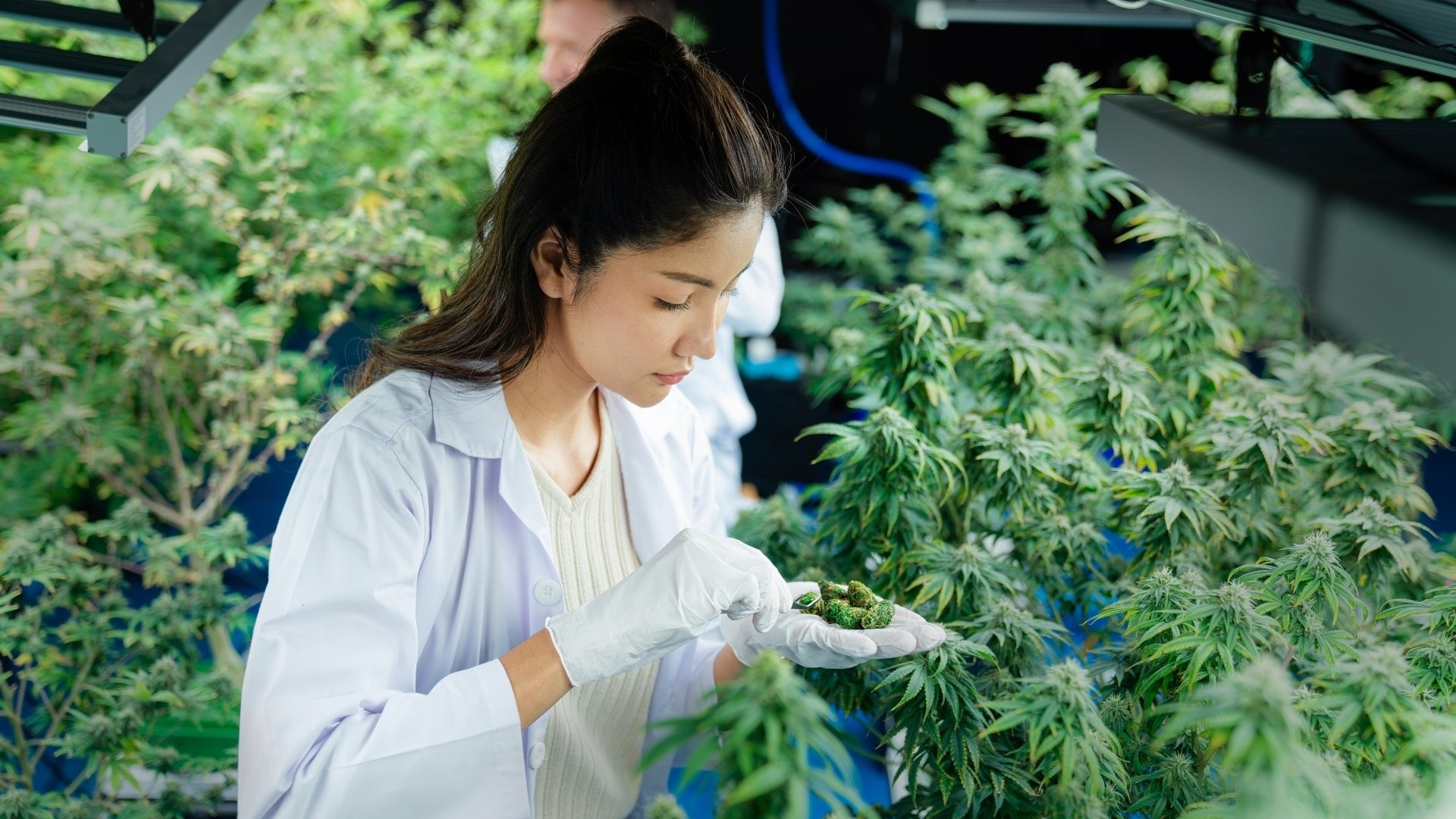
The growing environment determines how well your genetics can perform throughout the cultivation cycle. Commercial growers focus on environmental stability because most plant stress comes from fluctuations rather than a lack of equipment.
Follow these tips for a suitable growing environment for your plants:
- Lighting and Light Distribution: Cannabis requires consistent light intensity and even coverage across the canopy to grow uniformly. Uneven lighting causes stretching, weak lower growth, and inconsistent bud development.
- Temperature Control: Stable temperatures support healthy growth and nutrient uptake at every stage. Large swings between day and night temperatures can slow development and increase plant stress, especially during flowering.
- Humidity and VPD Balance: Humidity influences how plants absorb water and nutrients through transpiration. Maintaining stage-appropriate humidity reduces mold risk in flowering while supporting vigorous vegetative growth earlier in the cycle.
- Airflow and Ventilation: Constant air movement strengthens stems and prevents moisture buildup around leaves and buds. Proper ventilation also helps control temperature and reduces the likelihood of pests and fungal issues.
- Air Exchange and CO₂ Availability: Fresh air supports photosynthesis and overall plant performance. Even small grow spaces benefit from consistent air exchange to prevent stagnant conditions.
- Environmental Monitoring and Stability: Commercial growers prioritize consistency over constant adjustments because plants respond best to stable conditions. Monitoring lets you correct trends early rather than react to visible problems later.
Your choice of growing method will influence watering frequency, nutrient control, and yield potential. The next section looks at the different growing methods and how to choose the right one.
Suggested Read: Cannabis Growing Calendar: Stages and Timeline
Choosing Your Cannabis Growing Method for Higher Yield
At home, the right method depends on how much time you can dedicate to monitoring plants and how precisely you want to manage feeding and watering. Commercial growers tend to choose methods based on consistency and control rather than complexity.
Table showing how different growing mediums compare with each other:
Each method can produce high-quality cannabis when managed correctly. The key difference lies in how forgiving the system is and how quickly plants respond to mistakes or adjustments.
You need to choose a system that matches your experience level and environment:
- Soil Growing: Soil provides a natural buffer against overfeeding and watering mistakes, making it ideal for beginners. Growth may be slightly slower, but plants are generally more resilient to environmental fluctuations.
- Coco Coir Growing: Coco offers greater control over nutrients and typically supports faster growth rates. However, it requires more consistent watering and monitoring because nutrients must be supplied regularly.
- Hydroponic Systems: Hydroponics delivers nutrients directly to roots, allowing rapid growth and high yield potential. The trade-off is a reduced margin for error, as changes in nutrient balance or environment affect plants quickly.
Understanding how to properly manage the vegetative stage is the next critical step. This is where plant structure, canopy shape, and future yield potential are established.
Suggested Read: Tips on Outdoor Cannabis Growth from Seed to Harvest
Best Practices to Build Strong Plant Structure (Vegetative Stage)
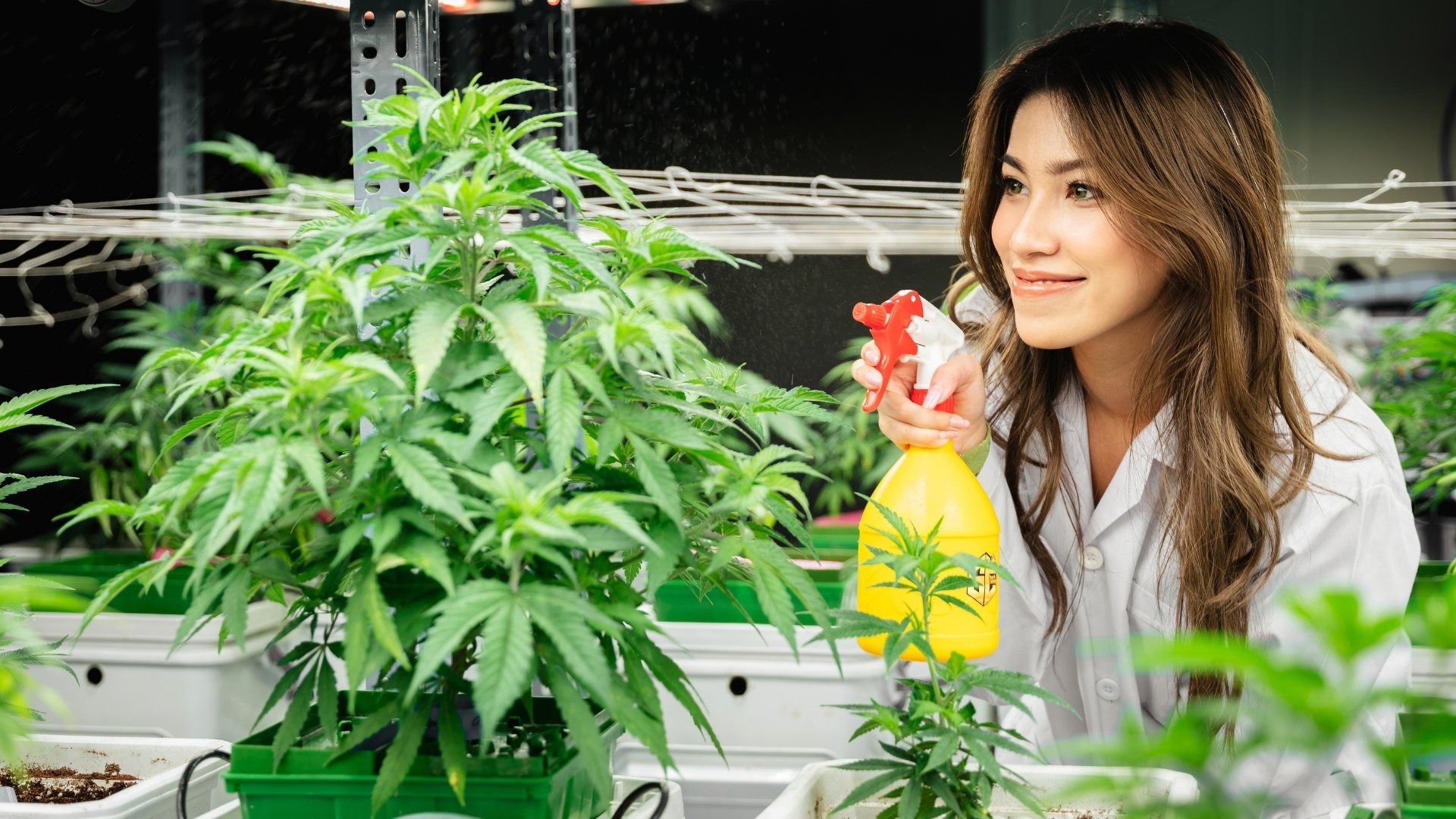
The vegetative stage determines the yield a plant can ultimately produce. You need to focus on root development, canopy structure, and consistent growth rather than rapid size increase. A strong structure allows plants to handle heavier flowers later while improving light distribution and airflow throughout the canopy.
This is how you can make sure your plants have a strong structure:
- Maintain Consistent Light Schedules: Plants rely on stable light cycles to grow predictably throughout the year. Inconsistent lighting can slow growth and create uneven plant development.
- Focus on Root Health Early: Healthy roots support nutrient uptake and overall plant vigor. Proper watering practices and well-aerated growing media prevent root stress and promote steady growth.
- Avoid Overfeeding During Rapid Growth: Fast vegetative growth does not always require higher nutrient levels. Overfeeding can lead to nutrient burn and weak structural development.
- Use Training Techniques to Improve Canopy Shape: Techniques such as topping, low-stress training, or gentle pruning help create an even canopy. This allows better light penetration and prepares plants for uniform flowering.
- Monitor Plant Spacing and Airflow: Crowded plants compete for light and restrict airflow, increasing the risk of pests and disease later. Maintaining space between plants improves overall plant health.
PlanaCan helps growers organize vegetative tasks and maintain consistency across cycles. It allows for automated schedules to help you ensure that all plant activities remain structured. Try PlanaCan for free today.
How to Protect Yield and Quality During the Flowering Stage
The flowering stage is where plants convert months of growth into final yield and quality. Small environmental mistakes during this phase can reduce potency, slow bud development, or introduce mold and stress that affect the entire harvest.
Best practices during this stage include:
- Maintain Stable Temperature and Humidity: Flowering plants are more sensitive to environmental fluctuations. Lower humidity levels and stable temperatures help prevent mold while supporting healthy bud formation.
- Adjust Nutrient Balance Gradually: Plants require different nutrient ratios during flowering, with reduced nitrogen and increased phosphorus and potassium. Sudden feeding changes can stress plants and slow flower development.
- Control Light Exposure Carefully: Consistent light cycles are critical for proper flowering. Light leaks or interruptions during dark periods can cause stress or delayed flowering.
- Improve Airflow Around Developing Buds: Dense flowers trap moisture, increasing the risk of mold. Proper airflow helps maintain dry surfaces and supports healthy bud maturation.
- Monitor Plants for Stress or Deficiencies: Leaf discoloration, slowed growth, or unusual bud formation often signal environmental or nutrient issues. Early correction prevents yield loss later in the cycle.
- Limit Major Changes Late in Flowering: Large adjustments in feeding, lighting, or environment near harvest can reduce terpene expression and overall quality. Stability becomes more important than optimization in the final weeks.
Proper harvesting, drying, and curing techniques determine how much potency, aroma, and smoothness are retained. This is explained in the next section.
Suggested Read: Step-by-Step Guide on How to Start Growing Cannabis Indoors
Tips for Harvesting, Drying, and Curing for Maximum Potency
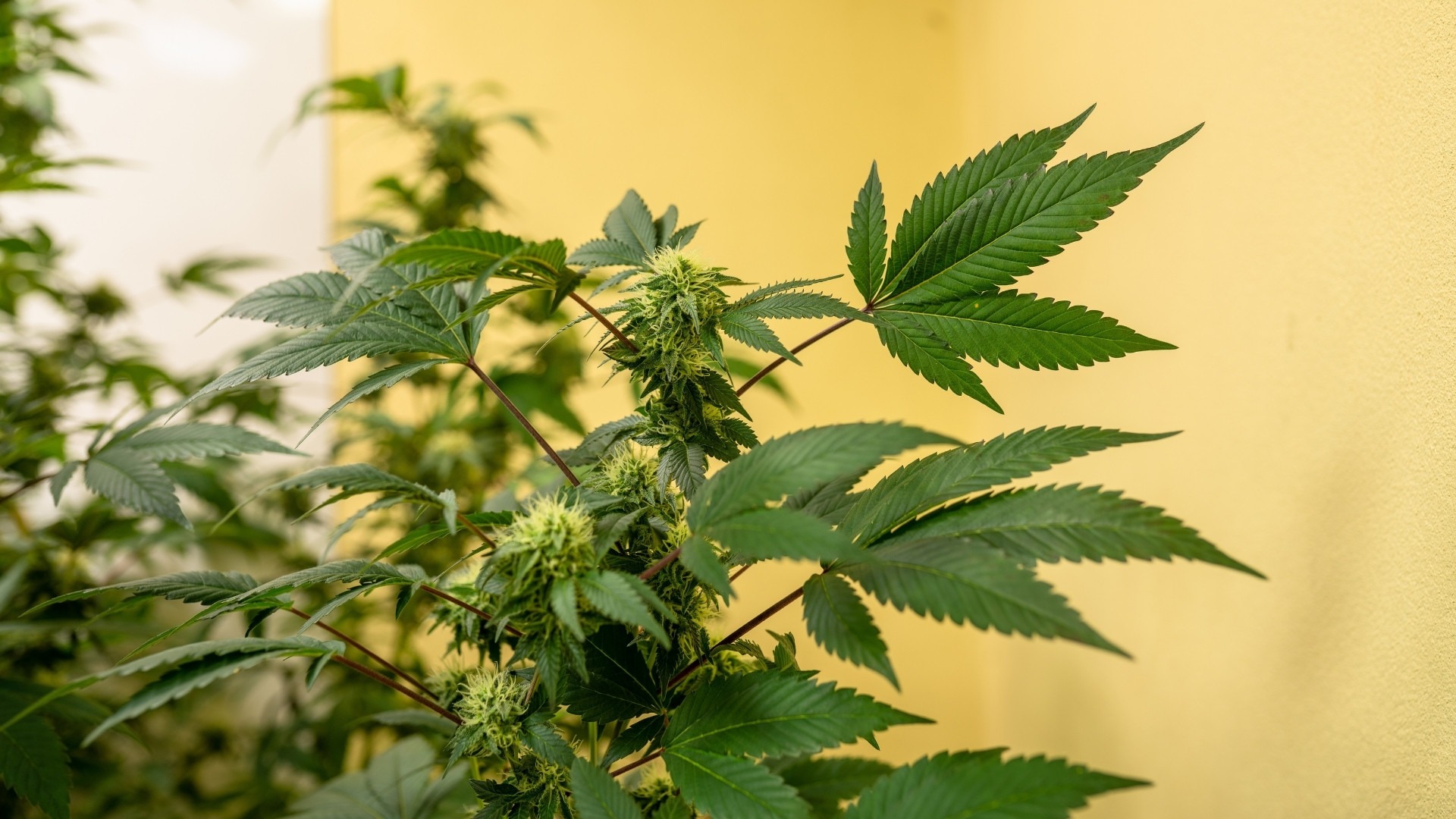
You need to treat this stage as an extension of the grow cycle because improper timing or drying conditions can quickly reduce cannabinoid content and terpene expression.
Follow these tips:
- Harvest Based on Plant Maturity, Not Schedule: Trichome color and overall plant maturity provide better indicators of readiness than estimated timelines. Harvesting too early or too late can affect potency, flavor, and overall effect.
- Handle Plants Gently During Harvest: Rough handling can damage trichomes, where cannabinoids and terpenes are concentrated. Minimizing physical contact helps preserve potency and aroma.
- Dry Slowly in Controlled Conditions: Slow drying in a cool, dark environment helps preserve terpenes and prevents harsh flavors. Rapid drying traps chlorophyll and reduces overall quality.
- Maintain Proper Humidity During Drying: Balanced humidity prevents mold while allowing moisture to leave the buds gradually. Uneven drying can lead to inconsistent curing and reduced shelf stability.
- Cure Gradually for Flavor and Smoothness: Controlled curing allows remaining moisture to redistribute evenly while improving aroma and smoothness. Opening containers periodically during early curing prevents excess moisture buildup.
- Avoid Rushing the Final Stage: Many quality issues occur when growers shorten drying or curing time. Commercial growers allow the process to complete naturally to protect potency and long-term quality.
Even with the right techniques, many home growers encounter avoidable problems when applying commercial practices without a proper structure. These are discussed in the next section.
Suggested Read: Essential Tips to Maintain Healthy Cannabis Plant Growth
Top Mistakes Home Growers Make in Commercial Setups
When home growers introduce advanced methods without consistency or planning, small mistakes compound quickly and affect plant health, yield, and quality.
Typical errors include:
- Changing Too Many Variables at Once: Growers often adjust lighting, nutrients, and environment simultaneously when problems appear.
Fix: Change one variable at a time and observe plant response over several days before making further adjustments. - Overfeeding in Pursuit of Faster Growth: More nutrients do not always translate into faster or better growth and can lead to nutrient burn or lockout.
Fix: Follow stage-appropriate feeding schedules and prioritize steady growth over rapid changes. - Ignoring Environmental Stability: Frequent temperature and humidity fluctuations stress plants and reduce consistency between cycles.
Fix: Focus on maintaining stable environmental ranges rather than constantly optimizing settings. - Running Multiple Strains Without Planning: Different genetics often require different feeding, training, and environmental conditions.
Fix: Start with one or two compatible strains until routines and environmental control become predictable. - Inconsistent Task Timing: Watering, pruning, and inspections performed irregularly lead to uneven plant development.
Fix: Establish repeatable daily and weekly routines, so plant care happens at consistent intervals. - Failing to Document What Works: Many growers repeat mistakes because previous results are not recorded or reviewed.
Fix: Track feeding changes, environmental adjustments, and outcomes to improve decisions in future cycles.
Most of these mistakes are not caused by a lack of knowledge but by a lack of structure. As grow setups become more complex, keeping track of schedules, tasks, and plant progress manually becomes difficult. This is where using scheduling and cultivation management software can help organize home growing.
Use PlanaCan to Maintain Consistency Across At-Home Harvests
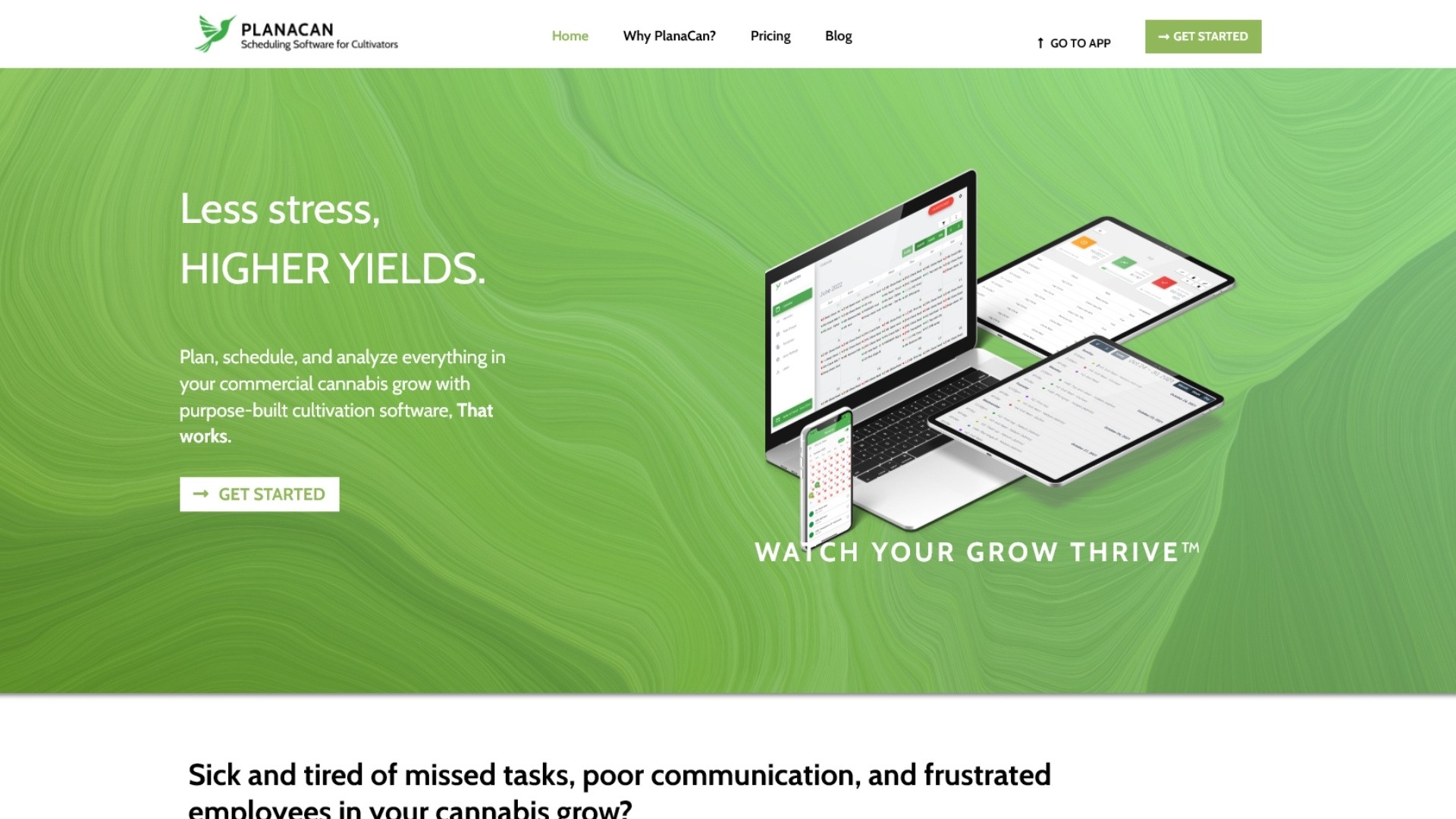
PlanaCan is a cultivation planning and management platform designed to help growers organize the entire grow cycle in one structured system. While large commercial facilities use it to standardize operations, the same approach benefits home growers as well.
You can use PlanaCan to turn routines, observations, and schedules into a clear process that can be repeated and improved with every harvest. This is how the platform can help you:
- Automated Grow Schedules
PlanaCan helps you build structured automated schedules based on growth stages, ensuring watering, feeding, training, and inspections happen at the right time. This reduces missed tasks and prevents reactive decision-making during critical stages. - Interactive Grow Calendar
An interactive calendar provides a visual overview of upcoming tasks and plant milestones across the entire cycle. Home growers can see what needs attention each day without relying on memory or scattered notes. This can help you with schedule management across the growth cycle. - Reusable Grow Templates
Once a successful grow cycle is established, templates allow you to repeat the same process with small refinements. This helps maintain consistency when growing the same genetics again. - Performance Tracking and Analytics
Recording outcomes across cycles helps identify what actually improved yield or quality. Over time, growers can make decisions based on results from analytics rather than guesswork. - Centralized Grow Records
Environmental notes, feeding changes, and observations remain organized in one place. This creates a clear reference point for future growth and prevents repeating past mistakes.
Home cultivation becomes significantly easier when experience becomes a repeatable system rather than trial and error. PlanaCan brings commercial-level structure into at-home growing, helping you stay organized, reduce variability, and improve results with every cycle.
Conclusion
Home cannabis cultivation often becomes frustrating when results vary from one cycle to the next. Inconsistent schedules, environmental fluctuations, and missed observations can lead to avoidable plant stress, reduced potency, and uneven yields. Without a structured approach, growers end up reacting to problems rather than preventing them.
Applying commercial growing principles brings clarity and consistency to home cultivation. This is where PlanaCan adds real value. By helping you plan cycles, track outcomes, and refine processes over time, it makes each cycle more predictable and efficient than the last.
Start building a more consistent growth process today. Try PlanaCan and experience how structured cultivation leads to better results. Schedule a free call today.
Frequently Asked Questions
1. How do commercial growers maintain consistency across home cannabis harvests?
Commercial growers rely on repeatable schedules, stable environments, and consistent genetics. Recording results and making gradual adjustments between cycles helps maintain consistency without increasing complexity.
2. Should home growers prioritize yield or quality when using commercial cultivation practices?
Commercial growers prioritize plant health and environmental stability first. Strong plant structure and controlled conditions naturally improve both yield and quality over time.
3. How often should nutrient schedules be adjusted in home cannabis cultivation?
Adjustments should only be made when plants show clear responses or deficiencies. Commercial growers follow structured feeding plans and avoid frequent changes that introduce unnecessary stress.
4. Can commercial growing techniques work at home without advanced equipment?
Yes, consistency matters more than technology. Stable light schedules, proper airflow, and disciplined routines often have a greater impact than expensive equipment in small grow environments.
5. What commercial growing habit helps home cultivators improve the fastest?
Consistent observation and record-keeping help identify patterns and prevent repeated mistakes. Tracking changes across growth cycles allows gradual improvement and more predictable results over time.