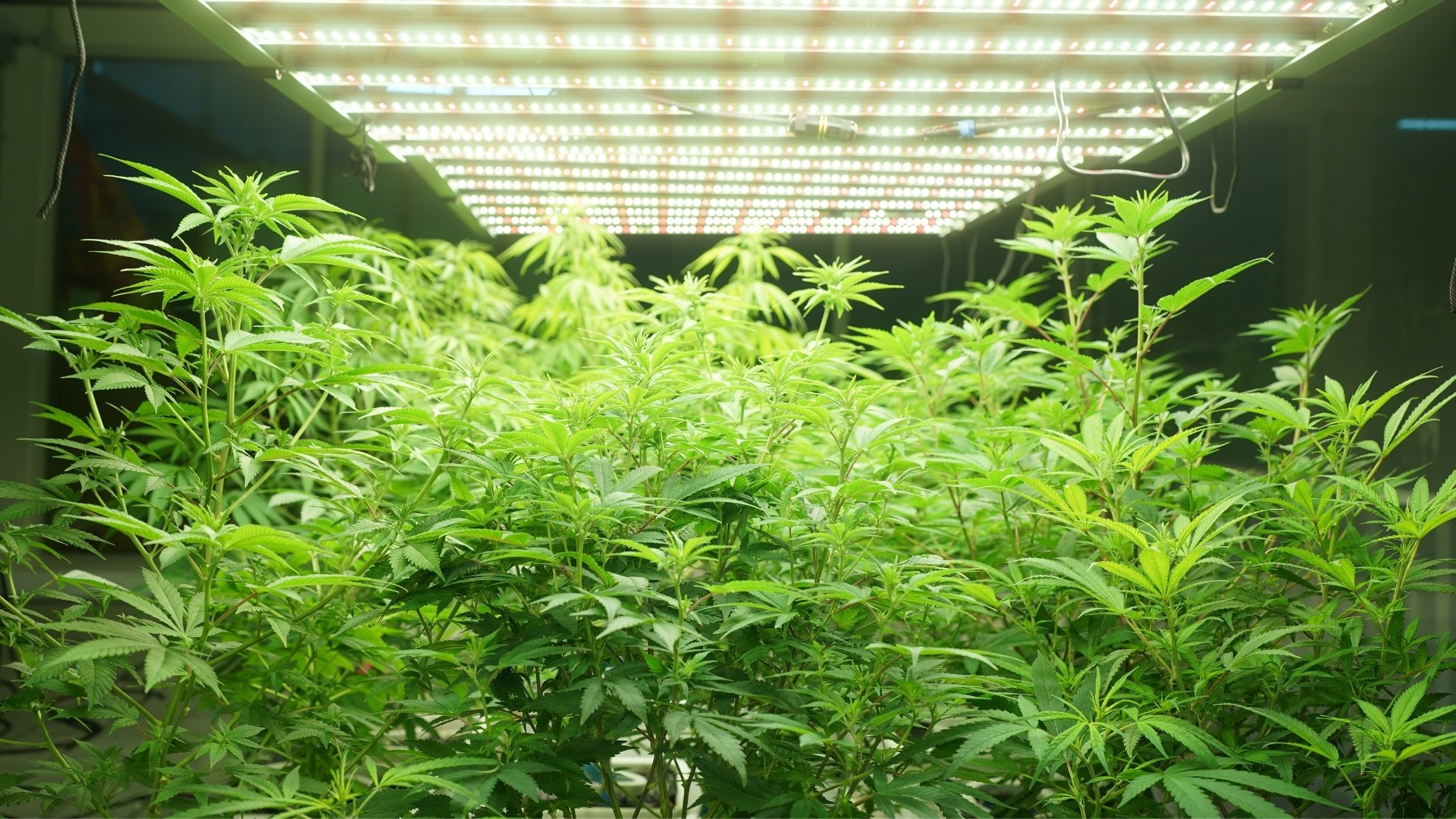
Yields are slipping, timelines keep shifting, and small mistakes are compounding into costly losses. At the same time, the global cannabis market is expected to grow from $102.7 billion in 2025 to $137.7 billion in 2026, increasing pressure on growers to operate efficiently.
If your processes still rely on memory, spreadsheets, or disconnected tools, scaling becomes harder, not easier. In this article, we break down what most growers get wrong with cannabis production planning and how to fix it with a more structured, repeatable approach.
Key Takeaways
- Planning is often reactive, not structured. Many growers think they are planning, but they are actually responding to issues as they arise, which leads to inconsistency.
- Missing details cause execution gaps. Without clear tasks, timelines, and ownership, daily work becomes uneven and critical steps are often delayed or skipped.
- Facility and capacity must guide planning. Your grow space, team size, and environmental setup directly shape what is realistically achievable in each cycle.
- Poor planning compounds across cycles. Small inefficiencies repeat and grow over time, reducing yield, increasing labor waste, and limiting scalability.
- Structured systems improve consistency over time. When planning, execution, and tracking are connected, each cycle becomes more predictable and easier to improve.
What Is Commercial Cannabis Production Planning?
Cannabis cultivation planning is simply planning your entire grow before it starts, so nothing is left to guesswork. Instead of reacting every day, you decide in advance what needs to happen, when it should happen, and who is responsible.
This is what it includes:
- Crop Decisions: You decide what strains to grow, how much to produce, and how that fits within your available space. This sets the foundation for everything that follows.
- Grow Timeline: You map out each stage of the plant cycle so transitions happen on time. This keeps your entire operation moving without delays or overlap.
- Task Planning: You list every activity that needs to happen during the growth, from feeding to pruning. This ensures nothing is forgotten or done too late.
- Team Roles: You assign clear responsibilities so each team member knows exactly what to do and when. This reduces confusion and improves accountability.
- Work Consistency: You make sure the same tasks are done the same way across rooms and cycles. This is what keeps your results stable and repeatable.
- Cycle Learning: You track what worked and what did not in each harvest. This helps you improve your next grow instead of repeating the same mistakes.
When this is done properly, your growth becomes predictable and easier to manage. When it is not, problems build up quickly. In the next section, we break down the common mistakes that quietly disrupt even experienced growers.
Suggested Read: Cannabis Growing Calendar: Stages and Timeline
The Biggest Cannabis Cultivation Planning Mistakes in 2026

Most growers believe they have a solid plan until the grow actually begins. The problems usually start at the planning stage, where small gaps turn into missed tasks, delays, and inconsistent results later.
Common mistakes include:
- Planning Too Late: Many growers start planning once plants are already in motion. By then, it is too late to structure the cycle properly, and everything becomes reactive.
- No Clear Timeline: Growth stages are not mapped in detail, which leads to overlap or delays between phases. This disrupts plant development and creates bottlenecks in the workflow.
- Missing Task Detail: Plans often include only high-level steps and skip daily activities. As a result, critical tasks get delayed, rushed, or completely missed.
- No Task Ownership: Work is not clearly assigned to individuals. This creates confusion on the floor and leads to inconsistent execution.
- Ignoring Capacity Limits: Growers plan more than their space, team, or systems can handle. This puts pressure on operations and reduces overall quality.
This is where PlanaCan makes a difference. Instead of starting from scratch, growers can build structured plans using repeatable workflows and clear timelines. It brings visibility, consistency, and control into the planning process before execution even begins. Schedule a free demo today.
What Effective Cannabis Production Planning Looks Like in 2026
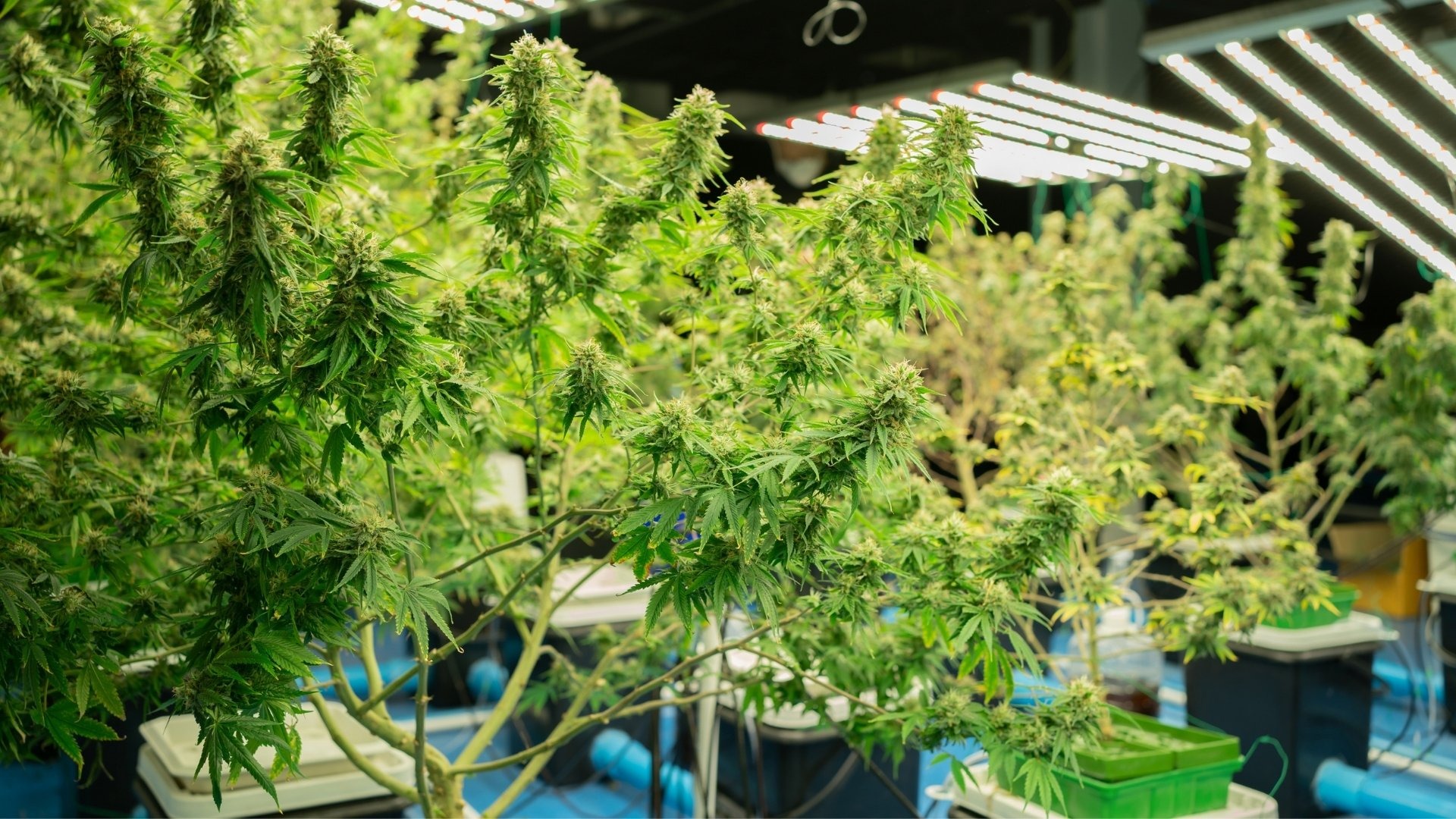
Effective planning requires building a structured system that defines how your entire growth will run before it even begins. Every stage, task, and responsibility is mapped out clearly so execution becomes predictable.
These steps can help remove guesswork:
1. Clear Timelines
A well-planned grow has clearly defined timelines for every stage, from propagation to curing. Each phase starts and ends on time, without overlap or unnecessary delays. This prevents bottlenecks that can disrupt plant development and workload balance. It also allows you to plan multiple batches without creating operational pressure.
Key elements include:
- Stage-by-stage scheduling
- Defined transition points
- No gaps between phases
2. Detailed Task Plans
Effective planning breaks down the cultivation into specific, actionable tasks instead of broad instructions. Every activity is clearly defined, so teams know exactly what needs to be done and when. This removes reliance on memory and reduces the chances of missed or delayed work. Over time, it also creates a repeatable structure for daily operations.
What this includes:
- Daily and weekly task lists
- Step-by-step activity detail
- Clear execution order
3. Defined Team Roles
Planning is incomplete without clear ownership of tasks across the team. Each person must know what they are responsible for and when it needs to be completed. This improves accountability and reduces confusion during busy stages of the grow. It also helps managers track performance and identify gaps in execution.
This is supported by:
- Assigned task ownership
- Role-based responsibilities
- Clear reporting structure
4. Standardized Workflows
Consistency in output comes from consistency in execution. Effective planning ensures that every task is performed the same way across rooms, teams, and cycles. This reduces variability and makes results more predictable over time. It also makes it easier to train new team members and scale operations.
Consistency comes from:
- Repeatable task methods
- Uniform execution standards
- Controlled process variation
5. Real-Time Visibility
Growers need a clear view of what is happening across the facility at all times. Effective planning includes systems that show task progress, delays, and completion status in real time. This allows issues to be identified early and corrected before they impact yield or quality. It also improves coordination between different teams and growth areas.
This requires:
- Task tracking systems
- Live progress updates
- Clear operational overview
6. Continuous Improvement
Planning does not stop once a cycle begins or ends. Each harvest provides insights that should be used to improve future plans. Effective growers track outcomes and adjust timelines, tasks, and processes accordingly. This creates a cycle of continuous improvement where each grow performs better than the last.
This is driven by:
- Tracking past performance
- Identifying weak points
- Updating future plans
When these elements come together, planning becomes a system that drives consistency, efficiency, and better outcomes across every cycle. In the next section, we look at how you can fix gaps in your current approach and build a more reliable planning system.
Suggested Read: Steps to Make Cannabis Grow Faster
How to Fix Your Cannabis Grow Operations Planning System
If your grow feels reactive, the issue is usually not your team or your plants. It is the way your planning system is structured. Fixing it does not require a complete overhaul, but it does require making your planning more detailed, consistent, and repeatable.
Table showing common gaps and fixes:
Once these gaps are addressed, your planning starts to move from reactive to controlled. The goal is not complexity, but clarity and consistency across every cycle.
You can make it better by following these best practices:
- Plan the entire grow before it begins
- Break every activity into clear tasks
- Assign ownership for each task
- Keep timelines realistic and structured
- Standardize how work is done
- Review and improve after every cycle
PlanaCan helps you turn planning into a structured system, rather than scattered notes and spreadsheets. With built-in workflows, scheduling, and tracking, you can create plans that are easy to execute and improve over time. Try PlanaCan today.
Importance of Cultivation Facility in Cannabis Production Planning

Your cultivation facility is not just where plants grow. It defines how your entire production plan should be built and executed. If your plan does not match your facility’s layout, capacity, and limitations, even a well-designed growth strategy will fail.
This is why you need to get the right facility:
- Space And Layout
The number of rooms, canopy size, and overall layout directly impact how much you can grow and how you schedule each stage. Poor planning around space leads to overcrowding or underutilization, both of which affect yield and efficiency. Your plan must align with the physical structure of your facility. - Environmental Control
Different rooms may have varying capabilities for lighting, humidity, and temperature control. If your planning does not account for these differences, plant performance becomes inconsistent across batches. Aligning your plan with environmental capabilities helps maintain stable growth conditions. - Workflow Movement
How plants and teams move through the facility affects timing and productivity. Poorly planned movement creates delays, confusion, and unnecessary labor effort. A good plan ensures smooth transitions between stages without bottlenecks. - Capacity Limits
Every facility has limits in terms of how much it can handle at once. Ignoring these limits leads to overloading teams, equipment, and grow spaces. Proper planning ensures you operate within capacity while maximizing output. - Operational Efficiency
The way your facility is used determines how efficiently your team can work. Misalignment between planning and facility design creates wasted time and effort. A well-aligned plan improves speed, coordination, and overall performance.
When your production plan is built around your facility, operations become smoother and more predictable. When it is not, problems begin to show up quickly in execution. In the next section, we break down the real cost of poor planning and how it impacts yield, labor, and overall performance.
Suggested Read: How to Grow Medical Marijuana: Step-by-Step Guide
The Real Cost of Poor Planning in Commercial Cultivations
Poor planning does not always fail loudly. It shows up in small inefficiencies that compound across rooms, teams, and cycles until performance starts slipping. Most growers notice the symptoms, but the root cause often lies in how the operation was planned.
This is where it actually hurts:
- Stage Overlap Pressure: When timelines are not clearly mapped, multiple cultivation stages start competing for the same space and resources. This creates bottlenecks where teams are forced to rush critical work, which directly affects plant quality.
- Hidden Labor Waste: Teams spend time deciding what to do instead of executing tasks. These small delays add up across shifts and cycles, reducing overall productivity without being immediately visible.
- Inconsistent Plant Development: Without tightly planned transitions between stages, plants do not receive uniform care. This leads to uneven growth within the same batch, making outcomes harder to predict and manage.
- Unbalanced Workloads: Some days become overloaded while others are underutilized. This puts pressure on teams during peak periods and results in inefficient use of labor across the cycle.
- Delayed Problem Detection: Without structured planning and tracking, issues are noticed late. By the time action is taken, the impact on yield or quality has already occurred.
- Repeat Mistakes Across Cycles: When planning is not tied to past performance, the same gaps carry forward. This prevents the operation from improving, even after multiple harvests.
- Reduced Scalability: What works for a small cannabis group breaks down at scale without proper planning. As operations expand, these inefficiencies multiply and become harder to control.
These are connected outcomes of a planning system that lacks structure, visibility, and consistency. In the next section, we look at how a more structured approach can bring control, clarity, and repeatability into your cultivation operations.
Suggested Read: The Cultivation Operations Plan Every Commercial Grower Needs
Maintain Control Over Your Production Operations With PlanaCan

PlanaCan is a cultivation management platform built specifically for cannabis growers. It helps you plan, schedule, and manage your entire grow operation in one place, rather than relying on spreadsheets, whiteboards, or verbal instructions. Instead of reacting to daily issues, you operate with a structured system that keeps your team aligned and your cycles consistent.
This is how it helps:
- Turn Plans Into Action: PlanaCan helps you automate work by converting your growth plans into structured, repeatable workflows. Instead of rebuilding plans every cycle, you use templates that ensure consistency from start to finish.
- Plan and Adjust with Precision: With its interactive calendar, you can manage your entire growth timeline in one view. This improves schedule management by making it easy to plan ahead, adjust timelines, and avoid overlaps between stages.
- Keep Your Team Aligned: Everyone knows what needs to be done and when through built-in task assignment and updates. This strengthens communications across your team and reduces confusion on the grow floor.
- Track Performance And Improve: PlanaCan captures data from every cycle and turns it into actionable insights. With detailed harvest reporting and performance tracking, you gain real analytics that help you improve future growth.
- Standardize Every Cycle: Templates ensure that every task is performed the same way across rooms and batches. This reduces variability and makes your outcomes more predictable.
- Get Full Visibility Across Operations: You can see what is happening across your facility in real time. This allows you to catch issues early and maintain control over execution.
PlanaCan is built for growers facing real operational challenges every day. It understands the complexity of cultivation and is designed to bring structure, clarity, and consistency into your production process.
Conclusion
When production planning is weak, problems do not stay isolated. Timelines slip, teams fall out of sync, and small execution gaps turn into yield loss and quality issues. These inconsistencies make it harder to scale, harder to predict outcomes, and harder to stay competitive.
PlanaCan brings structure back into your operations. It connects your planning, scheduling, execution, and tracking into one system so every cycle runs with clarity and control. Instead of reacting to problems, you operate with a consistent, measurable process built to improve over time.
If you are relying on memory, spreadsheets, or disconnected tools, it may be time to move to a more structured approach. Schedule a free call today.
Frequently Asked Questions
1. How early should you start cannabis production planning?
You should begin cannabis production planning before planting starts. Ideally, plan weeks in advance so timelines, tasks, and resources are aligned before any activity begins in your growth.
2. Can small growers benefit from production planning systems?
Yes, small growers benefit by reducing mistakes and improving consistency. A structured plan helps manage limited resources better and creates repeatable processes that support scaling without increasing operational complexity.
3. How detailed should a cultivation plan be?
A cultivation plan should include stage timelines, daily tasks, and team responsibilities. The more detailed the plan, the easier it is to execute consistently and avoid missed or delayed work.
4. What is the difference between planning and scheduling in cannabis cultivation?
Planning defines what needs to be done and why, while scheduling focuses on when tasks happen. Both are important, but planning provides the structure that scheduling follows during execution.
5. How often should you update your production planning process?
You should review and update your planning after every harvest cycle. This ensures that lessons learned are applied, helping improve efficiency, consistency, and overall performance in future cultivations.