Lighting decisions can quietly determine how efficient a cannabis facility becomes. Many cultivators invest in genetics, nutrients, and climate control, yet lighting still accounts for a large share of operational energy use.
Research published on ScienceDirect estimates the cannabis industry consumes about 595 petajoules of energy annually, costing roughly $11 billion each year. If you are weighing LED vs HPS, you are facing one of the most important setup decisions in cultivation.
The lighting system you choose affects plant growth, heat levels, and long-term operating costs. In this article, we break down how LED and HPS compare and what growers should consider before choosing one over the other.
Here's the short version:
- LED and HPS lighting both support cannabis cultivation. Each system can grow healthy plants, but they differ in energy use, heat output, and long-term operating costs.
- LED lights prioritize efficiency and environmental control. Many growers choose them to reduce electricity use and maintain stable temperatures inside indoor facilities.
- HPS lights remain common in traditional grow setups. They are widely used because of lower upfront costs and strong light penetration during flowering.
- Lighting decisions affect more than plant growth. Heat management, facility design, and electricity costs all influence which system works best for a cultivation operation.
- Structured cultivation management improves consistency. Tracking schedules, plant stages, and operational adjustments helps teams manage lighting and crop performance more effectively.
Importance of Grow Lights in Cannabis Cultivation
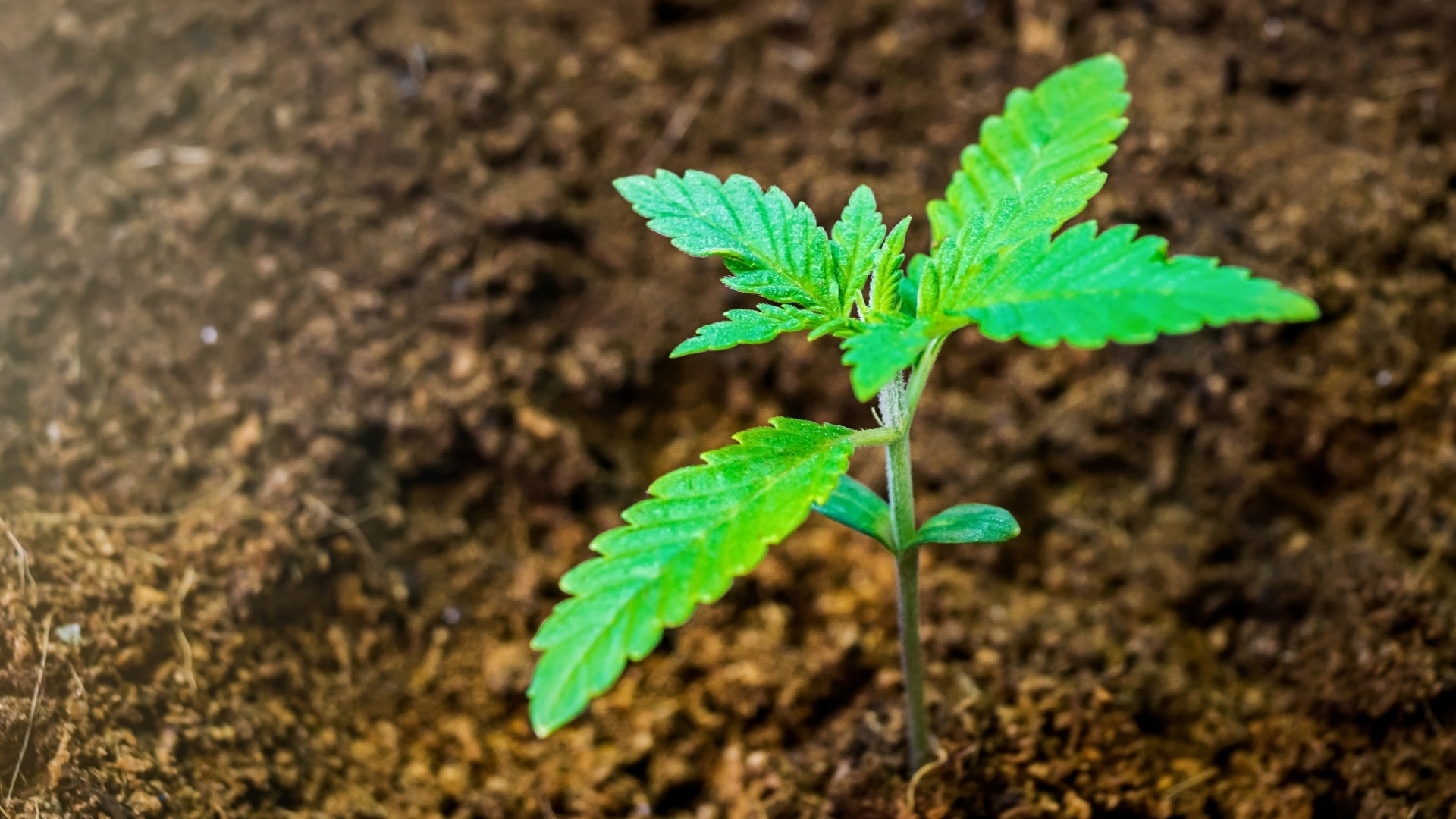
Cannabis plants rely on light as their primary energy source. The right lighting setup helps plants build stronger branches, develop fuller canopies, and support dense flower production. When light levels are inconsistent or insufficient, growth slows, and yields can drop.
This is how light affects different growth stages:
- Seedling Stage: Gentle, stable lighting helps young plants establish roots and begin healthy early growth.
- Vegetative Stage: Higher light intensity supports leaf development, branch expansion, and canopy formation.
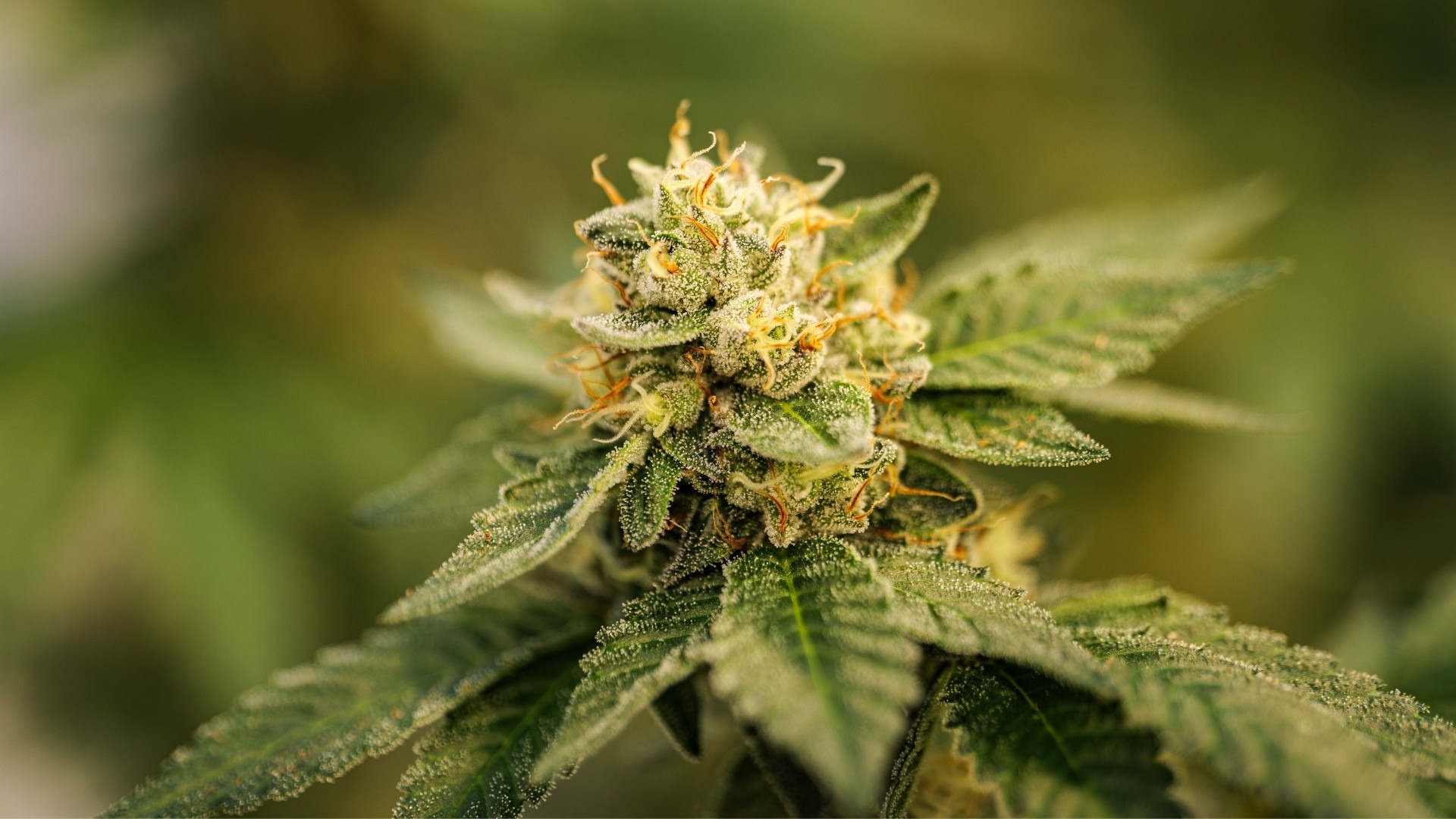
- Flowering Stage: Consistent light cycles trigger bud production and influence final flower density.
- Late Flowering and Ripening: Stable lighting conditions help plants finish properly and maintain resin production.
Understanding these effects is only part of the equation. To choose between lighting systems like LED and HPS, cultivators also need to understand the metrics used to measure light performance.
Suggested Read: Cannabis Light Cycle Fundamentals: Vegetative vs Flowering Stage
Lighting Metrics Growers Should Understand
Choosing between lighting systems is easier when you understand how grow lights are actually measured. These metrics can help you evaluate efficiency, plant exposure, and overall performance inside the grow room.
Key metrics include:
- PPFD (Photosynthetic Photon Flux Density): Measures the amount of usable light reaching the plant canopy each second. Higher PPFD levels generally support stronger growth when balanced correctly.
- PAR (Photosynthetically Active Radiation): Refers to the light spectrum plants use for photosynthesis, typically between 400 and 700 nanometers.
- Light Spectrum: Different wavelengths influence plant behavior, including vegetative growth, stretching, and flowering development.
- Light Uniformity: Even light distribution across the canopy prevents weak growth areas and helps plants develop consistently.
- Energy Efficiency (µmol/J): Indicates how efficiently a light converts electricity into usable plant light.
Now, you should be able to understand how different lighting technologies perform. This is where the conversation usually turns to one of the most widely used options in modern cultivation. The next section explains how LED grow lights work.
Suggested Read: Understanding the Importance of Light Schedules in Growing Cannabis
What Are LED Grow Lights in Indoor Weed Cultivation?
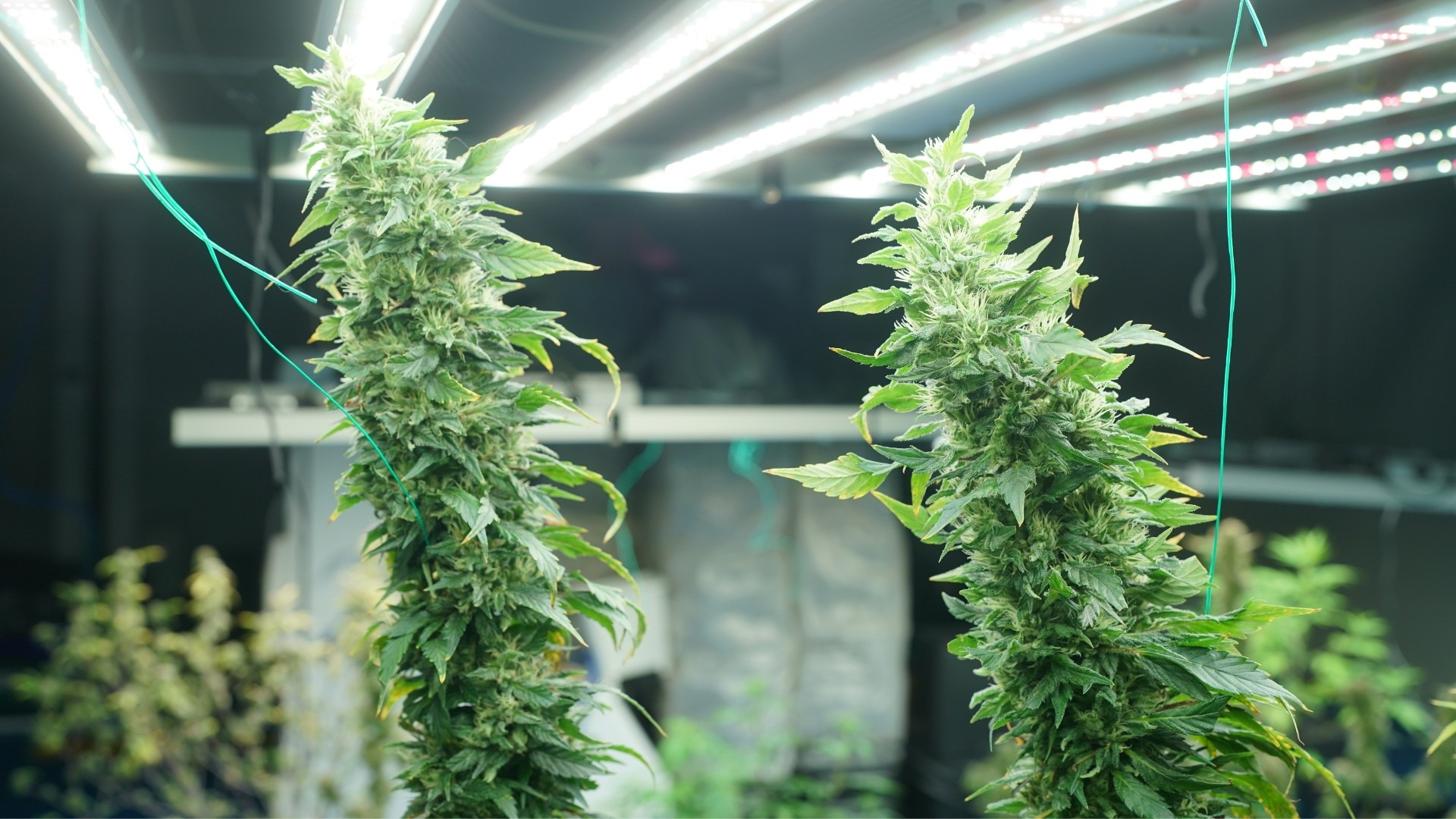
LED grow lights use light-emitting diode technology to produce wavelengths plants can use for photosynthesis. Unlike traditional lighting systems, LEDs can deliver targeted light spectrums while using less electricity and generating less heat. Because of these traits, they have become increasingly common in modern cannabis cultivation.
This is what you need to know about LED grow lights:
1. Fundamental Operation of LED Grow Lights
LED fixtures produce light via semiconductor diodes that convert electrical energy directly into photons. Many systems are engineered to deliver specific spectrums suited for plant development.
The basic process works like this:
- Electricity passes through a semiconductor chip
- The chip emits light at controlled wavelengths
- Multiple diodes combine to produce a full grow spectrum
- Reflectors and lenses distribute light across the canopy
2. Advantages of LED Grow Lights
LED systems offer several operational benefits for cultivation facilities:
- Lower electricity consumption compared to many traditional fixtures
- Reduced heat output inside the grow room
- Adjustable or optimized light spectrums for plant stages
- Longer fixture lifespan with fewer replacements
- Potential savings in cooling and ventilation costs
3. Limitations of LED Grow Lights
Despite their advantages, LEDs also present some challenges for growers:
- Higher upfront equipment cost
- Quality differences between manufacturers
- Learning curve when adjusting light intensity and placement
- Some setups require more fixtures for full canopy coverage
Understanding these strengths and tradeoffs makes it easier to compare LEDs with the lighting system that dominated cannabis cultivation for years. The next section explores HPS grow lights.
What Are HPS Grow Lights in Cannabis Growth?

High Pressure Sodium (HPS) grow lights have been widely used in indoor cannabis cultivation for decades. They are part of the high-intensity discharge lighting family and are known for producing strong light output that supports flowering. Many commercial growers adopted HPS long before LED technology became widely available.
This is what you need to know about HPS lights:
1. Fundamental Operation of HPS Grow Lights
HPS fixtures produce light by passing electricity through gas inside a sealed tube. This reaction produces intense light suitable for plant growth.
The process generally works like this:
- Electricity passes through a ballast to regulate current
- The current activates the gas inside the bulb
- The gas emits bright light rich in warm spectrums
- Reflectors help direct the light toward the plant canopy
2. Advantages of HPS Grow Lights
HPS systems became popular because of several cultivation benefits:
- Strong light penetration through dense canopies
- Proven performance during flowering stages
- Lower upfront cost compared to many LED systems
- Widely available equipment and replacement bulbs
3. Limitations of HPS Grow Lights
Despite their reliability, HPS lights also create operational challenges:
- Significant heat production inside grow rooms
- Higher electricity consumption
- Bulbs require periodic replacement
- Additional cooling or ventilation may be needed
Managing lighting systems across multiple rooms or crop cycles can quickly become complex. This is where organized cultivation workflows help teams stay consistent.
PlanaCan allows growers to schedule lighting-related tasks, coordinate team activity, and track cultivation progress in one place. This structured approach helps maintain stability across the entire grow. Book a free demo.
LED vs HPS: Differences for Cannabis Growers
Choosing between LED and HPS lighting often comes down to operational priorities. Both systems can produce strong cannabis crops, but they differ in energy use, heat output, setup costs, and long-term management.
LED vs HPS grow lights comparison table:
Comparing the options is helpful, but the right choice usually depends on how your cultivation operation is set up. Growers often evaluate lighting decisions by asking practical questions about their facility:
- How much heat can your grow room handle?
- What are your electricity costs over time?
- How large is your canopy and ceiling height?
- Do you want spectrum control for different plant stages?
- How important are long-term operational savings?
Answering these questions usually reveals which lighting system fits your cultivation strategy more naturally. In the next section, we look at the various factors that make LED grow lights the obvious win.
Suggested Read: How to Treat Light Burn and Light Stress in Cannabis Seedlings?
When Does LED Lighting Work Best for Cultivators?
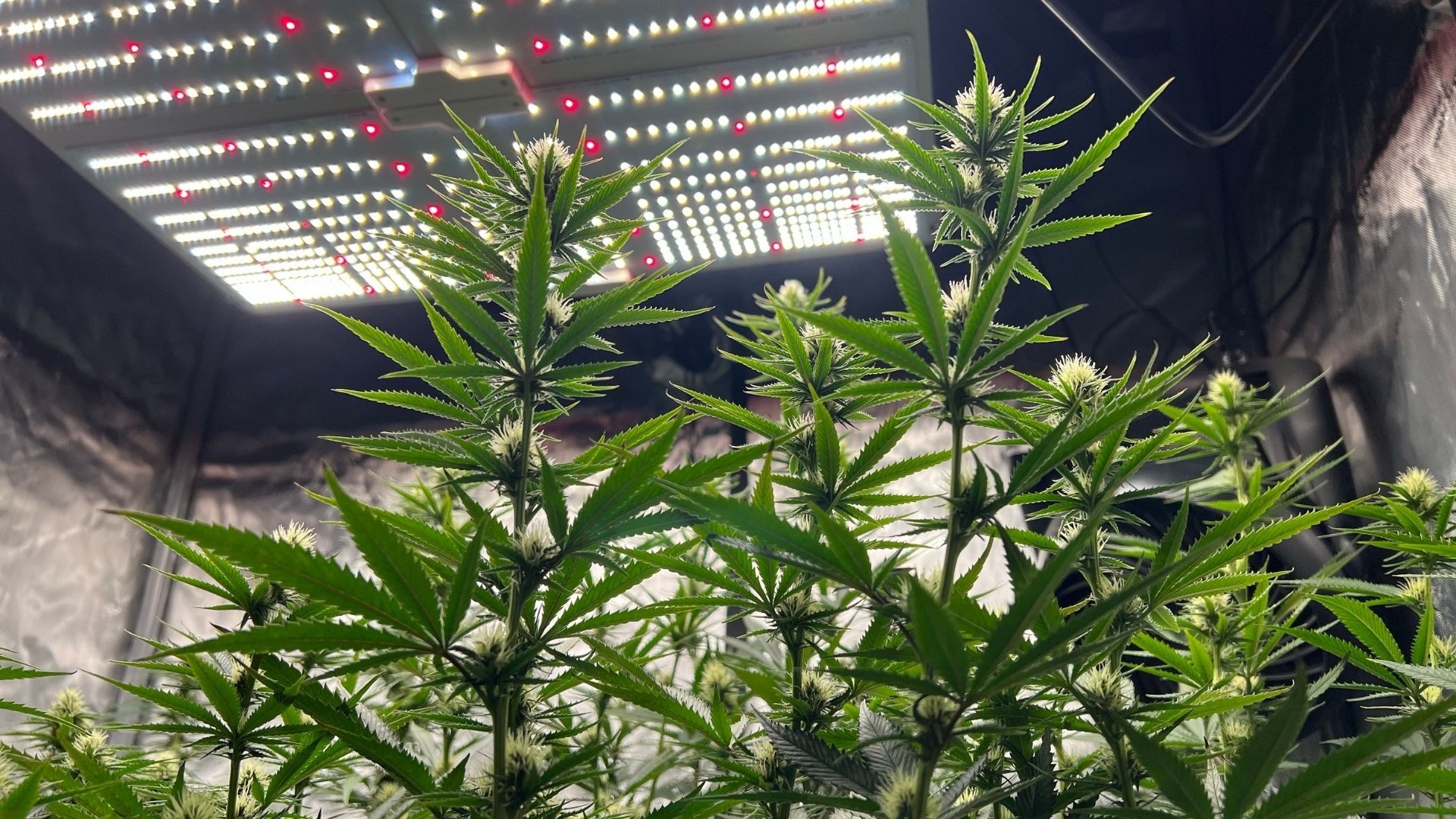
LED lighting has become increasingly common in modern cannabis facilities. Its efficiency and environmental control advantages make it attractive for growers trying to manage costs and maintain stable growing conditions.
This is when you should pick LED grow lights:
- Indoor Facilities Managing Heat: LED lights produce less excess heat than many traditional fixtures. This helps growers maintain stable temperatures without overloading cooling systems.
- Energy-Conscious Cultivation Operations: Facilities focused on reducing electricity consumption often prefer LED systems. Lower power usage can significantly reduce long-term operational expenses.
- Large-Scale Commercial Grows: In bigger facilities, lighting efficiency can affect overall profitability. LEDs can make it easier to scale operations without dramatically increasing energy demand.
- Growers Seeking Spectrum Control: Some LED fixtures allow adjustments to light spectrums during different growth stages. This gives cultivators more flexibility in managing plant development.
- Highly Controlled Indoor Environments: Operations using automated climate systems often integrate LED lighting more easily. The lower heat output allows more precise environmental control.
However, LED lighting is not the ideal choice for every setup. In certain cultivation environments, traditional lighting systems can still offer practical advantages. HPS grow lights are covered in the next section.
When Does HPS Lighting Still Make Sense in Cannabis Growth?
Despite the rise of LED systems, HPS lighting remains a key component in many cultivation operations. Some facilities still rely on it because of familiarity, setup costs, or environmental conditions that favor it.
This is why you should choose HPS grow lights:
- Budget-Conscious Grow Setups: HPS fixtures typically cost less upfront than many LED systems. This makes them appealing for growers setting up a facility with limited capital.
- Cold Climate Grow Operations: The additional heat produced by HPS lights can help maintain warmer grow room conditions. In some environments, this reduces the need for additional heating equipment.
- Growers Comfortable with Traditional Systems: Many experienced cultivators have used HPS lighting for years. Familiar workflows and predictable results can make the system easier to manage.
- Facilities Already Designed Around HPS: Some grow rooms were built with ventilation, spacing, and electrical systems designed specifically for HPS fixtures. Switching systems may require additional upgrades.
- Flowering-Focused Lighting Strategies: HPS lights are known for their spectral output, which supports flowering stages. Some growers continue to use them specifically during this phase.
PlanaCan helps cultivators keep lighting strategies organized across different rooms and crop cycles. Teams can schedule tasks, coordinate adjustments, and track how lighting choices affect plant performance. With everything documented in one place, growers can manage HPS systems more consistently. Try PlanaCan for free.
Tips to Manage Lighting Schedules in a Grow Operation

Lighting schedules influence plant development, flowering triggers, and overall crop consistency. Even small disruptions in light cycles can stress plants and affect yield.
These are a few best practices to keep you on point:
- Keep Light Cycles Consistent: Cannabis plants rely on predictable light and dark periods. Sudden changes can interrupt growth or delay flowering.
- Match Lighting to Growth Stages: Seedlings, vegetative plants, and flowering crops all require different light durations. Adjust schedules carefully as plants progress.
- Monitor Timers and Power Systems: Faulty timers or electrical interruptions can disrupt entire grow rooms. Regular checks help prevent accidental changes to the light cycle.
- Coordinate Lighting with Other Tasks: Irrigation, inspections, and maintenance often work best when aligned with lighting periods. Planning these together improves efficiency.
- Document Schedule Adjustments: Recording changes helps teams track what works best across crop cycles and strains.
As cultivation facilities grow larger, manually managing lighting schedules becomes increasingly difficult. This is where technology starts to play a much bigger role in keeping operations organized and consistent.
Suggested Read: Identifying and Treating Light Stress in Cannabis Plants
How Does PlanaCan Help Cultivators Manage Lighting and Crop Performance
PlanaCan is a cannabis cultivation management platform designed to help growers organize daily work, crop schedules, and team coordination in one place. It gives cultivation teams clearer visibility into what is happening across rooms, strains, and growth stages. With a structured system in place, lighting routines and plant care stay consistent across the entire operation.
This is how PlanaCan helps:
- Keep Daily Cultivation Work Consistent
Routine growth activities can be organized to ensure teams follow the same steps each cycle. This reduces missed tasks while allowing growers to automate work that normally depends on manual reminders. - Plan Lighting and Crop Activities Clearly
Lighting adjustments, inspections, and plant care can be planned in advance. With schedule management tools such as a cultivation calendar, teams always know what needs to happen next. - Improve Team Coordination in the Grow
Communication inside a cultivation facility is easier when updates are centralized. Growers can stay connected through built-in communications and mobile access on iOS and Android devices. - Understand What Is Working Across Cycles
Tracking cultivation activity helps teams evaluate results over time. Built-in analytics allow growers to review patterns and make better operational decisions. - Standardize How Your Facility Operates
Successful processes can be repeated across rooms and harvest cycles. Using templates helps growers maintain standardized SOPs without relying on scattered documents.
PlanaCan is built specifically for cultivators who want better control over their operations. The platform continues to improve to better cater to changing cannabis cultivation practices. It is designed by people who understand how real grow facilities operate.
Wrapping Up
Lighting decisions shape far more than plant growth. When the wrong system is used or schedules are poorly managed, cultivators can face rising energy costs, uneven canopy development, and reduced yields. Small lighting inefficiencies often scale into larger operational problems across the entire facility.
PlanaCan helps growers bring structure to cultivation management. By organizing schedules, tracking crop activities, and keeping teams aligned, the platform supports more consistent grow operations and clearer oversight.
See how a purpose-built platform can simplify daily cultivation management. Schedule a free call today.
Frequently Asked Questions
1. Are LEDs better than HPS for cannabis cultivation?
It depends on the grow setup. LEDs are generally more energy efficient and produce less heat, while HPS lights are known for strong canopy penetration and lower upfront equipment costs.
2. What LED grow light is equivalent to a 600W HPS?
Many growers find that a high-quality LED fixture using about 350–450 watts can provide similar usable light levels to a 600W HPS, depending on efficiency and coverage.
3. What is a 300-watt LED equivalent to in HPS?
A modern 300-watt LED fixture often performs roughly similar to a 400–450W HPS in usable plant light, though results depend heavily on fixture efficiency and setup.
4. Are LED watts better than HPS watts?
LED watts typically produce more usable plant light per watt of electricity. This means growers can often achieve similar results using fewer watts compared to HPS systems.
5. Do LEDs produce the same yield as HPS lights?
Yes, they can. When properly set up, high-quality LED systems can match or sometimes exceed HPS yields while using less electricity and generating less heat.