Indoor commercial cannabis growers often reach flowering with healthy plants, only to see final yields fall short of expectations. The reality is that most yield gains or losses occur during flowering, when plants allocate energy to bud formation and biomass accumulation.
Research shows that increasing light intensity during the flowering phase can directly increase cannabis yield. Higher light levels improve photosynthesis and inflorescence mass under controlled indoor conditions. If you have ever wondered why strong vegetative growth does not always translate into heavier harvests, you are not alone.
In this guide, we break down nine practical secrets cultivators use to increase yield indoors during the flowering stage while maintaining plant stability and consistency.
In brief:
- Flowering stage decisions determine final indoor yield. Light intensity, nutrient balance, and environmental stability during flowering directly influence bud size, density, and overall harvest weight.
- Indoor limitations require efficiency per square foot. Even canopy structure, uniform light distribution, and stable conditions help maximize productivity within controlled indoor spaces.
- Small cultivation adjustments create large yield differences. Timing nutrient changes, managing airflow, and avoiding plant stress during flowering significantly improve flower development.
- Common flowering mistakes reduce harvest potential. Overfeeding, uneven lighting, excessive defoliation, and late environmental changes often lead to smaller or less dense buds.
- Consistency across cycles improves long-term results. Tracking plant response and maintaining repeatable cultivation practices helps growers achieve predictable indoor yields over time.
How Does the Flowering Stage Determine Final Yield?
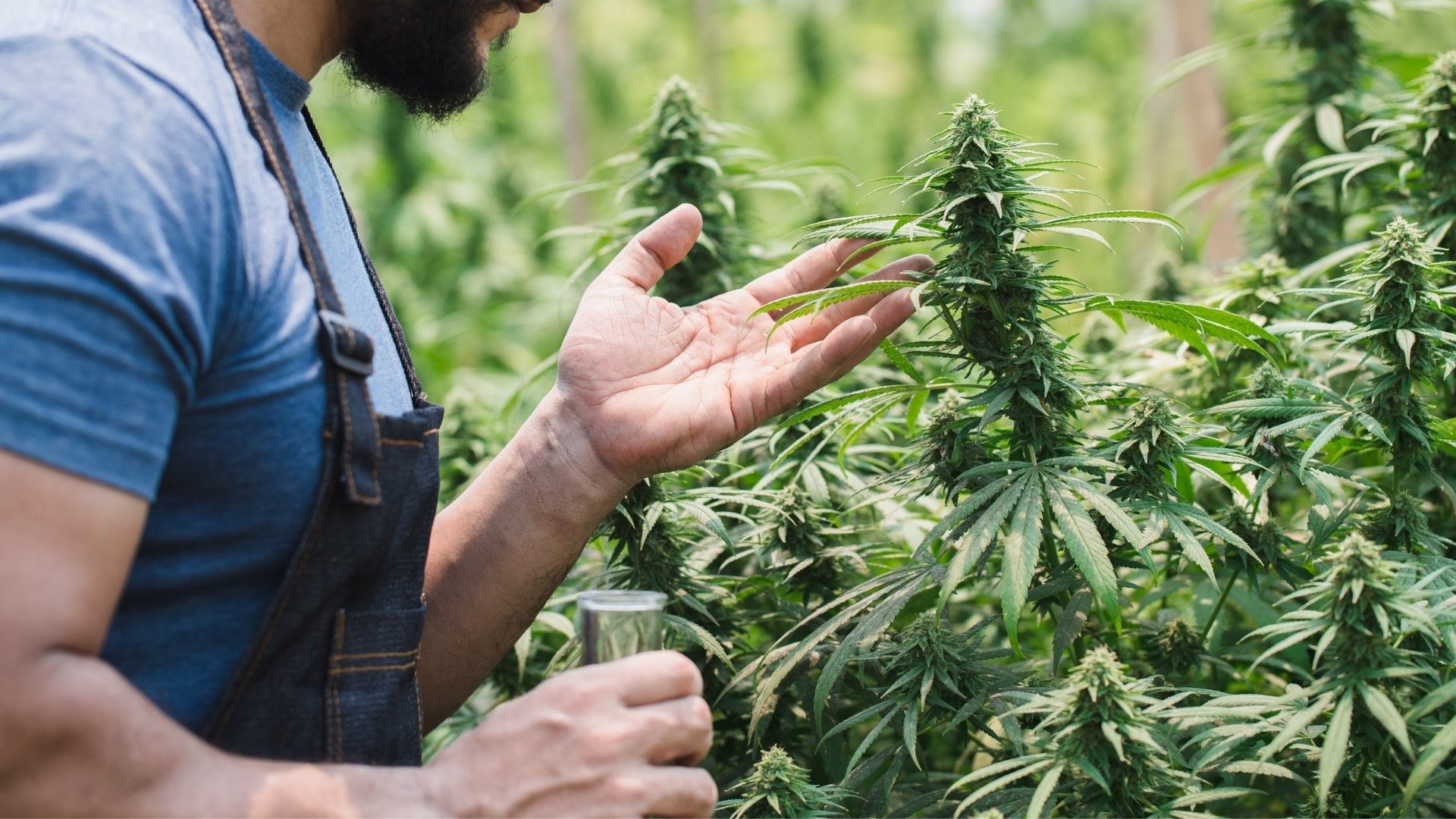
The flowering stage is when cannabis plants stop focusing on structural growth and begin directing energy toward bud development, resin production, and final biomass accumulation.
Decisions made during this phase directly influence bud size, density, and overall harvest weight. These factors explain how flowering directly affects final yield:
- Energy Allocation Shifts to Flower Production: Plants redirect resources from leaf and stem growth toward forming and expanding flowers, which determines final yield potential.
- Bud Sites Develop and Mature: The number and quality of flowering sites established early in bloom affect how much usable flower develops by harvest.
- Stress has a Larger Impact During Flowering: Environmental or nutrient stress during flowering reduces plant efficiency and limits the plant’s ability to build dense flowers.
- Consistency Determines Efficiency: Stable light, nutrients, and environmental conditions allow plants to convert energy into biomass rather than into stress responses.
The next section explains how indoor growing conditions influence flowering performance and ultimately shape yield outcomes.
Suggested Read: Essential Tips to Maintain Healthy Cannabis Plant Growth
Impact of Indoor Cultivation on Cannabis Flowering Yield
Indoor cultivation gives growers control over light, temperature, and nutrients. It also introduces physical and operational limitations that directly affect flowering yield.
These indoor factors commonly influence flowering yield:
- Limited Light Footprint: Indoor lighting covers a defined area, making uneven canopy height or overcrowding a direct cause of reduced bud development.
- Space Constraints: Vertical and horizontal limitations restrict plant expansion, requiring growers to maximize productivity per square foot rather than plant size.
- Environmental Dependency: Yield depends on maintaining stable temperature, humidity, and airflow, since plants cannot naturally compensate for fluctuations.
- Canopy Efficiency: Lower bud sites often receive less light indoors, which can reduce overall yield if canopy management is not optimized.
- Operational Consistency: Small execution differences between rooms or shifts can lead to uneven flowering outcomes within the same facility.
PlanaCan can help you standardize flowering activities and maintain visibility across rooms. It enables teams to execute consistently during critical yield-forming weeks through centralized planning and activity tracking. Schedule a free demo today.
9 Secret Tips for Cultivators to Increase Indoor Grown Cannabis Yield
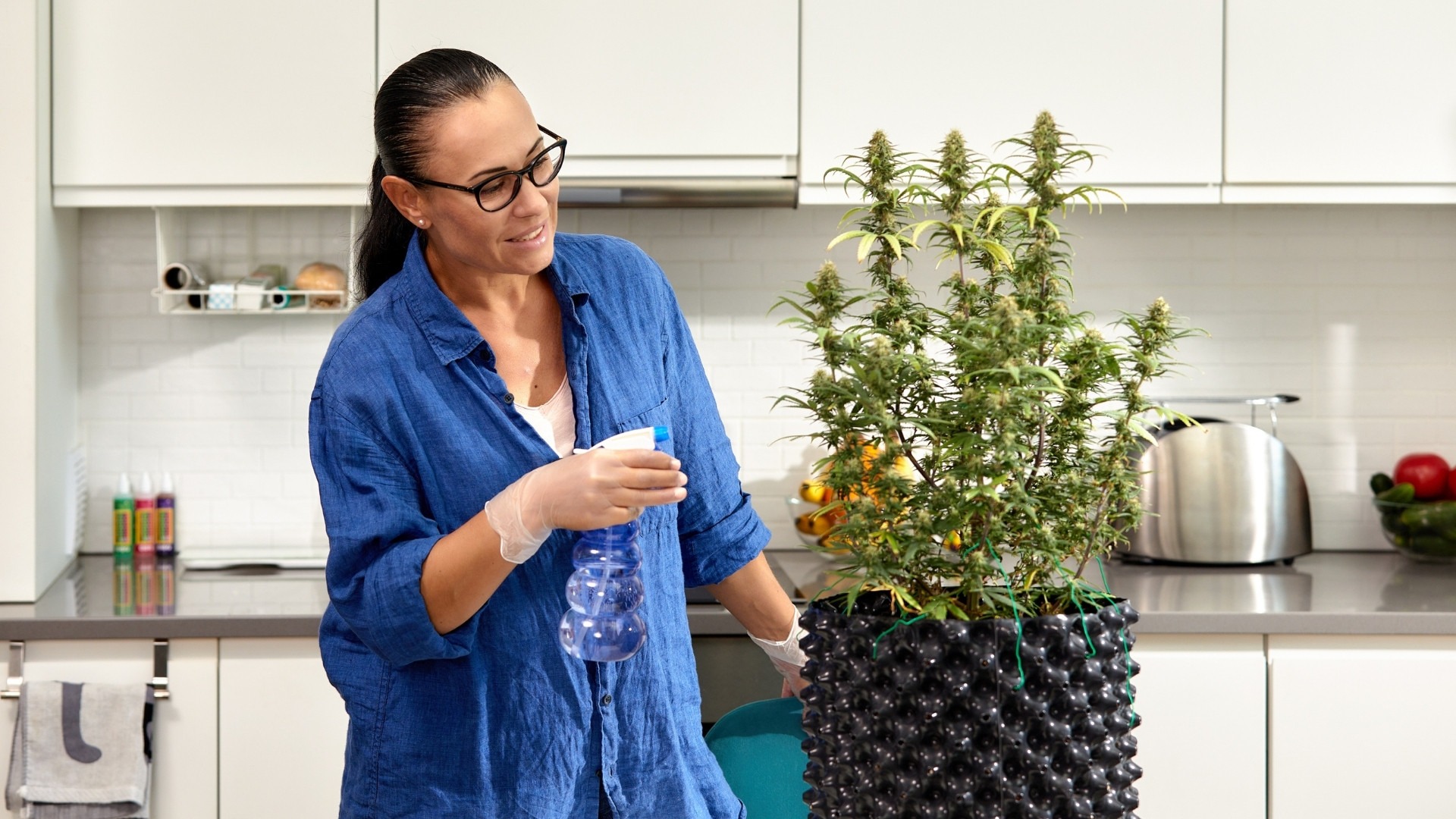
Experienced cultivators improve results by refining small but high-impact practices that increase efficiency without increasing plant stress.
These secrets focus on helping plants convert light, nutrients, and time into dense, high-quality flowers rather than excess foliage or wasted energy.
1. Optimize Light Intensity Without Crossing Stress Limits
Light drives flower development, but excessive intensity can reduce yield by causing stress and limiting photosynthetic efficiency. The goal is to maximize usable light rather than simply increasing output, allowing plants to sustain growth throughout flowering.
Proper light optimization improves bud density while preventing bleaching and stalled development. Apply this effectively by focusing on:
- Maintaining appropriate PPFD levels for flowering stages
- Adjusting fixture height as plants stretch
- Monitoring canopy temperature under lights
- Ensuring uniform light spread across the canopy
2. Maintain a Flat, Even Canopy
An uneven canopy causes upper buds to receive excessive light while lower sites remain underdeveloped. A flat canopy ensures consistent energy distribution, allowing more bud sites to reach full maturity.
This increases total harvest weight without increasing plant count or space. Implement this by:
- Training plants before early flowering stretch
- Using trellis or support nets for height control
- Removing dominant tops that shade lower sites
- Regularly checking canopy uniformity across rooms
3. Time Nitrogen Reduction Precisely
Excess nitrogen during flowering encourages leafy growth instead of flower formation. Gradually reducing nitrogen at the correct time redirects plant energy toward bud expansion and resin production.
Proper timing improves density and prevents airy flowers late in bloom. Put this into practice by:
- Lowering nitrogen after the early flower transition
- Monitoring leaf color for balance, not deficiency
- Adjusting feed ratios instead of sudden reductions
- Observing plant response over several feeding cycles
4. Increase Potassium Availability During Peak Flowering
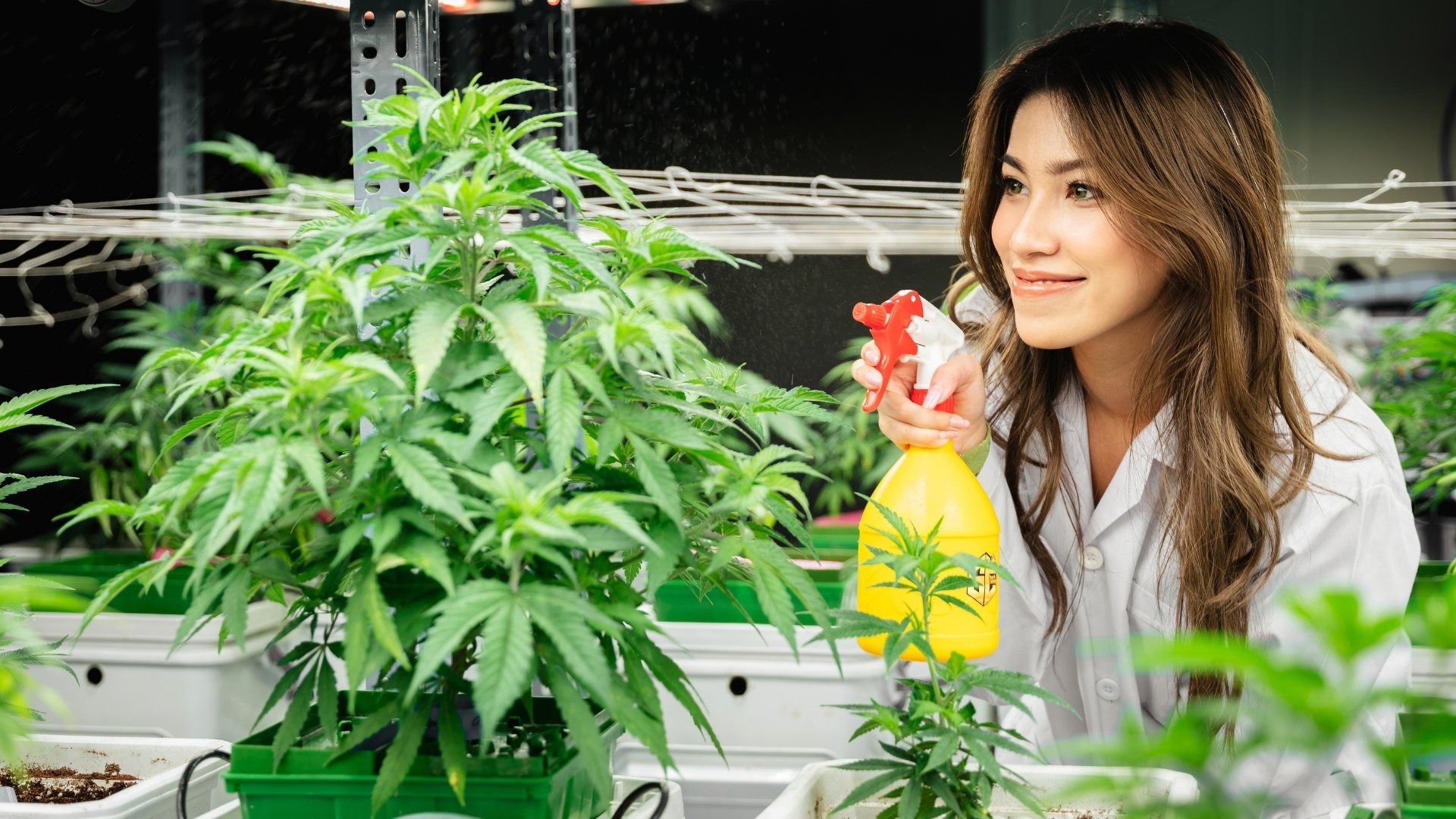
Potassium regulates water movement and carbohydrate transport, both essential for dense flower formation. Adequate potassium allows plants to move energy efficiently into developing buds during mid-to-late flowering.
This results in improved structure, weight, and stress tolerance. Support this adjustment by:
- Increasing potassium during the weeks of rapid bud swell
- Maintaining balanced EC levels to avoid lockout
- Monitoring leaf edge health for early imbalance signs
- Aligning potassium increases with light intensity
5. Control Night Temperatures to Improve Density
Large temperature swings between day and night slow metabolic activity and reduce flower density. Stable nighttime temperatures allow plants to maintain consistent respiration and energy use.
Controlled night conditions help flowers develop a tighter structure and better uniformity. Execute this by:
- Keeping the night temperature drops moderately
- Avoiding sudden late-cycle environmental changes
- Monitoring humidity increases during lights-off periods
- Maintaining steady airflow overnight
Further Insight: Simple Steps in Cannabis Flowering Stage Week by Week
6. Defoliate Strategically, Not Aggressively
Leaves are energy producers, and excessive removal reduces photosynthetic capacity during critical flowering weeks. Strategic defoliation improves light penetration and airflow while preserving enough foliage to support growth.
This balance helps more bud sites develop without slowing plant metabolism. Apply this approach by:
- Removing only large leaves blocking key bud sites
- Defoliating before mid-flowering rather than late
- Avoiding repeated heavy defoliation sessions
- Monitoring plant recovery before further removal
7. Improve Airflow Around Developing Flowers
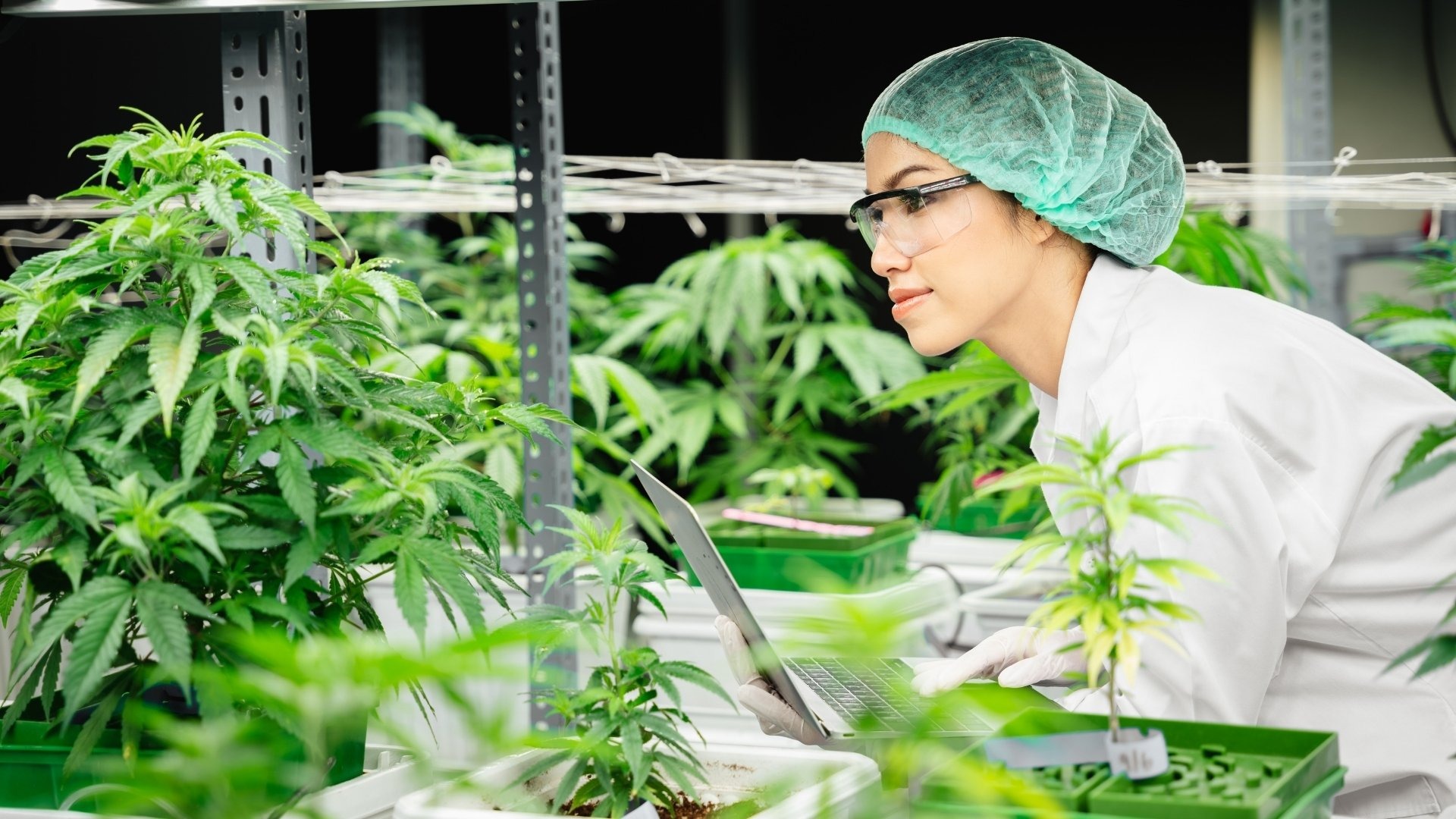
Dense indoor canopies trap humidity and reduce transpiration efficiency, limiting nutrient movement to flowers. Proper airflow strengthens stems and supports consistent nutrient transport during peak flowering.
Improved air circulation also reduces mold risk in high-density buds. Implement airflow improvements by:
- Positioning fans to move air above and below the canopy
- Eliminating stagnant air pockets between plants
- Adjusting airflow as the canopy thickens
- Maintaining consistent air exchange rates
8. Support Heavy Colas Early
As flowers grow, unsupported branches divert energy away from flower development toward structural support. Early support allows plants to continue directing energy toward bud growth rather than toward stress responses.
This improves both yield and plant health late in flowering. Put this into action by:
- Installing trellis netting before heavy bud formation
- Supporting leaning branches early
- Preventing branch bending or splitting
- Adjusting supports as buds expand
9. Track Plant Response Instead of Following Fixed Schedules
High-yield cultivators adjust decisions based on plant response rather than rigid timelines. Plants develop differently depending on cultivar, environment, and feeding conditions.
Observational adjustments allow growers to optimize flowering performance in real time. Apply this principle by:
- Monitoring daily changes in leaf posture and bud growth
- Adjusting feeding based on plant behavior
- Comparing responses between rooms or batches
- Documenting successful adjustments for future cycles
Maintaining consistency across all nine practices can become difficult as operations scale or teams expand.
PlanaCan can help you turn cultivation decisions into trackable workflows. You can make sure that all high-yield practices are applied consistently across rooms and harvest cycles. Try PlanaCan for free.
Mistakes That Reduce Yield During Cannabis Flowering
Many yield losses occur because minor inconsistencies compound over several weeks, limiting flower development, density, and overall harvest weight.
Table showing common errors during cultivation and how it impacts overall yield:
Yield improves when growers focus on stability rather than frequent corrections or reactive changes. These are a few best practices that can help:
- Maintain Consistent Feeding and Environmental Conditions
- Avoid Large Mid-Flower Adjustments
- Monitor Canopy Uniformity Regularly
- Respond Early to Minor Imbalances
- Keep Flowering Workflows Consistent Across Teams
As flowering workflows become more complex, relying on manual tracking makes it harder to maintain consistency across rooms and teams.
Many indoor growers now use technology to keep cultivation activities organized and execution consistent during critical flowering weeks.
Suggested Read: How to Grow Dense and Big Cannabis Buds Indoors and Outdoors
PlanaCan can Help You Maintain Yield Consistency At Every Stage
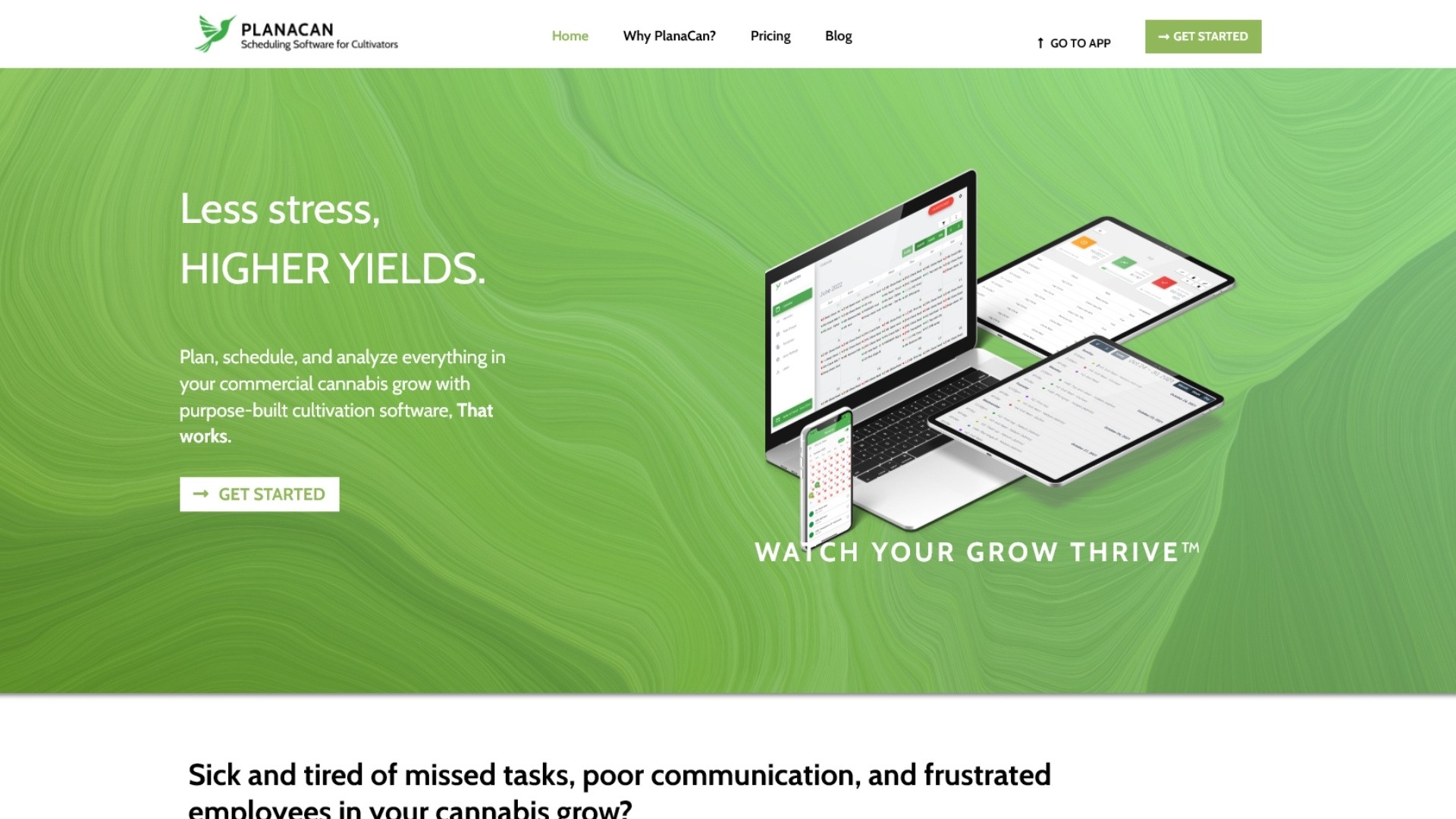
PlanaCan is a cultivation management platform built for cannabis growers. It helps teams plan, execute, and track every cultivation stage from one system.
Instead of relying on memory, spreadsheets, or fragmented communication, PlanaCan organizes cultivation practices into structured workflows. This helps teams maintain consistency from vegetative growth through flowering and harvest.
Our features include:
1. Automated Task Planning
PlanaCan allows growers to plan cultivation cycles, flowering timelines, and harvest windows in advance. Structured planning ensures nutrient adjustments, environmental changes, and flowering tasks happen at the right time, reducing variability that impacts yield.
2. Schedule Management
Cultivation plans are converted into assigned tasks that teams can execute consistently across rooms and shifts. This reduces missed activities and ensures critical flowering actions are completed on schedule during yield-sensitive weeks.
3. Communication
Real-time updates and shared activity visibility keep cultivation teams aligned throughout the grow cycle. With access through both iOS and Android apps, teams can log observations, communicate changes, and stay coordinated even across large facilities.
4. Analytics
PlanaCan tracks cultivation data across cycles, helping growers compare outcomes and identify which practices consistently produce higher yields. Over time, this transforms operational data into repeatable improvements rather than guesswork.
5. Workflow Standardization
PlanaCan helps capture proven cultivation methods and turn them into repeatable workflows that teams can follow consistently. This prevents yield loss caused by inconsistent execution and ensures successful practices are applied across every cycle.
Yield consistency indoors depends on disciplined execution as much as cultivation knowledge. PlanaCan brings structure, visibility, and accountability to daily cultivation work.
Conclusion
Indoor yields often fall short because small inconsistencies during flowering compound over time. Missed adjustments, uneven execution, or late corrections can lead to airy buds, uneven maturity, and reduced harvest weight even when plants appear healthy.
PlanaCan helps prevent these outcomes by bringing structure and visibility to every stage of cultivation. It standardizes workflows, tracks execution, and helps teams stay aligned. You can turn high-yield practices into repeatable results rather than one-time successes.
Start using PlanaCan to bring consistency and control to your flowering stage. Schedule a free call today.
Frequently Asked Questions
1. How to increase yield indoors in commercial cannabis cultivation?
Increasing indoor yield requires consistent light distribution, stable environmental conditions, balanced nutrient programs, and uniform canopy management. Commercial growers improve results by standardizing flowering workflows and minimizing mid-cycle stress or adjustments.
2. Should I trim fan leaves during flowering?
Fan leaves should be removed selectively, not aggressively. Strategic defoliation improves airflow and light penetration, but excessive removal reduces photosynthesis and can slow flower development during critical yield-forming weeks.
3. How to yield bigger buds during flowering?
Bigger buds develop when light intensity, nutrient availability, and environmental stability are optimized together. Maintaining even canopy height and avoiding stress during mid-to-late flowering helps plants allocate energy toward flower expansion.
4. How to get big, dense buds indoors?
Dense buds require consistent light exposure, controlled humidity, proper airflow, and adequate potassium during flowering. Stable nighttime temperatures and avoiding overfeeding also help improve flower structure and density.
5. What reduces yield most during indoor flowering?
The most common yield reductions come from environmental fluctuations, uneven canopy management, overfeeding, and late-stage adjustments. Small inconsistencies during flowering often compound and reduce final harvest weight across rooms.