You notice tiny, almost invisible specks on your leaves, but by the time the damage shows, it is already spreading. Spotting small, white, clear bugs on a weed plant early can feel confusing, especially when the pests are hard to identify and even harder to control.
Research published in Frontiers in Plant Science shows that pest infestations can significantly reduce crop yield when not detected and managed in time. In controlled grow environments, these issues can escalate even faster.
The key is knowing what you are dealing with and acting quickly. In this guide, you will learn how to identify these pests, understand their causes, and apply effective solutions to protect your plants.
Quick look:
- Early identification matters. Small, white, clear bugs on a weed plant are often early-stage pests that spread quickly if not detected in time.
- Common pests vary. Spider mites, aphids, thrips, and whiteflies can appear similar but require different treatments.
- Visible signs indicate damage. Discoloration, curling, residue, and webbing signal active infestations affecting plant health.
- Prevention reduces risk. Environmental control, routine inspections, and sanitation limit conditions that allow pests to thrive.
- Consistent monitoring helps control outbreaks. Structured tracking and data-driven decisions improve early detection and reduce the impact on large-scale crops.
What Are Small White Clear Bugs on Weed Plant Leaves?
Small white or nearly transparent bugs on cannabis leaves are usually early-stage pests or soft-bodied insects that are difficult to detect until damage becomes visible. Their pale or translucent appearance allows them to blend into plant surfaces, especially in dense canopies or fast-growing zones.
These pests are not randomly distributed. They tend to settle in specific areas of the plant where conditions support feeding, reproduction, and protection from external disturbances.
Where they are usually found:
- Underside of Leaves: Protected from light and spraying, making it a primary infestation zone
- Along Stems and Nodes: Easy access to plant sap and structural support for colonies
- New Growth Tips: Tender tissue attracts sap-feeding pests
- Leaf Veins: Nutrient-rich pathways where pests cluster and feed
- Dense Canopy Areas: Limited airflow creates ideal conditions for rapid spread
As infestations progress, plants begin to show visible changes in leaf color, texture, and overall growth. In the next section, we cover the key warning signs that indicate pest activity is already impacting crop health.
Suggested Read: Causes and Fixes for Slow Cannabis Plant Growth
Signs of Infestation You Should Not Ignore in Commercial Crops

In commercial cannabis cultivation, pest infestations rarely stay localized. What starts as minor leaf damage can quickly scale into widespread crop inconsistency if early signals are missed.
Below are the key indicators that suggest pest activity is already affecting plant health:
1. Leaf Discoloration and Stippling
These changes usually appear early and worsen as feeding continues:
- Yellow or pale spots on leaves
- Speckled or patchy discoloration
- Gradual fading of leaf color
2. Leaf Curling and Distortion
Structural changes in leaves often indicate sustained pest activity:
- Upward or downward leaf curling
- Twisted or irregular new growth
- Misshapen or uneven leaf edges
3. Sticky Residue or Shiny Surfaces
Surface changes can point to pest secretions and secondary risks. These are:
- Sticky coating on leaves
- Glossy or wet-looking surfaces
- Dust sticks more easily to leaves
4. Webbing or Fine Threads
Some pests leave behind visible physical traces as they spread, such as:
- Fine threads between leaves or stems
- Light webbing in dense areas
- Clusters forming around webbed zones
5. Visible Movement on Leaves
Active infestations often become noticeable with close inspection. Look for:
- Tiny moving dots on leaf surfaces
- Clusters along veins or stems
- Movement is increasing across nearby plants
Consistent monitoring becomes critical at this stage, especially in large-scale operations. PlanaCan helps standardize inspections and track early warning signs across batches. This level of visibility allows teams to respond more quickly and reduce the risk of widespread crop impacts. Book a free demo.
How to Get Rid of Soft-bodied Insects on Weed Plants
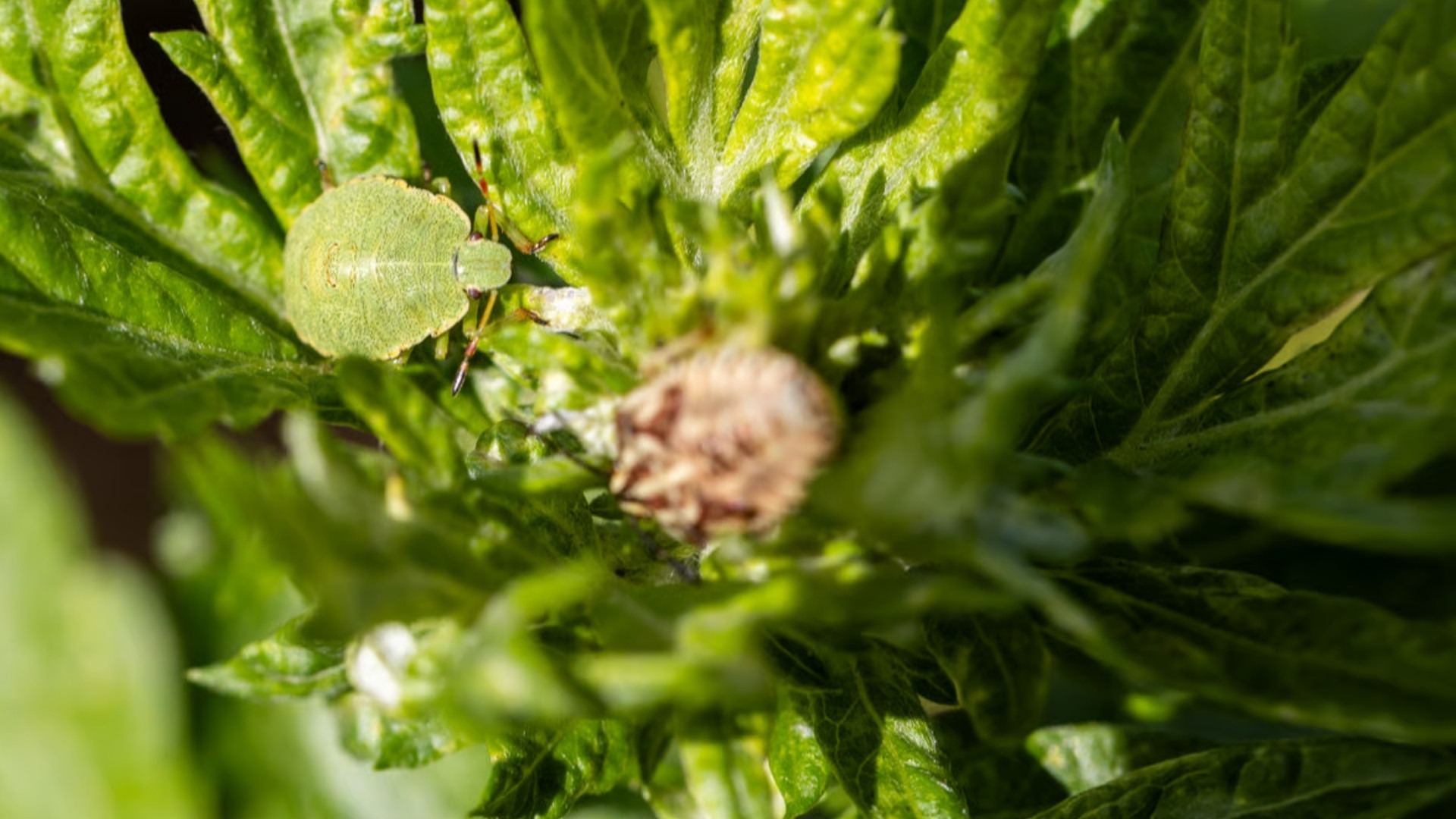
Once soft-bodied insects establish themselves, quick and structured action is essential to prevent spread. These pests reproduce rapidly and can move across plants before visible damage becomes severe. The goal is to control the current population while limiting conditions that allow reinfestation.
This can be done through the following measures:
1. Immediate Containment and Removal
The first step is to stop the infestation from spreading further. Isolating affected plants helps prevent pests from moving across your grow. Physical removal also reduces the active population before treatments are applied.
Use the following steps to contain and reduce pest presence:
- Separate affected plants from healthy ones
- Rinse leaves, especially undersides, with clean water
- Remove heavily infested leaves if necessary
- Clean the surrounding grow surfaces and tools
2. Organic Treatment Methods
Organic solutions are effective for early to moderate infestations and safer for repeated use. When applied correctly, they target soft-bodied insects without significantly impacting plant health. Consistency in application is key to breaking pest life cycles.
Apply these treatment options carefully and regularly:
- Margosa oil spray during non-light hours
- Insecticidal soap for direct contact control
- Diluted essential oil sprays (such as peppermint)
- Repeat applications every few days as needed
3. Biological Pest Control
Biological control introduces natural predators to reduce pest populations. This method works well in controlled environments where conditions can be managed. It also supports long-term pest balance without reliance on chemicals.
Consider these biological control options:
- Ladybugs for aphids and similar pests
- Predatory mites for spider mite control
- Lacewing larvae for broad pest coverage
- Maintain conditions that support predator survival
4. Chemical Treatments (When Necessary)
Chemical options may be required in severe infestations where other methods are insufficient. These should be used cautiously, especially during sensitive growth stages. Overuse can impact plant quality and compliance in commercial setups.
Follow these precautions when using chemical controls:
- Choose cannabis-safe pesticides only
- Avoid application during flowering when possible
- Follow dosage and interval guidelines strictly
- Monitor plants closely after application
Effective pest control is not just about removal, but also about understanding what you are dealing with. In the next section, we break down the specific pests that commonly appear as tiny, clear insects and how to tell them apart.
Suggested Read: Essential Tips to Maintain Healthy Cannabis Plant Growth
Identifying Harmful Cannabis Pests That Look Like Tiny Clear Insects
Not all small, pale pests are the same, even if they look similar at first glance. Many appear translucent during early life stages, making misidentification common and leading to ineffective treatment.
Use these quick identification tips to distinguish between the most common pests:
Quick identification tips:
- Look under leaves before inspecting the top surface
- Check new growth where pests tend to cluster
- Use magnification for accurate detection
- Watch for movement patterns, not just appearance
- Inspect the soil if the above-ground signs are unclear
Correct identification is the first step toward effective control. In the next section, we break down the environmental and operational factors that create ideal conditions for these infestations to develop.
Suggested Read: How to Identify and Prevent Botrytis in Cannabis and Hemp
Causes of Insect Infestation in Commercial Cannabis Plants
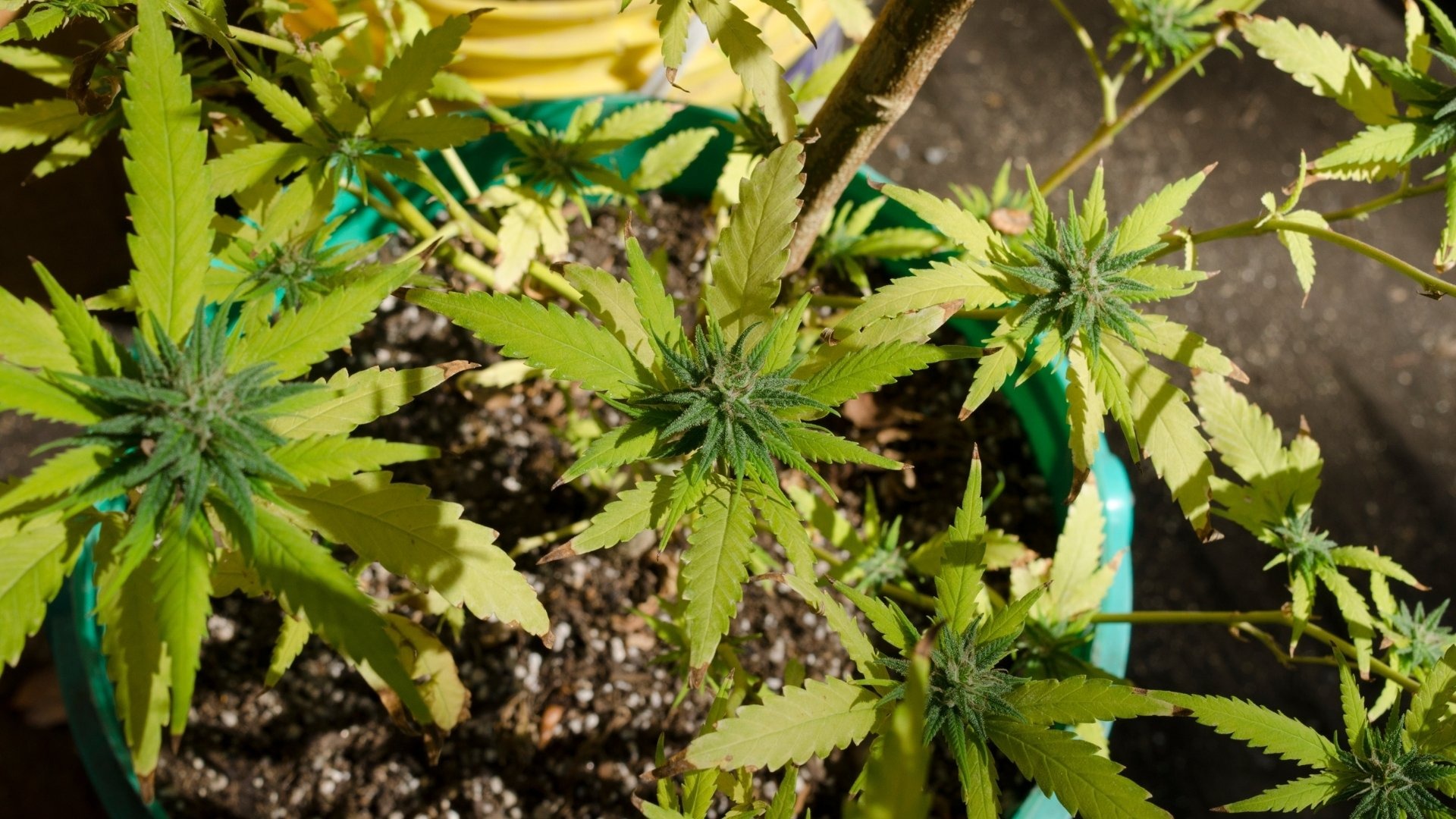
Pest infestations in cannabis plants are rarely random. They are usually the result of environmental imbalances or gaps in cultivation practices that create ideal conditions for insects to thrive.
Common causes of infestation include:
- High Humidity and Poor Airflow: Excess moisture creates a stable environment for pests to reproduce quickly. Limited airflow also prevents plants from drying properly, increasing vulnerability.
- Contaminated Inputs: Clones, soil, or tools can introduce pests into otherwise controlled environments. Without proper quarantine, infestations can spread before detection.
- Lack of Routine Inspection: Irregular monitoring allows early-stage infestations to go unnoticed. By the time visible damage appears, pests are often already established.
- Plant Stress and Weak Immunity: Nutrient imbalances or inconsistent watering weaken plant defenses. Stressed plants are more susceptible to pest attacks and recover more slowly.
- Dense Canopy Structure: Overcrowded growth limits light and airflow within the plant. This creates hidden zones where pests can thrive undisturbed.
PlanaCan standardizes crop monitoring with structured checklists and batch-level tracking, ensuring inspections are completed consistently. It also logs environmental data and recurring issues, helping growers identify patterns that lead to infestations and act before they escalate. Try PlanaCan for free.
How to Prevent Tiny Clear Bugs from Becoming a Serious Threat
Prevention is more effective and less costly than reactive treatment. Consistent practices and early intervention are key to keeping infestations under control.
Preventive measures to follow:
- Maintain Environmental Control: Keep humidity and temperature within optimal ranges to limit pest breeding. Ensure consistent airflow across the canopy to reduce stagnant zones where pests thrive.
- Implement Routine Inspections: Check the underside of leaves, stems, and new growth regularly. Early detection helps contain issues before they spread across plants.
- Quarantine New Inputs: Isolate new plants, clones, or growing media before introducing them to your main crop. This reduces the risk of introducing hidden infestations.
- Sanitize Tools and Grow Space: Clean equipment and surfaces frequently to eliminate pest transfer points. Maintain strict hygiene protocols across all grow areas.
- Manage Canopy Density: Prune and space plants to improve light penetration and airflow. This reduces the protected environments pests rely on.
Preventing infestations requires more than occasional checks. It depends on consistent execution across every stage of the growth cycle. In the next section, we explore how structured monitoring and standardized workflows help maintain visibility and control at scale.
Suggested Read: Does Decarboxylation Kill Mold? What Commercial Cannabis Growers Need to Know
Early Pest Detection and Consistent Crop Monitoring with PlanaCan

PlanaCan is a cannabis cultivation management platform designed to bring structure, visibility, and consistency to commercial grow operations. It helps teams shift from reactive pest control to proactive monitoring by standardizing workflows and centralizing data across the cultivation cycle.
Key features that support pest prevention and control:
- Structured Checklists and Templates: Use predefined templates to standardize inspections and automate work across batches. This ensures every critical pest check is completed without gaps.
- Interactive Calendar and Schedule Management: Plan and track inspections using an interactive calendar with built-in schedule management. This keeps routine monitoring consistent across teams and growth stages.
- Mobile Apps for On-Ground Execution: Enable real-time updates through dedicated Android and iOS apps, improving team communication and ensuring observations are logged instantly from the grow floor.
- Environmental Monitoring and Analytics: Track key conditions and use analytics to identify patterns that lead to pest outbreaks. This helps prevent recurring infestations through data-backed decisions.
- Batch Tracking and Harvest Reporting: Monitor crop performance from growth to harvest reporting, linking pest activity to outcomes. This provides full visibility into how infestations impact yield and quality.
PlanaCan is built for growers who need control at scale, not just visibility. It improves with your operation, adapting to changing workflows, environments, and compliance requirements. As cultivation becomes more complex, it provides the structure needed to maintain consistency and protect yield.
Conclusion
Unchecked pest infestations can quickly move from minor leaf damage to widespread crop loss. As populations grow, they weaken plant health, disrupt growth cycles, and reduce yield consistency, making recovery more costly and time-sensitive.
PlanaCan helps prevent this by bringing structure to pest monitoring and crop management. With standardized workflows, real-time tracking, and data-driven insights, it enables growers to detect issues early and respond with precision before they escalate.
Start using PlanaCan to catch small white clear bugs on the weed plants early and protect your yield. Schedule a free call today.
Frequently Asked Questions
1. What are white plant lice, and how do they affect cannabis crops?
White plant lice are typically aphids. They feed on plant sap, weaken growth, and produce residue that attracts mold, impacting yield and plant health.
2. How to get rid of white plant lice in large-scale grows?
Use a combination of biological controls, such as ladybugs, and consistent insecticidal treatments. Standardized monitoring ensures early detection and prevents rapid spread across batches.
3. Are white soil mites harmful to cannabis plants?
Most white soil mites are harmless and feed on organic matter. However, high populations may indicate overwatering or poor soil conditions that can indirectly affect plant health.
4. How to get rid of very tiny white mites in commercial setups?
Introduce predatory mites and apply targeted miticides if needed. Maintain strict environmental controls to prevent conditions that favor rapid reproduction.
5. How to remove white mites from plants naturally at scale?
Margosa oil and insecticidal soaps can be used in rotation. Consistency in application is critical to effectively break the pest life cycle.
6. Can white vinegar get rid of plant bugs in cannabis cultivation?
White vinegar is not recommended for cannabis crops. It can damage plant tissue and disrupt pH balance without reliably eliminating pests.
7. What is the fastest way to control pest outbreaks in commercial cannabis?
Immediate isolation, targeted treatment, and batch-level monitoring help contain infestations quickly. Speed and consistency are key to minimizing crop impact.
8. How do pest infestations impact cannabis yield and quality?
They reduce photosynthesis, weaken plant structure, and increase disease risk. This leads to lower yields and inconsistent product quality across batches.
9. Can pests spread through irrigation or shared systems?
Yes, pests and their eggs can transfer through shared tools, water systems, or handling. Proper sanitation and controlled workflows reduce this risk.
10. What is the best long-term strategy to prevent recurring infestations?
Combine environmental control, routine inspections, and standardized processes. Data tracking helps identify patterns and prevent repeated outbreaks.