Botrytis is one of the most destructive fungal pathogens in cannabis and hemp cultivation. This sneaky invader thrives in humid, poorly ventilated environments, often attacking buds at their most vulnerable stage.
Botrytis can rapidly destroy cannabis flowers when relative humidity exceeds 70% coupled with moderate temperatures ranging from 17 to 24°C. As a grower, spotting Botrytis early can be the difference between a successful harvest and devastating losses.
In this guide, we will dive into the signs of Botrytis infection, environmental factors that promote its growth, and the strategies you can implement to prevent and control this persistent threat. By the end, you will have the tools to protect your crops and ensure a healthier, more profitable yield.
Key Takeaways
- Botrytis cinerea is a destructive fungal pathogen that primarily affects cannabis and hemp plants, especially during the flowering stage.
- Early identification of Botrytis is crucial to prevent it from spreading and damaging buds, with common symptoms including gray mold, necrotic tissue, and a musty odor.
- Environmental factors like high humidity, poor airflow, and dense planting conditions create an ideal environment for Botrytis growth, making proper climate control essential.
- Prevention strategies include maintaining controlled humidity and temperature, improving airflow with fans, and regularly pruning to reduce plant density and improve aeration.
- Technological tools like qPCR assays, environmental monitoring systems, and disease prediction models help detect Botrytis early and manage environmental conditions to prevent mold formation.
Understanding Botrytis in Cannabis
Botrytis cinerea affects a wide range of plants, including cannabis and hemp. This opportunistic disease thrives in conditions of high humidity and poor airflow, making it particularly problematic in indoor grow environments or humid climates. Botrytis spores can spread quickly, and the infection often starts in the dense buds, where moisture tends to accumulate. This pathogen is capable of decimating entire crops, causing financial losses and compromised product quality.
For cannabis growers, Botrytis poses a major threat, especially in the flowering stage when the buds are most vulnerable. If left unchecked, it can destroy the most valuable parts of the plant, leading to poor yields and compromised cannabinoid levels. The pathogen not only affects the appearance of buds but can also negatively impact the potency and aroma, rendering the harvest unsuitable for sale or consumption.
Now that we understand the potential threat Botrytis poses, let’s explore the signs and symptoms of this fungal infection so you can catch it early.
Also Read: How to Spot and Resolve Cannabis Leaf Burn due to Nutrients
Symptoms and Identification of Botrytis
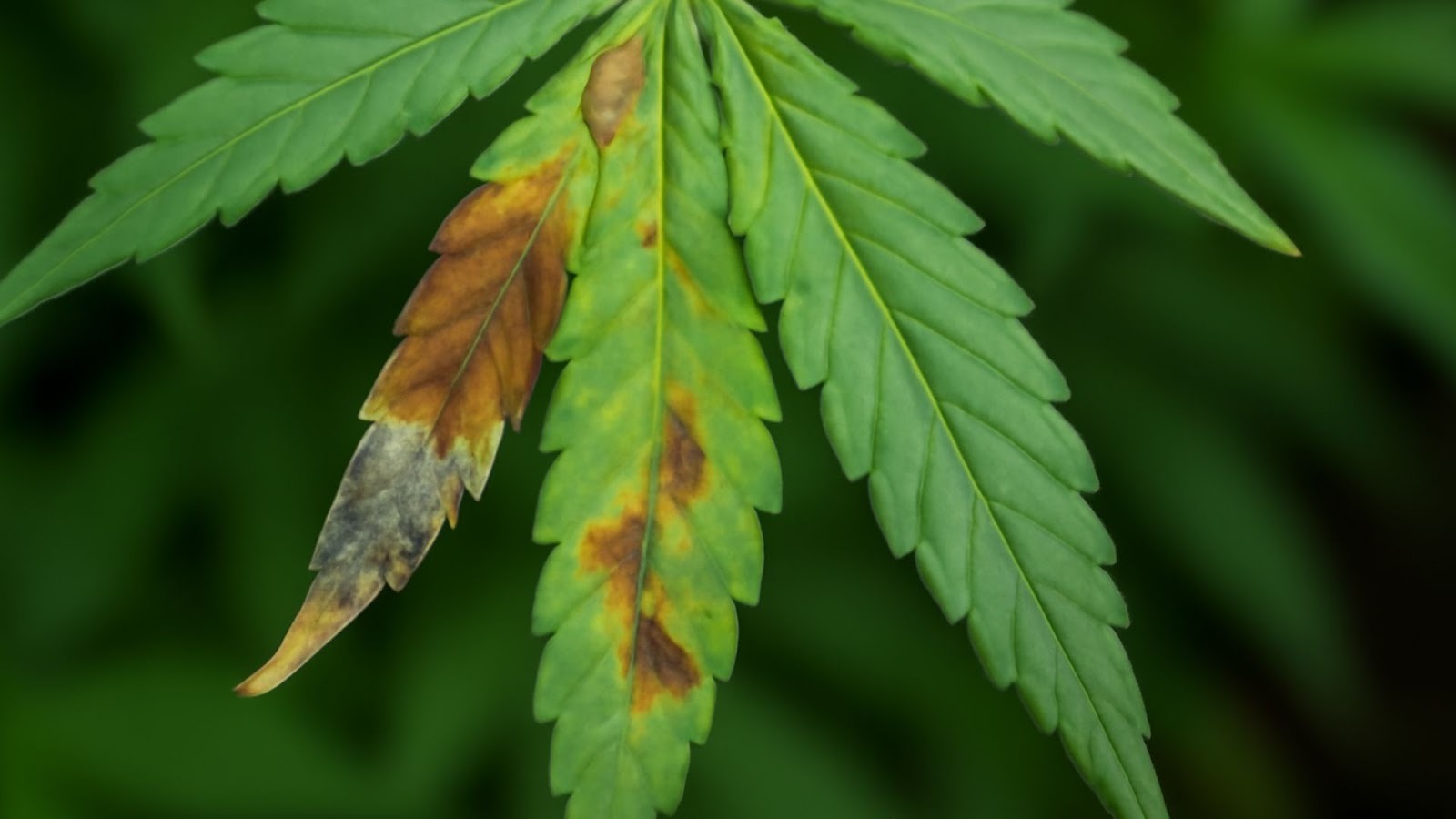
Alt: Symptoms and Identification of Botrytis
Botrytis infections begin when spores land on the plant and begin to degrade plant tissue, creating the characteristic gray, fuzzy mold. The infection starts from the buds or leaves and spreads throughout the plant, particularly when environmental conditions like humidity, temperature, and airflow are not properly managed. The spread of this mold is often swift, and without early detection and intervention, the entire crop can be affected.
Common Symptoms of Botrytis Infection:
- Gray, Fuzzy Mold: Infected tissues show gray, fuzzy mold growth, typically starting at the base of the buds or leaves.
- Necrotic Tissue: The fungus causes the plant tissue to rot, turning it mushy and discolored.
- Musty Odor: A distinctive, musty smell is often present around infected areas.
Advanced Symptoms:
- Rapid Spread: The mold spreads quickly, especially under high humidity, affecting larger areas of the plant.
- Discolored Tissues: As the infection spreads, plant tissues become discolored, turning brown or black.
- Mushy and Soft Buds: The infected buds lose their firmness and become mushy, making them easily identifiable in the later stages of infection.
Identifying Botrytis early is key to minimizing damage, which is why understanding its characteristics and the conditions under which it thrives is crucial for all cannabis and hemp growers. By recognizing the early signs and implementing preventive measures, growers can protect their crops from this destructive pathogen and ensure a healthier harvest.
Stay ahead of potential Botrytis outbreaks with PlanaCan’s real-time monitoring and interactive calendars. Try it today to protect your crops from Botrytis.
Next, let's look at the environmental conditions that make your crops more susceptible to Botrytis and how to manage them effectively.
Environmental Factors and Risk Conditions

Alt text: Environmental Factors and Risk Conditions
Botrytis cinerea thrives under specific environmental conditions. Understanding these factors can help growers prevent and manage mold outbreaks more effectively. Here’s how environmental conditions contribute to Botrytis development:
1. High Humidity and Temperature
High humidity (above 50-60%) creates the ideal conditions for Botrytis spores to germinate and spread. Combined with warm temperatures, typically between 60-75°F (15-24°C), these conditions accelerate mold growth.
2. Plant Density and Airflow
Dense plant populations lead to increased humidity within the canopy, providing a breeding ground for Botrytis. Poor airflow between plants restricts air circulation, which traps moisture and creates a conducive environment for mold to thrive. Ensuring adequate space between plants and good ventilation can significantly reduce the risk of mold.
3. Genotypic Variations
Cannabis and hemp strains vary in their susceptibility to Botrytis. Some cultivars exhibit natural resistance to mold, while others may be more prone to infections. Selecting resistant strains can reduce the likelihood of Botrytis outbreaks and improve the overall health of the crop.
By managing these environmental factors, you can minimize the risk of Botrytis and ensure healthier, more resilient crops. Now, let’s discuss some practical strategies to prevent Botrytis and protect your crops.
Prevention Strategies for Botrytis
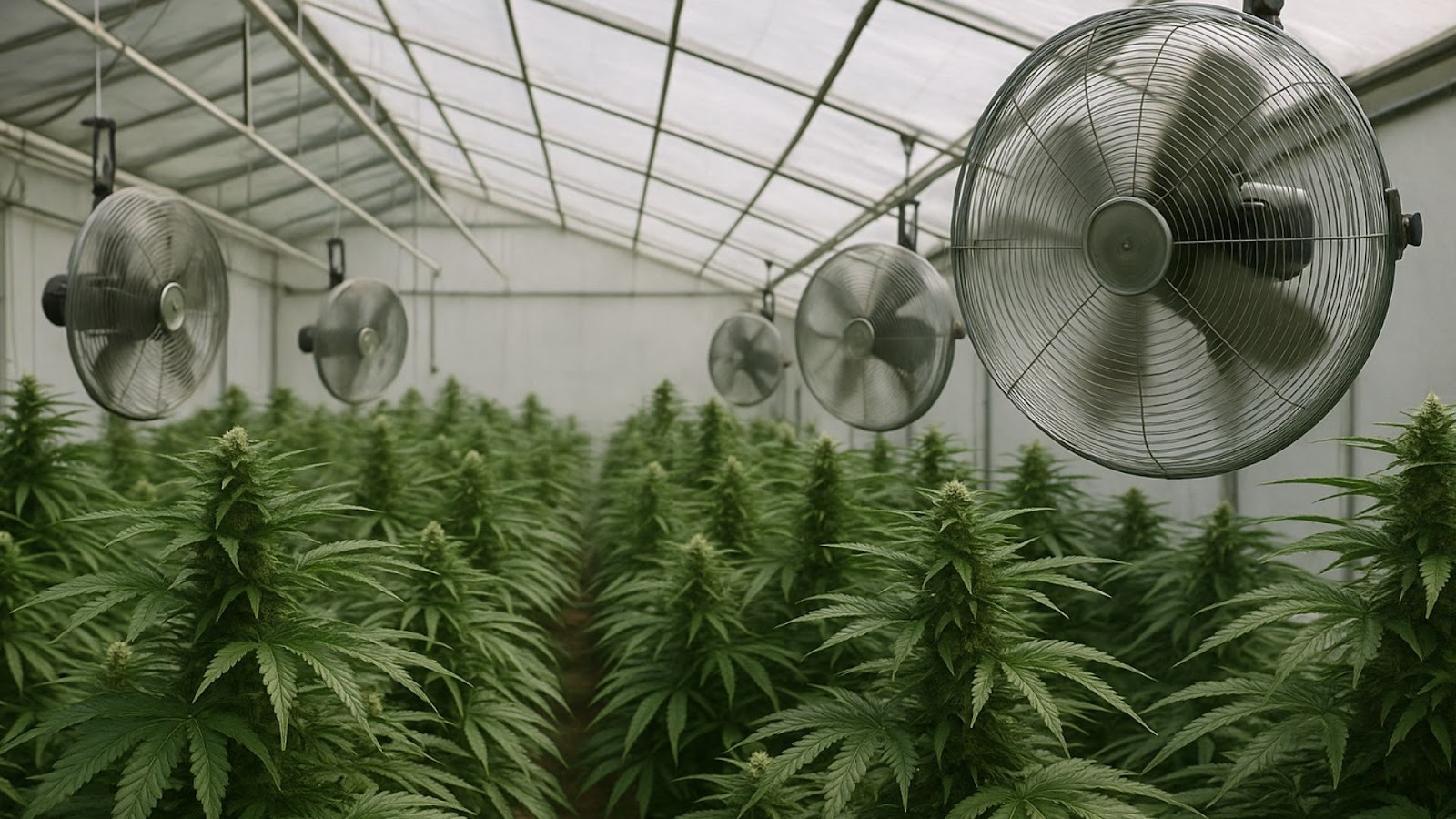
Alt text: Prevention Strategies for Botrytis
Preventing Botrytis is all about controlling the environmental factors that promote mold growth and ensuring your plants have the right conditions to thrive. Here are some effective strategies to help you prevent Botrytis:
- Maintaining Controlled Humidity and Temperature Levels
Botrytis thrives in high humidity and warm temperatures, so it's essential to monitor and control these conditions. Aim for humidity levels between 40-50% and maintain a temperature range of 60-75°F (15-24°C) to prevent mold development. - Implementing Adequate Airflow with Fans and Proper Spacing
Proper airflow is crucial in reducing humidity around your plants. Ensure there is adequate ventilation with fans that circulate air throughout your grow space. Additionally, provide enough spacing between plants for air circulation to reduce moisture buildup in dense areas. - Regular Defoliation and Pruning to Improve Light and Aeration
Regularly remove excess leaves and branches to improve light penetration and air circulation within the canopy. Pruning and defoliation allow for better airflow, reducing humidity around the plant and minimizing the risk of mold growth.
By applying these strategies, you can create an environment less favorable to Botrytis, protecting your cannabis and hemp plants from potential damage.
Keep your environment optimal and prevent mold growth—use PlanaCan’s interactive calendar to ensure every task is planned, tracked, and completed on time.
With preventive measures in place, let’s now look at the steps to manage and control Botrytis once it's detected.
Management and Control Methods
Once Botrytis is detected, immediate and proactive measures are necessary to control its spread. Here are key management strategies for addressing Botrytis infections:
1. Immediate Actions When Infection is Detected
Upon identifying Botrytis, promptly remove and discard the damaged area to avoid the spread of spores. Isolate infected plants to minimize contamination of healthy crops. Depending on the severity, applying fungicides may help manage early-stage infections.
2. Sanitation Practices
Sanitize all tools, equipment, and grow spaces regularly. Sterilizing pruning shears, trimming tools, and other equipment can help prevent cross-contamination. Additionally, remove any fallen plant debris, as decaying plant material can harbor mold spores and contribute to further spread.
As Botrytis resistance to conventional methods increases, let’s dive into more advanced and biocontrol measures that can help manage this persistent pathogen.
Also Read: Identifying and Preventing Purple Bud Rot in Cannabis
Advanced Biocontrol Measures
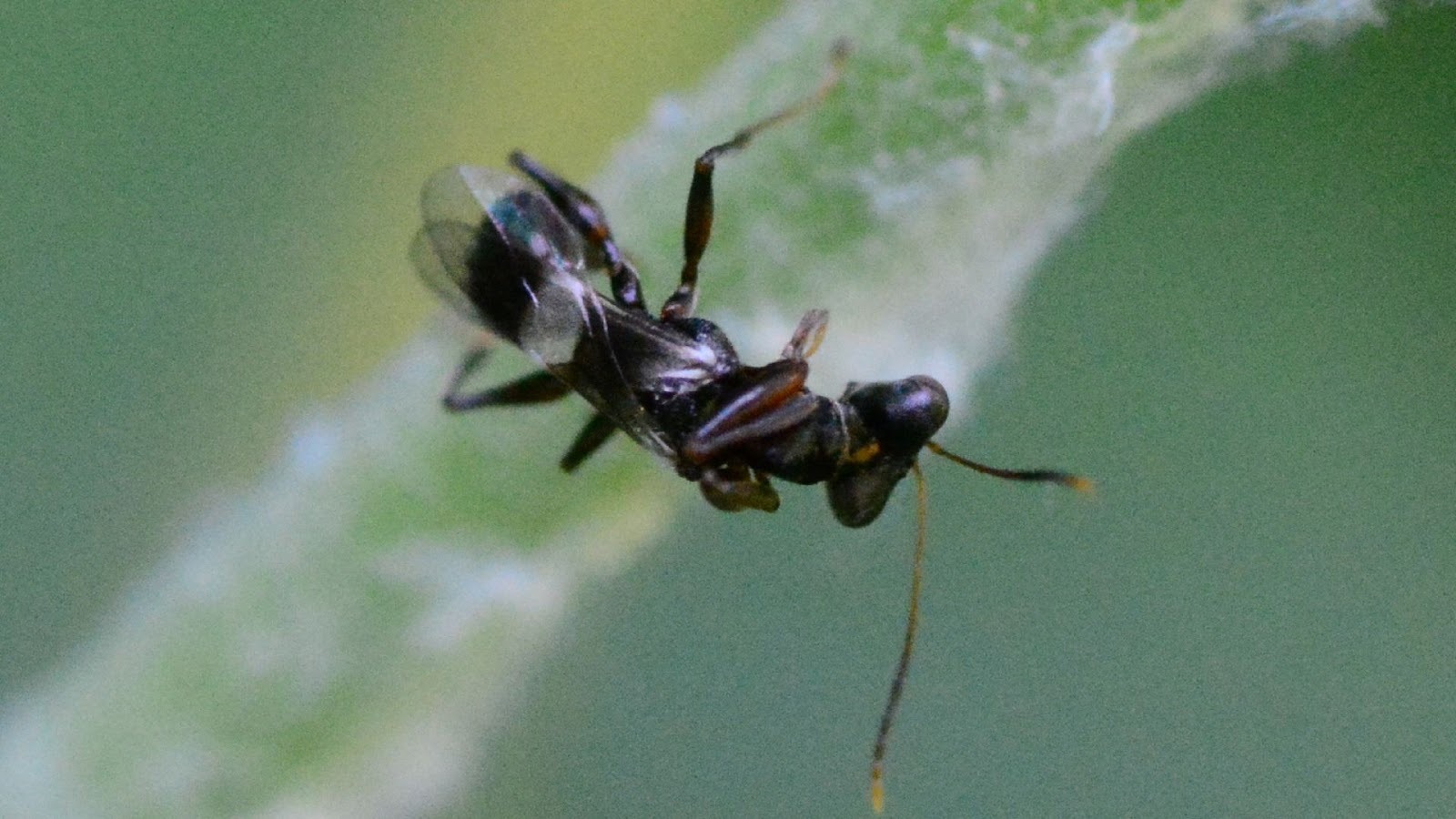
Alt text: Advanced Biocontrol Measures
As Botrytis becomes more resistant to conventional control methods, exploring advanced and biocontrol measures is essential for sustainable pest management:
Use of Biological Control Agents
Biorational control methods, which focus on environmentally friendly solutions, can be highly effective in managing Botrytis.
Biological control agents like Trichoderma and Bacillus can help combat Botrytis by outcompeting the pathogen for resources or producing substances that inhibit mold growth. Introducing these beneficial microbes into the growing environment can help protect healthy plants from infection.
Exploration of Genetic Resistance in Cannabis Varieties
Some cannabis strains may naturally resist Botrytis infection due to genetic traits. Breeding or selecting for resistant strains can reduce the need for chemical treatments and improve overall crop health.
Research and Development of Improved Fungicides and Sprays
Ongoing research into new fungicides and sprays is crucial for controlling Botrytis. New formulations may offer improved effectiveness, lower toxicity, and greater resistance to fungal pathogens, providing better protection for cannabis crops.
By integrating modern tools and systems into your cultivation practices, you can stay ahead of Botrytis and ensure a healthier, more productive crop. Let’s look at how technology can play a crucial role in combating this persistent threat.
Using Technology to Detect and Prevent Botrytis Outbreaks
The right technology helps in preventing and spotting Botrytis infections early, helping growers protect their crops. By using the right tools, it's possible to detect Botrytis before it spreads and manage environmental conditions to keep mold growth under control.
Early Detection of Botrytis DNA with qPCR Assays
Quantitative PCR (qPCR) assays enable early detection of Botrytis DNA in plants, even before visible symptoms appear. This method allows growers to intervene early, preventing the fungus from spreading uncontrollably.
Environmental Monitoring Systems
Advanced environmental monitoring systems can track key factors like temperature, humidity, and airflow in real time. These systems help detect the environmental conditions that favor Botrytis growth, allowing growers to take corrective actions before mold begins to form.
Disease Prediction Models
Disease prediction models use historical data and environmental factors to predict the likelihood of Botrytis outbreaks. These models can help growers adjust their practices, such as irrigation schedules or ventilation, to mitigate the risk of infection.
Also Read: Digital Tools and Technology in Cannabis Cultivation
How PlanaCan Can Help in Preventing and Managing Botrytis

Alt text: PlanaCan Can Help in Preventing and Managing Botrytis
PlanaCan offers advanced features that can significantly simplify the prevention and management of Botrytis in your cannabis and hemp crops. With its automated scheduling and real-time monitoring tools, PlanaCan helps you maintain optimal conditions for plant health, reducing the risk of mold growth.
- Real-Time Monitoring: With PlanaCan’s interactive calendar, plan harvests months in advance, monitor and adjust current work, and see everything that needs to be done today, tomorrow, or six months from now.
- Task Automation: Automate routine tasks such as pruning, defoliation, and sanitization reminders to keep your grow space clean and well-maintained. Create detailed, treatment plans for each strain, cultivar, or harvest using customizable templates.
- Data-Driven Insights: Use detailed reports to identify patterns and trends in mold outbreaks, making it easier to adjust your growing practices for better results.
By integrating PlanaCan into your cultivation process, you can streamline your operations, enhance team collaboration, and most importantly, reduce the risk of Botrytis, leading to a healthier and more productive harvest.
Conclusion
Botrytis cinerea poses a serious threat to cannabis and hemp cultivation, but with the right prevention, identification, and management strategies, growers can protect their crops from this destructive pathogen. By maintaining optimal environmental conditions, using early detection methods like qPCR assays, and utilizing advanced technology for monitoring and disease prediction, you can stay one step ahead of Botrytis.
Implementing practices such as proper airflow, regular pruning, and using biological control agents further strengthens your defense against mold. While Botrytis may be a common issue, your ability to control and prevent it will directly impact the health, yield, and quality of your harvest.
Investing in effective management techniques and technology today will help ensure a healthier, more productive crop tomorrow. Stay vigilant, monitor your environment, and act quickly—early intervention is key to protecting your plants from Botrytis.
To ensure your crops stay healthy and free from Botrytis, let PlanaCan’s comprehensive tools help streamline your cultivation process. Schedule a free call today to see how PlanaCan can enhance your Botrytis management and improve your harvest quality.
FAQs
1. Does Botrytis affect the quality of cannabis buds?
Yes, Botrytis can significantly degrade the quality of cannabis buds. It can reduce potency, affect aroma, and cause discoloration, making the buds unsuitable for sale or consumption if left untreated.
2. Is there a cannabis strain resistant to Botrytis?
Some cannabis strains exhibit natural resistance to Botrytis, but not all. Genetic resistance varies by strain, and growers can select varieties that show higher resistance to mold to minimize the risk of infection.
3. How fast does Botrytis spread in cannabis?
Botrytis spreads quickly, especially in dense, humid environments. Once it begins to infect a plant, it can rapidly move through the buds, so early detection and intervention are essential to prevent widespread damage.
4. What environmental factors contribute to Botrytis outbreaks?
High humidity, poor airflow, and warm temperatures create ideal conditions for Botrytis. Dense planting and insufficient space between plants can also increase the risk, as it restricts airflow and traps moisture around the buds.
5. How to minimize the risk of Botrytis in my grow room?
To reduce the risk, keep humidity levels in check, improve airflow with fans, space plants properly for better ventilation, and ensure regular defoliation. Also, consider using biological control agents like Trichoderma and Bacillus to naturally combat Botrytis.