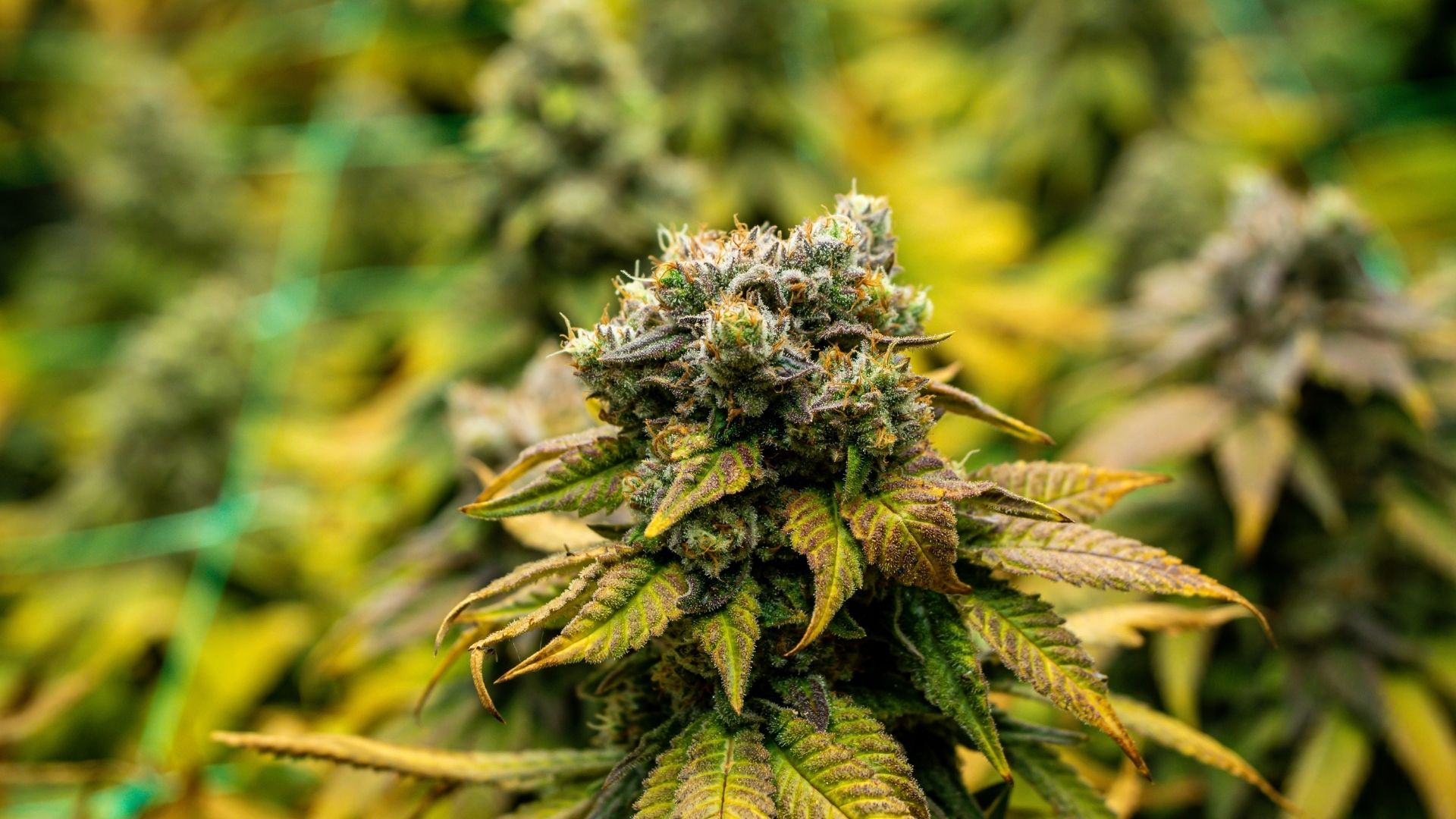
If you’ve ever spotted mold on harvested cannabis flower, you know how critical product safety, compliance and aroma/quality are for your business. A common question in cultivation and post-harvest rooms is: “If I run a decarboxylation process, will that kill mold spores or contamination?” The answer: unfortunately, it’s not that simple. While heat involved in decarboxylation can reduce some microbial activity, it is not a reliable or approved method for full mold remediation in harvested flowers meant for sale.
In this post, you’ll learn what decarboxylation can and cannot do with respect to mold, why relying on it alone is risky, and how you can build a robust quality-control workflow to protect your product and your operation.
Key Takeaways
- Decarboxylation is a heat-driven conversion process of cannabinoid acids (THCA → THC, CBDA → CBD). It is not designed or guaranteed to sterilize flowers or remove mold.
- Scientific studies show that standard heating/decarboxylation parameters often do not reliably eliminate mold or microbial loads in cannabis flower.
- Effective mold remediation typically requires specific treatments, e.g., extraction, irradiation, radio-frequency processing, not just decarb.
- For commercial cultivators, prevention (drying, airflow, environment, and monitoring) plus workflow integration is far better than relying on decarboxylation to resolve a contamination issue.
What Is Decarboxylation?
To set the stage, let’s quickly clarify what decarboxylation is and why it matters for cannabis processing. In simple terms, decarboxylation is the removal of a carboxyl group (COOH) from cannabinoid acids, such as THCA and CBDA, by heating, converting them to their active forms (THC and CBD).
This process is essential when you’re making edibles, extracts, or processing flower for certain applications because uncooked acid forms don’t deliver the expected effects. However, decarboxylation is not intended as a sterilization step for the flower. It was developed for cannabinoid activation rather than as a microbial kill step.
Why Mold and Microbial Contamination Matter in Cannabis?

Before assuming decarboxylation will eliminate mold, you should understand how mold behaves on cannabis flower. Mold (and yeast) on the flowers can come from high humidity, insufficient airflow, damaged plants, drying/curing failures, or storage issues.
Some key risks:
- Mold spores and fungi can produce mycotoxins and other harmful compounds that pose health risks to consumers.
- In many regulated markets, the microbial counts or specific mold species are strictly tested, and failure means loss of product or recall.
- Once mold establishes inside the flower (not just surface), remediation becomes complex and often impacts quality, aroma, yield and brand value.
Given that context, relying on decarb alone to “fix” fungal contamination is risky.
Suggested read: Identifying and Treating Light Stress in Cannabis Plants
Does Decarboxylation Kill Mold? What the Science Says
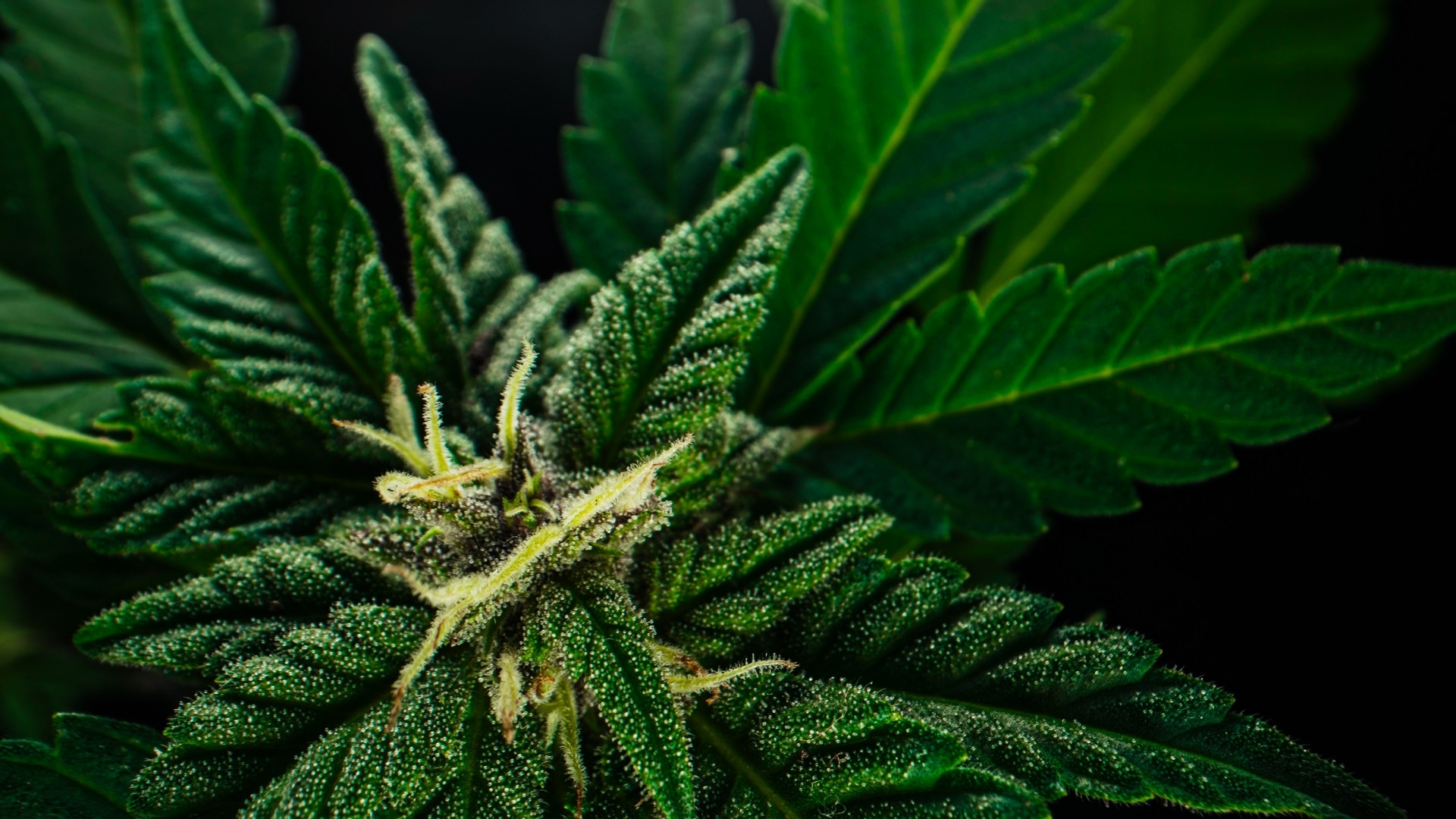
Let’s dive into the evidence. Can you assume that because you apply heat to decarb, you’ve sanitized your product? Short version: No not reliably.
What we know
- A study on cannabis materials found that heating to 190 °C for 30 to 70 seconds using a commercial vaporizer did not produce statistically significant reductions in microbial counts (including mold/yeast).
- Another article states: “Once mold spores develop on cannabis, they are exceedingly hard to get rid of. They can withstand … the decarboxylation process in an oven.”
- A separate piece of industrial research on extracted cannabis oils found that after extraction and decarboxylation, the oil was free of microbial contamination, but note: this was after extraction + filtration + distillation, not just a simple decarb on raw flower.
Interpretation for growers
- Decarboxylation involving typical temperatures/time for the flower is not engineered for full microbial kill.
- Heat alone may reduce surface contamination if high enough/long enough, but even then may damage terpene profile, aroma, aesthetics, or degrade cannabinoids.
- Flower is structurally complex: dense buds, trichomes, internal channels – heat penetration and time matter. Surface heating does not guarantee internal sterilization.
- Regulatory compliance and consumer safety require more robust treatments or better upstream prevention rather than relying on decarboxylation as a remediation step.
Also read: How to Use a Moisture Meter for Cannabis
If you’re scaling operations and need consistent post-harvest task scheduling, drying/curing monitoring, contamination tracking and team notifications, PlanaCan gives you a unified platform to do so.
Why Relying on Decarb Alone is Risky?
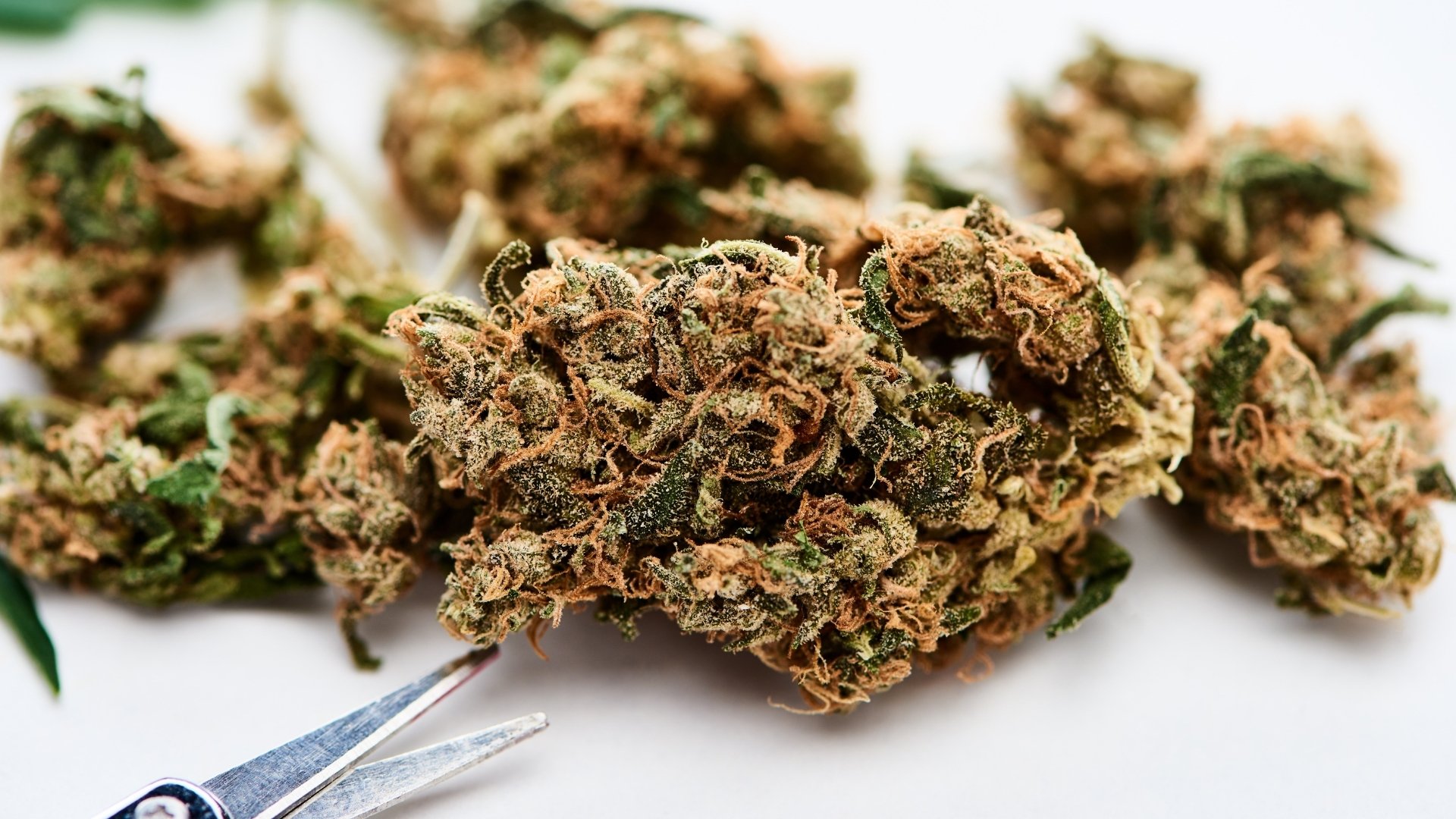
Mold contamination is more complex than surface spores, and once it’s inside the flower, heat exposure during decarb isn’t enough to ensure safety, maintain product quality, or meet testing requirements. Understanding the limitations of decarb is critical so you don’t sacrifice terpene expression, cannabinoid potency, or regulatory compliance in the process. Here are the trade-offs and pitfalls associated with assuming decarbonization “fixes” mold issues.
- Quality and aroma degradation
High heat for long periods can degrade terpenes (which drive aroma/flavour) and may cause cannabinoid degradation or discoloration. For example, decarb optimized for edibles may not preserve terpene profile.
If you crop is meant to be premium flower, altering it with high-heat treatments for sterilization can degrade the product you originally intended to sell.
- Regulatory & safety gaps
Many regulatory bodies require microbial testing of finished flower if you fail, product may be rejected. Decarb is not an approved microbial kill step for many regulators; extraction or irradiation may be required.
If you rely on decarb and fail microbial tests, you risk recalls, brand damage and lost revenue.
- It may mask issues but not fix root causes
If mold is present, it indicates upstream issues (environment, airflow, drying, storage) that decarb won’t correct. Ignoring root causes means you’ll face repeat issues.
What Are Effective Mold Remediation or Preventive Strategies?

For commercial growers, the emphasis should be on prevention + workflow integration + if needed, proper remediation not assuming decarb will “cure” mold. Here’s how to approach it:
Preventive measures
- Control grow room and post-harvest room environment: humidity (RH), airflow, temperature, spacing, and sanitation.
- Dry and cure the flower properly: reducing water activity limits mold growth and proliferation.
- Regular microbial/quality testing throughout the process rather than only at the end.
Remediation/processing options
- Extraction + decarb + filtration: As one study found, this pathway yielded microbial-free oil, but note that flower integrity is lost and the process is extraction-focused.
- Radio-frequency (RF) heat treatment: As one provider notes, RF treatment in post-harvest can reduce mold/yeast counts without chemical residues and better preserve aroma.
- Irradiation/gas / advanced sterilization: These methods are more costly, may affect consumer perception, and may require special licensing.
Workflow integration
- Create standard operating procedures (SOPs) for drying, curing, microbial monitoring, and team handoffs.
- Track data: microorganism counts, room conditions, batch identifiers, and flow-down tasks to the team.
- Post-harvest tasks should be scheduled and tracked to ensure that no steps are missed.
With PlanaCan, you can build custom templates for post-harvest workflows, including microbial checks, drying/curing milestones, and quality deviations, keeping your team aligned and ensuring accountability across rooms and cycles.
How PlanaCan Supports Your Mold-Risk Management Workflow?

When you’re scaling cultivation operations or managing multiple rooms/sites, having a unified system that links environment, team tasks, and harvest data makes a big difference. Here’s how PlanaCan ties into mold-risk management:
- Cultivation & Post-Harvest Templates: Define room-specific workflows such as drying → curing → microbial test. These tasks are automatically populated for the correct room and team.
- Interactive Calendar & Mobile Access: Floor staff receive mobile notifications of tasks (e.g., microbial swab checks, humidity audits) and can update the status and notes in real-time; any deviation triggers a follow-up alert.
- Harvest Analysis & Data Feedback Loop: After harvest, you capture yield, microbial test results, notes on batch performance, and environment logs. Over time, you identify which rooms/batches had higher mold risk and refine your process.
- Integration of Environmental Records: If your climate, airflow, or drying logs show conditions outside set-points, you can link corrective tasks in PlanaCan (e.g., “Inspect drying room fans”, “Check RH in hanger”) to ensure proactive response.
This integration elevates your risk management from reactive (“we found mold, now what?”) to proactive (“we scheduled our workflow, monitored environment, executed checks, and avoided the issue altogether”).
Ready to tie your environmental monitoring, task workflows, and harvest analytics into one streamlined system? Schedule a free call to explore how PlanaCan supports your compliance, quality, and operational efficiency.
Conclusion
Decarboxylation is a vital process in cannabis production for activating cannabinoids, but it is not a reliable mold remediation step for flower. For commercial cultivators, the best path to microbial safety is robust environmental control, drying/curing SOPs, proactive monitoring, and workflow management, not hoping heat will solve underlying issues.
By adopting a system like PlanaCan, you tie your team, tasks, environment, and data into one platform so you’re not just reacting to contamination, you’re managing it proactively. You’ll protect your product quality, maintain compliance, and scale operations with confidence.
Ready to strengthen your post-harvest workflow and minimize mold risk?
Schedule a free call today with PlanaCan and discover how you can bring structure, visibility, and traceability to your cultivation operations.
FAQs
Q1. Can I assume that if I decarb my flower at 240 °F (115 °C) for 40 minutes I’m safe from mold contamination?
No. While heat reduces some microbial activity, the parameters for decarb are designed for cannabinoid activation not microbial kill. Studies show that standard heating may not significantly reduce microbial load in flower.
Q2. If my flower has visible mold, does decarboxylation still make it safe?
No. Visible mold indicates advanced contamination and likely mycotoxin production. Decarb alone will not address mycotoxin risk or internal spore pockets. The safest approach is to remove contaminated material and review your drying/storing processes.
Q3. Can I skip microbial testing if I plan to decarb anyway?
No. Decarb is not a validated microbial control method for flower in many jurisdictions, and skipping testing puts you at regulatory and brand-risk. Instead, integrate testing, monitoring and workflow tasks in your system.
Q4. How should I document my post‐harvest workflows to ensure compliance and audit readiness?
Use a system that allows you to schedule tasks (dry/hang check, RH log, microbial swab, curing milestone), capture who performed them, time and outcome, and link that record to the batch ID. Platforms like PlanaCan make this easier and create traceable audit logs.