As the cannabis industry moves into a more mature phase, growth alone no longer guarantees success. Profitability pressures remain high, with a recent industry survey showing that only 27.3% of U.S. cannabis operators reported being profitable, while many others continue to operate at break-even levels.
This reality is pushing cultivators to rethink how they plan, execute, and refine their operations from cycle to cycle. In this article, we look at the future trends in cannabis cultivation shaping 2026. We also cover what growers need to understand now to stay competitive as expectations around consistency, efficiency, and execution continue to rise.
Before we dive in:
- Cultivation success depends on consistency. Growers are shifting toward repeatable processes, stable genetics, and predictable harvest outcomes as markets mature and margins tighten.
- Product demand is shaping what gets grown. Pre-rolls, beverages, and terpene-driven products are influencing strain selection and production planning across cultivation operations.
- Operational discipline is becoming essential. Stage-based scheduling, environmental stability, and post-harvest analysis are helping growers reduce variability between cycles.
- Regulatory expectations continue to increase. Greater focus on traceability, sustainability, and documentation requires growers to maintain accurate operational records and consistent workflows.
- Technology supports better execution. Cultivation platforms help growers align planning, daily work, and performance tracking to improve long-term consistency and efficiency.
Where Is the Cannabis Industry Heading?
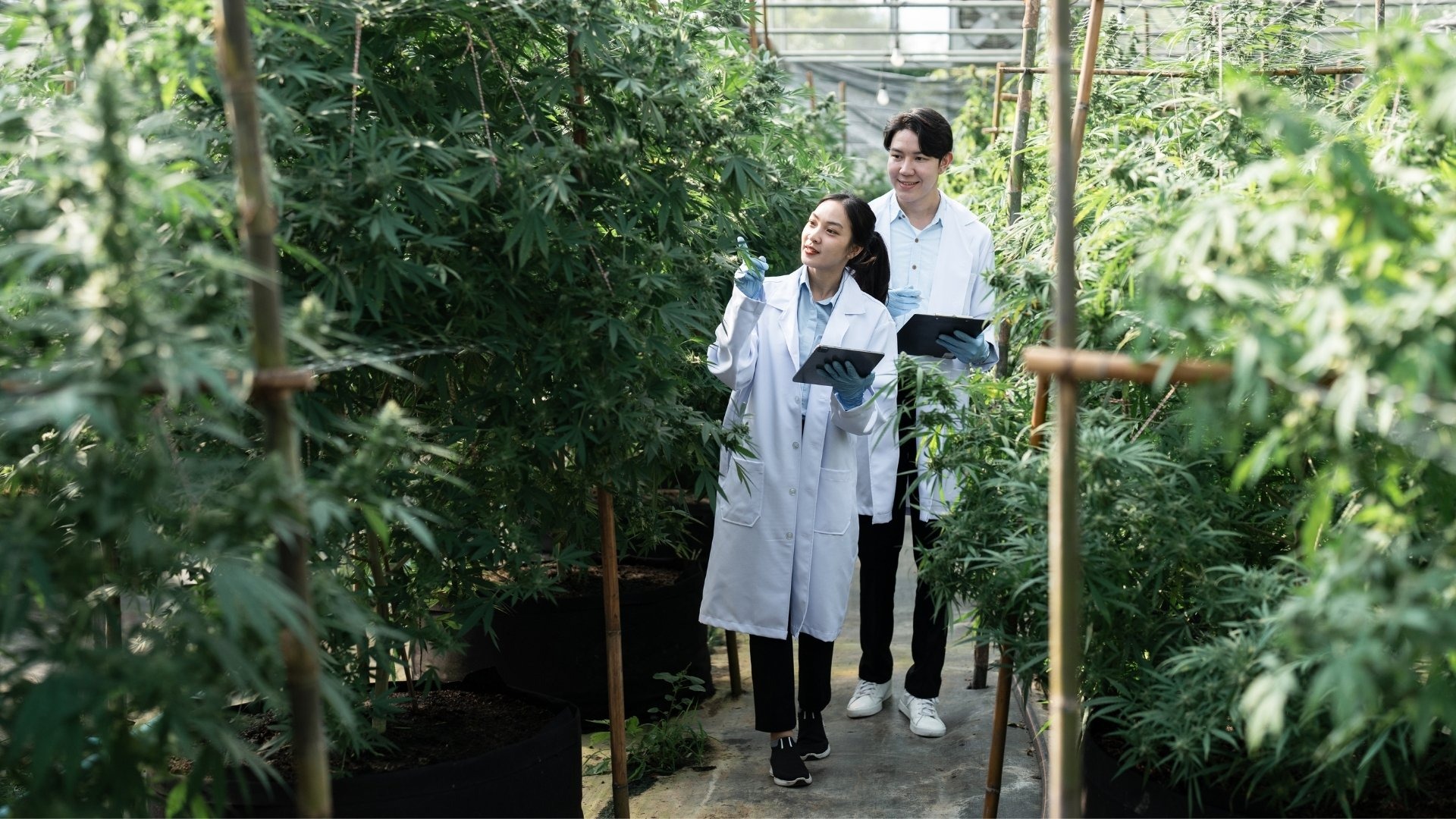
The cannabis industry continues to expand, but the nature of that growth is changing. The global cannabis cultivation market alone is projected to reach approximately $244.42 billion in 2026, reflecting continued legalization, rising demand, and increased investment in cultivation infrastructure and automation.
Industry shifts shaping cannabis, as per the Cannabis Cultivation Market Report 2026:
- Growth Is Moving From Expansion to Efficiency: Early market growth rewarded scale. The next phase rewards growers who can produce consistently while controlling labor, inputs, and operational costs.
- Legalization Continues to Expand: Ongoing regulatory changes and broader acceptance are increasing demand, which, in turn, is driving cultivation volume and production expectations.
- Premiumization Is Influencing Production Standards: Demand is shifting toward consistent quality, terpene preservation, and predictable potency rather than simply higher output.
- Automation and Technology Investment Are Increasing: Cultivators are adopting tools that improve scheduling, environmental consistency, and operational visibility, reducing variability between harvests.
- Medical and Wellness Segments Continue to Drive Stability: Medical applications and wellness-focused consumption exhibit more predictable demand patterns than purely recreational markets.
What matters for growers, however, is not just market size. As the industry matures, competition increases, margins tighten, and operational efficiency becomes the defining factor between scalable operations and struggling ones. The next section examines cultivation trends that will define operations in 2026.
Suggested Read: How to create and execute your commercial cultivation plan
10 Cultivation Practices for Successful Growers in 2026
As markets mature, growers are combining traditional cultivation knowledge with new approaches to lighting, substrates, genetics, and execution to future-proof their operations. It is about how plants are grown, fed, lit, and managed to produce more consistent results with fewer surprises.
The practices below reflect how modern cultivation is evolving:
1. Genetics-Led Cultivation and Strain Stability Planning
Growers are narrowing strain selections to genetics that perform consistently across cycles, not just those that trend well in the market. Cultivars with stable growth patterns, predictable flowering times, and reliable terpene expression are becoming more valuable than high-variance strains.
You can stay on top of this trend by:
- Choosing strains that finish consistently within expected timelines
- Tracking yield, stretch, and terpene expression by cultivar
- Running proven strains alongside new genetics instead of replacing entire rooms
- Removing strains that create uneven canopy or harvest delays
- Matching strain selection to buyer demand and processing timelines
2. Advanced Lighting Strategies and Better Light Distribution
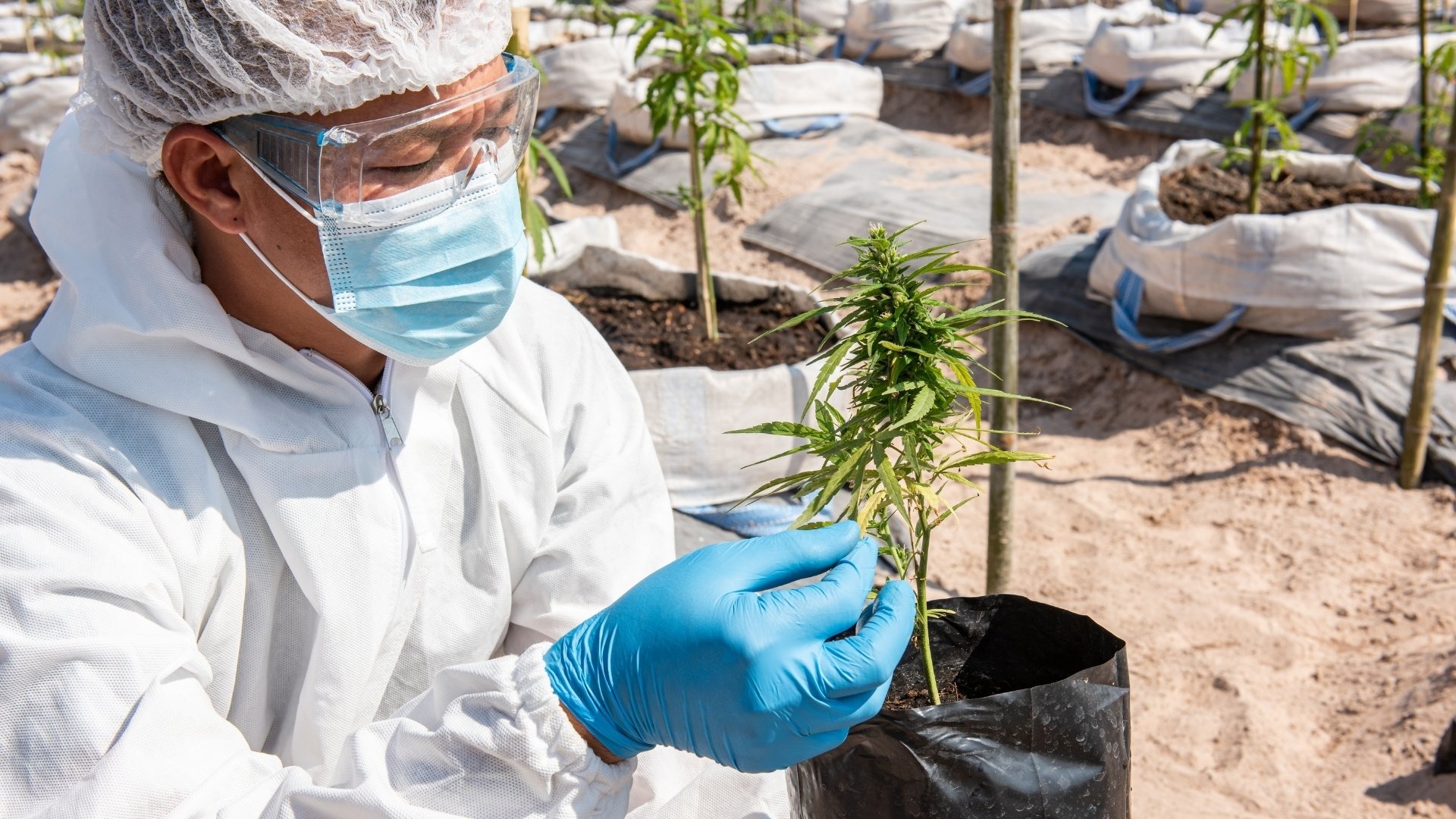
Lighting trends are moving beyond stronger top lighting toward better distribution across the plant. Supplemental or under-canopy lighting is gaining attention for improving lower-canopy development and overall plant uniformity.
You can stay on top of this trend by:
- Improving light penetration across the entire canopy
- Measuring PPFD consistency instead of peak intensity
- Reducing shaded lower growth zones
- Adjusting plant spacing for more even light exposure
- Monitoring how lighting changes affect yield distribution
3. Environmental Stability and Microclimate Control
Environmental management is shifting from hitting target numbers to maintaining stable conditions throughout the day. Even small fluctuations can affect plant stress, resin production, and uniformity between rooms.
You can stay on top of this trend by:
- Maintaining stable temperature and humidity during transitions
- Monitoring VPD consistency through each growth stage
- Identifying airflow dead zones or hot spots
- Correcting environmental drift early
- Keeping canopy-level conditions uniform
4. Stage-Based Task Scheduling
As the scale grows, timing errors become more expensive. Tasks performed late or inconsistently across rooms create differences that show up at harvest.
You can stay on top of this trend by:
- Scheduling work based on plant stage instead of calendar dates
- Planning defoliation and treatments in advance
- Assigning clear responsibility for daily tasks
- Reviewing incomplete work before moving stages
- Keeping execution consistent across teams
PlanaCan helps you align daily work with plant stages so nothing gets missed as rooms move through the cycle. Tasks stay visible, assigned, and tied to growth phases. This keeps execution consistent even as operations scale. Schedule a free demo.
5. Living Soil, Organic Inputs, and Hybrid Feeding
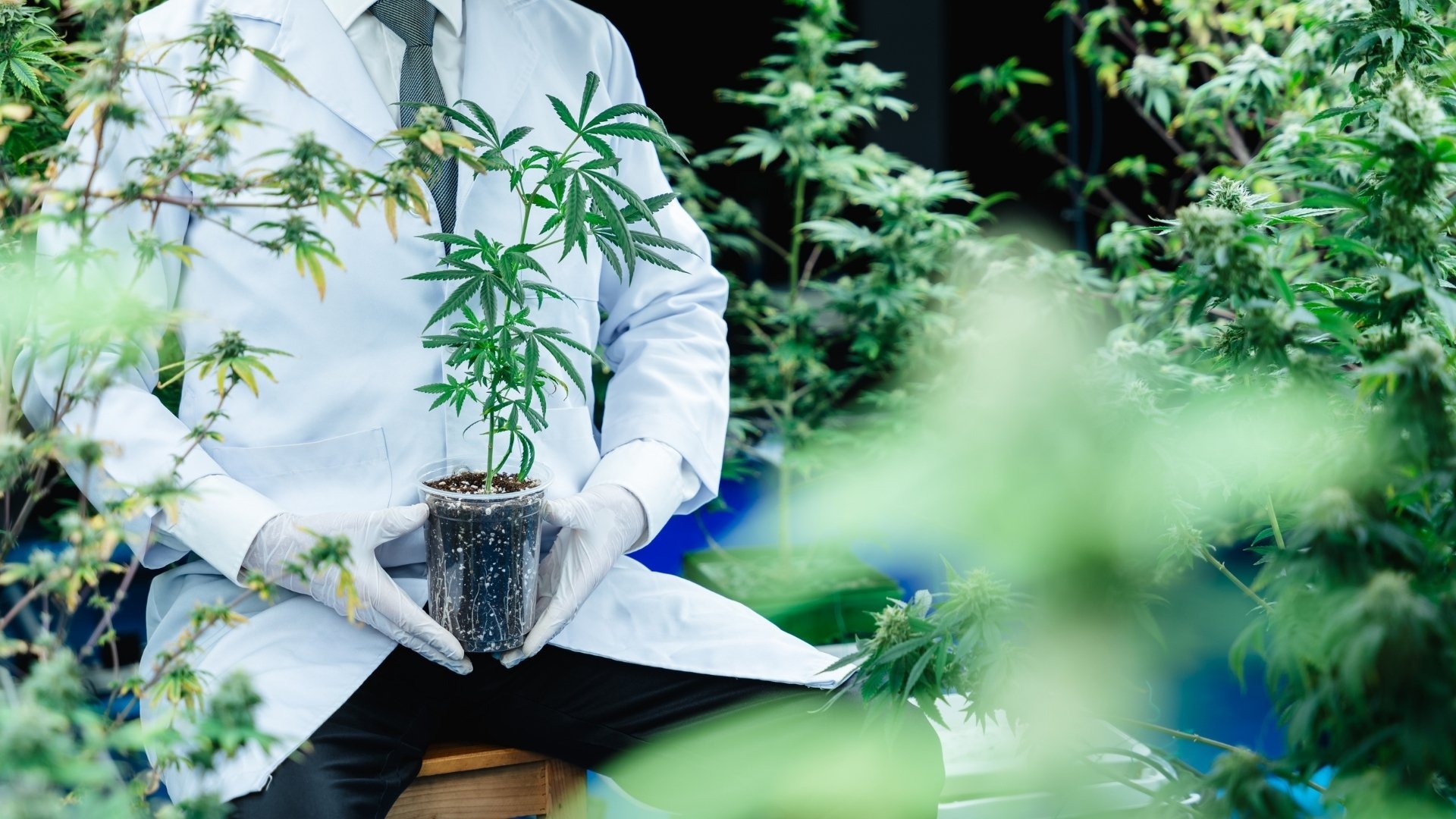
More growers are experimenting with living soil, organic inputs, or hybrid nutrient strategies to improve flavor, terpene expression, and soil health while maintaining yield performance. Interest in combining organic quality with mineral efficiency continues to grow.
You can stay on top of this trend by:
- Testing organic or hybrid feeding approaches in selected rooms
- Monitoring terpene and flavor outcomes alongside yield
- Building healthier root-zone biology over time
- Avoiding aggressive nutrient swings
- Adjusting feeding strategies per strain response
6. Root Zone Optimization and Air-Pruning Containers
Container and root-zone strategies are evolving as growers focus on stronger root development and oxygen availability. Air-pruning systems and improved substrate choices are gaining traction because healthier roots support faster, more vigorous growth.
You can stay on top of this trend by:
- Improving drainage and aeration in your growing medium
- Testing air-pruning or high-aeration containers
- Monitoring root development across cycles
- Avoiding over-compaction in substrates
- Matching container size to plant structure
7. Autoflower Integration for Faster Turnaround Cycles
Autoflowering genetics are gaining interest in certain facilities because they reduce dependency on light-cycle changes and allow faster production cycles. Some growers are using autos strategically to fill gaps between photoperiod harvests.
You can stay on top of the flowering trend by:
- Testing autos in smaller runs before scaling
- Using autos to maintain production continuity
- Evaluating turnaround time versus yield trade-offs
- Matching autos to fast-moving product categories
- Monitoring consistency across shorter cycles
8. Preventive Crop Management and Early Risk Detection
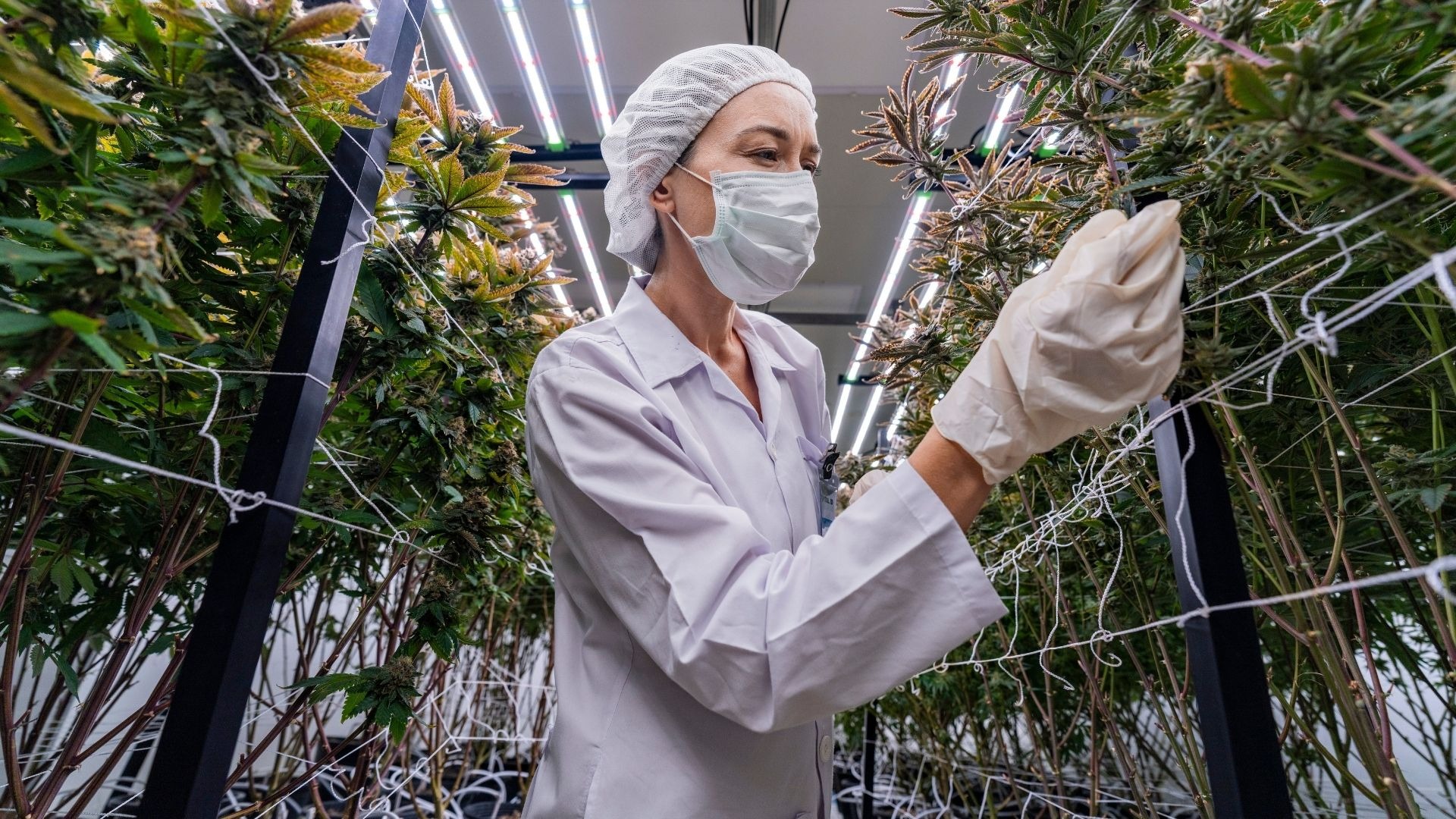
Preventive cultivation is replacing reactive problem-solving. Regular monitoring and early intervention reduce crop loss and maintain consistency.
You can stay on top of this trend by:
- Scheduling routine plant health inspections
- Applying preventive treatments consistently
- Watching for early pest or stress signals
- Correcting small issues before they spread
- Building inspections into weekly workflows
9. Continuous Cultivation Optimization
Instead of large operational changes, growers are focusing on small improvements that compound across harvests. Reviewing outcomes and refining workflows is becoming standard practice.
You can stay on top of this trend by:
- Reviewing yield and quality after each harvest
- Identifying recurring workflow bottlenecks
- Adjusting timing based on plant response
- Refining SOPs gradually
- Measuring improvements across cycles
PlanaCan helps you track what actually happened during each cycle, so improvements are based on execution, not memory. You can refine workflows and schedules without rebuilding processes every harvest. Learn more.
10. Room Turnover Strategy
More growers are planning backward from harvest targets to avoid labor spikes and room congestion. Production planning is increasingly tied to demand rather than convenience.
You can stay on top of this trend by:
- Setting harvest targets before planting schedules
- Coordinating room turnover in advance
- Aligning labor with harvest windows
- Avoiding overlapping high-workload periods
- Planning cycles around sales and processing capacity
As cultivation becomes more structured and outcome-driven, growers are also adjusting their production to reflect what buyers and consumers are actually purchasing. The next section explores how changing product demand is influencing growth plans heading into 2026.
Suggested Read: Steps to Make Cannabis Grow Faster
Product Demand Trends Influencing Growth Plans
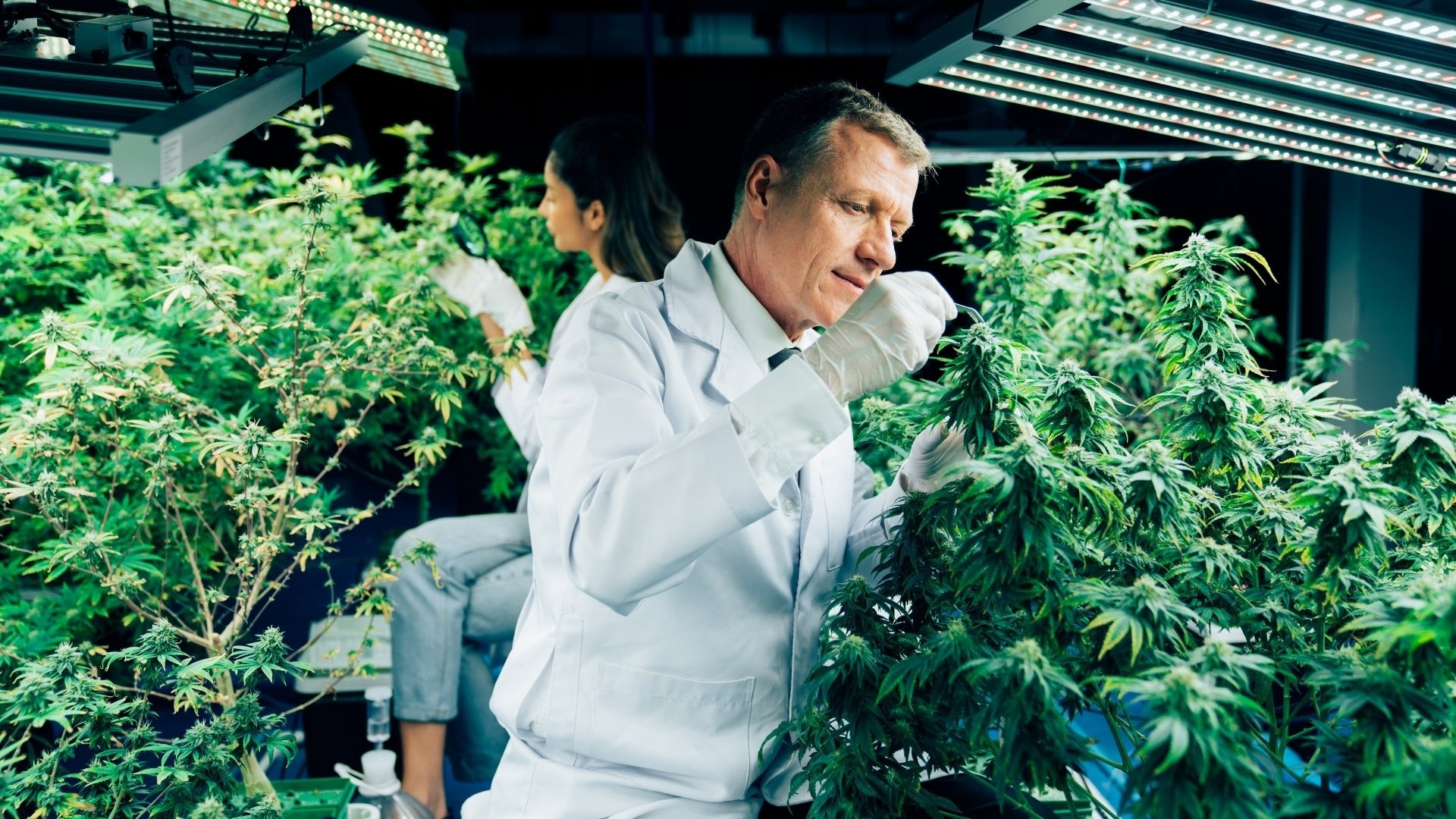
You need to adjust strain selection and production volume by product category to gain market share. Successful cultivators align what they grow with what manufacturers and retailers consistently need.
These are the current trends in cannabis products:
- Pre-Roll Growth
Pre-rolls remain one of the fastest-growing cannabis categories across recreational markets. Convenience and consistency continue driving demand. Growers are prioritizing strains such as Blue Dream, Wedding Cake, Gelato, and Gorilla Glue #4, which grind evenly and deliver consistent potency. - Beverage Market Expansion
Cannabis beverages are expanding as consumers seek lower-dose and smoke-free options. Market projections show continued growth in infused drinks. Growers often select high-yield extraction strains such as OG Kush, Sour Diesel, Super Lemon Haze, and White Widow for consistent biomass output. - Premium Flower Demand
High-quality flower continues shaping brand identity and consumer loyalty. Buyers increasingly value terpene expression and visual consistency. Cultivators maintain premium strains such as Runtz, Zkittlez, Jealousy, and RS11 for repeatable flavor and shelf appeal. - Convenience Format Demand
Ready-to-use products require a steady supply instead of large seasonal harvests. Processors prefer predictable production throughout the year. Growers favor reliable flowering strains such as MAC 1, Ice Cream Cake, and Dosidos for consistent cycle timing. - Terpene-Driven Selection
Consumers increasingly choose products based on flavor and effect profiles. Processors request repeatable terpene expression from growers. Strains like Tangie, Limonene-dominant Lemon Tree, Purple Punch, and Mimosa remain popular for consistent aroma profiles.
As product demand reshapes cultivation planning, regulatory expectations continue evolving alongside market growth. The next section outlines governmental changes growers should prepare for in 2026 and beyond.
Suggested Read: Essential Tips to Maintain Healthy Cannabis Plant Growth
Regulatory Changes Shaping Cannabis Cultivation in 2026
Regulation in cannabis is moving toward tighter oversight and more operational transparency. For cultivators, compliance is no longer limited to licensing or testing requirements. In 2026, how work is documented, tracked, and executed inside the grow increasingly affects both compliance risk and operational stability.
These are a few changes you need to be aware of:
- Federal and Tax Changes: Possible federal rescheduling could change tax structures, especially around IRS 280E deductions. This may improve cash flow but also increase financial reporting expectations. Growers should prepare for tighter financial visibility and operational documentation requirements.
- Banking and Financial Transparency: Expanded banking access is slowly improving financial oversight across cannabis operations. Greater access to traditional financial systems increases expectations for accurate reporting and audit-ready records. Cultivators should expect stronger alignment between operational data and financial reporting.
- Sustainability Becoming A Regulatory Requirement: Environmental practices are shifting from optional to regulated in some markets. Energy use, water consumption, and waste management are receiving increased scrutiny. Growers should expect sustainability tracking to become part of compliance requirements.
- Increased Traceability And Reporting Standards: Seed-to-sale tracking systems continue expanding across regulated markets. Regulators are prioritizing transparency and accurate operational records throughout cultivation and distribution. Growers should ensure plant movement, harvest data, and workflow records remain consistent and accessible.
- Quality and Process Documentation Expectations: As the industry matures, compliance is moving closer to food and pharmaceutical standards. Process control, documentation, and consistency are becoming central to maintaining licenses. Growers should expect more emphasis on documented procedures and repeatable execution.
The next section explores how cultivators can run a future-ready grow with PlanaCan by bringing scheduling, execution, and operational visibility into one structured workflow.
Suggested Read: How to Become a Legal Cannabis Grower in the United States
Run a Future-Ready Grow with PlanaCan
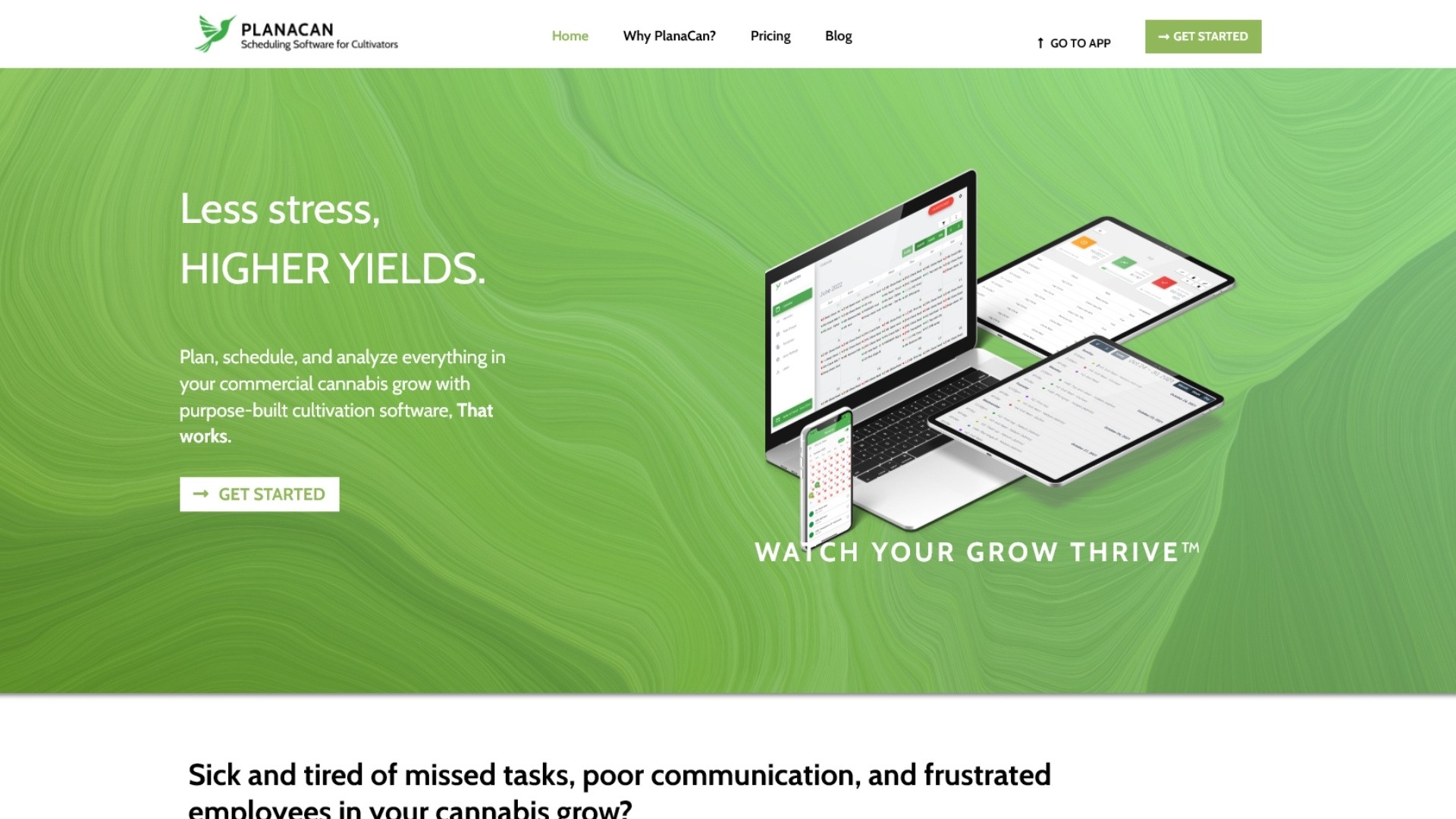
PlanaCan is a cultivation management platform built for commercial cannabis growers to plan, track, and optimize daily cultivation work. It connects planning, execution, communication, and performance data into one system so cultivation teams can run consistent, repeatable grow cycles.
You do not need to rely on disconnected tools or memory. Growers use PlanaCan to ensure work happens when it should, across every room and every harvest.
You can run a future-ready growth with PlanaCan by:
- Automate Work: Build repeatable templates for treatments, workflows, and SOPs so every strain and cultivation step is executed consistently. Create processes once, reuse them across cycles, and refine them after each harvest.
- Schedule Management: Plan and execute work across rooms, phases, and harvest timelines from one place. Keep teams aligned with stage-based scheduling so tasks happen on time and nothing gets missed during critical growth periods.
- Communication: Keep everyone on the same page with real-time updates and automatic notifications. Assign work clearly, reduce miscommunication, and ensure accountability across cultivation teams and shifts.
- Analytics: Understand labor load, harvest performance, and operational trends over time. Use real cultivation data to improve workflows, optimize staffing, and make better decisions for future cycles.
- Operational Visibility: See what is happening now and what is coming next across rooms and teams. Maintain control over execution as operations scale, without adding management complexity.
Success depends on consistency, visibility, and execution discipline. PlanaCan brings structure to daily operations, so growers can focus on improving results rather than managing chaos. The goal is simple: run smoother grows, reduce missed work, and turn every harvest into a better one than the last.
Conclusion
When cultivation plans do not align with execution, small mistakes compound quickly. Missed tasks, inconsistent environments, poor strain choices, and shifting market demand can reduce yield, quality, and profitability across cycles. Growers who react late to operational or market changes often struggle to maintain consistency and predictable results.
PlanaCan helps restore structure to cultivation by integrating planning, scheduling, communication, and performance tracking in a single system. You can gain visibility into daily work, improve execution across teams, and build repeatable processes that strengthen each harvest over time.
Start running more consistent growth cycles with clearer planning and execution. Try PlanaCan and bring structure to the way your growth operates every day. Schedule a free call today.
Frequently Asked Questions
1. What is the future of the cannabis industry?
The cannabis industry is moving toward consolidation, operational efficiency, and consistent product quality. Growers are focusing on repeatable cultivation, cost control, and aligning production with product demand and regulatory expectations.
2. What is a potential future trend in cannabis strain development?
Strain development is shifting toward stability and repeatability rather than novelty. Breeders and growers are prioritizing genetics with consistent yields, predictable flowering times, and reliable terpene expression across multiple cultivation cycles.
3. What is the trend in the cannabis industry in 2026?
The industry shifted from rapid expansion to operational discipline. Growers focused on efficiency, standardized workflows, and producing strains that support high-demand product categories such as pre-rolls and extracts.
4. What are the latest trends in the use of cannabis?
Consumer demand is expanding beyond traditional flower toward pre-rolls, beverages, and convenience formats. Buyers increasingly choose products based on flavor, effect profiles, and consistency rather than THC percentage alone.
5. How are cultivation practices changing for 2026?
Cultivation practices are becoming more structured and data-informed. Growers are focusing on environmental stability, strain-specific growing methods, and stage-based scheduling to improve consistency and reduce variability between harvests.