Running a commercial grow without clear records can quickly turn small cultivation issues into expensive problems. Missed nutrient adjustments, unnoticed environmental shifts, or inconsistent team practices can affect entire batches before anyone realizes what went wrong. As operations scale, keeping track of every plant decision becomes harder.
That challenge is becoming more common as the industry expands. The global cannabis cultivation market is projected to reach USD 35.40 billion by 2034, growing at a CAGR of 11.2%. This only indicates that more facilities are managing larger cultivation operations.
One of the simplest ways growers maintain consistency is through structured grow logs. In this guide, we explain how to start a cannabis grow log, including what to track and how to organize records effectively.
At a glance:
- Grow logs document cultivation activity. They record plant stages, operational tasks, and environmental adjustments throughout the cultivation cycle.
- Structured logs support commercial operations. Organized records help cultivation teams maintain consistency across rooms, batches, and crop cycles.
- Clear records improve operational visibility. Growers can review past cultivation decisions to understand what influenced plant performance.
- Manual logging becomes difficult at scale. As facilities expand, tracking cultivation data across teams and rooms becomes more complex.
- Digital systems simplify growth logging. Technology platforms help organize records, track cultivation activity, and support better operational decisions.
What Is a Cannabis Grow Log?
A cannabis grow log is a structured record of cultivation activities and plant development throughout a grow cycle. Growers use it to document environmental conditions, plant observations, and operational tasks, enabling them to track how different factors affect plant performance.
A grow log typically documents:
- Growth Stage Changes: Notes when plants move from propagation to vegetative growth and flowering.
- Cultivation Activities: Records actions such as pruning, training, transplanting, and canopy management.
- Environmental Adjustments: Tracks changes made to lighting, airflow, or irrigation systems.
- Plant Health Observations: Documents visual changes such as leaf color, growth patterns, or stress signals.
- Harvest Events: Records harvest timing, plant condition, and batch outcomes.
Keeping these records allows growers to review what worked and what did not in previous cycles. The next section explores why maintaining detailed grow logs is valuable for commercial cultivation operations.
Suggested Read: Cannabis Growing Calendar: Stages and Timeline
Benefits of Maintaining a Grow Log in Commercial Cultivation

Without structured records, it becomes difficult to understand why certain batches perform better than others. A well-maintained grow log helps growers track decisions and improve consistency across cultivation cycles.
Other benefits include:
- Crop Consistency: Recording cultivation data helps growers repeat successful growing conditions. Over time, this makes it easier to maintain consistent plant performance across batches.
- Early Problem Detection: Grow logs make it easier to identify patterns when plants show signs of stress or irregular growth. This helps growers respond faster to issues such as nutrient imbalance or environmental fluctuations.
- Strain Insights: Tracking cultivation data allows growers to understand how different strains respond to specific conditions. These insights can improve cultivation strategies in future cycles.
- Operational Visibility: Detailed logs provide a clear view of cultivation activity across rooms and plant batches. This improves coordination between cultivation teams and reduces confusion.
- Yield Analysis: Harvest records and growth observations help growers evaluate which practices produce better results. These insights support better planning for future cultivation cycles.
PlanaCan helps growers organize cultivation records, coordinate tasks, and track plant stages across the entire operation. With tools such as workflow automation, schedule management through an interactive calendar, and cultivation analytics, growers can maintain more structured and reliable grow logs. Book a free demo today.
Steps to Start a Grow Log in a Commercial Facility

Starting a grow log in a commercial cultivation facility requires a structured approach. Teams need consistent processes so data remains reliable across grow rooms, batches, and cultivation cycles. Clear logging practices also make it easier to analyze past growths and improve future outcomes.
This is how you can start maintaining a grow log:
1. Define What Needs to Be Logged
The first step is deciding which cultivation activities and environmental conditions should be recorded. Clear categories help teams capture useful information without creating unnecessary complexity.
Common data categories include:
- Lighting schedules and adjustments
- Temperature and humidity readings
- Nutrient feeding schedules
- Plant growth observations
- Pest or disease notes
2. Establish a Consistent Logging Routine
Grow logs are only useful when updates are recorded regularly. Setting a routine ensures important cultivation changes do not go undocumented.
A typical logging routine may include:
- Daily environmental condition checks
- Nutrient feeding updates
- Growth stage observations
- Pest inspection notes
- Equipment adjustments
3. Organize Logs by Grow Room or Batch
Commercial facilities often manage multiple grow rooms and plant batches simultaneously. Organizing logs by location or batch keeps cultivation records easier to review and analyze.
This structure usually includes:
- Room or zone identification
- Plant batch or strain details
- Growth stage tracking
- Date and time of updates
- Assigned cultivation team member
4. Standardize Logging Across Teams
Different team members often record cultivation data throughout the day. Standardizing how information is documented helps maintain consistency across the facility.
Teams often standardize logging by defining:
- Approved logging formats
- Consistent measurement units
- Shared terminology for plant observations
- Assigned responsibilities for updates
- Clear reporting procedures
Once a grow log system is established, the next step is to decide which specific data points to track throughout the cultivation cycle. The following section explores the most important data to track in commercial cannabis growth.
Suggested Read: Cannabis Growth Cycle Charts and Graphs Guide
Data to Track in Commercial Cannabis Growth
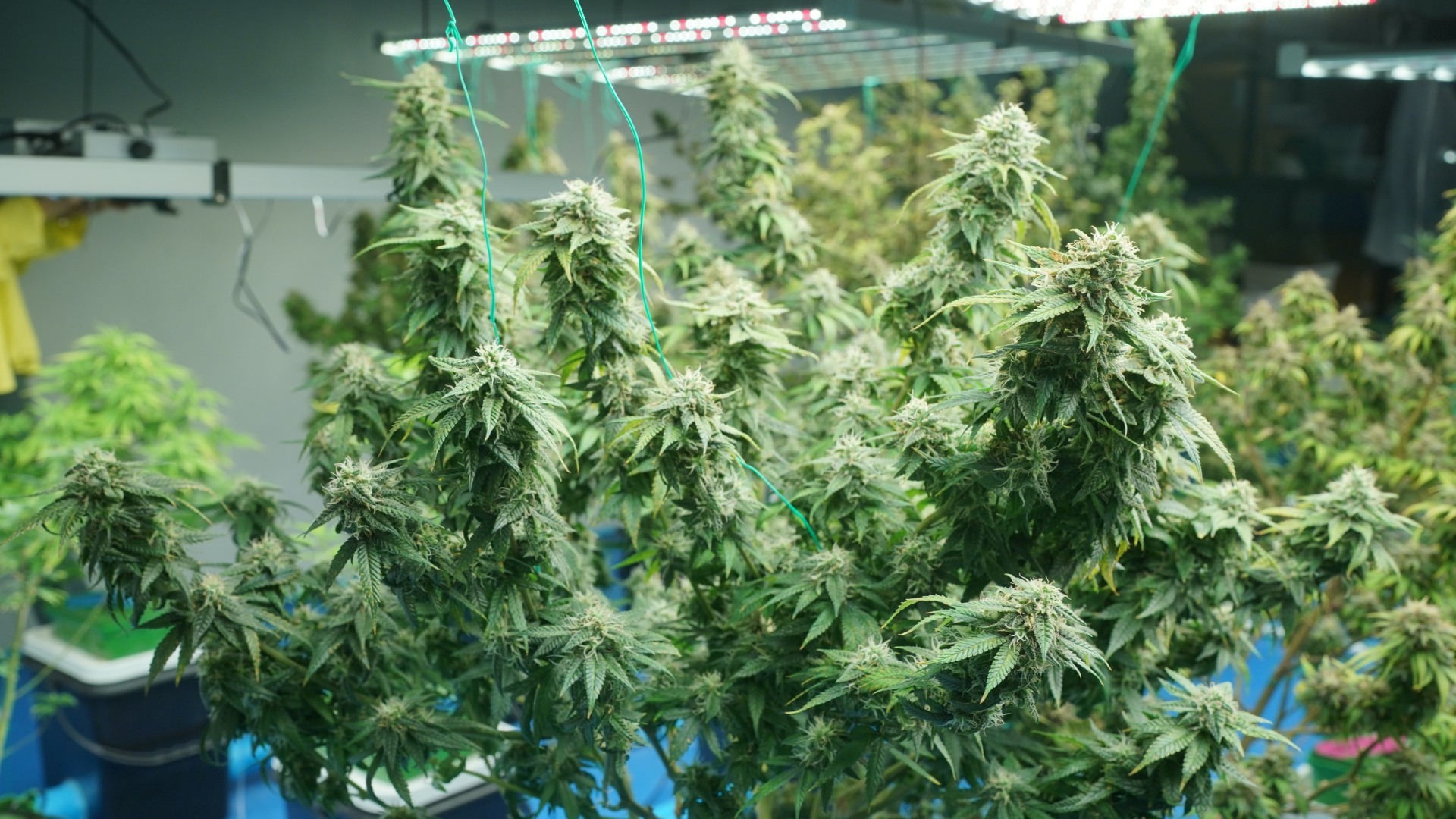
Commercial growers rely on structured data to understand how cultivation decisions affect plant development and harvest outcomes. The goal is to capture information that helps teams monitor performance and refine future growth strategies.
Key data points commonly tracked include:
- Plant Batch Identification: Record strain name, batch number, and planting date so each group of plants can be tracked throughout the cultivation cycle.
- Irrigation and Watering Activity: Document watering frequency, irrigation system adjustments, and any changes in water delivery schedules.
- Training and Canopy Management: Log activities such as topping, low-stress training, trellising, or defoliation performed during the growing cycle.
- Equipment Adjustments: Track changes made to lighting systems, fans, irrigation equipment, or other cultivation infrastructure.
- Inspection Results: Record findings from routine plant inspections, including observations related to plant vigor or structural development.
- Harvest Timing and Batch Status: Document when plants are harvested, moved, or processed within the facility.
How this information is recorded can vary between cultivation operations. The next section looks at different grow log formats that growers use to maintain these records.
Suggested Read: Essential Tips to Maintain Healthy Cannabis Plant Growth
Types of Grow Log Formats Used in Cannabis Cultivation
Smaller grows may rely on simple records, while commercial facilities often need structured systems that multiple teams can access. Choosing the right format helps ensure cultivation information remains organized and usable.
Table showing different types of grow logs:
Each format offers different advantages depending on how cultivation teams operate and how much data needs to be tracked.
When deciding which format works best, growers often ask:
- How many grow rooms or plant batches need to be tracked?
- Will multiple team members need to update the log regularly?
- How easy will it be to review historical cultivation data?
- Can the system scale as the cultivation operation grows?
- Does the format support clear coordination across teams?
PlanaCan gives cultivation teams a structured way to organize grow data, track plant activity, and manage workflows across their entire operation. With integrated analytics and mobile access through the iOS and Android apps, growers can track cultivation activity directly from the grow floor. Try PlanaCan for free.
Challenges of Managing Grow Logs at Commercial Scale

Multiple grow rooms, plant batches, and cultivation teams generate large amounts of data that must remain accurate and accessible. Without structured systems, record keeping can quickly become inconsistent or difficult to manage.
These are the top obstacles cultivators face:
- Inconsistent Record Keeping: Different team members may document cultivation activities in different ways. This can lead to gaps in records or inconsistent data across batches.
Fix: Establish standardized logging procedures and clear documentation formats. - Scattered Information: Grow data may be stored across notebooks, spreadsheets, and separate files. This makes it difficult for teams to review complete cultivation histories.
Fix: Centralize cultivation records in a shared system accessible to the entire team. - Limited Historical Analysis: When cultivation records are not organized properly, it becomes difficult to compare results across previous grow cycles. This limits the ability to identify patterns that affect yield or plant health.
Fix: Maintain structured logs that allow growers to review and analyze past cultivation data. - Communication Gaps: Cultivation teams often work across shifts or different grow rooms. Without clear record updates, important changes in plant care may not be communicated effectively.
Fix: Use systems that allow teams to share updates and track cultivation activity in real time. - Operational Complexity: Large facilities must track plant movement, cultivation activities, and environmental adjustments across multiple rooms. Manual record keeping can struggle to keep pace with these operational demands.
Fix: Adopt structured tools designed to manage cultivation data at scale.
These challenges highlight why many cultivation facilities are moving beyond manual logging systems. The next section explores how technology improves cannabis grow logging in commercial operations.
Suggested Read: Step-by-Step Guide to Advanced Cannabis Cultivation Techniques
Manage Cannabis Grow Logs More Efficiently With PlanaCan

PlanaCan is a cannabis cultivation management platform designed to help growers organize cultivation workflows, maintain structured records, and track plant activity across the facility. As cultivation operations grow, maintaining accurate and accessible grow logs becomes harder.
Teams must record plant activity, coordinate daily tasks, and review cultivation data across multiple rooms and crop cycles. These features can help you do just that:
- Automate Work
Automating routine cultivation tasks ensures that grow activities are logged consistently. When workflows such as pruning, irrigation checks, or plant inspections are automated, teams can record actions without missing critical updates in the grow log. - Schedule Management
Growers can track cultivation timelines using an interactive calendar that maps crop cycles and scheduled tasks. This makes it easier to log activities tied to specific stages such as vegetative growth, flowering, and harvest preparation. - Centralized Communication
Grow logs often involve updates from multiple team members working across shifts. Built-in communication tools allow teams to record notes, share updates, and maintain a clear record of cultivation decisions. Grow teams can update cultivation logs directly from the grow floor using the iOS and Android apps. - Analytics
Cultivation analytics help growers review historical grow logs and analyze how different conditions affect plant performance. These insights help teams refine cultivation strategies over time. - Centralized Grow Log Records
All cultivation observations, task updates, and plant activity can be recorded in one system. This helps teams maintain organized growth logs that are easy to review across rooms, batches, and cultivation cycles.
PlanaCan is built specifically for cannabis cultivators who need structure and clarity across complex operations. The platform continues to improve to support growers with better coordination, visibility, and data-driven decision-making.
Conclusion
Poorly maintained grow logs can quickly create blind spots in commercial cultivation. When records are incomplete or scattered across different systems, growers may struggle to understand what caused changes in plant performance or yield. Over time, these gaps can make it harder to maintain consistency across batches and grow cycles.
PlanaCan is designed to help cultivation teams bring structure and clarity to their operations. By organizing cultivation activity, plant observations, and operational updates in one place, the platform helps growers maintain more reliable grow logs while keeping teams aligned across the facility.
If you want a more organized way to track cultivation activity, PlanaCan can help simplify how you maintain grow logs. Schedule a free call today.
Frequently Asked Questions
1. Do commercial cannabis facilities require grow logs?
Many commercial cultivation operations maintain detailed grow logs to track plant activity, environmental conditions, and operational decisions. These records help teams maintain consistency and support internal cultivation reviews.
2. Who is responsible for updating grow logs in a commercial facility?
Grow logs are usually updated by cultivation staff responsible for daily plant care. Some facilities assign supervisors or cultivation managers to review and verify records regularly.
3. How detailed should a commercial grow log be?
Grow logs should capture key cultivation activities and observations without becoming overly complex. The goal is to record information that helps growers track plant development and review past cultivation decisions.
4. Can grow logs help improve cannabis yields?
Yes. Reviewing past grow logs can reveal patterns between cultivation practices and harvest outcomes. This allows growers to refine their approach and improve consistency over time.
5. How long should cultivation records be kept?
Many commercial cultivators keep grow logs for multiple crop cycles to analyze long-term performance. Maintaining historical records helps teams compare results and adjust cultivation strategies.