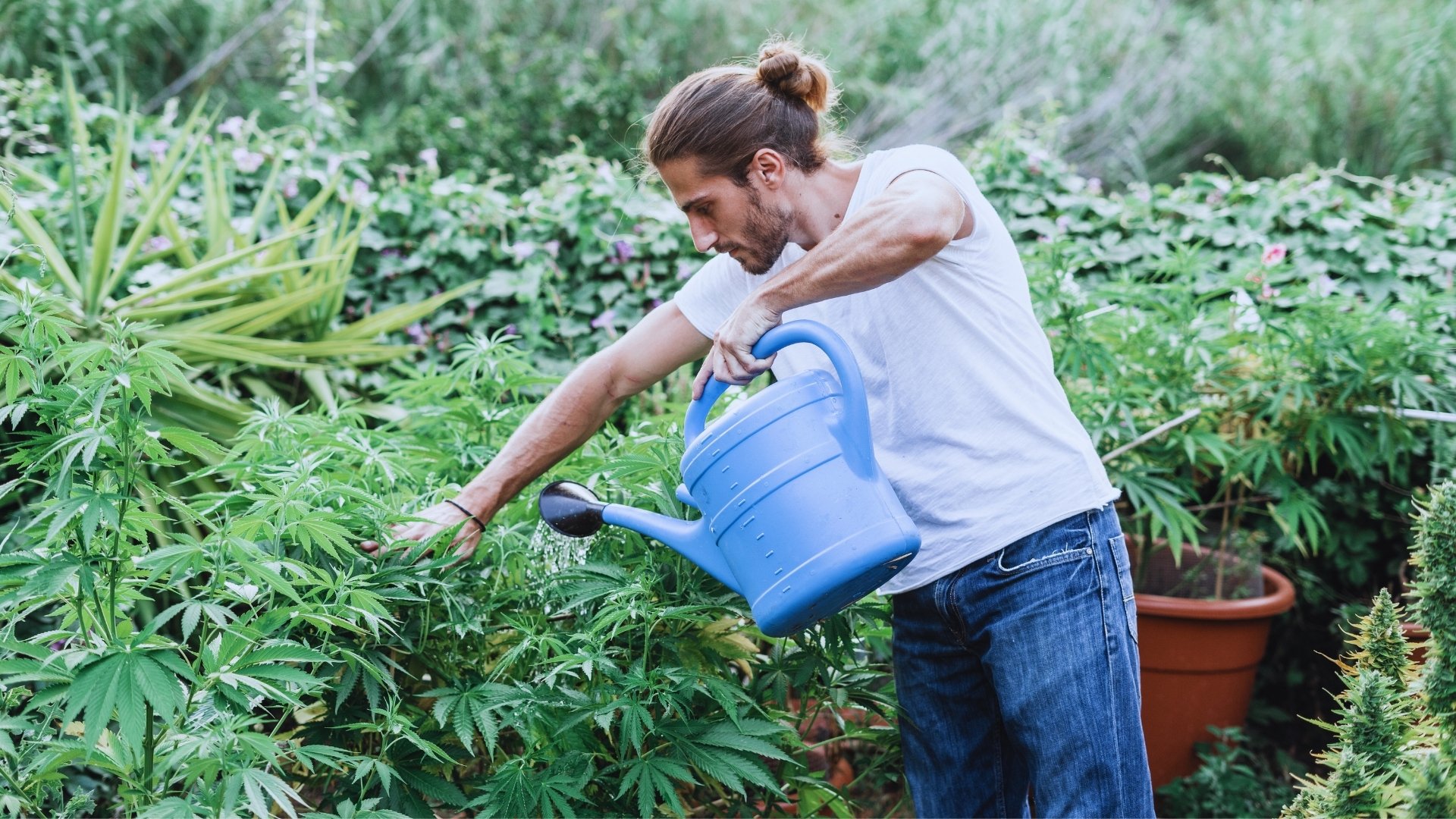
Overwatering or underwatering cannabis is one of the fastest ways to slow plant growth and reduce yields. Many cultivators focus on lighting and nutrients, but irrigation often determines how efficiently plants develop. Research shows that crop yields can drop by about 32.9% under waterlogging conditions compared to normal watering.
If you have ever struggled to find the right cannabis watering balance, you are not alone. Dialing in irrigation is one of the most important skills in cultivation. In this article, we will break down how much water cannabis needs, how watering requirements change across growth stages, and the strategies growers use to improve yields indoors and outdoors.
Here's what you need to know:
- Cannabis plants require different watering amounts at each growth stage. Seedlings need small, frequent watering, while mature plants may require several liters, depending on container size and environmental conditions.
- Consistent irrigation practices help maintain healthy roots. Watering slowly, allowing partial drying, and adjusting watering based on environmental conditions support stronger plant development.
- Improper watering can reduce plant performance and yield. Overwatering, poor drainage, and irregular schedules often create hidden stress in the root zone.
- Plant signals help growers identify irrigation problems early. Changes in leaf posture, growth rate, and medium moisture often reveal when watering needs adjustment.
- Organized irrigation management improves cultivation stability. Tracking watering schedules and plant responses helps teams maintain consistent crop care across grow cycles.
How Much Water Does Cannabis Actually Need?
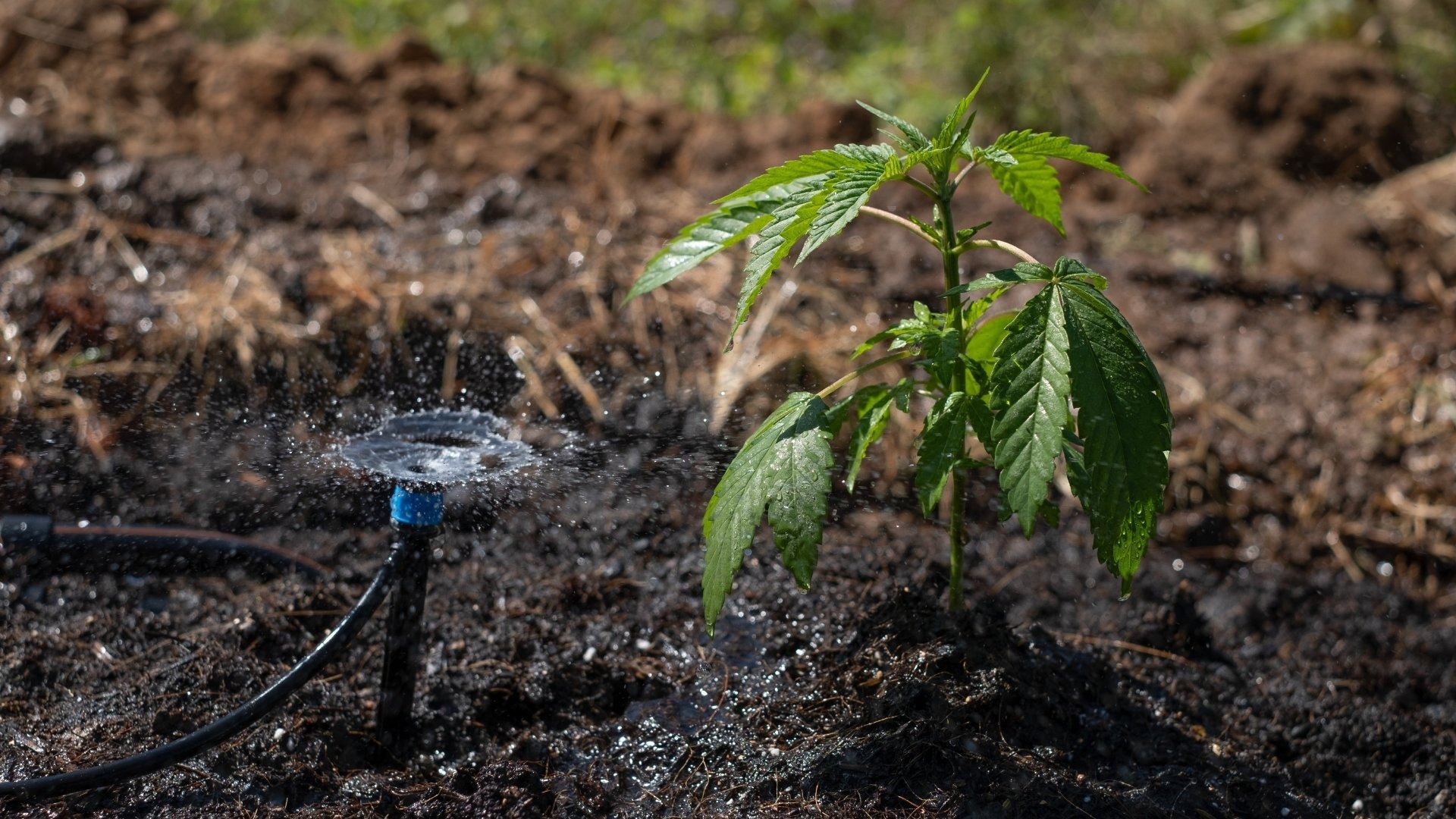
Water needs change depending on plant size, container volume, growing medium, and environmental conditions. Instead of using a fixed amount, cultivators usually adjust irrigation based on how quickly the plant is using moisture.
These factors influence the watering needs of cannabis:
- Plant Size: Larger cannabis plants use significantly more water because they transpire through more leaves. Small plants may need only a few hundred milliliters, while mature plants can require several liters per watering.
- Container Size: The container often determines watering volume. Many cultivators apply water equal to about 20–30% of the container size, usually until slight runoff appears.
- Growing Medium: Soil holds water longer, so watering is less frequent but heavier. Coco and hydroponic substrates drain faster and may require smaller, more frequent irrigation.
- Temperature and Humidity: In hot, dry grow rooms, plants lose moisture faster and require more frequent watering. Cooler or more humid environments slow evaporation and reduce irrigation needs.
- Indoor vs Outdoor Conditions: Indoor plants usually follow predictable watering patterns because conditions are controlled. Outdoor plants may need adjustments due to rain, sunlight intensity, wind, and temperature changes.
Understanding how these factors interact makes it easier to determine when plants actually need water rather than relying on guesswork. The next step is learning how to adjust watering frequency throughout the cannabis growth cycle.
Suggested Read: Watering in Veg Stage for Cannabis Plants
How Often Should You Water Commercially Grown Cannabis?
Commercial cannabis watering is usually calculated based on container size, plant stage, and the rate at which the medium dries. Many cultivators estimate water volume as a percentage of the container or apply enough irrigation to produce light runoff.
This is an approximate guide to the amount of water your cannabis plants require.
- Seedling Stage: Seedlings typically need 50–150 ml of water per plant every 1–2 days, depending on the medium. The goal is to keep the root zone lightly moist without saturating it.
- Early Vegetative Stage: Plants in small containers often receive 250–500 ml per watering, usually once every 1–2 days. Growers allow the top layer of the medium to dry slightly before watering again.
- Late Vegetative Stage: Larger plants may need 0.5–1.5 liters per plant per watering. Many cultivators water every 1–2 days, depending on environmental conditions.
- Early Flowering: Water demand increases as plants stretch. Commercial growers often apply 1–2 liters per plant with consistent monitoring of runoff and medium moisture.
- Mid to Late Flowering: Mature plants can require 2–4 liters per watering, depending on container size and plant structure. Some facilities irrigate daily or multiple times per day in coco or automated systems.
PlanaCan helps cultivators keep irrigation routines organized across rooms, strains, and growth stages. Teams can schedule watering tasks, record plant observations, and track how crops respond over time. Book a free demo today.
5 Practical Strategies to Water Cannabis and Improve Yield
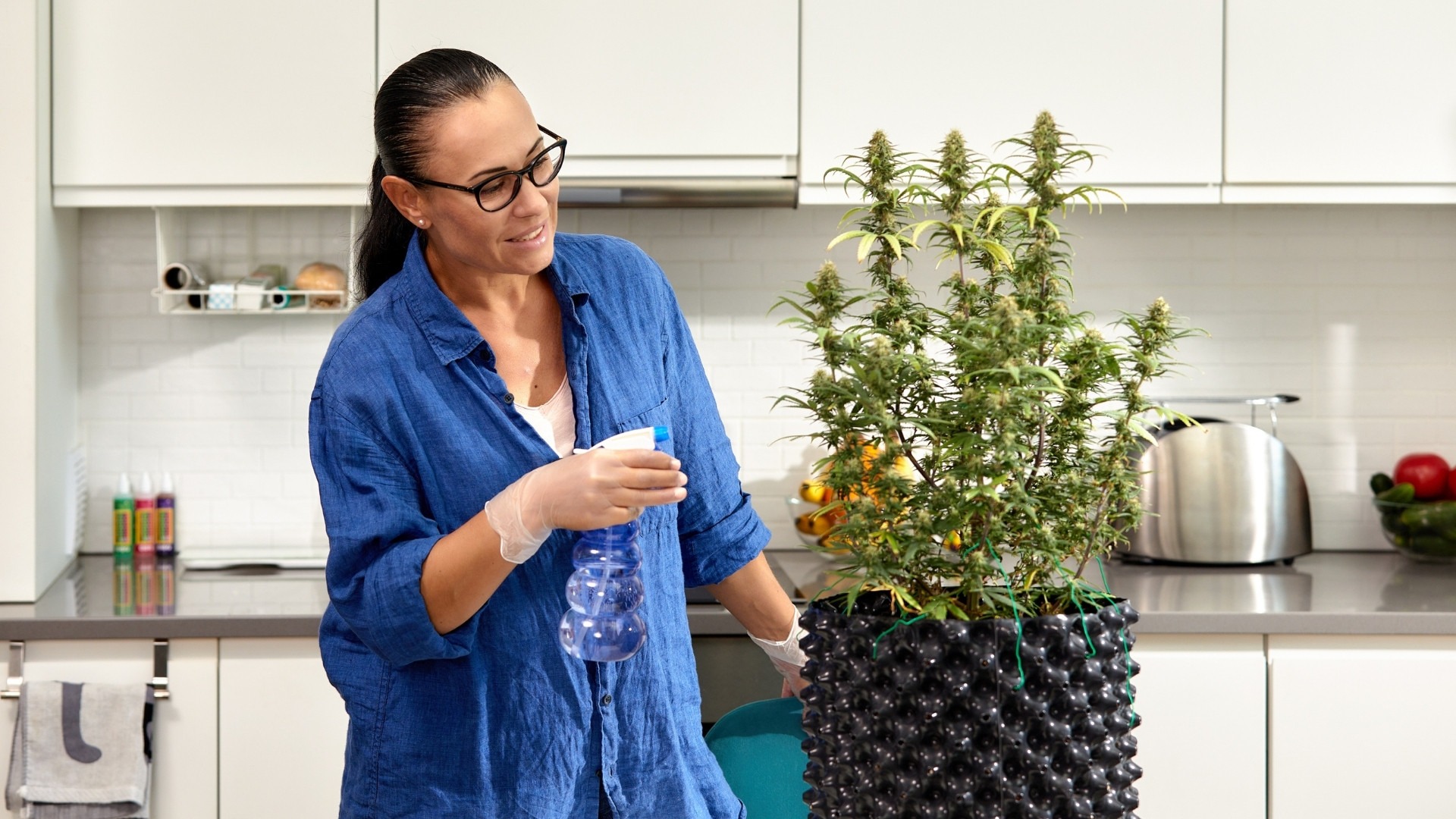
Watering cannabis effectively is not just about giving plants enough moisture. The method, timing, and consistency of irrigation can directly influence root health, nutrient uptake, and overall plant performance.
Cultivators who refine their watering approach with these strategies often see stronger growth and more stable yields:
1. Water Slowly to Fully Saturate the Root Zone
Fast watering often causes water to run through the medium before roots can absorb it. Slow irrigation allows moisture to spread evenly and reach deeper roots. This supports stronger root development and more stable plant growth.
Growers can apply this approach in several ways:
- Pour water gradually around the entire base of the plant
- Pause briefly during watering to allow absorption
- Ensure a small amount of runoff to confirm full saturation
- Avoid dumping large amounts of water all at once
2. Allow the Growing Medium to Partially Dry
Roots need oxygen as much as they need water. Allowing the medium to dry slightly between watering helps prevent root stress and encourages stronger root systems. Overly wet conditions can slow plant development and reduce nutrient uptake.
To apply this strategy effectively:
- Check the top layer of soil or coco before watering
- Lift containers to gauge moisture weight
- Monitor plant posture for early signs of thirst
- Avoid watering on a rigid schedule without checking the medium
3. Mix Water With Nutrients Properly
Watering and feeding often happen together in cannabis cultivation. Properly mixed nutrient solutions help plants absorb essential elements while maintaining root health. Poor mixing or incorrect concentrations can quickly stress plants.
Growers can manage this by following a few steps:
- Measure nutrients carefully according to the growth stage
- Adjust pH after mixing nutrients
- Stir or circulate the solution thoroughly
- Apply nutrient solution evenly across the root zone
Further Insight: Monitoring and Understanding Water pH and EC for Cannabis Cultivation
4. Adjust Irrigation Based on Environment
Environmental conditions influence how quickly plants use water. Temperature, airflow, and humidity can all change irrigation needs from day to day. Successful growers regularly adjust watering practices as conditions shift.
This can be done through simple observations:
- Increase watering during hot or dry periods
- Reduce frequency in cooler or humid conditions
- Monitor how quickly containers dry out
- Track plant growth changes during environmental shifts
5. Maintain Consistent Irrigation Timing
Consistency helps plants develop predictable growth patterns. Sudden changes in watering routines can stress roots and slow development. Establishing a steady irrigation rhythm improves plant stability across the growing cycle.
Cultivators often maintain consistency by doing the following:
- Water at similar times each day when possible
- Align irrigation with lighting schedules
- Coordinate watering tasks across team members
- Document changes during different growth stages
Even with strong watering practices, plants can still show signs when something is off. Learning to recognize those signals early helps cultivators correct irrigation problems before yields are affected.
Suggested Read: Simple Guide on How to Do Water Curing of Weed
Signs Your Marijuana Plants Are Under Water Stress
Cannabis plants usually show visible changes when they are not receiving enough water. These signals often appear in the leaves, growth rate, and overall plant posture.
Recognizing these signs early allows cultivators to correct irrigation before the problem affects yield:
- Drooping Leaves: Leaves may appear limp or hang downward when plants are struggling to maintain moisture.
- Dry or Lightweight Growing Medium: Soil or coco that feels very dry or containers that feel unusually light often indicate the plant needs water.
- Leaf Curling or Folding: Leaves may curl inward as the plant tries to conserve moisture.
- Slowed Growth: Plants under water stress often pause development or show noticeably slower growth.
- Dull or Faded Leaf Color: Leaves can lose their healthy vibrancy when the plant is not adequately hydrated.
- Reduced Bud Development: During flowering, insufficient water can limit bud expansion and maturation.
Of course, underwatering is only one side of the problem. Many yield losses actually come from common irrigation mistakes that growers do not immediately notice.
Suggested Read: Understanding Water pH Levels for Growing Autoflowering Cannabis
Watering Mistakes That Quietly Reduce Yield
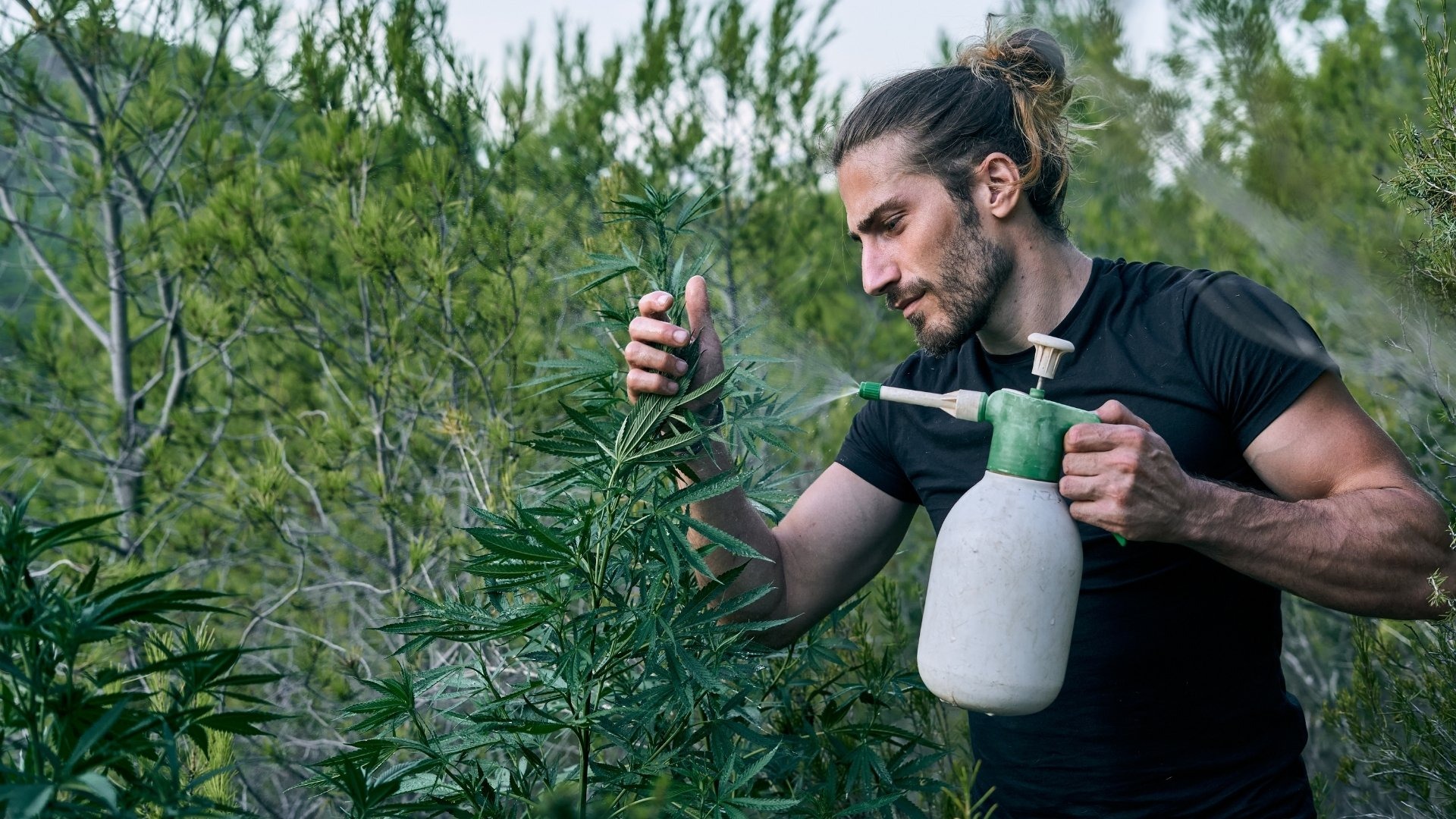
Weed plants usually continue growing while hidden stress develops in the root zone. Small irrigation mistakes can slow development, reduce nutrient uptake, and ultimately affect final yield.
Table showing common watering mistakes:
Avoiding these issues often comes down to paying closer attention to plant signals and irrigation routines. Small adjustments can make a noticeable difference in plant stability and yield potential:
- Check Moisture Before Watering: Use touch, container weight, or sensors to confirm plants actually need water.
- Water Evenly Across the Medium: Ensure the entire root zone receives moisture rather than only one area.
- Adjust Volume as Plants Grow: Larger plants require more water and different irrigation timing.
- Monitor Runoff: Light runoff helps confirm the medium is fully saturated.
- Track Patterns Across Crops: Observing trends across cycles helps refine watering practices.
PlanaCan helps growers coordinate irrigation across the entire cultivation cycle. With its interactive cultivation calendar, teams can plan watering schedules alongside feeding, inspections, and other crop tasks. Book a free trial.
Best Practices for Effective Irrigation in Commercial Cannabis Operations
In commercial cannabis cultivation, irrigation must remain consistent across large numbers of plants and multiple grow rooms. Establishing clear irrigation practices helps teams maintain stable plant health throughout the cultivation cycle.
Best practices include:
- Standardize Watering Procedures: Create clear guidelines for how much water plants receive and when irrigation should occur.
- Schedule Irrigation Carefully: Plan watering times so plants receive moisture consistently throughout their growth stages.
- Monitor the Root Zone Regularly: Check moisture levels, drainage, and medium conditions to ensure roots are not stressed.
- Document Plant Response: Recording how plants react to irrigation changes helps refine watering strategies over time.
- Align Staff Tasks: Make sure team members follow the same irrigation process across rooms and crop cycles.
- Maintain Consistency Across the Grow: Keeping watering routines stable helps prevent plant stress and uneven development.
- Maintain Irrigation Equipment: Regularly inspect pumps, lines, and timers to prevent unexpected disruptions.
As cultivation facilities grow larger, maintaining this level of coordination manually becomes more challenging. This is where technology begins to play a larger role in helping growers organize irrigation and daily cultivation work.
Suggested Read: Importance of Water Filtration in the Cannabis Growing Process
Manage Watering Schedules Effectively with PlanaCan

PlanaCan is a cannabis cultivation management platform built to help growers organize daily operations and keep crop care consistent. Instead of managing irrigation through scattered notes or memory, teams can coordinate schedules, observations, and tasks in one place.
The following features make it easier to keep watering routines aligned across rooms and growth stages:
- Organize Irrigation Work Across the Grow: Cultivation teams can automate work by structuring recurring irrigation tasks so nothing is missed during busy grow cycles.
- Plan Watering Using a Centralized Calendar: With built-in schedule management, growers can map irrigation alongside feeding, inspections, and other plant care activities.
- Keep Teams Connected During Daily Operations: Staff can record updates, share notes, and stay aligned through centralized communications and mobile access on iOS and Android.
- Track Irrigation Results Over Time: Cultivators can review plant performance through analytics to see how watering decisions influence crop outcomes.
- Repeat Proven Irrigation Workflows: Facilities can build templates that support standardized SOPs and help teams follow consistent watering practices.
PlanaCan is designed specifically for growers who want clearer control over their operations. The platform continues to improve as cultivation practices and technology change. Everything is built around helping growers run more organized and efficient grows.
Conclusion
Poor watering practices can quietly undermine an otherwise healthy cannabis crop. Overwatering, inconsistent irrigation, or ignoring plant signals can stress roots, slow growth, and reduce final yields. When these issues repeat across a facility, the impact on production becomes significant.
PlanaCan helps cultivators bring structure to irrigation and daily crop management. With organized schedules, clear team coordination, and improved visibility into plant care, growers can maintain consistent watering routines across the entire operation.
Start building a more organized operation today. Schedule a free call today.
Frequently Asked Questions
1. How much water does a cannabis plant need per day?
Water needs vary by plant size, container, and environment. Small plants may need a few hundred milliliters, while mature plants can require several liters during active growth.
2. How do you know when cannabis plants need water?
Growers usually check the growing medium, container weight, and leaf posture. Dry soil, lighter pots, and slightly drooping leaves often signal it is time to irrigate.
3. Is it better to water cannabis in the morning or at night?
Many cultivators water when the lights turn on in indoor grows or early morning outdoors. This helps plants absorb moisture during their most active growth period.
4. Can overwatering damage cannabis plants?
Yes. Too much water reduces oxygen in the root zone, which can slow growth, weaken roots, and increase the risk of disease.
5. Is watering cannabis different indoors and outdoors?
Indoor watering is usually more consistent because conditions are controlled. Outdoor plants often require adjustments based on temperature, sunlight, rainfall, and wind.