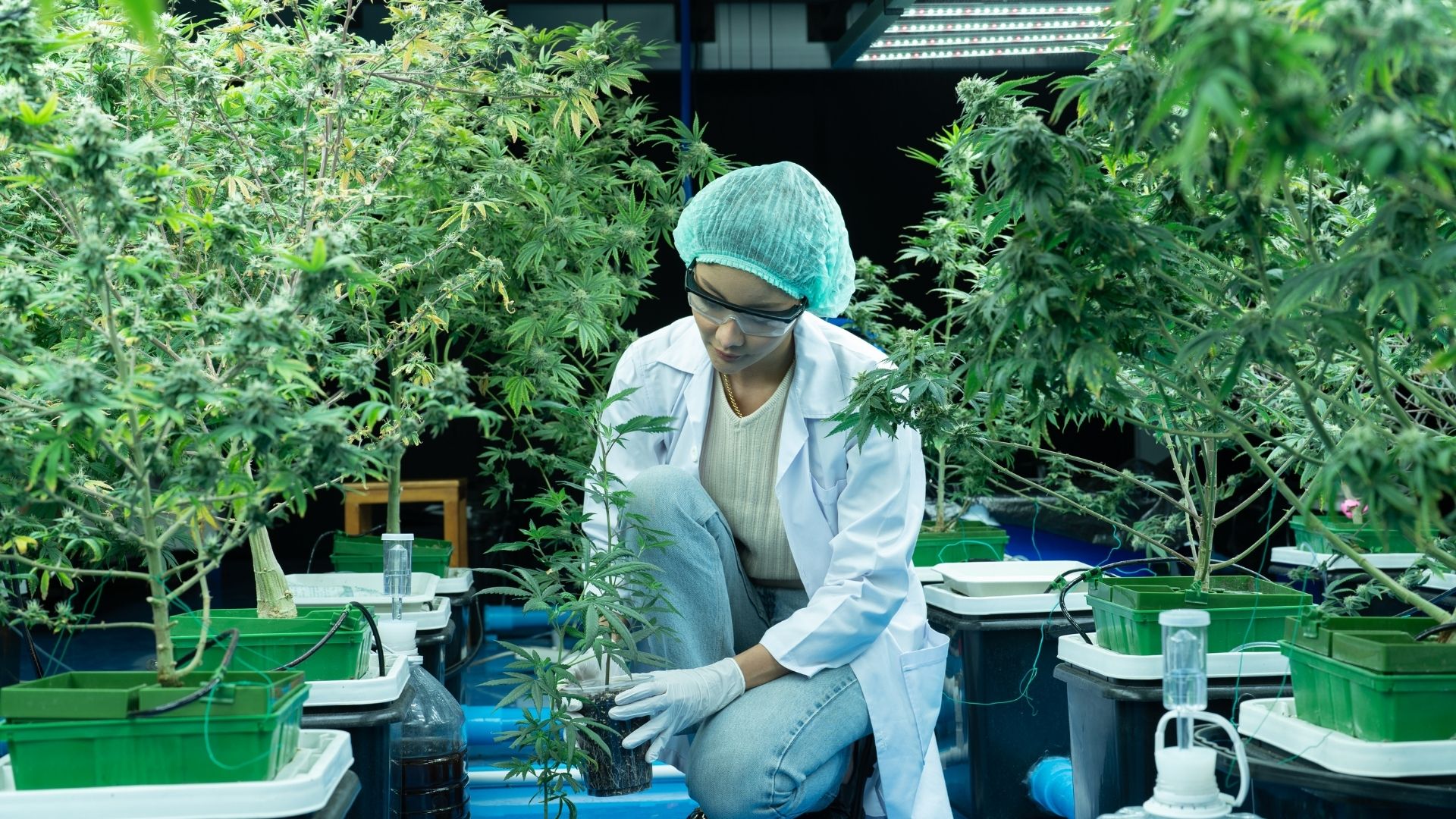
Commercial growers know the frustration of watching hard-earned crops weaken or lose value because of pest infestations. According to the Food and Agriculture Organization of the United Nations, plant pests and diseases destroy up to 40% of global crop production each year, drastically reducing yield potential and economic return.
Cannabis bugs are especially problematic because they often go unnoticed until infestations are advanced and spread rapidly in indoor environments. In this guide, we break down the most common bugs on pot plants, the signs of infestation, underlying causes, and proven control methods to protect plant health and maximize yield.
Quick look:
- Early signs appear before visible insects. Leaf stippling, sticky residue, webbing, and distorted growth often signal pest activity before infestations become severe.
- Environmental and sanitation gaps cause outbreaks. High humidity, poor airflow, overwatering, and contaminated clones commonly trigger infestations in commercial grows.
- Effective control combines multiple methods. Environmental adjustments, biological predators, and targeted treatments work best when used within a structured IPM strategy.
- Technology strengthens prevention consistency. Centralized scheduling and task tracking improve scouting discipline and reduce missed inspections across rooms.
- Rapid response protects yield and compliance. Early detection and documented workflows prevent minor pest issues from escalating into facility-wide financial losses.
Why Are Cannabis Bugs a Serious Risk to Yield and Quality?
Insects on weed plants are not just a nuisance. In commercial cultivation, even minor infestations can escalate quickly and compromise entire rooms. Pests can reduce yield, damage flower quality, and create compliance risks before growers react.
The primary risks include:
- Reduced Photosynthesis: Many cannabis bugs feed on leaf tissue or plant sap. This weakens photosynthetic capacity and slows overall growth. Reduced energy production directly limits flower development.
- Lower Flower Density and Weight: Stressed plants divert energy toward survival instead of bud formation. Infestations during flowering often lead to smaller, less dense colas. Yield losses can compound across harvest cycles.
- Increased Mold and Secondary Infections: Some bugs on pot plants leave behind honeydew or create micro-damage in plant tissue. This increases the likelihood of mold growth and pathogen entry. Quality and compliance risks rise significantly.
- Rapid Spread Across Rooms: Indoor airflow systems and staff movement can transfer pests quickly. What begins in one zone can spread facility-wide. Containment becomes more difficult over time.
- Failed Testing and Financial Loss: Severe infestations can result in contaminated batches. This may lead to product destruction or failed regulatory inspections. The financial impact can extend beyond a single harvest.
Even experienced growers underestimate how quickly cannabis pests can escalate. To protect yield and quality, you need to know exactly which insects are most likely to invade commercial cannabis facilities and how they behave in different growing environments.
Suggested Read: Diagnosing Common Cannabis Leaf Symptoms and Plant Problems
7 Bugs Found in Commercial Cannabis Grows (Indoor and Outdoor)

Insect pressure on cannabis varies by environment. Indoor grows often deal with rapid reproduction and controlled-climate infestations, while outdoor cultivation faces broader environmental exposure. Knowing which weed bugs are most common helps growers act quickly and strategically.
Commonly found insects on cannabis include:
1. Spider Mites (Indoor)
Spider mites are one of the most destructive indoor cannabis pests. They reproduce rapidly in warm, dry environments and can spread across rooms within days.
Watch for these common indicators:
- Fine webbing between nodes and leaves
- Tiny white or yellow speckles on leaf surfaces
- Rapid leaf discoloration and decline
- Infestation spreading from the lower foliage upward
2. Fungus Gnats (Indoor)
Fungus gnats thrive in moist growing media and are common in overwatered facilities. While adults are mostly a nuisance, larvae damage root systems and stunt growth.
Signs of fungus gnat presence include:
- Small black flies are hovering near the soil
- Larvae are visible in the topsoil
- Slowed vegetative growth
- Root stress without nutrient imbalance
3. Thrips (Indoor)
Thrips feed by scraping plant tissue and sucking out cellular contents. They are difficult to detect early and often spread through shared airflow systems.
Growers typically notice:
- Silvery streaks or scarring on leaves
- Black specks of excrement
- Distorted new growth
- Gradual loss of leaf vigor
4. Aphids (Indoor and Outdoor)
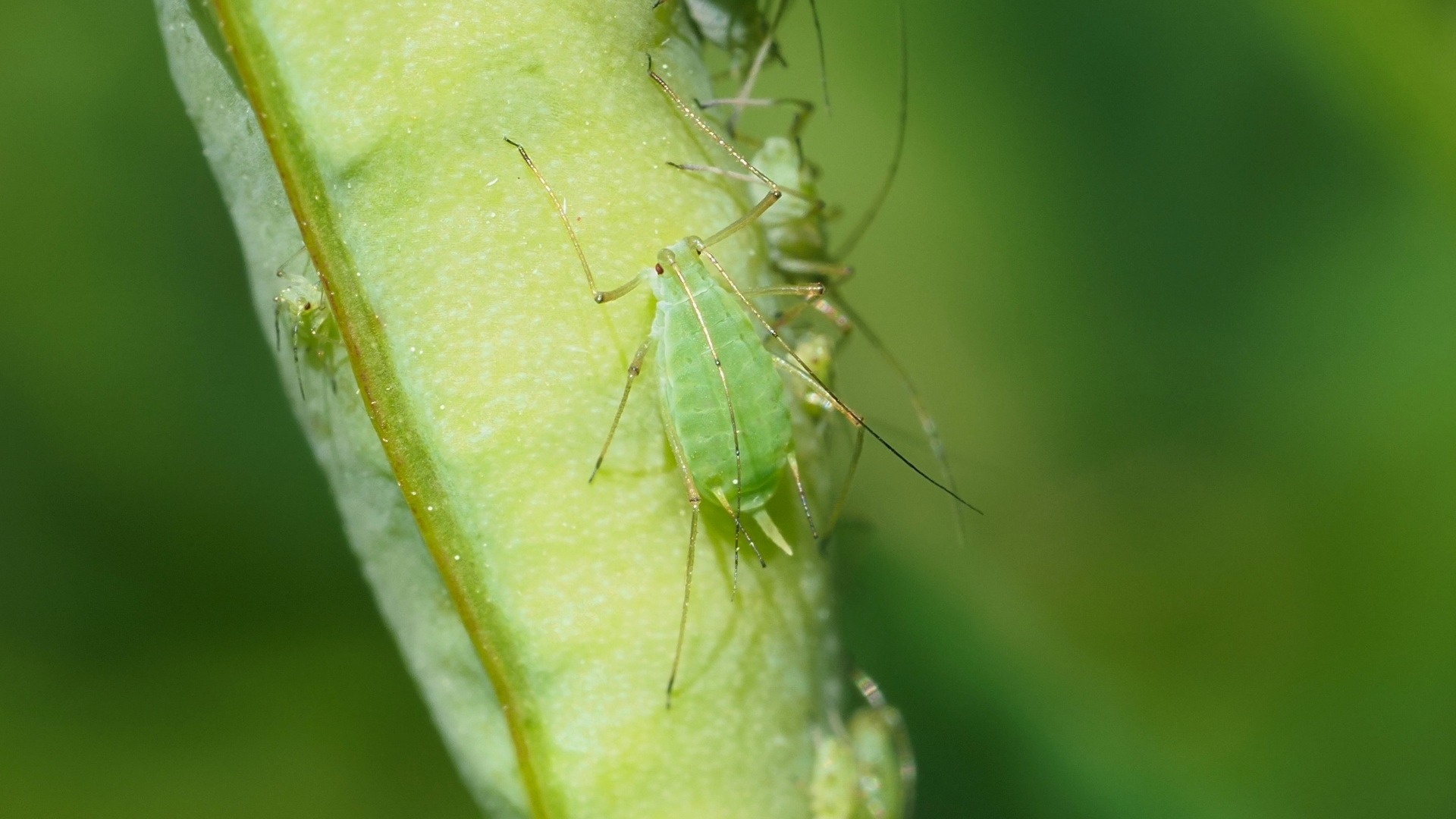
Aphids feed on plant sap and reproduce quickly in both indoor and outdoor environments. They form colonies that weaken plants and produce honeydew, which attracts mold.
Look for:
- Clusters of small insects on stems or leaf undersides
- Sticky residue on foliage
- Curling or yellowing leaves
- Presence of ants outdoors
5. Whiteflies (Indoor and Outdoor)
Whiteflies infest the underside of leaves and disperse when disturbed. They weaken plants by feeding continuously and can multiply rapidly in warm conditions.
Common warning signs include:
- Small white insects fly when plants are shaken
- Yellowing leaves
- Sticky leaf surfaces
- Declining plant vigor
6. Caterpillars (Outdoor)
Caterpillars pose a major threat to outdoor cannabis, especially during flowering. They bore into buds, causing internal damage and increasing mold risk.
Growers often detect:
- Holes in leaves or buds
- Visible droppings on foliage
- Premature bud decay
- Mold is developing inside the flowers
7. Leafhoppers (Outdoor)
Leafhoppers feed on plant sap and transmit diseases. They are highly mobile and can move between plants quickly in outdoor environments.
Indicators include:
- Yellowing or stippling on leaves
- Reduced plant vigor
- Visible insects jump when disturbed
- Irregular leaf damage patterns
Identifying the specific bugs on the weed is only part of the equation. The next step is recognizing the early warning signs that signal an infestation before it spreads across your facility.
Suggested Read: Essential Tips to Maintain Healthy Cannabis Plant Growth
Early Signs of Cannabis Pest Infestation

Most infestations begin with subtle plant changes that are easy to overlook during busy cultivation cycles. Catching these signals early can prevent room-wide spread and significant yield loss.
Table showing different signs of bugs on pot plants:
These signs often appear before full infestations are visible. Acting during this early window significantly reduces treatment intensity and crop loss.
Pay close attention to:
- Undersides of leaves during routine checks
- Lower canopy foliage where infestations begin
- Unexplained leaf discoloration
- Increased insect activity near growing media
- Patterned damage across sections of a room
Consistent monitoring is what separates contained outbreaks from facility-wide infestations.
PlanaCan helps cultivation teams schedule and document routine scouting tasks, ensuring inspections are not missed during busy cycles. Structured workflows improve accountability and reduce the chance that subtle warning signs go unnoticed. Book a free demo.
What Causes Insect Infestations in Cannabis Plants?
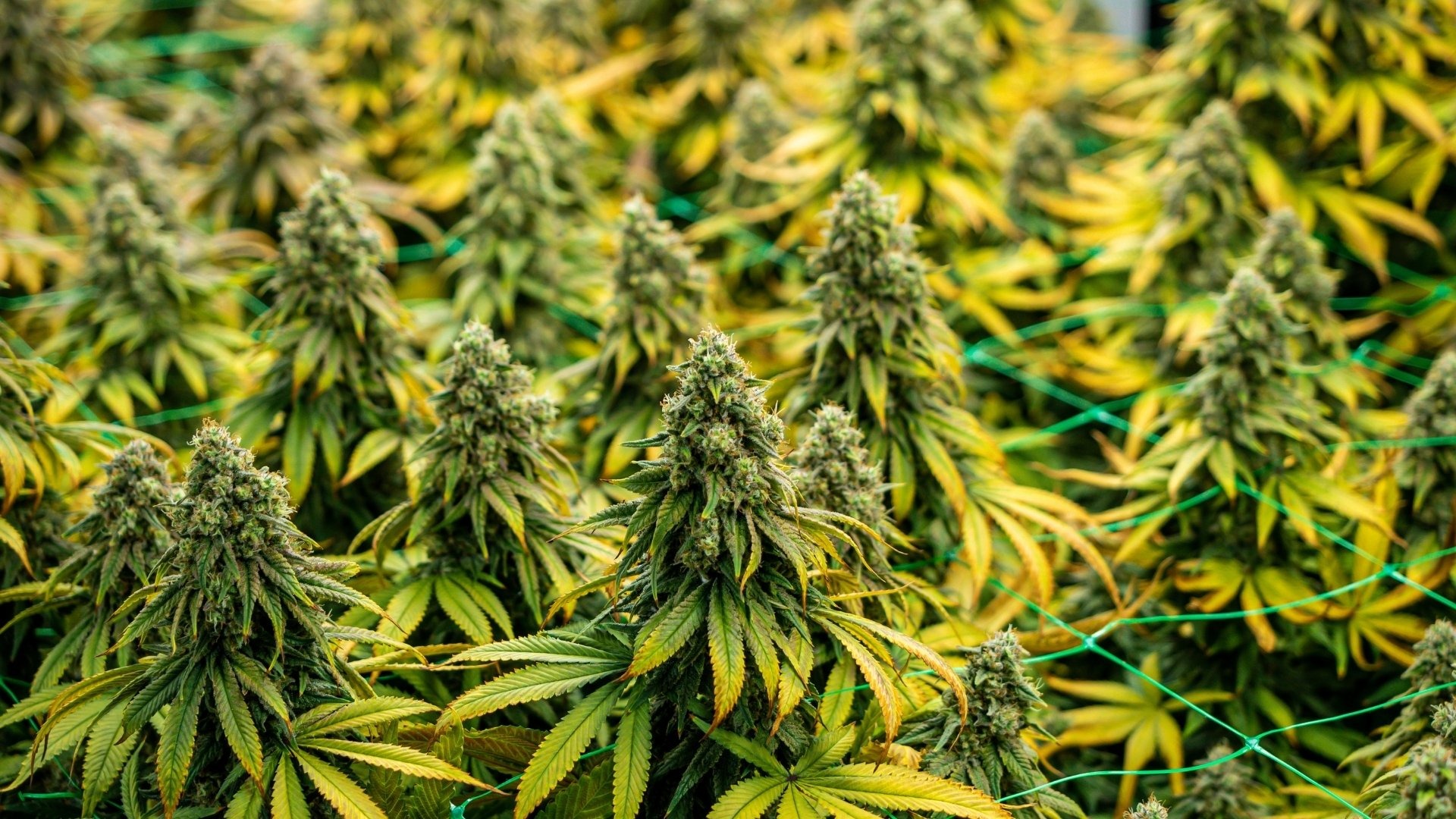
Cannabis bugs rarely happen by accident. Identifying root causes helps prevent recurring pest cycles and reduces reliance on reactive treatments.
These are the typical causes for cannabis pests:
1. Environmental Imbalances
Common environmental triggers include:
- High humidity levels
- Poor airflow circulation
- Overcrowded plant spacing
- Warm, stagnant air zones
- Excessive moisture in the media
2. Sanitation Gaps
Sanitation breakdowns often involve:
- Infrequent room cleaning
- Contaminated tools or equipment
- Staff movement between rooms
- Unclean intake areas
- Organic debris buildup
3. Incoming Plant Contamination
External introduction risks include:
- Infected clones
- Uninspected mother plants
- Shared transport containers
- Vendor-sourced plant material
- Lack of quarantine protocols
4. Overwatering and Media Issues
Media-related causes often include:
- Constantly wet substrate
- Poor drainage systems
- Standing water in trays
- Inconsistent irrigation cycles
- High organic matter buildup
The next section explores effective control methods for insects on weed plants and how to manage infestations safely and efficiently.
Suggested Read: Causes and Fixes for Slow Cannabis Plant Growth
Control Methods for Insects on Weed Plants
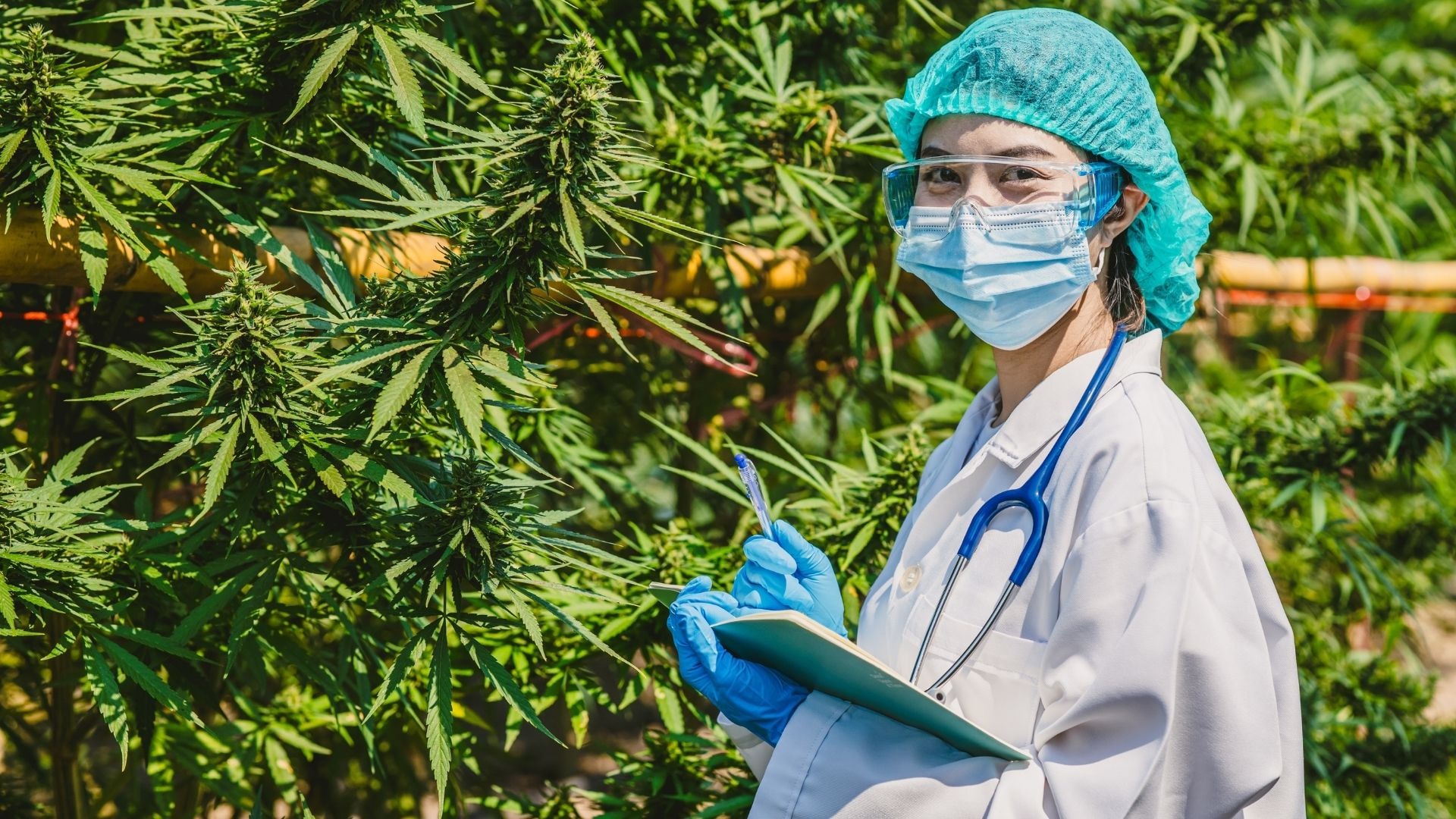
Once insects are confirmed, response speed and precision matter. The goal is to suppress populations without stressing plants or compromising flower quality.
These are a few effective control measures for cannabis bugs:
1. Space Controls
Environmental adjustments reduce pest reproduction and slow population spread.
Implement by:
- Lowering humidity to disrupt mite and mold-friendly conditions
- Increasing airflow across the canopy and under the benches
- Adjusting irrigation schedules to reduce excess moisture
- Removing heavily infested plant material immediately
- Isolating affected rooms or zones
Pro Tip: Dense cultivars like Gorilla Glue #4 and Gorilla Cookies trap humidity within thick canopies. Increase airflow around heavy indica-leaning strains to reduce pest-friendly microclimates.
2. Biological Controls
Beneficial insects introduce natural predators that suppress pest populations safely.
Implement by:
- Releasing predatory mites for spider mite control
- Introducing nematodes for fungus gnat larvae
- Using lady beetles for aphid management
- Scheduling preventative releases during early veg
- Monitoring predator-to-pest ratios
Pro Tip: Strains with large leaf surface areas like Gorilla Zkittlez or broad-leaf indicas often require higher predator density due to increased feeding surfaces.
3. Organic and Contact Treatments
Targeted sprays help reduce active pest populations when used carefully.
Implement by:
- Applying insecticidal soaps during lights-off periods
- Rotating treatment types to avoid resistance
- Avoiding late-flower heavy applications
- Ensuring full underside leaf coverage
- Following label compliance requirements
Pro Tip: Resin-heavy strains such as Gorilla Glue or high-trichome hybrids can retain spray residue. Always test treatments on a small section before full application.
4. Integrated Pest Management (IPM)
IPM combines monitoring, prevention, and targeted intervention into a structured system.
Implement by:
- Scheduling routine scouting inspections
- Using sticky traps to monitor populations
- Documenting pest thresholds before treatment
- Establishing action triggers per growth stage
- Reviewing the infestation history by room
Pro Tip: Fast-growing sativa-leaning strains like Super Silver Haze may require more frequent inspections due to rapid canopy expansion.
PlanaCan helps growers schedule scouting, predator releases, and treatment cycles through structured task management. With centralized tracking, managers can monitor when interventions occur and evaluate effectiveness across harvests. Learn more.
Preventing Cannabis Bugs Through Structured Monitoring
Most large-scale infestations begin as minor, unnoticed issues that escalate over time. Structured monitoring ensures pests are detected early, contained quickly, and prevented from spreading across rooms.
Effective monitoring includes:
- Scheduled Scouting Routines: Inspect plants at consistent intervals rather than randomly. Routine checks reduce the chance of missing early warning signs. Consistency improves detection accuracy.
- Sticky Trap Placement and Tracking: Position traps in multiple canopy zones and near entry points. Record insect counts regularly to identify population trends. Sudden increases signal emerging infestations.
- Room-Specific Inspection Logs: Document findings by room or growth stage. Pattern tracking helps identify recurring pressure areas. This improves the long-term prevention strategy.
- Quarantine Protocols for Incoming Plants: Isolate new clones or mother plants before integrating them into the grow. Early inspection prevents introducing pests facility-wide. Controlled intake reduces contamination risk.
- Sanitation Checklists: Standardize cleaning procedures for tools, floors, and workspaces. Accountability reduces human-related pest transfer. Clean environments limit breeding opportunities.
Structured monitoring becomes harder as cultivation facilities scale and teams expand. Technology helps centralize inspection schedules, documentation, and accountability across rooms and cycles.
Suggested Read: How Much Cannabis Can One Plant Typically Yield?
Reducing Pest Risk with Structured Workflows in PlanaCan

PlanaCan is a cultivation management platform built for commercial cannabis growers who need operational visibility and execution control. It centralizes planning, task management, communication, and performance tracking into one structured system.
When pest prevention depends on consistency, structured workflows reduce gaps that allow infestations to spread. Our core features include:
- Automated Planning: Schedule routine scouting, sanitation cycles, and IPM interventions in advance. Align pest prevention with growth stages to reduce risk during vulnerable phases. Forward planning prevents reactive treatment patterns.
- Schedule Management: Assign pest inspections and sanitation tasks to specific team members. Track completion status to ensure accountability. Missed inspections become visible immediately.
- Communication: Log pest observations and room-specific findings in real time. Keep cultivation teams aligned across shifts and facilities with iOS and Android apps. Reduce delays between detection and response.
- Analytics: Monitor pest patterns across harvest cycles. Identify recurring hotspots or seasonal pressure trends. Data-driven insights improve long-term prevention strategy.
- Workflow Standardization: Turn your IPM protocol into repeatable, documented workflows. Ensure every room follows the same prevention standards. Eliminate the inconsistency that allows pests to reappear.
When monitoring, treatment, and prevention become structured rather than reactive, pest pressure decreases significantly. PlanaCan helps growers move from scattered checklists to centralized operational control. For commercial facilities that cannot afford crop loss, that level of structure makes a measurable difference.
Final Thoughts
Pest issues rarely stay small for long. What begins as minor leaf damage can escalate into yield loss, mold contamination, failed testing, and destroyed batches. In commercial cultivation, delayed responses and inconsistent monitoring create financial risks that compound across harvest cycles.
PlanaCan helps growers bring structure and accountability to pest prevention and IPM execution. By centralizing planning, task tracking, and documentation, it reduces gaps that allow cannabis bugs to spread unnoticed. When workflows are consistent, pest pressure becomes manageable instead of reactive.
Protect your yield before pests impact your bottom line. Schedule a free call today.
Frequently Asked Questions
1. What kills cannabis aphids?
Cannabis aphids can be controlled using insecticidal soaps, neem-based treatments, or biological controls like lady beetles and parasitic wasps. Early detection and repeated monitoring are essential in commercial grows.
2. What are the most common cannabis bugs in commercial grows?
Spider mites, fungus gnats, thrips, aphids, whiteflies, caterpillars, and leafhoppers are the most common. Each affects plant health differently and requires targeted control strategies.
3. How do cannabis bugs spread indoors?
Cannabis bugs spread through contaminated clones, shared tools, staff movement, and airflow systems. Without quarantine and sanitation protocols, infestations can move rapidly across rooms.
4. Can cannabis bugs reduce yield significantly?
Yes. Pest infestations reduce photosynthesis, stress plants, increase mold risk, and weaken flower development. Severe outbreaks can lead to measurable yield loss and quality degradation.
5. What is the best prevention method for cannabis bugs?
Structured monitoring, environmental control, sanitation protocols, and integrated pest management are the most effective prevention strategies for commercial cultivation facilities.