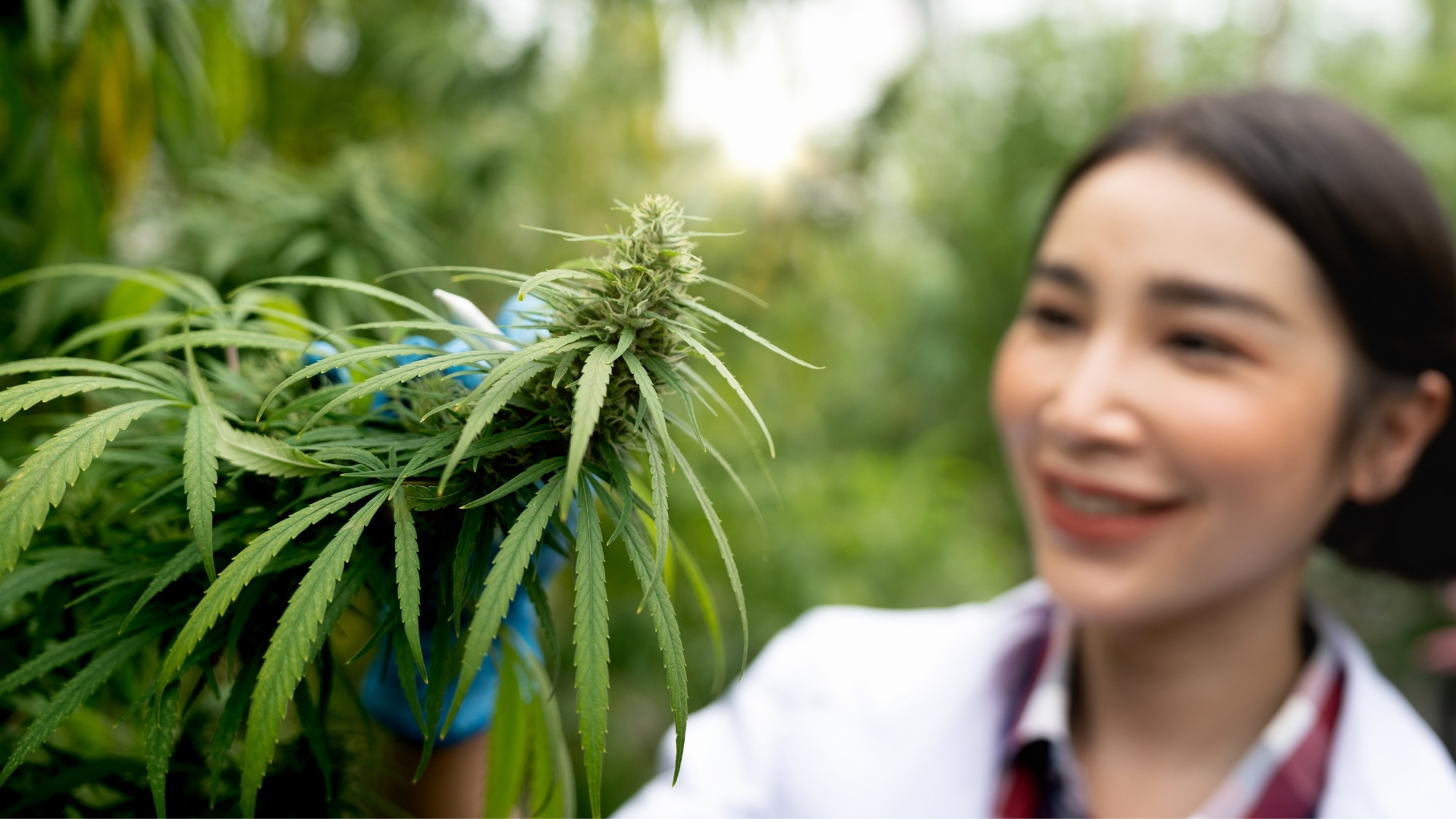
A single unnoticed spot on a cannabis leaf can quietly escalate into a full-scale crop issue. In commercial cultivation, that risk compounds fast, especially when teams rely on inconsistent monitoring or manual tracking.
Research from the Food and Agriculture Organization estimates that plant diseases account for up to 40% of global crop losses annually, highlighting the cost of delayed detection.
For hemp growers, the stakes are even higher due to tight margins and quality demands. If you have faced sudden yield drops or unexplained plant stress, you are not alone. In this article, we break down how to identify, prevent, and systematically manage hemp leaf diseases at scale.
A quick snapshot:
- Hemp leaf diseases can escalate quickly. In commercial environments, even minor symptoms can spread across rooms and batches, leading to significant yield and quality loss if not addressed early.
- Common diseases depend on conditions. Issues like powdery mildew or septoria are often tied to humidity, airflow, and regional climate, making environmental control critical for prevention.
- Early warning signs extend beyond leaves. Discoloration, stunted growth, uneven canopy development, and reduced plant vigor often indicate deeper problems before visible disease fully develops.
- Prevention requires structured execution. Consistent inspections, sanitation, and task accountability are essential, as gaps in daily operations are a primary cause of outbreaks.
- System-driven cultivation improves control. Using technology to standardize workflows, track tasks, and monitor crop health helps reduce risk and maintain consistency at scale.
What Causes Hemp Leaf Diseases in Commercial Grows
Hemp leaf diseases rarely appear without warning. In most cases, they are the result of controllable environmental and operational gaps that compound over time in commercial setups.
These are the top reasons:
- Environmental Imbalance: Excess humidity, temperature fluctuations, and poor airflow create ideal conditions for fungal and bacterial growth.
- Overcrowding and Canopy Density: Limited spacing restricts air circulation, allowing moisture to linger on leaves.
- Inconsistent Irrigation Practices: Overwatering or irregular watering weakens plant defenses and encourages pathogen development.
- Contaminated Tools and Surfaces: Unclean equipment and grow areas can introduce and spread disease across batches.
- Lack of Standardized SOPs: Without consistent processes, inspections, treatments, and preventive measures are often missed.
To manage them effectively, you first need to understand the specific threats you are dealing with. In the next section, we break down the most common leaf diseases affecting cannabis crops in the US and how to recognize them early.
Suggested Read: Diagnosing Common Cannabis Leaf Symptoms and Plant Problems
Common Cannabis Leaf Diseases Growers Must Watch For in the US
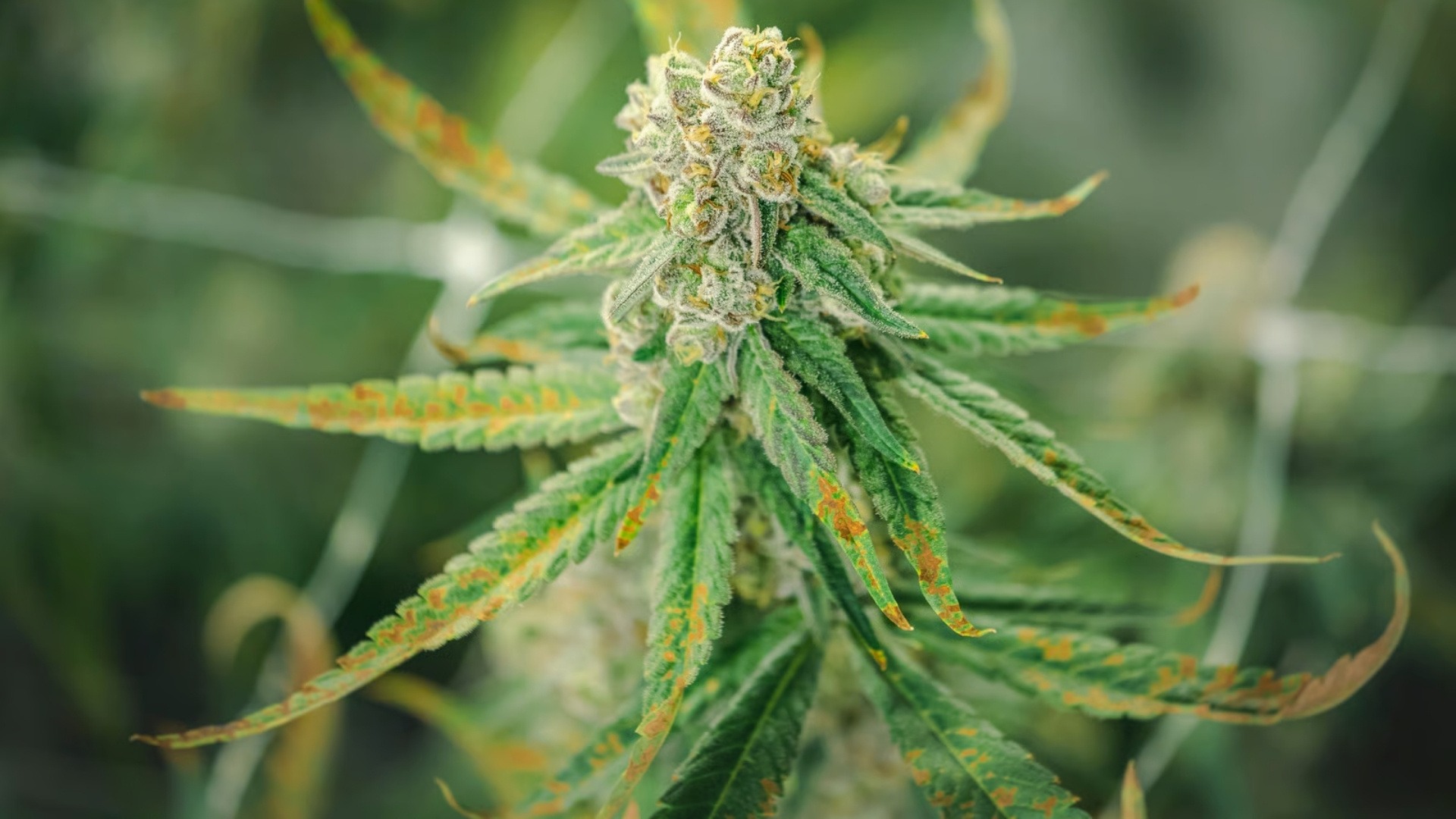
Regional climate conditions often influence which diseases are more prevalent, making early recognition even more critical for large-scale operations.
Top leaf diseases include:
1. Powdery Mildew
A common fungal disease that appears as white, powder-like patches on leaves and stems. It is especially prevalent in coastal and humid regions like California and the Pacific Northwest, where airflow challenges and moisture create ideal conditions.
These are the early signs growers should look for before the infection spreads further:
- White, dusty coating on leaf surfaces
- Leaves appearing dull or chalky
- Gradual spread across nearby plants
2. Leaf Septoria (Yellow Leaf Spot)
This fungal disease typically starts on lower leaves and progresses upward if untreated. It is more commonly seen outdoors, and greenhouses grow in the Midwest and Northeast, where seasonal humidity and rainfall contribute to its spread.
These are the early signs growers should look for before the infection spreads further:
- Yellow spots that turn into brown spots with defined edges
- Spots concentrated on the lower foliage
- Premature leaf drop in affected areas
3. Botrytis (Gray Mold)
Botrytis develops in moist, humid conditions and can affect both leaves and buds. It is particularly prevalent in regions with high humidity and cooler temperatures, such as Oregon and Northern California, especially during flowering stages.
These are the early signs growers should look for before the infection spreads further:
- Gray, fuzzy mold on leaves or plant tissue
- Soft, decaying spots on leaves
- Rapid spread in dense, humid areas
4. Downy Mildew
Unlike powdery mildew, this disease grows on the underside of leaves and is harder to detect early. It tends to appear more frequently in humid environments like the Southeast US, where warm temperatures and moisture accelerate its spread.
These are the early signs growers should look for before the infection spreads further:
- Yellow or pale patches on the upper leaf surface
- Gray or purplish mold underneath leaves
- Leaf curling or distortion over time
5. Cercospora Leaf Spot
Cercospora leaf spot is a fungal disease that causes circular lesions and reduces overall plant vigor. It is more prevalent in warmer regions like the Southern US, where heat and humidity create favorable conditions for its development.
These are the early signs growers should look for before the infection spreads further:
- Small circular spots with gray or tan centers
- Dark or reddish borders around lesions
- Yellowing leaves that drop prematurely
Identifying these diseases early requires more than occasional checks. With PlanaCan, growers can schedule routine inspections, standardize monitoring workflows, and track issues across rooms in real time. This ensures that early symptoms are not missed and that corrective actions are applied consistently across the entire operation. Book a free demo.
Early Signs of Diseases in Cannabis Cultivation You Should Not Ignore
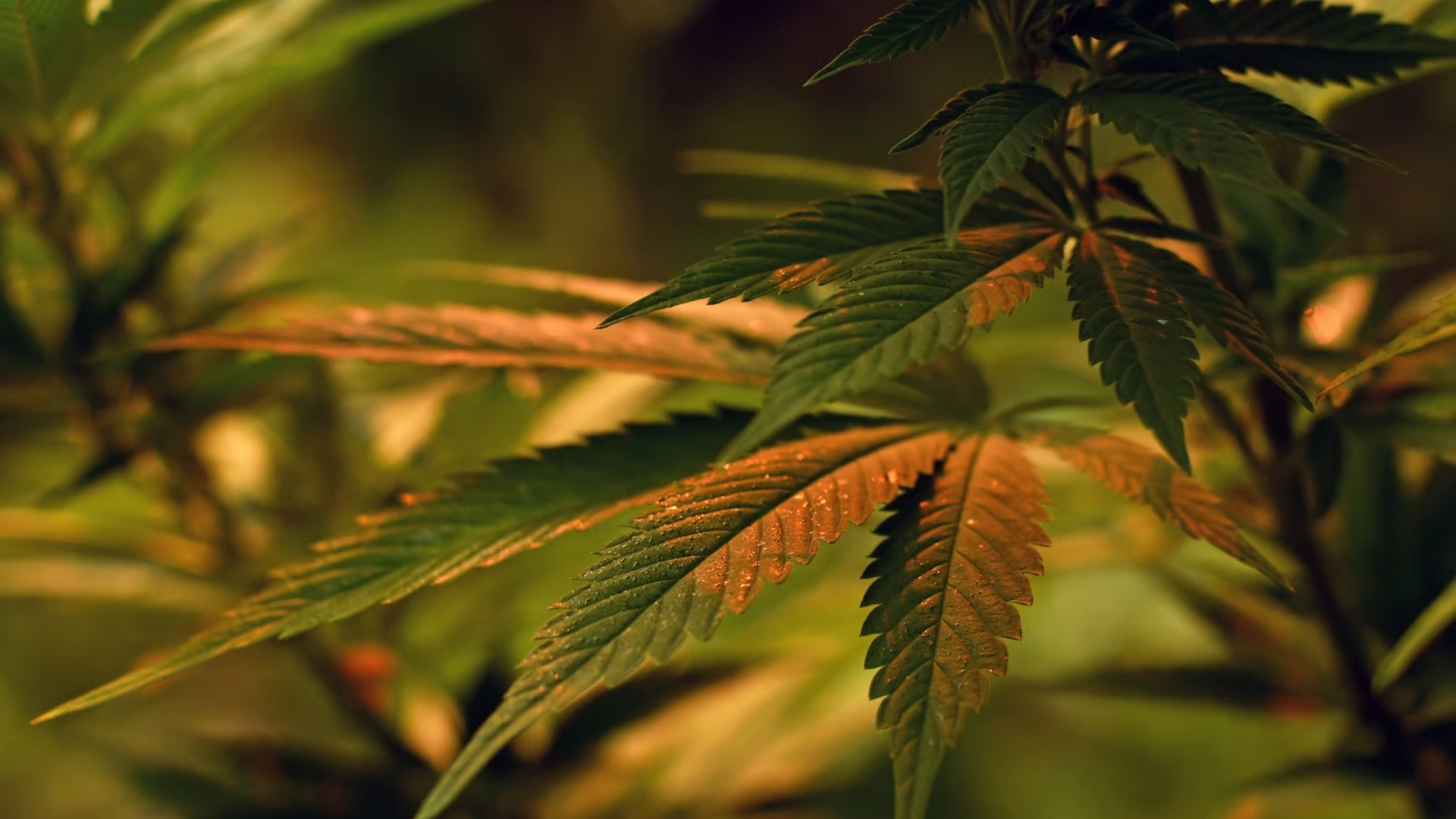
Plant diseases do not always follow a predictable pattern. While leaf symptoms are often the first visible indicators, issues can also show up in growth patterns, plant structure, or overall crop performance.
Early warning signs can extend beyond visible spots or discoloration on the leaves. Recognizing these broader signals helps you intervene before the problem spreads across your operation.
Warning signs include:
- Unusual Leaf Discoloration: Yellowing, browning, or uneven color patterns that do not match the growth stage.
- Leaf Curling or Distortion: Twisting, cupping, or misshapen leaves indicate stress or infection.
- Stunted Growth: Slower development in certain plants or batches compared to others.
- Wilting Despite Proper Watering: Plants appear weak even when irrigation is consistent.
- Uneven Canopy Development: Irregular height or density across plants in the same environment.
- Spots, Lesions, or Necrosis: Visible damage that expands over time.
- Sudden Drop in Plant Vigor: Loss of strength, resilience, or overall health.
- Mold or Fungal Presence Beyond Leaves: Growth on stems, buds, or soil surface.
These signs often appear before a full outbreak takes hold, making early response critical. To understand why these issues escalate so quickly, it is important to examine how diseases spread through cultivation environments. This is covered in the next section.
Suggested Read: Nutrient Burn in Cannabis - Everything You Need To Know
How Do Leaf Diseases Spread Across Commercial Cannabis Operations?
Leaf diseases rarely stay contained to a single plant. In commercial cannabis operations, interconnected workflows, shared environments, and team movement create multiple pathways for pathogens to spread quickly.
This is how diseases can spread across an entire cultivation:
- Human Movement Between Rooms: Staff can unintentionally carry spores on clothing, gloves, or tools.
- Shared Equipment: Scissors, trays, and carts can transfer pathogens across batches if not sanitized.
- Air Circulation Systems: HVAC systems can distribute spores across rooms, especially in indoor grows.
- Water and Irrigation Systems: Contaminated water sources can spread disease across multiple plants.
- High Plant Density: Close spacing allows diseases to move rapidly from one plant to another.
- Delayed Task Execution: Missed inspections or treatments allow infections to escalate unnoticed.
Because these spread pathways are built into daily operations, prevention requires more than reactive fixes. In the next section, we break down practical steps you can take to reduce risk and protect your crop at scale.
Suggested Read: How to Spot and Fix Potassium Deficiency in Cannabis Plants
Tips to Prevent Cannabis Leaf Diseases at Scale
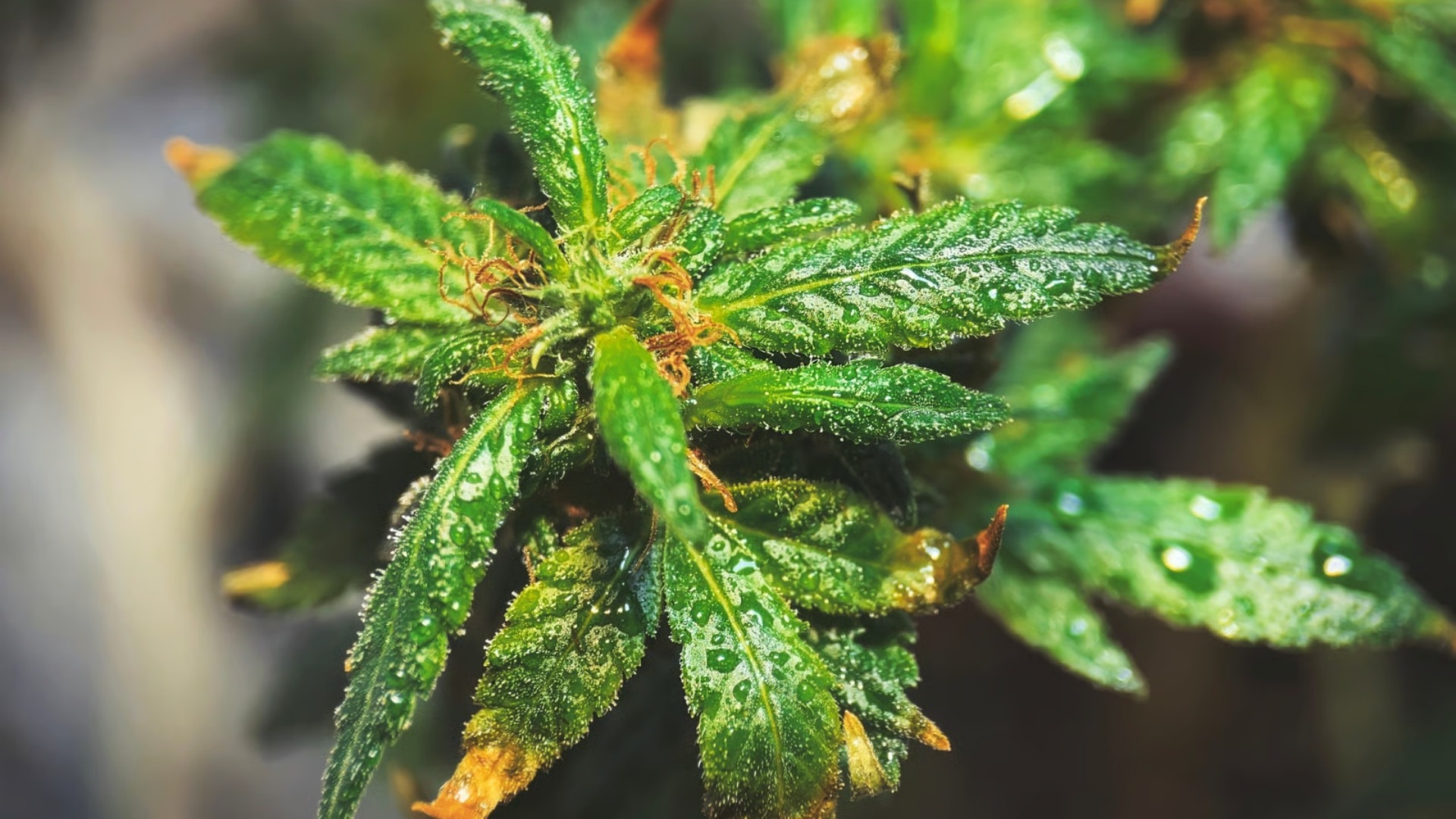
Preventing leaf diseases in commercial cannabis cultivation requires consistency, not just awareness. When operations scale, even small lapses in process or monitoring can create conditions for disease to spread rapidly.
Prevention tips include:
1. Maintain Environmental Control
The following practices help reduce conditions where diseases thrive:
- Monitor and regulate humidity levels
- Maintain consistent temperature ranges
- Ensure proper airflow across all grow areas
2. Standardize Sanitation Protocols
The following practices help minimize contamination risks:
- Clean and disinfect tools after each use
- Implement strict room entry protocols
- Regularly sanitize surfaces and equipment
3. Schedule Routine Inspections
The following practices ensure early detection:
- Conduct daily plant health checks
- Monitor high-risk zones more frequently
- Document observations consistently
4. Manage Plant Density and Layout
The following practices improve airflow and reduce spread:
- Avoid overcrowding in grow rooms
- Maintain proper spacing between plants
- Adjust the canopy structure as plants grow
5. Use Consistent Irrigation Practices
The following practices prevent moisture-related issues:
- Avoid overwatering
- Ensure proper drainage systems
- Monitor irrigation schedules closely
6. Isolate and Respond Quickly
The following practices limit outbreaks:
- Remove affected plants immediately
- Quarantine infected areas
- Apply corrective treatments without delay
PlanaCan enables growers to standardize preventive workflows, schedule recurring inspections, and ensure every task is executed on time. This creates a more controlled environment where disease risks are minimized, and operations remain consistent across the entire facility. Try PlanaCan for free.
Why Are Hemp Leaf Diseases a Serious Risk in Commercial Cultivation?
In commercial cultivation, leaf diseases can directly impact yield consistency, product quality, and overall profitability, often escalating before teams can respond effectively.
These are a few reasons to prevent cannabis leaf diseases:
- Rapid Spread Across Batches: Diseases can move quickly through dense, interconnected grow environments.
- Reduced Yield Output: Infected plants produce less biomass and lower-quality harvests.
- Quality Degradation: Visible damage can affect market value and compliance standards.
- Increased Operational Costs: More labor, treatments, and potential crop loss increase expenses.
- Disrupted Cultivation Cycles: Delays in growth stages can impact scheduling and harvest timelines.
- Limited Margin for Error: Commercial growers operate on tight margins, leaving little room for losses.
Because these risks are tied to how operations are managed day to day, prevention depends on building consistency into every stage of cultivation. In the next section, we explore how structured planning helps standardize disease prevention and reduce these risks at scale.
Suggested Read: Causes and Fixes for Slow Cannabis Plant Growth
How PlanaCan Helps You Prevent and Manage Hemp Leaf Diseases

PlanaCan is a cultivation management platform designed to help commercial cannabis and hemp growers plan, execute, and optimize their operations in one place. By bringing structure to daily workflows, it enables teams to prevent disease outbreaks through consistency, visibility, and timely action.
Core features include:
- Interactive Calendar for Precise Planning: Use a centralized, interactive calendar to improve schedule management and ensure inspections, treatments, and preventive tasks are never missed.
- Workflow Automation Across Operations: Standardize SOPs and automate work so every preventive action is executed consistently across rooms and batches.
- Real-Time Task Tracking and Team Coordination: Strengthen communications by assigning tasks, tracking completion, and keeping teams aligned without manual follow-ups.
- Harvest Tracking and Reporting: Monitor outcomes with structured harvest and reporting tools, using analytics to identify patterns and improve future disease prevention strategies.
- Mobile Access for On-the-Go Execution: Access PlanaCan on iOS and Android apps, allowing teams to update tasks, log observations, and respond to issues in real time from anywhere in the facility.
PlanaCan is built specifically for growers who need control, consistency, and visibility at scale. It is designed to simplify complex cultivation workflows while improving outcomes across every cycle. You can explore its capabilities and get started with a free trial today.
Conclusion
Missed inspections, inconsistent processes, and delayed responses often lead to reduced yields, lower quality, and increased operational costs. In commercial cultivation, these risks compound quickly, making reactive approaches both expensive and unsustainable.
PlanaCan helps shift disease management from reactive to structured and proactive. By bringing planning, execution, and tracking into one system, it enables growers to maintain consistency, catch issues early, and improve outcomes across every cycle.
If you want more control over your cultivation operations, it starts with better systems. Schedule a free call today and see how structured cultivation can improve your results.
Frequently Asked Questions
1. What is hemp disease?
Hemp disease refers to infections caused by fungi, bacteria, or viruses that impact plant health, growth, and yield. In commercial settings, these diseases can spread rapidly if not managed with consistent monitoring and control measures.
2. What kills leaf septoria in cannabis plants?
Leaf septoria can be controlled by removing infected leaves, improving airflow, and applying appropriate fungicides. Consistent sanitation and environmental control are critical to preventing recurrence.
3. What does a diseased cannabis leaf look like?
Diseased leaves may show discoloration, spots, lesions, curling, or abnormal texture. The exact appearance depends on the type of infection and its stage of progression.
4. How can commercial growers detect plant diseases early?
Early detection relies on routine inspections, consistent monitoring protocols, and tracking changes across batches. Structured systems help ensure no early signs are overlooked.
5. Are indoor grows safer from plant diseases than outdoor grows?
Indoor grows offer more control but are not immune to disease. Poor airflow, humidity imbalances, and operational gaps can still create ideal conditions for outbreaks.
6. How often should cannabis crops be inspected for disease?
Commercial growers should conduct daily visual inspections, with more frequent checks in high-risk areas such as dense canopies or humid zones.
7. Can plant diseases impact harvest timing?
Yes, infections can delay growth, reduce plant vigor, and disrupt planned harvest schedules, affecting both yield and operational efficiency.
8. What role does labor management play in disease prevention?
Well-coordinated teams ensure tasks like inspections, sanitation, and treatments are completed on time. Poor task execution often leads to missed warning signs.
9. Are hemp leaf diseases always caused by environmental factors?
No, while the environment plays a major role, diseases can also spread through contaminated tools, infected plant material, or human movement across growing areas.
10. Can commercial operations fully eliminate hemp leaf diseases?
Completely eliminating hemp leaf diseases is difficult, but structured processes, consistent monitoring, and controlled environments can significantly reduce their occurrence and impact.