Weak clones, slow rooting, uneven growth, and unpredictable yields often stem from one overlooked issue: inconsistent mother plant nutrition. In commercial operations, even small feeding mistakes at the mother stage multiply downstream, disrupting cloning schedules, stressing young plants, and destabilizing harvest planning.
As cultivation scales, this risk grows. The global cannabis cultivation market surpassed $4.75 billion in 2025, driven by aggressive facility expansion and yield optimization. That growth leaves little margin for nutritional inefficiency.
In this guide, we break down the cannabis mother plant feeding schedule, nutrient strategies, and operational best practices.
Here's the short version:
- Mother plant nutrition determines clone quality. Balanced feeding directly affects rooting speed, early vigor, uniform growth, and overall production consistency across cultivation cycles.
- Stage-based feeding prevents long-term stress. Adjusting nutrients during establishment, active cloning, and maintenance phases protects root health, limits toxicity, and preserves long-term productivity.
- Macro and micronutrient balance protects stability. Proper NPK, secondary nutrients, and trace elements prevent deficiencies, structural weakness, metabolic stress, and gradual performance decline.
- Environmental control drives nutrient uptake. Light, temperature, humidity, and root-zone oxygenation strongly influence how effectively plants absorb and utilize nutrients.
- Structured workflows improve consistency and efficiency. Systematic scheduling, monitoring, and task execution reduce errors, improve accountability, and support predictable production outcomes using modern cultivation systems.
Importance of Mother Plant in Commercial Cannabis Cultivation
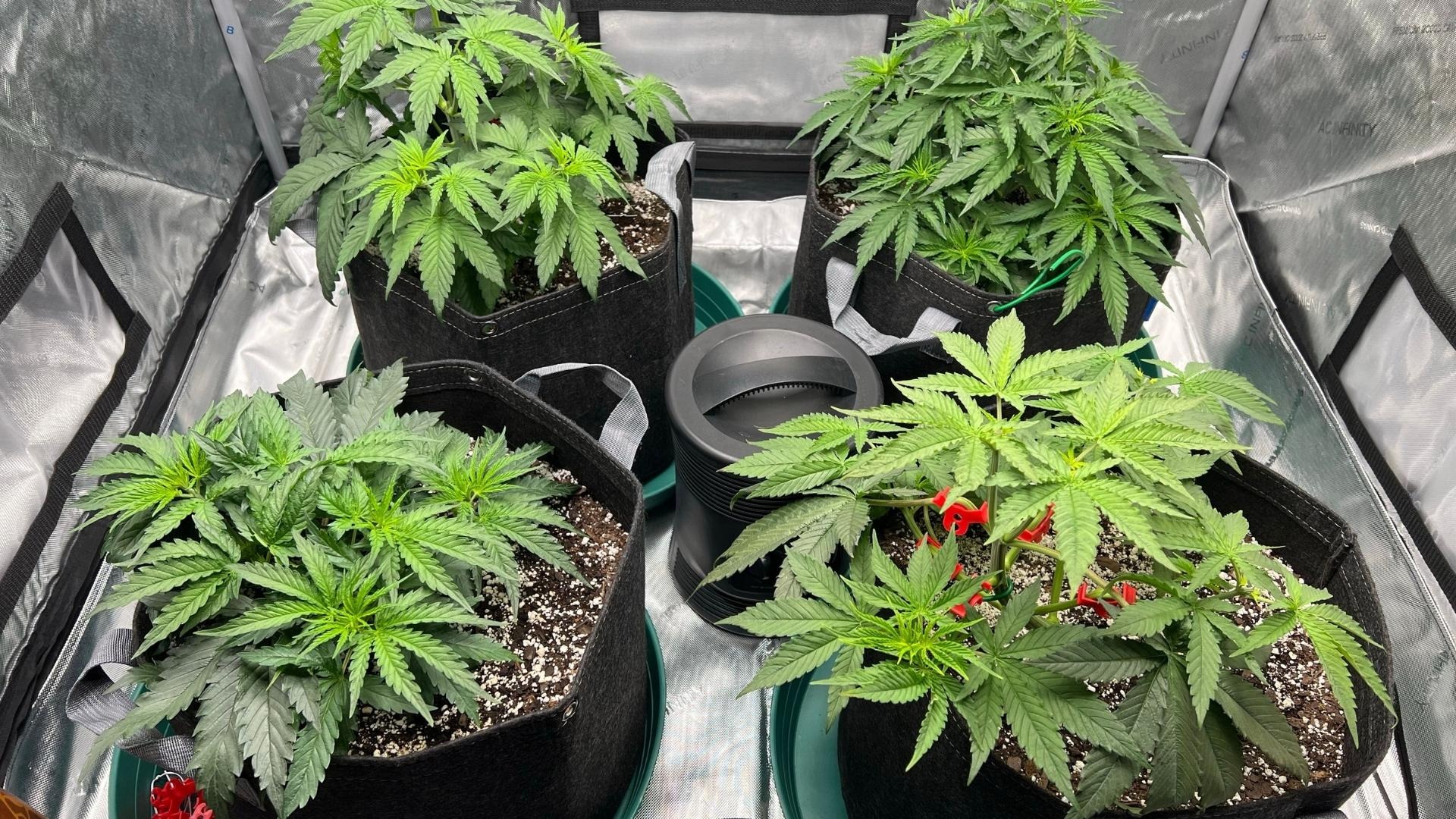
A cannabis mother plant is a mature, vegetative plant maintained specifically to produce cuttings for cloning. In commercial cultivation, mother plants serve as the genetic and production foundation of the entire operation, directly influencing clone health, crop uniformity, and long-term yield stability.
Well-managed mother plants enable:
- Consistent Clone Quality: Healthy nutrition and stable growth patterns produce vigorous cuttings that root faster and establish more uniformly.
- Predictable Production Scheduling: Reliable clone output supports accurate crop planning, room transitions, and harvest forecasting.
- Genetic Stability: Proper long-term care preserves cultivar traits, minimizing drift, stress responses, and performance degradation.
- Operational Efficiency: Strong clone performance reduces propagation losses, rework, and delays across the entire cultivation cycle.
- Yield Uniformity: Even early plant development translates into consistent canopy structure and more predictable final harvest weights.
Mother plants are continuously stressed by repeated cutting and long-term vegetative maintenance. Their nutritional demands differ significantly from those of standard vegetative plants. This is explained in the next section.
Suggested Read: Cannabis Feeding Schedule: How and When to Feed Your Plants
Nutritional Needs of Cannabis Mother Plants
Mother plants require carefully balanced nutrition that supports ongoing growth without triggering excessive stretch, nutrient toxicity, or long-term root zone degradation.
Effective mother plant nutrition focuses on:
- Balanced Vegetative Growth: Maintaining steady leaf and stem development without promoting excessive internodal stretch or weak structural growth.
- Root Zone Stability: Preserving healthy microbial activity, oxygen availability, and nutrient uptake capacity over extended production cycles.
- Nutrient Reserve Management: Preventing depletion of essential macro and micronutrients caused by repeated cloning events.
- Controlled Nitrogen Levels: Providing enough nitrogen to sustain vigor without driving excessive biomass accumulation and plant stress.
- Consistent EC and pH Regulation: Maintaining stable nutrient strength and root zone acidity to avoid lockout, toxicity, and long-term substrate imbalance.
Meeting these nutritional demands requires more than simply feeding vegetative formulas at standard rates. The next section lists a structured, stage-based feeding schedule.
Ideal Feeding Schedule for Cannabis Mother Plants

A structured feeding schedule is essential for maintaining healthy, productive mother plants over extended periods. Your mother plants require stage-based nutrition to support continuous growth, repeated cutting, and long-term root-zone stability.
1. Early Establishment Phase (First 2–3 Weeks)
During establishment, mother plants focus on root development and structural formation. Nutrition should support balanced vegetative growth while stabilizing the root zone to prepare the plant for long-term productivity.
Key objectives during this phase include:
- Moderate nitrogen levels to encourage steady growth
- Balanced calcium and magnesium to strengthen early tissue development
- Low to moderate EC to protect young roots
- Stable pH to maximize nutrient uptake
2. Active Production Phase (Ongoing Cloning Cycles)
Once cloning begins, nutritional demands increase as repeated cutting continuously stresses the plant. Feeding strategies should sustain vigor, accelerate recovery, and preserve canopy structure without driving excessive biomass accumulation.
Key objectives during this phase include:
- Steady nitrogen supply to maintain vegetative energy
- Elevated calcium and magnesium to support tissue regeneration
- Slightly increased EC to meet higher metabolic demand
- Consistent micronutrient replenishment
3. Long-Term Maintenance Phase
Over-extended cycles, nutrient accumulation, and root-zone imbalance pose major risks. Feeding must focus on preserving plant health, preventing toxicity, and extending mother plant lifespan while maintaining stable clone output.
Key objectives during this phase include:
- Controlled nitrogen levels to limit excessive stretch
- Regular EC management through runoff monitoring
- Balanced micronutrient dosing to prevent long-term deficiencies
- Periodic root zone resets when necessary
PlanaCan supports this feeding structure through automated task scheduling, recurring workflow management, and real-time execution tracking. You can ensure precise timing, stronger accountability, and reliable long-term performance from the mother plant. Schedule a free demo today.
Macro and Micronutrient Guidelines for Cannabis Mother Plants
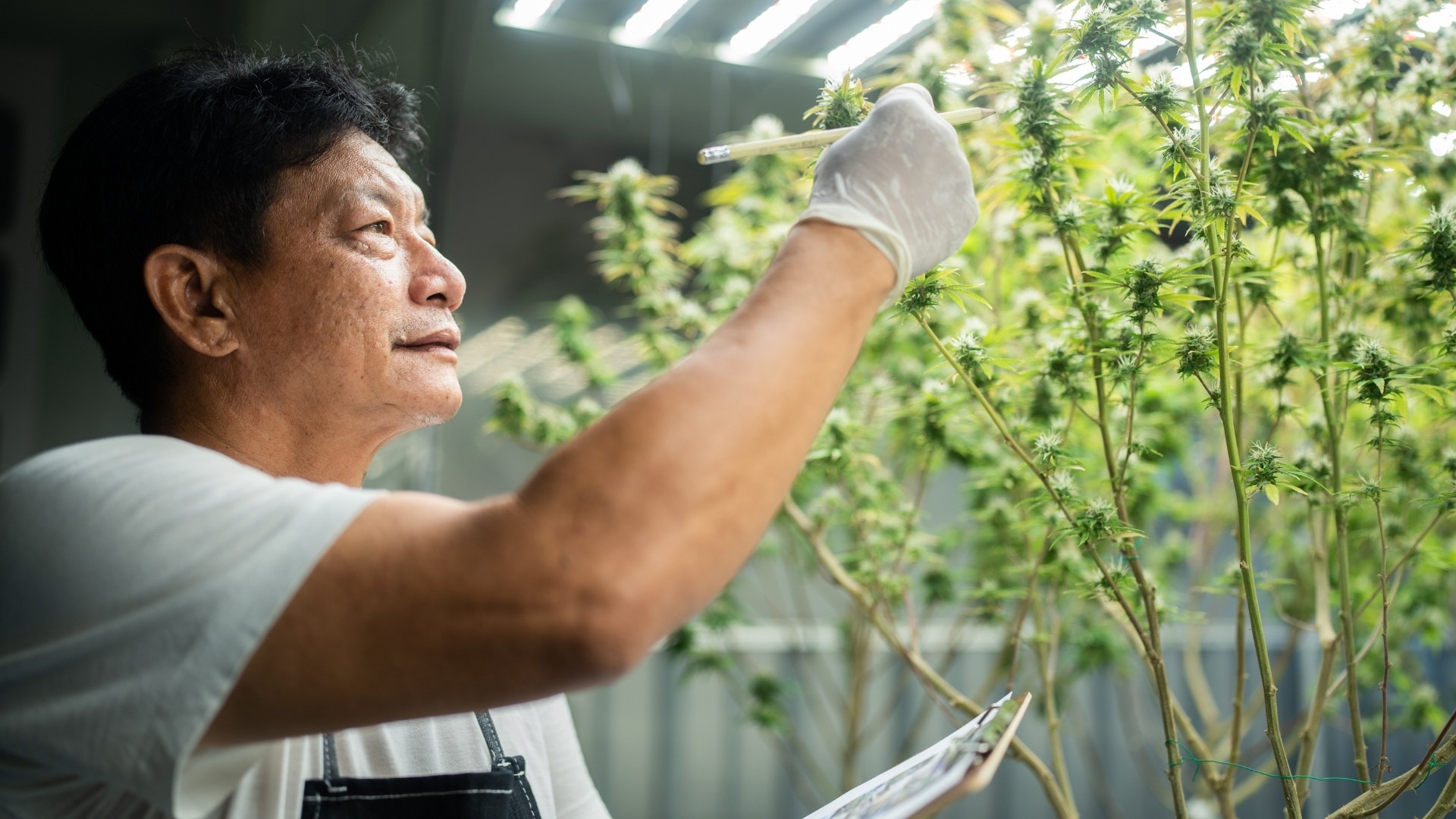
Maintaining balanced macro, secondary, and micronutrient ranges prevents nutrient stress, protects root function, and preserves clone vigor across extended production cycles.
1. Nitrogen, Phosphorus, and Potassium (NPK Balance)
These targets outline the ideal macronutrient balance for sustaining vegetative vigor without excessive stretch or metabolic stress.
- Nitrogen: Moderate levels to support continuous leaf and shoot development without driving excessive internodal elongation
- Phosphorus: Low to moderate levels to maintain root health and energy transfer
- Potassium: Balanced levels to regulate water movement, enzyme activity, and tissue strength
Further Read: NPK Ratio for Cannabis: Ideal Nutrients for Plant Growth
2. Secondary Nutrients: Calcium, Magnesium, and Sulfur
These levels support structural integrity, chlorophyll production, and long-term metabolic stability.
- Calcium: Consistent availability to strengthen cell walls and reduce tissue breakdown
- Magnesium: Adequate levels to sustain chlorophyll synthesis and photosynthetic efficiency
- Sulfur: Balanced supply to support enzyme function and amino acid production
3. Micronutrients and Trace Elements
These trace-level targets preserve metabolic efficiency and prevent long-term performance degradation.
- Iron: Required for chlorophyll synthesis and electron transport
- Zinc: Essential for enzyme activation and growth regulation
- Manganese: Supports photosynthetic reactions and nitrogen metabolism
- Copper: Required for respiration and lignin formation
- Boron: Critical for cell division and tissue development
Even slight nutrient imbalances can compound over time, weakening clone quality and long-term productivity. Recognizing the most common feeding mistakes that reduce clone performance is essential for protecting consistency and yield stability.
Suggested Read: Guide to Different Methods of Cannabis Propagation
Feeding Mistakes That Reduce Clone Quality
Clone quality reflects the cumulative health of the mother plant. Identifying and correcting feeding errors is essential to maintaining clone consistency and overall cultivation performance.
Table showing common feeding errors and their impact:
PlanaCan helps prevent these issues by standardizing feeding schedules, automating task execution, and ensuring consistent nutrient management across rooms and shifts. With real-time tracking and recurring workflow automation, feeding errors are minimized before they affect plant performance. Try PlanaCan for free.
7 Tips for Managing Your Mother Plant

Effective mother plant management extends beyond feeding schedules. Long-term productivity depends on consistent monitoring, structured maintenance, and disciplined operational routines.
Seven proven management tips include:
- Maintain a Stable Photoperiod: Keep lighting consistent at 18 to 24 hours to preserve vegetative growth and prevent hormonal stress.
- Control Canopy Structure: Regular pruning and training preserve airflow, light penetration, and manageable plant architecture.
- Monitor Root Zone Health: Inspect runoff, root color, and container moisture regularly to prevent compaction, hypoxia, and salt accumulation.
- Rotate Cutting Zones: Alternate harvest points to distribute stress evenly and maintain balanced growth patterns.
- Schedule Routine Inspections: Frequent plant checks help detect nutrient deficiencies, pests, and disease before they escalate.
- Track Feeding and Cutting History: Maintaining records allows growers to identify patterns, refine schedules, and optimize long-term performance.
- Limit Plant Age Through Rotation: Periodically replacing aging mothers preserves clone vigor and reduces long-term metabolic decline.
While disciplined management supports mother plant health, environmental conditions strongly influence nutrient uptake and metabolic efficiency. This is explained in the next section.
Suggested Read: How to Recognize and Correct Nitrogen Deficiency in Weed Plants
Environmental Factors That Influence Mother Plant Nutrition
Nutrient performance does not exist in isolation. Environmental conditions directly regulate uptake efficiency, metabolic rate, and long-term root zone health.
Key environmental factors that influence nutrient uptake include:
- Light Intensity and Photoperiod: Higher light levels increase metabolic demand, requiring tighter nutrient and irrigation control to prevent deficiencies or stress.
- Temperature Management: Root and canopy temperatures directly affect enzyme activity, nutrient solubility, and uptake efficiency.
- Vapor Pressure Deficit (VPD): Proper humidity and transpiration balance regulate nutrient flow through the plant and influence overall growth stability.
- Root Zone Oxygenation: Adequate oxygen availability prevents root hypoxia, supporting efficient nutrient absorption and microbial health.
- Growing Media Selection: Coco, soil, and hydroponic systems differ in nutrient retention, drainage, and buffering capacity, requiring tailored feeding strategies.
- Irrigation Frequency and Volume: Proper irrigation timing prevents salt accumulation, ensures consistent nutrient delivery, and preserves substrate structure.
When environmental variables drift outside optimal ranges, nutrient imbalances quickly emerge. Recognizing the early warning signs allows growers to adjust feeding strategies before plant performance and clone quality decline.
Signs Your Mother Plants Need Nutrient Adjustment
Subtle changes in the mother plant's health often signal deeper nutritional imbalance. Early detection allows timely correction, preventing long-term stress, clone quality decline, and production disruptions.
Common indicators that nutrient adjustments are needed include:
- Leaf Color Shifts: Yellowing, dark green foliage, or interveinal chlorosis may indicate nitrogen, magnesium, or iron imbalance.
- Abnormal Leaf Structure: Curling, clawing, or brittle leaves often indicate excessive nitrogen, a potassium imbalance, or a calcium deficiency.
- Reduced Clone Vigor: Slower rooting, weaker cuttings, and increased mortality signal declining nutrition in the mother plant.
- Irregular Growth Patterns: Excessive stretch, stunted internodes, or uneven branching suggest a nutrient imbalance or inefficient nutrient uptake.
- Root Zone Warning Signs: Elevated EC runoff, pH drift, or poor drainage indicate salt buildup and potential lockout.
- Declining Cutting Recovery: Slower post-harvest recovery reflects inadequate nutrient replenishment and metabolic fatigue.
Responding quickly to these signs prevents compounding stress and production loss. The next section explains how structured automation can support consistent feeding schedules, monitoring routines, and long-term stability of the mother plant.
Execute Reliable Mother Plant Care Workflows With PlanaCan

PlanaCan is a cultivation workflow management and automation platform designed specifically for commercial cannabis operations. It helps growers translate feeding plans, inspection routines, and maintenance schedules into structured daily execution.
You can make sure that critical mother plant care tasks are performed consistently across rooms, shifts, and production cycles with PlanaCan.
This is how the platform handles consistent mother plant management:
- Automated Feeding and Care Workflows
Feeding cycles, treatment schedules, and inspection routines are standardized and executed on time. This automation reduces missed actions and improves long-term plant health. - Interactive Production Scheduling
A dynamic calendar provides real-time visibility into mother plant tasks, cutting schedules, and maintenance windows. You can enable quick schedule adjustments without disrupting operational flow. - Team Communication
Clear task ownership, real-time communication, and native iOS and Android apps ensure accurate execution, seamless shift handoffs, and consistent workflow adoption on the grow floor. - Harvest and Clone Performance Insights
Historical data and performance analytics help identify trends in clone quality, recovery speed, and long-term plant productivity. - Long-Term Workflow Standardization
Standard operating procedures are embedded in daily operations. You can ensure consistent care regardless of staffing changes, shift rotations, or facility expansions.
PlanaCan is quick to onboard and intuitive to use, allowing teams to implement structured workflows rapidly without disrupting daily production. Guided setup, cultivation-specific templates, and hands-on support ensure smooth adoption and immediate operational value.
Conclusion
When mother plant nutrition and care are mismanaged, the consequences ripple across the entire production cycle. Weak clones, uneven rooting, delayed growth, and inconsistent canopy development disrupt scheduling, increase labor strain, and ultimately reduce harvest predictability and yield performance.
PlanaCan provides growers with the structure, automation, and execution discipline needed to maintain healthy mother plants and reliable clone output at scale. Standardizing workflows, improving task accountability, and enabling real-time operational visibility helps stabilize production and protect long-term cultivation performance.
Ready to bring consistency and control to your mother plant operations? Schedule a free demo to optimize workflows, improve clone quality, and simplify daily execution.
Frequently Asked Questions
1. What are the signs of overfeeding cannabis plants?
Common signs include leaf tip burn, dark green foliage, clawing, slowed growth, elevated runoff EC, nutrient lockout symptoms, brittle leaves, and reduced clone vigor caused by excessive nutrient concentrations.
2. What is the light schedule for mother plants?
Mother plants typically require 18 to 24 hours of continuous light daily to maintain vegetative growth, prevent flowering, maintain hormonal balance, and sustain consistent clone production across extended cultivation cycles.
3. What is the best time to feed cannabis plants?
Feeding during the first irrigation of the light cycle supports active nutrient uptake, stable metabolism, improved absorption efficiency, and consistent growth patterns, while reducing stress and the risk of nutrient accumulation in the root zone.
4. Should nutrients be added every time cannabis plants are watered?
In most hydroponic and coco systems, nutrients are applied with each irrigation, while soil-grown systems require alternating feed and plain water to prevent salt buildup and maintain balanced root-zone conditions.
5. How do you maintain a healthy cannabis mother plant long-term?
Maintain stable lighting, consistent feeding, balanced pruning, structured cutting schedules, environmental control, regular inspections, proper root zone management, and periodic plant rotation to preserve vigor, clone quality, and production reliability.