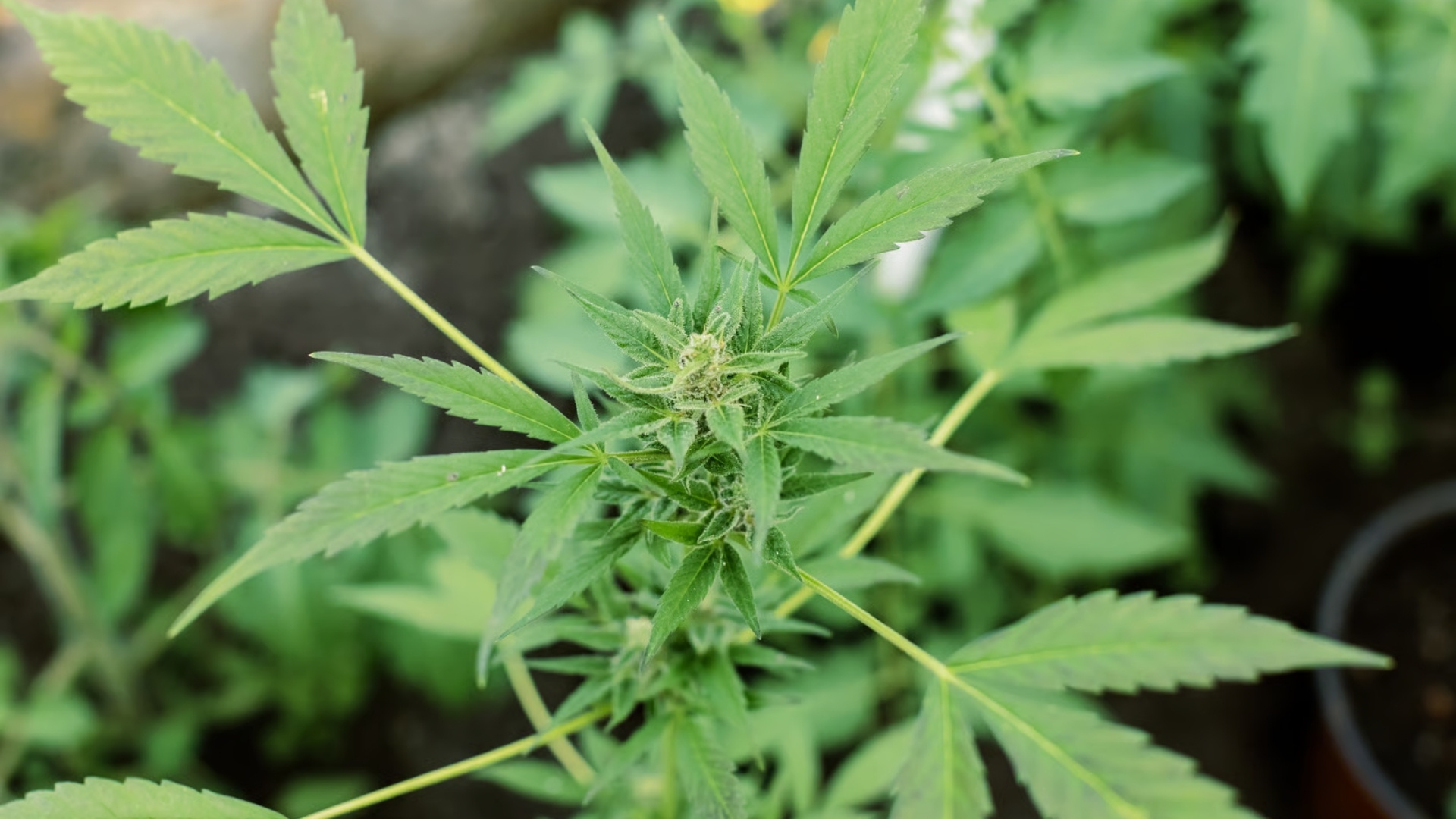
Seedlings are the most vulnerable stage in cannabis cultivation, and even small temperature fluctuations can lead to slow growth, weak roots, or complete failure. Research shows that temperature significantly affects germination rate and seedling development.
If you have struggled with inconsistent germination or fragile seedlings, you are not alone. Many growers face this challenge at scale. In this guide to cannabis seedling temperature, we break down ideal ranges, charts, and practical strategies to help you maintain stable, high-performing early growth conditions.
Before we dive in:
- Temperature range matters most. Cannabis seedlings perform best between 68–77°F, where stable conditions support healthy root development and consistent early growth across batches.
- Indoor vs outdoor needs differ. Indoor setups rely on controlled environments, while outdoor grows require adapting to climate variability and protecting seedlings from fluctuations.
- Early mistakes have a long-term impact. Temperature swings, poor airflow, and ignoring root zones can lead to weak plants and uneven development that affects final yield.
- Consistency drives better outcomes. Maintaining uniform conditions across cycles ensures predictable growth, making it easier to scale operations without introducing variability.
- Structured systems improve control. Using organized workflows and tracking tools helps standardize early-stage conditions, reducing errors and improving overall cultivation efficiency.
Need for Maintaining the Right Cannabis Seedling Temperature
Cannabis seedlings thrive within a relatively narrow temperature range, typically between 68–77°F, where growth processes remain stable and predictable. Staying within this range directly impacts how quickly and uniformly your plants develop in the earliest, most critical stage.
This is why maintaining the ideal temperature for cannabis seedlings is necessary:
- Improves Germination Consistency
Stable temperatures during germination ensure seeds sprout at the same time across batches. This leads to uniform growth, making it easier to manage plants at scale. Inconsistent temperatures often result in uneven development. - Supports Strong Root Development
Optimal warmth encourages faster root establishment and nutrient uptake. Healthy roots form the foundation for vigorous plant growth later. Cold or fluctuating conditions can weaken early structure. - Prevents Seedling Stress and Stunting
Temperature swings can shock seedlings and slow down growth. Maintaining a steady range reduces the risk of stunted plants and early-stage losses. This is especially important in commercial environments. - Promotes Uniform Canopy Growth
Consistent conditions help seedlings grow at the same rate. This makes future stages like lighting and feeding easier to manage. Uneven growth can create long-term inefficiencies. - Reduces Risk of Disease and Weak Plants
Improper temperatures can create conditions for issues like damping-off. Stable environments support healthier, more resilient seedlings. This improves survival rates and overall crop quality.
Maintaining the right temperature is the first step, but applying it consistently across setups is what drives results. In the next section, we break down a structured indoor temperature chart to help you standardize conditions across your grow.
Suggested Read: Reasons for Slow Growth of Seedlings: Understanding the Challenges
Indoor Cannabis Seedling Temperature Chart (Controlled Environments)
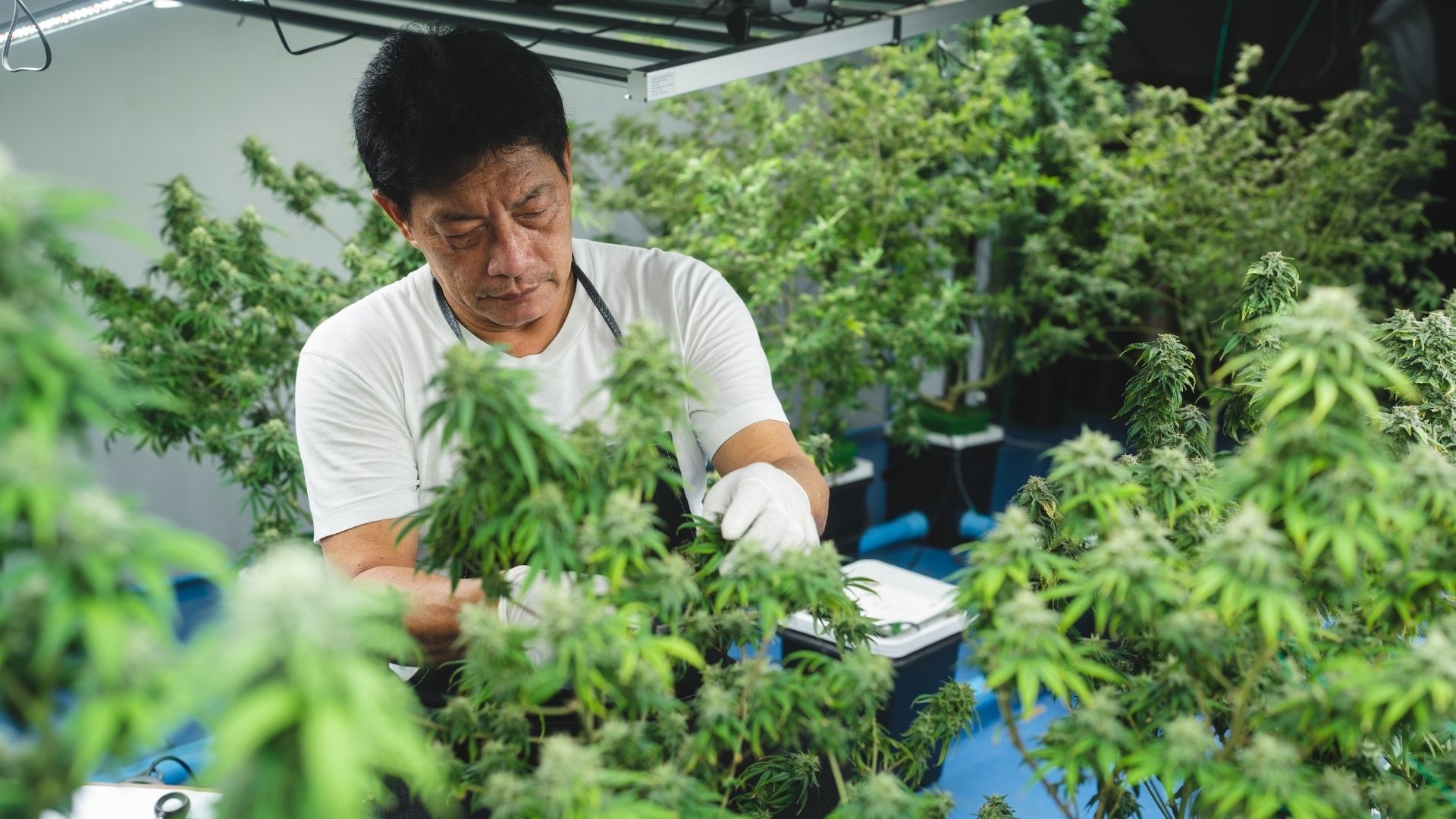
Indoor cultivation allows you to control temperature precisely, but different cannabis varieties can respond slightly differently within the same range. While the overall window remains consistent, small adjustments based on strain type and growth stage can improve uniformity and early vigor.
Table showing ideal cannabis seedling temperature by variety and stage:
Indoor growers should focus on maintaining stable conditions across all varieties, rather than making aggressive adjustments.
Best practices include:
- Maintain stable day/night temperatures
- Monitor both the air and the root zone
- Adjust based on light placement
- Ensure proper airflow distribution
Even with the right temperature chart, results depend on consistent execution. PlanaCan helps you plan, track, and standardize temperature-related tasks using its interactive calendar. It ensures every adjustment is completed on time across cycles and teams. Schedule a free demo.
Outdoor Cannabis Seedling Temperature Chart (Climate Variability)
Outdoor growing introduces variables that cannot be fully controlled. Temperature shifts, weather patterns, and microclimates all impact early seedling development. Unlike indoor setups, growers must adapt to changing conditions while keeping seedlings within a safe temperature range for stable growth.
Table showing ideal temperature for seedlings as per type and stage:
Outdoor growers should focus on adapting to fluctuations, using timing and protective measures to maintain stability rather than trying to control conditions completely.
Best practices for maintaining ideal temperature include:
- Start seedlings during stable weather windows
- Use shade or covers during heat spikes
- Protect plants from cold nights
- Monitor local microclimate conditions
In the next section, we break down the key factors that influence the ideal temperature for cannabis seedlings and how to manage them effectively.
Suggested Read: Guide to Different Methods of Cannabis Propagation
Factors That Affect the Ideal Temperature for Cannabis Seedlings
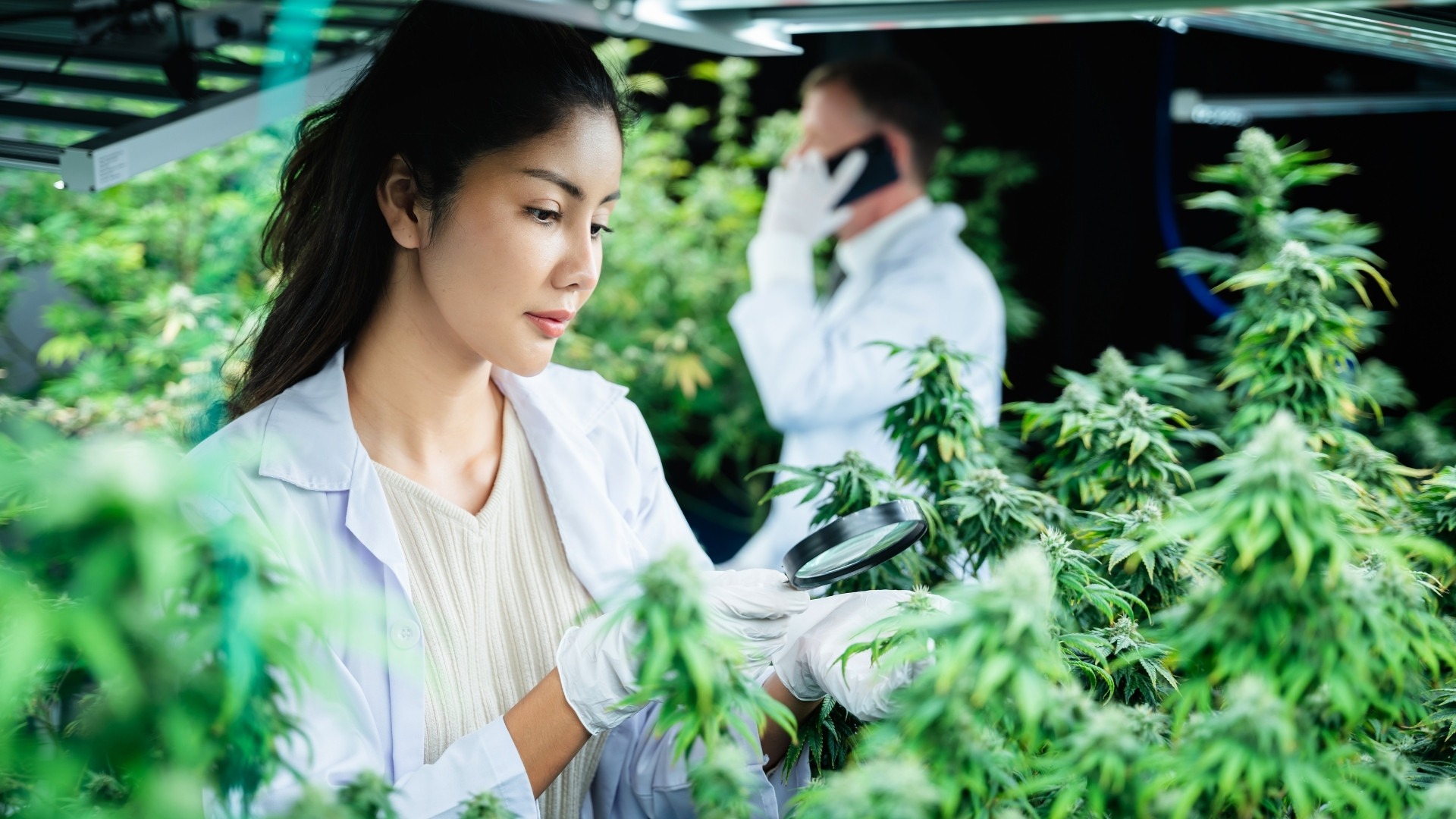
The ideal temperature for cannabis seedlings is influenced by multiple environmental and operational factors. Understanding these variables helps you maintain stable conditions and avoid stress during early growth stages.
Factors include:
- Light Intensity and Placement: LED lights can raise canopy temperature even if the ambient air remains stable. Lights placed too close can overheat seedlings. Proper distance ensures balanced heat and light exposure.
- Airflow and Ventilation: Poor airflow creates hotspots and uneven temperature zones. Consistent circulation helps distribute heat evenly across the grow area. This is essential for uniform seedling development.
- Humidity Levels: Temperature and humidity work together to influence plant stress. High heat with low humidity can dry out seedlings quickly. Balanced conditions support healthy transpiration.
- Growing Medium and Containers: Soil and containers retain heat differently from air. Cold root zones can slow growth even when the air temperature is optimal. Monitoring both is critical for early-stage health.
- External Climate Conditions: Outdoor weather or indoor ambient conditions can impact temperature stability. Sudden changes can stress seedlings. Controlled environments reduce this risk.
- Grow Room Equipment and Setup: Fans, HVAC systems, and layout all influence temperature consistency. Poor setup can create uneven zones within the same space. Proper configuration ensures stable conditions.
Understanding these factors helps you maintain better control, but real-world growing often comes with challenges. In the next section, we explore common challenges in maintaining the right temperature for cannabis seedlings and practical solutions to address them.
Suggested Read: How to Treat Light Burn and Light Stress in Cannabis Seedlings?
Challenges and Solutions for Maintaining the Right Temperature for Cannabis Seedlings
Maintaining the right temperature for cannabis seedlings sounds simple in theory, but in practice, multiple variables can disrupt consistency. From equipment limitations to environmental fluctuations, these challenges can impact early growth if not addressed proactively.
Common challenges include:
- Inconsistent Temperature Fluctuations: Sudden drops or spikes in temperature can stress seedlings and slow development. This often happens due to poor environmental control or external weather changes.
Fix: Use controlled environments with sensors to maintain stable temperature ranges. - Heat Buildup from Grow Lights: LED lights can create localized heat zones, especially when placed too close to the canopy. This leads to overheating in certain areas while others remain underlit.
Fix: Adjust light height and ensure even distribution across the grow area. - Cold Root Zones Despite Warm Air: Even when the air temperature is optimal, cold growing media can restrict nutrient uptake. This creates uneven growth and weak root systems.
Fix: Monitor and maintain root zone temperature using proper containers or heating mats. - Outdoor Weather Variability: Outdoor growers face unpredictable conditions like cold nights or heat waves. These fluctuations can stress seedlings and impact early-stage growth.
Fix: Use protective covers, shade, or timing strategies to minimize exposure. - Scaling Across Multiple Grow Areas: Maintaining consistent temperature across rooms or batches becomes harder as operations scale. Small inconsistencies can lead to uneven results across cycles.
Fix: Standardize processes and monitor conditions across all grow zones.
PlanaCan helps you standardize environmental workflows, ensuring every temperature-related task is performed the same way across teams and cycles. With built-in tracking and accountability, it reduces variability and helps maintain stable, repeatable growing conditions at scale. Try PlanaCan for free today.
Common Temperature Mistakes Made by Commercial Growers
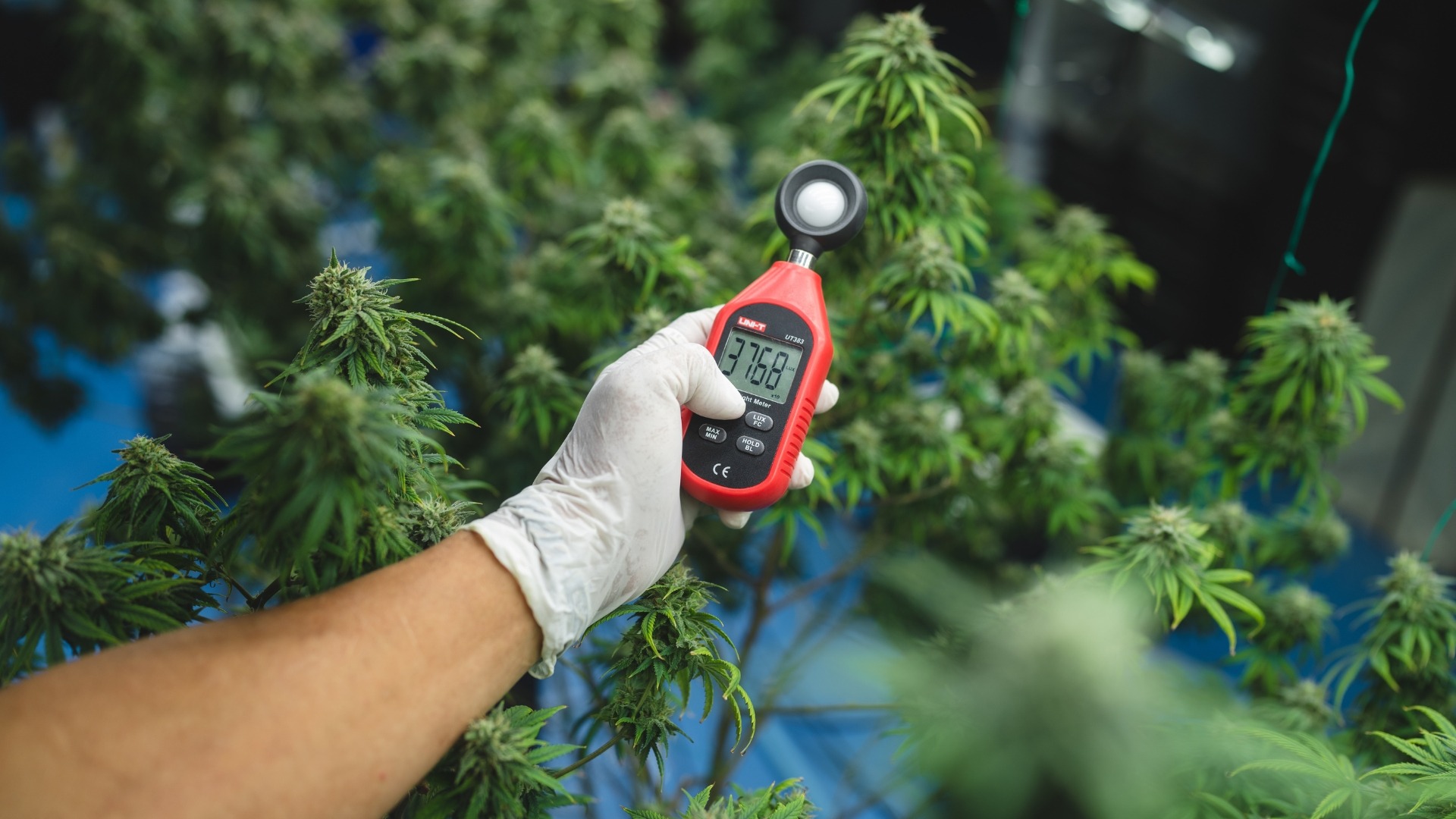
Even experienced growers can make temperature-related mistakes, especially when managing multiple rooms, batches, or teams. These errors often seem minor at first, but can lead to inconsistent growth, reduced yields, and operational inefficiencies over time.
Common mistakes include:
- Relying on Air Temperature Alone: Many growers monitor only ambient air conditions and ignore root zone temperature. This creates a disconnect where plants appear stable, but roots remain under stress.
- Allowing Large Temperature Swings: Significant day-to-night fluctuations can shock seedlings and disrupt growth patterns. Inconsistent conditions make it harder to maintain uniform development across batches. Stability is more important than pushing extreme ranges.
- Placing Lights Too Close to Seedlings: LED lights can raise canopy temperature quickly when positioned incorrectly. This leads to localized heat stress and uneven plant growth. It is a common issue in tightly packed grow setups.
- Ignoring Microclimates Within the Grow Area: Different zones within the same room can have varying temperatures due to airflow and equipment placement. Some plants may receive optimal conditions while others do not. This results in uneven canopy development.
- Lack of Standardized Processes Across Teams: Inconsistent execution between team members can lead to missed adjustments or conflicting actions. This becomes a bigger issue as operations scale. Without standardization, results vary from cycle to cycle.
Using the right technology to standardize processes, monitor conditions, and track adjustments helps eliminate human error and maintain consistent temperature control across your entire operation. This is covered in the next section.
How PlanaCan Helps Standardize Early-Stage Growing Conditions

PlanaCan is a cultivation management platform built specifically for commercial cannabis growers who need consistency across rooms, teams, and growth cycles. In early-stage cultivation, where small errors can compound quickly, it helps ensure that every process is executed with precision and repeatability.
This is how we help early-stage cannabis development include:
- Standardize Daily Cultivation Tasks
Ensure temperature checks, lighting adjustments, and early-stage activities are performed consistently across batches. By helping you automate work, it removes reliance on manual follow-through and reduces missed steps. - Plan and Track Every Growth Stage
Organize all early-stage activities from germination to late seedling in one place. Strong schedule management keeps every task aligned with your cultivation timeline and prevents delays. - Keep Teams Aligned Across Shifts
Maintain clarity on environmental adjustments and responsibilities across teams. Clear communications ensure everyone knows what needs to be done, reducing errors in multi-team operations. - Improve Decisions With Data Insights
Track performance across batches and identify what conditions drive better growth. With built-in analytics, you can refine processes and improve consistency over time. - Use Templates for Repeatable Workflows
Create and reuse standardized templates for early-stage processes across rooms and batches. This ensures every cycle follows the same proven approach, reducing variability and improving consistency.
PlanaCan is built specifically for commercial growers managing complex, multi-batch operations. It gives you visibility and control over early-stage conditions, so you can make faster decisions and maintain consistency as you scale.
Wrapping Up
Cannabis seedling temperature mistakes can quietly impact your entire grow. It can lead to uneven development, weak plants, and inconsistent yields. What seems like a small fluctuation early on often turns into larger operational inefficiencies across cycles and batches.
PlanaCan helps you bring control and consistency to early-stage cultivation by standardizing workflows, tracking execution, and aligning teams across every cycle. Instead of reacting to problems, you can build a structured system that supports stable conditions and stronger plant development from the start.
Start optimizing your early-stage growing conditions with PlanaCan. Schedule a free call today.
Frequently Asked Questions
1. Is 70 degrees too cold for cannabis seedlings?
70°F is generally safe but on the lower end of the cannabis seedling temperature range. Growth may slow slightly, so maintaining a slightly warmer and stable environment supports better early development.
2. Is 82 degrees too hot for cannabis seedlings?
82°F is slightly above the ideal temperature for cannabis seedlings and can cause stress if sustained. High temperatures may lead to stretching and faster moisture loss, especially without proper humidity control.
3. Is 80 too hot for seedlings?
80°F is borderline but still acceptable if humidity and airflow are balanced. However, prolonged exposure at this level can stress seedlings and impact early-stage growth consistency.
4. What humidity do seedlings like?
Cannabis seedlings prefer relative humidity levels between 65–75%. Higher humidity reduces water loss and supports early growth, especially before roots are fully developed, and nutrient uptake stabilizes.
5. How do I maintain stable conditions for seedlings?
Use consistent environmental controls, monitor both air and root zones, and avoid sudden changes. Stable conditions ensure uniform growth and reduce stress during the most sensitive stage of development.