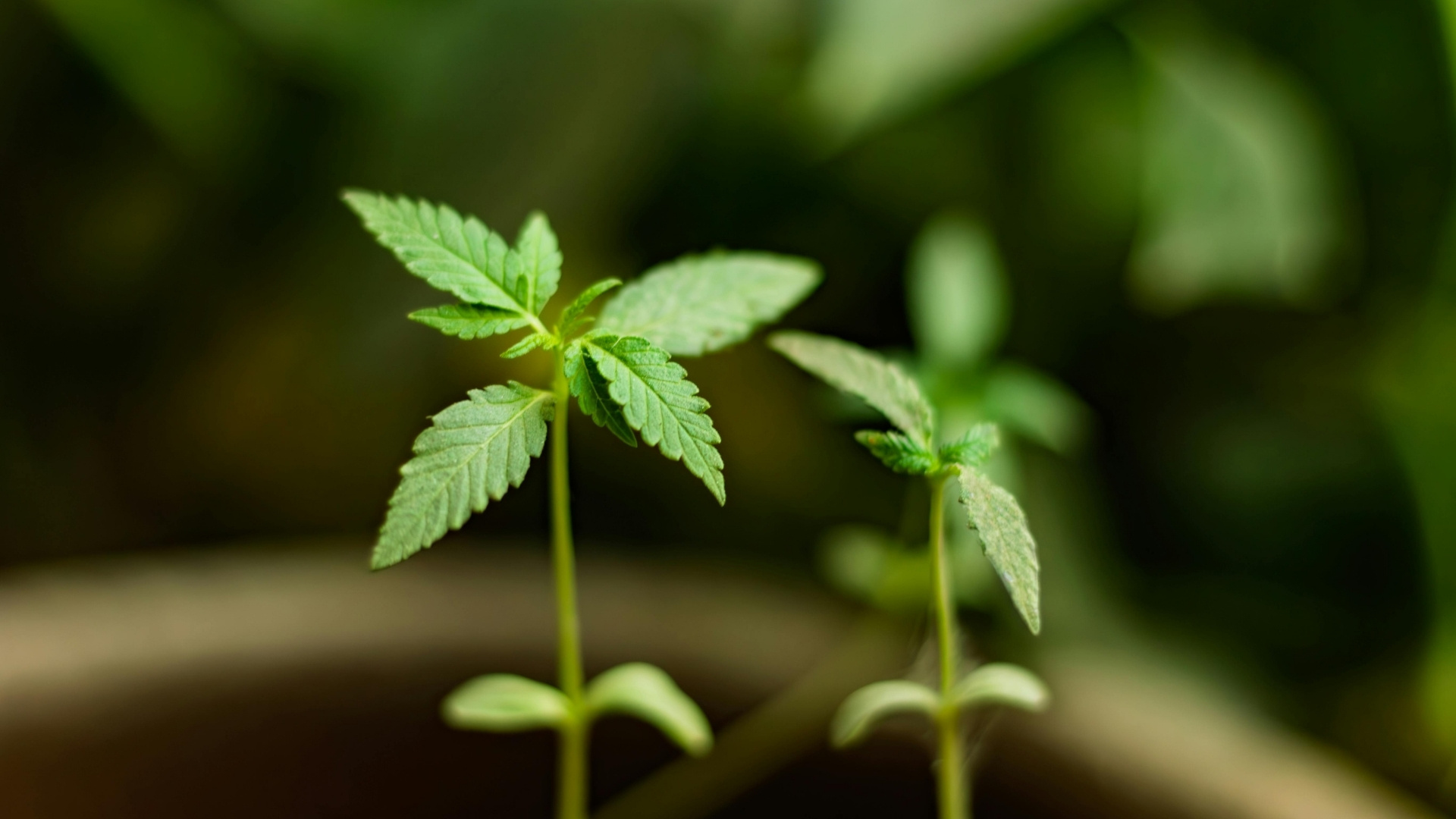
Delays at the very first stage of a growth cycle often turn into costly operational issues. When seeds sprout unevenly or fail to germinate, schedules slip, labor planning breaks down, and downstream tasks become harder to manage. What should be predictable quickly becomes reactive.
Research shows that germination is a highly sensitive biological process influenced by moisture, temperature, and light. Even minor inconsistencies can slow or disrupt sprouting, especially in commercial environments where scale amplifies small errors.
If you are facing inconsistent results while germinating pot seeds, you are not alone. In this blog, we break down the causes behind slow or failed sprouting, how to fix them, and how to build a repeatable process that ensures consistent, reliable germination across every grow cycle.
Here's the short version:
- Healthy germination requires consistency. Uniform sprouting, stable conditions, and predictable timelines define successful cannabis seed germination in commercial grows.
- Failures are usually process-driven. Environmental instability, poor moisture control, and lack of standardization are the main reasons seeds fail to sprout.
- Methods matter less than execution. Whether using paper towels, soil, or plugs, consistent application determines results more than the method itself.
- Timelines signal underlying issues. Delays beyond expected germination windows often indicate problems with conditions or workflow gaps.
- Technology improves reliability at scale. Structured workflows, scheduling, and analytics help maintain consistency across batches and reduce variability.
Signs of Healthy Germination in Commercial Cannabis Seeds
Healthy germination is defined by speed, uniformity, and predictability across batches. In commercial environments, even emergence and consistent early growth matter more than individual plant success.
Key indicators to monitor during early germination:
- Uniform Sprouting Across Batches: Seeds emerge within a tight timeframe, not scattered over several days.
- Strong Taproot Development: A clean, white taproot appears quickly and grows downward without deformities.
- Consistent Germination Timing: Most seeds sprout within the expected window, reducing scheduling delays.
- High Success Rate: Minimal seed failure indicates stable conditions and good seed quality.
- Even Early Growth: Seedlings show similar size and vigor, making downstream processes easier to manage.
Despite these benchmarks, many growers fail to achieve this consistency. In the next section, we break down the root causes behind uneven or failed sprouting in commercial environments.
Suggested Read: Guide to Different Methods of Cannabis Propagation
Why Sprouting Cannabis Seeds Fails in Commercial Setups

What works in smaller setups often breaks down in commercial environments where even minor variations create compounding issues.
Common causes behind failed or uneven germination:
- Inconsistent Environmental Conditions
Temperature and humidity fluctuations create unstable conditions that slow or disrupt sprouting cannabis seeds. In controlled environments, even small shifts can impact outcomes, especially when teams are trying to scale starting cannabis seeds across multiple batches. - Unclear or Varying Methods
Teams often interpret how to start a weed seed differently, leading to inconsistent handling across shifts. Without a defined process for starting marijuana seeds, execution varies, and results become difficult to replicate. - Poor Moisture Control
Seeds require a precise balance of moisture and oxygen to activate properly. When growers experiment with how to germinate marijuana without consistent controls, outcomes tend to vary significantly. - Lack of Standardization
Without structured workflows, teams rely on individual judgment instead of a repeatable system. This makes it harder to identify the best way to germinate pot seeds and apply it consistently across operations. - Unrealistic Timing Expectations
Misunderstanding how long it takes for pot seeds to germinate often leads to premature adjustments or delays in action. Clear expectations around how long to germinate weed seeds are essential for maintaining consistency. - Low-Quality or Mishandled Seeds
Seed viability plays a major role in how quickly and reliably sprouting occurs. Poor handling can directly affect how long it takes for weed seeds to sprout, even under ideal conditions.
PlanaCan helps bring structure to this stage by standardizing how germination workflows are executed across teams. With templates, scheduling, and clear task ownership, it reduces variability from the start. This allows growers to achieve more consistent and predictable outcomes across every batch. Schedule a free demo today.
How to Germinate Weed Seeds Indoors and Outdoors Successfully
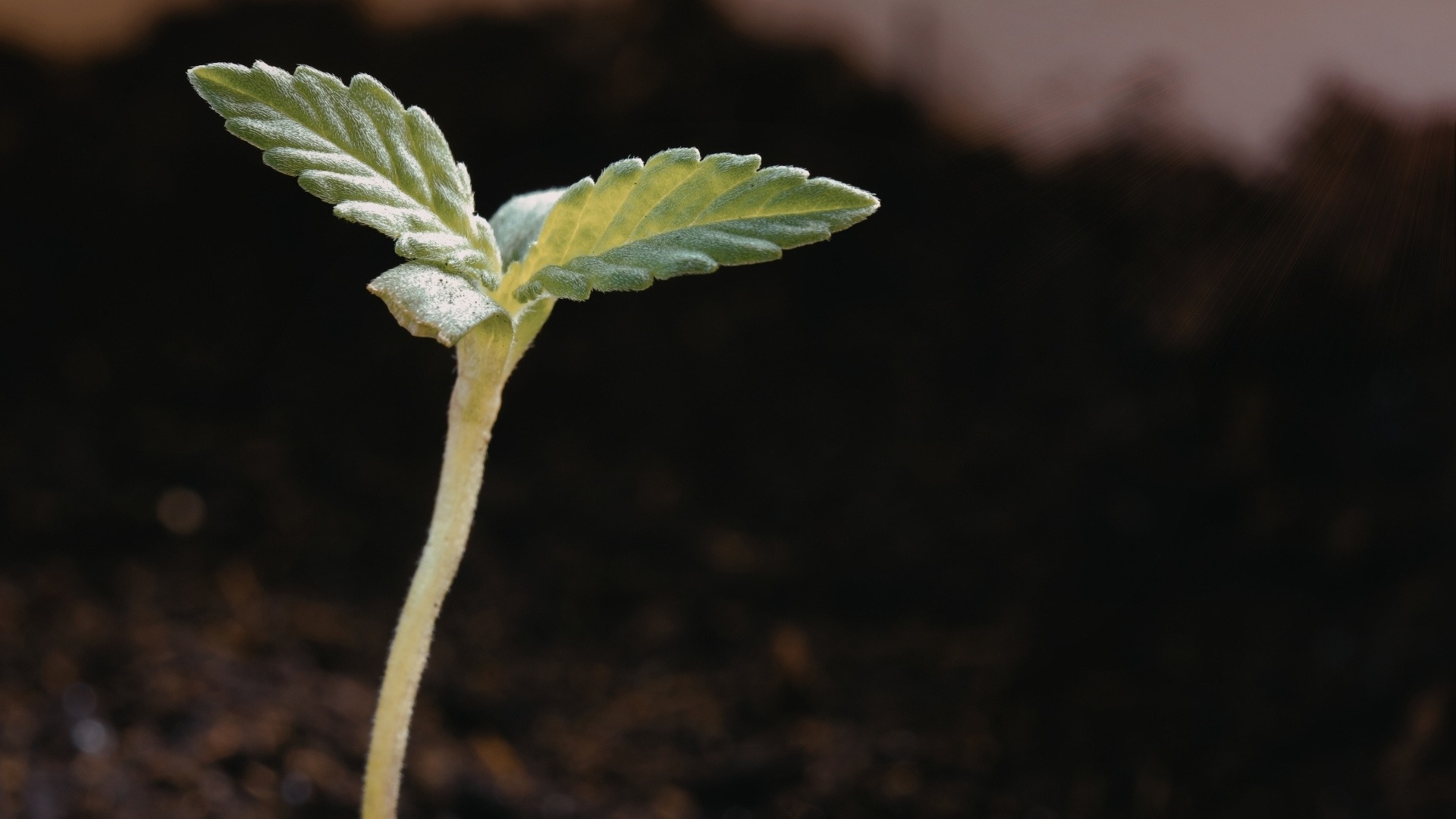
Whether you are working indoors or outdoors, the goal is to create stable conditions that support early development without introducing variability. Understanding how to germinate weed seeds indoors and in controlled outdoor setups helps ensure uniform sprouting across batches.
These are the top methods:
1. Paper Towel Method
This is one of the most widely used approaches for controlled germination. Seeds are placed between moist paper towels and kept in a warm, dark environment. It allows growers to monitor progress closely and identify viable seeds early.
Key steps involved in this method:
- Place seeds between damp (not soaked) paper towels
- Keep them in a warm, dark space (20–25°C)
- Check daily for moisture and root development
- Transfer once the taproot appears
2. Direct Soil Method
Seeds are planted directly into the growing medium where they will continue to develop. This reduces transplant shock and simplifies the process. It is commonly used in larger operations focused on efficiency.
Key steps involved in this method:
- Plant seeds about 0.5–1 inch deep in moist soil
- Maintain consistent moisture without overwatering
- Keep the temperature stable for optimal activation
- Avoid disturbing the soil during early growth
3. Starter Plug Method (Rockwool/Peat Pellets)
Starter plugs provide a controlled environment with balanced moisture and aeration. They are widely used in commercial grows for consistency and ease of handling. This method supports uniform results when starting cannabis seeds at scale.
Key steps involved in this method:
- Pre-soak plugs to the correct moisture level
- Insert seeds into the center hole
- Maintain humidity and warmth consistently
- Monitor for root emergence before transplanting
4. Water Soaking Method
Seeds are soaked in water to accelerate activation before planting. This method helps soften the seed shell and can speed up germination timelines. It is often used as a pre-step in germination weed workflows.
Key steps involved in this method:
- Soak seeds in room-temperature water for 12–24 hours
- Remove once seeds sink or show signs of cracking
- Transfer carefully to a soil or paper towel
- Avoid over-soaking beyond the recommended time
5. Direct Outdoor Germination
This method relies on natural environmental conditions rather than controlled setups. While less predictable, it can work effectively in stable climates. It requires careful timing and monitoring when planning how to germinate cannabis seeds outdoors.
Key steps involved in this method:
- Plant seeds during optimal seasonal conditions
- Ensure soil is warm and well-drained
- Protect from pests and environmental stress
- Water lightly and consistently
Before further optimization, it is important to understand the expected timelines. In the next section, we look at how long germination should take and what delays typically indicate.
Suggested Read: Autoflower Seed to Harvest Duration Times
How Long Does It Take for Pot Seeds to Germinate?
Germination timelines are one of the most misunderstood aspects of early-stage cultivation. While many growers expect quick results, actual timelines vary based on method, environment, and seed quality.
Table showing typical sprouting timelines:
PlanaCan helps growers track germination timelines across batches with structured scheduling and real-time visibility. By standardizing when and how tasks are performed, it reduces guesswork and improves predictability. Try PlanaCan for free today.
How to Fix Slow or Failed Germinating Pot Seeds
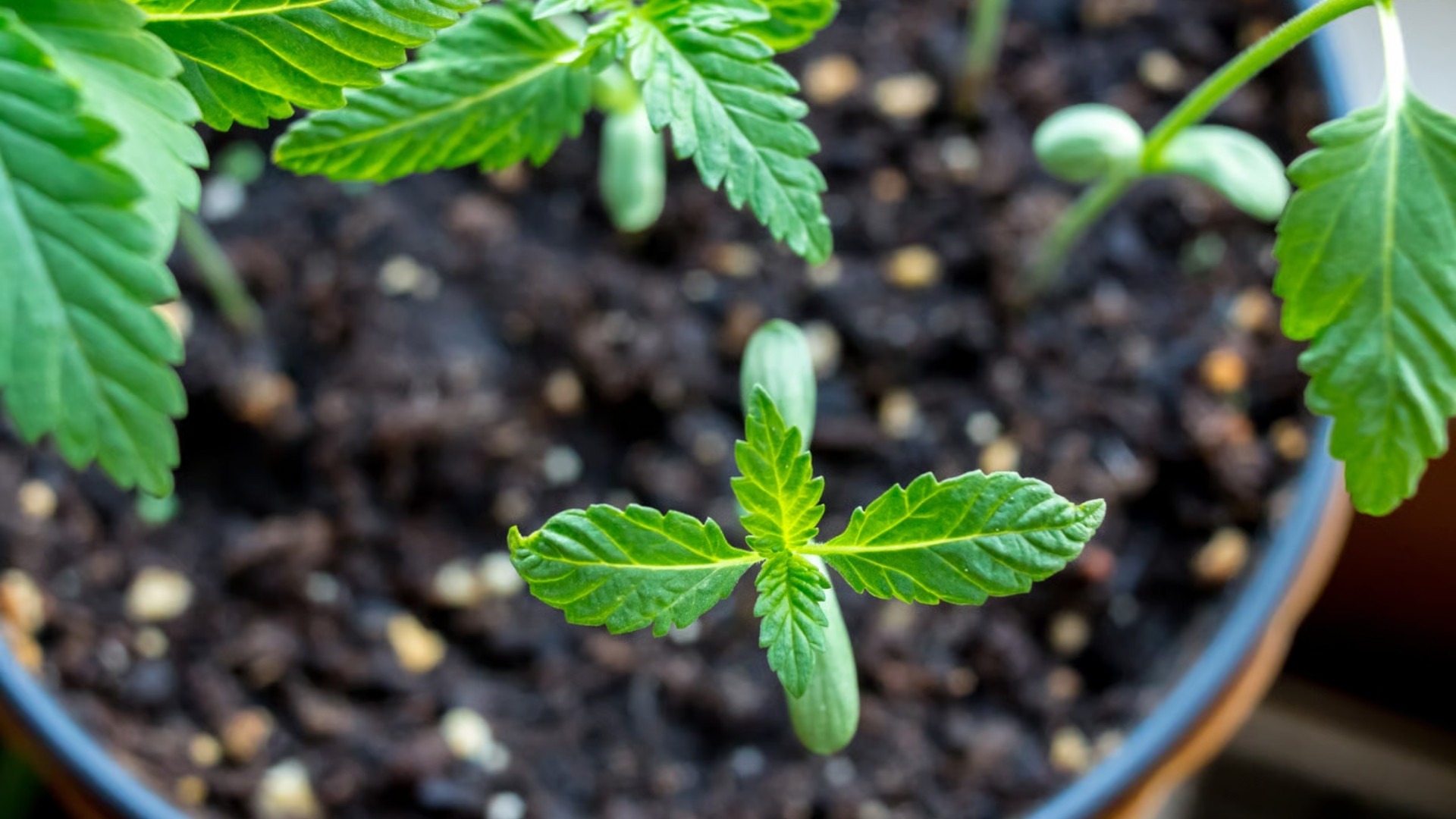
Most issues can be resolved by stabilizing conditions and standardizing execution across batches. If you are struggling with germinating pot seeds, targeted adjustments can quickly restore consistency.
Helpful fixes include:
1. Stabilize Temperature and Humidity
Focus on maintaining consistent environmental conditions:
- Keep the temperature between 20–25°C
- Maintain stable humidity levels throughout
- Avoid sudden environmental fluctuations
- Use controlled environments where possible
2. Correct Moisture Levels
Ensure the right balance between hydration and oxygen:
- Keep the medium moist, not waterlogged
- Avoid letting seeds dry out during the early stages
- Use well-draining materials to support airflow
- Monitor moisture daily and adjust as needed
3. Standardize the Germination Method
Apply a consistent approach across all batches:
- Choose a single method and document it
- Train teams on the same process
- Avoid switching methods mid-cycle
- Follow the defined steps for every batch
4. Improve Seed Handling and Storage
Protect seed quality before germination begins:
- Store seeds in cool, dark, dry conditions
- Avoid frequent handling or exposure
- Use verified, high-quality seed sources
- Track seed batches for performance
5. Monitor and Act Early
Identify and address issues before they escalate:
- Check seeds daily for progress
- Remove non-viable seeds promptly
- Adjust conditions at the first sign of delay
- Keep records of outcomes for future optimization
Preventing these issues consistently requires more than just better techniques. In the next section, we explore how using technology helps standardize processes and improve reliability across every germination cycle.
Suggested Read: Guide to Growing Autoflower Cannabis Indoors
Standardize Cannabis Seed Germination Workflows with PlanaCan

Inconsistent processes are one of the biggest reasons germination fails at scale. PlanaCan is a cultivation management platform built specifically for commercial growers to plan, standardize, and track every stage of the grow cycle. Instead of relying on fragmented tools, it brings scheduling, execution, and visibility into one system, helping teams achieve consistent cannabis seed germination outcomes.
Key features that support standardized germination workflows:
- Workflow Templates for Consistency: Create repeatable SOPs for starting cannabis seeds and automate work across batches. This ensures every team follows the same process without variation.
- Schedule Management Across Batches: Plan and control germination timelines with centralized schedule management. This keeps tasks aligned across rooms, teams, and growth cycles.
- Mobile Access with iOS and Android Apps: Enable teams to manage tasks, updates, and communications directly from the floor using mobile apps. This reduces delays and improves real-time coordination.
- Harvest Analytics and Performance Tracking: Use built-in analytics to evaluate germination success rates and refine processes over time. This helps identify what works and apply it consistently.
- Task Assignment and Real-Time Visibility: Assign responsibilities clearly and track execution in real time. This improves accountability and ensures no step in the germination process is missed.
By bringing templates, scheduling, communication, and analytics into one system, PlanaCan helps growers maintain consistency from the very first stage of cultivation. It is built for growers who need operational clarity, and it continues to improve with regular updates to support real-world cultivation challenges.
Conclusion
When seeds fail to germinate consistently, the impact goes far beyond the first stage. Delays in sprouting disrupt schedules, create uneven plant development, and make labor planning difficult. This can lead to reduced yield predictability and operational inefficiencies that compound across every grow cycle.
PlanaCan helps eliminate these risks by bringing structure, consistency, and visibility into germination workflows. With standardized templates, schedule management, real-time communications, and analytics, it ensures every step is executed the same way across teams and batches, improving outcomes from the start.
If you want more control over your cultivation process, it starts with standardizing your first step. Schedule a free call today.
Frequently Asked Questions
1. Is it better to germinate seeds in a paper towel or soil?
Both methods work, but consistency matters more than choice. Paper towels allow visibility, while soil reduces handling risk when scaling how to start pot seeds across batches.
2. Do you germinate pot seeds in the dark or the light?
Seeds generally germinate better in dark, stable environments. Light becomes important only after sprouting, especially when planning how to plant germinated weed seeds correctly.
3. Why aren't my pot seeds germinating?
Common reasons include poor moisture balance, unstable temperatures, or low-quality seeds. Inconsistent execution during germination weed stages is a frequent cause in commercial setups.
4. What temperature kills seed germination?
Extreme heat above 30°C can damage or kill seeds before they sprout. Maintaining stable conditions is critical when managing large-scale sprouting weed operations.
5. What are common seed starting mistakes?
Overwatering, inconsistent methods, and poor environmental control are the most common issues. These often occur when teams lack a defined process for how to germinate cannabis seeds consistently.
6. Can you use toilet paper rolls to start seeds?
They can be used in small setups, but they lack consistency for commercial operations. Scalable systems are more effective when starting marijuana seeds across multiple batches.
7. Are 20-year-old seeds still good?
Older seeds may germinate, but success rates decline significantly over time. Viability directly impacts how long it takes for weed seeds to sprout and overall uniformity.
8. What is the best way to ensure uniform germination across batches?
Standardizing processes and maintaining controlled conditions are key. Applying a consistent approach helps identify the best way to sprout pot seeds at scale.
9. Should germination methods vary by strain?
Some variation may be required, but processes should remain structured. Adjustments should be controlled within a standardized system for starting cannabis seeds.
10. When should seeds be moved after sprouting?
Seeds should be transferred once a healthy taproot develops, typically within a few days. Timing this correctly is critical when managing the germination of weed seeds indoors at scale.