Cannabis cultivation is scaling fast, but margins are tightening just as quickly. One of the most underestimated drains on labor, time, and efficiency is not the flower or trim. It is the large volume of leaves generated during every growth cycle.
Unplanned leaf handling results in wasted labor hours, cluttered workflows, and recurring disposal costs. This matters even more as the global cannabis market is projected to reach approximately $66.86 billion by 2026.
As operations scale, treating leaves as simple waste becomes a liability. This article explores what to do with cannabis leaves so that it shifts from an operational burden to a source of measurable value.
In brief:
- Cannabis leaves are a byproduct. Most leaf waste comes from fan leaves, late-flower airflow removal, and strain-driven growth patterns, not trimming errors.
- Defoliation timing determines waste volume. Late or reactive defoliation increases labor, disposal costs, and compliance risk without improving crop performance.
- Strain behavior changes how much waste you generate. Different cultivars produce leaf mass differently, making one-size defoliation schedules inefficient.
- Most value comes from internal handling, not resale. Composting, labor reduction, better scheduling, and compliance-safe disposal are more reliable than trying to sell leaves.
- Planned execution is the solution. Using structured planning and tracking turns leaf removal into a controlled process, reducing waste, stabilizing labor, and improving cycle-to-cycle efficiency.
Types of Cannabis Leaves and Why They Matter
The type of cannabis leaf, its removal, and its handling directly influence labor requirements, reuse potential, and overall plant performance.
Understanding these differences is the first step toward intentionally managing leaf biomass rather than reacting to it.
- Fan Leaves
Large, iconic leaves with minimal resin content. They support photosynthesis and nutrient movement but offer limited value once removed, making them best suited for internal reuse, such as composting or teas. - Sugar Leaves
Smaller leaves are found close to buds and coated in trichomes. They contain higher cannabinoid levels and are commonly retained for processing, which makes them more valuable than fan leaves. - Late-Flower and Senescent Leaves
These leaves are removed near harvest due to natural aging or airflow needs. They tend to be lower in quality and moisture, which limits reuse and often results in direct disposal. - Stress-Related Leaf Growth
Excess leaf growth is caused by environmental or nutrient imbalance. This increases defoliation labor and waste volume while signaling deeper issues within the cultivation process.
Despite these clear differences, many operations still lump all leaf material into the same waste stream. The next section explores why cannabis leaves are so often treated as disposable, and what that mindset is costing cultivation teams.
Suggested Read: Tips to Increase the Potency of Your Cannabis Plants
Why Cannabis Leaves Are Treated as Waste
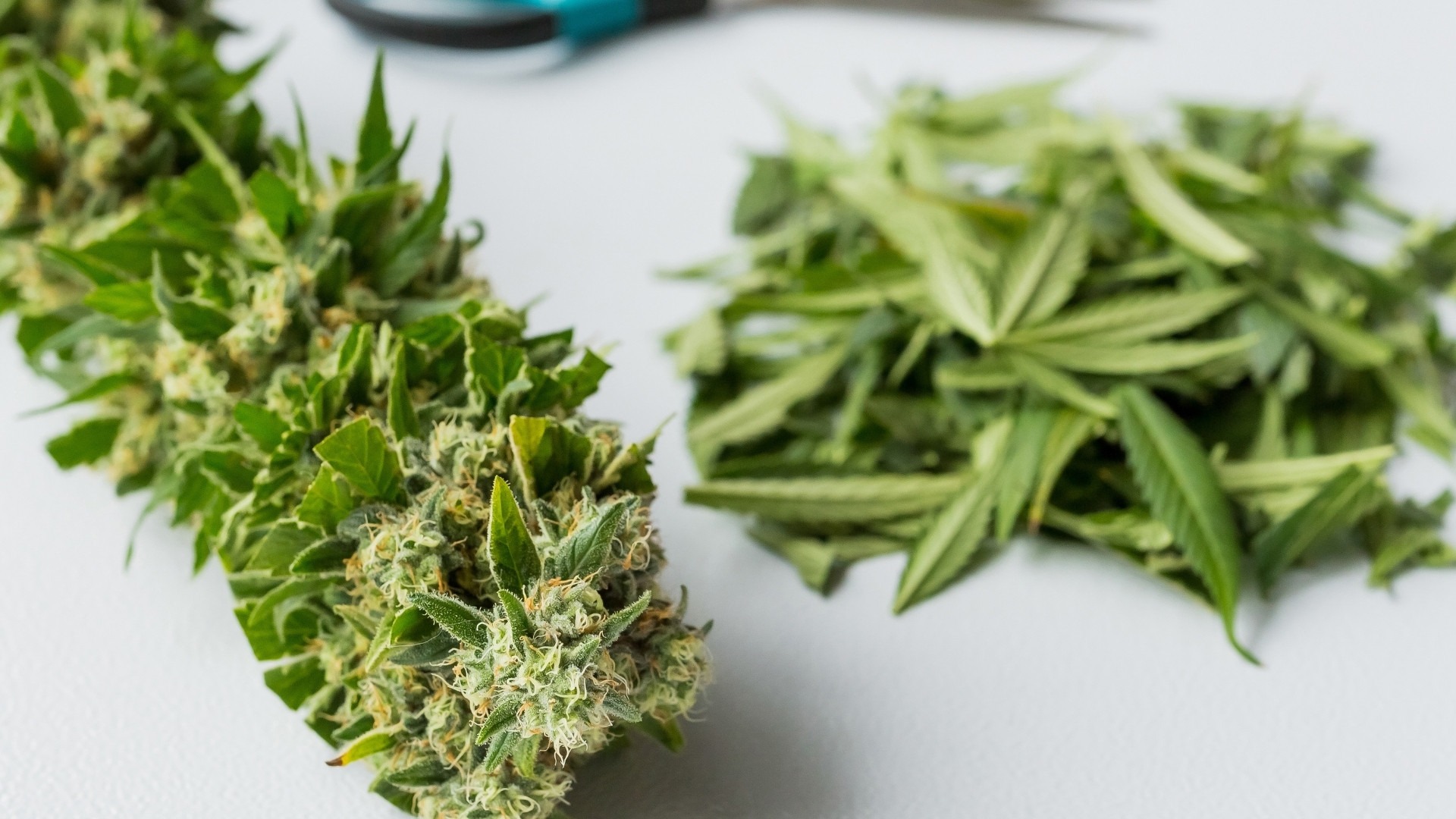
Operational pressure, tight timelines, and compliance demands often push teams to prioritize speed over evaluation. As a result, leaves are handled as a cleanup problem rather than a material with potential value.
These are the top reasons for removing cannabis leaves as waste products:
- Focus on Flower-First Economics: Revenue is tied to buds, so anything outside flower production is seen as secondary and expendable.
- Labor and Time Constraints: Defoliation already consumes significant labor, leaving little appetite for sorting, storing, or repurposing leaf material.
- Lack of Standardized Processes: Without defined protocols, leaf handling becomes inconsistent and defaults to disposal.
- Compliance and Disposal Requirements: Regulated biomass rules make destruction the safest and fastest option for many operators.
- No Visibility Into Volume or Cost: When leaf waste is not measured, its true impact on labor, space, and margins remains invisible.
The next section shows how to break this pattern by outlining five practical ways to use cannabis leaves to turn them into profit rather than overhead.
5 Ways to Use Cannabis Leaves and Make a Profit
Fan leaves removed during defoliation, late-flower leaves pulled for airflow, and excess growth caused by stress are typically bagged and destroyed because they have little direct market value.
This section looks at practical ways cultivators reduce the cost of handling these leaves and turn an unavoidable byproduct into operational value.
1. Composting and Soil Reuse
If your operation already handles soil, coco, or living media, cannabis leaves can be integrated into that system instead of being sent straight to destruction. This works best when leaf handling is planned and consistent, not ad hoc.
Here is how cultivators typically approach this in practice:
- Separate fan leaves during defoliation instead of mixing them with regulated waste
- Compost on-site where permitted, or work with approved organic waste processors
- Reintroduce finished material into non-flower soil or ancillary grow areas
2. Reducing Disposal and Compliance Costs
In many facilities, leaf handling becomes expensive not because of volume, but because of how it is classified and destroyed. Better sorting and timing can materially reduce compliance overhead.
Here is how cultivators reduce disposal-related costs:
- Separate fan leaves early to avoid unnecessary regulated waste handling
- Align destruction schedules with actual removal timing
- Reduce repeated handling caused by unclear disposal workflows
3. Biomass for Approved Off-Site Use
Where regulations allow, cannabis leaves can leave the facility as biomass rather than regulated waste. This option is volume-driven and works best when leaf handling is standardized.
Here is how operators make this viable at scale:
- Pre-sort leaves to meet third-party handling and transport requirements
- Work exclusively with licensed or approved biomass partners
- Schedule removals to align with defoliation and harvest timelines
4. Reducing Labor Through Planned Defoliation
One of the most reliable ways to “profit” from leaves is by producing fewer of them unnecessarily. Planned defoliation reduces reactive labor and last-minute cleanup.
Here is how cultivators reduce labor tied to excess leaves:
- Defoliate at consistent growth stages instead of waiting for overcrowding
- Avoid emergency leaf removal before inspections or harvest
- Balance canopy density to limit aggressive regrowth
5. Improving Canopy Management and Airflow
Excess leaves often indicate canopy density issues rather than healthy growth. Addressing this upstream improves plant health and reduces downstream work.
Here is how growers use leaf volume to improve canopy control:
- Adjust defoliation timing to maintain consistent airflow
- Reduce humidity pockets that trigger additional leaf removal
- Maintain uniform light penetration across rooms
In the following section, we examine effective ways to handle leaf waste from various strains.
Suggested Read: Why are Weed Leaves Curling Up or Down: Causes and Solutions
How To Deal With Leaf Waste from Different Strains
Leaf waste management starts with recognizing that different strains create different challenges. Adjusting defoliation strategy by strain helps reduce unnecessary waste and stabilizes labor planning.
This is how you deal with leaf waste from commonly grown cultivars in the US:
- OG Kush
This strain develops dense internodes and overlapping fan leaves, which can restrict airflow if left unmanaged. Multiple light defoliations spaced across veg and early flower help control leaf buildup without triggering stress-driven regrowth. - Northern Lights
With its compact structure and slower vertical growth, Northern Lights generally produces fewer fan leaves. Early, minimal defoliation is usually sufficient, as aggressive late removal creates heavier waste without improving canopy performance. - Blue Dream
Blue Dream grows vigorously and continues producing fan leaves well into the flowering stage. Scheduling defoliation during stretch and again in mid-flower helps prevent repeated high-volume leaf removal later in the cycle. - Sour Diesel
This sativa-leaning strain stretches aggressively and spreads leaf growth throughout the plant. Early canopy shaping and selective leaf removal during stretch reduce late-flower waste and simplify airflow management. - Gelato
Gelato forms dense foliage around bud sites as flowers set. Timely defoliation focused on airflow is critical, as short delays can lead to rapid leaf stacking and sudden spikes in waste volume.
PlanaCan supports strain-specific execution, allowing you to plan defoliation tasks by strain, room, and growth stage. When strain behavior is recorded cycle over cycle, teams know what to expect before leaf waste becomes a problem. Schedule a free demo to learn more.
Defoliation Timing and Its Impact on Leaf Volume
In most facilities, excessive leaf volume results from when defoliation occurs, not how much is done. Miss the right window, and leaves accumulate quickly, driving up labor hours, cleanup time, and regulated waste costs without improving plant performance.
This is what happens:
- Defoliating Too Late Increases Waste: Waiting until canopy density becomes a problem leads to larger leaf removals in fewer sessions, creating spikes in labor and disposal volume.
- Early, Controlled Defoliation Reduces Biomass: Removing leaves at planned growth stages limits regrowth and keeps total leaf volume more manageable across the cycle.
- Reactive Defoliation Drives Labor Inefficiency: Last-minute leaf removal often pulls staff away from scheduled tasks and creates bottlenecks before harvest.
- Inconsistent Timing Masks Process Issues: Irregular defoliation makes it harder to tell whether excess leaf growth is strain-driven or caused by environmental stress.
Extra labor, disrupted schedules, and unexpected disposal needs add up quickly when leaf removal is not planned. These costs and risks are discussed in the next section.
Suggested Read: Diagnosing Causes of Brown Spots on Cannabis Leaves
The Hidden Risks and Costs of Cannabis Leaf Waste
When leaf removal is unplanned or poorly documented, costs accumulate quietly, and risks increase, especially in regulated environments.
This is where you lose money:
- Labor Creep and Schedule Disruption: Reactive defoliation pulls staff off planned tasks, creates overtime, and compresses timelines before inspections or harvest.
- Disposal and Destruction Costs: Repeated handling, rushed destruction, and missed pickups inflate fees and add avoidable administrative work.
- Loss of Operational Visibility: When leaf volume is not tracked, it becomes impossible to distinguish normal strain behavior from stress, timing errors, or process failures.
- Facility and Biosecurity Risk: Accumulated leaf waste clutters work areas, slows movement, and can exacerbate pest and humidity issues if left unremoved.
- Compliance Exposure: Leaves can qualify as regulated biomass depending on the jurisdiction. For example, in Alaska, cannabis leaves are classified as regulated waste and must be rendered unusable, tracked, and properly disposed.
PlanaCan can help you plan defoliation by strain and growth stage, schedule tasks, assign labor, track completion, and record leaf-related activities. It lends growers visibility, repeatability, and documented compliance across rooms and cultivation cycles. Try PlanaCan for free today.
Data You Should Be Tracking About Leaf Waste
Without tracking, excess leaves look like an unavoidable byproduct rather than a signal of timing, strain behavior, or process gaps. The right data turns leaf removal from guesswork into something you can plan and improve.
This is what you should track:
- Leaf Volume by Room and Cycle: Tracking how much leaf material is removed per room reveals where waste is structural versus strain-driven.
- Defoliation Timing: Recording when leaves are removed helps determine whether waste is due to late intervention rather than healthy growth.
- Labor Hours Spent on Leaf Removal: Measuring time spent defoliating highlights hidden labor costs and recurring inefficiencies.
- Strain-Level Leaf Patterns: Comparing leaf volume across strains helps identify cultivars that require adjusted schedules or different canopy strategies.
- Disposal and Destruction Events: Logging when and how leaf waste is destroyed supports compliance and exposes avoidable handling steps.
Once this data is captured, the challenge is acting on it consistently. Manual tracking breaks down quickly across rooms, strains, and cycles. This is where technology steps in, turning leaf waste data into planned actions instead of after-the-fact fixes.
Suggested Read: Causes and Solutions for Yellowing Cannabis Leaves
Use PlanaCan for Maximum Operational Efficiency
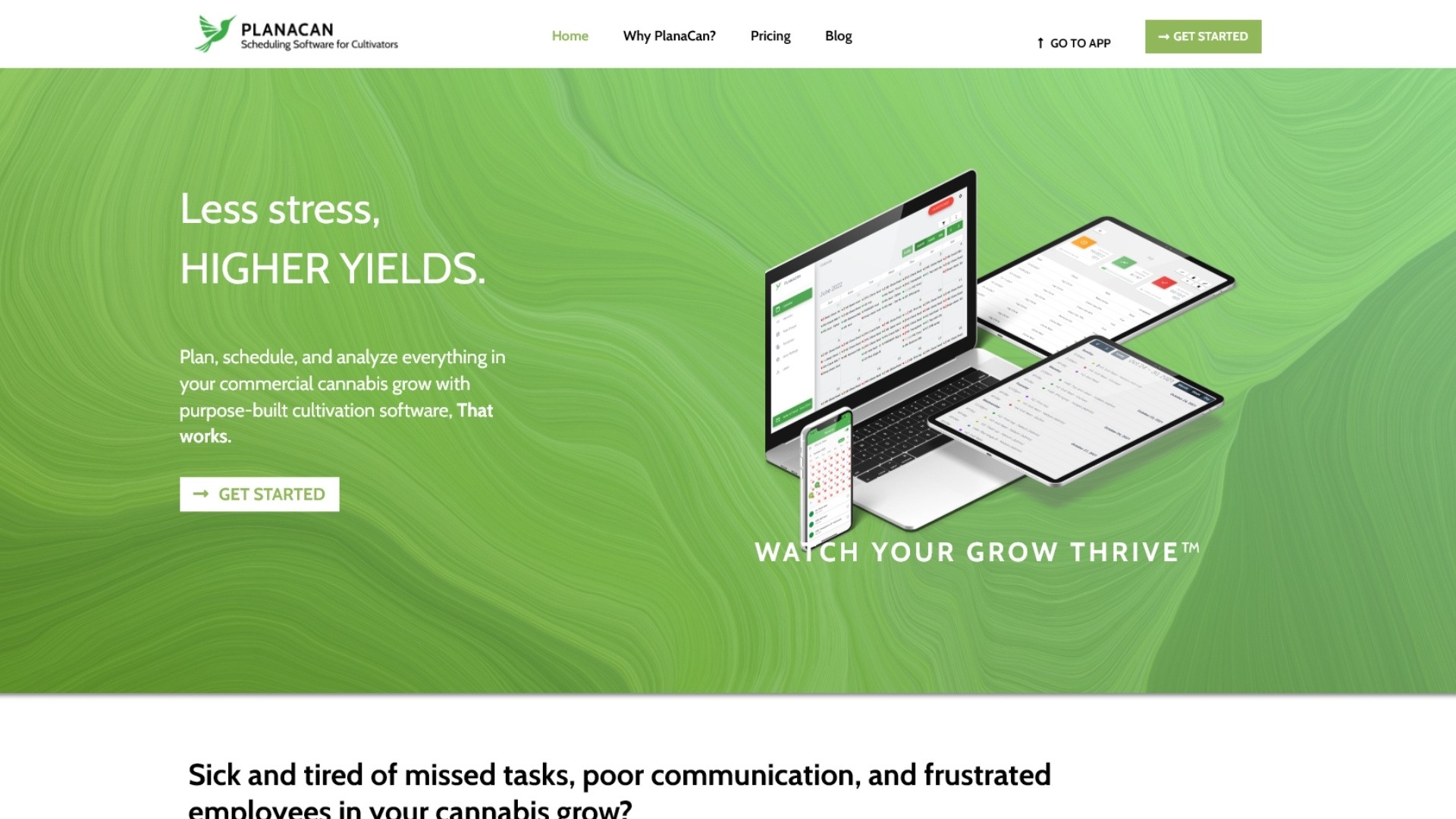
PlanaCan is a cultivation planning and execution platform built specifically for cannabis growers. It connects daily tasks to plant growth stages, so work on the floor matches what the crop actually needs, not a static calendar.
Instead of reacting to issues like excess leaf waste, teams use PlanaCan to plan, assign, track, and improve cultivation work across rooms and cycles. Core features include:
1. Growth-Stage–Based Task Planning
PlanaCan plans work around actual growth stages, not fixed dates. Defoliation, cleanup, and canopy tasks adjust automatically when cycles run early or late, reducing unnecessary leaf buildup caused by mistimed work.
2. Strain-Specific Workflows
Tasks can be tied to individual strains, allowing defoliation intensity and timing to reflect real strain behavior. This prevents one-size-fits-all schedules that create excess leaf waste in some rooms and missed airflow windows in others.
3. Centralized Scheduling and Labor Visibility
All defoliation and cleanup tasks live in one shared schedule. Managers can see what is planned, what is completed, and where labor is being consumed, helping prevent last-minute leaf removal and overtime spikes.
4. Task Execution and Accountability
Growers complete and log tasks as they happen. This creates a clear record of when leaf removal occurred, who did it, and under which conditions, supporting both operational review and compliance needs.
5. Historical Data and Cycle Comparison
PlanaCan stores task and execution data across cycles. Over time, teams can compare leaf removal patterns by strain, room, and growth stage to reduce unnecessary biomass before it becomes waste.
PlanaCan helps growers move from reactive defoliation and disposal to controlled, repeatable operations aligned with plant behavior. When execution matches growth, leaf waste drops, labor stabilizes, and efficiency improves cycle after cycle.
Conclusion
Cannabis leaf waste costs build up quietly due to missed timing, strain blind spots, and reactive defoliation. When leaves are treated as unavoidable waste, they continue to drain labor, disrupt schedules, and increase compliance exposure across every cycle.
PlanaCan helps cultivators regain control by connecting defoliation, cleanup, and execution directly to plant growth and strain behavior. With planned tasks, clear accountability, and historical visibility, leaf waste becomes predictable, measurable, and easier to reduce.
Ready to reduce leaf waste before it becomes a problem? See how PlanaCan turns cleanup into controlled execution. Schedule a free call today.
Frequently Asked Questions
1. What can cultivators realistically do with cannabis leaves?
In most operations, leaves are best used to reduce costs through composting, process optimization, or permitted biomass programs rather than as standalone revenue products.
2. Are dried cannabis leaves useful in commercial cultivation?
Dried leaves typically have limited value and are most often managed as regulated waste or compost input, depending on local rules.
3. Can fresh cannabis leaves be reused inside a grow operation?
In some jurisdictions, fresh fan leaves may be reused internally for cultivation-support purposes, but they are rarely suitable for external use or sale.
4. Can cannabis leaves be smoked or sold as a product?
Cannabis leaves are generally not suitable for smoking and are rarely permitted for sale due to low potency and regulatory restrictions.
5. Do cannabis leaves count as regulated waste?
In many jurisdictions, yes. Once removed from the plant, leaves may need to be tracked, rendered unusable, and destroyed in accordance with compliance rules.
6. How does leaf waste affect labor costs?
Unplanned defoliation increases labor hours, disrupts scheduling, and often leads to overtime or rushed cleanup before harvest or inspections.
7. Why should leaf waste be tracked at all?
Leaf volume helps identify strain behavior, timing issues, and process inefficiencies, making it a useful operational signal rather than just disposal material.