A single yellowing leaf can signal a problem that spreads across an entire grow room. Many cultivators notice issues only after yields begin to drop. That delay is costly. According to the Food and Agriculture Organization, plant pests and diseases destroy up to 40% of global crops each year.
Cannabis leaves often provide the earliest clues that something is wrong. Learning to read those signals can save time, plants, and profit. In this article, we will break down the types of cannabis leaves and their functions. We will also cover their benefits to growers and the warning signs cultivators should never ignore.
Quick look:
- Cannabis leaves reveal plant health early. Changes in color, shape, and growth often signal issues before they affect yield or spread across the canopy.
- Different leaf types serve different roles. Fan leaves support growth, sugar leaves surround buds, and early leaves help seedlings establish strong development.
- Leaf structure varies by cannabis strain. Sativa, indica, and ruderalis plants show distinct leaf shapes that influence airflow, light exposure, and cultivation strategy.
- Healthy leaves support smoother cultivation operations. Consistent foliage makes crop monitoring, planning, and management more predictable for growers.
- Structured tracking improves response time. Monitoring plant signals with organized systems helps teams notice problems faster and manage crops more efficiently.
Types of Leaves in a Cannabis Plant
Cannabis plants produce several kinds of leaves throughout their life cycle, and each serves a distinct purpose in growth and development. Understanding these leaves can help you identify plant stages, maintain health, and spot issues early before they spread across your canopy.
Different types of leaves include:
- Cotyledon Leaves: These are the first small, rounded leaves that appear when a seedling emerges. They provide early energy to the plant and signal that germination has successfully started.
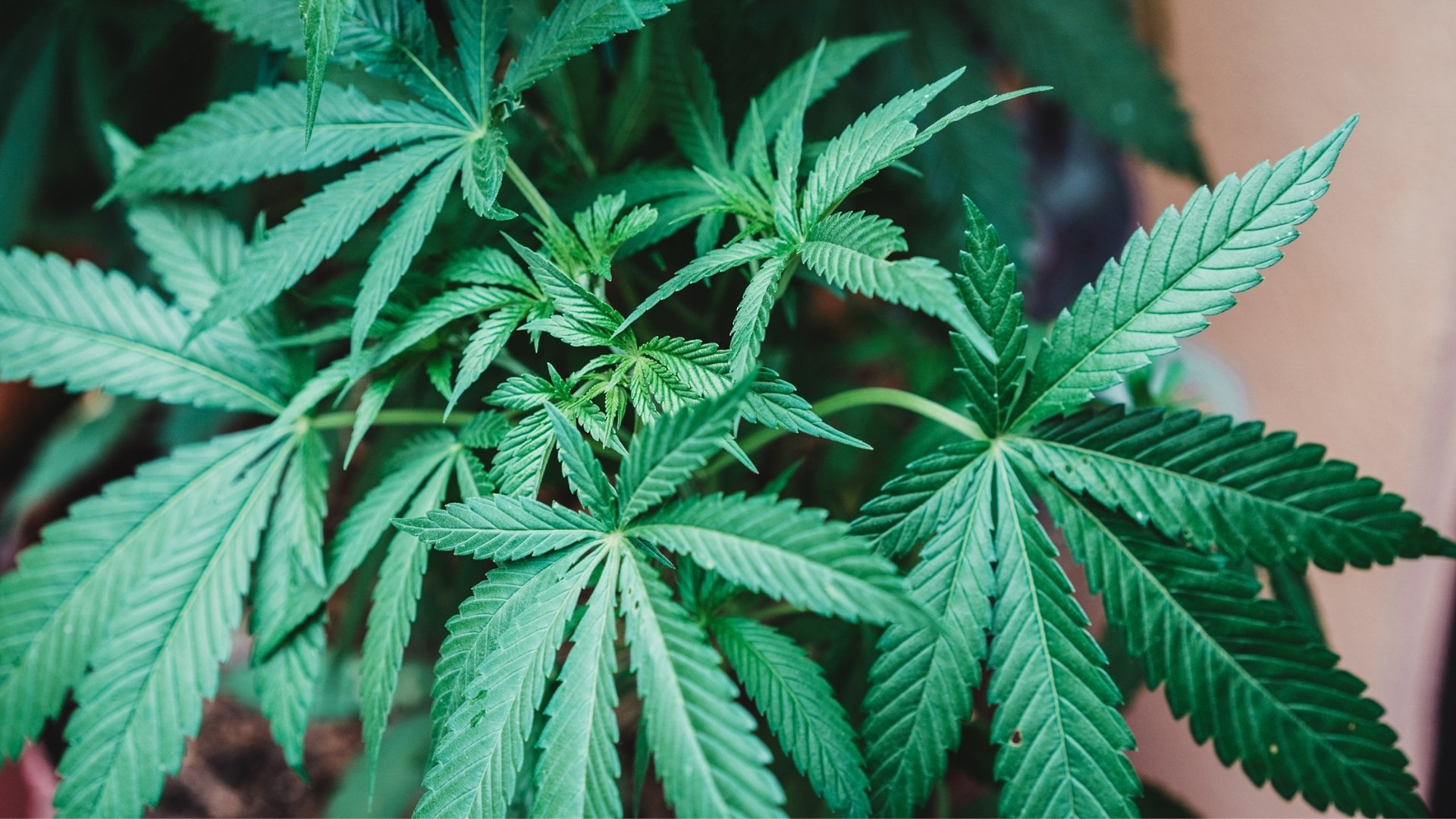
- Fan Leaves: Fan leaves are the large, recognizable leaves that extend from the branches. They play the biggest role in photosynthesis and act as early indicators of nutrient deficiencies, watering issues, or environmental stress.
- Sugar Leaves: These smaller leaves grow around the buds and often develop trichomes. While their primary role is supporting flower growth, they are commonly used after trimming for extracts and infused products.
Once you can identify these leaf types, another interesting pattern begins to emerge. The shape and structure of leaves can also reveal clues about the plant’s genetic background and how it may behave during cultivation.
Suggested Read: Diagnosing Causes of Brown Spots on Cannabis Leaves
Differences in Weed Leaf Across Different Strains
Marijuana leaves can look surprisingly different depending on the plant’s genetics. While all cannabis plants share a basic structure, strain lineage influences leaf width, spacing, and overall growth patterns.
Recognizing the following differences can help you anticipate how a plant may stretch, absorb light, and respond to its environment:
- Sativa Leaves: Sativa plants typically develop long, narrow leaf fingers with wider spacing between them. This structure allows better airflow and light penetration, which suits the warmer climates where sativas traditionally thrive.
- Indica Leaves: Indica varieties usually produce broader, thicker leaves with shorter fingers. These leaves capture light efficiently and are commonly seen in compact plants with dense growth.
- Ruderalis Leaves: Ruderalis plants often have smaller leaves with fewer fingers. They are adapted for resilience and fast life cycles, which is why they are frequently used in autoflower genetics.
When cultivators track plant development, tasks, and growth patterns through a structured system, it becomes easier to link plant behavior with real cultivation outcomes. In the next section, we connect leaf structure with how the plant actually functions.
Suggested Read: How to Become a Legal Cannabis Grower in the United States
Primary Functions of Cannabis Leaves for Healthy Cultivation
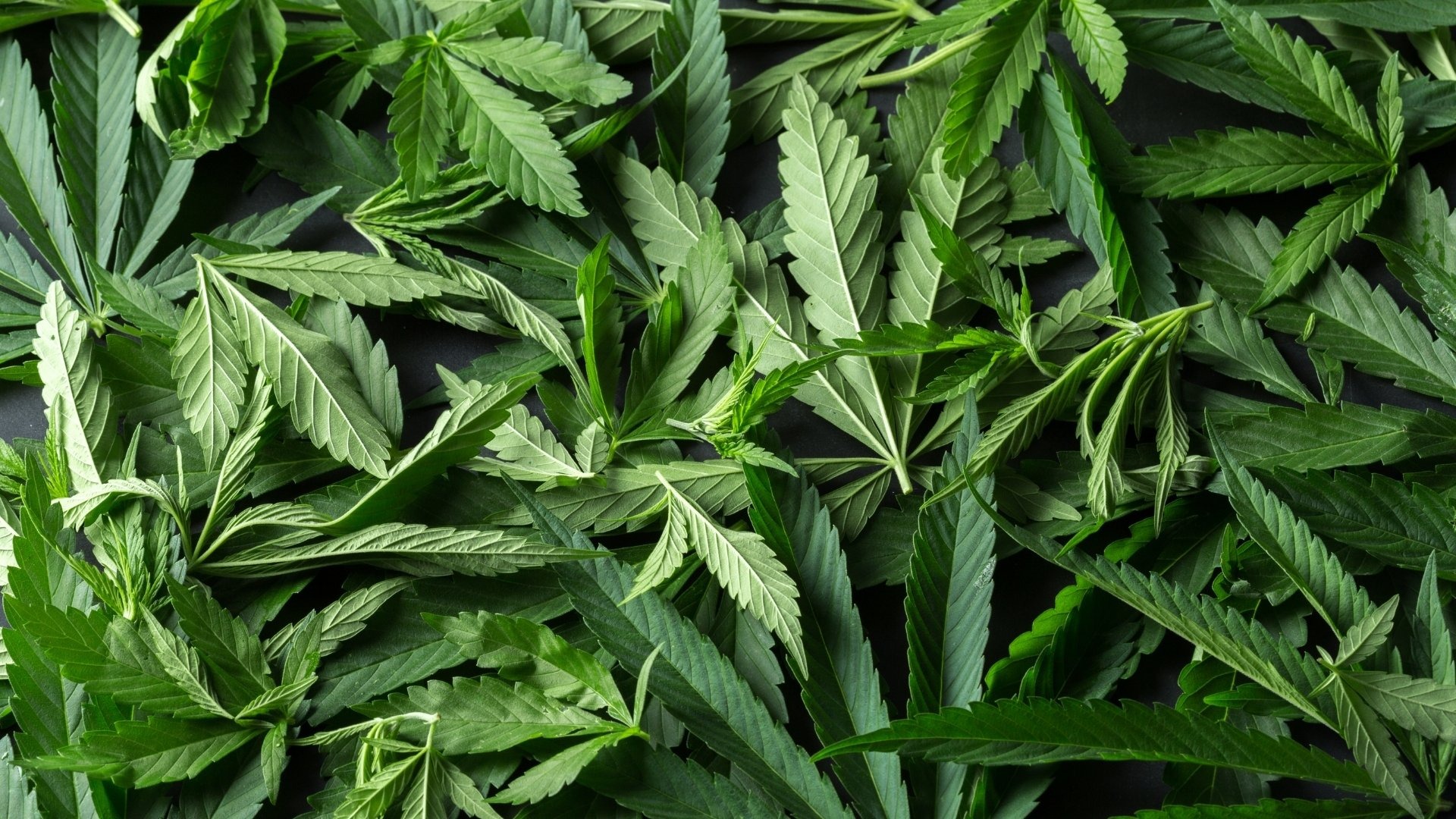
Cannabis leaves do far more than make a plant look healthy. They act as engines, regulators, and indicators that influence growth, yield, and crop stability.
Understanding the following roles can help you make better decisions throughout the growth cycle:
1. Photosynthesis and Energy Production
Weed leaves capture light and convert it into energy that fuels plant development. Without strong leaf activity, bud formation, and overall plant vigor decline.
This process supports several critical growth outcomes:
- Drives vegetative growth and structure development
- Powers flower formation later in the cycle
- Helps plants recover from pruning or stress
2. Nutrient Storage and Distribution
Leaves temporarily store and move nutrients across the plant. When something goes wrong with feeding schedules, the leaves are usually the first place it shows.
Cultivators often watch for these signals:
- Nutrient deficiencies appearing as discoloration
- Toxicity caused by overfeeding
- Nutrient redistribution during flowering
3. Transpiration and Environmental Regulation
Leaves regulate water movement and internal plant temperature. This process influences the balance of humidity, nutrient uptake, and overall plant stability.
Key cultivation impacts include:
- Movement of water and minerals through the plant
- Cooling during high-light exposure
- Maintaining internal moisture balance
4. Supporting Light Distribution Across the Canopy
Cannabis leaves help capture and distribute light across the plant canopy. Their size and placement influence how efficiently lower branches receive usable light.
This affects several aspects of cultivation performance:
- Improves light absorption across multiple plant sites
- Supports consistent bud development throughout the canopy
- Reduces weak lower growth when managed properly
PlanaCan helps cultivators log plant observations, schedule tasks, and connect plant signals with real operational data. Reporting and analytics can help you get a clearer picture of what is helping or hurting a crop. Schedule a free demo today.
Benefits of Healthy Cannabis Leaves for Cultivators
Healthy leaves make cultivation more predictable. When foliage remains strong and stable, growers can make clearer decisions about feeding, pruning, and environmental adjustments.
These are a few advantages of healthy weed leaves:
- Stronger Growth Consistency: Healthy foliage often indicates that conditions inside the grow are stable. This allows cultivators to maintain predictable plant development across rooms or batches.
- Clearer Crop Monitoring: Uniform leaf appearance makes it easier to notice when something changes. Small irregularities stand out faster when the rest of the canopy looks consistent.
- More Confident Cultivation Decisions: When plants display steady growth signals, growers can fine-tune lighting, irrigation, and pruning strategies with greater confidence.
- Better Crop Planning: Reliable plant health helps cultivators estimate harvest timing and workload more accurately. This becomes especially important in larger operations.
- Reduced Operational Surprises: Strong plants tend to respond more predictably to routine cultivation practices. That stability lowers the chances of sudden setbacks.
When you begin looking at leaves from a management perspective, they become more than plant parts. They become signals that growers can actively use to guide daily cultivation decisions. The next section looks at the various ways leaves can be useful to cultivators.
Suggested Read: Micronutrients in Cannabis: Essential Guide for Plant Growth and Nutrition
How Can Cultivators Use Marijuana Leaves
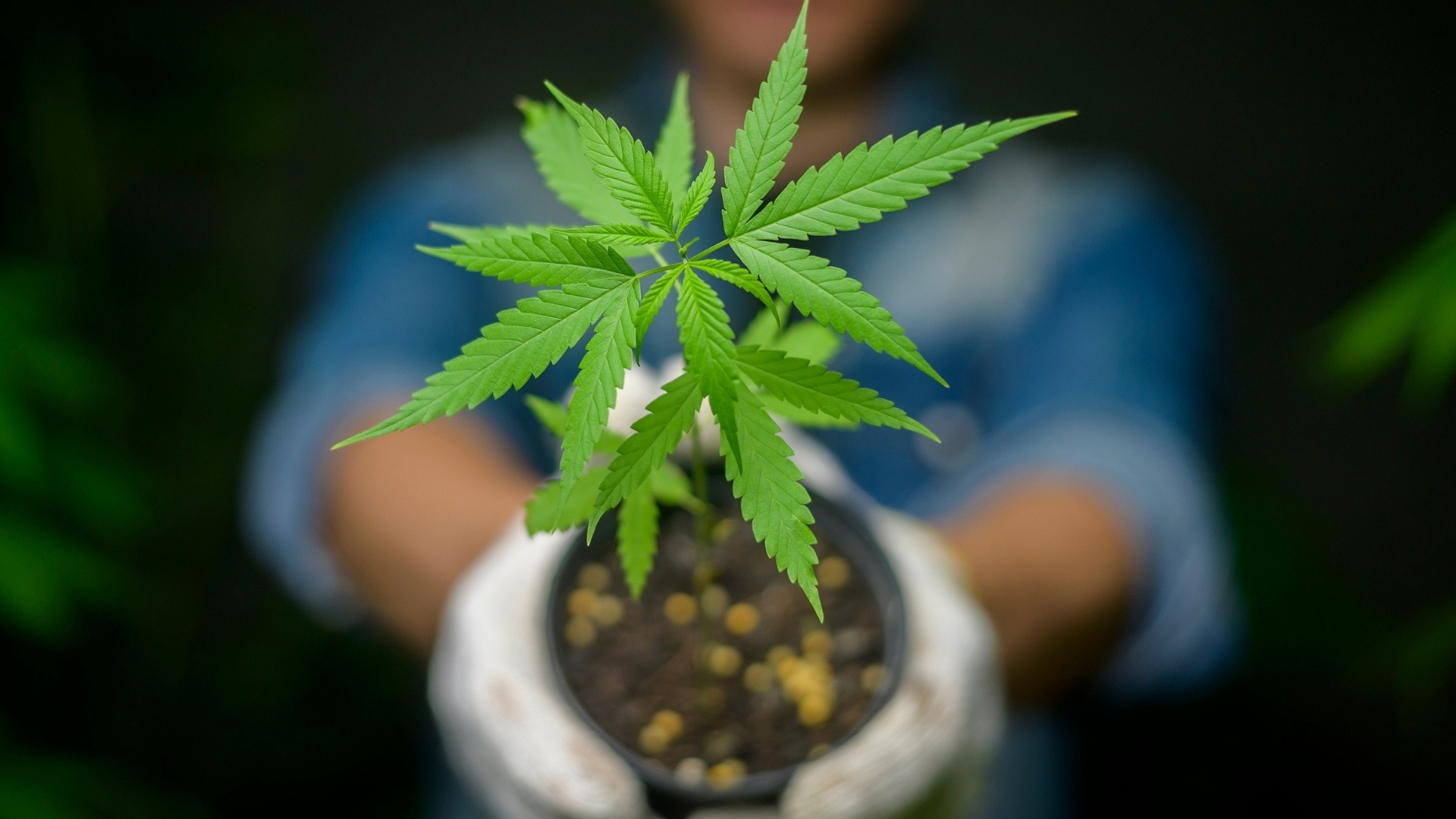
In many operations, cannabis leaves serve as valuable materials that support sustainability, product development, and resource efficiency. When handled properly, leaves can contribute value even after pruning or harvest.
Table showing how growers can use different parts of the cannabis leaf:
Instead of discarding plant material, growers can also integrate it into post-harvest workflows and sustainability practices. These are a few tips to use marijuana leaves:
- Compost leaves to support living soil systems
- Process sugar leaves during trimming for extraction
- Separate usable trim from waste early in harvest
- Track usable biomass from each crop cycle
However, leaves can also reveal when something in the growth is going wrong. Changes in color, texture, or structure often point to pests or disease before the problem spreads across the crop. This is covered in the next section.
Common Pests and Diseases in Cannabis Leaves
Even in well-managed grow environments, cannabis leaves often become the first place pests and diseases appear. Because foliage is exposed and nutrient-rich, it attracts insects and pathogens that can spread quickly if left unchecked.
Recognizing these threats early can prevent crop loss and protect yield quality:
- Spider Mites: Tiny pests that feed on plant cells, leaving speckled discoloration on leaves. Heavy infestations can weaken plants and spread rapidly across a grow room.
- Thrips: Small insects that scrape leaf surfaces and leave silvery streaks or scars. They reproduce quickly and are common in indoor and greenhouse cultivation.
- Powdery Mildew: A fungal disease that appears as white powder on leaves. It spreads easily in humid environments and can damage large portions of a crop.
- Aphids: Soft-bodied insects that feed on plant sap and gather on the underside of leaves. They weaken plants and can introduce additional plant diseases.
- Leaf Septoria: A fungal infection that causes yellow spots and eventually browning leaves. If not controlled, it can spread throughout the canopy.
Managing these issues across a full cultivation operation requires consistent monitoring and an organized response. PlanaCan allows growers to track plant observations, assign treatment tasks, and document recurring pest patterns. This structured approach can help your team react faster and prevent widespread infestations. Try PlanaCan for free.
Grower Warning Signs to Watch in Cannabis Leaves
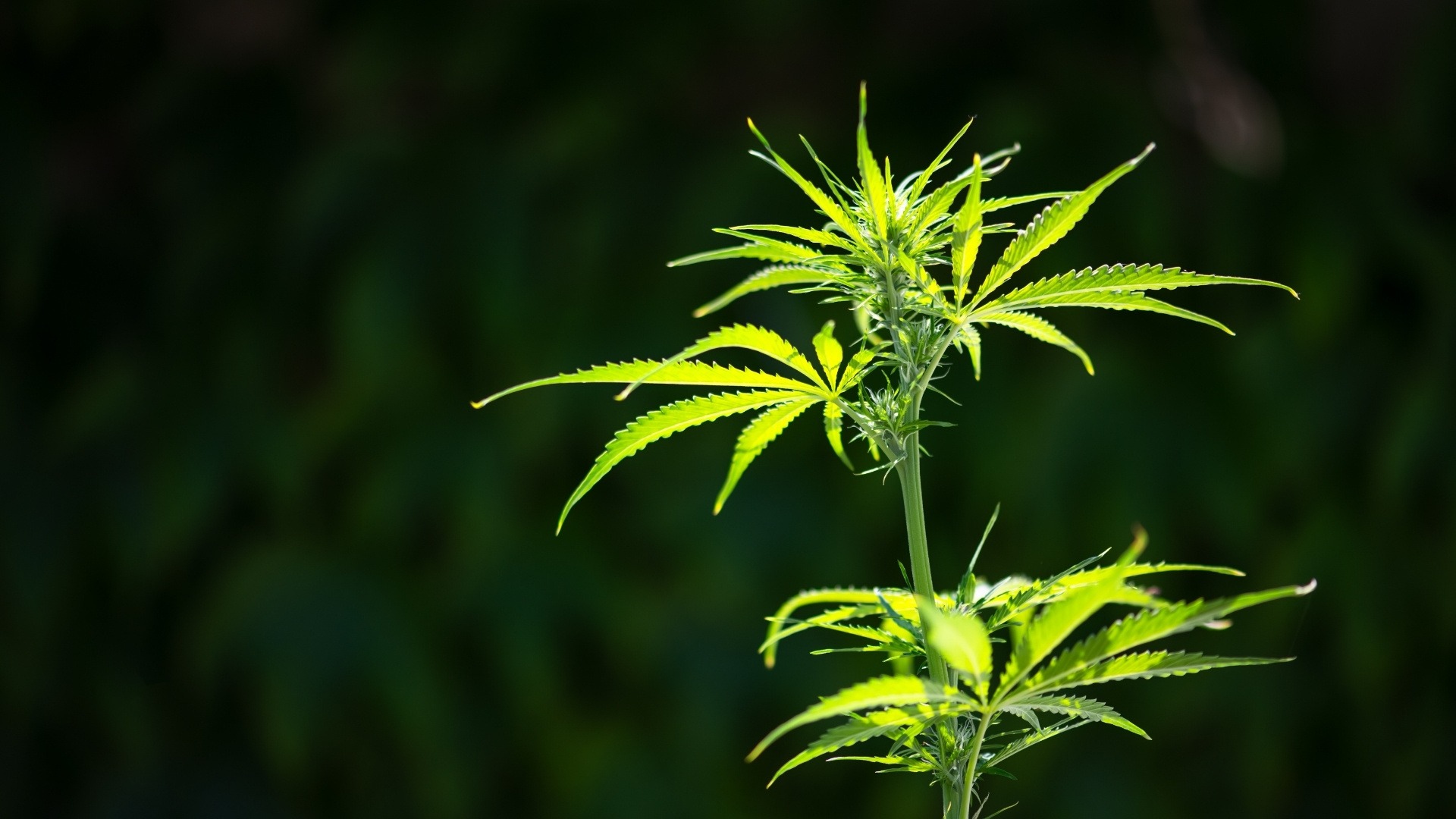
Cannabis leaves often signal trouble before plants show larger structural problems. Small visual changes can indicate stress, imbalance, or environmental instability developing inside the grow.
Cultivators who notice the following shifts early can correct issues before they impact yield or plant quality:
- Yellowing Leaves: Gradual yellowing can signal nutrient depletion, root stress, or natural aging, depending on where it appears on the plant.
- Burnt Tips: Brown or crispy leaf tips often indicate overfeeding or excessive nutrient concentration.
- Leaf Curling or Clawing: Leaves curling downward or inward may indicate nutrient imbalance, watering issues, or environmental stress.
- Drooping Leaves: Persistent drooping can indicate irrigation problems, root health issues, or low oxygen levels in the growing medium.
- Spots or Patchy Discoloration: Irregular spots may be associated with nutrient deficiencies, early disease development, or environmental stress.
- Slow Leaf Development: When new leaves appear small or weak, the plant may be struggling with nutrients, light levels, or root health.
Spotting these warning signs is only useful if growers can consistently track what they see. The next section shows how organized monitoring can help maintain plant health across every room and crop cycle.
Suggested Read: How to Spot and Resolve Cannabis Leaf Burn due to Nutrients
How Can Cultivators Monitor Weed Leaf Health Efficiently
When hundreds or thousands of plants are involved, small changes can easily go unnoticed. A structured approach helps growers detect problems early and maintain stable crop performance.
This is how you can stay on top of cannabis leaf problems before they escalate:
- Schedule Regular Plant Checks: Walk each cultivation area at consistent intervals to observe leaf color, texture, and overall canopy condition.
- Inspect Both Sides of Leaves: Many pests and early disease signs appear on the underside of leaves before becoming visible elsewhere.
- Track Patterns Across Rows or Rooms: If the same issue occurs across multiple plants, it often points to a broader environmental or feeding issue.
- Document Changes During Growth Stages: Recording leaf conditions during vegetative and flowering phases helps identify recurring issues.
- Coordinate Observations Across Teams: When multiple staff members manage a facility, sharing notes ensures important signals are not missed.
As cultivation operations grow, manual observation alone becomes harder to manage. This is where technology begins to play a much larger role in plant health monitoring.
Suggested Read: Curing Methods Process in Food Preservation and Cannabis
How Does PlanaCan Help Track Plant Health

PlanaCan is a cultivation management platform designed specifically for cannabis growers. It helps teams plan work, track crop progress, and keep daily operations organized in one place. Connecting scheduling, communication, and cultivation data allows growers to monitor plant health more consistently across the entire facility.
PlanaCan helps growers with the following features:
- Templates and Standardized SOPs: Proven workflows can be saved and reused across different grow cycles. This ensures consistent execution and helps new team members follow established cultivation practices.
- Automate Work: Routine cultivation activities can be standardized so teams follow consistent processes every time. This reduces manual oversight and keeps plant care aligned across rooms and growth stages.
- Schedule Management: The interactive cultivation calendar helps growers plan feeding, inspections, treatments, and harvest timelines. With everything mapped out, teams can monitor plant progress without relying on scattered notes.
- Communications: Clear coordination between team members is essential in large-scale cultivations. PlanaCan connects staff through a centralized platform and a mobile experience available on iOS and Android, allowing updates from anywhere in the facility.
- Analytics: Tracking cultivation activities over time gives growers clearer insight into what is working and what needs adjustment. Data from previous cycles helps guide future decisions and crop strategies.
PlanaCan is built specifically for cultivators who want more control and clarity in their operations. The platform continues to evolve with updates that reflect real grow-room challenges and workflows. At its core, it is designed by people who understand cultivation and want growers to succeed.
Final Thoughts
Ignoring what cannabis leaves are telling you can create serious problems inside a grow. Nutrient imbalances spread, pests multiply, and environmental issues escalate before many teams notice. By the time visible plant damage appears across the canopy, yield and quality are already affected.
PlanaCan helps growers organize cultivation work, track plant signals, and keep teams aligned throughout the grow cycle. It connects observations, daily work, and crop planning in one place. The platform also gives cultivation teams a clearer view of what is happening across rooms, strains, and growth stages.
See how a purpose-built platform can simplify daily cultivation management. Schedule a free call today.
Frequently Asked Questions
1. Can cultivators do anything useful with cannabis leaves?
Yes. Many cultivators process sugar leaves for extracts, compost fan leaves to support soil health, or track leaf signals to guide pruning, feeding adjustments, and overall crop management decisions.
2. Can cannabis leaves be smoked?
Technically, yes, but most cultivators avoid it. Fan leaves contain very low cannabinoid levels and produce a harsh smoke, so they are usually processed, composted, or discarded instead.
3. What color should healthy cannabis leaves be?
Healthy cannabis leaves are typically vibrant to deep green during most growth stages. Consistent color across the canopy usually signals balanced nutrition, stable lighting, and proper environmental control.
4. What is a cannabis leaf called?
Growers usually refer to them by type. The most common terms are fan leaves, sugar leaves, and cotyledons, each describing leaves that appear during different stages of plant growth.
5. Why do cultivators monitor cannabis leaves closely?
Leaves react quickly to environmental shifts, feeding issues, and stress. Observing them regularly helps cultivators catch problems early and maintain consistent crop performance.