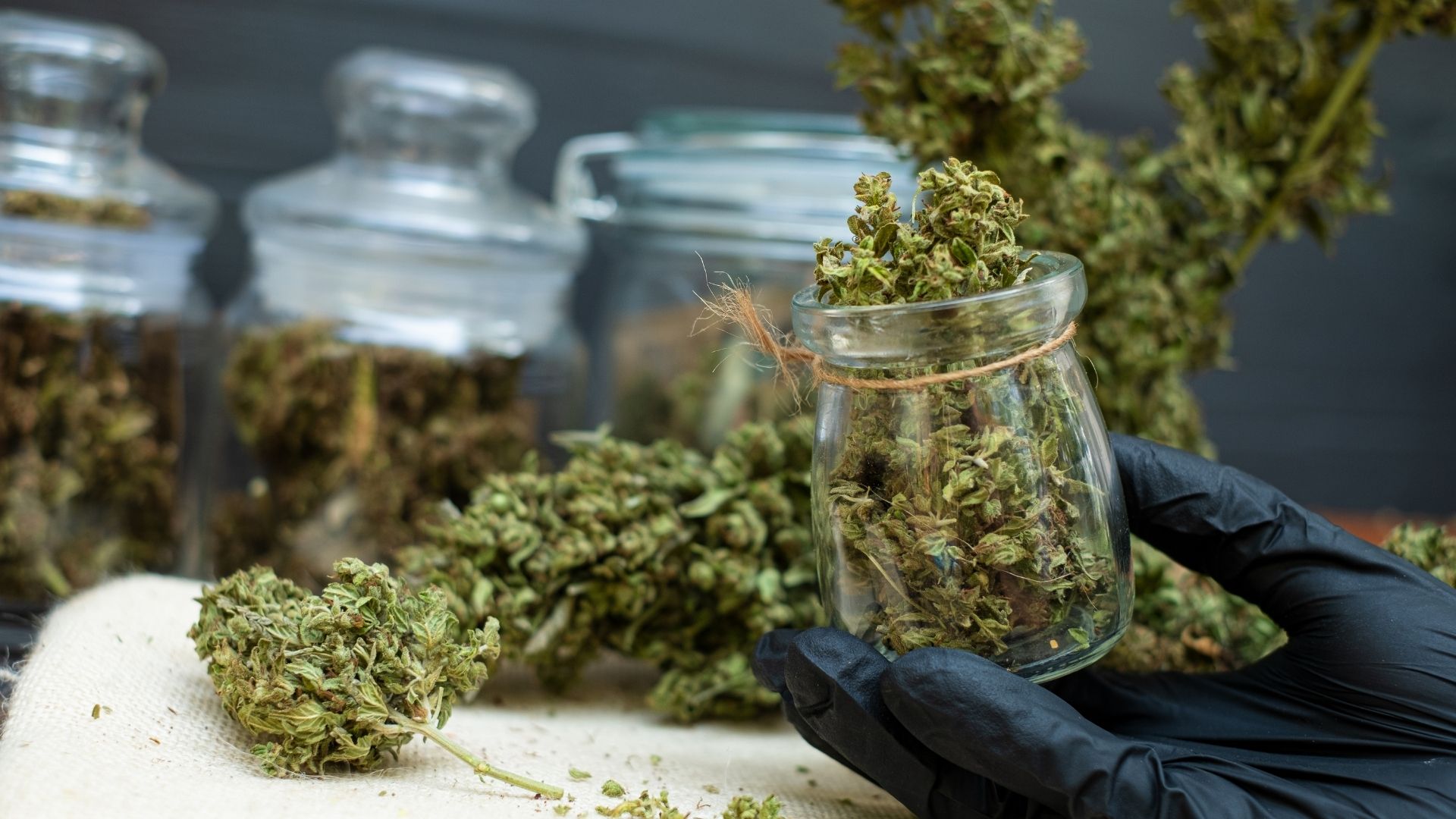
Drying is one of the most delicate stages of post-harvest cannabis production, and small environmental swings can cause major losses. A peer-reviewed study found that traditional air drying can reduce terpene content by 31% in one week and up to 55% after three months, directly affecting aroma and quality.
These risks highlight why Vapor Pressure Deficit (VPD) is essential for controlling moisture release, preventing mold, and protecting terpene integrity.
This blog explores how VPD for drying weed works, the ideal ranges to target, and proven methods to maintain them for consistent, high-quality results.
Brief takeaway:
- VPD drives how weed dries. Vapor Pressure Deficit controls how quickly moisture leaves cannabis, and stable, low values create slow, even drying that protects terpenes, smoothness, and overall quality.
- Ideal VPD conditions prevent major drying risks. A range of 0.30–0.60 kPa with cool temperatures and moderate humidity avoids overdrying, mold, aroma loss, and inconsistent buds across the room.
- Methods to control VPD keep drying predictable. Steady temperature, careful dehumidifier use, balanced airflow, controlled pressurization, and consistent monitoring keep the environment within the gentle range your flower needs.
- Stable VPD improves final yield and product value. Proper drying retains more terpenes, preserves weight, reduces harshness, and creates uniform batches, directly answering the blog’s goal of reducing risk and improving yield.
- Use technology to turn VPD management into a repeatable system. Automated schedules, team assignments, templates, mobile tools, and harvest reporting help growers maintain consistent drying routines that protect quality from start to finish.
What Is VPD?
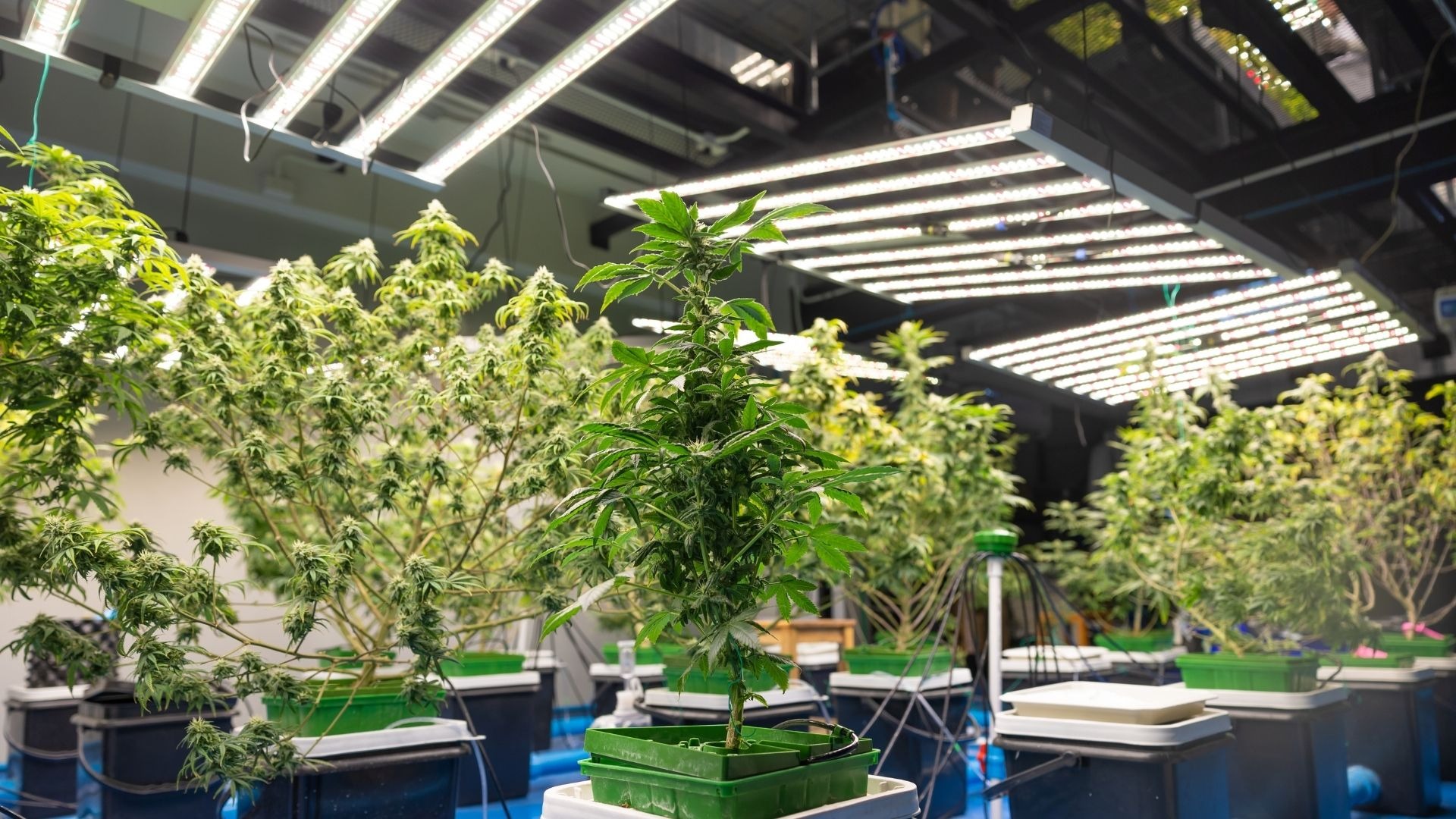
Vapor Pressure Deficit (VPD) is an easy way to understand how strongly the air pulls moisture out of your cannabis. Instead of treating temperature and humidity separately, VPD combines them into a single number that reflects the true drying force acting on your buds.
In a drying room, that movement is what makes the difference between smooth, flavorful flower and harsh, uneven weed. This is how moisture moves in cannabis plants:
- Moisture Movement And VPD Control: Moisture leaves marijuana in stages, and VPD determines how quickly that moisture escapes, shaping both quality and consistency.
- Dry Air and Quality Loss: When the air is too dry, buds release moisture too fast, damaging aroma, terpene retention, and texture.
- Humid Air And Mold Risk: When the air is too humid, moisture release slows, increasing the chance of mold, wet spots, and uneven drying.
- Consistency Through Stability: Stable VPD keeps cannabis drying slowly and evenly, preserving color, smoothness, and overall flavor.
- Swings Create Uneven Results: Sharp changes in VPD cause some buds to overdry while others stay damp, leading to inconsistent batches.
As you start using VPD to guide your drying process, the room becomes easier to control, and your outcomes become far more predictable. This perspective helps you build an environment that protects quality and keeps your harvest performing the way you intended.
Suggested Read: A Quick Guide to the 60/60 Drying Method for Cannabis
Ideal VPD Conditions for Consistent, High-Quality Drying
The best drying results come from cooler temperatures and moderate humidity, which together create a gentle VPD that pulls moisture out at the right pace. This balance keeps cannabis aromatic, smooth, and structurally intact.
This table will help you understand how temperature and humidity interact to produce an ideal drying VPD range.
Target Range: Most growers focus on 0.30–0.60 kPa, which supports slow, controlled drying without risking mold or terpene loss.
Differences for Small Rooms vs Large-Scale Drying Spaces
Small drying rooms change conditions much faster. A slight door opening, a fan running too strongly, or equipment cycling on and off can swing the VPD quickly.
These spaces need gentler airflow, smaller dehumidifiers, and more frequent monitoring.
Large-scale drying spaces behave differently. The air volume is larger, which slows environmental swings but makes it harder to maintain uniform conditions from one area to another.
These rooms often need zoned airflow, multiple sensors, and coordinated equipment settings to prevent microclimates.
PlanaCan helps growers stay consistent during drying by turning daily environmental checks into scheduled, trackable tasks. With clear task assignments, teams know exactly when adjustments are needed, keeping the drying environment stable from start to finish.
Suggested Read: How to Calculate and Measure Vapor Pressure Deficit (VPD)
Proven Methods to Control VPD in the Drying Room
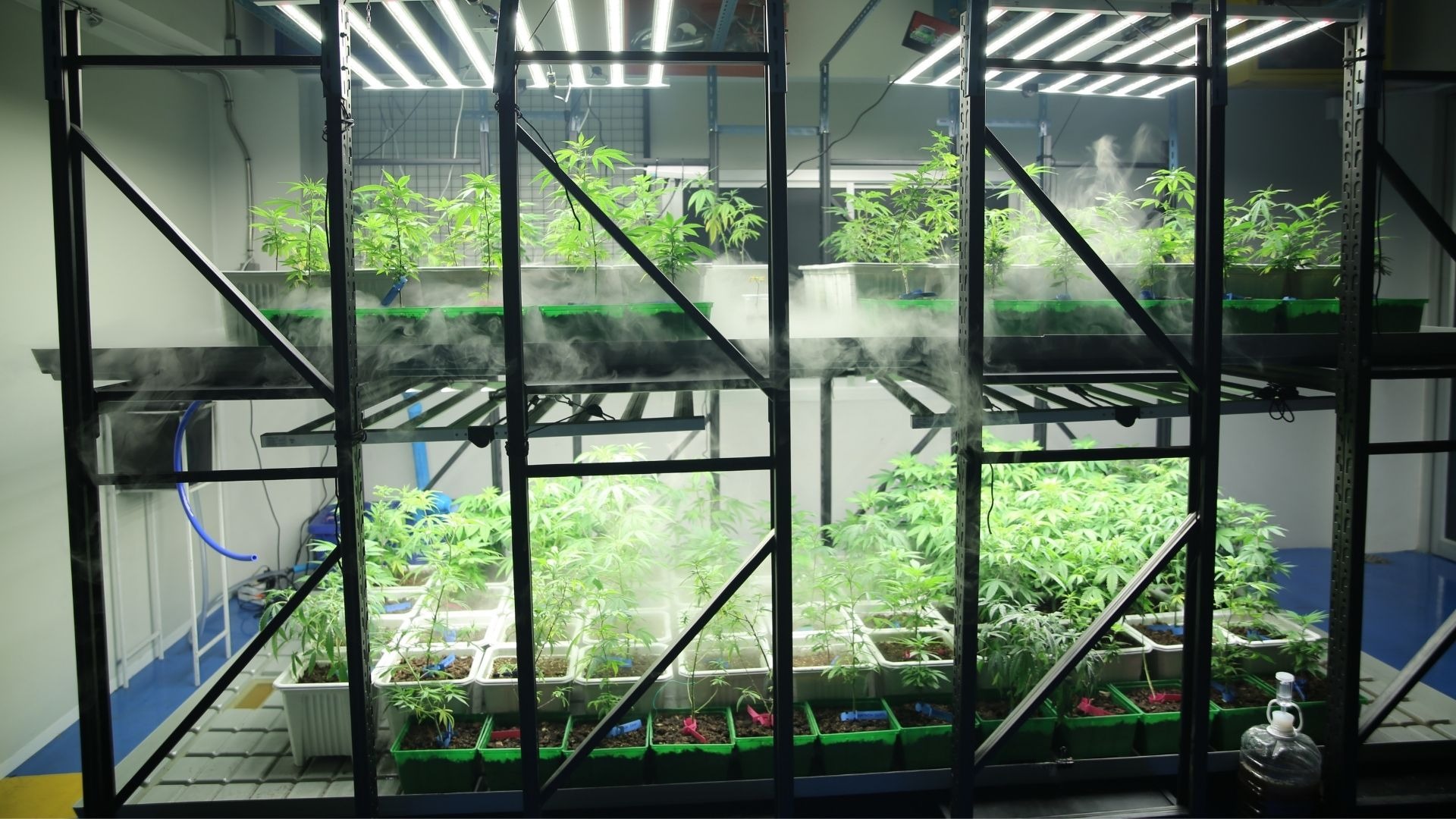
Controlling VPD is about shaping the environment so moisture leaves your cannabis at the right pace. Each method below helps stabilize the room and prevent sudden shifts that harm quality.
Method 1: Stabilize Temperature Before Adjusting Humidity
Temperature sets the foundation for VPD, so keeping it steady prevents the room from swinging out of range. Small changes in heat can create large changes in drying speed.
Use the following practices to maintain a stable temperature:
- Keep the room insulated to stop outside heat from causing sudden spikes.
- Use gentle, low-intensity cooling instead of rapid drops that shock the environment.
- Measure temperature at canopy height for a true reading of what the buds are experiencing.
Method 2: Use Dehumidifiers Strategically, Not Constantly
Dehumidifiers can easily overcorrect a room, pulling moisture too quickly if left unchecked. Controlled use preserves the slow, steady drying that cannabis needs.
Apply these steps for balanced dehumidification:
- Run dehumidifiers in short, scheduled intervals instead of nonstop operation.
- Adjust settings based on current temperature so VPD does not jump unexpectedly.
- Position units so the airflow spreads evenly without blowing toward hanging buds.
Method 3: Improve Airflow Without Directly Blowing On Buds
Air movement should support drying, not accelerate it unnaturally. Proper airflow prevents stagnant zones while keeping the flower protected.
Follow these approaches to get airflow right:
- Circulate air around the room rather than toward the buds themselves.
- Use soft, indirect airflow to break up pockets of still, humid air.
- Ensure the entire space exchanges air consistently without creating harsh drafts.
Method 4: Control Room Pressurization
Room pressure subtly affects how moisture escapes from marijuana, especially in sealed or semi-sealed spaces. Balanced pressure leads to predictable drying patterns.
Use these techniques for smooth pressurization control:
- Avoid strong negative pressure that forces moisture out too quickly.
- Keep intake and exhaust airflow balanced to prevent sudden room shifts.
- Use filtered intakes or controlled vents to fine-tune airflow direction and volume.
Method 5: Monitor With VPD Charts or Automated Sensors
Accurate monitoring turns drying from guesswork into a repeatable process. The more precise your data, the easier it becomes to catch issues early. Use these steps for effective monitoring:
- Place calibrated hygrometers in multiple zones to avoid relying on a single reading.
- Track readings at consistent intervals to identify patterns and prevent surprises.
- Set digital alerts or logging tools to notify you when conditions drift from the target.
When you combine these techniques, the drying room becomes far easier to manage, and your environment becomes steady instead of reactive.
In the next section, we look at how a stable VPD protects terpenes, preserves structure, and improves uniformity across batches.
Impact of VPD Drying on Final Yield and Product Quality

As a study notes, “Controlled atmosphere drying chambers were found to reduce the drying and curing time by at least 60% compared to traditional drying methods, while preserving the volatile terpene content.”
This highlights how proper environmental control, including VPD management, can protect both time and quality.
These are a few reasons to care about VPD for drying weed:
- Preserves Terpene Integrity: Slow, steady moisture release keeps volatile terpenes from evaporating too quickly, protecting aroma and flavor.
- Reduces Harshness: Proper VPD prevents rapid drying, which often leads to brittle flowers and a hot, harsh smoke.
- Improves Weight Retention: Even drying helps buds retain their natural density rather than shrinking unevenly.
- Prevents Mold And Wet Spots: Stable VPD lowers the risk of moisture being trapped inside dense buds.
- Creates Uniform Batches: Controlled VPD ensures buds across the entire room finish at similar moisture levels.
- Increases Overall Market Value: When aroma, appearance, and smoothness stay intact, the final product quality increases.
PlanaCan offers a task-based system that ensures teams check and adjust drying conditions at the same time each day, reducing the random swings that damage product quality. With all readings logged in one place, growers can compare batches, spot patterns, and refine VPD targets. Try for free.
Suggested Read: Fertilizer Mix for Cannabis Flowering Stage
Troubleshooting VPD for Consistent Drying Results
Temperature swings, equipment cycling, or uneven airflow can push VPD out of range and affect how your cannabis dries. Troubleshooting these issues early keeps your buds safe from overdrying, mold, or uneven moisture levels.
The table below highlights common drying problems, what they look like, and how to correct them before they impact the entire room.
Maintaining consistent VPD is less about avoiding mistakes and more about responding early and steadily. These best practices help keep the drying environment predictable and protective of your flower:
- Monitor readings from several room zones.
- Track temperature and RH changes daily.
- Calibrate hygrometers and sensors periodically.
- Make environmental adjustments gradually.
- Watch equipment cycling patterns.
- Keep notes from each drying cycle to identify trends.
When these habits become part of your routine, drying becomes a controlled process rather than a reactive one. The following section lists the tools and technologies that help you track VPD stability in the drying room.
Suggested Read: Drying vs Curing: Understanding the Key Differences
Tools and Technology That Help Maintain Optimal VPD
Technology can help you detect shifts early, correct conditions quickly, and create a smooth, predictable drying curve. They give you the clarity needed to make informed decisions and protect your cannabis from avoidable quality loss.
Tools worth using for consistent VPD control:
- Digital Hygrometers: Place them across multiple room zones to catch humidity pockets early.
- Temperature Sensors: Use infrared or probe sensors to get accurate readings at bud level.
- Environmental Controllers: Sync HVAC, fans, and dehumidifiers to maintain consistent conditions.
- Data-Logging Devices: Track VPD, RH, and temperature trends throughout the entire drying cycle.
- Smart Alert Systems: Receive notifications when conditions drift from target ranges.
- VPD Calculators: Simplify adjustments by pairing temperature and humidity into one actionable value.
- Airflow Meters: Identify dead zones or overly strong airflow areas that affect drying uniformity.
When these tools work together, drying becomes more predictable and far less labor-intensive. PlanaCan can help you turn environmental readings into consistent routines that keep VPD stable day after day.
Replace Guesswork with Clear VPD-Driven Schedules in PlanaCan

PlanaCan is a cultivation management platform built to bring structure, predictability, and clarity to every stage of your workflow. It gives growers a structured, intelligent system that turns environmental readings into predictable routines, ensures the entire team follows the same process, and makes your drying room feel controlled instead of fragile.
This is how PlanaCan helps deliver optimal VPD for drying weed:
1. Automated Work Scheduling
PlanaCan builds a daily schedule that assigns the right tasks to the right people at the right time. Every temperature check, humidity reading, and airflow adjustment is mapped out automatically. For growers, this means no more missed checks or inconsistent timing, which are the biggest causes of sudden VPD jumps.
2. Interactive Calendar for Planning and Tracking
The interactive calendar shows your entire drying process at a glance; room checks, tasks, adjustments, and completion times all in one visual timeline. When VPD starts drifting, you can immediately identify what changed and when it changed. The calendar becomes your control center, helping you prevent problems before they ripple across the room.
3. Team Management Tools
PlanaCan gives every team member clear responsibilities, preventing overlap, confusion, or missed steps. Team assignments, mobile notifications, and task confirmations ensure that nothing slips through the cracks. Consistency becomes built into your workflow, not dependent on who is on shift.
4. Harvest Analysis and Reporting
PlanaCan turns all your environmental logs into easy-to-read reports. You can compare batches, identify what produced the best results, and refine your drying strategy with confidence. These insights help growers avoid repeating mistakes and steadily improve weight retention, terpene preservation, and smoothness.
5. Custom Templates and Mobile Apps
Drying templates ensures your team follows the same steps every single time. The mobile app makes it effortless to record these tasks directly in the drying room, eliminating delays and inaccurate notes. With templates guiding the routine and mobile tools capturing real-time data, your VPD stays stable because your process stays stable.
The words usually associated with the drying process are “stress,” “uncertainty,” and “hope it turns out okay.” PlanaCan replaces that stress with structure. It turns hope into confidence by giving you the data, the routines, and the team coordination needed to protect your harvest.
Conclusion
Poor control of VPD for drying weed can strip terpenes, flatten aroma, increase harshness, and lead to uneven batches. When drying is guided by stable VPD instead of guesswork, the entire harvest becomes more flavorful and consistent.
PlanaCan gives growers the structure and clarity needed to achieve that stability. With templates, mobile access, detailed reports, and automated scheduling, PlanaCan becomes the system that supports your drying room, your workflow, and your results.
Want a more predictable process from harvest to finish? Schedule a free call today.
Frequently Asked Questions
1. What should VPD be for drying?
A gentle VPD of 0.30–0.60 kPa supports slow, controlled moisture loss, helping cannabis dry evenly while protecting terpenes, aroma, and texture. Lower, steadier values reduce stress and prevent overdrying.
2. Is 60% humidity too high for drying?
No. 58–62% humidity is ideal for slow drying when paired with cool temperatures. This range maintains a low VPD, prevents harshness, and keeps moisture release steady without inviting mold.
3. Is 65 RH too high for curing?
Yes. 65% RH is slightly high and increases mold risk. Most growers aim for 58–62% during curing to maintain safe moisture levels and preserve smoothness, flavor, and long-term stability.
4. What is the best VPD for weed?
During drying, the best VPD is 0.30–0.60 kPa for slow, controlled moisture movement. During growth, ideal VPD varies by stage, but drying always demands the gentlest range.
5. How long should cannabis dry at ideal VPD?
At a stable VPD between 0.30–0.60 kPa, cannabis typically dries in 7–14 days. This slow pace protects terpenes, prevents harshness, and keeps moisture movement even throughout the buds.
6. Does VPD affect terpene retention during drying?
Yes. Low, steady VPD preserves volatile terpenes by slowing moisture release. Rapid changes cause terpene evaporation, dull aroma, and uneven quality, making VPD one of the most significant factors in flavor retention.
7. Can VPD swings ruin a drying batch?
They can. Sudden VPD spikes overdry outer layers, while drops trap moisture inside. These swings create harsh smoke, mold risk, and inconsistent buds, making stable environmental control essential.