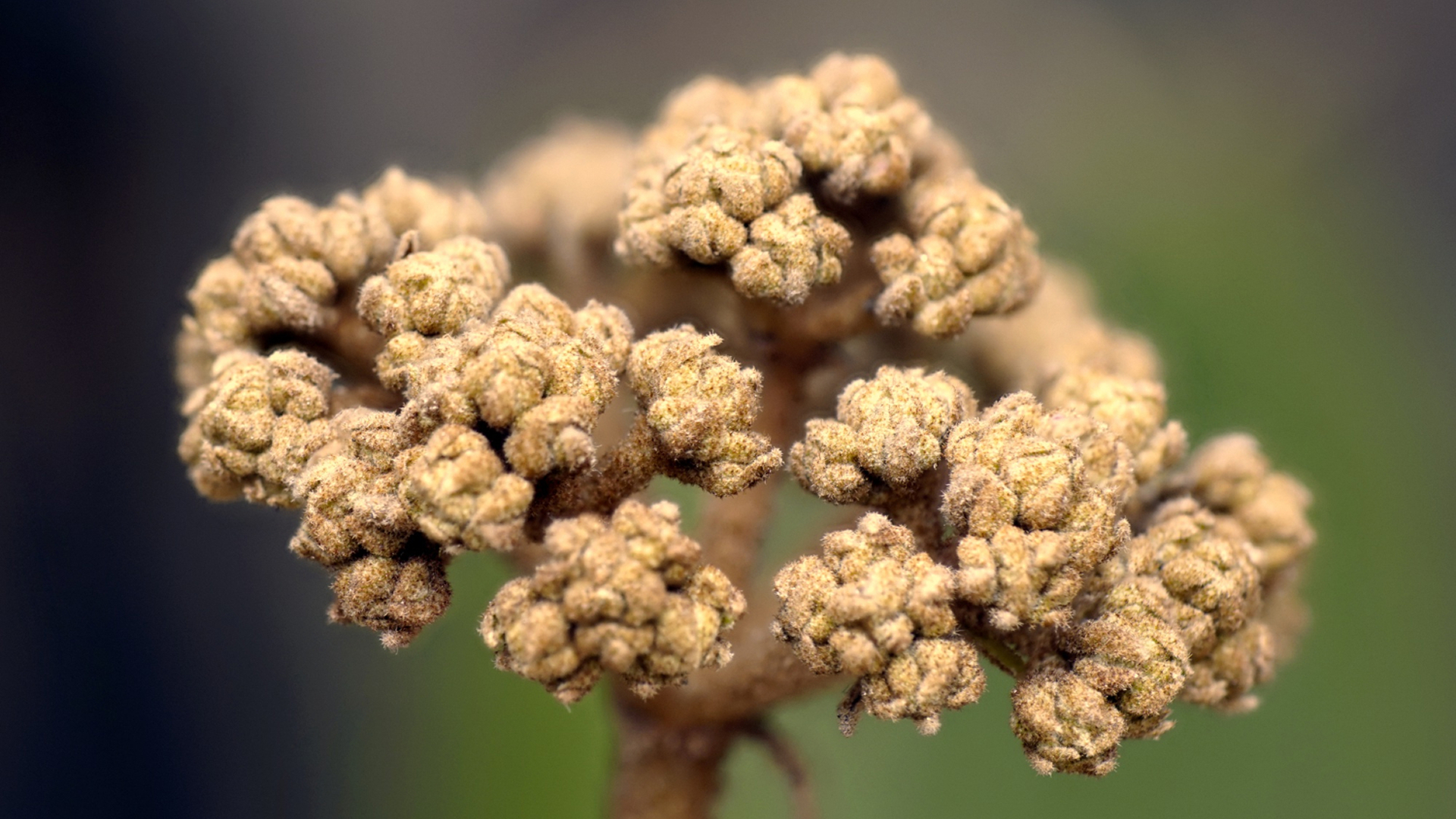
You wait weeks to harvest your buds, only to end up with fluffy, weightless flowers that don’t look or feel like the payoff you expected. They crumble too easily, lack density, and just don’t hit the mark. All that time and energy, and yet the end result feels like a step backward, rather than a win.
This issue is more common than you think. Airy buds, after drying, can catch even experienced growers off guard. The buds may look full on the plant, but once dried, their actual structure gets exposed, and it’s often not what you hoped for.
The good news is that you’re not stuck with this problem forever. With the right fixes and a better approach next time, you can grow tighter, more satisfying buds.
In this article, you’ll learn how to spot airy buds, what causes them, how to fix the ones you have, and how to avoid the problem in your next grow.
TL;DR
- Airy buds are often caused by poor lighting, excessive heat, poor genetics, incorrect nutrients, or early harvest.
- Fix issues by using strong grow lights, managing temperature and humidity, and switching to bloom nutrients on time.
- Avoid quick drying by keeping temps at 60 to 70°F and humidity at 45 to 55 percent for 7 to 14 days, then cure properly.
- Utilize training techniques such as LST and defoliation to enhance light penetration and airflow.
Before you can spot what went wrong with your buds after drying, it helps to understand what a healthy cannabis flower is supposed to look like.
Understanding Cannabis Bud Anatomy
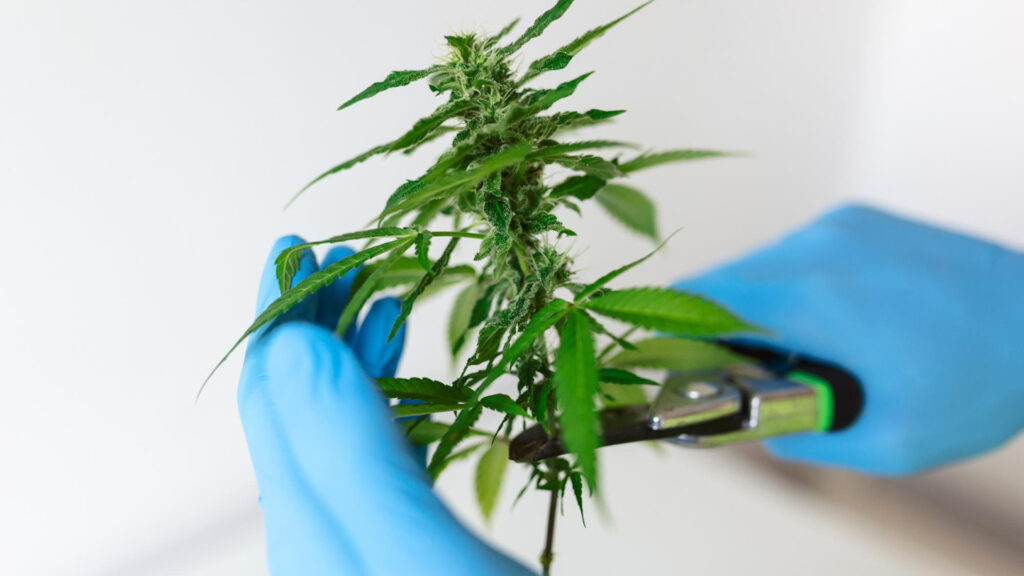
Before you can spot what went wrong with your buds after drying, it helps to understand what a healthy cannabis flower is supposed to look like. Each bud (or cola) is made up of several distinct parts:
- Calyxes: These are the tiny, tear-shaped structures that form the bulk of the flower. When healthy, they’re densely packed and covered in resin.
- Pistils: The orange or brown hairs sticking out of the buds. These are reproductive organs that change color as the plant matures.
- Trichomes: Tiny, crystal-like structures that coat the bud. They produce cannabinoids and terpenes and give the bud its sticky, frosty appearance.
- Sugar Leaves: Small leaves tucked within the buds, often covered in trichomes. These get trimmed during harvest.
- Stems: The structural support, though you want as little stem material in your final flower as possible.
When everything is dialed in, including light, nutrients, airflow, and temperature, you end up with dense, resinous flowers featuring fat calyxes, glistening trichomes, and minimal stems.
So, how do you identify light and airy cannabis buds? Let us understand below.
How to Identify Light and Fluffy Cannabis Buds
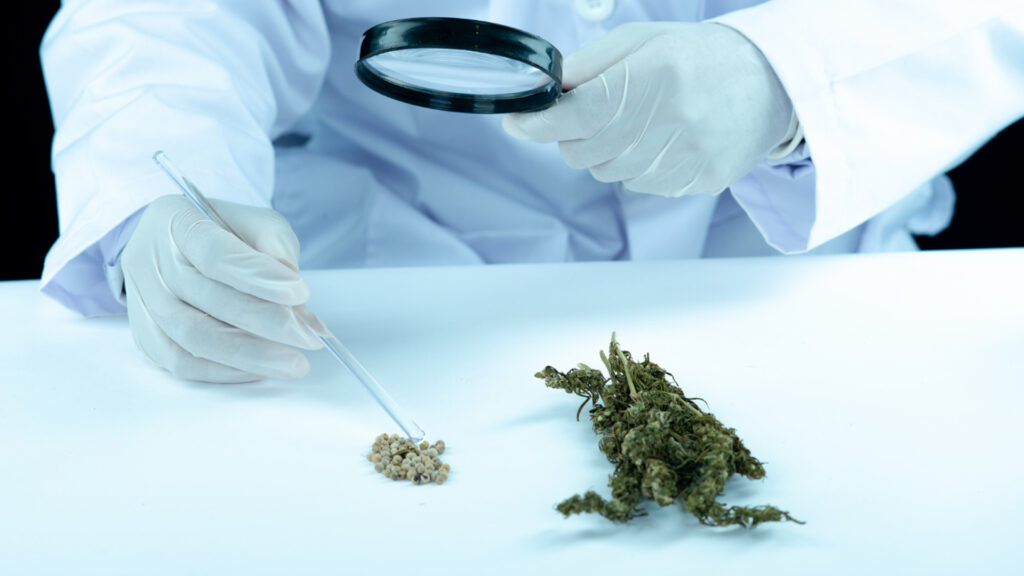
If you’ve ever harvested a plant only to end up with airy, underwhelming flowers, you know how disappointing that can feel. Perhaps your buds appear large at first glance, but when you go to trim or cure them, they crumble or feel weightless. If you're unsure whether your cannabis is developing the dense colas you were hoping for, it helps to know exactly what to look for.
Here’s how you can tell if your buds are light, fluffy, or “airy” and why it matters.
- Feel the Weight: Gently squeeze a cured bud. Dense, high-quality buds feel firm and heavy for their size. Light and fluffy ones feel soft, airy, or even spongy. If it compresses too easily or springs back without resistance, that’s a red flag. A proper nug should have some give, but it shouldn’t feel hollow.
- Look at the Structure: Pay attention to how the bud is formed. Light and fluffy cannabis often lacks a tight, compact structure. Instead of thick, nugget-like colas, you’ll notice open spacing between the calyxes, wispy leaves sticking out, and a lack of symmetry. Sativa strains tend to grow a bit looser by nature, but they still shouldn’t look like wisps of plant matter.
- Check the Trichome Coverage: While airy buds can still contain cannabinoids, their potency and bag appeal often suffer. Examine the surface under light. Do you see a thick frosting of trichomes? Fluffy buds tend to have fewer visible trichomes, especially if poor lighting or inadequate nutrients have stunted their development. Fewer trichomes can mean less THC, weaker aroma, and diminished flavor.
- Notice the Aroma: Smell matters. Dense buds typically possess a strong, pungent aroma due to their high terpene content. If your buds smell faint, grassy, or slightly off, it may indicate they didn’t mature properly or dried too fast. Fluffy buds often carry that hay-like scent that signals a rushed dry or poor curing process.
- Watch for Stems and Leaves: Excess sugar leaves and exposed stems are typical in airy cannabis. You might notice a more visible stem than a bud, especially around the base. If trimming reveals little actual flower material, it’s another sign your plant focused on vegetative growth instead of building out dense, resinous flowers.
- Yield Ratio After Drying: Light and fluffy buds tend to shrink more during the drying and curing process. If your harvest looked big but your final yield seems suspiciously low, fluffiness might be to blame. Dense buds hold more material and moisture, so the dry weight reflects that. Airy buds dry quickly but leave behind less usable product.
So, what are the causes of light and fluffy cannabis buds? Let us understand in detail below.
Causes of Airy Cannabis Buds
Airy buds are a sign that something went wrong during your grow. They’re light, loose, and often disappointing after months of work. To fix the problem, you first need to understand what caused it.
Here are the main reasons your buds might have come out airy:
1. Weak or Inadequate Lighting: If your plants don’t get enough light, especially during flowering, they won’t develop thick, dense buds. Light fuels bud production. Without enough of it, your plants stretch and form loose, airy flowers.
Why it happens:
- Lights are placed too far from the canopy
- You're using low-quality or underpowered LEDs
- The canopy is too crowded, blocking light to lower bud sites
2. High Temperatures: Too much heat causes your plants to stretch instead of packing on weight. It also disrupts trichome development and lowers potency.
Why it happens:
- Poor ventilation
- Grow lights generate excessive heat
- Room temperatures rise above 29°C (85°F) during flowering
3. Poor Genetics: Some strains don’t produce dense buds no matter how well you grow them. Fluffy flowers can be part of the plant’s genetic profile, especially when using random seeds or unstable hybrids.
Why it happens:
- Growing from bagseed or unknown sources
- Choosing landrace sativas or strains not bred for dense buds
- Buying seeds from unreliable breeders
4. Nutrient Imbalance: Feeding the wrong nutrients at the wrong stage affects bud formation. Too much nitrogen during bloom leads to leafy growth. Not enough phosphorus and potassium limits bud development.
Why it happens:
- Failing to switch to bloom nutrients after the stretch
- Overfeeding with vegetative formulas
- Ignoring pH and EC levels, which affects nutrient uptake
5. Overcrowded Canopy: When plants are too bushy or packed too close together, airflow is restricted and light can't reach all the bud sites. This usually results in weak, underdeveloped flowers, especially on lower branches.
Why it happens:
- Skipping pruning or defoliation
- Letting plants grow too tall or wide
- Not spacing pots properly in the grow area
6. Humidity Problems: High humidity during flowering slows down bud development and raises the risk of mold. On the other hand, very dry air stresses your plants and can stall growth altogether.
Why it happens:
- No dehumidifier used in late flower
- Not monitoring relative humidity levels
- Weak airflow or no exhaust system to remove moisture
7. Harvested Too Early: Harvesting before the buds fully mature cuts off the final swelling phase. The last two weeks of flower are when buds gain most of their size and weight.
Why it happens:
- Harvesting out of impatience
- Judging readiness based only on pistil color
- Skipping trichome checks with a magnifier or microscope
PlanaCan helps you stay on track by simplifying task scheduling. You can outline every step from planting to harvest using templates tailored to each strain or grow cycle. Once set up, scheduling tasks on the calendar takes just a few clicks, making your workflow more consistent and easier to manage.
Now that you know the causes of airy cannabis buds, how do you fix them to ensure healthy cannabis growth? Let us understand in detail below.
How to Fix Light and Airy Cannabis Buds
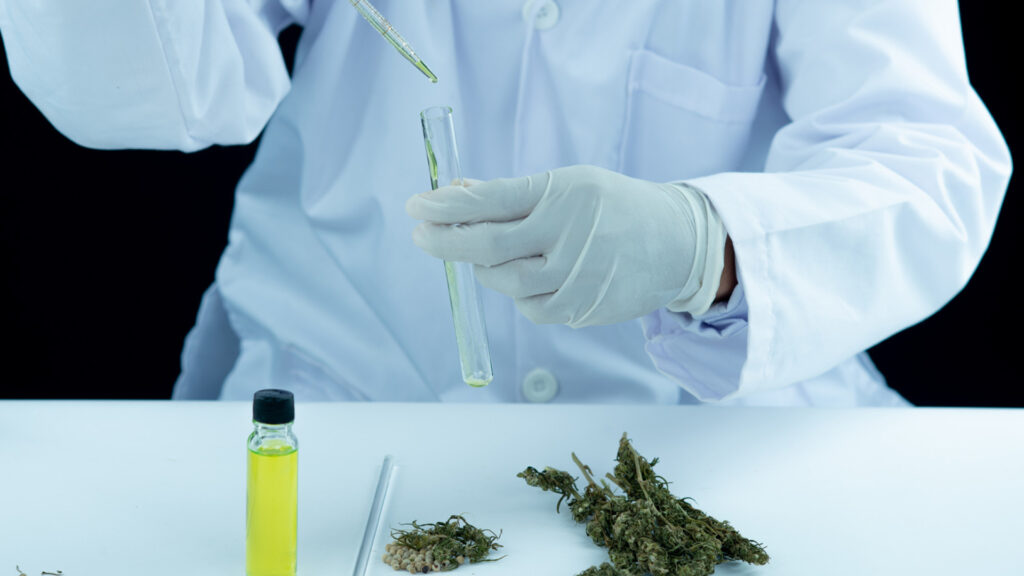
Airy buds can occur for several reasons, including weak lighting, poor airflow, early harvest, or even genetics. The good news is that each of these issues has a fix.
Let us explore why your buds turned out light and how to prevent it next time. For every cause, you’ll get a clear, actionable solution to help you grow tighter, heavier flowers.
- Not Enough Light
Cannabis plants need intense, direct light during flowering to produce dense buds. If your lights are too weak or too far from the canopy, the plant won't have the energy it needs to build a strong structure.
How to fix it: Use strong full-spectrum LED or HID lights, and keep them at the recommended distance from the canopy. As a general rule, aim for at least 600 to 1000 PPFD during flowering. If growing outdoors, ensure your plants receive full sun for most of the day.
- High Temperatures and Humidity
Excess heat and humidity during flowering can cause buds to stretch out and become airy. Heat stress causes plants to prioritize survival over flower development.
How to fix it: Keep your flowering room between 65 and 80°F (18 to 27°C) and reduce humidity to around 40 to 50 percent. Use fans, exhaust systems, or air conditioning to maintain a stable environment.
- Wrong Nutrients or Feeding Schedule
Excessive nitrogen or insufficient phosphorus and potassium during flowering can result in leafy, airy buds. Your plant needs the right nutrients at the right time to bulk up.
How to fix it: Switch to a bloom fertilizer during flowering. These are higher in phosphorus (P) and potassium (K) and lower in nitrogen (N). Follow a feeding schedule based on your plant's stage, not just the calendar.
For best results, feed your plant based on its growth stage, not just the calendar. PlanaCan’s visual timeline makes it easy to plan tasks months ahead while staying on top of daily work. You can adjust ongoing tasks as needed, and since everything is centralized, your entire team knows what needs to be done, ensuring that nothing gets missed.
- Poor Canopy Management
When too many leaves block light from reaching lower bud sites, those buds stay small and wispy. A crowded canopy also limits airflow, which can lead to mold and further reduce bud quality.
How to fix it: Use low-stress training (LST) or topping to spread out the plant and increase light penetration. During early flowering, selectively defoliate large fan leaves that block light from bud sites.
- Harvesting Too Early
Harvesting before the buds fully mature cuts off their growth. Immature buds tend to be loose, lacking both weight and potency.
How to fix it: Wait until most trichomes turn milky white, with about 10 to 20 percent turning amber. That’s when THC levels are at their peak and buds are fully formed. Don’t rely on pistil color alone. Use a jeweler’s loupe or digital microscope.
- Fast or Improper Drying
Even if your buds were dense on the plant, fast drying can cause them to shrink and feel airy. Drying too quickly also affects taste and smell.
To fix it, dry your buds slowly at 60 to 70°F (15 to 21°C) and 45 to 55% humidity for 7 to 14 days. Then cure them in airtight jars, burping them daily for at least two weeks. This helps preserve density, aroma, and potency.
- Genetics
Some strains are naturally airy, especially pure sativas or low-quality genetics. If you're starting with weak genetics, even perfect growing conditions won’t produce dense buds.
How to fix it: Choose strains known for dense buds, such as hybrids with an indica lineage. Buy seeds or clones from reputable breeders or suppliers. Read reviews and grow reports before selecting your strain.
Now that you know how to handle light and airy cannabis buds, let us discuss how to prevent that from happening to your cannabis buds in the future.
Preventing Light and Airy Cannabis Buds
The best fix starts before harvest. Here’s what you can do to get tight, resinous buds every time:
- Provide Intense, Even Lighting
Use high-quality grow lights like full-spectrum LEDs or HPS lamps. Position lights close enough to the canopy without causing heat stress. Make sure all bud sites receive equal light to avoid stretching. - Choose Dense Budding Strains
Pick genetics known for producing dense flowers, such as Indica-dominant strains or hybrids bred for compact buds. Ask your seed supplier for recommendations. - Optimize Nutrient Feed During Flowering
Switch to a bloom-specific nutrient formula rich in phosphorus and potassium once your plants start flowering. Avoid excess nitrogen, which can encourage leafy growth over bud development. - Control Temperature and Humidity
Maintain daytime temperatures between 68°F and 78°F (20 °C and 26°C) and keep humidity at around 40-50% during flowering. Excessive heat or dry air causes buds to dry out prematurely and lose their density. - Use Proper Plant Training Techniques
Techniques like low-stress training (LST), topping, and defoliation promote better light penetration and airflow around buds, encouraging compact growth. - Maintain Good Air Circulation
Use oscillating fans to ensure gentle airflow. This reduces the risk of mold while also strengthening stems and promoting tighter bud formation.
Conclusion
Airy buds can be frustrating, but they’re a symptom, not a dead end. Weak light, poor airflow, and inadequate nutrition are issues that often start weeks before harvest and build up over time. Fixing them means more than tweaking your drying method. It means optimizing your entire grow process from day one.
That is where PlanaCan comes in. With tools that let you schedule tasks, monitor your grow environment, and track each plant’s progress, PlanaCan gives you full control over every stage of cultivation. From cloning to curing, you can catch issues early, stay on schedule, and build a more consistent workflow across batches.
Whether you grow solo or with a team, PlanaCan helps you stay organized, eliminate guesswork, and focus on what matters most: growing top-shelf cannabis. If you're done with trial and error and ready to produce dense, high-quality buds consistently, schedule a free call today with PlanaCan today.
FAQs
1. Why do cannabis buds turn light and fluffy after drying?
Ans. Buds often become light and fluffy due to factors such as insufficient light during flowering, early harvesting before full maturity, heat stress, or improper nutrient balance. These issues affect bud density and trichome development, leading to airy flowers.
2. Can drying and curing fix light, fluffy buds?
While drying and curing can improve aroma, flavor, and slightly firm up buds, they cannot fully reverse poor bud density caused by cultivation issues. Prevention during the grow phase is key to dense, heavy buds.
3. How does harvesting too early impact bud weight and texture?
Ans. Harvesting before the final swelling phase stops the buds from gaining size and weight. Early harvest results in immature, less dense flowers that dry out light and fluffy instead of thick and heavy.
4. What environmental conditions cause buds to be airy or fluffy?
Ans. High temperatures, low humidity, weak or uneven lighting, and poor airflow during flowering stress the plant and reduce bud density. These stressors cause loose bud structure and less resin production.