Are inconsistent yields and subpar quality affecting your cannabis operation? As the industry grows, with a projected $46.99 billion in revenue and a steady 3.4% annual growth, staying competitive means understanding every detail of the cannabis growth cycle.
White hairs, or pistils, are crucial indicators of your plant's health and maturity. Ignoring their development can lead to missed harvest windows, resulting in lower yields and compromised quality.
This blog will break down the role of white hairs in cannabis growth and provide practical insights on how to optimize their development for better results.
TL;DR
- Pistils (white hairs) signal the start of flowering and plant health.
- Pistil color changes help determine the best harvest time for potency.
- Lighting, temperature, and humidity are crucial for strong pistil development.
- Nutrient imbalances and stress can hinder pistil growth and yield.
- Harvesting at the right time based on pistil development ensures optimal quality.
What Are The White Hairs on Your Weed Plant?
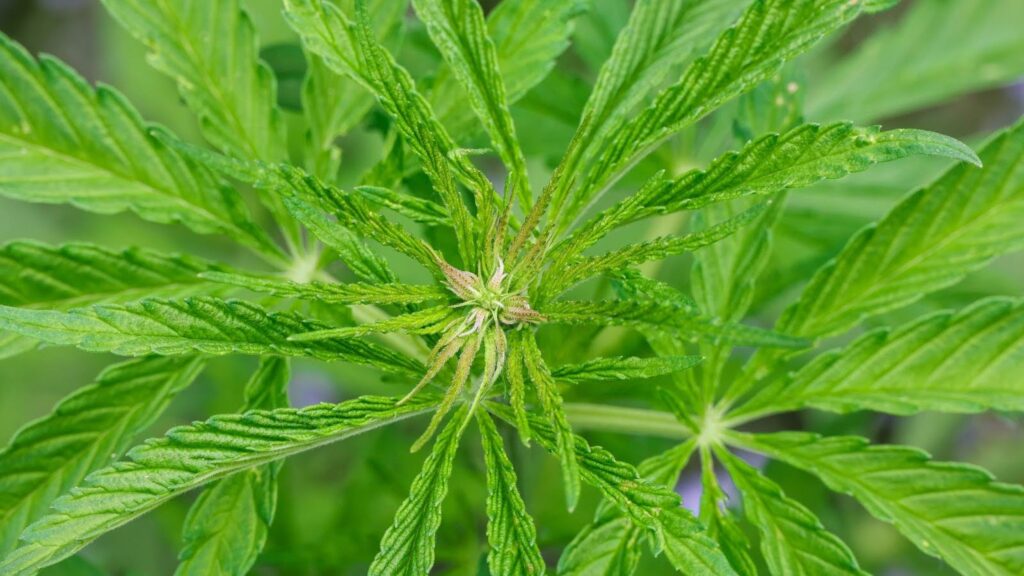
White hairs, or pistils, are often the first visible signs of cannabis plants transitioning into the flowering stage. These small indicators hold critical information about your plant's development. Failing to understand their role can result in missed harvest opportunities or suboptimal care.
Here’s why pistils matter and what they reveal about your plants:
- Signal Plant Sex: Pistils appear on female plants and signal the start of the flowering stage. Identifying this early can prevent the growth of unwanted male plants that can affect your crop.
- Track Maturity: As the plant matures, pistils change color, which can help you determine when your cannabis is nearing harvest time for maximum potency and yield.
- Reflect Plant Health: Healthy pistils indicate a well-developed plant, while discolored or damaged pistils can signal environmental stress, nutrient deficiencies, or pest issues.
- Indicate Pollination: When pistils turn brown or red, it indicates successful pollination. If left unchecked, this can result in seeds being produced, which can decrease flower quality.
- Guide Your Feeding and Care Schedule: Pistil development helps you time adjustments to your feeding schedule, ensuring your plant gets the right nutrients at the right time during its flowering phase.
- Strain Identification: The appearance and structure of pistils can also help in identifying different cannabis strains, aiding in better care for each specific variety.
- Flowering Stage Progression: Pistils help you track the progression of the flowering stage. Their development provides a clear indication of whether the plant is in the early, mid, or late flowering stage.
- Impact on Resin Production: As pistils mature, they contribute to trichome formation, which is responsible for resin production. Healthy pistils are often a sign that the plant is on track for higher resin yields.
Pistils, or white hairs, provide insights into plant maturity, potential pollination, and overall plant care. Understanding how these white hairs develop across different stages of growth can help you better manage your harvest timing and plant health.
Stages of White Hair Development in Cannabis Plant

Pistil development is crucial for timing your cannabis harvest correctly. Each phase of pistil growth gives you key insights into how far along your plant is in the flowering process. Knowing how pistils progress helps you avoid premature or delayed harvests, ensuring optimal yields and quality.
Here’s a breakdown of how pistil development changes during the flowering cycle:
- Early Flowering: During this stage, pistils begin to emerge, indicating the start of the flowering process. The plant focuses on building its structure for bud formation, but pistils are still small and white, signaling early stages of flower development.
- Mid-Flowering: Pistils become more prominent and start to grow longer. They begin to turn from white to a lighter shade of yellow or cream. At this point, the plant is fully engaged in bud formation, and the pistils are guiding the plant toward proper pollination.
- Late Flowering: By this stage, pistils have fully matured and started turning red or orange. They may curl and shrink as they signal that the cannabis buds are reaching full maturity. This is a critical time for deciding when to harvest, as the pistils’ color change helps indicate the plant’s readiness for the final harvest.
Monitoring the stages of white hair development can be challenging, especially without experience. PlanaCan offers a more efficient solution by helping in tracking pistil growth, making it easier to monitor your plants’ progress.
The progression of pistil development provides clear signs of plant maturity. By closely monitoring pistil color and other indicators, you can determine the optimal harvest window.
When to Harvest Cannabis Plants with Pistils?

The right harvest timing is critical for maximizing the potency and quality of your cannabis. While pistils (white hairs) provide a helpful visual cue, they should not be the sole indicator for determining when to harvest.
Instead, consider pistil changes in conjunction with other factors, like trichome maturity, for the most accurate harvest window.
Here’s how to determine the best time to harvest by observing pistil growth:
- Most Pistils Have Turned Orange or Red: When the majority of pistils have shifted to orange, red, or brown, your plant is likely near maturity. This is generally a sign that your buds are ripe, though checking trichomes is essential to confirm the perfect time for harvest.
- Pistils Are Still Mostly White: If many pistils are still white, your plant is not yet fully mature. Harvesting at this stage will result in underdeveloped buds with lower potency and yield. Continue to monitor for color changes before considering harvest.
- Pistils Are Shrinking and Receding Into the Bud: This is a clear sign that the plant is nearing its final stages. Shrinking pistils, especially those that curl or recede into the bud, suggest that the buds are fully developed, and the plant is ready for harvest.
- Trichomes Are Cloudy or Amber: Trichomes are tiny, resin glands on cannabis plants that contain cannabinoids like THC and CBD. When they turn cloudy or amber, it indicates peak potency, making it the ideal time to harvest for maximum THC content.
- Bud Density and Size: While pistil color and trichome development are key indicators, the overall size and density of the buds can suggest when it’s time to harvest. Well-formed, dense buds indicate the plant is reaching its full potential, whereas smaller or airy buds may suggest underdevelopment.
Properly timing your harvest is critical to maximizing yield and potency. PlanaCan helps you track pistil development and schedule your harvest at the perfect time, ensuring top-quality buds every time.
Timing your harvest based on pistil and trichome development ensures optimal potency and yield. To achieve strong pistil growth and healthy flowers, certain environmental and care factors need to be in place.
How to Optimize the Growth of Cannabis Plant White Hairs?

Proper growth of cannabis pistils (white hairs) depends on a precise environment. Without the right conditions, you risk stunted development, resulting in poor bud formation, lower THC levels, and reduced yields.
Common mistakes, like inconsistent lighting, can hinder pistil growth. Here are the crucial conditions to optimize pistil growth.
Condition
Recommendation
Reason
Lighting
Keep light consistent during flowering.
Fluctuating light can stress plants and affect pistil growth.
Temperature
Maintain temperature between 68°F and 77°F.
Stable temperatures promote healthy pistil and flower development.
Humidity
Lower the humidity to 40-50% during flowering.
Reduces mold risk and focuses plant energy on flower production.
Nutrients
Use bloom formula high in phosphorus, potassium, and low in nitrogen.
Phosphorus and potassium support flower growth. Lower nitrogen prevents excess leaf growth.
Air Circulation
Ensure good airflow.
Proper ventilation prevents bud mold and supports healthy pistil growth.
Water Quality
Use filtered water with a balanced pH (6.0–6.5 for soil).
Clean water ensures proper nutrient uptake and healthy pistils.
Pistil development is influenced by factors like nutrient imbalances that can affect its growth. Understanding and addressing these common issues will help you optimize bud health and improve your final harvest.
Common Issues Affecting White Hair Development in Cannabis Plants
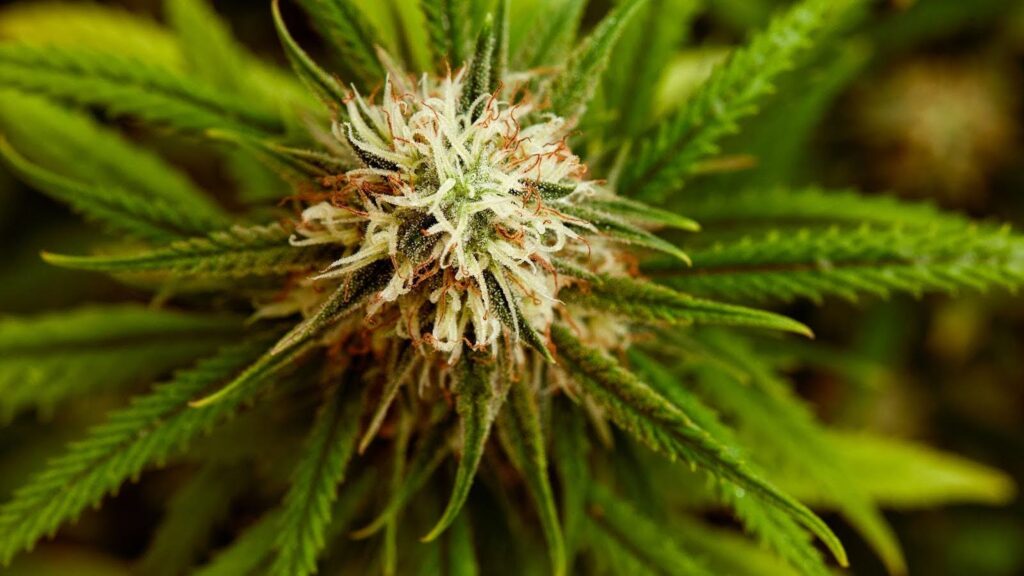
Pistil development is a crucial part of your cannabis plant's health, but environmental and care-related issues can disrupt its growth. Problems like light stress or improper watering can result in weak pistils, affecting overall flower quality. You need to identify these challenges early and take action, ensuring healthy pistils and maximizing your yield.
Here are common challenges and solutions for pistil development:
Challenge
Description
Solution
Pistils turning brown prematurely
Early pollination or genetics.
Remove male plants early and choose stable genetics to avoid pollination.
Pistils not developing
Poor lighting or environmental stress.
Ensure consistent light and maintain optimal temperature and humidity.
Underdeveloped pistils
Insufficient light intensity
Use adequate light intensity for the flowering stage (at least 600W).
Pistils turning yellow too early
Nutrient imbalance or overfeeding.
Monitor nutrient levels closely and use a bloom-specific nutrient mix.
Pistil clumping or thickening
Genetics or excessive humidity.
Manage humidity to 40-50% and select an appropriate strain.
Pistils becoming sparse
Inconsistent watering or plant stress.
Stick to a consistent watering schedule and minimize stress factors.
Pistils curling
Overwatering or root problems.
Check soil moisture regularly and ensure proper drainage.
Pistil development can be influenced by environmental and care-related challenges that impact your cannabis plant’s health. By using the right tools, you can monitor and manage plant growth. PlanaCan offers a solution to simplify this process.
How PlanaCan Helps You Manage Weed Plant Growth?
Managing cannabis plant growth requires precision, consistent care, and real-time monitoring. PlanaCan eases this process, ensuring growers can stay on top of every stage of growth. Support includes:
- Automated Work Scheduling: PlanaCan allows you to automate your cultivation tasks with customizable templates. Once set, tasks are scheduled on a calendar, ensuring a consistent workflow.
- Interactive Calendar for Planning and Tracking: The interactive calendar offers a clear, visual timeline of all cultivation activities. This feature allows you to plan ahead, track progress, and make real-time adjustments.
- Team Management Tools: PlanaCan’s team management features centralize task information, making collaboration simple.
- Harvest Analysis and Reporting: Detailed reports on each harvest give you insights into how cultivation decisions impact your yields. Reviewing these reports helps you refine your methods and improve your results.
Conclusion
Successful cannabis cultivation is more than just providing nutrients and care; it’s about understanding the signals your plant gives you. Pistils hold key insights into plant health and maturity. Recognizing these small cues allows you to make timely adjustments, ensuring a more potent harvest.
With PlanaCan, you can take control of the process. It lets you track your plants’ progress, adjust nutrient schedules, and stay on top of growth, all in one easy-to-use platform.
Want better results and easier management? Schedule a free call today to see how PlanaCan can help.