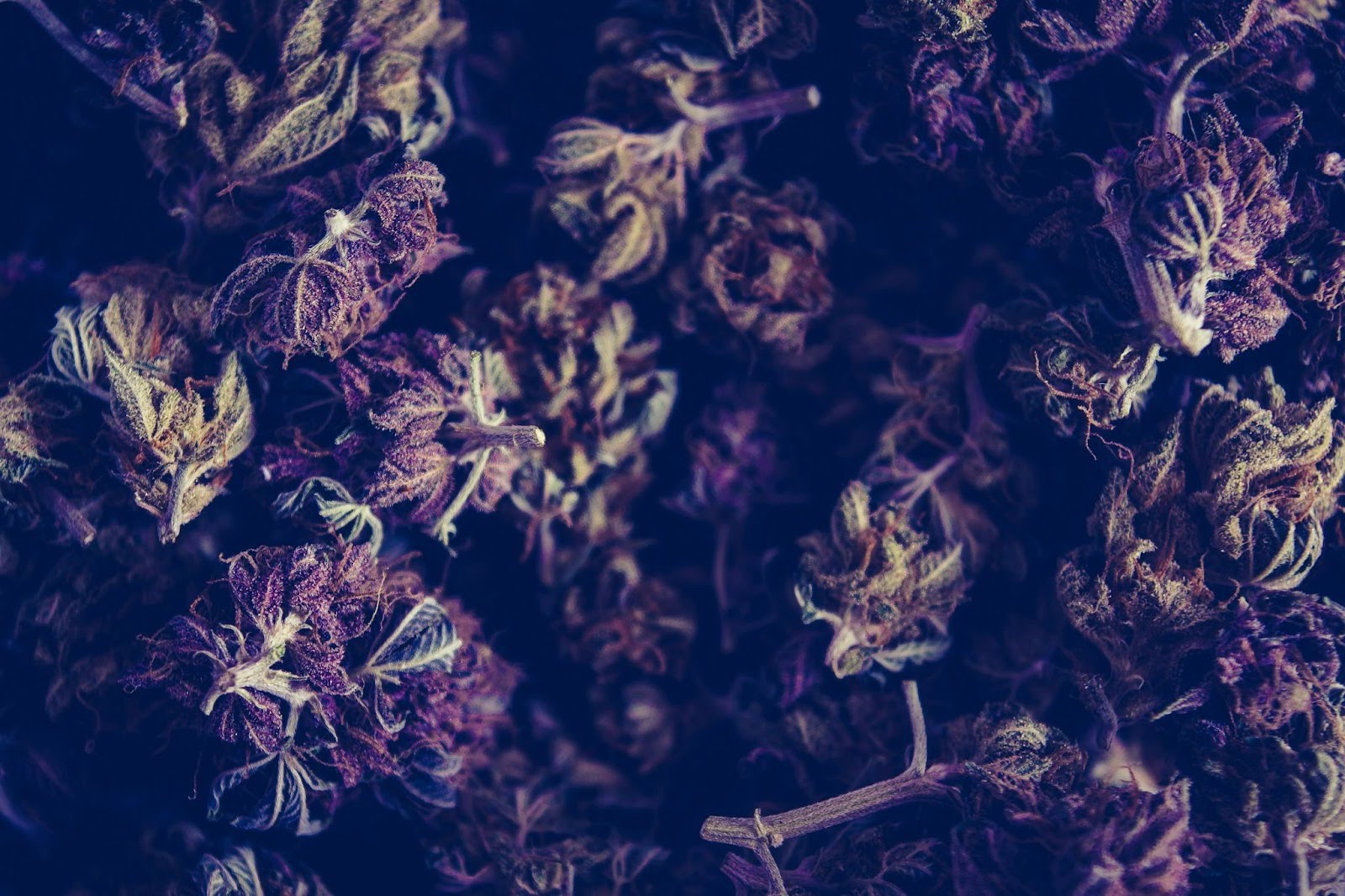
Introduction
Drying cannabis is one of the most critical steps in your grow. After months of effort, this stage determines whether you will enjoy fragrant, potent buds or end up with harsh smoke or moldy flowers. Many new growers rush the process or use poor equipment, wasting their hard work.
Commercial drying racks seem convenient, but they are often expensive and do not always fit a home grow. Many are the wrong size or lack proper airflow. That is why many growers choose DIY cannabis drying racks. They cost less and can be customized for your space, harvest size, and strain needs.
In the sections ahead, you will learn how to design and build your own rack, optimize your drying environment, and fine-tune conditions for buds with maximum aroma, potency, and visual appeal. With the right DIY setup, any small room or closet can become a top-performing drying space.
TL;DR
- Good drying preserves cannabinoids and terpenes, prevents mold, supports curing, improves shelf life and appearance, and reduces product loss.
- DIY racks let you customize size, airflow, and capacity for better results, lower costs, and easier handling.
- You need a support frame, hanging materials, clips/hooks, airflow tools, humidity/temp monitors, and optionally a dehumidifier or humidifier.
- Choose a suitable space, select your rack type, gather materials, install the rack, monitor airflow and conditions.
- A DIY rack helps improve harvest quality and saves money.
Why Proper Drying Matters in Cannabis Cultivation
Growing healthy cannabis plants is only half the job. However, a poor drying process can undo all that effort. Why does this stage matter so much? Everything that defines high-quality cannabis depends on how you dry your harvest. Potency, flavor, aroma, appearance, and shelf life all rely on this step.
Here is why you need to get it right:
- Protects Potency: Cannabinoids degrade when exposed to heat, light, and poor drying conditions. If you dry too quickly or at the wrong temperatures and humidity, you lose THC and CBD. Proper drying preserves these valuable compounds so your final product reflects the full potential of your grow.
- Preserves Terpenes: Terpenes give each strain its unique aroma and flavor, but they are fragile and easily lost. Fast or uncontrolled drying can strip away these volatile compounds. By managing your drying environment, you lock in terpene content and create a more desirable product.
- Prevents Mold and Bud Rot: Buds hold a lot of internal moisture after harvest. If you dry too slowly or unevenly, mold and mildew can spread quickly. If you dry too fast, moisture gets trapped inside dense flowers. In either case, you risk losing entire batches. Controlled and even drying prevents these problems.
- Ensures a Proper Cure: Drying sets the stage for curing, a process that improves smoothness, flavor, and aroma over time. Without the right moisture balance from drying, curing will not work. Buds that are too wet will mold. Buds that are too dry will not cure at all. A well-managed dry ensures your cure succeeds.
- Maintains Shelf Stability: Poorly dried cannabis will not hold up in storage. It degrades quickly in both potency and flavor. If you want your product to stay stable and sellable for months, proper drying is essential. It ensures your buds reach the market at their best and stay that way.
- Maximizes Bag Appeal: Appearance matters. Buyers and consumers both judge by looks. Bad drying can leave buds brittle, dull, or discolored. Proper drying helps retain vibrant color, trichome coverage, and structure. These qualities all influence how your product looks on the shelf.
- Reduces Post-Harvest Loss: A rushed or careless drying increases the risk of losing product to mold, harsh taste, or quick degradation. A well-managed drying process helps you keep more usable product from your harvest. This leads to better margins and less waste.
- Creates Consistency Across Batches: Consistency builds trust with buyers. Proper drying gives you predictable results from batch to batch. When you master this stage, you deliver reliable quality that brings customers and dispensaries back.
So, why should you consider building your own cannabis drying rack? Let us understand below.
Why Build Your Own Cannabis Drying Rack
The last thing you want is to lose buds to mold or poor airflow during drying. But many off-the-shelf drying racks do not give you the control or flexibility you need. Building your own solves that.
Here is why it is worth the effort:
- Custom fit for your space: Your grow room or tent likely has limited room. Pre-made racks may not fit well, which forces you to compromise airflow or positioning. When you build your own, you design it to fit your exact space. No wasted corners. No blocked vents.
- Control over airflow and spacing: Good airflow is critical for drying. If buds are too close, moisture gets trapped, and mold can develop. A custom rack lets you set spacing and shelf height to optimize air circulation.
- Adapt to different harvest sizes: Some harvests are big, others small. With a homemade rack, you can build a modular system. Add more shelves or drying lines when you need them. Scale back when you do not.
- Save money: Store-bought racks can be expensive, especially when you want a quality one. You can build a better, sturdier rack yourself with inexpensive materials, often for a fraction of the cost.
- Improve drying results: When you control the drying environment, you get better results. A rack built for your needs helps preserve terpenes, maintain bud structure, and produce smoother smoke.
- More efficient use of time and effort: No more wrestling with tangled nets or unstable stands. A well-built rack saves you time during setup and takedown. It also gives you peace of mind while your buds cure.
Now, let us discuss the equipment that you require to build your DIY drying rack.
Essential Equipment for Cannabis DIY Drying Racks
You do not need a full workshop to build a solid drying rack. Here are a few easy options and must-haves:
- Support Frame or Structure: You need a solid frame to hang your drying rack. This can be a grow tent, a closet, a corner of a spare room, or even a homemade wooden frame. Whatever you choose, make sure it can support the weight of your buds and allows for good airflow around them.
- Hanging Materials: Decide how you want to hang your buds. You have several options:
- Clothes hangers: Simple and cheap. You can hang entire branches on them.
- Drying lines or twine: Stretch these across your frame or room. Use clips or hooks to hang the buds.
- Wire racks: Ideal for smaller spaces. Place trimmed buds directly on the racks.
Choose what fits your space and volume of harvest.
- Clips, Hooks, or Clothespins: You will need something to secure your buds to the hangers or lines. Standard clothespins or metal clips work well. They make it easy to hang and remove buds without damaging them.
- Ventilation and Airflow Tools: Airflow is crucial to prevent mold. Depending on your space, consider adding:
- Oscillating fans: Keep air moving gently across the buds. Do not point fans directly at them.
- Exhaust fan with carbon filter: Helps control humidity and odors, especially in closed spaces.
- Environmental Monitoring Tools: Track the drying conditions with:
- Hygrometer: Monitors humidity. Aim for 50-60% RH during drying.
- Thermometer: Keeps an eye on room temperature. Target 60-70°F (15-21°C).
Monitoring these helps you adjust airflow and avoid problems.
- Optional: Dehumidifier or Humidifier: If you live in a very humid or very dry climate, consider using a dehumidifier or humidifier to balance the environment. This helps keep the drying process slow and steady, which protects flavor and potency.
Now, let us discuss the types of cannabis drying racks below.
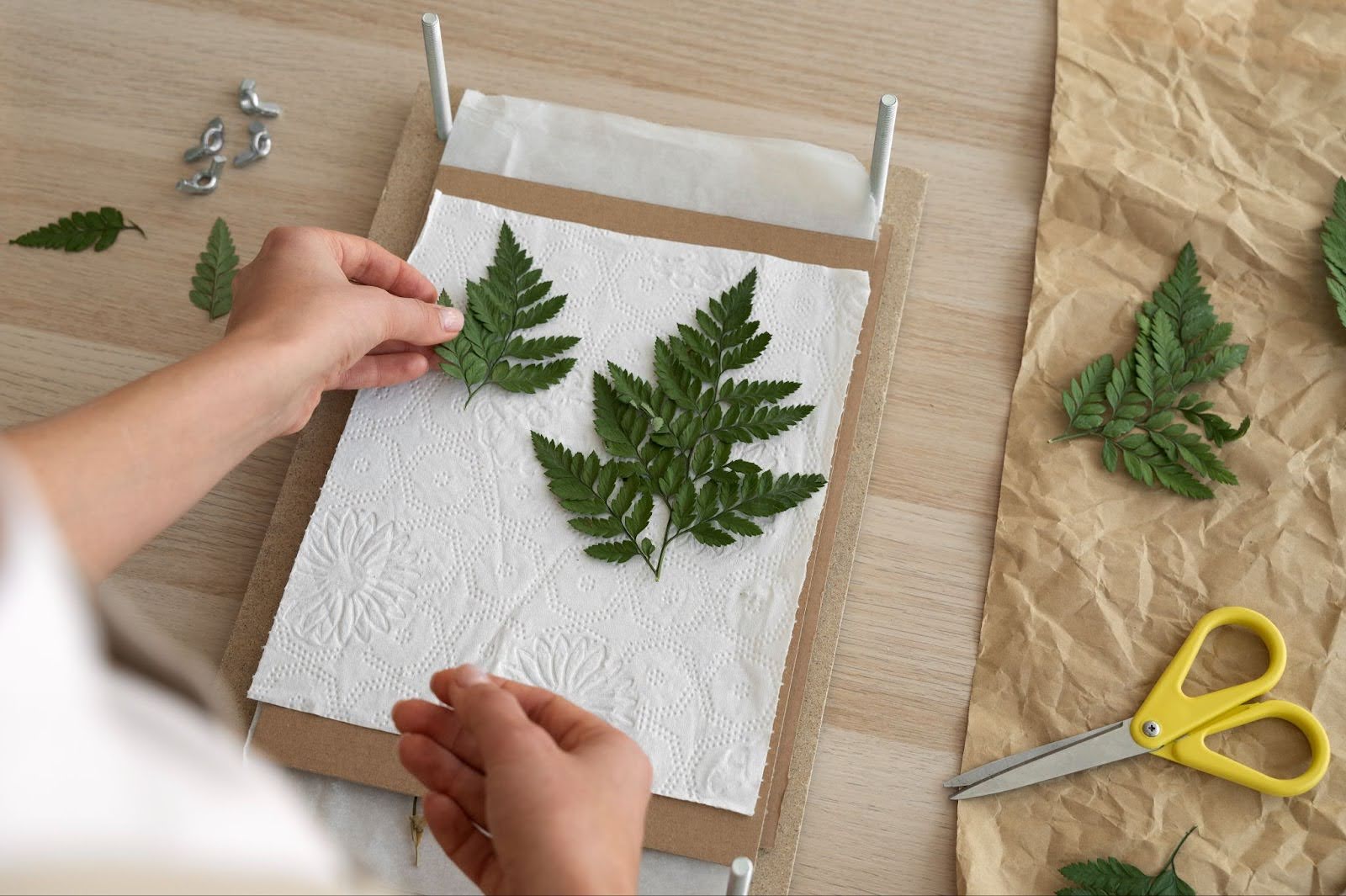
Building your own rack helps you control the drying environment, adapt to your space, and save money. Whether you are growing in a tent, a closet, or a dedicated room, here are the best DIY options to consider.
- Wire Hanger and String Rack: If you need a fast, affordable way to start drying your harvest, you can rely on this basic method.
- Hook trimmed branches on wire hangers
- Stretch string or twine between two walls, beams, or poles
- Hang the hangers on the string
- Perfect for small harvests or testing new strains
- Quick to set up and take down
- PVC Pipe Frame Rack: PVC pipe racks give you flexibility. You can build them to fit any space and take them apart when harvest season ends.
- Build a rectangular or cube frame with PVC pipes
- Add horizontal bars for hanging branches
- Disassembles easily for storage
- Great for medium to large batches
- Wooden Drying Rack with Mesh Shelves: For growers with larger operations or those who want a permanent setup, a wooden rack with mesh shelves delivers excellent airflow and durability.
- Build a wooden frame from 2x2s or similar
- Attach mesh shelves using hardware cloth or window screen
- Place trimmed buds flat on the mesh
- Provides excellent airflow
- Works well for drying loose buds instead of branches
- Clothes Drying Rack Conversion: If you have a folding clothes rack in storage, you can turn it into a drying rack in minutes. This is a great option for growers with limited space.
- Repurpose a folding clothes rack
- Drape branches or string across the bars
- Folds away after use
- Ideal if space is tight
- Upcycled Cabinet or Closet Rack: An old cabinet or wardrobe can be a discreet, enclosed space for drying cannabis. With a few simple modifications, it can handle small or medium harvests.
- Install rods, shelves, or hooks inside
- Add a fan or vent to manage airflow
- Contains odors and provides an enclosed environment
- Useful for growers needing discretion
- Stackable Net Racks: Stackable net racks let you dry a large number of buds in a small vertical space. If you want to maximize airflow without taking over the room, this method works well.
- Build frames with embroidery hoops or flexible tubing
- Stretch mesh fabric between the frames
- Stack vertically to save space
- Ideal for large numbers of loose buds
- Repurposed Metal Shelving Units: If you have old metal shelves in your garage, these can be converted into sturdy drying racks that hold significant weight and provide plenty of airflow.
- Use metal shelves lined with mesh
- Hang branches or lay buds flat
- Adjustable spacing for larger or smaller batches
- Easy to add fans or humidity control
- Tent Poles in Grow Tent: If you are already growing in a tent, you do not need to build a separate rack. The tent frame itself makes an ideal structure for hanging your harvest.
- Hang a string or wire across the tent frame
- Suspend branches from the crossbars
- Lets you control humidity and airflow with your tent setup
- No extra space needed
- Rolling Clothes Rack: For growers who need mobility, a rolling clothes rack offers flexibility. You can adjust it as needed to maintain airflow or respond to changes in humidity.
- Use a garment rack with a crossbar
- Hang trimmed branches
- Move between rooms to manage humidity
- Collapsible and portable
- Portable Pop-Up Mesh Dryers: Portable mesh dryers are collapsible, lightweight, and easy to store. If you only harvest occasionally, this is a space-saving option that is ready when you need it.
- Use flexible hoops with mesh to create stackable drying layers
- Collapse flat when not in use
- Great for stealth or hobby growers
So, how do you set up your DIY drying rack? Let us understand in detail below.
How to Set Up Your Cannabis Drying Rack Yourself
Setting up your cannabis drying rack is not difficult. You do not have to rely on pre-built systems or overpriced kits. With a little effort, you can create a custom setup that fits your space, protects your buds, and helps preserve terpenes and potency.
Whether you are working with a closet, a tent, or a spare room, let us run through the process step by step. No fluff. No unnecessary extras. Just practical instructions to help you get it done right the first time.
1. Choose the Right Spot
First, identify a space that stays dark, well-ventilated, and maintains a stable temperature between 60 to 70°F (15 to 21°C), with humidity around 55 to 60 percent. You will need enough room for air to circulate around each hanging branch. A small grow tent, a closet, or even a corner in a cool room can work as long as airflow and environmental control are manageable.
2. Decide on a Rack Style
There are several ways to dry cannabis. You can hang full branches from lines, use mesh drying racks for trimmed buds, or build tiered shelves with screens. Think about your available space, the amount of cannabis you are drying, and how hands-on you want the process to be. Hanging lines take up more vertical space but are great for whole branches. Mesh racks fit trimmed buds and can be stacked for convenient storage.
3. Gather Your Materials
You do not need fancy equipment. A basic setup might include:
- Sturdy rope, twine, or clothesline
- Hooks, curtain rods, or PVC pipe for support
- Binder clips or clothespins to hang branches
- A mesh rack, if you are drying buds off the stem
- A hygrometer and a small fan for monitoring and circulation
4. Build and Install the Rack
If you are using a hanging line, install it across your space with enough tension to support multiple branches. Add hooks or clips at intervals. For mesh racks, hang them from a ceiling hook or mount them in your grow tent. Make sure everything is stable. A collapsed rack is a disaster waiting to happen.
5. Improve Airflow and Monitor Conditions
Place a small fan in the room (not directly on the buds) to keep air moving and prevent mold. Check your hygrometer daily and adjust as needed. If humidity rises, crack the door open, run a dehumidifier, or add moisture absorbers. If it drops too low, place a bowl of water nearby or reduce fan speed.
Keeping track of these small changes can make a big difference over time. Tools like PlanaCan help by logging your adjustments and generating detailed reports for each harvest. With all your data in one place, it’s easier to spot what works, avoid past mistakes, and fine-tune your process for better yields.
6. Hang Your Buds
Trim off fan leaves and hang your branches upside down from the drying rack or lines. Space them out to allow airflow between each piece. If you are using a mesh rack, gently lay the trimmed buds flat and avoid overcrowding.
7. Keep It Dark and Steady
Light degrades cannabinoids and terpenes, so keep the space as dark as possible. Avoid checking too often. Let the process work. Drying usually takes seven to ten days, but the exact time depends on your conditions and bud size.
8. Test for Dryness
When the small stems snap instead of bend, your buds are ready for curing. Take them down carefully and begin the next phase. Jar curing will finish your post-harvest process the right way.
It’s also a good time to start planning your next cycle. A tool like PlanaCan makes this easier by giving you a clear, visual timeline to map out your growth. You can plan months ahead, keep up with daily tasks, and make quick adjustments when things shift. Everything’s in one place, so your whole team stays on the same page and nothing slips through the cracks.
Conclusion
Building your own cannabis drying rack is a smart, cost-effective step toward improving your harvest quality. Whether you use a simple clothesline or build a tiered rack from scratch, the goal stays the same: achieving clean, potent buds that reflect your hard work.
But drying is just one piece of the puzzle. Managing your grow efficiently from seed to cure is what truly sets successful cultivators apart. That is where PlanaCan helps. The platform enables growers to streamline every step of the process, from setting up your drying timeline to organizing tasks, tracking environmental data, and collaborating with your team in real time.
If you are tired of juggling sticky notes, spreadsheets, and guesswork, PlanaCan can simplify your entire growth cycle. Schedule a free call today and take control of your grow with tools designed to deliver better harvests, batch after batch.