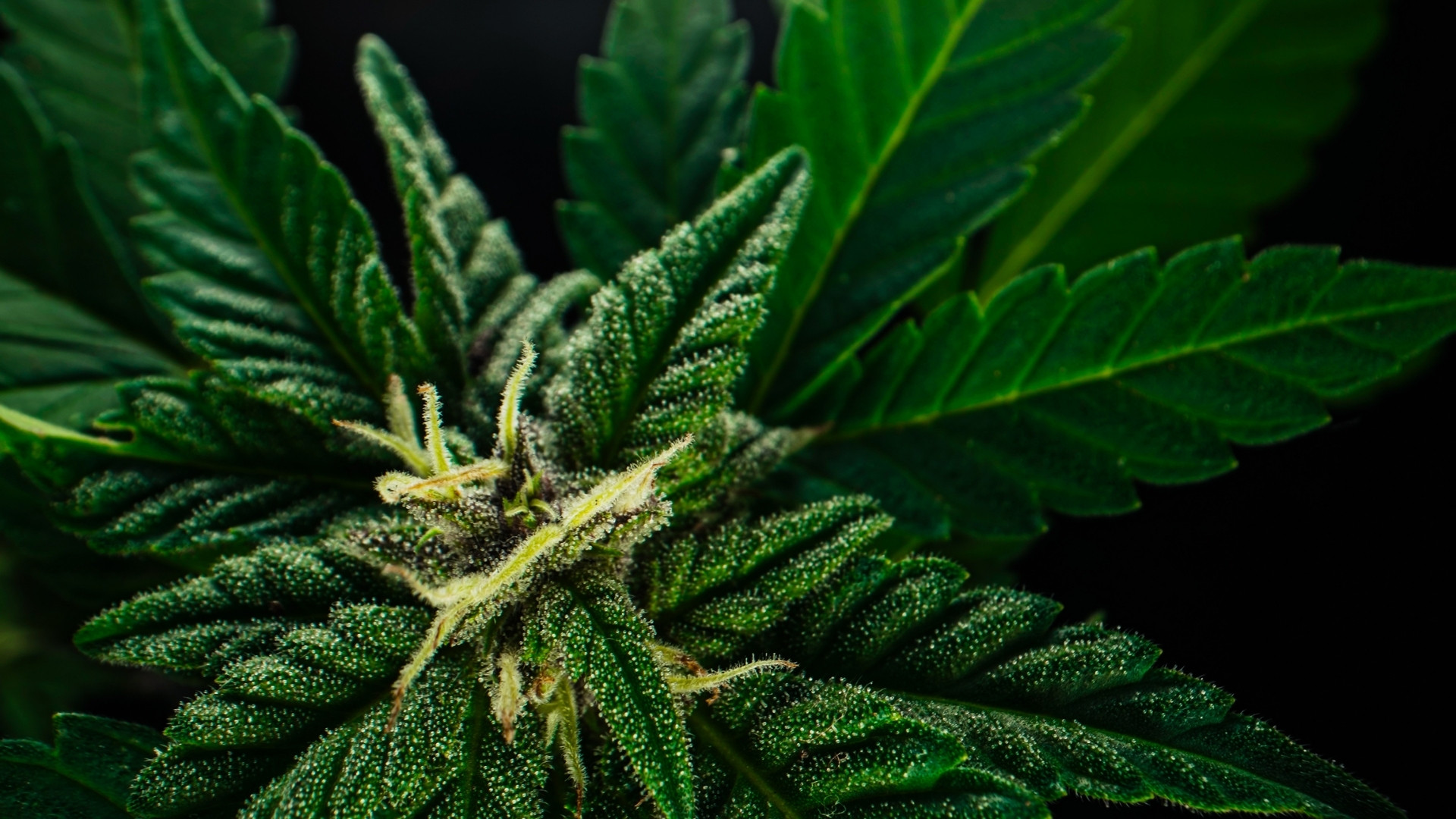
You have seen it before. The leaves are looking darker than usual, tips curling up, and strange brown spots are creeping in. It looks like a deficiency, so you feed more nutrients.
But instead of getting better, the plants slow down. Growth stalls. The color deepens to an unnatural green. What went wrong?
Too much magnesium can quietly throw your entire grow off balance. It locks out calcium and potassium, starves roots, and leaves plants struggling even when they have everything they need. The worst part? It is easy to mistake magnesium toxicity for something else, wasting precious time and yield.
In this guide, you will learn what magnesium toxicity really looks like, what causes it, and how to fix it before it costs you another harvest.
What you need to know:
- Magnesium balance is key to healthy cannabis growth. Both excess and deficiency affect photosynthesis, nutrient uptake, and overall plant vitality, leading to poor yield and reduced quality.
- Toxicity develops slowly but spreads fast. Overfeeding, poor task coordination, or salt buildup cause magnesium to accumulate, blocking calcium and potassium absorption and turning leaves dark and brittle.
- Symptoms mimic other problems. Rust spots, leaf curl, and slow growth can look like deficiencies or heat stress, but magnesium toxicity often starts with deep green leaves and dull coloration.
- Treatment relies on flushing and resetting. Clearing excess salts with pH-balanced water, restoring calcium-potassium balance, and monitoring EC and pH help plants recover naturally over time.
- Prevention comes from precision. Regularly tracking feeding schedules, testing water and pH, and maintaining consistency between team members ensures magnesium and every other nutrient stays in balance.
Optimal Magnesium Levels in Cannabis Plants

Magnesium is not your enemy. It is one of the most important nutrients in the entire growth cycle. Cannabis plants need it for photosynthesis, energy transfer, and enzyme activation.
The ideal magnesium level for cannabis sits between 50–120 ppm (parts per million), depending on the strain and growth medium.
This is how ideal magnesium levels vary across different cultivation setups:
- Soil Grows: Maintain around 60–80 ppm. This range keeps magnesium available without locking out calcium and potassium.
- Coco or Hydroponic Systems: Aim slightly higher, around 80–120 ppm, since nutrients move faster in solution and uptake is more direct.
Magnesium needs also shift slightly depending on the strain:
- Heavy-Feeding Hybrids: Certain strains, such as Gorilla Glue or Bruce Banner, can handle the upper end of the range, as their rapid growth demands more nutrients.
- Light-Feeding Strains: Northern Lights or Jack Herer thrive with lower concentrations, staying balanced and healthy closer to 60 ppm.
PlanaCan helps growers maintain optimal magnesium levels by keeping feeding schedules aligned with each strain’s needs. With strain-specific task templates and cycle-based scheduling, deficiencies or toxicity are avoided. Schedule a free demo today to learn more.
Importance of Magnesium in Cannabis Cultivation
Magnesium is not bad for your plants. The key is balance. Too little and the leaves pale; too much and the plant locks up. When the levels are right, magnesium performs a wide range of necessary functions:
- Supports Chlorophyll Production: Keeps leaves vibrant and ensures efficient light absorption.
- Activates Enzymes: Helps convert nutrients into usable plant energy for growth and flowering.
- Balances Nutrient Uptake: Works with calcium and potassium to stabilize cell structure and improve root health.
- Improves Sugar Transport: Moves carbohydrates through the plant, feeding new growth and bud formation.
But what happens when there is an excess of magnesium? The balance shifts, and the plant begins to show signs of stress. This is discussed in the next section.
Suggested Read: Controlling and Treating Cannabis Leaf Burn and Spots
Symptoms of Magnesium Toxicity in Weed Cultivation
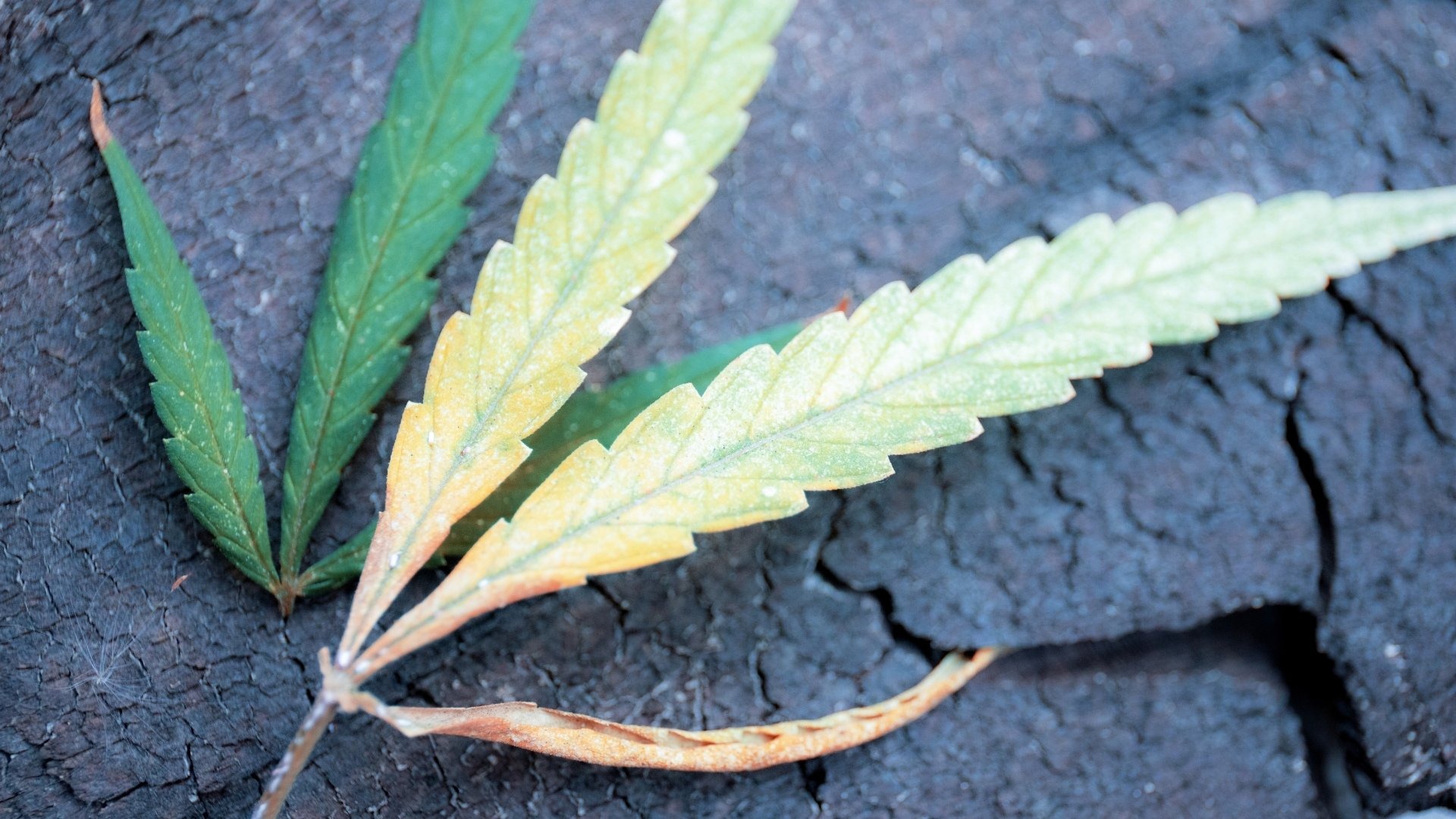
Magnesium toxicity happens when your plants absorb more magnesium than they can use. The excess does not stay idle. It builds up in the root zone, pushing out other vital nutrients like calcium and potassium.
The result is a nutrient imbalance that spreads through the plant. Here is what magnesium toxicity really looks like in your grow:
- Dark, Oversaturated Leaves
The first sign is a deep, almost bluish-green color. It looks healthy at first glance, but the leaves start to lose their natural shine. The dark tone comes from excess chlorophyll production caused by magnesium buildup, which masks early stress signs from other deficiencies. - Rust-Colored Spots and Burnt Edges
You might see brown or copper spots appearing along the leaf margins. This is not leaf burn. It is magnesium blocking calcium and potassium uptake, which is also called a Cal Mag deficiency. While it can resemble a potassium deficiency, magnesium toxicity causes these spots to spread faster across older fan leaves first, rather than starting at the tips. - Leaf Curl and Deformation
Leaves begin to curl upward or twist slightly, especially at the edges. Many growers mistake this for heat stress or nitrogen excess. In magnesium toxicity, the curl is tighter and often paired with darker veins. - Stunted Growth and Weak Roots
As the root zone fills with magnesium salts, nutrient flow slows down. New growth becomes smaller and weaker, and the plant loses its upward momentum. It can look like a phosphorus deficiency, but the difference lies in the roots. Magnesium toxicity causes root tips to brown and dry out early. - Dull, Thick Leaf Texture
Over time, the leaves become thicker and stiffer to the touch. They lose flexibility, a sign of disrupted calcium flow within plant tissues. This often goes unnoticed until you try to bend the leaves and find them unnaturally rigid or brittle.
Research supports this nutrient tug-of-war. Studies show that when phosphorus (P) and potassium (K) levels increase, magnesium in the leaves decreases, confirming how tightly linked these minerals are.
Too much magnesium does not just hurt the plant. It forces it into imbalance with nutrients that are equally critical for healthy growth. You can prevent these symptoms from occurring in the first place if you are aware of the causes.
Suggested Read: NPK Ratio for Cannabis: Ideal Nutrients for Plant Growth
What Causes Excess Magnesium Levels in Marijuana?
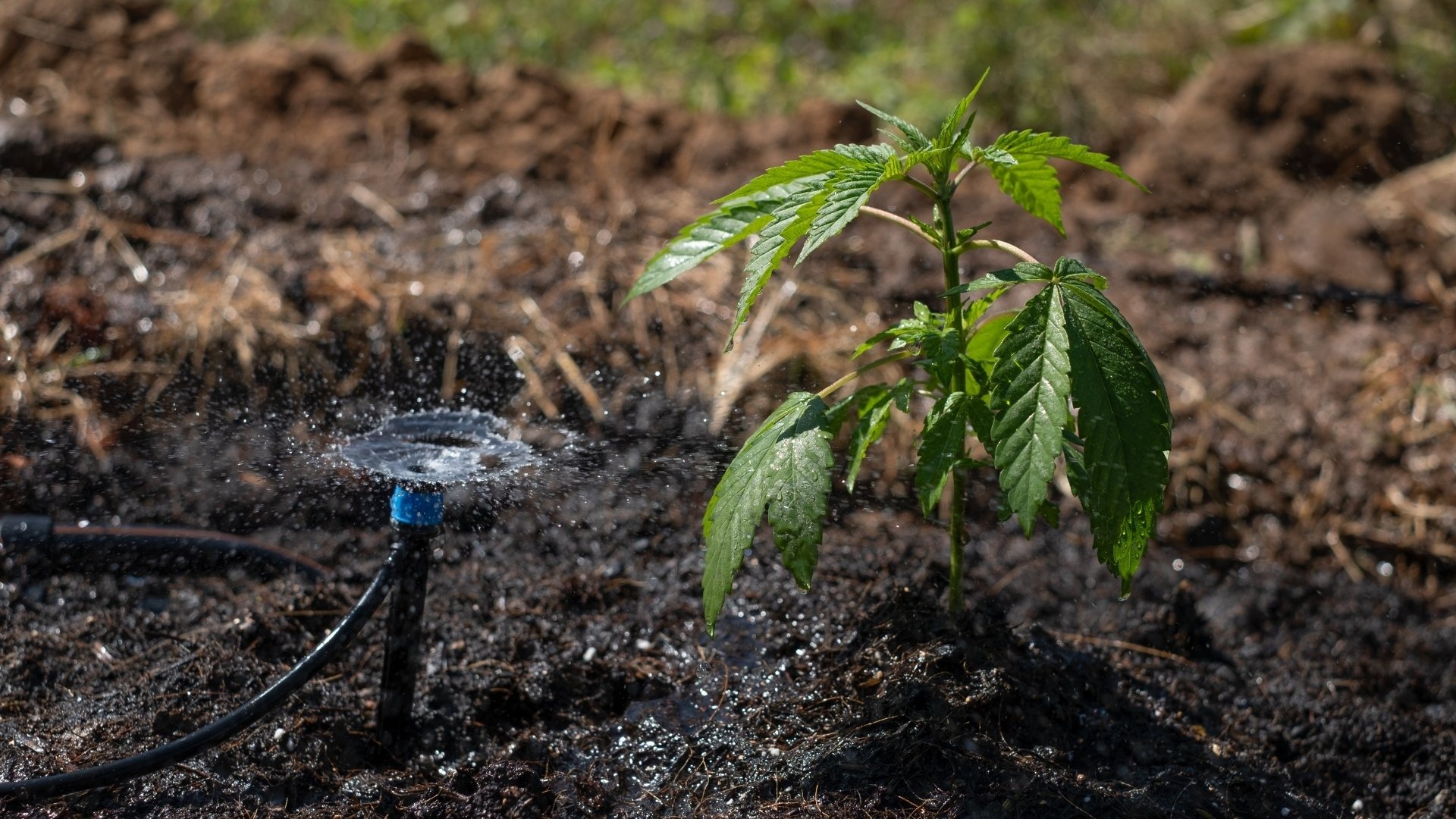
Too much magnesium might not sound like a crisis at first, but it can quietly wipe out an entire harvest. Once the balance tips, plants lose access to calcium and potassium, nutrient uptake slows, and growth stalls.
The hardest part? Most cases of magnesium toxicity are caused not by bad fertilizer, but by small operational oversights that add up over time.
These are the most common causes of magnesium toxicity in cannabis plants:
1. Overfeeding and Inconsistent Nutrient Scheduling
When feeding schedules are not coordinated, plants can receive more magnesium than intended. This is especially common in large teams or when multiple growers rely on manual notes or whiteboards.
Here is how overfeeding usually happens:
- Poor task scheduling leads to duplicate feedings within the same cycle.
- Outdated handwritten records make it hard to track what nutrients were already added.
- Missed logs cause confusion between shifts, leading to accidental nutrient layering.
2. Ignoring EC and PPM Readings
Electrical Conductivity (EC) and Parts Per Million (PPM) readings show how concentrated your nutrient solution is. Skipping these checks can push magnesium levels far above what plants can handle.
Here is what typically goes wrong when these readings are ignored:
- Lack of calibrated meters or daily tracking results in unseen salt buildup.
- No set procedure for measuring solution strength before feeding.
- Relying on “eyeballing” nutrient mixes instead of consistent data logging.
3. Improper Flushing and Salt Buildup
Even if feeding is accurate, unflushed growing media can trap salts that raise magnesium concentration. Over time, this blocks nutrient absorption and stresses the root zone.
These are the most common flushing errors:
- Missed or irregular flushes between feeding cycles.
- No system for assigning or verifying flush tasks.
- Uneven runoff checks when using shared whiteboards or verbal reminders.
4. pH Drift and Water Quality Issues
When pH levels swing too far in either direction, nutrient balance collapses. Magnesium accumulates while other elements become unavailable.
Here are the typical causes of pH imbalance and water-related toxicity:
- Inconsistent pH testing or missing records from different team members.
- Use of hard water rich in natural magnesium without accounting for it in nutrient mixes.
- Neglecting to recalibrate pH pens regularly.
PlanaCan eliminates these workflow gaps by turning cultivation routines into automated, trackable tasks. Every feeding, flush, and measurement can be scheduled, assigned, and verified in real time, reducing the risk of overlapping or missed actions. Schedule a demo today.
How to Treat Magnesium Toxicity in Marijuana
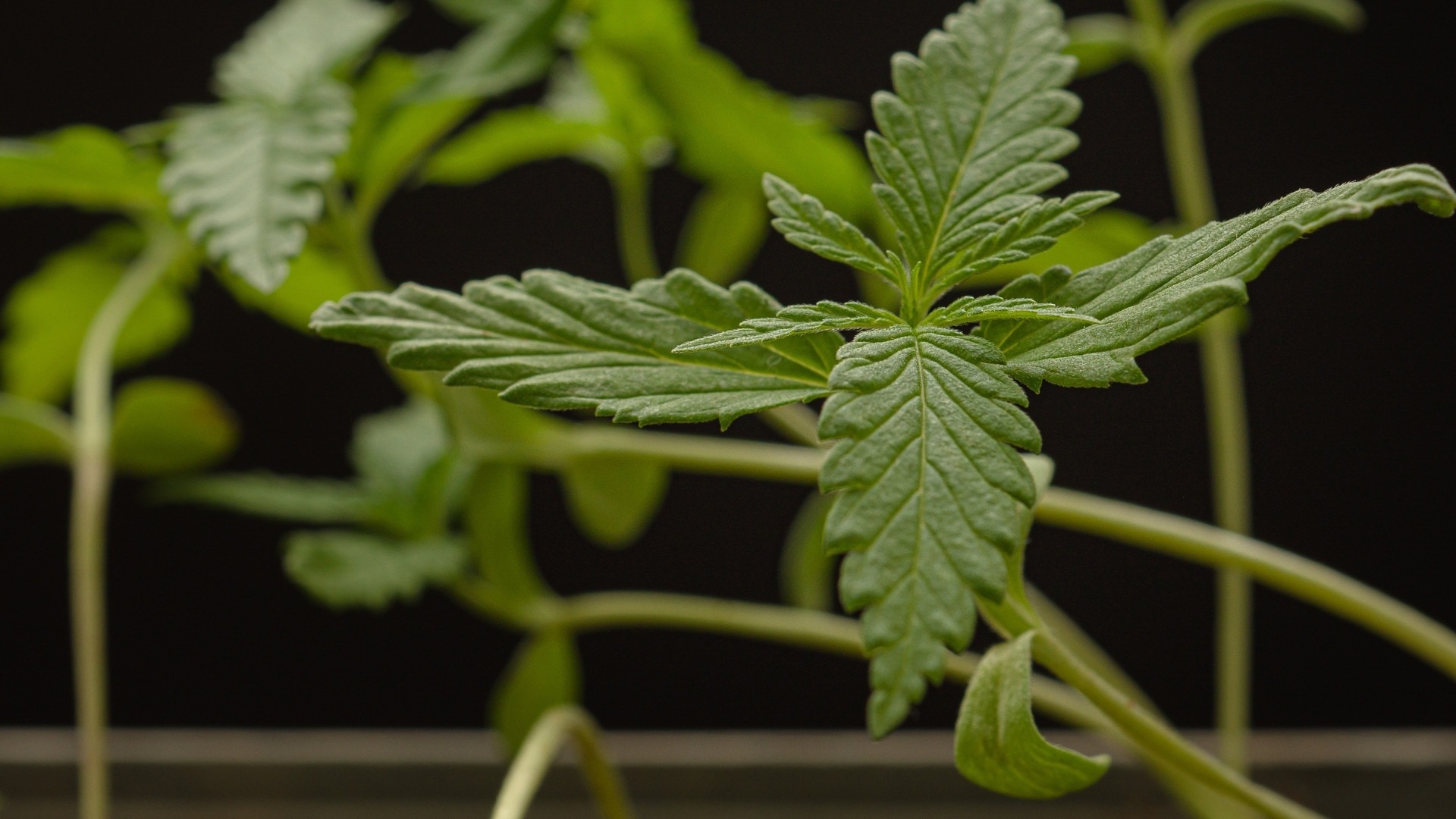
When magnesium toxicity appears, acting fast makes all the difference. The longer you wait, the more nutrient lockout spreads, and recovery takes twice as long.
The key is to be proactive the moment you spot early signs like dark leaves, rust spots, or curling tips. Once addressed quickly, most plants bounce back within days.
Table of common symptoms and how to fix them:
Each symptom points to the same underlying issue: too much magnesium blocking other essential elements. Once the excess is flushed, your next task is keeping the balance steady through monitoring and patience.
Be careful when implementing these fixes:
- Do not overflush. Excessive rinsing can wash out beneficial nutrients and stress roots further.
- Avoid quick nutrient resets. Wait until new growth appears before resuming full feeding.
- Monitor runoff EC and pH after every flush to ensure balance returns gradually.
- Always check water hardness to avoid reintroducing hidden magnesium from tap sources.
If handled correctly, recovery is smooth, and growth resumes within a week or two. But what if the opposite happens? Can magnesium levels drop too low, and how would you recognize it? This is explained in the next section.
Suggested Read: Setting Proper ECM Targets in Cannabis Cultivation
Can Magnesium Levels Drop? Signs and Fixes in Cannabis Cultivation
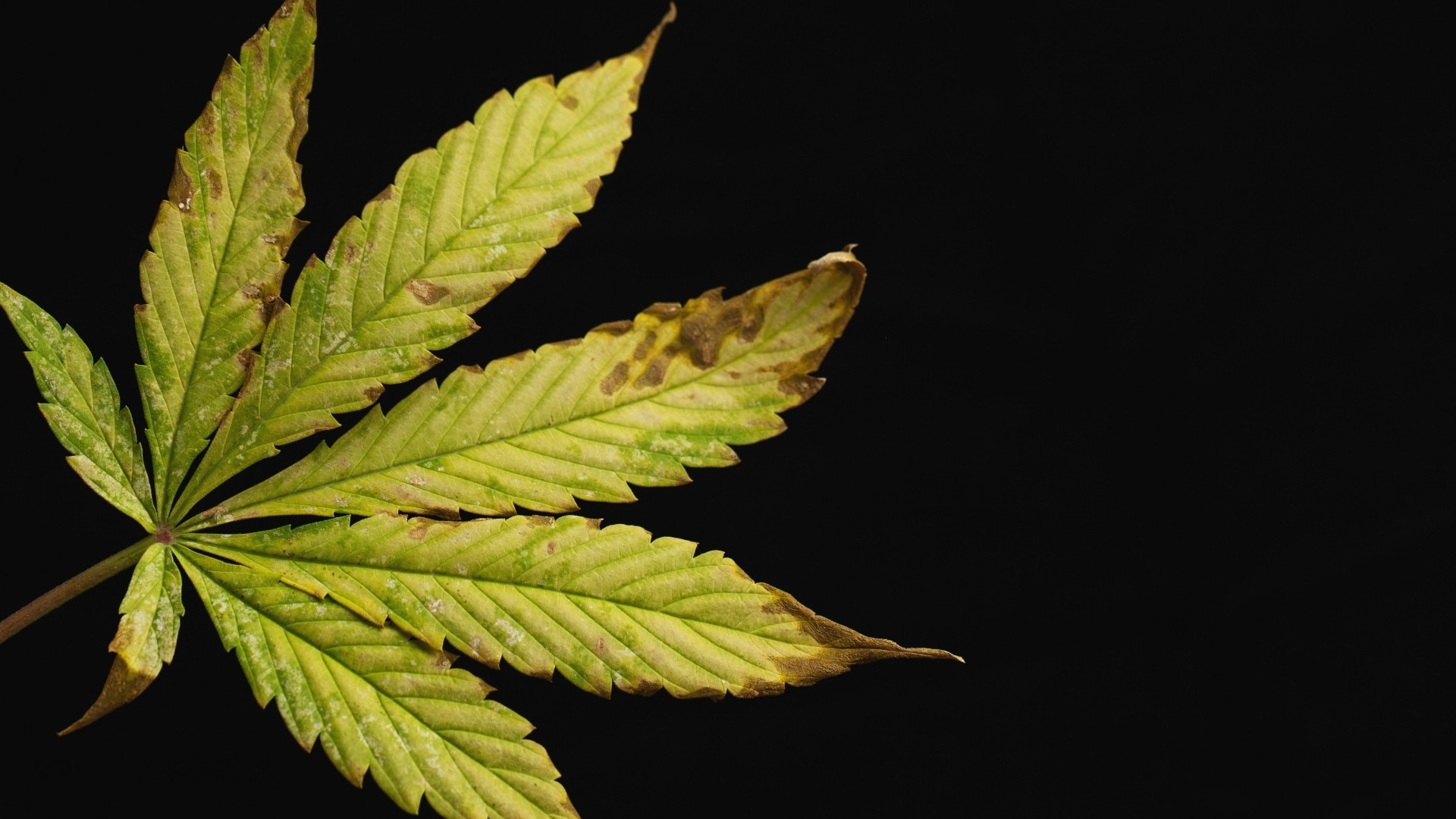
Just as too much magnesium causes problems, too little can be equally damaging. Magnesium deficiency happens when the nutrient becomes unavailable in the root zone.
This is often because of poor pH balance, salt buildup, or nutrient lockout. Since magnesium plays a central role in photosynthesis and helps other nutrients move through the plant, even a minor drop can quickly affect overall growth.
Here are the usual signs of low magnesium levels in cannabis:
- Yellowing Between Leaf Veins (Interveinal Chlorosis): The veins stay dark green while the spaces between them fade to yellow, starting with older leaves first. This is one of the earliest signs of magnesium shortage.
- Rusty or Necrotic Spots on Leaves: As the deficiency worsens, small brown spots appear across the yellowing areas. Many growers mistake this for a calcium deficiency, but magnesium is the first to go when pH drifts too low.
- Brittle or Curling Leaves: The edges of leaves curl upward, and the tissue becomes thin and fragile. Unlike toxicity, where the leaves darken, deficiency causes them to lighten and lose vitality.
- Slow Growth and Pale New Shoots: Young leaves grow smaller and lighter in color because magnesium helps transport nutrients like nitrogen and phosphorus. Without it, energy transfer slows across the plant.
- Weak Stems and Poor Flower Development: Low magnesium reduces sugar transport, leaving less energy for stem strength and bud formation. This results in smaller yields and weaker plant structure.
To fix magnesium deficiency, start by checking pH levels. You need to keep them at 6.0–6.5 in soil and 5.8–6.2 in hydro. Then, feed with a magnesium supplement like Epsom salt (magnesium sulfate) or a balanced Cal-Mag formula.
Flush lightly before feeding if you suspect salt buildup, as trapped nutrients can block absorption. Always reintroduce magnesium gradually, giving the plant time to recover.
Prevention is always better than cure, especially with cannabis. Magnesium issues, whether too much or too little, can set your grow back by weeks. You can avoid this situation completely with the tips mentioned in the next section.
Tips to Prevent Future Magnesium Imbalance
Consistency and data tracking are the backbone of a healthy cannabis cultivation process. Magnesium imbalances—whether too high or too low—usually happen when key details slip through the cracks.
Here are some simple yet powerful ways to stay in control:
- Monitor pH and EC Regularly: Check pH and electrical conductivity at least once daily during active growth. Sudden changes in either reading are early warning signs that nutrient uptake may be off-balance.
- Flush the Medium on Schedule: Plan light flushes every 2–3 weeks to prevent salt buildup. This keeps the root zone clean, ensuring nutrients, including magnesium, remain available in the right proportions.
- Avoid Nutrient Overlaps: Many base fertilizers already include magnesium. Before adding supplements, check product labels and nutrient charts to avoid doubling up.
- Use Consistent Water Sources: Tap water hardness can vary, affecting how much magnesium your plants receive. Test and record your water quality monthly to prevent unintentional spikes.
- Record Every Feeding and Adjustment: Keeping logs of nutrient strength, pH, and feed frequency helps identify patterns before they become problems. It also makes it easier to repeat successful cycles.
This kind of consistency is hard to maintain manually, especially across multiple rooms or grow cycles.
PlanaCan makes it simple by automating work schedules, assigning tasks for pH and EC checks, and keeping a permanent digital record of every nutrient adjustment. With all your cultivation data in one place, magnesium balance becomes predictable and easy to manage.
Prevent Nutrient Issues with Smarter Scheduling from PlanaCan

PlanaCan is a cultivation management platform designed specifically for cannabis growers who want precision and predictability in every harvest. It replaces spreadsheets, whiteboards, and manual task lists with an automated system that keeps every feeding, pH check, and flush perfectly on track.
By turning daily operations into digital workflows, PlanaCan helps you eliminate the small mistakes that lead to nutrient deficiencies and toxicities.
This is how PlanaCan helps avoid nutrient issues:
1. Automated Work Scheduling
PlanaCan allows you to automate your entire cultivation plan using custom templates built for each strain. This ensures that no one misses critical nutrient tasks or repeats a feeding cycle by accident. For magnesium and other minerals, this consistency prevents both excess buildup and nutrient gaps caused by scheduling errors.
2. Interactive Calendar for Tracking and Planning
The interactive calendar gives you a visual overview of every nutrient event across your grow rooms. You can adjust schedules on the fly, ensuring feeding times stay coordinated with plant needs. This level of organization prevents timing overlap that often causes salt buildup, one of the leading triggers of magnesium toxicity.
3. Team Management and Mobile Access
With team management tools, every grower knows exactly what needs to be done and when. Tasks can be viewed, updated, and completed via the mobile app. You can put a complete stop to confusion between shifts. This minimizes human error in nutrient dosing and helps maintain balance across large-scale operations.
4. Harvest Analysis and Data Reporting
PlanaCan automatically records environmental data, feeding logs, and nutrient outcomes. This makes it easy to compare past harvests and identify trends that led to deficiencies or excesses. With clear analytics, you can fine-tune nutrient ratios and prevent magnesium imbalance before it affects growth.
At PlanaCan, we grow by listening. After working closely with cultivators worldwide, our platform continues to evolve to meet the real-world challenges of growrooms.
We are constantly improving features to help you prevent nutrient issues before they start. Our team is available 24/7 via email to answer questions or guide you through any step of your cultivation workflow.
Conclusion
Maintaining ideal magnesium levels is about balance, not guesswork. Too little, and your plants lose color, vigor, and yield. Too much, and you block the nutrients that keep them strong and productive. By tracking pH, EC, and feeding schedules consistently, you can maintain magnesium levels where they should be.
That balance becomes easier with PlanaCan. From automated nutrient scheduling to digital task tracking and harvest analysis, PlanaCan helps growers prevent both deficiencies and toxicities before they start. It brings structure, accuracy, and peace of mind to every feeding cycle, making nutrient management one less thing to worry about.
Keep every feeding precise, every plant healthy, and every harvest predictable. Schedule a free call today.
Frequently Asked Questions
1. Can magnesium toxicity affect different growth stages differently?
Yes. In the vegetative stage, excess magnesium mainly causes slowed growth and overly dark leaves. During flowering, it becomes more damaging—blocking phosphorus and potassium uptake, which are essential for bud density and resin production. The earlier you correct the imbalance, the less impact it has on final yields.
2. Does water temperature influence magnesium absorption?
Absolutely. Cold water (below 60°F / 15°C) slows nutrient absorption, while excessively warm water can cause faster salt accumulation in the root zone. Keeping irrigation water between 65–70°F (18–21°C) maintains consistent magnesium uptake and reduces lockout risk.
3. How long does it take for plants to recover after correcting magnesium toxicity?
Typically, you will see signs of improvement within 7–10 days. New growth should appear lighter and free of rust spots, while older leaves may not recover. The key is to watch new leaf development rather than waiting for damaged foliage to heal.
4. Can different grow mediums affect magnesium balance?
Yes. Coco coir and hydroponic systems are more sensitive to magnesium fluctuations because nutrients move faster in solution. Soil acts as a buffer, holding excess magnesium for longer but also making it harder to flush. Each medium requires tailored pH and feeding strategies to maintain balance.
5. Should I adjust magnesium levels based on strain genetics?
It helps. Some indica-dominant strains handle higher magnesium levels due to thicker leaf structure, while sativa-dominant strains are more prone to lockout under the same conditions. Always start with mid-range magnesium concentrations (around 70–90 ppm) and fine-tune based on strain response over time.