Are you struggling with high humidity in your grow tent? You are not alone. Many cannabis growers face this challenge, particularly during rainy seasons, in high-humidity regions, or in small grow setups where air circulation is limited. When the moisture level inside your tent stays too high, it can quickly turn your plants into a breeding ground for mold, mildew, and pests.
Bud rot is one of the worst outcomes, often wiping out weeks of hard work and investment right before harvest. Additionally, excessive humidity can hinder plant growth, weaken stems, and diminish overall bud quality.
Fortunately, you do not always need to invest in expensive equipment to manage humidity levels. With the right adjustments and a bit of planning, you can create a healthier environment for your cannabis plants and protect your yields.
Let us explore why controlling humidity matters so much and how you can do it using simple, practical methods.
TL;DR
- Controlling humidity prevents mold, improves plant function, boosts resin, preserves buds, and supports overall plant health.
- Ideal Humidity for each cannabis cultivation stage.
- Improve airflow, ventilate well, avoid overwatering, remove standing water, manage heat, use silica packs, thin plants, and clean regularly.
- Proactive steps help, but using tools like PlanaCan lets you monitor, adjust, and streamline your grow setup for better results.
Why Should You Lower the Humidity in Your Cannabis Grow Tent?
If your goal is to grow healthy, potent, top-shelf cannabis, managing humidity is a must. High humidity creates conditions that weaken plants, lower quality, and invite disaster. Here is why keeping humidity under control is critical:
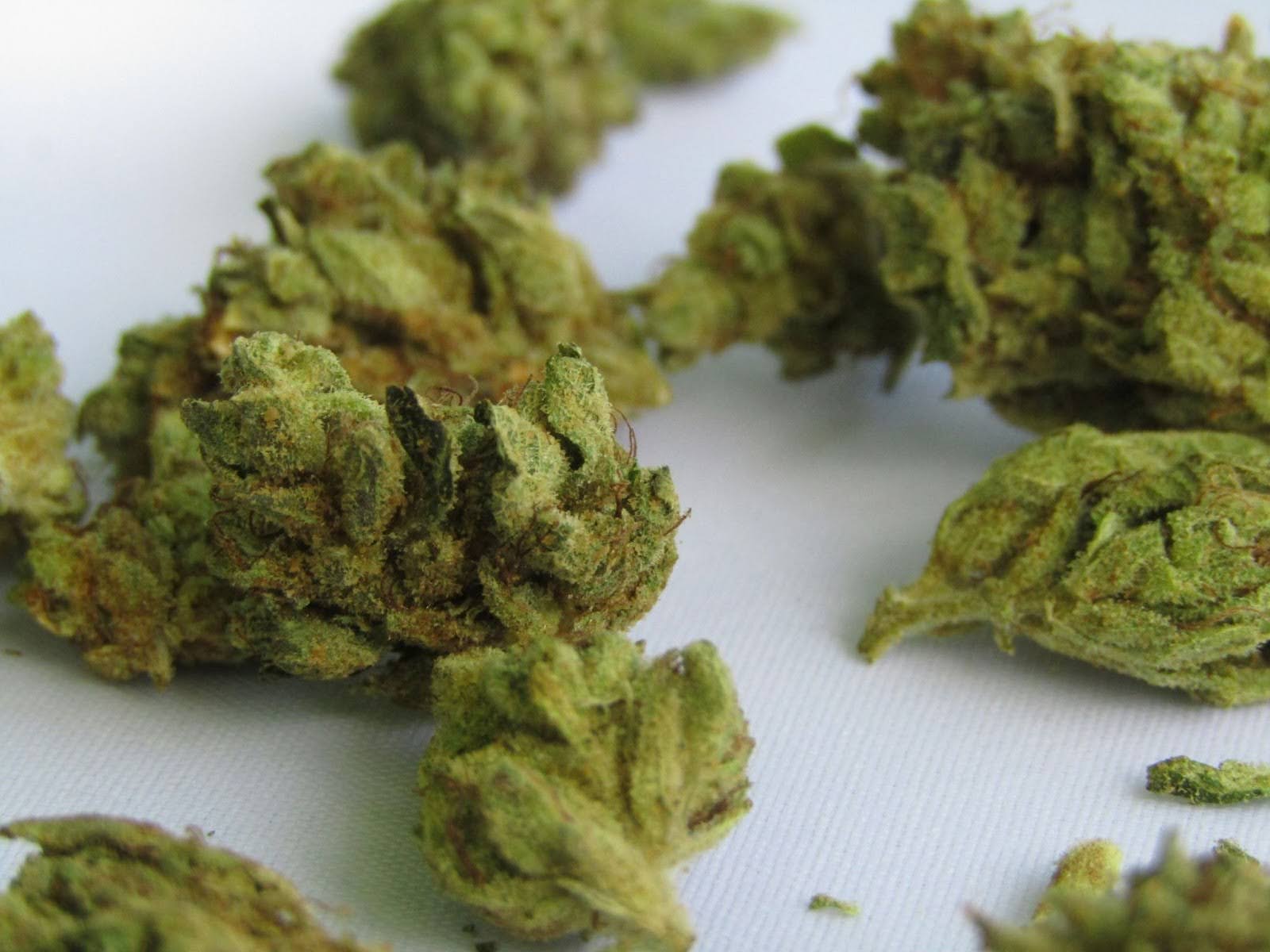
- Protects Your Crop From Mold and Bud Rot: Mold, mildew, and bud rot thrive in damp environments. Dense flowers trap moisture inside the canopy, especially late in the flowering stage. If humidity stays high, these pathogens can spread quickly and destroy your buds right before harvest. Once mold appears, the damage is often irreversible.
- Keeps Your Plants Functioning at Their Best: Plants need to move water and nutrients from roots to leaves through transpiration. High humidity slows this process. Without proper transpiration, nutrient uptake drops. The result is weak growth, poor bud development, and stressed plants. If your goal is vigorous plants and big yields, humidity control is key.
- Drives Higher Resin Production: Lower humidity late in flower encourages your plants to produce more trichomes. The plant senses drier air as a stress signal and responds by pushing out more resin. This leads to stickier, more aromatic buds with higher potency. Keeping the humidity too high during this stage will cost you that boost in quality.
- Preserves Flower Quality After Harvest: Drying your buds in a high-humidity space causes them to dry too slowly, which can invite mold even after harvest. If the air is too dry, they cure too fast and lose aroma. Controlled humidity protects your flowers during drying and helps lock in flavor and potency.
- Improves Nutrient Balance in the Medium: When humidity is too high, growers often reduce watering to avoid excess moisture. This can lead to salt buildup in the soil or growing medium. Over time, these salts throw off nutrient balance, stressing your plants further. Managing humidity helps maintain a consistent watering rhythm and supports better nutrient absorption.
- Prevents Pest Infestations: Many pests, such as spider mites and fungus gnats, thrive in warm, humid environments. High humidity speeds up their life cycles and makes infestations harder to control. Lowering humidity makes your grow tent less hospitable to pests, giving you one more layer of defense.
Now that you understand why humidity matters at every stage, the next step is to learn the ideal ranges and how to maintain them. Proper control can make the difference between a failed grow and a harvest you can be proud of.
The Ideal Humidity for Each Cannabis Cultivation Stage
Humidity needs change as your plants grow. If you match the environment to their stage, you will see healthier growth and better results.
- Seedling Stage (65 to 70 percent): Young plants love moisture. High humidity helps them develop roots and prevents wilting.
- Vegetative Stage (50 to 70 percent): As plants grow larger leaves, they can handle a bit less moisture. Keeping humidity closer to 50 percent encourages strong stem and leaf growth.
- Flowering Stage (40 to 50 percent): Once flowers start forming, excess humidity becomes dangerous. Lower levels prevent mold and boost bud density.
- Late Flowering and Pre-Harvest (35 to 40 percent): Dropping humidity at the end increases resin and terpenes, improving both potency and flavor.
Keeping your grow tent within these ranges can be done without a dehumidifier. Here is how.
How to Lower Humidity in a Cannabis Grow Tent Without a Dehumidifier
High humidity can wreck an otherwise healthy grow. It creates the perfect environment for mold, bud rot, and pests, problems that can ruin weeks of hard work. You do not need to buy expensive gear to fix this. By adjusting your setup and habits, you can keep humidity in check with simple, reliable methods.
Here is how to lower humidity in your cannabis grow tent without using a dehumidifier.
1. Improve Air Circulation
Good airflow prevents moisture from building up. Place oscillating fans at different levels in your tent. Aim them above and below the canopy to keep air moving around your plants. This simple step can significantly lower humidity.
Pro Tip: Use clip-on fans for flexibility. Position one near the base and another above the canopy for full coverage.
2. Ventilate the Tent
Exhaust fans are your best ally. Install a powerful exhaust fan to draw out moist air and introduce fresh, dry air. Ensure your intake vents are open or install an intake fan to maintain balanced airflow.
Pro Tip: Run your exhaust fan at higher speeds during lights-off periods, as humidity tends to spike when the lights are off.
3. Adjust Watering Practices
Too much water in the soil or growing medium can raise humidity. Water your plants only when needed. Allow the top layer of soil to dry between waterings. Overwatering is one of the quickest ways to spike humidity levels.
Pro Tip: Water your plants right after the lights turn on. This way, moisture has time to evaporate while fans and lights are running.
4. Remove Standing Water
Empty saucers, trays, and any containers that might collect water. Even small amounts of standing water add to the moisture in your tent.
Pro Tip: Elevate pots slightly using risers or mesh trays so excess water drains freely and doesn't sit under the plant.
5. Control Room Temperature
Warm air holds more moisture. If possible, lower the temperature in the grow room or tent with an AC unit or by running lights during cooler periods (like nighttime). Cooler air carries less humidity.
Pro Tip: Aim for a day/night temperature difference of 4-6°C (about 8-10°F). This helps balance humidity levels.
6. Use Silica Gel Packs or Desiccants
Place silica gel packs, calcium chloride, or other desiccants in the tent to absorb moisture. However, they are only effective in small spaces, and larger tents need significant quantities to make a noticeable impact.
Pro Tip: Use refillable moisture absorbers and rotate them regularly. Keep a hygrometer nearby to monitor their effectiveness.
Noticing how these small changes affect your growth takes time, which is where PlanaCan comes in. It automatically captures data on every decision you make, from moisture control to lighting and more, and organizes it into clear reports after each harvest. By reviewing these reports, you can see what worked, what didn’t, and adjust your process to boost future yields.
7. Thin Out Foliage
Too many leaves can trap moisture. Perform light defoliation to improve airflow through your canopy. This not only lowers humidity but also reduces the risk of mold.
Pro Tip: Focus on removing large fan leaves in the middle and lower sections of the plant where airflow is limited.
8. Use Light Cycles Wisely
Lights create heat, which affects humidity. Run lights during cooler hours to prevent the tent from heating up too much and releasing excess moisture into the air.
Pro Tip: If possible, sync your light cycle with the cooler part of the day (e.g., night or early morning).
9. Keep Your Tent Clean
Dead leaves, spilled water, and debris contribute to higher humidity. Clean your tent regularly to keep moisture levels under control.
Pro Tip: Wipe down the tent walls weekly with a diluted hydrogen peroxide solution to prevent mold and mildew buildup.
Keeping track of these routine tasks is much easier with PlanaCan. It gives you a clear timeline for planning work ahead of time while staying on top of daily details. As conditions change, you can adjust schedules quickly. With everything organized in one place, you and your team always know what needs attention, so nothing slips through the cracks.
How to Measure and Monitor Cannabis Grow Space Humidity
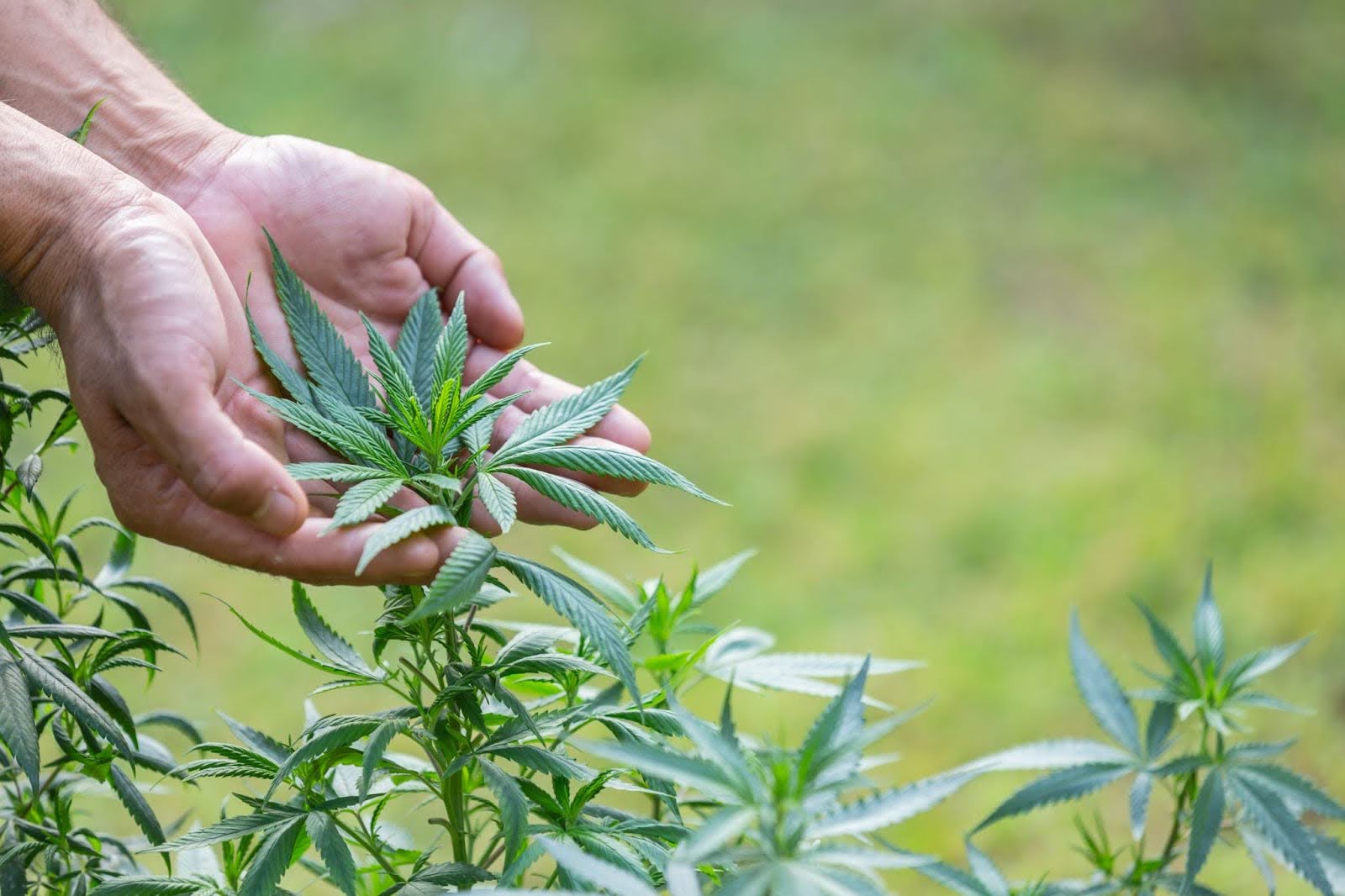
Maintaining humidity within the optimal range is crucial for promoting healthy growth, achieving high yields, and preventing mold. To stay on top of it, you need the right tools and a simple routine. Here’s how you can measure and monitor humidity in your grow space effectively.
- Choose the Right Hygrometer: Start by investing in a digital hygrometer. Look for one with high accuracy (±2% or better), a built-in thermometer, and data logging. Wireless or Bluetooth-enabled models can give you remote access to real-time readings.
- Place Your Hygrometer Strategically: Don't just stick the device anywhere. Place it at canopy level, where your plants breathe and transpire. Avoid placing it near fans, heaters, or humidifiers, as that can skew readings.
- Use Multiple Sensors for Larger Spaces: If you are growing in a larger tent or room, use two or more hygrometers in different zones. This helps you catch humidity pockets or uneven distribution that can harm your crop.
- Monitor Daily and Log Readings: Check humidity levels at least twice a day, once in the morning and once at lights off. Many growers keep a log to track changes across different stages of growth.
Tracking these changes helps you see how conditions affect each stage of growth. PlanaCan simplifies this by logging your cultivation decisions and their impact on yield. You can review past harvests, identify what worked, and continually improve with everything in one place.
- Set Up Alerts with Smart Monitors: If you use a smart monitor, set alert thresholds. That way, you will get notified if humidity falls out of the safe range and can take action immediately.
- Use a Dehumidifier or Humidifier with Humidistats: Consider using grow equipment that has built-in humidistats. These will automatically adjust the output to maintain the desired humidity level.
- Keep an Eye on VPD (Vapor Pressure Deficit): Once you are confident with basic monitoring, take it a step further. Use your humidity and temperature readings to calculate VPD. This helps you fine-tune plant transpiration and optimize growth.
Conclusion
Lowering humidity in your cannabis grow tent without using a dehumidifier is all about staying proactive and using smart techniques. Simple actions like improving airflow, managing watering, and using moisture absorbers can protect your plants from mold and maintain bud quality. But keeping track of these adjustments manually, especially across different growth stages, can be overwhelming.
This is where PlanaCan makes a real difference. The platform helps growers monitor environmental conditions in real-time, organize tasks, and track plant health at every stage. It streamlines the entire process, so nothing falls through the cracks. From automated reminders to collaboration tools and growth tracking, PlanaCan empowers you to maintain optimal conditions with ease.
Ready to simplify your cultivation workflow? Schedule a free call today and see how PlanaCan can support your growth and help you produce healthier, higher-quality cannabis.