Leaf edges begin to scorch, buds fail to fill out, and your nutrient program looks “fine” — yet the problem persists. That hidden culprit often turns out to be a potassium imbalance. Potassium deficiency is widely recognized in agriculture as a major constraint on plant growth and yield.
Studies show it reduces leaf growth, photosynthesis, and biomass production in nutrient-limited conditions compared to plants with adequate potassium. If you have ever struggled to pinpoint whether your cannabis plants need more potassium or if something else is suppressing growth, you are not alone.
In this guide, we explain how to spot the early signs of cannabis potassium deficiency and excess. We explore the underlying causes of imbalance, and walk through practical steps you can take to correct issues and protect yield and flower quality.
Before you dive in:
- Potassium drives water regulation and bud density. It supports carbohydrate transport, enzyme activation, and stress tolerance, especially during mid-to-late flowering.
- Deficiency shows first on older leaves. Yellowing or scorched leaf edges, weak stems, and reduced bud density are early warning signs.
- Excess causes nutrient lockout. Too much potassium can block calcium and magnesium uptake, leading to stalled growth and elevated runoff EC.
- pH and runoff monitoring prevent imbalance. Keeping root-zone pH within 5.8–6.5 and tracking EC levels reduces hidden lockout risk.
- Structured workflows improve consistency. Stage-based feeding schedules and documented nutrient adjustments help commercial growers avoid reactive corrections.
Why Is Potassium Important in Cannabis Cultivation?
Potassium is one of the three primary macronutrients cannabis plants require in significant amounts. While nitrogen drives vegetative growth and phosphorus supports root and flower development, potassium regulates how efficiently the plant uses water, nutrients, and energy.
Potassium plays a critical role in:
- Water Regulation: Potassium controls stomatal opening and closing. This directly affects transpiration and nutrient movement. Efficient water regulation supports overall plant stability.
- Carbohydrate Transport: It helps move sugars produced during photosynthesis to developing buds. This process supports flower weight and density. Poor transport limits yield potential.
- Enzyme Activation: Potassium activates multiple enzymes involved in growth and metabolism. Enzyme efficiency improves plant performance. Deficiency slows overall development.
- Stress Tolerance: Adequate potassium improves resistance to heat, drought, and disease pressure. Plants recover more effectively from environmental fluctuations. Weak potassium levels increase vulnerability.
- Flower Development and Density: During mid- to late flowering, potassium demand increases. It supports bud swelling and structural strength. Imbalance at this stage can significantly reduce harvest quality.
It is important to understand potassium’s role before adjusting feed programs. The next section outlines ideal potassium levels for each stage of cannabis growth and how those levels shift throughout the cycle.
Suggested Read: Beginner's Guide on Mixing Nutrients for Cannabis Growth
Ideal Potassium Levels for Each Stage of Cannabis Growth
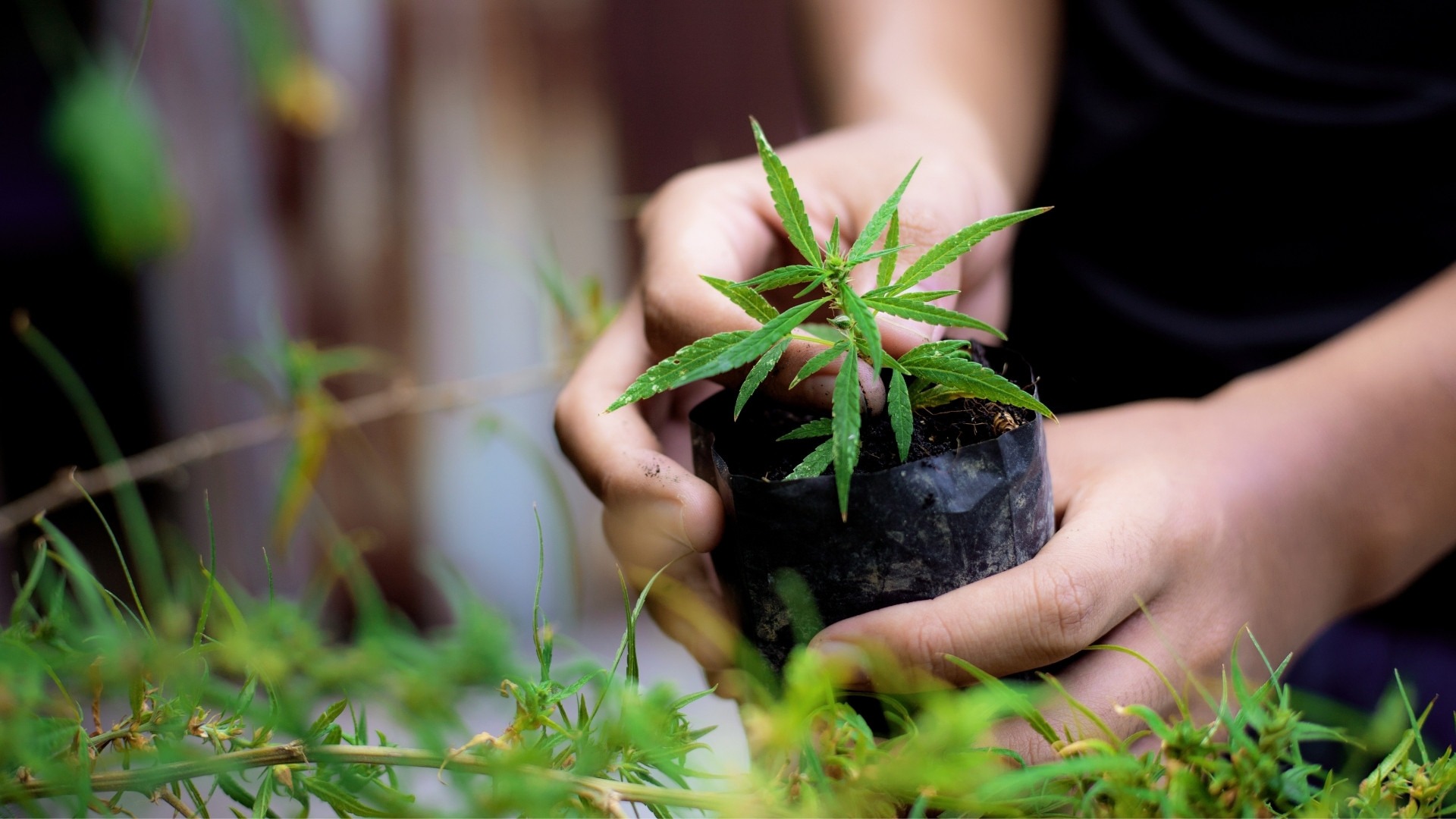
Potassium requirements shift throughout the cannabis lifecycle. Applying the same nutrient ratios from vegetative growth through flowering often leads to imbalance. Adjusting potassium levels by stage helps maintain plant efficiency and maximize yield potential.
Recommended potassium (K) ranges:
- Seedling Stage: 50–100 ppm
Young plants require modest potassium levels. Excess at this stage can stress immature root systems. Focus on balanced early development. - Vegetative Stage: 150–250 ppm
Potassium supports rapid growth and water regulation. Stable levels improve structural strength and leaf health. Deficiency during veg weakens future flowering performance. - Early Flowering: 200–300 ppm
Demand begins to increase as plants transition into bud formation. Proper levels support carbohydrate transport. This stage sets the foundation for density. - Mid-to-Late Flowering: 250–350 ppm
Potassium peaks during bud swelling. Adequate supply supports flower density and stress resistance. Overcorrection at this stage can cause lockout issues. - Runoff EC and pH Monitoring
Maintain pH between 5.8–6.5 depending on medium. Improper pH can block potassium uptake even when ppm appears sufficient. Monitoring runoff prevents hidden imbalance.
PlanaCan helps growers schedule feeding changes aligned with growth phases and track nutrient tasks by room or batch. With structured planning and centralized activity logs, teams reduce the risk of inconsistent potassium application during critical flowering weeks. Schedule a free demo.
Early Signs of Cannabis Potassium Deficiency
Visual symptoms usually begin on older leaves before progressing upward. Identifying these warning signs early prevents yield loss during vegetative and flowering stages.
Table showing signs of potassium deficiency in cannabis:
These signs often appear before severe plant decline. Catching deficiency at this stage allows controlled nutrient adjustments without overcorrection.
While deficiency is common, excess potassium can create equally serious issues. The next section explores the symptoms of cannabis potassium excess and how to recognize them early.
Suggested Read: Best Nutrients for Cannabis Cultivation
Symptoms of Potassium Excess in Cannabis Cultivation

Excess potassium is less discussed than deficiency, but it can be equally damaging. Overapplication often leads to nutrient lockout, particularly of calcium and magnesium, even when those nutrients are present in the feed. The result is stalled growth, leaf damage, and reduced flower development despite aggressive feeding.
Table showing signs to look out for:
Excess potassium often masks itself as other deficiencies, making an accurate diagnosis essential. The next section examines the common causes behind potassium imbalance and how growers can prevent recurring issues.
What Causes Potassium Imbalance in Cannabis?
Potassium imbalance is usually the result of feeding inconsistencies, pH instability, or misaligned nutrient ratios across growth stages. Identifying the root cause prevents repeated corrections that stress plants and reduce yield.
These are a few common causes of too little and too much potassium in cannabis:
1. Incorrect Nutrient Ratios
Many growers increase bloom boosters without adjusting the overall nutrient profile. This can elevate potassium levels beyond plant demand or create an imbalance with calcium and magnesium.
Common ratio-related causes include:
- Overuse of high-K bloom additives
- Failure to reduce nitrogen gradually during flowering
- Stacking multiple nutrient products
- Ignoring manufacturer feeding guidelines
- Inconsistent mixing practices
2. pH-Related Nutrient Lockout
Even when potassium is present, improper pH prevents absorption. This often leads growers to increase feeding strength unnecessarily, worsening the imbalance.
Lockout typically occurs due to:
- pH drifting outside the 5.8–6.5 range
- Infrequent runoff testing
- Salt buildup in the root zone
- Poor irrigation scheduling
- Media-specific pH mismanagement
3. Inconsistent Feeding Practices
Fluctuating EC levels stress root systems and disrupt nutrient uptake. Sudden increases or decreases in potassium can shock plants during critical growth phases.
This often results from:
- Irregular feeding schedules
- Skipping runoff measurements
- Overcorrecting early deficiency signs
- Manual mixing errors between rooms
- Lack of stage-based nutrient adjustments
PlanaCan helps growers standardize feeding schedules and align nutrient tasks with specific plant phases. With centralized workflow tracking and documented activity logs, teams reduce the risk of inconsistent potassium application across batches. Try PlanaCan for free.
How to Correct Potassium Deficiency in Weed
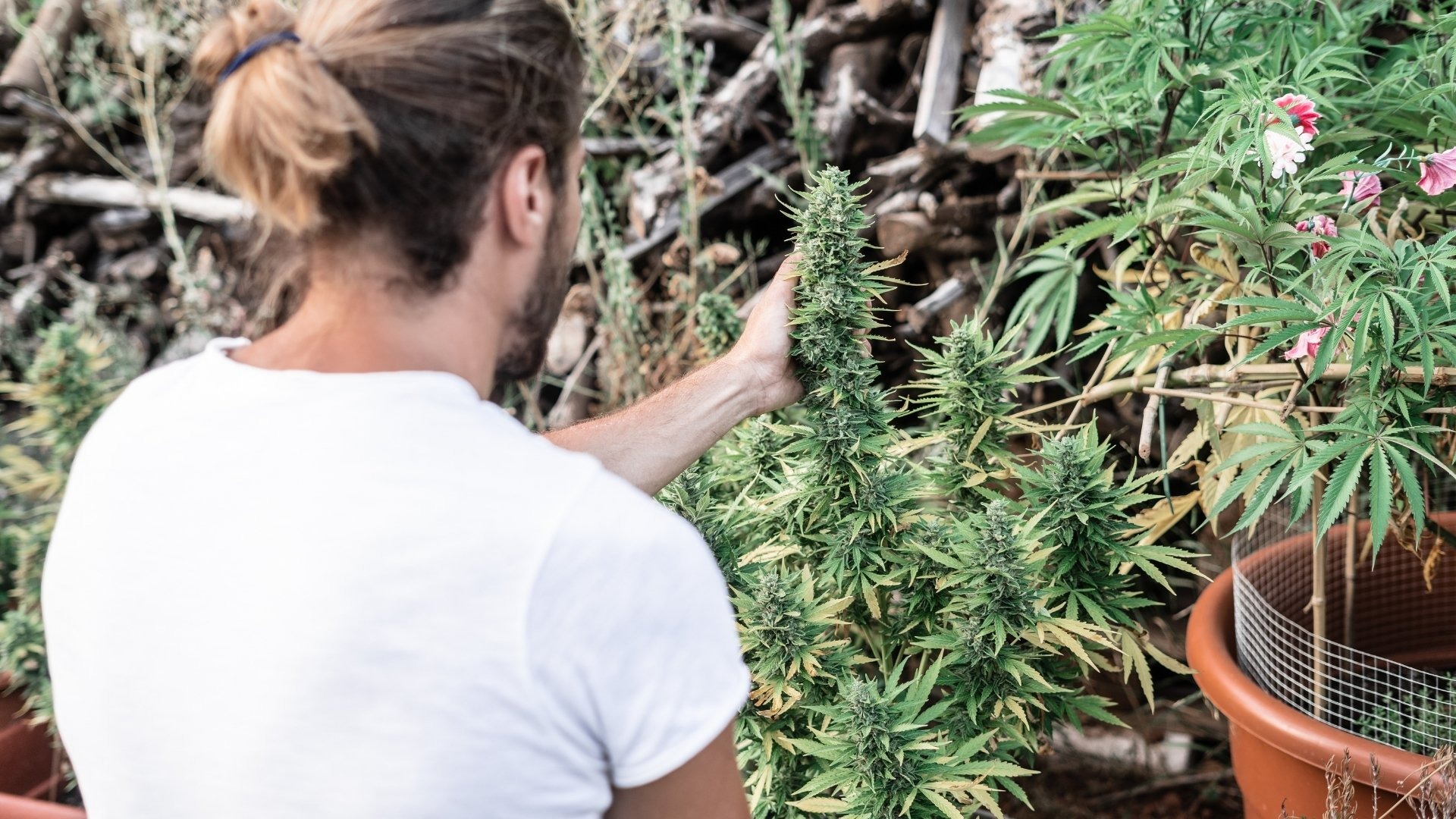
Correcting potassium deficiency requires controlled adjustments rather than aggressive feeding. Overcorrection can trigger nutrient lockout or create excess issues during flowering.
This is what you should do:
- Verify pH Before Increasing Feed: Ensure root-zone pH is within 5.8–6.5, depending on medium. Improper pH often mimics a deficiency. Correcting pH alone may restore uptake.
- Increase Potassium Gradually: Adjust nutrient solution within recommended ppm ranges for the current growth stage. Avoid sudden large increases. Monitor plant response over several feedings.
- Check Runoff EC Levels: Measure runoff to detect salt buildup. High EC may indicate blocked uptake rather than true deficiency. Light flushing may be required before increasing nutrient levels.
- Stabilize Environmental Conditions: Maintain consistent temperature and humidity. Stress reduces nutrient transport efficiency. Stable conditions improve recovery.
- Monitor New Growth, Not Damaged Leaves: Affected leaves rarely recover fully. Look for healthy new foliage and improved bud development. Recovery signs typically appear within several days.
Correcting the deficiency is only half the equation. Excess potassium can cause nutrient lockout and requires a different approach. The next section explains how to correct cannabis potassium toxicity safely and effectively.
Suggested Read: Nutrient Burn in Cannabis - Everything You Need To Know
How to Correct Cannabis Potassium Toxicity
Potassium toxicity often develops from overfeeding during flowering or stacking multiple bloom additives. The symptoms can resemble calcium or magnesium deficiency due to nutrient lockout.
Correcting potassium toxicity in cannabis requires the following:
- Confirm Elevated Runoff EC: Test runoff to verify salt accumulation. High EC levels often indicate excessive nutrient concentration. Accurate measurement prevents unnecessary adjustments.
- Flush the Growing Medium Carefully: Use pH-balanced water or a mild nutrient solution to remove excess salts. Avoid aggressive flushing that stresses roots. Gradual reduction is more effective.
- Rebalance Nutrient Ratios: Reduce potassium levels while restoring calcium and magnesium balance. Maintain stage-appropriate ppm ranges. Avoid stacking bloom boosters.
- Stabilize Irrigation Practices: Ensure proper drainage and avoid constant saturation. Consistent watering prevents salt buildup. Correct scheduling supports root recovery.
- Monitor Recovery Through New Growth: Damaged leaves may not improve. Focus on healthier new foliage and stabilized bud development. Recovery often takes several feeding cycles.
Even experienced growers can mismanage potassium when they react too quickly or rely on aggressive bloom formulas. The next section explores common errors commercial growers make with potassium management and how to avoid them.
Errors Commercial Growers Make With Potassium Management
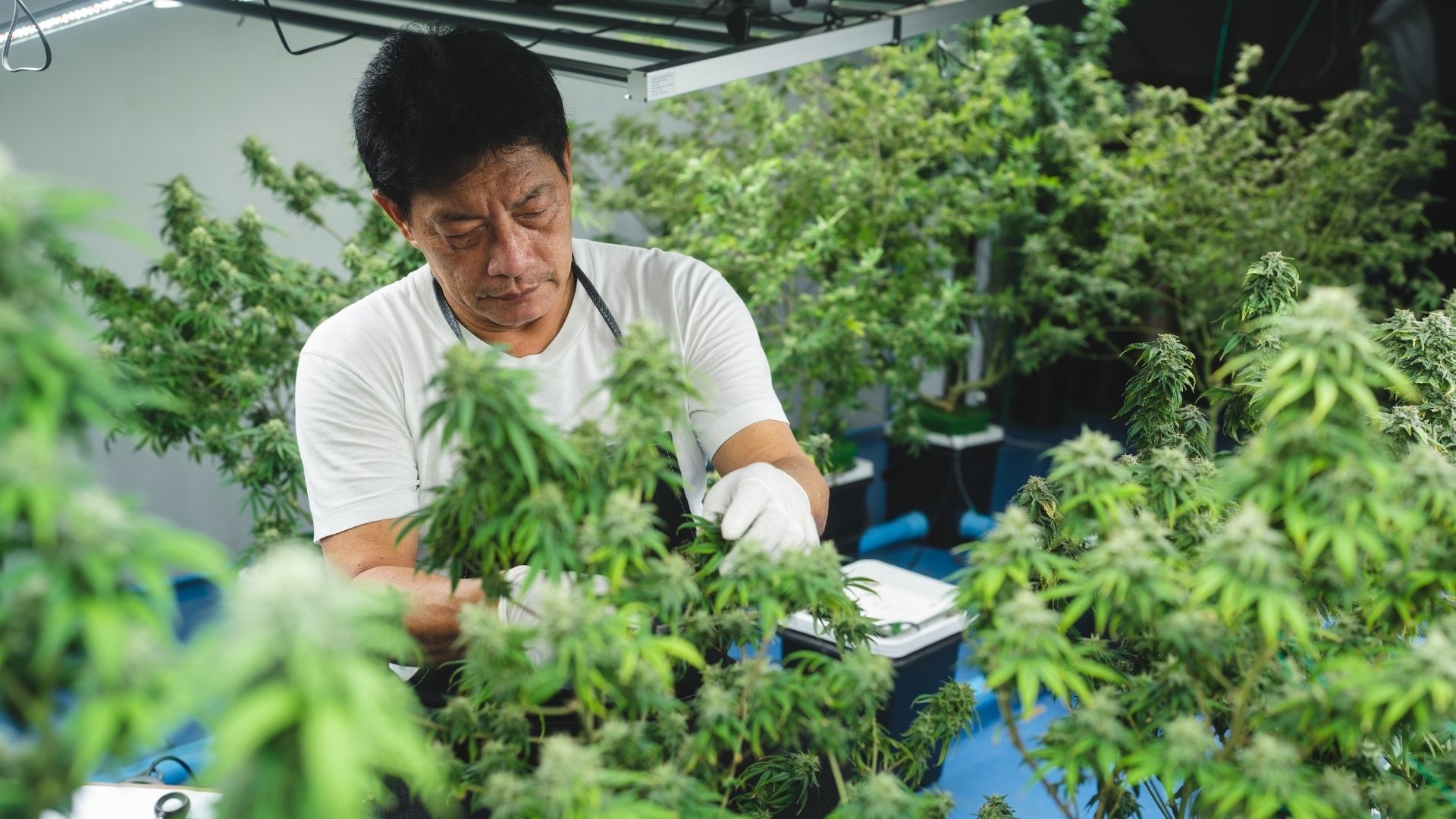
Potassium issues in commercial facilities usually result from inconsistent execution, overcorrection, or misinterpreting symptoms during high-pressure flowering weeks.
Common mistakes include:
- Overusing Bloom Boosters: Growers often stack multiple bloom additives to push flower density. This elevates potassium beyond plant demand and disrupts calcium and magnesium balance.
Fix: Audit all nutrient inputs to identify overlapping potassium sources. Adjust formulations to match stage-based ppm targets and eliminate redundant additives. Monitor runoff EC after adjustments to confirm the balance is restored. - Ignoring pH Before Adjusting Nutrients: Deficiency symptoms frequently appear even when potassium is present in the feed. Increasing dosage without checking pH often worsens lockout conditions.
Fix: Test root-zone and runoff pH before modifying nutrient strength. Correct pH into the appropriate 5.8–6.5 range depending on the medium. Reassess plant response over several feed cycles before increasing potassium levels. - Reacting Too Quickly to Visual Symptoms: Leaf edge burn can signal deficiency, toxicity, or environmental stress. Immediate nutrient increases may compound the issue across multiple rooms.
Fix: Confirm diagnosis using runoff EC, pH readings, and growth-stage context. Adjust nutrient strength gradually rather than aggressively. Track new growth for recovery signs instead of focusing on damaged foliage. - Failing to Monitor Runoff Regularly: Salt accumulation builds slowly and remains hidden without testing. By the time symptoms appear, toxicity may already be advanced.
Fix: Implement routine EC and pH checks for each room and growth stage. Consistently read documents to identify upward trends early. - Inconsistent Feeding Across Rooms: Manual mixing differences and communication gaps lead to uneven nutrient delivery. This creates variability in plant performance and complicates diagnosis.
Fix: Standardize nutrient recipes and mixing procedures across all rooms. Assign responsibility for feed preparation and require documented confirmation of ratios.
Avoiding these errors requires structured systems rather than reactive adjustments. The next section explains how structured workflows help maintain nutrient consistency across commercial cultivation operations.
Suggested Read: Micronutrients in Cannabis: Essential Guide for Plant Growth and Nutrition
Using Structured Workflows to Maintain Nutrient Consistency
PlanaCan is a cultivation management platform built specifically for commercial cannabis growers who need operational control across rooms, teams, and growth stages. Instead of relying on memory, spreadsheets, or disconnected communication, PlanaCan centralizes planning, execution, and tracking into one structured system.
Our features include:
- Automated Work
Use the interactive calendar to map feeding schedules by growth stage and room. Visual timelines make it easier to align potassium adjustments with vegetative and flowering phases. Forward planning reduces reactive nutrient corrections. - Schedule Management
Convert nutrient plans into assigned, trackable tasks. Ensure every feed mix, runoff test, and EC check is completed on schedule. Accountability prevents inconsistency across teams. - Communication
Log nutrient observations and adjustments in real time through the iOS and Android apps. Keep teams aligned across shifts and facilities. Faster communication reduces delayed responses to imbalance. - Analytics
Track feeding patterns and correlate them with plant performance across harvest cycles. Identify rooms where potassium imbalance occurs more frequently. Data visibility supports smarter adjustments. - Templates
Turn your nutrient protocols into repeatable workflows that every team follows. Eliminate variability in mixing, measurement, and application. Consistency at scale protects yield and flower quality.
PlanaCan brings visibility, accountability, and control into daily cultivation operations. For commercial growers who cannot afford inconsistency, our platform is incredibly powerful at maintaining disciplined, scalable nutrient management.
Conclusion
Potassium imbalance rarely appears overnight. It develops from small inconsistencies in feeding, pH management, or stage-based adjustments that go unnoticed until yield and flower quality decline. When deficiency and excess are misdiagnosed or overcorrected, commercial growers risk nutrient lockout, uneven bud development, and preventable harvest losses.
PlanaCan helps eliminate those gaps by bringing structure to nutrient planning, task execution, and monitoring across rooms. With centralized workflows, interactive scheduling, and real-time visibility, growers can maintain consistent potassium management through every growth stage.
Take control of your nutrient strategy before imbalance impacts your next harvest. Schedule a free call today.
Frequently Asked Questions
1. Does cannabis deplete potassium?
Yes. Cannabis is a heavy feeder, especially during flowering. Potassium demand increases significantly during bud development, and insufficient replenishment can quickly lead to a deficiency in commercial plants.
2. How do you fix potassium deficiency in plants?
First, confirm pH and runoff EC levels. Then increase potassium gradually within stage-appropriate ppm ranges while monitoring new growth for recovery. Avoid aggressive overcorrection that may cause nutrient lockout.
3. Does cannabis like potassium?
Cannabis requires substantial potassium, particularly during mid-to-late flowering. Adequate levels support water regulation, carbohydrate transport, stress resistance, and improved flower density.
4. What locks out potassium in cannabis?
Improper pH outside the 5.8–6.5 range commonly blocks potassium uptake. Excess calcium, magnesium, or salt buildup in the root zone can also contribute to nutrient lockout.
5. Can too much potassium harm cannabis plants?
Yes. Excess potassium can block calcium and magnesium absorption, causing secondary deficiencies, leaf damage, and slowed growth despite high nutrient input.