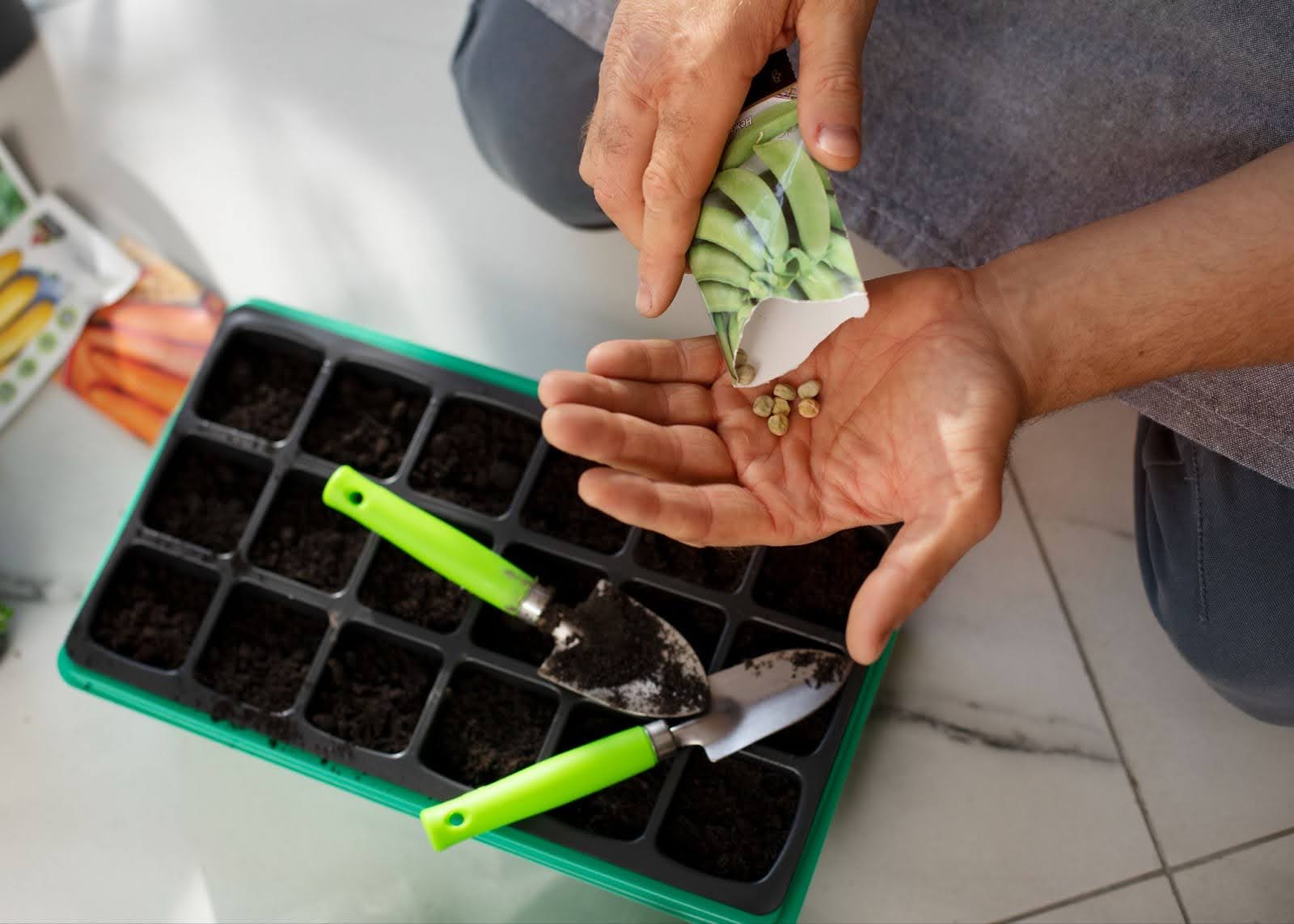
Are you struggling to get your cannabis plants to thrive, no matter how much care you give them? If your buds look weak or your leaves yellow before harvest, you might be missing a crucial factor: the soil you’re using. The truth is, the foundation of a healthy cannabis grow starts right in the ground or in your grow pot. When you pick the right soil, you’re not just giving your plants a place to anchor their roots; you’re setting them up to absorb the nutrients and moisture they need to flourish.
Using the wrong soil can stunt growth, cause nutrient deficiencies, or lead to root problems that show up as droopy, discolored leaves and sparse buds. On the other hand, the right cannabis soil can transform your grow from average to outstanding, yielding lush, vibrant plants and a substantial harvest.
So, what should you look for in cannabis soil? How do you know what your plants truly crave underground? Let’s dive into everything you need to know about choosing and preparing soil that will give your cannabis plants the perfect environment to thrive, so you can finally see your efforts pay off with strong, healthy plants and dense, potent buds.
Why Choosing the Right Soil for Cannabis Matters
When you grow cannabis, the soil you choose can make or break your success. The right soil provides the foundation for healthy plants, better yields, and higher-quality buds. Here’s why you should pay close attention to your soil choice:
- Nutrient Supply: Your soil acts as the primary source of nutrients for your cannabis plants. If the soil lacks essential nutrients like nitrogen, phosphorus, and potassium, your plants won’t grow strong or healthy.
- Proper Drainage and Aeration: Cannabis roots need oxygen to grow, and the soil must drain excess water well. If your soil holds too much water, roots can suffocate or rot. On the other hand, soil that drains too quickly may not retain enough moisture.
- pH Balance: The soil’s pH affects nutrient availability. Cannabis prefers slightly acidic soil, typically with a pH range of 6.0 to 7.0. If the pH is off, your plants can’t absorb nutrients efficiently, leading to deficiencies or toxicity.
- Support for Root Growth: Your soil provides the physical structure for roots to spread and anchor the plant. Loose, well-structured soil encourages strong root systems, which support better nutrient and water uptake.
- Influence on Flavor and Potency: Believe it or not, the soil can impact the final taste, aroma, and potency of your cannabis buds. Soil rich in organic matter and beneficial microbes promotes healthier plants that develop richer terpene profiles, enhancing your cannabis quality.
So, what are the factors that influence the selection of soil for your cannabis plant? Let us discuss.
Factors Influencing Soil Selection
When growing cannabis, the soil you choose isn't just dirt. It’s the foundation of your entire operation. Several key factors influence that choice, each affecting how your plants grow and what kind of yield you can expect.
- Nutrient Profile: The natural presence of macronutrients (nitrogen, phosphorus, potassium) and micronutrients (such as calcium, magnesium, and iron) varies from soil to soil. Some soils start rich, while others are nutrient-poor and need supplementation.
- Texture and Composition: Soil texture, whether sandy, silty, clay-heavy, or loamy, determines how air, water, and nutrients move through the root zone. The composition also affects how easily roots can spread.
- Drainage and Water Retention: Some soils drain quickly. Others retain water for longer periods. This balance influences how often plants access moisture and whether roots stay healthy or risk rot.
- pH Level: Different soils have different pH levels. This factor controls nutrient solubility and availability, which directly affects how efficiently your plants can absorb what they need.
- Biological Activity: Soils vary in microbial diversity. The presence of beneficial bacteria, fungi, and other organisms influences nutrient cycling and overall soil health.
- Organic Matter Content: The amount of decomposed plant or animal material in your soil affects its structure, fertility, and ability to retain moisture.
- Contaminants and Heavy Metals: Some soils may contain residual pesticides, herbicides, or heavy metals. These factors can harm plant health and affect compliance in regulated markets.
- Climate Compatibility: Soil behavior changes with climate. A soil that performs well in a dry region may behave differently in a humid or rainy environment.
- Local Regulations or Testing Standards: In regulated markets, compliance testing may influence your soil choice. Factors such as heavy metal content or pesticide residue can render certain soil types unsuitable.
Now, let us understand the soil needs for your cannabis plant at every growth stage.
Cannabis Growth Stages and Soil Needs

Your cannabis plant’s needs shift with every stage of its life cycle, and soil plays a key role in meeting them. From germination to harvest, here’s how to choose the right soil at the right time, and why it matters.
1. Germination (1–7 days)
This is the beginning of your cannabis plant's life. Seeds crack open, and the taproot emerges.
What you need:
- Best Soil Type: Seed-starting mix (lightweight blend of peat, vermiculite, and perlite)
- Why it works: Offers just enough water retention and oxygen without overwhelming the fragile taproot.
- pH Range: 6.0 to 6.5
- Key Tip: Avoid nutrient-rich or compact soil. Excess nutrients can burn the emerging root.
2. Seedling Stage (2–3 weeks)
The first leaves (cotyledons) appear, followed by serrated true leaves. The plant is fragile but growing fast.
What you need:
- Best Soil Type: Light potting mix with a small amount of compost or worm castings.
- Why it works: Light texture prevents root rot, and mild organics give a gentle nutrient boost.
- pH Range: 6.0 to 6.5
- Key Tip: Choose a mix with perlite or vermiculite to improve aeration and prevent waterlogging.
3. Vegetative Stage (3–8 weeks)
This is when your plant bulks up. It develops a strong stem, branches, and lots of leaves to support future buds.
What you need:
- Best Soil Type: Loamy soil, a balanced mix of sand, silt, and clay
- Why it works: Loamy soil offers ideal drainage, aeration, and nutrient retention. It helps roots expand deeply and efficiently.
- Boost with: Compost, blood meal, fish emulsion for nitrogen support
- pH Range: 6.2 to 6.8
- Key Tip: This is the stage where soil quality makes the biggest impact. Dense, oxygen-rich loam fuels aggressive growth.
4. Pre-Flowering (1–2 weeks)
The plant shows its sex and begins transitioning into bloom. Growth may slow slightly.
What you need:
- Best Soil Type: Loamy or silty soil with adjusted nutrients.
- Why it works: Silty soil retains moisture and nutrients more effectively than sandy soil, yet still drains sufficiently to prevent rot.
- Adjust for: Lower nitrogen, increased phosphorus, and potassium
- pH Range: 6.2 to 6.8
- Key Tip: Start reducing nitrogen-rich amendments to prevent leafy overgrowth and direct energy to bud sites.
5. Flowering Stage (6–10 weeks)
This is where the magic happens. Buds form, grow, and mature.
What you need:
- Best Soil Type: Compost-rich loamy or clay-amended soil
- Why it works: Clay boosts nutrient density and water retention, which is useful during this heavy-feeding stage. Just ensure it's balanced with perlite or compost to avoid compaction.
- Amend with: Bone meal, wood ash, and kelp meal for phosphorus and potassium
- pH Range: 6.0 to 6.5
- Key Tip: Excessive nitrogen at this stage can delay flower development. Prioritize bloom-friendly amendments.
6. Late Flowering / Ripening (Final 2 weeks)
The plant stops growing new buds and focuses on resin production and ripening.
What you need:
- Best Soil Type: Same as flowering stage, but left unamended.
- Why it works: The plant no longer needs feeding. It just needs stable soil to finish resin production and terpene development.
- Flush with: Plain pH-balanced water to remove nutrient build-up
- pH Range: 6.0 to 6.5
- Key Tip: Flushing the soil ensures a smoother smoke and purer flavor by removing excess salts and synthetic nutrients.
Here’s a brief summary table of the cannabis growth stages and their soil needs:
Stage
Time
Soil Needs
pH
Focus
Germination
1–7 days
Light, airy, no nutrients
6.0–6.5
Moisture, avoid overfeeding
Seedling
2–3 weeks
Light mix, minimal nutrients
6.0–6.5
Drainage, gentle feeding
Vegetative
3–8 weeks
Rich loam, high nitrogen
6.2–6.8
Leaf and root growth
Pre-Flowering
1–2 weeks
Balanced mix, taper nitrogen
6.2–6.8
Transition to bloom
Flowering
6–10 weeks
High phosphorus and potassium
6.0–6.5
Bud development
Late Flowering
Final 2 weeks
No nutrients, flush with water
6.0–6.5
Ripening, clean flavor
Understanding the right soil for each growth stage is one thing. Consistently managing it over time is another.
PlanaCan makes it easier by helping you map out soil needs and amendments for every stage, from germination to late flowering, all in one place. As conditions change or plants respond differently, you can update your plan without losing sight of the bigger picture. With a clear timeline and shared access for your team, PlanaCan helps you stay organized, adapt quickly, and keep every stage of the growth running smoothly.
So, how can you build or improve your soil for optimal cannabis plant growth? Let us understand below.
How to Build or Improve Your Own Cannabis Soil
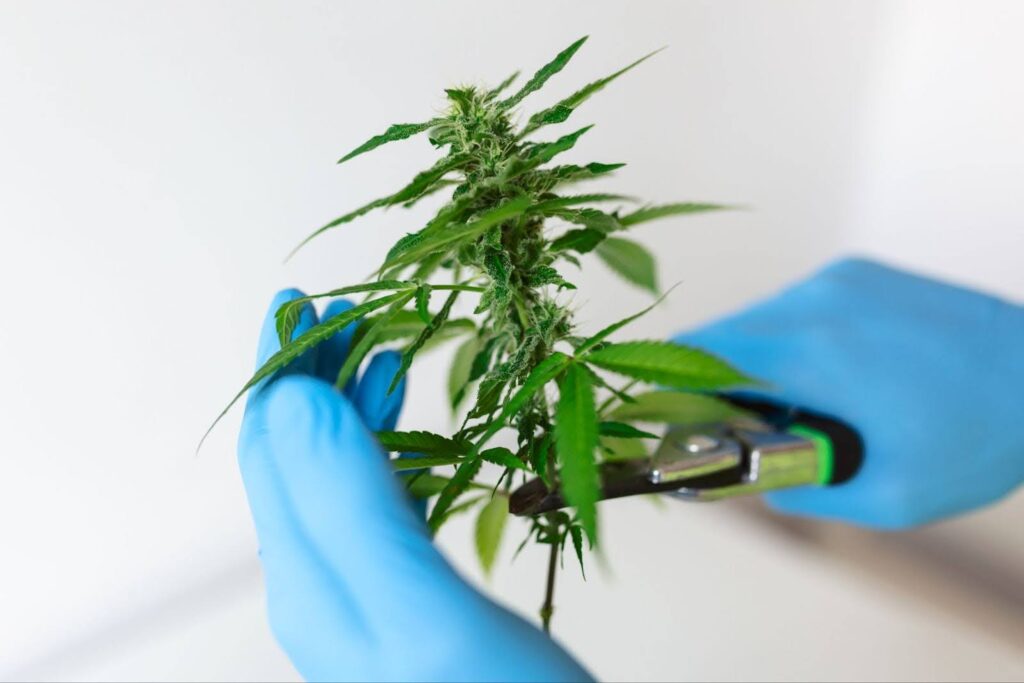
Your cannabis plants thrive or struggle based on the soil you use. Building or improving your own cannabis soil allows you to control nutrients, drainage, and microbial life, resulting in healthier plants and higher yields. Follow these steps to craft the perfect soil for your grow.
1. Understand Your Starting Soil
Before you start mixing, assess your current soil type:
- Clay soil holds water but drains slowly, which can suffocate roots.
- Sandy soil drains quickly but doesn’t hold nutrients well.
- Loamy soil offers a balanced mix of drainage and nutrient retention, ideal for cannabis.
Tip: If you’re unsure about your soil type, take a sample to a local nursery or extension office for testing.
2. Select a High-Quality Base Soil
Start with organic soil free from chemicals. This supports beneficial microbes and prevents toxic buildup.
Tip: Avoid garden soil from outside unless sterilized. Instead, opt for a premium organic potting mix or compost-rich topsoil.
3. Add Organic Amendments to Balance Texture and Nutrients
Boost your base soil with these organic ingredients to improve structure, drainage, and fertility:
- Compost: Adds nutrients and beneficial microbes. Use well-aged compost to avoid pathogens.
- Worm castings: Rich in nitrogen and microbes, excellent for healthy root development.
- Coco coir or peat moss: Improves moisture retention and aeration, especially in sandy or light soils.
- Perlite or vermiculite: Enhances drainage and prevents soil compaction.
Tip: Use about 20-30% amendments relative to your base soil. Adjust based on your soil’s texture and plant needs.
4. Balance Nutrients to Support Cannabis Growth
Cannabis requires a balanced supply of key nutrients throughout its life cycle. Add natural nutrient sources like:
- Nitrogen (N): Crucial for leafy growth. Add blood meal or alfalfa meal early in the growth phase.
- Phosphorus (P): Supports root and flower development. Incorporate bone meal or rock phosphate.
- Potassium (K): Strengthens plants and aids in bud production. Use kelp meal or greensand.
Tip: Avoid synthetic fertilizers that can harm soil life. Let organic amendments feed your plants slowly and steadily.
5. Maintain Proper Soil pH
Cannabis prefers soil pH between 6.0 and 7.0. Outside this range, nutrient uptake suffers.
- To raise pH, add agricultural lime or wood ash.
- To lower pH, add elemental sulfur or pine needles.
Tip: Regularly test your soil pH with a simple kit. Adjust little by little and re-test before adding more amendments.
6. Encourage Healthy Microbial Life
Microbes break down organic matter and make nutrients available to your plants.
- Add compost teas or organic microbial inoculants.
- Use mycorrhizal fungi to extend root reach and boost nutrient absorption.
- Avoid synthetic pesticides and herbicides, which kill beneficial soil organisms.
Tip: Keep your soil moist but not waterlogged to foster microbial activity.
7. Test Your Soil and Adjust
After mixing, plant a few test seedlings or use a soil testing kit to evaluate nutrient levels and drainage.
Tip: Keep a grow journal, noting plant performance and any deficiencies. Adjust your soil recipe next time based on observations.
Building the perfect soil for cannabis takes time and adjustments, but the results are worth it. Keeping track of your soil's performance and making adjustments over time can be a challenge. This is where PlanaCan can help.
PlanaCan generates easy-to-understand reports for each harvest, allowing you to track how different soil choices impact your yield. By spotting patterns, avoiding past mistakes, and fine-tuning your soil, you can make smarter decisions that lead to healthier plants and higher profits.
Soil Differences for Indoor and Outdoor Growing
When you grow plants indoors or outdoors, the soil you use makes a big difference in how well your plants grow. Knowing these differences helps you create the best environment for healthy roots and vibrant plants.
Aspect
Indoor Soil
Outdoor Soil
Soil Composition
Light, well-draining, contains peat moss, perlite, vermiculite
Heavier, clay/silt content, rich in microorganisms
Nutrient Content
Pre-fertilized or regularly supplemented
Natural nutrient cycling, occasional amendments
Soil pH
Controlled and adjustable
Variable, requires periodic testing and adjustment
Microbial Life
Limited, can be supplemented
Rich in beneficial bacteria and fungi
Soil Maintenance
Frequent replacement or refreshing
Naturally regenerates with good gardening practices
Water Retention & Drainage
Balanced moisture retention, quick drainage
Natural drainage, may need amendments for heavy soils
Pest & Disease Risks
Lower pest exposure, risk of fungal diseases if overwatered
Exposed to pests and soil-borne diseases, managed by crop rotation and treatments
Temperature Impact
Stable soil temperature
Fluctuates with seasons, mulching helps regulate
Soil Testing & Monitoring
Easier and more precise
Important but variable due to environment
Amendments & Additives
Slow-release fertilizers, coco coir, worm castings
Compost, manure, organic matter
Now, let us understand how to spot and fix poor soil in detail below.
Spotting Poor Soil and Fixing It
Knowing the signs of poor soil helps you act quickly to improve it and support healthy plant growth. For each common soil problem, here’s how to spot it and fix it right away.
1. Soil Texture Feels Off
If your soil feels heavy and sticky, like clay, or very loose and gritty, like sand, it means your soil texture isn’t ideal. Clay soil drains poorly and compacts easily, while sandy soil drains too fast and struggles to retain nutrients.
Fix: Add organic matter such as compost or well-rotted manure. Organic material helps sandy soil hold moisture and nutrients and loosens heavy clay soil to improve drainage and aeration.
2. Soil Color Looks Pale or Gray
Healthy soil usually looks dark brown or black due to rich organic content. Pale or gray soil often means low nutrient levels and poor fertility.
Fix: Incorporate plenty of organic compost or leaf mold to boost nutrient content and improve soil structure. This darkens the soil and promotes microbial life essential for healthy plants.
3. Poor Drainage or Waterlogging
If water sits on your soil surface for hours or drains extremely slowly, it indicates poor drainage, often caused by compacted clay soil or a hardpan layer.
Fix: Mix in coarse sand and organic matter to improve drainage, or consider raising your garden beds to prevent waterlogging. Plant cover crops like rye to naturally break up compacted soil.
4. Water Drains Too Quickly
If water disappears within minutes after watering, your soil is likely sandy and drains too fast, losing nutrients and moisture before roots can absorb them.
Fix: Add organic matter like compost or peat moss to sandy soil to increase its water-holding capacity. Mulching also helps retain moisture on the surface.
5. Plants Show Poor Growth or Yellowing Leaves
When plants grow weakly, appear stunted, or show yellow leaves despite proper watering and care, nutrient deficiency from poor soil quality may be the cause.
Fix: Test your soil’s nutrient levels and pH. Amend with fertilizers or organic compost as needed. Adjust soil pH by adding lime to raise it or sulfur to lower it, ensuring plants can absorb nutrients effectively.
6. Soil Is Hard or Compacted
If it’s difficult to push a garden fork or screwdriver into the soil, it means compaction is limiting root growth and water penetration.
Fix: Avoid walking on garden beds and reduce tilling. Add organic matter regularly to improve soil structure and encourage earthworms. Use cover crops with deep roots to naturally break up compacted layers.
Conclusion
Choosing the right cannabis soil sets the stage for a successful grow. It is far from a minor detail. Each growth phase demands specific conditions, and matching those needs with quality soil boosts your plant’s yield and potency. Whether you opt for a ready-made mix or craft your own, focus on drainage, nutrient balance, and aeration to give your plants the best foundation.
Managing soil conditions alongside watering, feeding, and environmental factors can quickly become overwhelming. That is where PlanaCan steps in. This platform helps growers stay organized by tracking soil health, scheduling feedings, and monitoring nutrient levels in real time. With features like task reminders, growth stage tracking, and team collaboration tools, PlanaCan ensures you never miss a critical step in your cultivation process.
Ready to optimize your soil management and overall grow cycle? Schedule a free call today and see how it can simplify your workflow and maximize your harvest.