The cannabis industry evolves at a relentless pace. New laws emerge. Novel products enter the market. Consumer attitudes shift quickly. If you operate in this space, you're aware of the challenges involved in staying current. A one-year bestseller can lose popularity within months. Fresh regulations can disrupt even the most well-planned marketing strategies.
In fact, the global legal marijuana market is estimated to be USD 42.02 billion in 2025 and is forecast to grow to USD 251.51 billion by 2034, reflecting a sustained compound annual growth rate of 22.16%. Understanding the latest cannabis trends is not just helpful. It is crucial for staying competitive, building meaningful connections with today's consumers, and navigating an increasingly complex legal environment.
This article will guide you through the forces shaping the cannabis landscape in 2025.
TL;DR
- Recreational cannabis is now legal in 24 U.S. states plus D.C., while 41 states allow medical use, expanding access across the country
- Consumers are shifting toward cannabis beverages, live resin extracts, and vape products for variety, discretion, and better effects
- Interest in minor cannabinoids like CBG, CBC, and THCV, along with terpenes, is reshaping how users choose and experience cannabis
- Brands face marketing restrictions, legal gray areas (like Delta 8 THC), banking hurdles, and the need for clearer product education
The Current Cannabis Legalization Scenario
In the U.S., cannabis is likely legal in some form where you live or will be soon. The legal scenario has changed rapidly over the past decade, and the momentum is not slowing down.
Recreational Cannabis: Legal in Nearly Half the Country
Buyers can now legally purchase and consume cannabis for recreational purposes in 24 states, Washington D.C., and Guam, provided they are over the age of 21. States such as Delaware, Minnesota, and Ohio passed legalization bills this year, indicating that the movement continues to gain momentum. These new laws give millions more Americans access to regulated cannabis products without needing a medical card.
Medical Cannabis: Widespread Access Across the U.S.
Even if a state has not fully legalized recreational cannabis, medical access is likely available. Currently, 41 states plus Washington, D.C. permit some form of medical marijuana. This reflects a growing national shift toward recognizing cannabis as a legitimate tool for managing pain, anxiety, insomnia, and many other health conditions.
What This Means for You
Whether someone is a consumer, cultivator, or entrepreneur, they are living in a time of rapid change. Every new wave of legalization brings more business opportunities, a wider variety of products, and increasing public acceptance. As cannabis becomes part of the cultural mainstream, stigma continues to decline, fueled by strong support from younger generations and bipartisan voter approval.
Shifting Patterns in Adult Cannabis Use
The U.S. is witnessing one of the most dramatic cultural shifts in modern history. Cannabis, once heavily criminalized and stigmatized, is now embedded in everyday life. This growing acceptance has reshaped both consumption habits and public attitudes.
Daily Cannabis Use Now Surpasses Alcohol
In 2022, an estimated 17.7 million U.S. adults used cannabis daily or nearly every day, compared to 14.7 million who consumed alcohol at the same frequency. That marked the first time daily cannabis use surpassed alcohol consumption.
Latest 2025 Update
As of 2025, approximately 17% of U.S. adults aged 21 and older report using cannabis daily. This rate has remained stable since 2024. Nearly one in six adults now incorporates cannabis into their daily routine, making it a well-established habit across a significant portion of the population.
An Evolving Consumer Demographic
If you think cannabis still appeals only to a younger crowd, it is time to update that view. You are seeing a much broader base of users:
- Women are embracing cannabis for relaxation, stress relief, and wellness.
- Older adults, especially those over 35, turn to cannabis for sleep aid, pain management, and as an alternative to prescriptions.
- Busy professionals choose discreet and convenient formats that fit into their routines.
As these usage patterns spread across age, gender, and lifestyle groups, you will need to tailor your product development, branding, and marketing. The market now demands a range of product types, potency levels, and delivery methods that meet the expectations of a growing and diverse audience.
Consumer Behavior and Evolving Attitudes
Cannabis is no longer just a private indulgence or a taboo subject. It is steadily becoming a part of everyday life in many American households. As someone navigating this shifting landscape, you will notice how cultural acceptance is growing and reshaping the way people use and share cannabis.
Cannabis as a Gift
More consumers now view cannabis as a thoughtful, valued gift. In fact, 39 per cent of users say they gift cannabis to friends and family. This signals a rising level of comfort and pride in cannabis use. If you are a business, this presents an opportunity to market products around gift-giving occasions, whether for holidays, birthdays, or casual gatherings.
Cannabis at Social Events
Cannabis has also carved out a place in social settings. About 26 per cent of consumers now say cannabis plays a role in their holiday celebrations. From casual smoking sessions to infused edibles on the dessert table, cannabis is blending into traditional social rituals. If you host gatherings or promote lifestyle brands, this trend can inspire new ways to incorporate cannabis into your offerings.
Growing Social Acceptance
Consumers also report higher awareness of cannabis use within their circles. Conversations about strains, products, and experiences are more common. This growing openness helps normalize cannabis use and reduces stigma. As a consumer or brand, you can use this cultural shift to build more authentic connections and community around cannabis.
Cannabis Product Innovation and Diversification
You are no longer selling just flower and edibles. As cannabis gains wider acceptance, your customers expect more innovative and diverse options. The market is evolving fast, and staying competitive means keeping pace with changing consumer tastes.
Cannabis Beverages Are on the Rise
Cannabis-infused beverages are becoming a go-to choice. Many consumers prefer them for their social appeal and controlled dosing. Whether it is a low-dose sparkling drink or a craft cannabis beer, drinks offer a discreet and familiar way to enjoy cannabis. If you are not already offering beverages, this is an area worth exploring.
Demand Grows for Live Resin and Vape Products
Live resin extracts and vape cartridges continue to lead growth. These products attract consumers who prioritize potency, purity, and flavor. Vape products also offer convenience, making them popular among both new users and seasoned consumers. Keeping a variety of extract types on your menu can help you meet this growing demand.
Buyers Are Becoming More Sophisticated
Your customers are getting smarter. They now look for premium quality, detailed product information, and choices that align with their preferences. You need to provide clear details on effects, terpene profiles, and cannabinoid content. Products should also be tailored to different occasions, from relaxation to energy boosts.
Why You Must Diversify Your Offerings
Today’s market rewards brands that innovate. By expanding your product range and elevating quality, you can attract loyal customers who appreciate variety and value. From beverages and extracts to wellness products and topicals, product diversification helps you stand out and grow your business.
Impact of Legislation on Use and Disorders
When laws around cannabis change, it affects more than just business. It also shapes how you and others use cannabis.
How Legalization Influences Use
Legalization for medical or recreational use often leads to shifts in consumer behavior. In states and countries where cannabis is legal, more adults report regular use. The removal of legal barriers makes cannabis more accessible and reduces stigma, which can encourage new users and increase usage frequency among existing consumers.
Rising Use Requires Awareness
As legal access grows, so does the responsibility that comes with it. Increased availability can contribute to a rise in cannabis use disorder (CUD). One large study found that states legalizing medical cannabis saw a 42.7% increase in CUD compared to non‑legal states. On top of that, the CDC reports that about 3 in 10 people who use cannabis may develop a use disorder.
If you are part of this industry or community, these numbers are worth keeping in mind.
The Role of Responsible Marketing and Education
If you operate in the legal cannabis space, you need to do more than sell products. You must promote responsible consumption. Clear labeling, honest marketing, and ongoing consumer education can help prevent misuse and protect public health. A well-informed customer base is better equipped to enjoy cannabis safely and responsibly.
Emerging Focus on Minor Cannabinoids and Terpenes
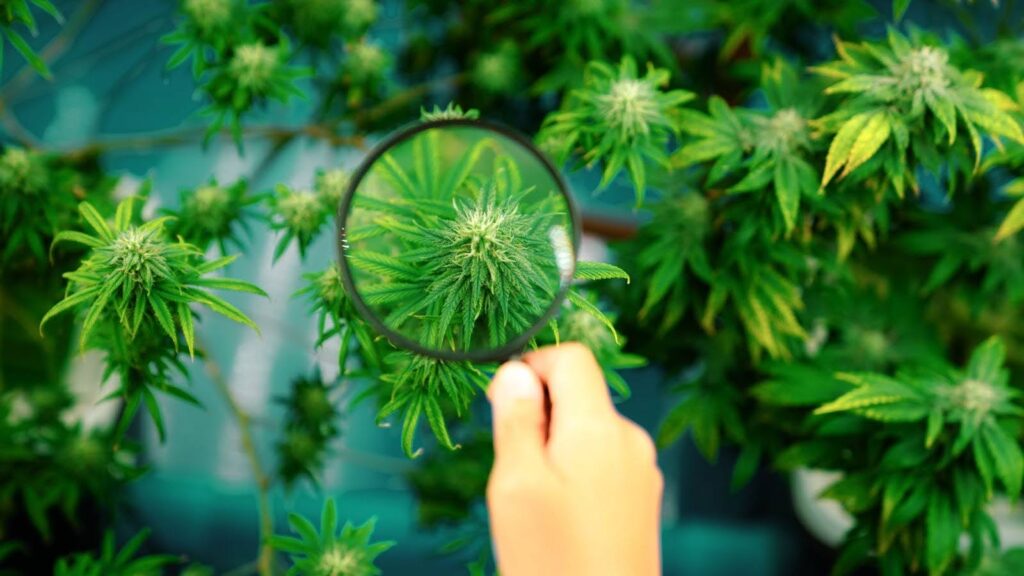
You are no longer just looking for THC or CBD on a label. Today’s cannabis consumers are more informed and more curious about the plant’s full chemical profile. That means you are probably hearing a lot more about minor cannabinoids and terpenes. And it is not just noise. These compounds are reshaping the way people choose and use cannabis.
Minor Cannabinoids Are Taking the Spotlight
You already know THC gets you high and CBD helps you relax, but that is just the tip of the iceberg. As research expands, minor cannabinoids are gaining ground in product development and consumer interest. Here are a few gaining momentum:
- CBG (Cannabigerol): Often called the “mother cannabinoid,” CBG is believed to support focus, inflammation relief, and gut health. It is non-intoxicating, making it a great option for daytime use.
- CBC (Cannabichromene): While still under-researched, CBC shows promise for mood enhancement, pain relief, and neuroprotective properties. It is often paired with other cannabinoids to maximize the entourage effect.
- THCV (Tetrahydrocannabivarin): Sometimes called “diet weed,” THCV may suppress appetite, boost energy, and offer a mild, clear-headed high. It is especially popular in wellness and weight-management formulations.
These compounds are no longer hidden in trace amounts. Brands are now formulating tinctures, vapes, and edibles that feature CBG, CBC, and THCV as lead ingredients. If you are looking for targeted effects like focus without the fog or energy without the crash, these cannabinoids open up a new set of choices.
Terpenes Are Driving Personalization
You have probably noticed more labels listing terms like “limonene,” “myrcene,” or “pinene.” These are terpenes, aromatic compounds that influence not just flavor and aroma, but also how a strain makes you feel.
- Limonene offers citrusy notes and is associated with elevated mood and stress relief.
- Myrcene smells earthy and musky and tends to promote relaxation and sedation.
- Pinene delivers a fresh, pine scent and may improve alertness and memory retention.
More consumers are starting to shop by terpene profile instead of strain name. Why? Because terpenes help you fine-tune your experience. Whether you are seeking calm, clarity, or creativity, terpenes help guide you to the right product.
What This Means for You
If you want more from your cannabis than just "high or not high," this shift is in your favor. By paying attention to minor cannabinoids and terpene profiles, you can tailor your experience to your needs. Whether that is productivity, pain relief, or better sleep, the industry is finally catching up to how nuanced the plant really is. You are in a better position than ever to benefit.
Industry Challenges and Evolving Marketing Strategies
You already know this space is full of opportunity, but also hurdles. Every year brings new challenges to navigate. Here are some of the key ones you will likely face, and how brands are adapting:
1. Regulatory Uncertainty Around Delta 8 THC: Delta 8 THC remains one of the biggest grey areas in cannabis today. The 2018 Farm Bill legalized hemp-derived cannabinoids but left loopholes that states are still trying to close. Rules change often, and enforcement varies from state to state. If you plan to offer delta 8 products, you need to stay informed and agile. What is legal in one market today could be restricted tomorrow.
2. Strict Marketing Limits: You cannot rely on traditional advertising. Mainstream platforms such as Google, Facebook, and Instagram place heavy restrictions on cannabis content. Even educational posts risk being flagged or hidden from your audience. As a result, brands like yours are leaning into:
- Content marketing: Build trust by creating educational blogs, videos, and newsletters.
- SEO: Optimize your website to capture organic search traffic.
- Partnerships and PR: Work with industry influencers, media, and local businesses to extend your reach.
3. Banking and Financial Barriers: Many cannabis businesses still struggle to access basic banking services. Federal restrictions make many banks reluctant to work with you. This can lead to high fees, cash-heavy operations, and compliance headaches. You must plan for alternative solutions and work with experienced legal and financial advisors.
4. Fragmented Consumer Understanding: New cannabinoids, formats, and product types hit the market all the time. But consumer education has not caught up. Many shoppers are unsure how to use products or what to expect. Clear, accessible education must be part of your brand strategy to bridge these gaps and build customer confidence.
5 . Evolving Consumer Expectations: As the market matures, consumers expect more. Better product consistency, transparency around ingredients and testing, sustainable practices, and professional brand experiences are no longer optional. To stay competitive, you must continually raise your standards and adapt to shifting trends.
Conclusion
Cannabis use in the U.S. keeps climbing. The legal, cultural, and consumer landscapes continue to evolve. For businesses and marketers, keeping pace with these cannabis trends is not optional. It is the key to long-term success.
Adaptability is the name of the game. You need to stay informed, innovate with purpose, and respond quickly to legal and market shifts. The brands that do this will thrive in this growing industry.
Tools like PlanaCan help make this possible. Planacan allows you to streamline cultivation, plan production cycles, and manage daily operations in one place. When your processes run smoothly, you can focus more on market trends and business growth. In a space that rewards speed and efficiency, having the right tools gives you an edge.
Schedule a free call today and see how Planacan can help you grow smarter, faster, and more efficiently.