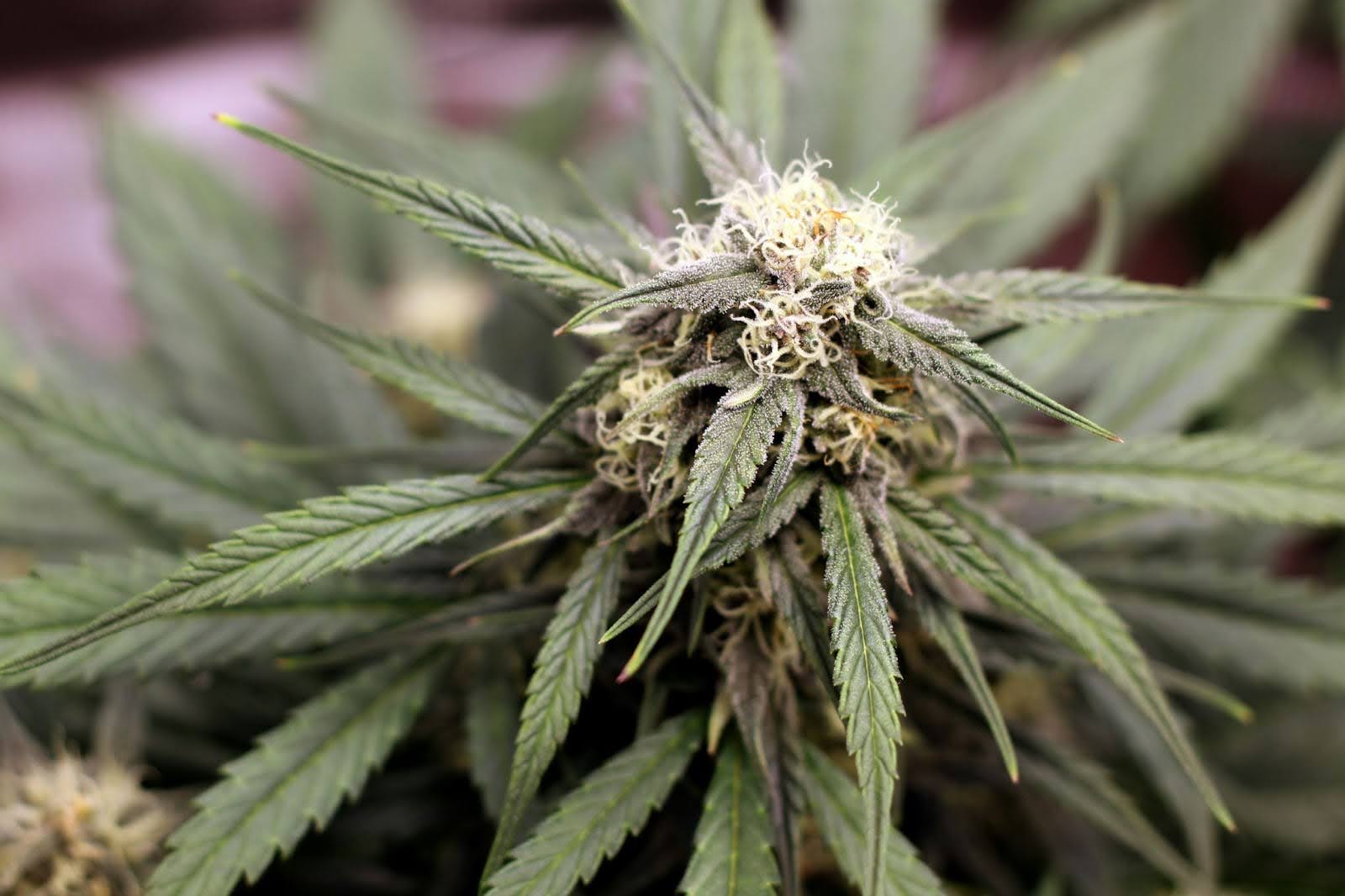
By week 6 of flowering, your cannabis plants have already transformed from leafy, stretching greenery into budding powerhouses. The rapid growth from earlier weeks has slowed, and your focus shifts to bud development and resin production. Buds appear frosty, covered in trichomes, but they still need more time to reach full maturity. Underneath the surface, your plants work hard, building density, developing cannabinoids, and producing terpenes that will shape your harvest's final aroma and flavor.
This stage might seem slow, but there’s still plenty to manage behind the scenes. Environmental conditions, nutrient delivery, and even your trimming strategy can all affect the quality and yield of your crop. Small decisions now carry serious weight. A misstep could lead to stunted growth, nutrient lockout, or mold.
That’s why understanding what happens during week 6 and how to respond is key to growing potent, healthy buds.
Let’s examine what week 6 of the flowering stage really means for your grow and how to make the most of it.
What Is the Cannabis Flowering Week 6?
To understand week 6, you need to look at the flowering stage as a whole. By Week 6, your plants are well into flowering, focusing energy on bulking up buds and producing resin. That change tells your plants it's time to stop growing tall and start producing buds.
But first, let us do a recap of the cannabis flowering stages in brief below.
Week
Flowering Stage
Key Characteristics
1
Pre-Flowering
Stretching begins; early pistils appear
2
Early Flowering
Bud sites develop; white pistils grow
3
Bud Formation
Buds thicken; more pistils appear
4
Mid Flowering
Buds swell; resin production starts
5
Peak Flowering
Dense buds, strong aroma, trichomes form
6
Late Flowering
Buds mature; pistils darken and curl
Now that we know what week 6 of cannabis flowering is about, let us now understand why this week is crucial for the cultivation of your cannabis plant.
Why Is Week 6 So Important for Your Cannabis Cultivation?
Week 6 is a pivotal moment in your cannabis grow. This is when your plants move into the heart of the flowering stage, and the decisions you make now will directly impact the quality, potency, and yield of your final harvest. Here’s why Week 6 is so critical:
- It Determines Bud Quality and Potency: At Week 6, your plants actively produce the cannabinoids and terpenes that define your cannabis’ effects and aroma. If you don’t maintain optimal conditions, you risk compromising bud density, potency, and flavor.
- Nutrient Needs Shift Sharply: You must adapt your feeding strategy. Failing to reduce nitrogen and boost phosphorus and potassium at this stage can lead to poor bud development and excess leafy growth. Ignoring this shift can stunt your crop’s full potential.
- Environmental Stability Is Crucial: Your plants become highly sensitive to changes in temperature, humidity, and light. Any stress during this week can trigger hermaphroditism or mold problems, both of which can ruin your entire crop.
- It’s Your Last Window for Problem Correction: By Week 6, problems like nutrient deficiencies, pest infestations, or diseases can seriously damage your yield if not caught and addressed immediately. This week is your final chance to intervene and protect your plants.
- Bud Support Becomes Necessary: Your buds gain weight rapidly, increasing the risk of branch breakage. Ignoring this can lead to physical damage and loss of yield. Proper support during this phase is essential to safeguard your investment.
- Trichome Development Accelerates: During Week 6, trichomes, tiny resin glands, begin to mature rapidly. Monitoring them closely gives you the edge to decide the perfect harvest time, maximizing potency and cannabinoid profile.
- Hormonal Changes Affect Plant Behavior: Your plants undergo hormonal shifts that influence growth patterns and resin production. Understanding this helps you adjust care and minimize stress, preventing unwanted traits like hermaphroditism.
- Watering Needs Change: Your plants’ water consumption often increases as buds swell. Over or underwatering now can stunt growth or cause root issues, so you must carefully adjust your watering schedule.
- Light Intensity and Spectrum Matter More: At Week 6, your plants respond more strongly to light quality and intensity. Providing the right spectrum supports resin production and bud density. Neglecting this can limit your final yield.
So, what changes occur during week 6 of cannabis flowering? Let us find out.
What Changes Occur to Your Cannabis Plant at Week 6?
At week 6 of flowering, your cannabis plant is deep into its bud development phase. This is a critical stage where several key changes occur that influence the quality and yield of your harvest. Here’s what you can expect and what you should look out for:
1. Increased Bud Weight
At week 6, your cannabis buds continue to swell and become noticeably larger and denser. This added mass significantly increases the weight carried by your plant’s branches and stems. If unsupported, the extra weight can stress the plant’s structure and reduce overall health.
What can you do: Use stakes, trellises, or plant ties to provide physical support. These tools help keep branches upright, preventing bending or snapping under the load. Regularly adjust and secure supports as the buds grow heavier to maintain optimal stability.
2. Risk of Damage
Heavily laden branches are prone to bending or breaking if left unsupported. When branches snap, it disrupts nutrient and water flow, which harms bud development and can reduce your final yield. Structural damage also opens wounds that may invite pests or diseases.
What can you do: Frequently inspect your plants for signs of branch stress or drooping. If you see any branches struggling to hold their weight, immediately provide extra support with soft ties or nets. Avoid tying too tightly to prevent damaging the stems.
3. Support Systems
As the plant matures, its natural support may not be enough to sustain the increasing bud weight. Using support systems like stakes, trellises, or plant ties becomes essential to maintain an upright and healthy structure. These supports distribute the weight evenly and prevent breakage.
What can you do: Consider training methods such as low-stress training (LST) or Screen of Green (ScrOG). These techniques gently bend and position branches to create an even canopy, which improves light distribution and reduces stress on individual branches by spreading out the bud load.
4. Growth Focus Shift
By week 6, your plant has largely stopped producing new leaves and stems. Instead, it focuses energy on developing flowers. This natural shift reduces the ratio of leaves to buds, allowing more resources to be dedicated to increasing bud size and potency.
What can you do: Prune excess or large fan leaves that block light or restrict airflow. Removing this excess foliage helps light reach lower bud sites and improves air circulation, which reduces the risk of mold and encourages healthier, more vigorous flower development.
5. Leaf Changes
It’s common for older leaves to yellow, wilt, or die during this late flowering stage. This occurs because the plant redirects nutrients away from the leaves toward the developing buds. However, excessive leaf loss can indicate a problem.
What can you do: Monitor leaf condition carefully. Some yellowing is normal, but widespread discoloration or leaf drop may signal a nutrient imbalance or environmental stress. Take notes and compare with feeding schedules to diagnose potential deficiencies or issues.
PlanaCan makes this easier by letting you map out your entire grow cycle using customizable templates. From planting to harvest, you can plan each step for specific strains and drop tasks onto a calendar in just a few clicks. It’s a simple way to stay organized and keep everything running smoothly.
6. Monitor for Nutrient Deficiencies
Nutrient needs change during flowering. Nitrogen requirements decrease while phosphorus and potassium needs rise. If your plant shows yellowing, spotting, or curling leaves, it may be lacking key nutrients, which can stunt bud growth and reduce resin production.
What can you do: Adjust your feeding routine to reduce nitrogen and increase phosphorus and potassium. Test soil or hydroponic solution pH to ensure proper nutrient uptake and correct imbalances quickly to keep your plants healthy through the final stretch.
Now, let us understand the factors affecting week 6 of cannabis flowering.
Factors Affecting Week 6 Cannabis Flowering
Several factors play a direct role in how well your plants perform in this stage:
- Nutrient Balance Shifts: By week 6, your cannabis plants shift their nutrient demands to support heavy bud formation and resin production. Phosphorus and potassium become crucial for flower development, while excessive nitrogen can lead to unwanted leafy growth, reducing bud density and potency.
Tip: Carefully adjust your feeding regimen to increase phosphorus and potassium levels while scaling back nitrogen. Use bloom-specific nutrients designed for late flowering stages, and watch for any signs of nutrient deficiencies or excesses to fine-tune your approach.
Dial in your late-flower feeding strategy with precision. Use PlanaCan to customize nutrient schedules for each strain, set reminders for critical feeding adjustments, and avoid last-minute guesswork. Get your Week 6 to harvest dialled in — your buds will thank you for it.
- Light Intensity and Photoperiod: Strong, consistent light intensity combined with a strict 12-hour light and 12-hour dark schedule is vital to keep your plants fully committed to flowering. Any interruption to this light cycle can confuse the plant and delay bud maturation, while insufficient light reduces photosynthesis and slows bud growth.
Tip: Maintain an unbroken 12/12 photoperiod without light leaks during the dark phase. Position your lights to deliver adequate intensity across the canopy but avoid excessive heat buildup that could stress the plants. Consider light spectrum quality too, favoring full-spectrum or bloom-focused LED lights for optimal results.
- Humidity Levels: As buds swell in week 6, their dense structure traps moisture, creating a humid microclimate that favors mold and mildew development. High humidity levels during this period increase the risk of bud rot and powdery mildew, which can severely damage your harvest.
Tip: Monitor humidity regularly and aim to reduce it to between 40 and 50 percent. Use dehumidifiers or improve airflow in your grow space to maintain this range, especially during the dark cycle when humidity naturally rises.
- Temperature Fluctuations: Stable temperatures support efficient metabolic activity, trichome production, and terpene development. However, sudden temperature swings, particularly large drops at night, can stress your plants, disrupt flowering, and affect bud potency.
Tip: Keep daytime temperatures steady between 68 and 78 degrees Fahrenheit (20 to 26 degrees Celsius) and try to minimize the temperature difference between day and night to less than 10 degrees Fahrenheit (5 degrees Celsius). Avoid exposing your plants to heat spikes from lights or cool drafts from ventilation, as these fluctuations can weaken plant health.
- Water Availability and Moisture Levels: Water uptake changes as plants transition deeper into flowering, with roots requiring oxygen as much as moisture. Overwatering can suffocate roots and increase the risk of fungal diseases, while underwatering stresses the plant and slows bud growth.
Tip: Water your plants only when the top inch of soil feels dry to the touch. Use pots with good drainage to prevent waterlogging and allow roots to breathe. Monitoring soil moisture closely during week 6 will help you avoid problems that could stunt bud development or promote mold.
- Pest and Disease Pressure: Dense, sticky buds provide an ideal environment for pests like spider mites, thrips, and aphids, as well as fungal diseases such as bud rot and powdery mildew. These threats can rapidly destroy your flowers if left unchecked.
Tip: Inspect your plants daily, paying close attention to the undersides of leaves and inside buds. Use magnification if needed. At the first sign of pests or disease, implement targeted control measures, whether organic or chemical, to stop infestations before they spread.
- Plant Stress Factors: Environmental stressors such as sudden changes in temperature, humidity, light, or nutrient availability can slow flowering and reduce bud quality. Physical damage from pruning, training, or handling can also cause stress, delaying maturation.
Tip: Maintain consistent growing conditions and avoid drastic changes during this sensitive stage. Handle plants gently when trimming or training, and plan all interventions carefully to minimize stress.
Expectations for Week 7
If you’ve done everything right up to now, week 7 should show you the finish line. Trichomes will shift from cloudy to amber. Buds will become denser, heavier, and more aromatic. You’ll see more pistil color change. It’s a visual cue that harvest is around the corner.
This week also gives you a final chance to flush your plants if needed. Removing excess nutrients can improve the taste and burn quality of your final product.
Conclusion
Week 6 of the flowering stage marks a crucial turning point in cannabis cultivation. Buds are swelling, terpene profiles peak, and your plant reveals its full potential. This phase demands close attention. Monitor trichomes carefully, fine-tune your grow environment, and stay sharp to avoid mistakes as you near harvest.
Handling these tasks manually can become overwhelming. That’s where PlanaCan comes in. It helps growers stay organized by tracking every detail, from nutrient adjustments to growth stages, with automated reminders and collaborative tools. PlanaCan ensures you never miss a step, so you can focus on what matters most: a successful, high-quality harvest.
Ready to streamline your grow process? Schedule a free call today and see how PlanaCan can elevate your cultivation game.