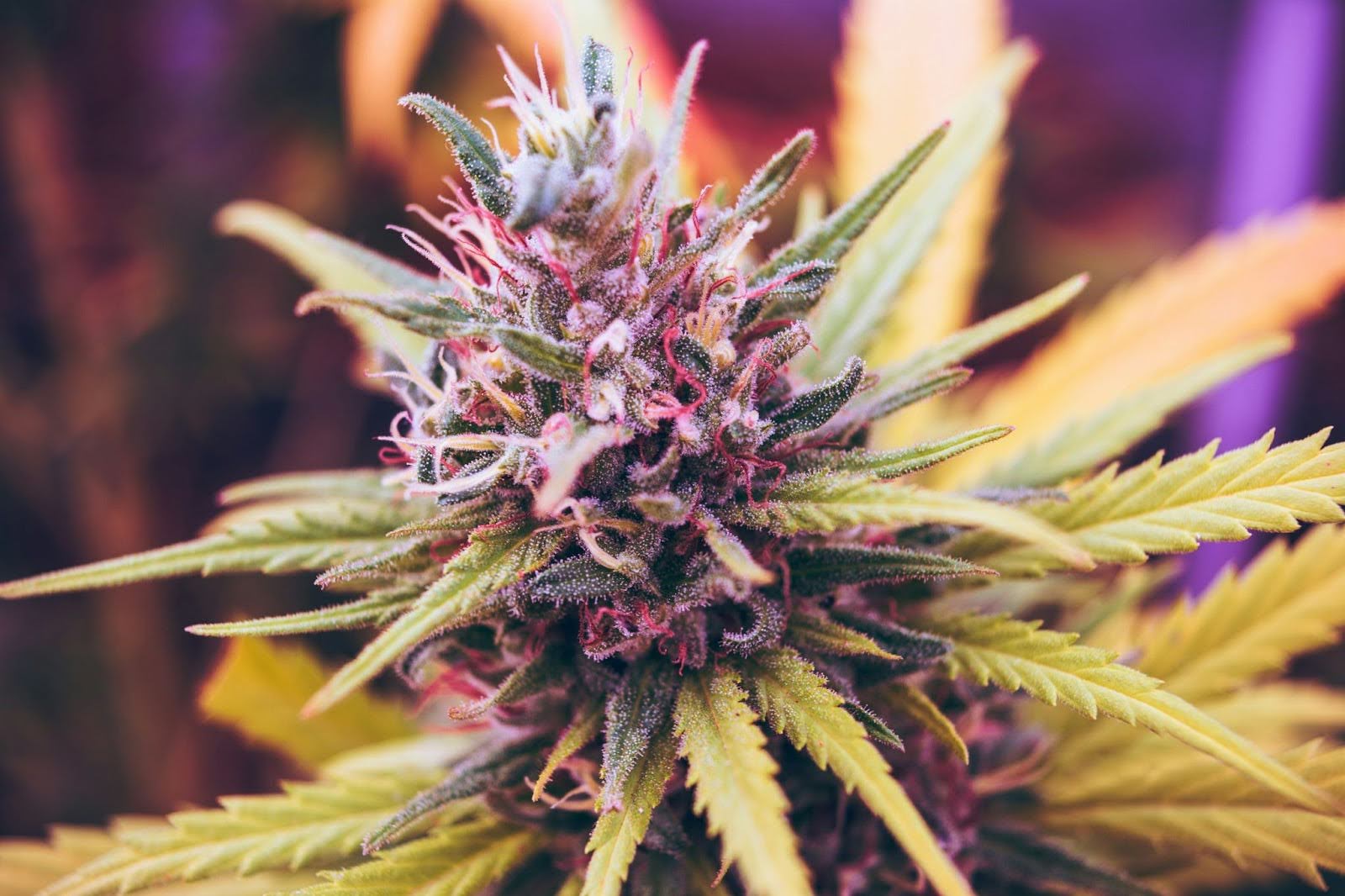
Are your plants stretching like crazy, and you wonder if this is normal? Welcome to week 2 of the flowering stage, a crucial checkpoint where things either start looking promising or go downhill fast.
At this point in your grow cycle, your cannabis plants are shifting from leafy veg mode to full-on flower production. This transition can feel overwhelming, especially when buds are barely forming, stems are shooting up, and you're second-guessing everything from your lights to your nutrient mix.
If you aim for a potent, high-yield harvest, you must get week 2 right. Let's break down what’s happening, what to look out for, and how to set your growth up for success.
What Is the Cannabis Flowering Stage?
The flowering stage kicks off once you switch your lighting schedule to 12 hours of light and 12 hours of uninterrupted darkness. This change flips a hormonal switch in your plants and begins the countdown to harvest.
Here’s a brief week-by-week table for cannabis flowering stages:
Week
Flowering Stage
Key Characteristics
1
Pre-Flowering
Stretching begins; early pistils appear
2
Early Flowering
Bud sites develop; white pistils grow
3
Bud Formation
Buds thicken; more pistils appear
4
Mid Flowering
Buds swell; resin production starts
5
Peak Flowering
Dense buds, strong aroma, trichomes form
6
Late Flowering
Buds mature; pistils darken and curl
7
Ripening
Trichomes turn cloudy/amber; harvest time approaches
8+
Harvest
Buds fully mature, ready for harvest
Now, let us discuss why week 2 is crucial for the cultivation of your cannabis plant.
Why Is Week 2 So Important For Your Cannabis Cultivation?
When you grow cannabis, the second week marks a critical phase that sets the stage for healthy growth and a strong final yield. Here’s why Week 2 demands your close attention:
- Establishing Strong Root Development: In Week 2, your plants focus on expanding their root systems. Strong roots anchor your cannabis plants firmly and improve their ability to absorb water and nutrients. If you neglect root health now, your plants may struggle later with nutrient uptake and overall stability.
- Early Vegetative Growth Takes Off: By this stage, your plants fully shift energy from vegetative growth to flower formation. You'll notice visible pistils and increased branching to support upcoming bud clusters. You want to provide optimal light, temperature, and humidity conditions to encourage vigorous growth without stressing the plants.
- Nutrient Feeding Becomes Crucial: During the first week, your seedlings mostly rely on stored energy in the seed. By Week 2, they need a balanced nutrient supply to support their expanding structure. You should begin a carefully calibrated feeding schedule to avoid nutrient deficiencies or toxicities.
- Monitoring for Early Signs of Problems: Issues like pests, mold, or nutrient imbalances often start showing symptoms by the second week. If you catch these early, you can intervene before they cause significant damage or stunt growth.
- Adjusting Environmental Controls: Week 2 is the time to fine-tune your grow environment—light intensity, airflow, humidity, and temperature. Your cannabis plants become more sensitive as they grow, and maintaining consistent, optimal conditions will keep stress low and growth steady.
- Setting the Foundation for Future Growth Cycles: Everything you do in Week 2 influences the plant’s overall health and future flowering potential. Think of this week as building the foundation for a strong, productive plant that can handle the demands of later growth phases.
So, what changes occur during the second week of cannabis flowering? Let us discuss.
What Changes Occur to Your Cannabis Plant at Week 2?
When your cannabis plant reaches the second week of flowering, you’ll notice several key changes signaling that the flowering phase is in full swing. Understanding these changes helps you adjust your care routine to support healthy growth and maximize yield.
1. Pistil Growth Signals Flowering
- Pistils Multiply on Nodes: Around week 2, you’ll see a clear increase in pistils emerging from the nodes of your cannabis plant. These tiny, white hair-like structures confirm your plant is female and entering the crucial flowering phase. Pistils serve as the reproductive parts that will eventually catch pollen and develop into buds, so their appearance is a key milestone in your grow.
- Pistils Become More Defined: As the week progresses, the pistils grow longer and become more prominent, making it easier to identify the sex of your plant and the location of future bud sites. This development means your plant is committing energy to producing flowers.
What You Should Do:
- Inspect Nodes Regularly: Make it a habit to check the nodes closely for pistil growth and any unusual signs, like male pollen sacs or hermaphrodite flowers, that could harm your yield.
- Maintain Stable Growing Conditions: Keep temperature, humidity, and lighting consistent, as fluctuations can stress the plant and disrupt pistil development, potentially causing hermaphroditism or slowed flowering.
2. Stretching Continues, Especially in Sativa-Dominant Strains
- Height Increase Accelerates: During week 2 of flowering, your cannabis plant will continue to grow taller rapidly. This “stretch” is more pronounced in sativa-dominant strains, which naturally grow lankier and stretch longer than indica varieties. This growth helps the plant position bud sites optimally for light exposure.
- Leaves Stretch Out Alongside: You’ll also notice that the internodes (spaces between nodes) lengthen, and the leaves become thinner and more spaced out, giving your plant a more open structure to support flowering.
What You Should Do:
- Provide Adequate Vertical Space: Make sure your grow room or tent has enough height to accommodate this stretch. Failing to do so may cause the top buds to get too close to the light source, risking burn or stress.
- Support Branches if Needed: Taller, thinner branches can become unstable. Using stakes, trellises, or plant ties can help support these fragile limbs, preventing breakage and promoting even bud development.
3. Leaves Narrow and Shift Focus
- Leaves Become Thinner and More Finger-Like: As your plant shifts from vegetative growth into flowering, the broad, lush fan leaves gradually give way to thinner, narrower leaves. This change reflects the plant’s transition in priorities — it moves from maximizing photosynthesis to focusing on reproduction.
- Energy Redirected to Reproductive Growth: Narrower leaves mean less surface area but more efficiency in supporting flower development. The plant reallocates energy from leaf production to bud formation and maturation.
What You Should Do:
- Adjust Nutrient Feed: Reduce nitrogen gradually, as excessive nitrogen at this stage encourages leaf growth instead of flowers. Transitioning to a bloom formula with higher phosphorus and potassium supports this shift.
- Monitor Leaf Health: Even though leaves narrow, they must remain healthy to photosynthesize effectively. Watch for signs of nutrient deficiency or stress like yellowing, curling, or spotting, which could reduce your plant’s energy output during this crucial phase.
4. Branching Thickens to Support Bud Weight
- Branches Become Stronger and Thicker: As your cannabis plant prepares for heavier buds, its branches start thickening and strengthening. This structural adaptation is essential because buds quickly gain weight and can cause thin branches to snap if unsupported.
- Structural Support Increases: The plant invests in lignin and cellulose production, reinforcing stems to provide a sturdy framework that can hold dense flower clusters without damage.
What You Should Do:
- Add Support if Needed: Use trellises, stakes, or plant ties to provide extra support to any branches that look weak or thin. This precaution prevents breakage and helps maintain proper canopy structure.
- Avoid Overwatering: Excess water can make stems soft and prone to bending or breaking. Maintain a balanced watering schedule to promote strong, healthy branch development.
That’s where PlanaCan comes in. It lets growers set up and automate their entire cultivation process with easy-to-customize templates. From planting to harvest, you can map out every step for each strain or cycle. Then, with just a few clicks, tasks get scheduled on a calendar, keeping everything running smoothly and on time.
5. Nutrient Demand Shifts Toward Phosphorus and Potassium
- Phosphorus and Potassium Take Priority: At week 2, your cannabis plant’s nutritional needs shift significantly. It requires higher levels of phosphorus and potassium, which are essential for flower formation, bud density, and resin production. Phosphorus aids in energy transfer and root development, while potassium regulates water uptake and overall plant vigor.
- Nitrogen Needs Decrease: Unlike the vegetative stage, where nitrogen drives leaf and stem growth, excess nitrogen during flowering can hinder bud development, cause excessive leaf growth, and reduce yield quality.
What You Should Do:
- Switch to Bloom Nutrients: Transition to fertilizers specifically formulated for the flowering stage that contain elevated phosphorus and potassium but lower nitrogen levels. This supports strong bud growth and optimal flower health.
- Test and Adjust pH: Nutrient availability depends heavily on pH. Keep soil or hydroponic solution pH between 6.0 and 6.5 to ensure your plant can absorb these vital nutrients effectively.
6. Early Signs of Stress May Appear
- Leaf Curl, Discoloration, or Spotting: You might start noticing early symptoms of stress around week 2. Leaves may curl, yellow, develop brown spots, or show other discoloration. These signs often indicate nutrient imbalances, pH fluctuations, or environmental stressors such as improper temperature or humidity.
- Stress Can Hinder Flower Development: If you ignore these symptoms, your plant’s flowering progress and bud quality can suffer. Stressed plants produce smaller, less potent buds and become more vulnerable to pests and diseases.
What You Should Do:
- Inspect Leaves Daily: Make it part of your routine to check leaf condition closely to catch any problems early. Healthy leaves are critical for photosynthesis and energy production.
- Adjust Environment: Stabilize temperature, humidity, airflow, and lighting to reduce plant stress. Avoid sudden changes, and ensure good ventilation and fresh air exchange.
- Correct Nutrient Issues Promptly: Use soil tests or solution meters to identify nutrient deficiencies or toxicities, and adjust your feeding schedule and pH accordingly to restore balance.
Read More: Simple Steps in Cannabis Flowering Stage Week by Week
Now, let us understand the factors that occur in week 2 of the cannabis flowering stage.
Factors Affecting the Cannabis Week 2 Flowering Stage
By week 2, your plants are fully shifting into flowering mode, and this is where things can start to go wrong. Bud sites are forming, but if environmental conditions aren’t dialed in just right, you risk poor development, mold, or stunted growth. Getting this phase wrong can cost you your entire harvest. Here's what to watch:
Lighting
A 12/12 light schedule is non-negotiable at this stage because it tells your plants to stay in flowering mode. Along with the schedule, the right light spectrum plays a crucial role. During flowering, plants respond best to red and far-red light in the 620 to 780 nanometer range. This spectrum encourages bud development and resin production, helping your flowers grow dense and potent.
Tip: Position grow lights 12–18 inches above the canopy, depending on the type and strength. Check for signs of bleaching or curling at the tops. Use a PAR meter to maintain optimal intensity (600–900 µmol/m²/s). Most importantly, make sure the dark cycle is completely uninterrupted; light leaks can stall or even reverse flowering.
Temperature
Consistent temperature becomes crucial in Week 2. Too much heat can dry out buds and trigger stress responses. On the other hand, cold temperatures can slow down metabolism and delay flower development.
Tip: Maintain daytime temperatures between 68°F and 77°F (20–25°C) and let nighttime temperatures drop slightly, around 5°F lower is ideal. Use a digital thermometer and set up automated climate controls if possible. Keep heat sources away from the canopy to avoid hot spots.
Humidity
As flower clusters begin to form, excess humidity can lead to serious problems like bud rot or powdery mildew. Week 2 is the time to lower the humidity from veg levels.
Tip: Drop humidity to the 40–50% range. This helps keep the forming buds dry and less prone to mold. Use a hygrometer to monitor levels constantly. If you're growing in a small tent or sealed room, a dehumidifier and proper air exchange will help keep moisture under control.
Airflow
Stale, unmoving air is a major threat during flowering. It creates pockets of moisture and invites mold, pests, and weak stem structure. Good airflow mimics outdoor conditions and strengthens your plants.
Tip: Place oscillating fans at canopy height to ensure a steady breeze moves through the plant mass without directly blasting the buds. Use inline fans or exhaust systems to keep fresh air circulating and CO₂ replenished. Airflow also helps control temperature and humidity more evenly.
Nutrients
At this stage, your plants need less nitrogen and more phosphorus and potassium to support flower growth. Deficiencies or imbalances can lead to weak buds or leaf issues that affect photosynthesis.
Tip: Use bloom-phase nutrients specifically designed for flowering. Look for formulas with higher P and K ratios. Watch for signs like yellowing between veins (magnesium deficiency) or weak stems (calcium deficiency). Supplement with cal-mag products if needed, and always pH your nutrient solution to ensure uptake.
Sexing
In week 2, cannabis plants usually show clear signs of sex. Males produce small, round pollen sacs, while females develop white pistils at the nodes. Allowing male plants to stay in the tent can ruin your entire crop by pollinating females.
Tip: Inspect all your plants carefully every day this week. As soon as you spot a male, remove it from the grow area immediately. Don’t wait, pollen sacs can open quickly and affect everything in the room.
PlanaCan helps you keep track by generating easy-to-understand reports for each harvest. It records all your growing decisions and shows how they affect your yield in one spot. That way, you can see what’s working, learn from past mistakes, and keep improving to get bigger, better harvests.
pH Levels
Even if your feeding schedule is perfect, incorrect pH can block nutrient absorption, a condition called nutrient lockout. This is often mistaken for deficiencies.
Tip: For soil, maintain a pH range of 6.0–6.5. In coco or hydroponic systems, aim for 5.8–6.2. Use a digital pH meter to test your water and pot runoff. Adjust with pH Up or pH Down solutions to stay within the ideal range.
Watering
Watering mistakes are common in flowering. Overwatering can suffocate roots and lead to fungal issues. Underwatering stresses plants, reduces bud growth, and may cause leaf wilt.
Tip: Let the top 1–2 inches of soil dry before watering again. Use the lift-pot method; it’s usually time to water when the pots feel light. Water slowly and evenly to saturate the root zone without wasting runoff.
Training and Support
Avoid high-stress training now, but light adjustments or structural support can help manage heavy branches and promote even light exposure across budding sites.
Tip: If your canopy is uneven, gently reposition branches using soft plant ties or garden wire. Consider adding bamboo stakes or a trellis to support colas as they start to bulk up. This prevents broken branches later on.
Pest and Mold Monitoring
Flowering plants are more vulnerable to pest infestations and mold since most sprays and treatments are no longer safe. Prevention is key.
Common pests and mold, signs, and organic control tips:
- Spider mites:
Signs: Tiny webs on leaves, yellow or white speckles on foliage
Control: Spray neem oil or insecticidal soap; release predatory mites - Aphids:
Signs: Clusters of small, soft-bodied insects on stems or undersides of leaves; sticky residue (honeydew)
Control: Spray insecticidal soap; introduce ladybugs or lacewings - Whiteflies:
Signs: Small white insects that fly up when disturbed; yellowing leaves
Control: Use sticky traps; spray neem oil; release parasitic wasps - Powdery mildew:
Signs: White, powdery patches on leaves and buds
Control: Improve airflow and reduce humidity; spray potassium bicarbonate or sulfur-based fungicides - Bud rot (Botrytis):
Signs: Gray mold inside dense buds; brown, mushy spots
Control: Maintain proper ventilation; remove affected buds immediately; avoid overwatering
Tip: Check your plants daily, especially deep between bud sites. Use sticky traps to monitor flying insects. Introduce natural predators like ladybugs early on if needed. Keep your environment clean and avoid overcrowding to reduce risk.
Expectations for Week 3
As you close Week 2, your plants should begin transitioning from their rapid stretch phase into early flower development. During Week 3, you can expect a noticeable shift in growth patterns as energy moves from vertical growth into bud formation.
You’ll start to see more defined bud sites, thicker clusters of pistils, and the first signs of trichome production on sugar leaves. As terpene production begins to ramp up, a stronger aroma may also develop.
This is when your plants settle into a rhythm. If your environment, feeding schedule, and overall care were on point in Week 2, you’ll likely see the results this week. Focus on consistency. Stable temperatures, controlled humidity, and balanced nutrients are key to supporting healthy flower formation moving forward.
Conclusion
Week 2 marks a turning point in the flowering stage. As your plants commit to blooming, your focus must shift to precision. Support branches, dial in nutrients, and manage your environment with care. What you do now lays the groundwork for healthy flower development and a successful harvest.
Overlooking small tasks at this stage can lead to larger issues down the line. Keeping everything organized becomes critical if you’re managing several plants or running a scaled-up grow.
That’s where PlanaCan comes in. The platform helps growers streamline operations by automating schedules, tracking nutrient routines, and monitoring plant health. With features like task alerts, stage tracking, and collaboration tools, PlanaCan makes it easier to stay ahead of problems and optimize your growth.
Want to simplify your workflow and improve your yields? Schedule a free call today to see how PlanaCan can support your cultivation from early flower to final harvest.