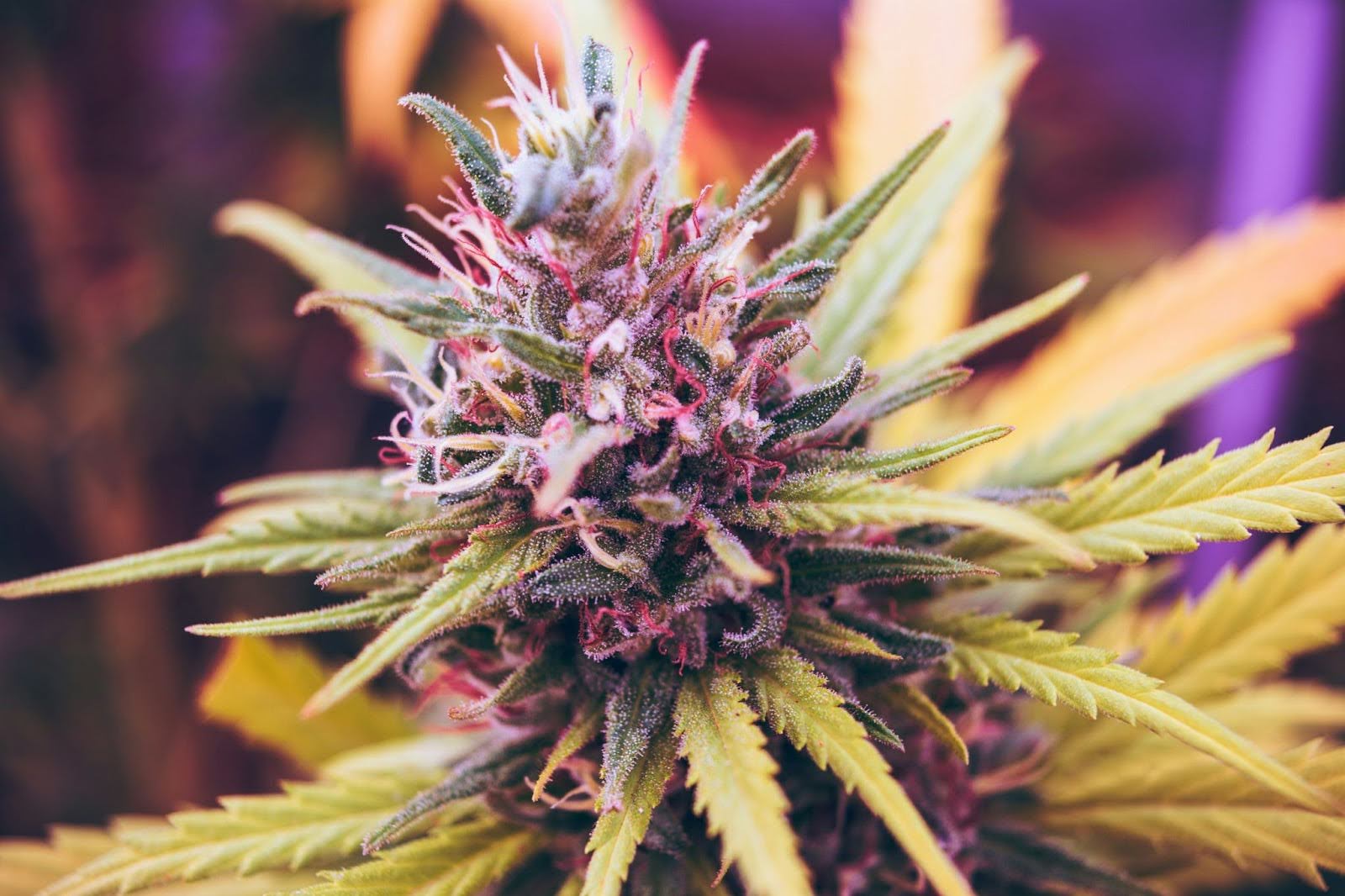
Are you unsure what to expect during the first week of the flowering stage for your plants? This phase marks a crucial turning point in your plant’s lifecycle. Up until now, As your plants enter week one of flowering, their energy shifts from growing leaves and stems to developing buds. This transition is crucial, and mistakes like incorrect lighting, nutrient imbalances, or unstable humidity can slow bud formation or weaken your yield.
It’s essential to monitor conditions closely, adjust feeding and watering routines, and optimise the environment to support healthy flower development.
In this guide, we’ll walk you through everything you need to watch closely during week one of flowering. From spotting early bud sites to maintaining ideal temperature and humidity levels, you’ll learn practical steps to support your plants as they move into this critical phase.
What Is Cannabis Flowering Stage
The flowering stage in cannabis cultivation is when plants shift from focusing on leaves and stems to producing buds, the part of the plant rich in cannabinoids. This stage typically lasts 7 to 10 weeks, depending on the strain. Week 1 of flowering is significant because it marks the beginning of this transformation and sets the foundation for bud development, final yield, and overall quality. Understanding and managing your plants carefully during this phase is key to a successful harvest.
Here’s why you can’t afford to overlook this critical period:
- Sets the Tone for the Entire Flowering Phase: The first week determines how your plants will grow and produce buds throughout flowering. Proper care helps your plants shift smoothly from vegetative growth to focusing energy on flowers.
- Triggers Hormonal Changes: During this week, your plants undergo important hormonal shifts. These changes tell them to stop growing leaves and stems and start developing buds. Supporting this process with the right environment and nutrients helps maximize bud growth.
- Nutrient Transition Phase: Week 1 is the time to adjust your feeding—reduce nitrogen and increase phosphorus and potassium. This shift supports bud formation and resin production.
- Ensures Healthy, Uniform Bud Development: Consistent care early on encourages buds to develop evenly across the plant, improving overall yield quality.
- Builds Resilience for Later Stages: Plants that start flowering strongly are better equipped to handle stress from pests, diseases, or environmental fluctuations in mid and late flowering.
So, what are the changes that occur during week 1 of cannabis flowering? Let us understand below.
Pre-Flowering & First Signs of the Cannabis Flowering Stage
As you approach the flowering stage with your cannabis plants, it’s important to recognize the pre-flowering phase and the early signs that signal this critical transition.
What is Pre-Flowering?
Before your plants fully enter flowering, they go through a pre-flowering period. During this time, your cannabis starts to show subtle changes as it prepares to shift from vegetative growth (leaves and stems) to focusing energy on bud production. This phase usually lasts a few days to a week and is your first real indication that flowering is about to begin.
How to Spot the First Signs of Flowering
You’ll want to watch closely for these early indicators that your plants have started flowering:
- Pistils Appear: Look for tiny white hairs (pistils) emerging at the nodes where branches meet the main stem. These pistils are the first visible signs of female flowers forming.
- Changes in Growth Pattern: Instead of just growing taller and bushier, your plant’s energy will start to concentrate on developing buds.
- Pre-Flowers: Small calyxes may begin to form, which will eventually develop into full buds.
- Male vs. Female Identification: This stage also helps you identify the sex of your plants. Female plants show pistils, while males develop pollen sacs, which you’ll want to remove if you’re growing for buds.
- Stretching Phase: Around week 1 of flowering, you may notice a rapid vertical growth spurt called the "stretch," where plants can sometimes double in size. This is normal and important for supporting future bud sites.
- Leaf Shape Changes: Leaves might start to change in shape or size, with some strains producing thinner, more delicate leaves during flowering compared to the broader leaves of the vegetative stage.
- Aroma Development: Some strains begin to develop their distinct smell early in flowering, so you may notice a stronger, more pungent aroma as resin production starts to increase.
- Node Spacing Adjustment: The distance between nodes (internodal spacing) may become tighter as the plant focuses on compact bud development.
Changes During Week 1 Cannabis Flowering
As you enter the first week of the flowering stage, you’ll notice your cannabis plants begin to shift from the rapid growth of the vegetative phase to focusing on bud development. This transition marks a critical point where the plant reallocates its energy from growing leaves and stems toward forming flowers.
- Transition from Vegetative to Flowering Growth: During this phase, your plants stop prioritizing vertical growth and leaf production. Instead, you’ll see them start to form pre-flowers at the nodes, the points where branches meet the main stem. This shift in growth focus is subtle but essential for successful flowering.
- Appearance of Pistils: One of the first clear signs of flowering you’ll spot is the emergence of tiny white hairs called pistils. These pistils grow from the calyxes and signal that the plant is actively producing flowers. Their appearance confirms your plant has entered the flowering stage and that bud development has begun.
- Changes in Leaf Structure: You may also notice that the fan leaves begin to thin out or slightly change shape as the plant directs more resources toward the buds. New leaf growth slows compared to the vegetative phase, reflecting the plant’s shift in priorities.
- Nutrient Adjustments: At this stage, your plant’s nutrient needs change. It requires less nitrogen, which supports leaf growth, and more phosphorus and potassium, which are critical for flower development. Adjusting your feeding regimen to reflect these needs will help avoid nutrient imbalances hindering bud formation.
- Slower Vertical Growth: While some stretching may still occur, overall vertical growth slows down in Week 1 of flowering. This initial stretch is essential as it allows the plant to create space for new buds, but the rapid height increases typical of the vegetative phase will taper off.
- Increased Sensitivity to Environment: Finally, your plants become more sensitive to their environment during this transition. Changes in light, temperature, or humidity can stress the plant and affect flower growth. Maintaining stable and optimal conditions helps prevent setbacks during this critical stage.
Now, let us discuss the environmental and nutritional adjustments that you have to make during week 1 of flowering.
Environmental and Nutritional Adjustments During Week 1 of Cannabis Flowering
The changes you make during the first week of flowering, especially regarding lighting, nutrients, and environment, will shape how successfully your plants develop buds over the next several weeks. Here's how to guide them through it:
1. Change the Light Cycle to Trigger Flowering
To signal your plants that it’s time to flower, adjust the light cycle to 12 hours on and 12 hours off. This mimics the natural shortening of daylight hours in late summer and tells the plant to stop focusing on vegetative growth.
- Use the Right Light Type: Switch to full-spectrum LEDs or HPS lights offering red flower development wavelengths.
- Adjust Distance: Keep lights 12 to 24 inches from the canopy, depending on the wattage. This maximizes light exposure without burning the tops.
- Ensure Total Darkness: Make sure the dark cycle is uninterrupted. There should be no leaks or light pollution. Even small interruptions can confuse your plants and slow or stall flowering.
2. Dial In Temperature and Humidity
Flowering plants prefer slightly cooler and drier conditions than vegetative ones. Stable environmental control during this period helps you avoid mold, mildew, and stress.
- Temperature Targets: Keep daytime temps around 68 to 77°F (20 to 25°C). At night, let it drop by a few degrees, but not below 60°F (15°C).
- Lower Humidity: Reduce relative humidity to 40 to 50 percent. This helps prevent powdery mildew and bud rot.
- Maintain Airflow: Use multiple fans to circulate air and strengthen plant structure. A consistent breeze prevents stagnant pockets of humid air around your flowers.
3. Shift to a Bloom-Focused Nutrient Regimen
Now that your plant is done building leaves and branches, it needs a different balance of nutrients to support flower production. Week 1 is the time to taper off nitrogen and increase phosphorus and potassium.
- Nutrient Ratios: Look for bloom formulas with lower nitrogen and higher phosphorus and potassium. These support flower site formation, root strength, and terpene production.
- Micronutrients: Supplement with calcium and magnesium if your water source or nutrient mix lacks them. These are essential for healthy cell structure and enzyme function.
- Start Slow: Introduce new nutrients gradually. Jumping to full strength too fast can burn your plants, especially if they were on a light veg feeding schedule.
4. Adjust Watering Practices
As your plants change phases, their water needs may shift too. Roots become more sensitive, and overwatering can lead to oxygen deprivation and root disease.
- Watering Frequency: Let the top inch of soil or medium dry out between waterings. This encourages strong root development and prevents soggy conditions.
- pH Range: Keep your water or nutrient solution at 6.0 to 6.5 for soil or 5.8 to 6.2 for hydroponic systems. Proper pH ensures nutrient absorption.
- Watch Runoff: Make sure pots drain properly. Standing water at the base indicates poor drainage and increases the risk of root rot.
5. Prune and Train for Better Light Penetration
Early flowering is your last opportunity to shape the plant before bud sites start developing fully. A bit of structural cleanup now can boost yields later.
- Remove Fan Leaves Blocking Light: Carefully trim large fan leaves that shade bud sites. This improves airflow and exposes more flower zones to light.
- Use Low-Stress Training (LST): Bend and tie down branches to flatten the canopy. A more even surface lets light hit all bud sites more consistently.
- Avoid Major Stress: Skip heavy defoliation or topping during this phase. Stress now can delay flowering or stunt early bud development.
6. Monitor and Adjust CO₂ Levels (If Applicable)
If you're running a sealed environment or grow tent with CO₂ supplementation, enhanced CO₂ can make a noticeable difference in Week 1.
- Boost Growth with CO₂: Keep levels between 1000 and 1200 ppm during lights-on. This allows your plants to photosynthesize more efficiently under high-intensity light.
- Only Use with High Light Intensity: CO₂ is only beneficial when your plants already have strong lighting and proper environmental control. Otherwise, it’s wasted.
7. Begin Pest and Disease Prevention
Flowering plants become harder to treat once buds form, so it’s best to catch and control issues before they take hold.
- Inspect Daily: Look under leaves and at soil level for early signs of pests like spider mites, fungus gnats, or thrips.
- Keep It Clean: Avoid bringing in outside contaminants. Wear clean clothes, sterilize tools, and remove dead leaves regularly.
- Preventative Treatments: Consider using neem oil, insecticidal soap, or predatory insects now, before buds become dense and sensitive.
8. Avoid Overfeeding
It’s tempting to “supercharge” your plants now that flowering has started, but more nutrients don’t always mean better results.
- Watch for Burn: Start with a diluted mix (around three-fourths of the recommended dose) and watch leaf tips for signs of burn like curling, browning, or crisping.
- Ease Into Bloom Boosters: Some additives are strong and can throw off your pH or salt levels quickly. Introduce them slowly and only if your plants are ready.
9. Keep Detailed Grow Logs
Even experienced growers miss details without records. Logging helps you catch patterns, replicate success, and avoid past mistakes.
- Track Everything: Note temperature, humidity, light settings, feeding schedules, pH and EC, pest sightings, and visible plant responses.
- Use It to Improve: If something goes wrong or right, you’ll have the data to understand why. This makes every growth cycle more efficient than the last.
PlanaCan keeps track of every decision you make during a grow and how it affects the final yield. It pulls everything into one place, so you can easily look back, spot what worked, and see what didn’t. That way, each harvest gets a little smarter, smoother, and more productive.
Monitoring Progress During Week 1 of Cannabis Flowering
Week 1 sets the tone for bud development, so your daily attention matters more than ever. Here's how to stay on top of your crop's progress:
- Check Daily for Growth and Health Changes: Visit your grow space every day. Look for visible changes in size, structure, and posture. Your plants may stretch as they shift from vegetative growth to flowering—this is normal, but worth tracking.
- Track Pistil Development: Watch for the first white pistils (hairs) emerging at the nodes. These early signs of flowering help confirm that your plants are maturing on schedule. Make a note of when and where pistils appear.
- Inspect Leaf Condition: Examine leaves for signs of stress, such as yellowing, curling, or spotting. Healthy leaves should remain vibrant and firm. Early leaf issues often point to nutrient imbalances or environmental problems.
- Evaluate Overall Vigor: Assess how your plants respond to the new light cycle. Are they stretching too much? Do they look droopy or overwatered? Are new leaves forming as expected? A strong start in Week 1 lays the groundwork for high yields.
- Keep Detailed Notes: Document your observations each day. Include environmental conditions (temperature, humidity), feeding schedules, and any changes in plant appearance. These records help you make better decisions and catch problems before they escalate.
PlanaCan makes this process easier by generating detailed harvest reports that track every cultivation decision and how it affects your yield. All your data stays in one place, so you can quickly spot trends, learn from what worked (or didn’t), and fine-tune your approach to boost both yield and profitability.
So, what are the training techniques you can use during week 1 of cannabis flowering to ensure healthy buds? Let us discuss them below.
Training Techniques For Week 1 of Cannabis Flowering
As your cannabis plants enter the first week of flowering, your training methods should shift to focus on gentle support rather than aggressive manipulation. This week is critical for setting up an even canopy and encouraging healthy bud development without causing unnecessary stress. Here’s a detailed guide to help you train your plants effectively during this stage:
- Avoid High-Stress Training (HST): Stop any topping, super cropping, or other high-stress training techniques during this phase. These methods cause significant stress and can slow down your plants as they start redirecting energy toward producing flowers. Allow your plants to focus on transitioning smoothly instead of recovering from damage.
- Continue Low-Stress Training (LST): You can still gently bend and tie down branches to shape your canopy. LST helps expose more bud sites to light by creating an even plant structure, which encourages uniform flowering and maximizes yield. Be gentle when bending branches to avoid snapping or bruising stems.
- Support Stretching Branches: During week one of flowering, your plants may stretch significantly. Use soft plant ties or flexible garden wire to guide these branches horizontally. This prevents tall, lanky growth that shadows lower bud sites and makes the canopy easier to manage. Proper support also reduces the risk of branches breaking under their own weight later.
- Adjust Trellises or SCROG Nets: If you’re using a Screen of Green (SCROG) setup or trellis, now is the time to tuck new growth under the net and maintain consistent spacing between branches. This ensures light penetrates evenly across all bud sites, and good airflow circulates through the canopy, reducing the chances of mold and mildew.
- Avoid Defoliation: At this early flowering stage, leaves play a vital role in photosynthesis, fueling bud growth. Avoid removing large sections of foliage. If leaves block light to lower buds or show signs of damage, prune them sparingly. Excessive defoliation can stress your plants and stunt their flowering potential.
- Maintain Proper Plant Spacing: Give your plants enough room to expand without overcrowding. Overcrowded plants suffer from poor airflow, which increases humidity and raises the risk of mold and pests. Proper spacing also allows light to reach every part of your plants, supporting healthy development.
- Check Support Structures Regularly: As branches thicken and grow heavier, ties and supports may need adjustment. Check them often to ensure they don’t dig into stems or restrict natural growth. Loose, flexible supports will help your plants move slightly in the airflow, strengthening stems and improving overall health.
- Use Gentle Training Tools: Choose soft plant ties, garden tape, or flexible wire instead of anything too rigid or abrasive. These materials minimize damage to delicate stems and prevent scarring, which can become infection entry points during flowering.
- Observe and React: Consider how your plants respond to training. If a branch looks stressed, wilting, discoloring, or snapping, restart your training efforts to let the plant recover. Adjust your techniques based on the plant’s tolerance and growth pattern.
- Prepare for Future Training Needs: While you avoid high-stress training now, plan ahead for weeks two and three when you might need to do light defoliation or additional LST. This helps maintain canopy structure and airflow as the buds grow denser.
- Monitor Environmental Conditions Closely: Training stress is more difficult for plants to handle if temperature, humidity, or light intensity aren’t optimal. Maintain stable environmental conditions to help your plants recover quickly and continue vigorous growth through flowering.
- Keep Detailed Notes: Record all your training actions, plant responses, and environmental changes. This log will be invaluable for refining your techniques for future growth and troubleshooting any issues.
PlanaCan takes care of the hard part by compiling detailed reports for each harvest, showing how your choices impact your yield. With all the info in one spot, it’s easy to see what’s working and what’s not. Checking these reports lets you learn from your wins and slip-ups, so you keep getting better results and bigger profits every time.
Here’s a quick table covering key conditions, plant changes, and care tips for Week 1 of the cannabis flowering stage.
Aspect
Details
Light Cycle
12 hours light / 12 hours dark
Nutrients
Transition to bloom nutrients (lower nitrogen, higher phosphorus & potassium)
Temperature
Day: 70–80°F (21–27°C)
Humidity
45–55%
Plant Changes
Early signs of pistils (white hairs) at nodes
Watering
Consistent watering, avoid overwatering
Training
Stop high-stress training; light pruning if needed
Pest Check
Inspect closely; flowering can attract pests
Conclusion
The first week of flowering sets the foundation for your entire grow. By fine-tuning your lighting, environment, feeding, and training early on, you take control of how well your plants develop and mature.
When you stay attentive and respond quickly to your plants’ needs during this critical phase, you reduce stress and boost your chances of a strong, productive harvest. Consistent care and smart adjustments now mean smoother flowering and better results down the line.
If you’re ready to take your cultivation to the next level, PlanaCan makes it effortless. PlanaCan automates your entire grow cycle with customizable templates tailored to specific strains and harvest timelines. From planting through harvest, you can schedule every task with a few clicks.
Its intuitive visual calendar gives you a clear, real-time overview of all cultivation steps. Plan months ahead, adapt on the fly, and keep your team aligned with instant updates. This streamlined workflow cuts down on missed tasks and forgotten feedings, so your plants get exactly what they need, when they need it.
With tools like PlanaCan, you save time, minimize guesswork, and grow healthier, more potent crops, turning each flowering phase into your best harvest yet.
Schedule a free call today and discover how PlanaCan can help you grow smarter.