
Calcium issues can quietly derail a cannabis crop long before obvious damage shows up. What starts as a well-intentioned feeding program can turn into nutrient lockout, stalled growth, and lost yield.
Calcium levels that climb too high, often above roughly 55,000 ppm in flowering tissue, can block the uptake of magnesium and potassium. The result is not just excess calcium, but a cascade of secondary deficiencies that are easy to misdiagnose.
This problem most often occurs in controlled environments with hard water, aggressive cal-mag supplementation, or calcium-rich media. In this article, we break down how to identify cannabis calcium toxicity, what causes it, and how to correct and prevent it before it impacts yield and quality.
Brief look:
- Calcium toxicity is a profit killer. Excess calcium disrupts nutrient uptake, reduces yield potential, and creates secondary deficiencies that are expensive to fix late in the cycle.
- The problem is cumulative, not sudden. Hard water, routine cal-mag use, calcium-rich media, and inconsistent irrigation allow calcium to build up slowly across cycles.
- Symptoms are often misdiagnosed. Calcium toxicity usually shows up as magnesium or potassium deficiencies, poor plant response, and uneven growth rather than obvious calcium damage.
- Fixing it requires a controlled reset. Effective correction means stopping excess inputs, carefully flushing, rebalancing ratios, and stabilizing irrigation without shocking plants.
- Prevention depends on execution consistency. Tracking inputs, standardizing nutrient decisions, and maintaining process discipline help prevent calcium toxicity from recurring as operations scale.
Why Does Cannabis Need Calcium?
Calcium is an essential structural nutrient in cannabis plants. Ideal calcium levels vary by grow medium and irrigation source. Cannabis generally requires a steady, moderate supply of available calcium, not spikes or heavy supplementation.
Calcium is important for cannabis because it:
- Strengthens Cell Walls: Calcium helps build strong cell walls, giving plants the structural integrity needed to support vigorous growth and flower development.
- Supports New Growth and Root Development: Actively growing tissues require calcium for proper development, making it especially important during vegetative growth and early flowering.
- Improves Nutrient Transport: Calcium helps regulate nutrient movement within the plant, supporting more balanced uptake and distribution.
- Enhances Stress Tolerance: Adequate calcium helps plants handle environmental stress, including fluctuations in temperature, humidity, and irrigation patterns.
- Contributes to Overall Plant Stability: When calcium levels are balanced, plants tend to show more uniform growth and fewer physiological disorders.
Problems arise when calcium is treated as a “more is better” input. The next section looks at the most common causes of calcium toxicity in cannabis and how excess calcium builds up over time rather than all at once.
Suggested Read: Steps to Make Cannabis Grow Faster
Causes of Calcium Toxicity in Commercial Cultivation

Calcium toxicity in commercial cannabis operations rarely comes from a single mistake. It usually arises from layered inputs, process drift, or system-level decisions that seem reasonable in isolation.
Common causes of calcium toxicity in commercial cultivation include:
- Hard Water
Many irrigation sources already contain dissolved calcium. When this baseline is not measured or adjusted for, calcium-based nutrients are added on top of an elevated starting point. - Routine Cal-Mag Use
Preventive supplementation without tissue or runoff feedback can steadily raise calcium levels over multiple cycles. - Calcium-Rich Media
Coco, peat blends, and amended soils can retain or release calcium over time, increasing availability beyond what feed programs anticipate. - Problem-Driven Overcorrection
Calcium is sometimes increased to address unrelated issues such as weak stems or stress responses, allowing excess to build up unnoticed. - Inconsistent Drybacks
Uneven irrigation and dryback patterns can concentrate calcium salts in parts of the root zone. - Masked by pH Control
Maintaining the target pH can keep excess calcium soluble, delaying the onset of visible symptoms while antagonism with other nutrients increases.
Calcium toxicity often goes unnoticed until other nutrients begin to fall out of balance. The next section explains how calcium toxicity actually presents in cannabis plants and why it is frequently misdiagnosed.
Suggested Read: Utilize Silica for Healthier Cannabis Cultivation
Symptoms of Excess Calcium in Cannabis Plants

Calcium toxicity disrupts nutrient balance and plant function in ways that often appear unrelated. Recognizing these symptoms early helps prevent prolonged stress and yield loss.
1. Leaf and Growth Symptoms
Excess calcium affects how plant tissue develops and responds to nutrients. These symptoms are often subtle at first and easy to overlook in large rooms.
Common growth-related signs include:
- Thickened or rigid new leaves that expand slowly
- Leaf edges that harden or curl without classic burn patterns
- Overall growth is slowing despite stable environmental conditions
2. Nutrient Imbalance Symptoms
Calcium toxicity commonly interferes with the uptake of other nutrients. As a result, plants show deficiency-like symptoms even when feed levels appear correct.
These imbalance signals typically include:
- Magnesium deficiency patterns that do not improve with supplementation
- Potassium-related issues appearing earlier than expected in the flower
- Inconsistent response to corrective feeding strategies
3. Root-Zone and System-Level Symptoms
Many calcium toxicity issues originate in the root zone before becoming visible above the canopy. These signs often show up in system data rather than on the plant itself.
Indicators at the root-zone level include:
- Gradual increase in runoff EC without feed strength changes
- pH readings that remain in range while plant health declines
- Reduced responsiveness to irrigation or dryback adjustments
4. Flowering-Stage Symptoms
Excess calcium becomes more problematic as plants transition deeper into flower. At this stage, recovery is slower and corrective options are more limited.
Flowering-stage warning signs include:
- Uneven bud development across the canopy
- Slowed flower fill despite adequate nutrition
- Late-stage deficiencies that are difficult to correct
PlanaCan helps track nutrient decisions, adjustments, and timing across cycles, making it easier to trace calcium-related issues. Patterns become clearer before symptoms escalate when all changes are documented. Try PlanaCan for free.
How Does Calcium Toxicity Affect Yield and Quality
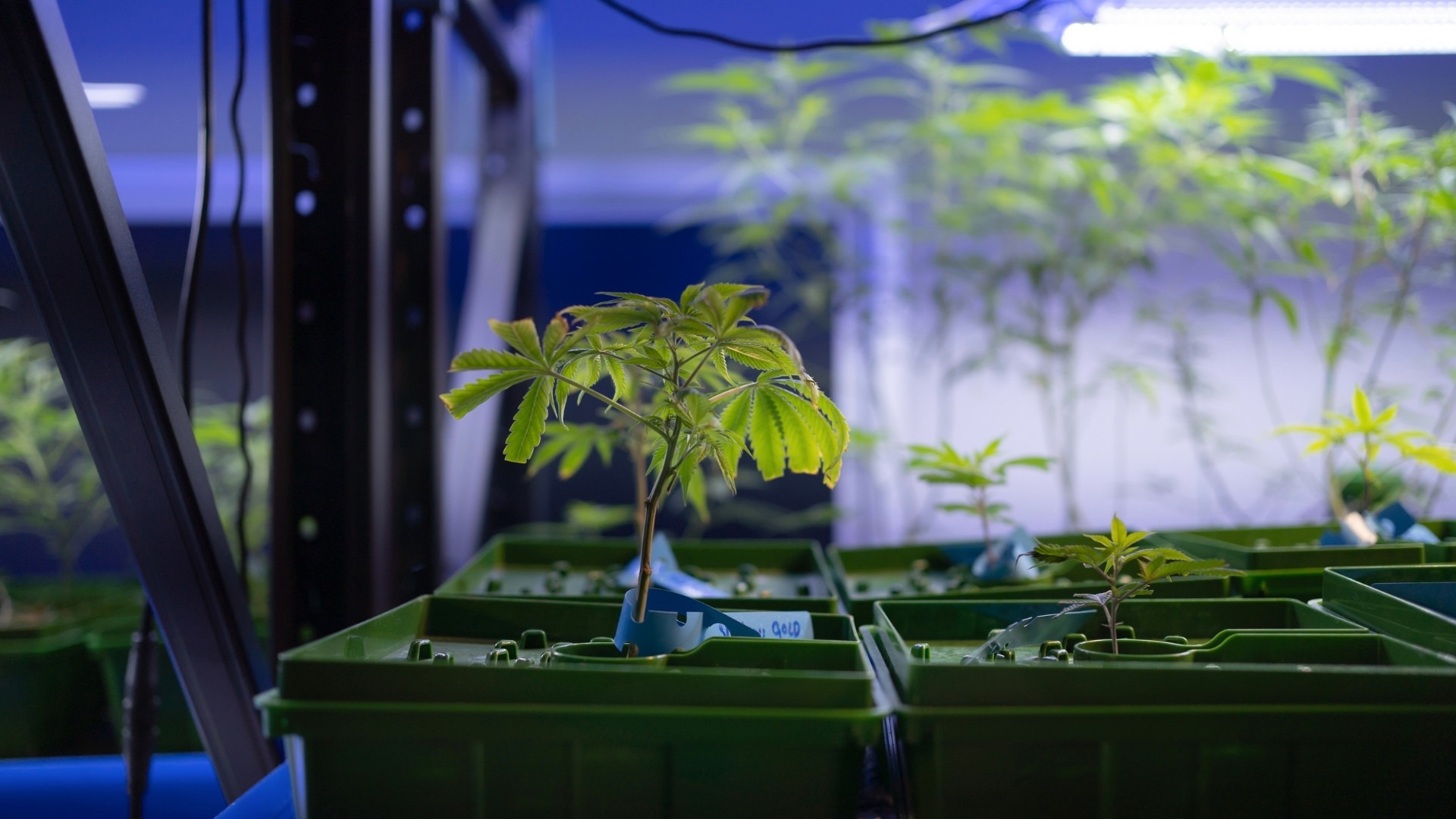
Calcium toxicity rarely causes immediate crop failure, but it steadily erodes yield potential and finished quality over time. Its impact is indirect, manifesting as nutrient imbalance, reduced growth efficiency, and uneven flower development rather than dramatic visual damage.
1. Reduced Biomass and Growth Efficiency
When growth efficiency is compromised:
- Plants produce less total vegetative biomass, limiting canopy size
- Root development slows, reducing nutrient and water uptake
- Flowering structures receive fewer resources, reducing final yield
2. Secondary Nutrient Lockout
When nutrient lockout develops:
- Chlorophyll production declines, lowering energy availability
- Carbohydrate production drops, reducing flower fill
- Corrective feeding produces limited improvement
3. Impaired Flower Development and Finish
When flower development is affected:
- Bud size varies significantly across the plant
- Flower density and structure become inconsistent
- Overall product quality declines
4. Inconsistent Outcomes Across Cultivars
When cultivar response diverges:
- Some strains underperform while others appear unaffected
- Feeding benchmarks lose reliability
- Harvest predictability decreases
The next section explains how to verify calcium toxicity in cannabis so corrective action is based on evidence, not guesswork.
Suggested Read: NPK Ratio for Cannabis: Ideal Nutrients for Plant Growth
How to Verify Calcium Toxicity in Cannabis
Symptoms of excess calcium are often misdiagnosed because their symptoms resemble those of other nutrient deficiencies. Verifying the problem requires looking beyond the plant and reviewing inputs, trends, and system behavior.
To verify calcium toxicity, focus on the following indicators:
- Review Total Calcium Inputs: Look at all calcium sources, including base nutrients, cal-mag products, irrigation water, and growing media.
- Compare Feed, Runoff, and Trend Data: Rising runoff EC or persistent imbalance despite stable feed can indicate calcium accumulation in the root zone. Trends over time are more useful than single readings.
- Evaluate Nutrient Ratios, Not Just Absolute Levels: Calcium toxicity commonly manifests as disrupted Ca:Mg:K ratios. Imbalances here often explain deficiency symptoms that do not respond to supplementation.
- Check Cultivar-Specific Responses: If certain cultivars consistently show magnesium or potassium issues while others do not, calcium antagonism may be involved.
- Rule Out Environmental Causes: Confirm that temperature, humidity, and irrigation practices are stable. This helps isolate calcium as the driver rather than environmental stress.
Verification is critical because correcting the wrong issue can compound stress and delay recovery. The next section outlines clear, step-by-step actions for fixing excess calcium in cannabis plants without shocking the crop.
Steps to Fix Excess Calcium in Weed Plants

Fixing calcium toxicity requires a controlled, stepwise approach. The objective is to reduce excess calcium while restoring balanced nutrient uptake, without shocking plants or creating new deficiencies.
Each step moves the root zone closer to equilibrium, not resets it aggressively:
Step 1: Stop Further Calcium Accumulation
The goal of this step is to prevent calcium levels from increasing any further. Until excess inputs are removed, corrective actions downstream will have limited effect. This step stabilizes the situation so recovery can begin.
To stop further calcium accumulation, take the following actions:
- Remove cal-mag supplements and calcium-heavy additives from the feed
- Adjust base nutrients to formulations with lower calcium content
- Account for calcium already present in irrigation water when recalculating feed
- Avoid amendments or buffers that introduce additional calcium
Step 2: Flush and Reset the Root Zone Carefully
The objective here is to reduce accumulated calcium salts without completely stripping the medium. A controlled flush helps lower excess levels while preserving root health and microbial balance. This step should correct the buildup, not shock the plant.
To flush effectively without overcorrecting:
- Use low-EC, calcium-free water where possible
- Flush gradually rather than in a single heavy event
- Monitor runoff EC and stop once levels begin to stabilize
- Avoid aggressive flushing that disrupts oxygen availability in the root zone
Step 3: Rebalance Nutrient Ratios
Once excess calcium is reduced, the focus shifts to restoring proper nutrient balance. Calcium toxicity often leaves magnesium and potassium functionally unavailable even after levels drop. Rebalancing ratios helps reopen uptake pathways.
To rebalance nutrients properly:
- Reintroduce magnesium and potassium at conservative levels
- Maintain stable EC while adjusting ratios
- Avoid compensating too aggressively for visible deficiencies
- Observe plant response over multiple irrigation cycles
Step 4: Stabilize Irrigation and Dryback Patterns
Inconsistent irrigation can re-concentrate calcium even after corrective steps. This stage aims to maintain uniform nutrient distribution and prevent localized salt buildup. Stability here supports long-term recovery.
To stabilize irrigation behavior:
- Standardize irrigation volumes and timing
- Avoid excessive drybacks during recovery
- Ensure uniform distribution across the container or slab
- Monitor runoff trends for signs of renewed accumulation
Step 5: Monitor Recovery Before Making Further Changes
Recovery from calcium toxicity is gradual. Making additional changes too quickly can reintroduce imbalance or mask improvement. This step ensures decisions are based on plant response, not impatience.
To monitor recovery effectively:
- Track new growth rather than damaged tissue
- Look for improved nutrient response over time
- Resist stacking multiple corrective actions at once
- Document changes to guide future cycles
PlanaCan helps keep calcium corrections consistent by automating nutrient schedules and visualizing changes through an interactive cultivation calendar. You can ensure that adjustments are applied on time, across rooms, and without reintroducing calcium through missed or overlapping tasks. Schedule a free demo.
How to Prevent Calcium Toxicity in Future Cycles
Preventing calcium toxicity is less about eliminating calcium and more about managing it deliberately over time. Prevention depends on tightening inputs, improving visibility, and reducing process drift.
To reduce the risk of calcium toxicity in future cycles, focus on the following practices:
- Account for All Calcium Sources Up Front: Factor in calcium from irrigation water, base nutrients, supplements, and growing media when building feed programs.
- Avoid Preventive Over-Supplementation: Cal-mag products and calcium additives should respond to measured need, not habit. Routine use without verification is one of the most common drivers of excess.
- Standardize Irrigation and Dryback Practices: Consistent irrigation volumes and timing help prevent localized salt buildup. Irregular drybacks often concentrate calcium in the root zone over time.
- Monitor Trends, Not Just Snapshots: Single EC or runoff readings rarely tell the full story. Watching trends across weeks and stages helps catch slow calcium accumulation before symptoms appear.
- Adjust Programs by Stage and Cultivar: Calcium demand changes across growth stages and varies by cultivar. Static feeding programs increase the risk of imbalance as plant needs shift.
Prevention ultimately comes down to execution consistency. This is where cultivation planning software becomes valuable, helping teams schedule and maintain visibility into decisions across rooms and cycles.
Suggested Read: Fertilizer Mix for Cannabis Flowering Stage
Turn Nutrient Plans Into Consistent Execution with PlanaCan

PlanaCan is a cultivation planning and execution platform built specifically for commercial cannabis operations. It closes the gap between nutrient strategy and day-to-day execution by turning plans into scheduled, trackable actions that teams actually follow on the grow floor.
PlanaCan helps you move from intention to repeatable results by enabling teams to:
- Structured Planning
Build nutrient and irrigation plans that align with growth stage, cultivar, and room timelines. These plans become the single source of truth, reducing guesswork and mid-cycle improvisation. - Automated Workflows
Convert nutrient decisions into automated workflows so critical steps are not missed or delayed. This removes dependence on memory and ensures changes are executed consistently across shifts. - Interactive Calendar
Use an interactive cultivation calendar to visualize upcoming nutrient changes, room transitions, and corrective actions. This makes timing explicit and helps teams anticipate adjustments rather than react late. - Team Management (iOS & Android)
Assign tasks clearly and execute them on the floor using iOS and Android apps built for operational use. Teams can see what needs to be done, confirm completion, and stay aligned without back-and-forth communication. - Reporting and Analytics
Review execution history to understand what was done, when it happened, and how plants responded. Over time, this data helps identify patterns, refine nutrient programs, and reduce recurring issues such as calcium buildup.
PlanaCan is built for growers who need consistency as operations scale and complexity increase. Our team is available 24/7 by email to help troubleshoot issues and keep execution on track when nutrient decisions matter most.
Conclusion
Calcium toxicity quietly erodes yield, quality, and profitability. It drives nutrient lockout, slows growth, and forces corrective work that costs time and money. Left unchecked, it turns predictable cycles into inconsistent outcomes that hurt margins.
PlanaCan helps prevent that drift by turning nutrient plans into consistent execution. Automated workflows, an interactive calendar, and clear team coordination keep calcium decisions controlled across rooms and cycles. Reporting and analytics make it easier to spot patterns early and protect results at scale.
Start protecting yield, quality, and profits every cycle. Schedule a free call today.
Frequently Asked Questions
1. What does calcium toxicity look like in cannabis?
In commercial grows, calcium toxicity usually appears as secondary deficiencies rather than obvious calcium symptoms. You may see magnesium or potassium issues, rigid new growth, slowed development, and inconsistent plant response despite stable feeding programs.
2. Can you give cannabis too much calcium?
Yes. Excess calcium is common in commercial operations due to hard water, routine cal-mag use, or calcium-rich media. Over time, calcium accumulates in the root zone, disrupting the uptake of other essential nutrients.
3. What are the symptoms of cannabis toxicity?
Toxicity symptoms often include nutrient lockout, reduced growth efficiency, poor response to corrective feeding, and uneven canopy performance. In calcium-specific cases, issues intensify during flowering and are harder to reverse.
4. What does calcium do for cannabis?
Calcium supports cell wall strength, root development, and nutrient transport. When supplied in balanced amounts, it helps stabilize growth, but excess calcium quickly becomes counterproductive in commercial systems.
5. How long does it take to recover from calcium toxicity?
Recovery is gradual and depends on how quickly excess calcium is reduced and nutrient balance is restored. In commercial cultivation, visible improvement often takes multiple irrigation cycles, with full recovery spanning one to two growth stages.