Many growers chase dense cannabis flower through genetics alone, but real results are shaped by how the crop is managed from canopy to harvest. Research shows that cultivation decisions that affect canopy structure and light distribution can increase total yield per area by 28–44%, even as individual plant yield decreases.
That finding reinforces a critical point for commercial cultivation: density and yield are not created by a single input. They are the result of coordinated decisions around light, nutrition, environment, and execution timing.
In this article, we break down how to grow dense cannabis flower and avoid the yield-killing mistakes that quietly reduce bud density and final output.
Before we dive in:
- Bud density drives profitability. Denser cannabis buds increase sellable weight, improve grading outcomes, and reduce losses from handling and drying issues.
- Density is built early, not fixed late. Canopy structure, root-zone stability, and early-flower conditions set the ceiling on how dense buds can become.
- Light and nutrient balance must stay uniform. Even PPFD distribution and stable Ca:Mg:K ratios support tight bud structure, while imbalance leads to airy or uneven flowers.
- Peak flower stability matters most. Environmental swings, salt buildup, or late corrections during weeks 3–6 directly reduce final bud mass and density.
- Execution consistency protects results at scale. Clear planning, timing discipline, and repeatable workflows help maintain density across rooms, teams, and cycles.
Why Do Growers Want Dense Cannabis Buds?
Dense cannabis buds are flowers with tightly packed calyxes, strong structural integrity, and minimal air space between floral tissue. They feel firm in hand, hold their shape after drying and curing, and maintain weight without excessive moisture.
In commercial cultivation, density is a signal of how efficiently the plant converts light, nutrients, and time into sellable biomass.
Dense cannabis buds matter because they:
- Increase Sellable Weight per Harvest: Dense flowers carry more dry mass per square foot of canopy, directly improving yield and revenue without increasing the cultivation footprint.
- Meet Buyer and Distributor Expectations: Buyers expect firmness, uniformity, and visual consistency from commercial cultivators. Airy buds are often discounted, rejected, or repositioned into lower-value product categories.
- Protect Terpene and Cannabinoid Expression: Well-developed, dense buds tend to retain terpene content more effectively through drying, handling, and packaging, supporting aroma, flavor, and perceived quality.
- Improve Bag Appeal and Shelf Performance: Dense buds photograph better, package more cleanly, and hold structure during transport and storage, which matters to brands and retailers.
- Signal Strong Cultivation Execution: Density reflects balanced nutrition, proper light management, and stable environmental control, all of which buyers associate with reliable growers.
The next section breaks down the cultivation factors and practical steps that actually lead to dense cannabis buds, and where growers most often go wrong.
Suggested Read: Fertilizer Mix for Cannabis Flowering Stage
10 Tips to Grow Denser Cannabis Buds on a Commercial Scale
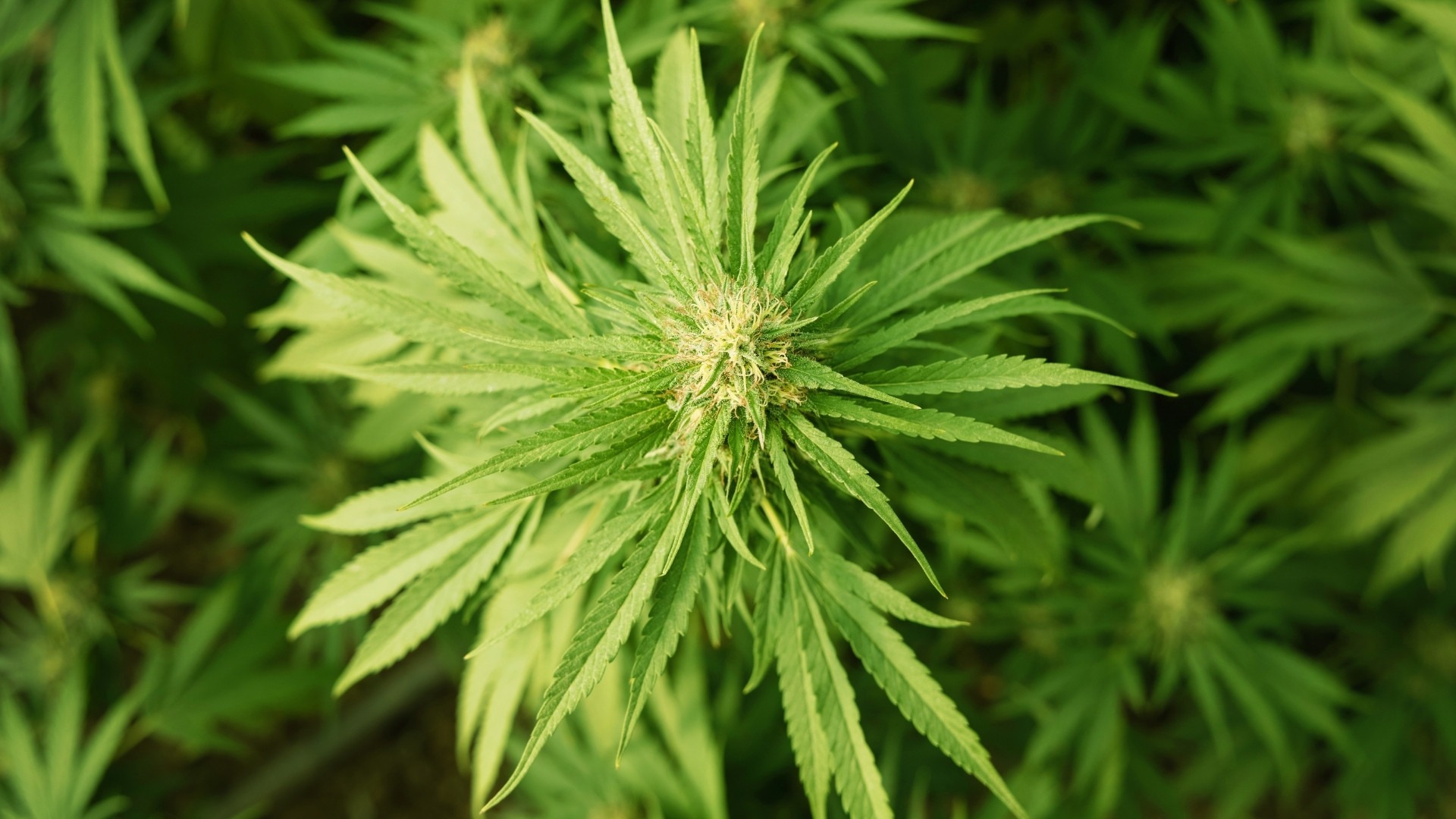
Dense buds are not built at the end of the flowering stage. They are the result of cumulative decisions made from canopy setup through peak flower, with little margin for error once bud structure is set.
The following tips are organized by growth stage to reflect how density is actually built in commercial cultivation.
I. Pre-Flower & Canopy Setup
1. Maintain Consistent Canopy Structure
A level canopy evenly distributes light to bud sites, which is critical for consistent flower density across the room. When topsoil varies too much, plants distribute energy unevenly, and density declines in predictable areas. Getting the structure right before the flower sets the ceiling for what the crop can produce later.
To keep canopy structure consistent:
- Hold canopy height within ±5–7 cm across the room
- Remove growth that will receive less than 40–50% of canopy PPFD
- Finish major training before the flip, not during the flower
- Lock spacing and layout once the flower begins
2. Provide Adequate and Uniform Light Intensity
Dense buds respond more to uniform light than to extreme intensity in isolated zones. Even PPFD across the canopy drives consistent flower development and prevents airy buds in underlit areas. Once the flower begins, correcting uneven light distribution becomes difficult.
To dial in light correctly:
- Target 700–900 µmol/m²/s average PPFD in flower, cultivar dependent
- Keep PPFD variation within ±10–15% across the canopy
- Re-map light after defoliation or canopy adjustments
- Avoid late intensity increases to compensate for early imbalance
3. Support Strong Root-Zone Health
Root-zone stability heading into flower determines how well plants can support aggressive flower development later. Large swings in EC or moisture levels force plants to adapt rather than build biomass. Entering a flower with a stable root zone allows uninterrupted nutrient uptake during peak demand.
To stabilize the root zone before flip:
- Keep input EC within ±0.2 mS/cm for 7–10 days pre-flip
- Hold runoff EC no more than 0.3–0.5 mS/cm above input
- Maintain drybacks around 15–25% in coco (or system equivalent)
- Avoid introducing new additives close to the flip
PlanaCan helps lock in canopy and root-zone decisions before the flower begins. Using automated schedules and an interactive calendar, teams can time training, spacing, and pre-flip adjustments. Schedule a free demo today.
II. Early Flower (Weeks 1–2)
4. Time Flowering Transitions Correctly
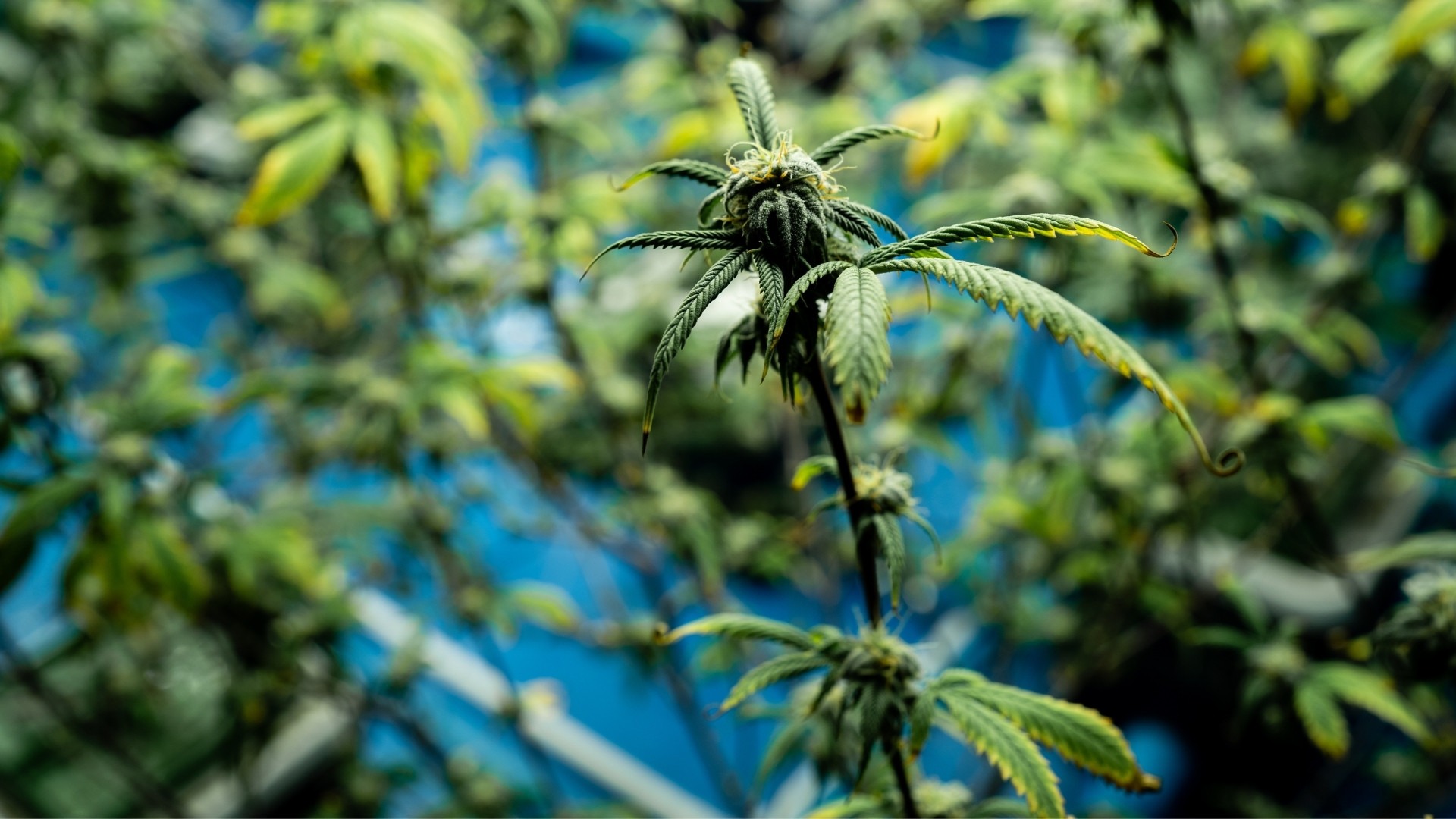
The transition into flower sets the number and strength of bud sites. Nutrient or environmental instability during this window reduces stacking potential and limits density before buds even form. Clean transitions allow plants to shift energy smoothly into flower production.
To execute a clean transition:
- Flip only once plants show uniform vigor and structure
- Keep feed EC unchanged for the first 5–7 days post-flip
- Avoid ratio changes during transition week
- Confirm even flowering response across the room
5. Balance Nutrients Throughout Flower
Dense buds require balanced nutrient uptake, not aggressive feeding. Early imbalances restrict cell division and structural development, which cannot be fully corrected later. Nutrient excess at this stage often causes problems that manifest weeks after the cause.
To keep nutrients in balance early in flower:
- Maintain a Ca: Mg ratio between 2:1 and 3:1 in solution
- Keep potassium sufficient without overpowering calcium
- Increase EC gradually in steps of ≤0.2–0.3 mS/cm
- Avoid raising calcium unless deficiency is confirmed
6. Minimize Plant Stress During Bud Set
Bud set is one of the most sensitive stages for density development. Stress during weeks one and two permanently reduces the tightness of bud stacking. Plants should allocate energy to flower formation, not to stress recovery.
To protect bud set, you need to:
- Hold temperature and VPD within a tight, cultivar-appropriate range
- Avoid heavy defoliation or late structural work
- Keep irrigation timing and volumes consistent day to day
- Resist pushing feed in response to early visual cues
Suggested Read: Adjust Light Intensity in the Final Flowering Stage
III. Peak Flower (Weeks 3–6)
7. Control Temperature and VPD Precisely
Peak flower is when plants convert energy into flower mass most efficiently. Environmental swings reduce photosynthesis and slow flower fill, even if nutrition is adequate. Precision here protects both yield and density.
To keep conditions tight:
- Hold day–night temperature differentials within 3–5°C
- Maintain VPD within ±0.1–0.2 kPa of target
- Avoid humidity corrections that overshoot setpoints
- Monitor zone-level variation, not just room averages
8. Manage Humidity and Dryback Carefully

Water movement drives nutrient movement during peak flower. Aggressive drybacks or humidity swings interrupt uptake and limit flower fill. Consistent moisture management supports steady, dense bud development.
To manage moisture effectively:
- Keep daily drybacks consistent and predictable
- Avoid late-day drydowns beyond planned targets
- Adjust RH gradually rather than reactively
- Monitor plant response alongside sensor data
9. Avoid Nutrient Lockout and Salt Buildup
Salt accumulation restricts nutrient uptake when plants need it most. Once a lockout develops in peak flower, density losses are difficult to reverse. Preventing buildup is far more effective than correcting it.
To prevent lockout:
- Track runoff EC trends over time, not single readings
- Intervene when EC climbs steadily across multiple irrigations
- Avoid stacking bloom boosters late in flower
- Flush only with defined EC targets and recovery plans
10. Keep Flowering Conditions Stable in Weeks 3–6
This window defines final bud mass and density. Late changes force plants to divert energy away from flower development and into adaptation. Stability allows all earlier work to pay off.
To protect peak flower development:
- Lock nutrient ratios and avoid late adjustments
- Keep environmental setpoints steady across shifts
- Do not chase minor leaf symptoms
- Prioritize consistent execution over optimization
PlanaCan helps coordinate the teams responsible for executing density-critical decisions on the grow floor. Team management tools make responsibilities clear and ensure light, nutrient, and environmental tasks are completed on time across rooms and shifts. Try PlanaCan for free.
The Impact of Over-Pushing Density on Cannabis Buds
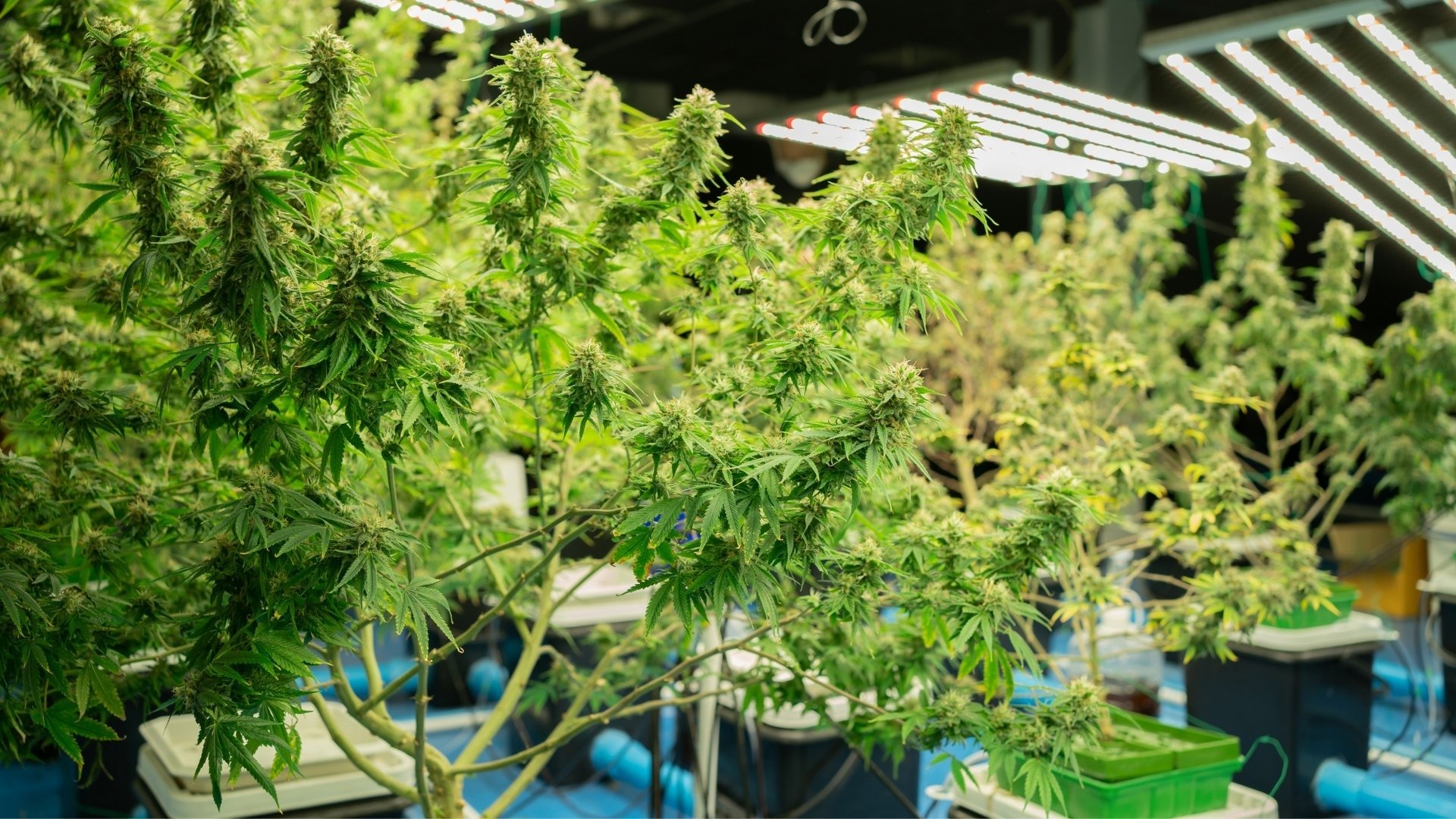
Dense buds are more sensitive to stress than airy flowers. When density is pushed without adjusting handling, airflow, and post-harvest conditions, buds become vulnerable to disease, tissue damage, and structural failure.
The following problems can occur:
- Bud Rot in Dense Colas: Tightly packed flower retains moisture deep inside the bud. Without sufficient airflow and careful handling, Botrytis can develop internally even when the outer tissue appears dry.
- Powdery Mildew Persistence: Dense canopies and compact buds reduce airflow and light penetration. This creates microclimates where powdery mildew survives longer and spreads more easily late in the cycle.
- Fluffy Buds After Drying: When dense buds dry unevenly due to compression or poor airflow, the internal structure collapses. The result is a flower that feels light and fluffy despite appearing dense at harvest.
- Cell Wall Breakdown From Physical Stress: Rough handling during harvest or transport damages plant tissue. This weakens internal structure and accelerates breakdown during drying.
- Light Stress and Bleaching at the Canopy: Pushing light intensity to increase density without adjusting distance or uniformity can stress top buds. This disrupts flower development and reduces structural integrity rather than improving it.
The next section examines the most common handling and cultivation mistakes that turn well-grown, dense buds into disease-prone or structurally weak flowers.
Suggested Read: The top four skills you need to manage your cultivation
Common Mistakes That Reduce Flower Density
Flower density is rarely lost due to a single major failure. In commercial cultivation, it is usually reduced by small, repeatable mistakes that compound over time across light, nutrition, environment, and execution.
Table showing typical mistakes growers make:
Many of these density-reducing mistakes happen because problems are noticed too late or measured inconsistently. On the grow floor, objective data enables teams to catch drift before it affects bud structure.
The following tools are commonly used to identify issues that impact flower density:
- EC meters to track feed strength, runoff trends, and salt buildup
- pH meters to confirm nutrient availability in the root zone
- Light meters or PAR sensors to verify uniform PPFD across the canopy
- Environmental sensors to monitor temperature, humidity, and VPD stability
- Runoff collection and logging tools to identify nutrient imbalance over time
While these tools provide critical visibility, they do not ensure consistent execution on their own. The next section looks at how cultivation software connects measurements to action by coordinating timing, tasks, and team execution across the operation.
Suggested Read: Digital Tools and Technology in Cannabis Cultivation
Achieve Consistent Cannabis Density Results With PlanaCan

PlanaCan is a cultivation planning and execution platform built specifically for commercial cannabis operations. It helps growers turn density-driving strategies into consistent, repeatable actions on the grow floor by aligning people, timing, and process.
PlanaCan supports consistent cannabis density by enabling teams to:
- Plan Density-Critical Workflows in Advance
Create structured plans for canopy setup, nutrient transitions, environmental adjustments, and post-harvest handling. This ensures every density-critical decision is sequenced correctly before execution begins. - Execute Through Team Management Tools
Assign tasks clearly across rooms and shifts so responsibility is never ambiguous. iOS and Android apps allow teams to execute, update, and stay aligned directly from the grow floor. - Coordinate Timing With an Interactive Calendar
Visualize flowering transitions, peak flower windows, and handling timelines in one place. This reduces late adjustments that commonly compromise bud density. - Standardize Execution Across Rooms and Cycles
Apply the same density-focused workflows across facilities while still accommodating cultivar-specific needs. This consistency protects density as operations scale. - Gain Visibility Through Reporting and Analytics
Review what was done, when it was done, and how plants responded. Over time, this data helps identify patterns, eliminate repeat mistakes, and refine density outcomes cycle after cycle.
PlanaCan is built for growers who want density to be predictable, not dependent on who is working a shift or which room is running. It brings structure, clarity, and accountability to the moments that matter most, helping teams consistently produce dense, high-quality cannabis at scale.
Conclusion
Bud density directly impacts yield, grading, and overall profitability. But achieving dense, consistent flowers requires more than good genetics or strong inputs. Without planning, timing discipline, and execution control, density gains are easy to lose across rooms and cycles.
PlanaCan helps growers protect those gains by turning density-focused strategies into consistent execution. By aligning teams, schedules, and workflows, it reduces the small mistakes that quietly erode bud quality.
Start turning density into a repeatable profit driver. Schedule a free call today.
Frequently Asked Questions
1. How do I make my buds denser?
Dense buds are built through consistent light distribution, stable early-flower nutrition, controlled environment, and low stress during bud set. In commercial cultivation, density comes from execution discipline across stages, not late-cycle fixes.
2. What nutrient makes cannabis dense?
No single nutrient makes buds dense. Density depends on balanced uptake, especially potassium for flower development, calcium for structure, and magnesium for energy transfer, all maintained in proper ratios without lockout.
3. How do I make my buds weigh more?
Increasing bud weight requires maximizing usable light, maintaining stable conditions during peak flower, and preventing nutrient or environmental stress. Consistency during weeks 3–6 of flower has the greatest impact on final weight.
4. Does curing make buds denser?
No. Curing does not increase density. It stabilizes moisture and improves quality, but bud density is determined during cultivation and drying, not after harvest.
5. Why do dense buds sometimes dry fluffy in commercial grows?
Fluffy results usually come from uneven drying, moisture trapping in dense flowers, or physical stress during handling. Even well-grown buds can lose structure if drying and post-harvest execution are not controlled.