Growing cannabis indoors gives you complete control over your plants’ environment, but to truly maximize growth, yield, and potency, hydroponics is the way to go. Hydroponic systems aid in faster growth and more efficient use of water and fertilizers.
Choosing the right cannabis growing system can make the difference between a thriving crop and a frustrating grow. In this guide, we will break down the best hydroponic systems for indoor cannabis and what you need to consider to get optimal results.
Let’s start with the basics:
- Growing cannabis hydroponically delivers nutrients directly to roots, speeds up vegetative and flowering stages, and allows control over environmental factors.
- Knowing how each hydroponic cannabis growing system works prevents mistakes that could stunt growth or reduce yield.
- Fine-tuning nutrient ratios, pH, EC, oxygenation, lighting, and temperature ensures healthier plants and larger harvests.
- Regularly check nutrient levels and other levels to prevent deficiencies, stress, or plant damage.
What Is Hydroponic Cannabis Cultivation?
Hydroponic cannabis cultivation allows for growing plants without soil, using nutrient-rich water solutions to deliver essential minerals directly to the roots. By eliminating soil, growers gain control over nutrients, pH levels, and oxygenation, which accelerates growth and enhances overall yield.
This approach also reduces the risk of pests and soil-borne diseases, making it ideal for indoor environments where consistency and quality are key.
Understanding how hydroponic systems function is essential before choosing the right setup for your indoor grow room. Let’s explore how these systems deliver nutrients, water, and oxygen to your cannabis plants efficiently.
How Do Hydroponic Systems Work?
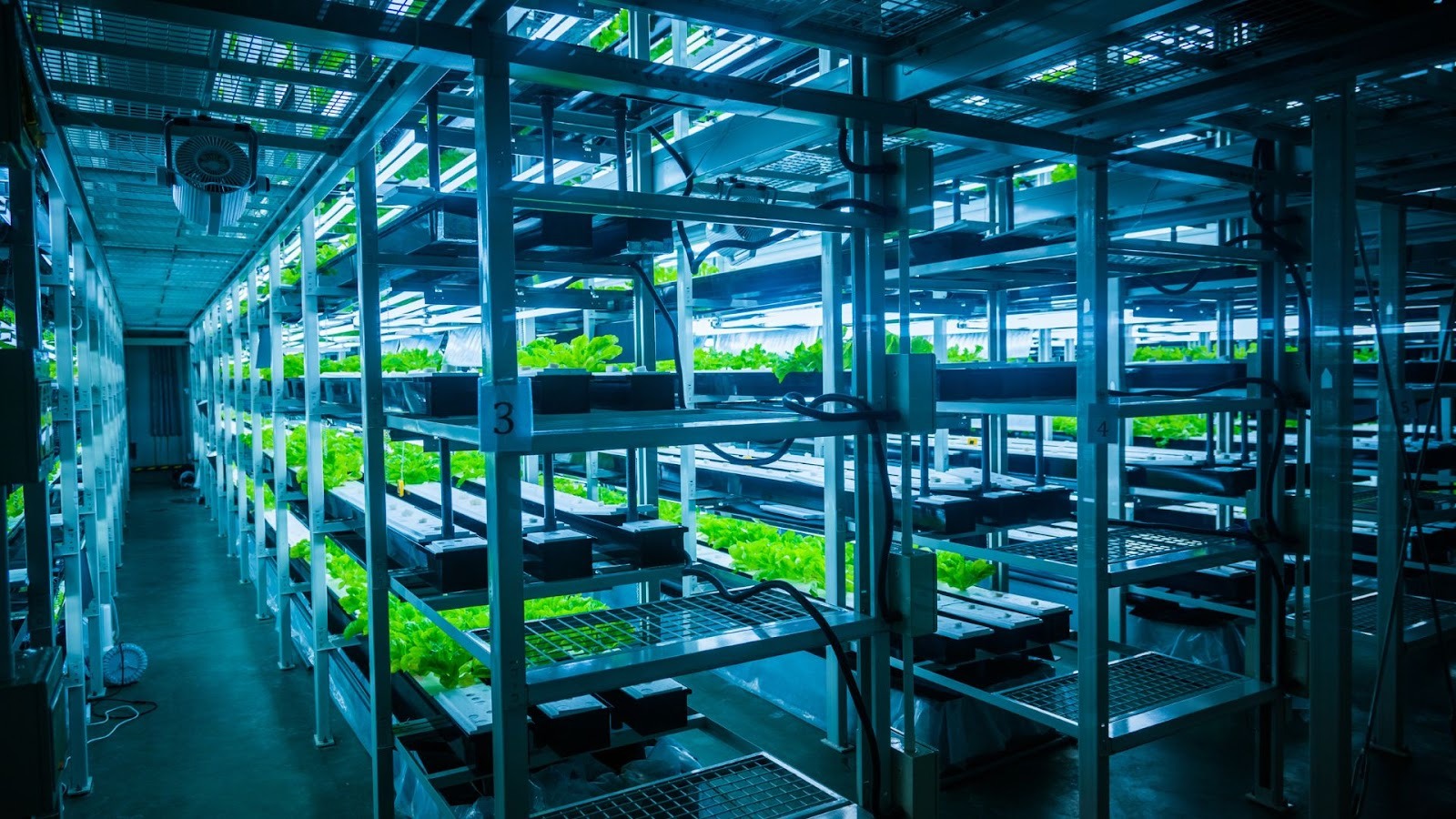
Hydroponic systems allow growers to control growth conditions, resulting in healthier plants, faster development, and more consistent yields. Understanding these core mechanics is essential before choosing the right hydroponic setup for your indoor grow room.
1. Nutrient Delivery
Plants in hydroponic systems receive nutrients directly through water solutions, eliminating the variability and inefficiencies of soil. This ensures that roots absorb exactly what they need at each growth stage, promoting optimal health and development.
2. Growth Speed
Hydroponics accelerates both vegetative and flowering stages by providing plants with ideal conditions continuously. With consistent access to nutrients, water, and oxygen, cannabis plants grow faster and often produce higher yields compared to traditional soil cultivation.
3. Control Over Environment
Hydroponic systems allow management of pH, electrical conductivity (EC), temperature, and oxygen levels in the root zone. This environmental control minimizes stress on plants and reduces the risk of pests or nutrient deficiencies, ensuring consistent quality.
Understanding these key functions helps growers optimize their system selection and management. Next, we will explore the benefits hydroponic growing offers over other cultivation methods.
Suggested Read: How to Fix and Identify Nitrogen Toxicity in Weed
Benefits of Hydroponic Growing Over Other Systems
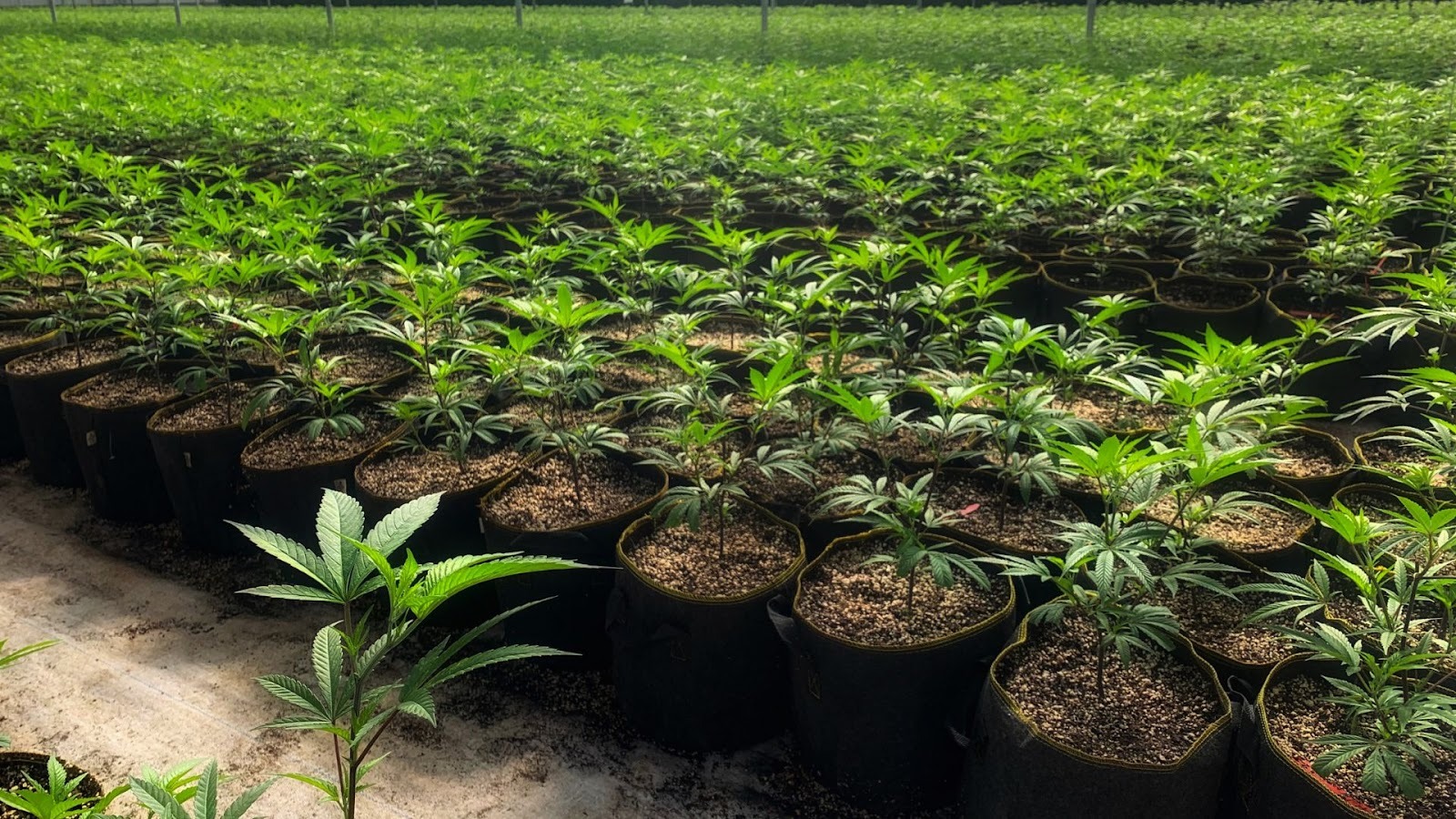
Hydroponic cultivation offers unique advantages that make it ideal for indoor cannabis growing. By bypassing soil, growers gain control over nutrients, water, and environmental conditions, resulting in faster growth, higher yields, and healthier plants.
Here are the key benefits that set hydroponics apart from traditional growing methods:
- Faster Growth: Plants receive nutrients directly at the roots, accelerating vegetative and flowering stages.
- Higher Yields: Optimized conditions and nutrient delivery promote larger, denser buds.
- Water Efficiency: Hydroponics uses recirculating systems, reducing water waste compared to soil-based methods.
- Reduced Risk of Pests and Diseases: Eliminating soil minimizes exposure to soil-borne pathogens and pests.
- Environmental Control: Growers can manage pH, EC, temperature, and humidity to optimize plant health.
- Space Optimization: Hydroponic systems allow vertical or compact setups, maximizing yield in limited indoor spaces.
With these benefits in mind, the next step is understanding the different hydroponic cannabis growing systems available and how each works.
Types of Hydroponic Systems for Cannabis
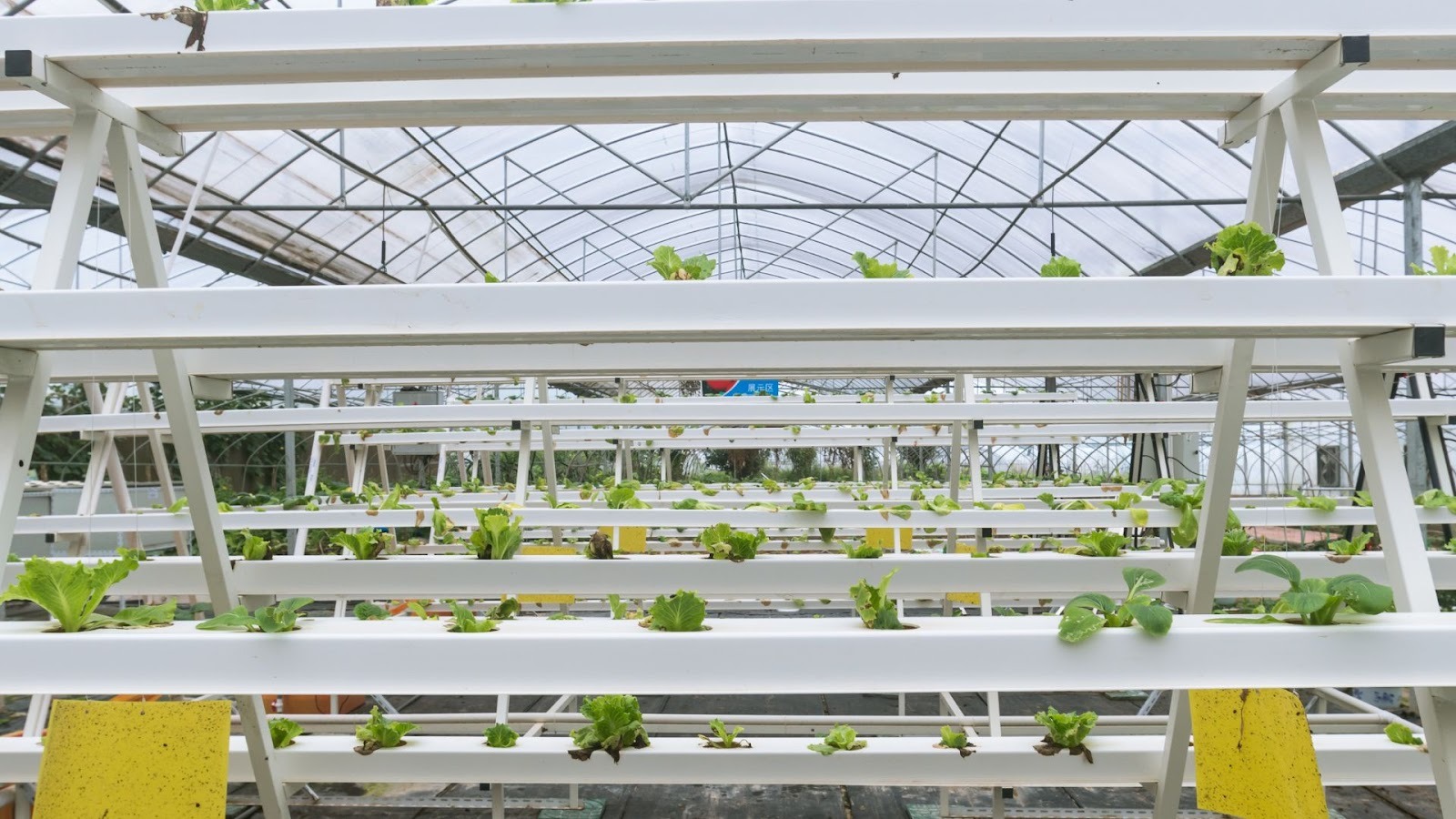
Each system has its own setup, maintenance requirements, and suitability depending on grow space, experience level, and cultivation goals. Below, we explore the most common hydroponic systems used for indoor cannabis cultivation.
1. Deep Water Culture (DWC)
In DWC, cannabis roots are suspended directly in oxygenated nutrient-rich water. Air pumps supply oxygen to prevent root suffocation, while nutrients are delivered continuously.
Pros:
- Rapid growth due to constant nutrient access
- Simple design, ideal for beginners
- Less frequent monitoring compared to other systems
Cons:
- Risk of root rot if oxygenation fails
- Water temperature must be controlled
- Limited scalability for large operations
Best Use: Small to medium-sized indoor grows or individual plants requiring fast growth.
2. Nutrient Film Technique (NFT)
Nutrient Film Technique circulates a thin film of nutrient solution over roots in sloped channels, ensuring constant nutrient flow. The roots absorb what they need while excess solution recirculates.
Pros:
- Efficient water and nutrient use
- Promotes strong root development
- Ideal for continuous production cycles
Cons:
- Channel clogs can disrupt nutrient delivery
- It requires consistent monitoring
- Less suitable for heavy or large plants
Best Use: Small to medium setups, particularly for leafy strains or fast-growing cannabis varieties.
3. Ebb and Flow (Flood and Drain)
Ebb and Flow periodically flood plant roots with nutrient solution. The solution then drains back into a reservoir, providing nutrients and oxygen alternately.
Pros:
- Encourages strong root systems
- Reduces risk of overwatering
- Flexible for different container sizes
Cons:
- Pumps and timers must be maintained
- Requires accurate scheduling to avoid stress
- Higher setup complexity
Best Use: Medium-scale indoor grows with moderate maintenance capacity.
4. Drip System
Drip systems deliver nutrient solution slowly to each plant via emitters. Excess solution can be recaptured and recirculated.
Pros:
- Highly customizable for different plant needs
- Efficient water and nutrient usage
- Can scale easily for larger grows
Cons:
- Emitters can clog, requiring maintenance
- Setup complexity higher than DWC
- Requires monitoring to ensure even distribution
Best Use: Larger indoor operations or growers with diverse plant strains.
5. Aeroponics
Aeroponics suspends roots in air and sprays them with a nutrient-rich mist at intervals. This method helps in maximizing oxygen exposure.
Pros:
- Promotes extremely fast growth
- Excellent oxygenation for roots
- High yields when managed properly
Cons:
- Complex setup and maintenance
- Vulnerable to pump failures
- Best suited for experienced growers
Best Use: Advanced growers seeking maximum growth rates and high-quality buds.
No matter which hydroponic system you use, PlanaCan can help you stay on top of nutrient schedules, environmental conditions, and workflow management. Its interactive calendar allows you to plan daily tasks and long-term operations with ease.
In the next section, we explore the key factors to consider before investing in a hydroponic system.
Suggested Read: How to Identify and Handle White Mold on Cannabis
Factors to Consider Before Selecting a Hydroponic System
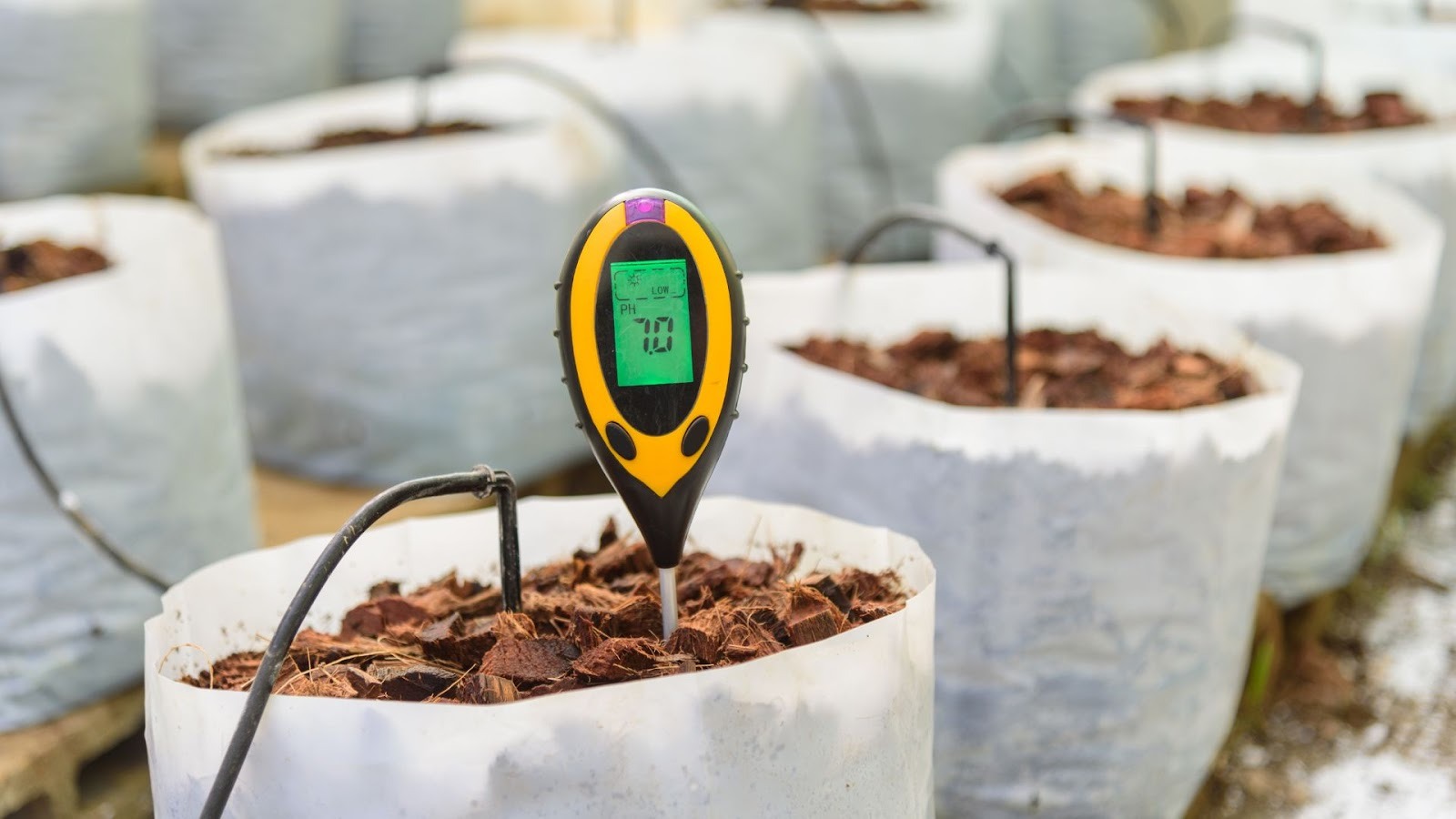
Choosing the right hydroponic system is more than just picking a setup that looks appealing. It can directly impact plant health, yield, and your overall growing experience.
Understanding the following factors will help ensure your system matches your space, budget, and cultivation goals:
- Space Availability: Consider the size of your grow area and whether vertical or compact systems are needed.
- Budget and Setup Costs: Initial investment and ongoing maintenance should fit your financial plan.
- Maintenance Complexity: Some systems require frequent monitoring, cleaning, and adjustments.
- Plant Strain Requirements: Certain strains may thrive better in specific systems due to root structure or growth speed.
- Growth Stage Flexibility: Ensure the system can support both vegetative and flowering stages efficiently.
- Scalability: If you plan to expand your grow operation, choose a system that can grow with you.
These considerations will help you make an informed choice that maximizes efficiency and yield. Next, let’s look at how proper nutrient management is critical to getting the most out of any hydroponic system.
Nutrient Management in Hydroponics
Since plants rely entirely on the nutrient solution for their minerals and trace elements, any imbalance can quickly affect development, potency, and overall plant health.
Understanding key metrics and how to adjust them ensures your hydroponic cannabis growing system delivers consistent results.
1. Monitoring Electrical Conductivity (EC)
Electrical Conductivity measures the concentration of dissolved salts in your nutrient solution, indicating how strong the solution is. Maintaining the correct EC ensures plants receive sufficient nutrients without overfeeding or underfeeding.
2. Maintaining Optimal pH Levels
pH affects nutrient availability and uptake in cannabis roots. Keeping the solution within the recommended pH range (typically 5.5–6.5) prevents nutrient lockout and promotes healthy growth.
3. Adjusting Nutrient Ratios
Different growth stages require varying ratios of nitrogen (N), phosphorus (P), and potassium (K), as well as secondary nutrients and trace minerals. Adjusting the formula based on plant needs helps maximize vegetative growth and flowering potential.
4. Oxygenation of Roots
Adequate oxygen in the root zone prevents root rot and promotes nutrient absorption. Air stones, pumps, or misting systems are commonly used to maintain optimal oxygen levels in hydroponic setups.
PlanaCan gives you a clear overview of your entire grow, highlighting opportunities to tweak nutrients, lighting, or flow rates. Actionable insights and organized scheduling can make your hydroponic setup smarter and more efficient.
Next, we will explore ways to optimize your hydroponic system to achieve maximum yield and efficiency.
Optimizing Hydroponic Systems for Maximum Yield
From nutrient ratios to oxygenation and light cycles, small adjustments can make a big difference in growth and potency.
Here are key strategies to maximize yield:
- Fine-Tune Nutrient Solutions: Adjust NPK ratios and trace elements according to growth stage for optimal health and bud production.
- Monitor pH and EC Regularly: Keeping pH and electrical conductivity within ideal ranges ensures efficient nutrient uptake.
- Maintain Optimal Oxygenation: Adequate oxygen at the roots prevents stress and promotes faster growth.
- Optimize Light Cycles: Adjust intensity and duration of light to match vegetative and flowering stages.
- Ensure Proper Temperature and Humidity: Stable environmental conditions reduce stress and minimize the risk of mold or nutrient deficiencies.
- Regular System Maintenance: Clean and inspect pumps, reservoirs, and tubing to prevent clogs or contamination.
By applying these practices consistently, you can extract maximum performance from your hydroponic setup. Next, we will see how using technology can make these adjustments smarter and more manageable.
Suggested Read: Understanding Cannabis Plant Anatomy: Nodes and Internodes
PlanaCan Works For Smarter Hydroponic Cannabis Growth
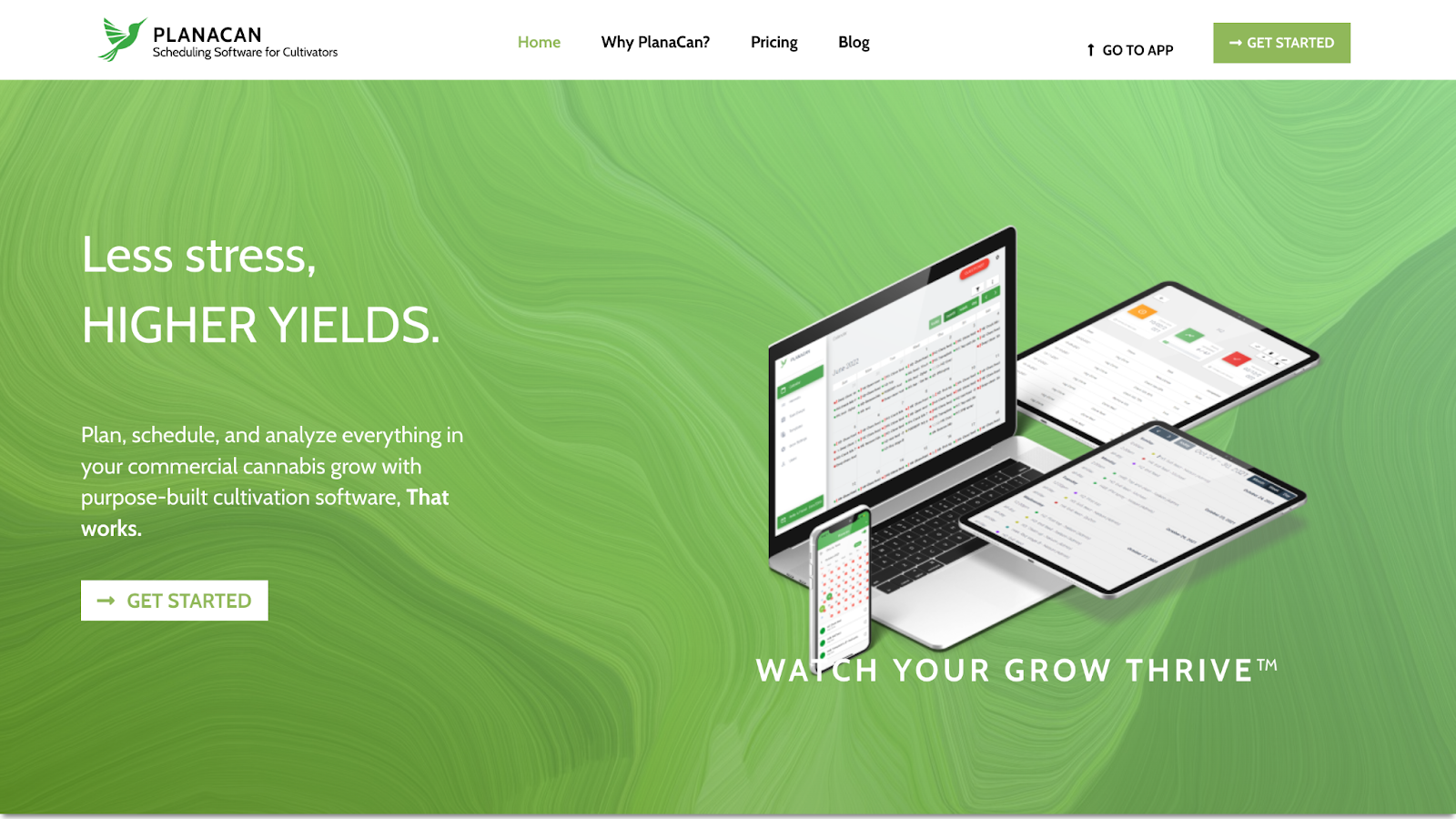
PlanaCan simplifies this process by offering tools that help you track, plan, and optimize every aspect of your grow. From nutrient schedules to environmental tweaks, PlanaCan ensures your system runs efficiently and your plants reach their full potential.
These are a few features that make us industry leaders:
1. Interactive Growth Calendar
PlanaCan’s calendar allows you to schedule daily and long-term tasks, from nutrient changes to lighting adjustments. You can visualize your entire grow cycle at a glance and receive reminders for critical maintenance.
2. Nutrient and EC Tracking
Keep track of your NPK ratios, EC levels, and pH values with accuracy. PlanaCan helps you record adjustments and analyze trends, ensuring plants consistently receive the right nutrients.
3. Workflow Optimization
Improve your grow operations by organizing tasks, monitoring progress, and identifying areas for improvement. PlanaCan centralizes all your grow data, making it easier to make informed decisions. The best part is your team can stay on top of things at all times with our intuitive apps.
4. Data-Driven Insights
Analyze performance metrics and generate reports to understand what’s working and what needs adjustment. PlanaCan’s insights help you fine-tune your system for maximum yield and quality.
PlanaCan transforms hydroponic cannabis cultivation from a manual, error-prone process into a smart, data-driven operation. We make it easier for growers to achieve consistent, high-quality results with our competitive pricing and free trial periods.
Conclusion
Hydroponic cannabis cultivation offers faster growth, higher yields, and nutrient control compared to soil-based methods. However, it requires constant monitoring and fine-tuning of nutrients, pH, EC, and environmental conditions to ensure plants thrive.
PlanaCan makes managing a hydroponic grow room effortless by centralizing task scheduling, nutrient tracking, and environmental monitoring. Its data-driven insights and interactive tools help you avoid mistakes and achieve high-quality harvests in every type of cannabis growing system.
Take control of your hydroponic cannabis grow today. Schedule a free call to see how PlanaCan can upgrade your operation.
Frequently Asked Questions
1. What is the quickest way to grow cannabis?
The fastest method for growing cannabis is hydroponics, where plants receive nutrients directly through water. Optimized conditions for pH, EC, oxygen, and light accelerate vegetative and flowering stages, producing quicker growth compared to soil-based cultivation.
2. What are the different growing methods for cannabis?
You can grow marijuana in soil, hydroponic systems, aeroponics, and aquaponics. Each method offers different levels of control over nutrients, water, and environmental conditions, affecting growth speed, yield, and plant health. Indoor and outdoor setups also influence results.
3. Where does cannabis grow the best?
Cannabis grows best in controlled environments with adequate light, moderate temperatures, stable humidity, and nutrient-rich soil or hydroponic solutions. Indoor hydroponic setups provide control, while outdoor grows depend on regional climate, sunlight, and soil quality for optimal growth.
4. What is the best hydroponic system for cannabis?
The best hydroponic system depends on grower experience, space, and plant needs. Deep Water Culture (DWC), Nutrient Film Technique (NFT), Ebb & Flow, Drip Systems, and Aeroponics each have advantages. DWC and Aeroponics are preferred for rapid growth and high yields.