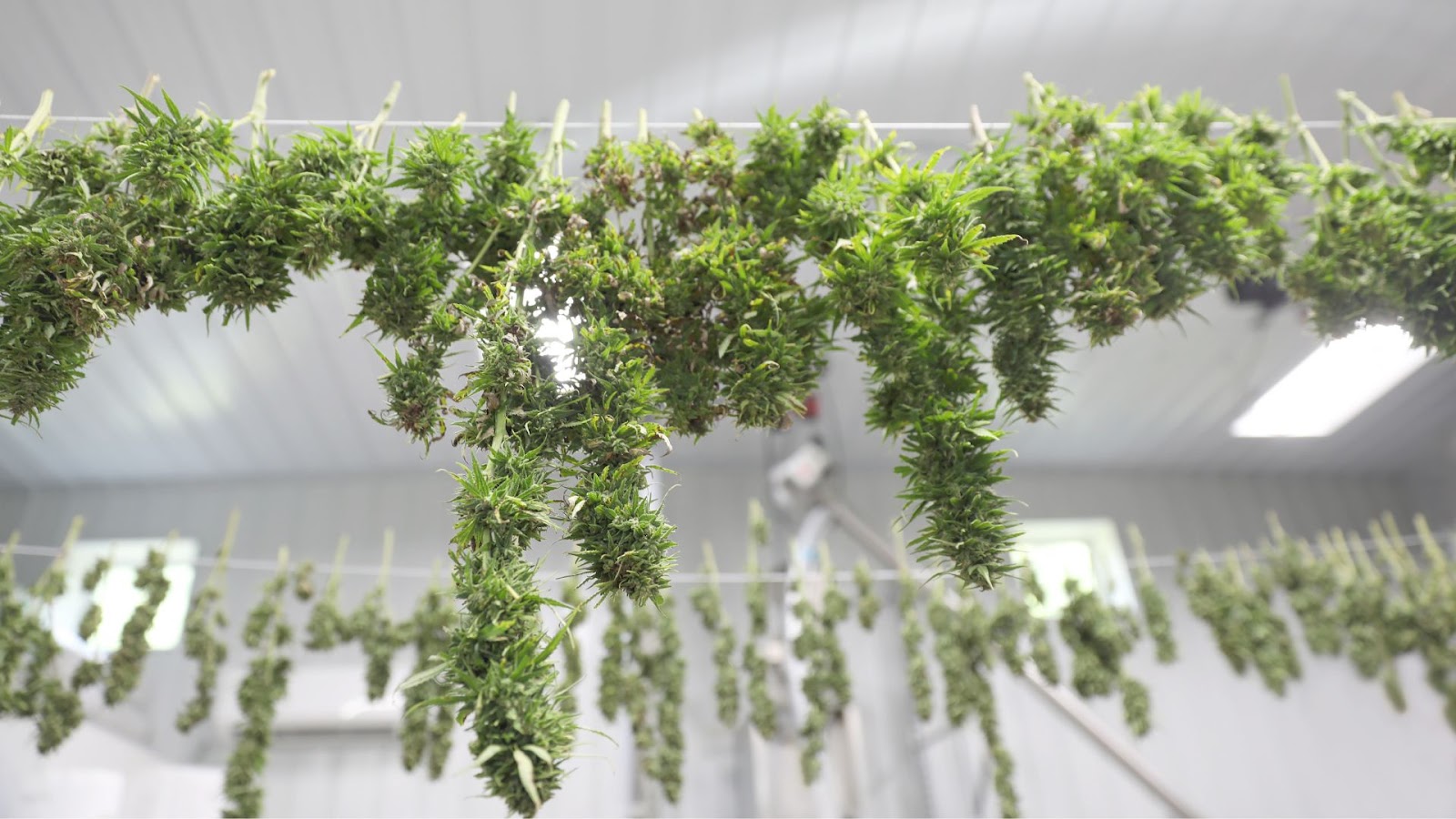
Drying can make the difference between a smooth, flavorful smoke and harsh, flavorless buds. Many growers struggle here. Too much moisture risks mold, while overdrying leaves buds brittle and weak in flavor. The 60/60 drying method has become a trusted standard for solving this issue.
This simple approach helps preserve cannabinoids and terpenes while minimizing the risks associated with improper drying. In this guide, we will break down the method, explain why it works, and show you how to apply it for consistently high-quality results.
Brief breakdown:
- The 60/60 drying method involves maintaining roughly 60°F temperature and 60% relative humidity to dry cannabis slowly and evenly, preserving potency, flavor, and aroma.
- Understanding this method is crucial to avoiding common drying mistakes that can lead to mold, harsh smoke, or uneven buds.
- Proper drying reduces harshness, prevents mold, and ensures a smooth, enjoyable smoke with consistent quality.
- Careful monitoring and spacing during drying help buds cure evenly, maintain shelf life, and retain the desired flavor and aroma.
What is the 60/60 Drying Method?
The 60/60 drying method for cannabis involves keeping your drying environment stable at 60°F (15–16°C) with 60% relative humidity, creating conditions that slow the drying process without risking mold or terpene loss.
Key points:
- Temperature: Maintain a steady 60°F to prevent cannabinoids and terpenes from degrading.
- Humidity: Keep relative humidity at 60% to avoid overdrying or mold growth.
- Airflow: Ensure gentle air circulation to maintain consistency without directly blowing on the buds.
- Duration: Typically takes 10–14 days, depending on bud size and density.
When you look at it closely, the 60/60 method is less about strict rules and more about creating the perfect balance for your buds. But why does this balance matter so much? The answer lies in the real advantages growers see once they use it.
Suggested Read: Simple DIY Cannabis Drying Rack Solutions
Benefits of the 60/60 Method
The beauty of the 60/60 method is in its simplicity. By sticking to consistent temperature and humidity, you give your buds the best chance to dry evenly without losing potency or flavor.
This careful balance has several clear benefits:
- Preserves Cannabinoids and Terpenes: The controlled environment prevents sensitive compounds from degrading, ensuring your cannabis keeps its full strength, aroma, and therapeutic value.
- Reduces Risk of Mold: Consistent airflow and humidity stop moisture from lingering, which helps protect buds from mold growth and keeps your harvest safe.
- Ensures Even Drying: By maintaining steady conditions, buds dry uniformly from the inside out, avoiding the problem of crispy exteriors and damp cores.
- Creates a Smoother Smoke: Properly dried cannabis reduces harsh chlorophyll flavors, making for a cleaner, more enjoyable smoking or vaping experience.
- Extends Shelf Life: Cannabis dried with the 60/60 method stores better, resisting breakdown and preserving quality for months without losing potency.
The real win is that these benefits directly affect the way your cannabis looks, smells, and performs. And to understand why this method matters so much, it helps to take a closer look at why drying itself is one of the most critical stages in the entire growing process.
Importance of Proper Cannabis Drying
Drying is often underestimated, but it is the bridge between cultivation and consumption. Even the best-grown cannabis can lose its value if dried too fast, too slow, or in poor conditions.
Getting this stage right is what separates a premium product from a disappointing one. These are a few other reasons for paying attention to the drying process:
- Preserves Potency: Proper drying ensures cannabinoids like THC and CBD are not lost to heat, light, or poor airflow.
- Protects Flavor and Aroma: Terpenes are fragile, and drying them gently keeps the complex scent and taste of your strain intact.
- Reduces Harshness: Controlled drying helps chlorophyll break down naturally, avoiding the grassy taste of rushed drying.
- Prevents Mold and Spoilage: Maintaining stable conditions avoids excess moisture, protecting buds from mold or bacterial growth.
- Improves Long-Term Storage: Well-dried cannabis cures better and can be stored for longer without losing quality.
Once you see how crucial this stage is, the question becomes how to dry your cannabis in a reliable, repeatable way. That is where the 60/60 method shines. Let us break it down step by step in the next section.
Step-by-Step Guide to the 60/60 Method
The 60/60 method might sound simple. All you need to do is maintain a 60°F temperature and 60% humidity. Right?
Executing it consistently requires attention to detail. Here is how to set it up and maintain it throughout the drying period.
Step 1: Prepare the Drying Space
Choose a dark, well-ventilated room with enough space for airflow. Clean thoroughly to prevent dust, mold, or contaminants from coming into contact with your buds.
- Use a hygrometer and thermometer to monitor conditions
- Block out direct light to preserve potency
- Wipe surfaces to eliminate dust and spores
Pro Tip: Think of this like prepping a kitchen before cooking. You do not start with dirty counters or broken tools. The same goes for drying cannabis.
Step 2: Hang and Space the Buds
Trim large fan leaves and hang branches or place buds on drying racks. Make sure air can flow around each bud without obstruction.
- Do not overcrowd branches
- Use clothes hangers, nets, or racks
- Maintain at least a few inches of space between buds
Pro Tip: Imagine drying laundry. Pile everything in a heap and it will stay damp; spread it out and it dries evenly. Cannabis works the same way.
Step 3: Maintain Consistent 60/60 Conditions
Keep the room stable at 60°F with 60% relative humidity. Sudden changes can ruin terpenes or increase mold risk.
- Use fans for gentle circulation (never directly on buds)
- A humidifier/dehumidifier can fine-tune humidity
- AC or heaters help adjust the room temperature
Pro Tip: Do not chase the perfect number minute by minute. Aim for stability over time. Small fluctuations are normal; panicked adjustments cause more harm.
Step 4: Monitor Progress Daily
Drying usually takes 10–14 days, depending on bud size and density. Daily checks prevent surprises.
- Stems should snap, not bend, when ready
- Buds should feel dry outside but slightly spongy inside
- Look for early signs of mold or overdrying
Pro Tip: Trust your senses. Touch, smell, and even the sound of a snapping stem tell you more than numbers alone.
PlanaCan helps cannabis growers maintain ideal drying conditions by automating tasks related to temperature and humidity control. Its real-time monitoring ensures consistency, reducing risks of mold, overdrying, or terpene loss.
Drying cannabis this way is all about balance and patience. However, even with careful attention, things can still go wrong. Let's examine the most common challenges and how to address them.
Suggested Read: How to Grow Medical Marijuana: Step-by-Step Guide
Challenges and Fixes in the 60/60 Drying Method
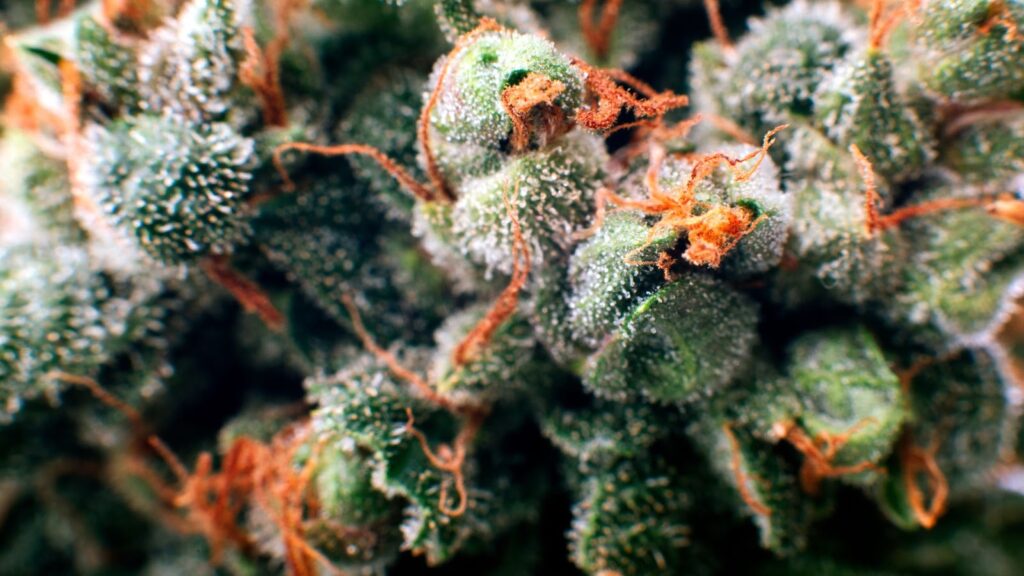
Small mistakes in temperature, humidity, or airflow can lead to mold, slow drying, or terpene loss. The good news is that most issues are easy to prevent or correct once you know what to look for.
These are a few common mistakes and their quick fixes:
- High Humidity: Excess moisture can cause mold or mildew.
Fix: Use a dehumidifier or increase airflow slightly, and check daily for signs of mold.
- Low Humidity: Buds can dry too quickly, becoming brittle and harsh.
Fix: Introduce a humidifier or damp cloth in the room to maintain steady 60% humidity.
- Temperature Fluctuations: Sudden heat or cold stresses buds, affecting potency.
Fix: Adjust heaters or air conditioning gradually, aiming for a stable 60°F throughout drying.
- Poor Air Circulation: Stagnant air leads to uneven drying and localized mold.
Fix: Use fans to circulate air gently without blowing directly on buds.
- Overcrowding Buds: Crowded branches prevent even airflow and slow drying.
Fix: Space buds properly on racks or hangers, leaving a few inches between each branch.
With these challenges managed, your cannabis is ready to move from drying to the next crucial step: curing. Proper curing locks in flavor, aroma, and potency, ensuring your harvest reaches its full potential.
How to Cure Cannabis?
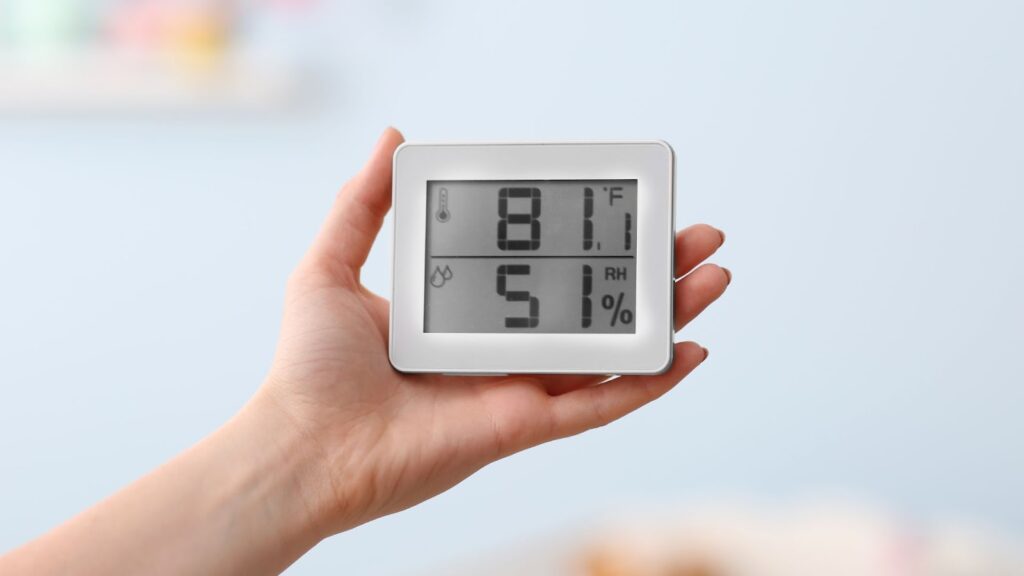
Curing is the final step after drying that transforms your buds from good to great. The goal is to slowly release remaining moisture and allow cannabinoids and terpenes to fully develop.
This is how you can cure your marijuana buds properly:
- Store It: Glass jars or sealed containers help control moisture and protect buds from external contaminants.
- Burp Daily: Open jars for a few minutes each day to release excess moisture and allow fresh air in.
- Monitor Humidity: Keep internal humidity around 58–62% for optimal curing conditions.
- Store in a Dark, Cool Place: Light and heat degrade cannabinoids and terpenes, so choose a stable environment.
- Cure for 2–4 Weeks (or Longer): Longer curing enhances flavor and smoothness, but even a short cure is better than none.
PlanaCan helps growers plan and track the curing process, ensuring jars are burped on schedule and humidity is monitored consistently. Its AI-driven template can make it easy for you to manage timing and workflows, reducing the risk of mistakes.
Once curing is complete, the next step is learning how to store dried cannabis properly to maintain quality over time.
Suggested Read: How to Tell if Your Cannabis is Dry and Ways to Rehydrate It
6 Ways to Store Dried Weed
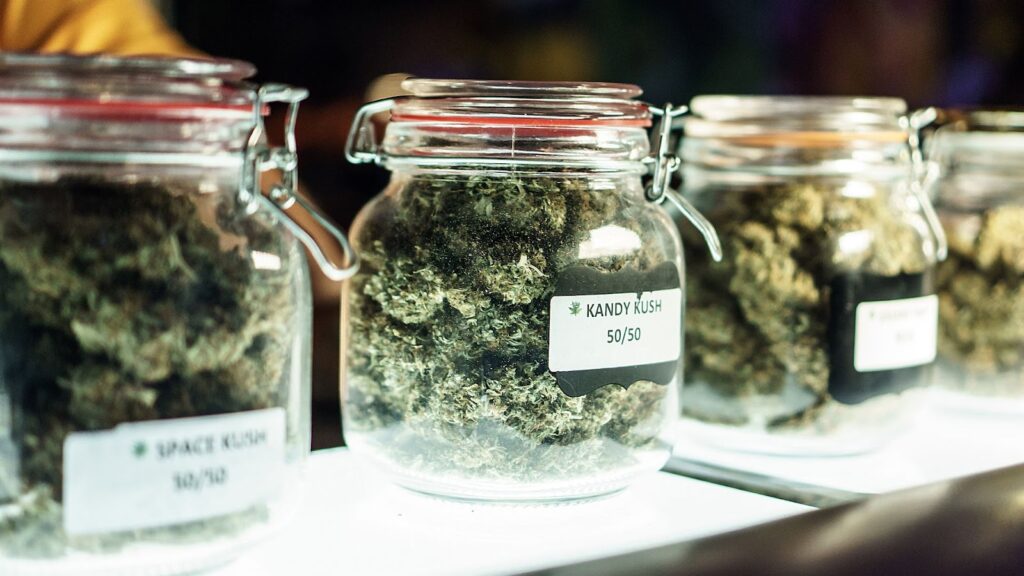
Once cannabis is properly dried and cured, storage becomes the key to preserving its potency, flavor, and aroma. The right storage techniques protect buds from light, air, and moisture, all of which can degrade cannabinoids and terpenes over time.
Here are some practical ways to store your dried cannabis effectively:
- Glass Jars with Humidity Packs: Ideal for long-term storage, maintaining consistent moisture, and preventing mold.
- Vacuum-Sealed Bags: They remove excess air, slowing degradation of cannabinoids and terpenes for extended shelf life.
- Opaque or Dark Containers: These block light exposure, which can break down THC and terpenes over time.
- Freezing for Long-Term Storage: Properly vacuum-sealed and frozen, cannabis can last months without significant potency loss.
- Temperature-Controlled Cabinets: Specialized storage units maintain stable temperature and humidity for optimal preservation.
- Separate by Strain or Batch: Avoid cross-contamination of aroma and potency by keeping strains individually packaged.
Proper storage ensures your cannabis remains high-quality long after harvest. To truly optimize the grow, many cultivators are now turning to technology to manage everything from drying to curing and storage efficiently.
Need for Incorporating Tech in Your Growth Cycle

Managing a cannabis grow involves multiple stages, such as seedling, vegetative, flowering, drying, curing, and storage. Missing a step or mismanaging a task can impact potency, flavor, and yield.
Incorporating technology helps optimize workflows, track progress, and reduce human error. These are a few other reasons:
- Automated Scheduling: Digital tools can remind you when to water, feed, or check environmental conditions.
- Task Tracking: Keep your team accountable and ensure every step in the growth cycle is completed on time.
- Data Logging: Record nutrient applications, drying conditions, and harvest metrics to analyze performance and refine strategies.
- Alerts and Notifications: Get real-time updates on deviations in schedules, nutrient plans, or environmental conditions.
- Consistency Across Batches: Technology helps standardize processes, reducing variability between different grows or strains.
With these capabilities, tech integration makes it easier to maintain high-quality yields and consistent results. The next step is exploring a solution specifically designed for cannabis growers to manage these processes: PlanaCan.
How Does PlanaCan Help Cannabis Growers?
PlanaCan is designed to simplify the growth and harvest process by providing AI-driven planning and scheduling tools. From the flowering stage to drying, curing, and storage, it helps ensure that no step is overlooked and your workflow stays organized.
These are a few features that differentiate us:
- Real-Time Notifications and Workflow Alerts
PlanaCan can notify you when key tasks are due, such as starting the drying process or burping jars during curing. These real-time reminders reduce the chance of missed steps. Our iOS and Android app alerts teams to respond quickly if something goes off schedule.
- Strain-Specific Templates
PlanaCan allows you to create and save templates tailored to different cannabis strains. This ensures each strain receives the optimal feeding, drying, and curing schedule based on its unique growth characteristics.
- Collaboration and Team Management
Grow operations often involve multiple team members. PlanaCan lets you assign responsibilities, track who completed tasks, and maintain clear communication, reducing errors and improving efficiency.
- Harvest Planning and Yield Forecasting
By tracking previous cycles, PlanaCan can help you estimate harvest timing, expected yields, and resource needs. This helps in planning storage, marketing, and distribution efficiently.
- Workflow Optimization and Analytics
Analyze past grows to see where time, nutrients, or resources were most effective. PlanaCan’s analytics can guide improvements in drying, curing, and nutrient schedules for better consistency and quality.
- Record Keeping
For licensed growers, maintaining records is essential. PlanaCan can organize data on nutrient usage, drying logs, and harvest dates.
PlanaCan provides structure, oversight, and actionable insights that simplify complex workflows. The tool helps growers maintain quality and maximize results at every stage of cultivation.
Conclusion
Using innovative methods like the 60/60 drying technique can make a real difference in your harvest. Proper temperature, humidity, and airflow help preserve potency, flavor, and aroma, while mistakes can lead to mold, harsh smoke, or uneven buds. Paying attention to these details ensures your hard work in the grow room pays off in quality results.
PlanaCan can help you stay on top of every stage of your grow, from scheduling feedings to tracking drying and curing tasks. Its AI-driven templates and task reminders reduce errors, keep your workflow organized, and help you maintain consistent quality across all batches.
Take control of your grow and protect your harvest. Schedule a free call to see how we can refine your workflow.
Frequently Asked Questions
1. Is 60% Humidity Too High for Drying?
No, 60% relative humidity is ideal for slow, even drying. It prevents buds from becoming too dry or brittle while reducing mold risk, allowing cannabinoids and terpenes to fully develop.
2. What Are the Benefits of the 60/60 Drying Method?
The 60/60 method preserves potency, flavor, and aroma while minimizing mold risk. It ensures even drying, smoother smoke, and better shelf life, giving growers consistent results and high-quality buds with minimal guesswork.
3. What Is the Best Temperature and Humidity for Drying Buds?
Maintain roughly 60°F (15–16°C) and 60% relative humidity. These conditions slow drying just enough to retain terpenes and cannabinoids, prevent mold, and allow buds to cure evenly, ensuring maximum flavor and potency.
4. How Long Should I Dry Cannabis Using the 60/60 Method?
Typically 10–14 days, depending on bud size and density. Daily checks help ensure stems snap but buds remain slightly spongy inside, signaling readiness for curing.
5. Can I Use Fans During Drying?
Yes, gentle airflow is important. Use fans to circulate air without directly blowing on buds, which prevents uneven drying, reduces mold risk, and maintains optimal terpene preservation.