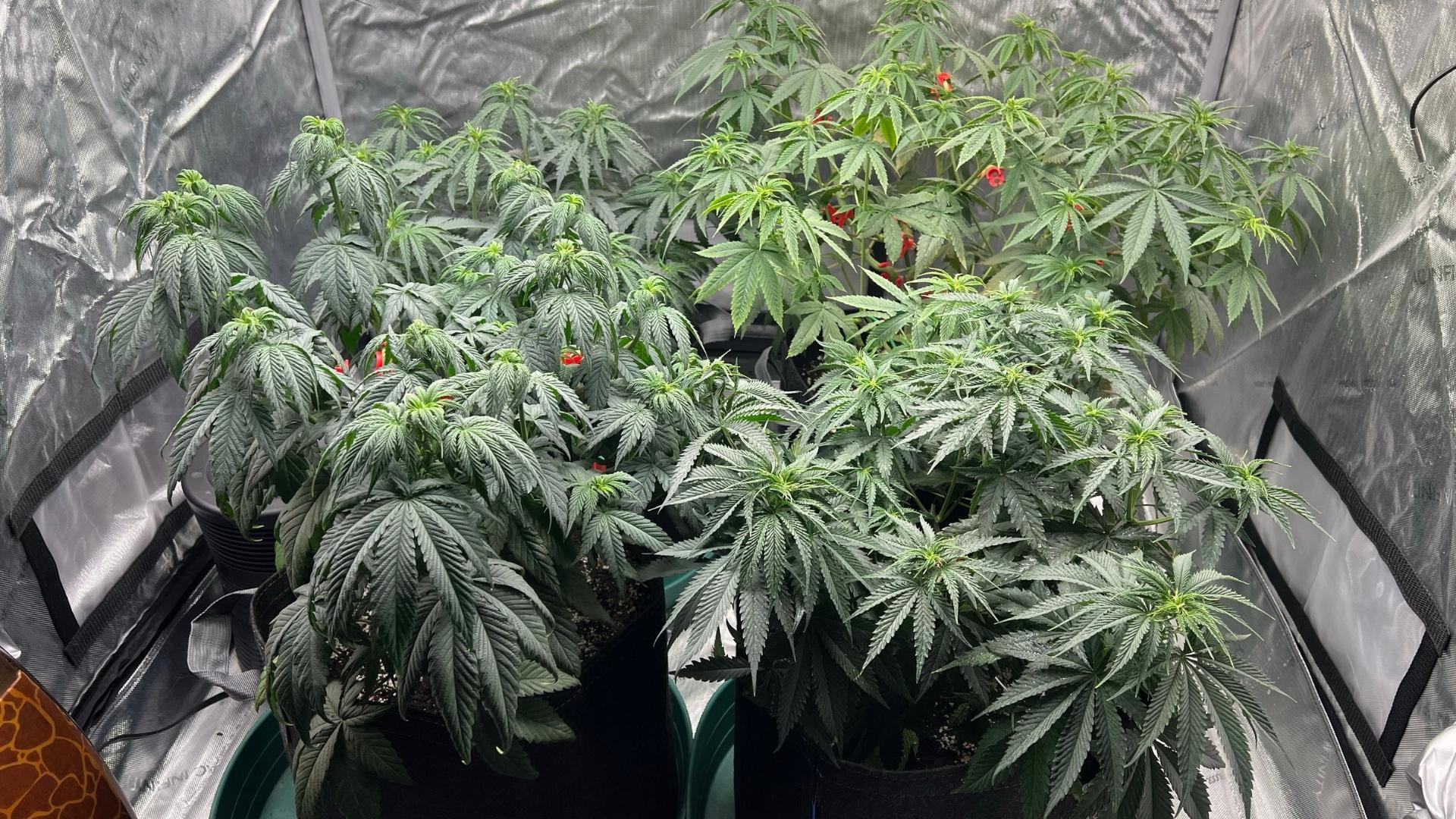
Switching to flowering at the wrong time can lock in weak results long before harvest. Many growers assume potency is determined late in the cycle, but research shows cannabinoid production ramps up during the flowering stage, not during vegetative growth. If the transition is mistimed, plants enter flowering without the structure or energy needed to maximize resin development.
This guide explains when to switch from vegetative to flowering for maximum potency, what plant signals actually matter, and how to avoid timing decisions that quietly cap THC and terpene potential before buds even begin to form.
In brief:
- The flowering switch locks in results. Yield, potency, and flower quality are largely determined by plant readiness at the veg-to-flower transition.
- Timing beats calendar age. Structural health, canopy coverage, and stability matter more than how long plants stayed in veg.
- Lighting triggers more than flowering. The light switch drives hormonal, nutrient, and growth behavior changes that must be coordinated.
- Mistimed switches create irreversible losses. Switching too early or too late limits the number of flower sites, efficiency, and cannabinoid potential.
- Structured scheduling improves consistency. Aligning growth phases, nutrients, and execution reduces variability across cycles.
Need for Vegetative to Flowering Transition
The vegetative-to-flowering transition is the point at which a cannabis plant shifts from building structure to producing flowers and cannabinoids. This change is primarily triggered by light-cycle adjustment, but its success depends on the plant’s readiness.
A poorly timed transition can limit canopy development, reduce flower sites, and restrict potency potential. These are a few reasons why this transition matters:
- Locks in Plant Structure: The size, branching, and canopy shape at transition determine how many flower sites can develop.
- Sets Potency Potential: Cannabinoid production ramps up during flowering, making pre-transition health and structure critical.
- Controls Stretch and Spacing: Timing affects how much plants stretch after the light switch.
- Impacts Yield Efficiency: Switching too early or too late reduces usable biomass and light penetration.
Knowing what the transition does is only part of the decision. The next section explains how to tell when a cannabis plant is truly ready to enter flowering.
Suggested Read: Tips to Increase the Potency of Your Cannabis Plants
Signs a Cannabis Plant Is Ready to Flower
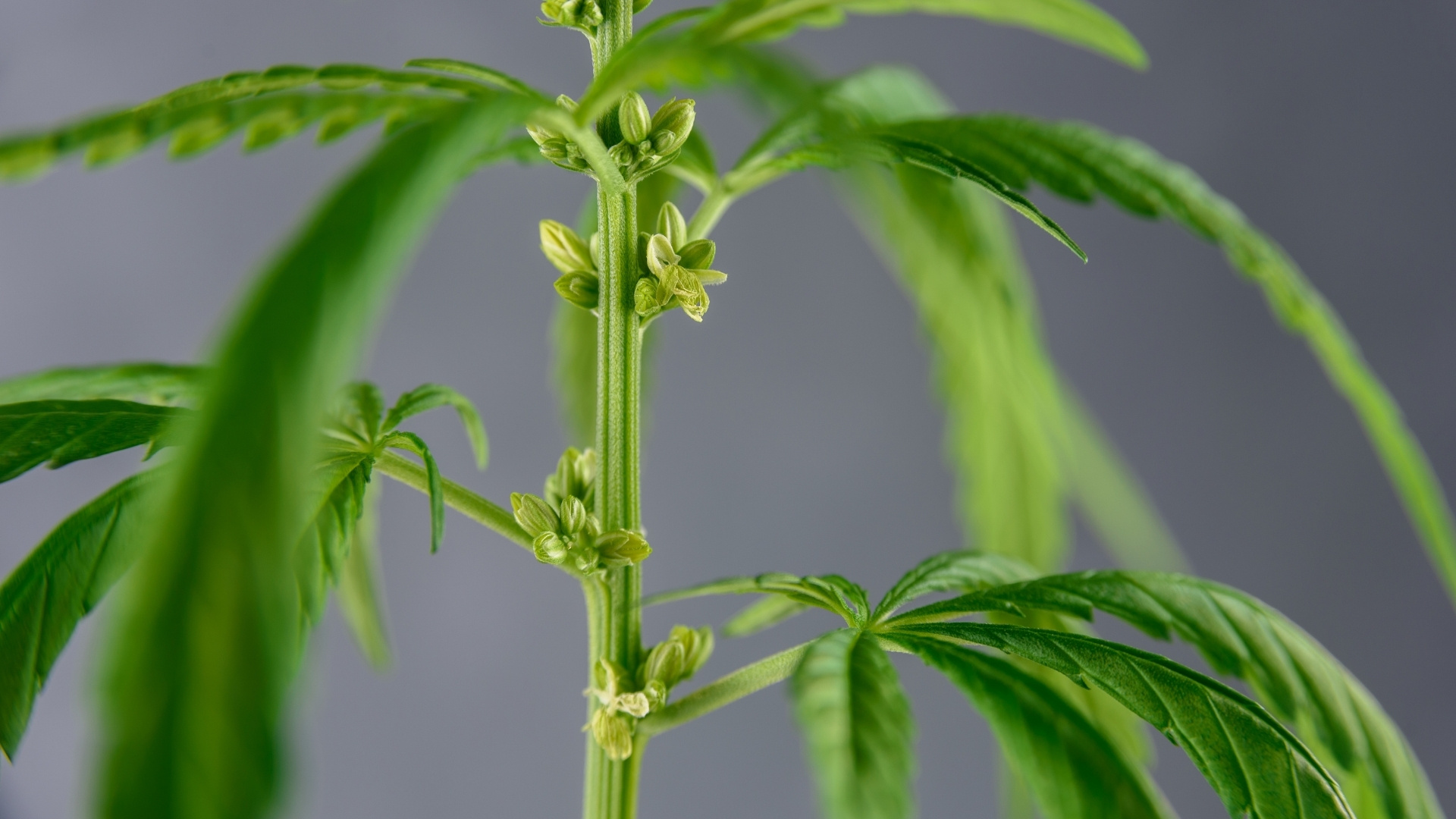
Not every healthy-looking plant is ready to transition into flowering. The decision should be based on structure, health, and growth behavior rather than calendar age.
Recognizing these signs helps ensure plants enter flowering with the capacity to support potent bud and resin development.
1. Structural Readiness
A plant must have enough physical structure to support flower weight and post-switch stretch. Weak structure at transition limits usable flower sites and increases stress later.
Signs include:
- Strong main stem with visible lateral branching
- Even canopy height across the grow space
- Adequate spacing between branches for light penetration
2. Canopy Coverage
Flowering success depends on how well the canopy can capture light. Sparse or uneven coverage often leads to underdeveloped buds and inconsistent potency.
Signs include:
- Canopy fills a meaningful portion of the available footprint
- No large gaps or overcrowded sections
- Light reaches lower growth without heavy shading
3. Overall Plant Health
Plants should enter flowering in a stable, stress-free state. Existing deficiencies or stress responses often worsen once flowering begins.
Signs include:
- Consistent leaf color without yellowing or curling
- No active nutrient deficiencies or toxicities
- Steady growth rate in the days leading up to the switch
4. Root and Nutrient Stability
Strong roots and reliable nutrient uptake are essential before triggering flowering. Weak root systems struggle to support increased metabolic demand.
Signs include:
- Roots established throughout the container
- Stable EC and pH readings in the root zone
- No recent nutrient or environmental shocks
Identifying these readiness signals helps growers avoid premature or delayed transitions. The following section explains how different plant types trigger flowering.
Suggested Read: How Long is the Vegetative Stage for Autoflower Cannabis
How Does Plant Type Affect the Timing
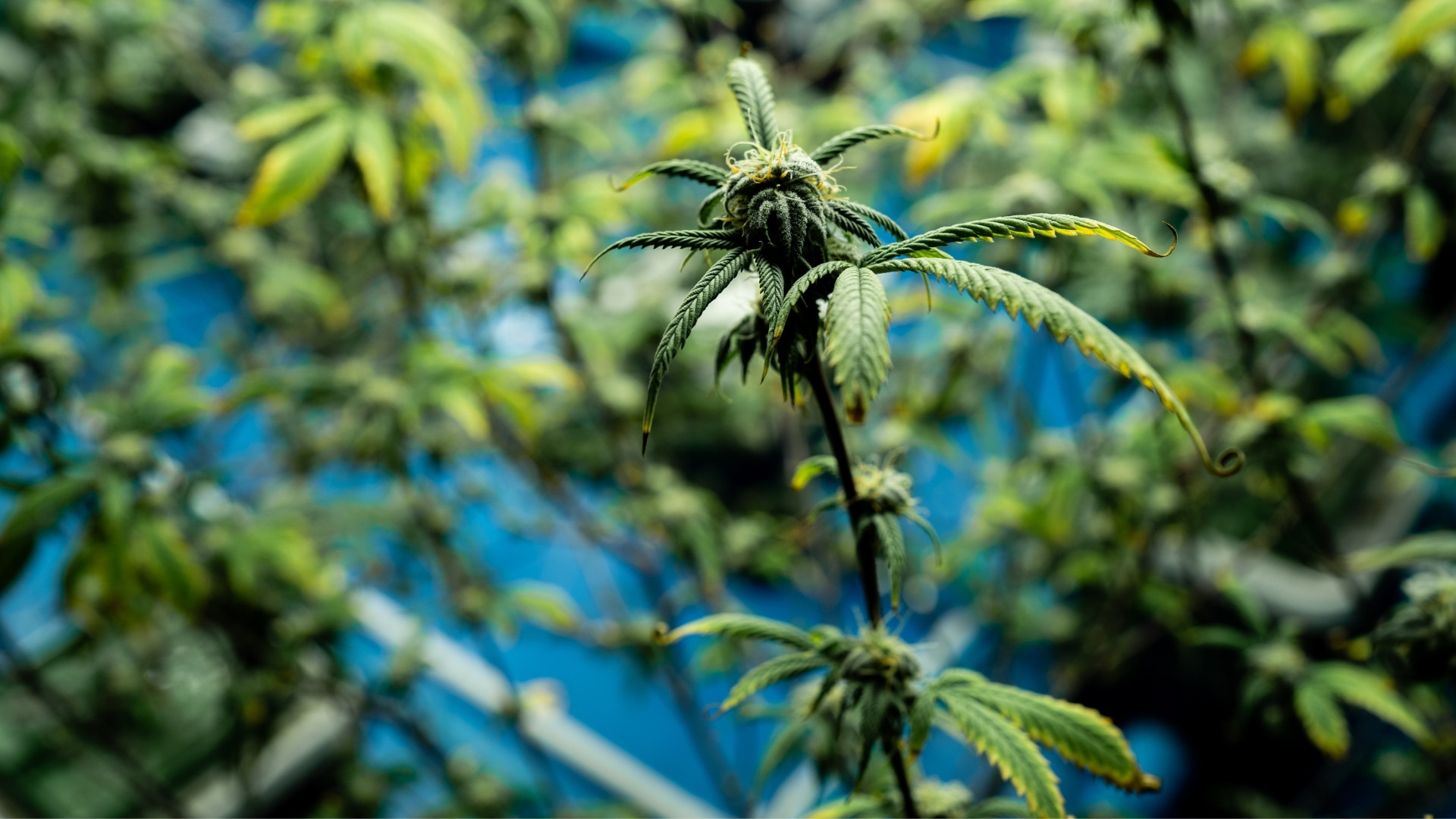
Genetics influence growth rate, stretch behavior, and structural development, making plant type a critical factor when deciding when to switch. Not all cannabis plants transition to flowering at the same pace.
These are a few distinctions you should be aware of:
1. Indica, Sativa, and Hybrid Varieties
Different plant types respond differently to the flowering trigger. Ignoring these differences often leads to space issues or underdeveloped canopies.
This is how different strains react:
- Indica-dominant plants typically require shorter vegetative periods
- Sativa-dominant plants often stretch more and need earlier switches
- Hybrids vary widely and should be evaluated by their growth behavior
2. Clone vs. Seed-Grown Plants
Plant origin affects uniformity and predictability at transition. This plays a major role in timing consistency across rooms. You should know that:
- Clones transition more uniformly due to shared genetics
- Seed-grown plants show more variation in size and readiness
- Mixed origins increase the risk of uneven flowering responses
3. Stretch Expectations After the Switch
Post-switch stretch determines how much vertical and lateral space plants will occupy. Misjudging stretch is one of the most common timing mistakes.
This is what you need to know:
- Some varieties double in height after switching
- Excess stretch reduces light penetration and airflow
- Limited stretch can signal switching too late
PlanaCan helps growers account for plant-type differences by planning vegetative duration around growth behavior, not assumptions. Schedules can be adjusted by variety, room, or batch to reflect expected stretch and transition timing. This keeps flowering switches consistent even when genetics vary. Schedule a demo today.
Environmental Factors That Influence the Switch
Environmental conditions directly affect how well plants handle the transition and how successfully they perform afterward. Ignoring these factors often leads to uneven stretch, stress, or reduced flower development.
Key environmental considerations include:
- Grow Space Height: Available vertical space determines how much post-switch stretch you can safely accommodate.
- Light Intensity and Coverage: Strong, even lighting supports a smoother transition and better flower site development.
- Airflow and Ventilation: Proper airflow reduces stress and supports increased metabolic demand during flowering.
- Temperature Stability: Fluctuations around the switch can slow transition and increase stress responses.
- Room Density: Overcrowded rooms restrict light and airflow, amplifying post-switch issues.
Once environmental conditions align with plant readiness, the switch must be handled carefully. The following section outlines steps to make the vegetative-to-flowering transition smooth and safe.
Suggested Read: Fertilizer Mix for Cannabis Flowering Stage
Steps to Make the Transition from Veg to Flower
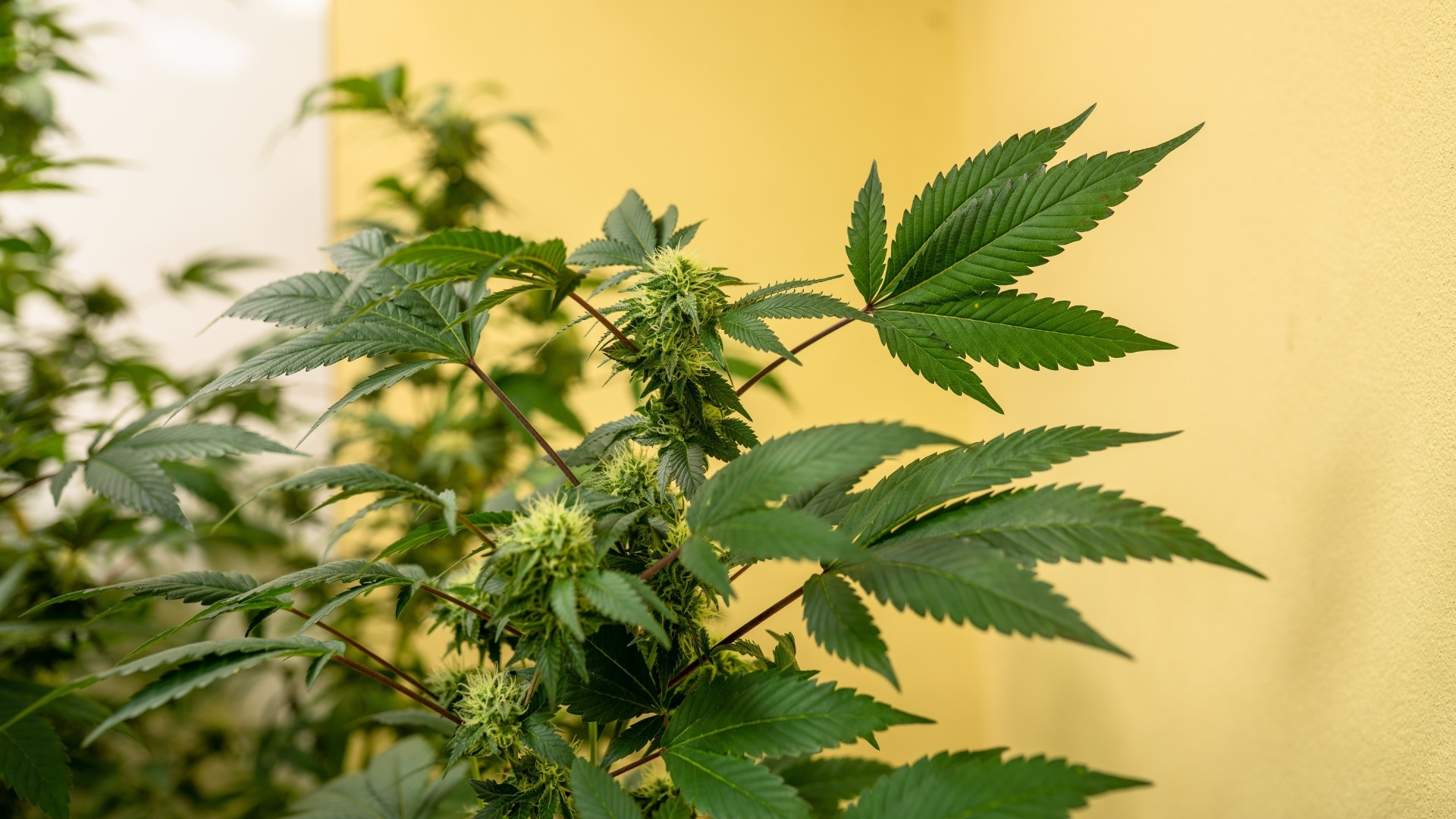
Light, nutrients, and environment must change in a controlled sequence to avoid stress and uneven flowering. Deliberately handling this transition helps plants redirect energy toward bud and resin production.
1. Adjust the Light Cycle to 12/12
Flowering is triggered when plants receive 12 hours of uninterrupted darkness. This light change signals hormonal shifts that initiate bud development. Any light leaks or inconsistent timing can delay flowering or cause stress.
Steps to take:
- Switch lighting from 18/6 or 20/4 to a strict 12/12 schedule
- Ensure complete darkness during the off-cycle
- Maintain consistent on/off timing every day
2. Transition Nutrients for Flowering Demand
Nutrient requirements change as plants move into flowering. Nitrogen demand decreases while phosphorus and potassium become more important for bud formation and energy transfer.
Steps to take:
- Gradually reduce nitrogen rather than cutting it abruptly
- Increase phosphorus and potassium to support early flower development
- Avoid making multiple nutrient changes at once
3. Stabilize Environmental Conditions
Plants are more sensitive during the transition period. Environmental instability can slow flowering and increase stress responses.
Steps to take:
- Keep the temperature and humidity steady during the first two weeks
- Avoid major airflow or CO₂ changes immediately after switching
- Monitor plant response daily for signs of stress
4. Prepare for Post-Switch Stretch
Most cannabis plants stretch after entering the flowering stage. Planning for this growth prevents crowding and light issues later.
Steps to take:
- Anticipate height increase based on plant type
- Adjust trellising or training before the switch
- Maintain even canopy spacing
PlanaCan helps growers coordinate every step of this transition by scheduling lighting changes, nutrient adjustments, and environmental checks in one structured workflow. Tasks are timed by growth stage, not memory, ensuring nothing is missed during this critical window. Start a free trial.
What Happens If You Do Not Time It Right

The timing of the vegetative-to-flowering switch locks in outcomes that cannot be fully corrected later. Switching too early or too late creates different problems, but both limit yield, potency, and consistency. Most timing mistakes only become obvious weeks into flowering, when options are limited.
Table that compares 'too early' vs. 'too late' across key factors:
Poor timing during the veg-to-flower switch creates problems that compound throughout flowering. You need to focus on avoiding extremes and making the transition when plants are structurally ready, healthy, and supported by stable conditions.
Best practices include:
- Base the switch on plant readiness, not calendar age
- Account for the expected stretch before changing the light cycle
- Ensure canopy coverage and airflow are optimized before flowering
- Stabilize nutrients and the environment before making the switch
- Apply the same timing logic consistently across cycles
Getting this right once is helpful. Getting it right every cycle requires structure. The following section explains why structured scheduling is critical for accurately and consistently timing the transition.
Suggested Read: Choosing the Appropriate Soil for Cannabis
Importance of Structured Scheduling in Maximizing Potency
Maximizing potency depends on what happens before and immediately after the flowering switch. When timing decisions are inconsistent or reactive, plants enter flowering underprepared, limiting cannabinoid development later.
This is how scheduling helps:
- Protects Early Flower Development: Ensures plants enter flowering with enough energy and canopy to support resin production.
- Aligns Critical Changes: Coordinates light, nutrient, and environmental shifts into a controlled transition.
- Reduces Stress During Transition: Minimizes plant shock when flowering hormones activate.
- Supports Consistent Cannabinoid Expression: Creates repeatable conditions that help stabilize potency across cycles.
- Prevents Timing Drift Across Grows: Keeps flowering switches consistent across rooms, batches, and harvests.
Without structure, even experienced growers rely on memory and habit. The following section shows how PlanaCan supports consistent scheduling to protect potency potential across every grow cycle.
Suggested Read: Cannabis Flowering Stage: Week 1 Guide
Using PlanaCan to Align Growth Phases With Nutrient Needs

Aligning nutrients with growth phases is critical during the veg-to-flower transition. Minor timing errors in nitrogen reduction or phosphorus and potassium increases can limit canopy efficiency and potency.
PlanaCan is a cultivation planning and execution platform that schedules nutrient changes by growth stage and tracks completion. It gives teams clear visibility so adjustments happen on time, every cycle.
These are a few helpful features for maximum yield:
1. Automated Nutrient Workflows
Automated workflows schedule nutrient changes by growth phase. Nitrogen tapering, bloom feed introductions, and flush windows are triggered in sequence. This prevents late adjustments and overcorrection during early flowering.
2. Interactive Grow Calendars
Interactive calendars map nutrient tasks directly to growth stages. You can see when to adjust NPK ratios across rooms and batches. This visibility reduces missed transitions during overlapping cycles.
3. Real-Time Execution Tools
Grow teams log nutrient tasks directly from the grow floor using iOS and Android apps. Completion is recorded instantly. Managers gain immediate visibility into whether changes happened on time.
4. Standardized Nutrient Templates
Templates lock in proven nutrient schedules for veg, transition, and flower. You apply consistent NPK timing across rooms while allowing controlled adjustments. This reduces variability caused by individual judgment.
5. Task Assignment and Accountability
Nutrient changes are assigned to specific roles. Ownership is clear across shifts. Missed or delayed adjustments are visible before they impact flowering performance.
6. Cross-Cycle Performance Review
Execution data connects nutrient timing to outcomes. You can review past cycles to identify where early or late nutrient changes affected potency. This supports continuous improvement.
By aligning nutrient workflows with growth phases, PlanaCan helps growers protect early flowering performance and potency potential. The platform brings structure to nutrient timing so every cycle follows the same disciplined approach.
Conclusion
The flowering stage determines how much of your vegetative work actually pays off at harvest. Yield, potency, and flower quality are primarily shaped by how prepared plants are when the switch happens. Making the veg-to-flower is one of the most critical decisions in the entire grow cycle.
PlanaCan helps growers take control of that decision by bringing structure to timing, nutrients, and execution. Growth phases, nutrient adjustments, and daily tasks are planned together instead of managed in isolation. This consistency helps protect potency potential and delivers more predictable harvest outcomes across every cycle.
Bring structure to timing, nutrients, and execution across every grow cycle. Schedule a free call today.
Frequently Asked Questions
1. Can light leaks affect the flowering transition?
Yes. Even brief light exposure during dark periods can delay flowering, cause stress, or trigger hermaphroditism, especially during the first two weeks after the switch.
2. Should plants be sexed before switching to flowering?
Yes. Confirming plant sex or using verified clones before the switch prevents wasted canopy space and avoids reallocating resources during early flowering.
3. How long should plants stabilize before switching to flower?
Plants should show stable growth for several days with no active stress, nutrient swings, or environmental changes before initiating the flowering transition.
4. Does automation replace the grower's judgment during the switch?
No. Automation supports timing and execution, but growers still make decisions based on plant behavior, genetics, and environmental conditions.
5. Can scheduling tools help with compliance documentation?
Yes. Scheduling and task logs create records of lighting, nutrient changes, and execution timing, which can support internal audits and operational accountability.