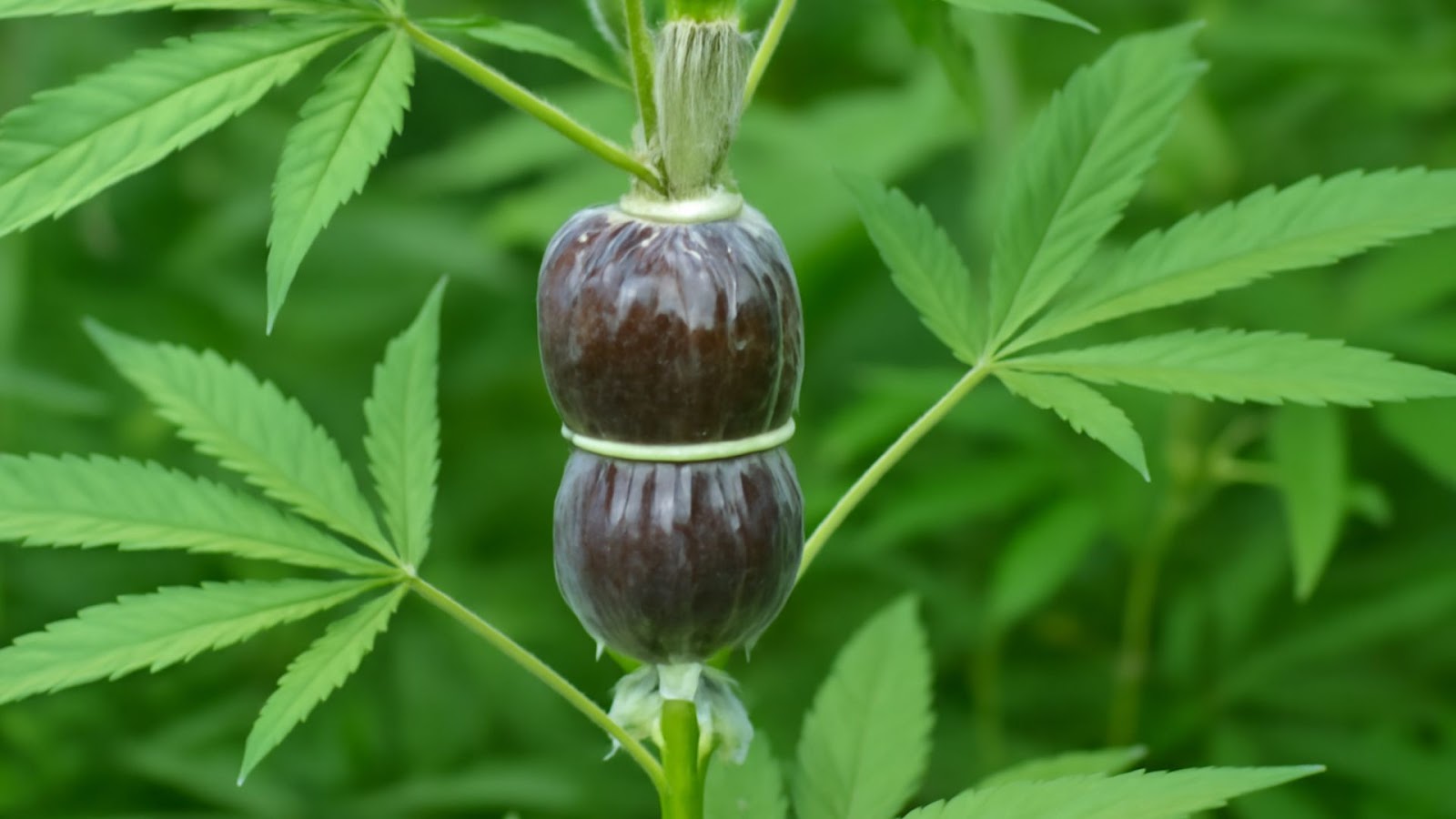
Air layering cannabis is a propagation technique that helps you multiply your plants more reliably than traditional cloning methods. If you've faced challenges like low rooting success or plant stress with cuttings, air layering cannabis presents a practical solution. By encouraging root growth on a branch while it remains attached to the parent plant, you ease the process and boost your chances of healthy new plants. This guide will walk you through simple steps so you can successfully apply air layering to cannabis and grow your garden with confidence.
In a nutshell:
- Air layering cannabis encourages root growth on a live stem still attached to the parent, increasing success rates.
- The method creates strong, genetically identical clones ready for transplanting.
- Proper wound preparation, moisture retention, and root hormone use improve results.
- It is less stressful to the mother plant compared to traditional cuttings.
- Patience and consistent care during rooting are essential for success.
What Is Air Layering?
A technique of propagation called air layering involves encouraging roots to develop on stems from parent plants. Unlike traditional cloning, where a cutting is separated before roots emerge, air layering delays separation until roots have developed naturally. This method mimics how some plants propagate in nature when branches touch the ground and sprout roots.
With air layering, you create a controlled wound on a live branch and provide a moist environment to encourage root growth. Once roots are visible and well-established, the branch is cut below the roots and transplanted as an independent clone. This method produces strong, healthy new plants and avoids many issues seen with cuttings that fail to root.
With the basics in mind, it's helpful to examine the scientific principles that make air layering effective for cannabis propagation.
Also read: The Top Four Skills Needed to Manage Cannabis Cultivation
The Science Behind Air Layering
When you create a wound on a stem by removing bark, you interrupt the flow of nutrients and hormones, especially auxins and carbohydrates, that regulate plant growth. This disruption triggers a healing response where cells around the wound differentiate into root cells. The moist wrapping you apply retains humidity and oxygen, ideal conditions for root cell formation.
Because the branch stays connected to the parent plant, it continues receiving water and nutrients, reducing stress during root development. This steady supply enables roots to form faster and stronger than in cuttings, where detachment cuts off the parent’s support until roots develop independently.
The Process of Air Layering
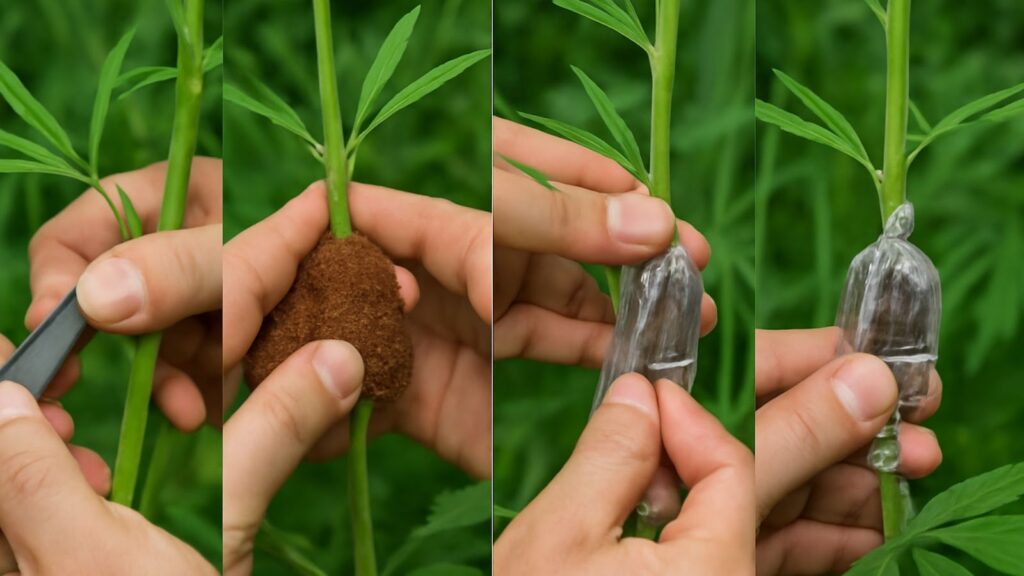
You can expect straightforward steps in the successful air layering of cannabis:
- Choosing the Right Stem
Start by choosing a healthy, flexible stem from the parent cannabis plant. It should be thick enough to support the air layering process and free from disease or damage. Selecting a stem with multiple internodes ensures better success, as it offers more room for root development.
- Creating the Wound
Next, carefully make a vertical cut or remove a ring of bark from the stem. This should expose the inner cambium layer, which will stimulate the formation of new roots. The wound must be clean and precise to avoid harming the plant.
- Applying Rooting Hormone
Adding a rooting hormone to the exposed area will encourage faster and more robust root growth. Rooting hormones contain growth-promoting substances that help stimulate root formation, increasing the chances of successful propagation.
- Surrounded by a Moist Medium
A moist medium, such as silica gel, perlite, or peat moss, should be applied to the wounded area. This medium is crucial as it provides the necessary moisture and nutrients to support root growth during the air layering process.
- Securing with Plastic or Foil
Finally, wrap the moist medium and the wounded area with plastic wrap or aluminum foil. This creates a sealed, humid environment that helps retain moisture and provides the ideal climate for root development. Ensure the wrap is tightly secured to keep the humidity high and encourage root formation.
Making the right choices at each step is crucial; next, let's look at which cannabis varieties and growth stages are best suited to air layering for optimal results.
Can Cannabis Be Air Layered?
Cannabis can definitely be air-layered, and it works quite well, especially with photoperiod cannabis plants. However, it's important to note that air layering is most effective when used with photoperiod strains.
This is because the cloned branch needs to remain in the vegetative stage for a while to grow large enough. While it's possible to air-layer autoflowering cannabis, the resulting clone tends to be smaller and less productive, making photoperiod plants the preferred choice.
Timing is crucial when air layering cannabis. Ideally, you should start and finish the process while the plant is still in the vegetative stage. If the plant begins flowering during the process, the clone won't grow any larger, as flowering halts vegetative growth.
For outdoor growers, spring is the best time to begin air layering. This timing allows the new branch to establish strong roots and grow before the days shorten and the plants enter the flowering stage. If you wait too long, the new plant will be smaller due to limited growth before the end of the season.
Indoor growers have more flexibility, as they can perform air layering at any time during the vegetative stage. The key is to keep the new clone in a separate space with a consistent 18/6 light cycle to ensure it remains in the vegetative phase until it's ready to be transplanted.
Curious about optimizing your cannabis propagation results? PlanaCan provides cultivators with personalized tools for scheduling, monitoring, and analyzing air layering progress, ensuring your clones thrive every season.
Benefits of Air Layering for Cannabis
Air layering offers several distinct advantages for cannabis cultivation. Here's why you should consider adding this technique to your propagation toolkit:
- Genetic Preservation
Air layering allows you to clone a plant without cutting it. This results in a new plant that shares the same genetic traits as the parent, ensuring that desirable qualities, such as potency, flavor, and growth characteristics, are passed down.
- Increased Success Rate
Compared to other methods, such as cloning, air layering has a higher success rate. Since the cutting stays attached to the parent plant during the rooting process, it continues to receive nutrients and water, which helps maintain its health throughout the process.
- Faster Growth
Cannabis plants that are air-layered typically grow faster once transplanted. Since they already have a well-developed root system, they are better equipped to establish themselves quickly and begin growing in their new environment.
- Healthier Plants
The air layering process encourages the growth of strong, healthy roots. By starting with a rooted cutting, the new cannabis plant is more resilient, making it better able to resist diseases and pests.
- Versatility
Air layering is suitable for a wide range of cannabis strains, even those that are difficult to propagate by traditional methods. It's particularly useful for preserving rare or unique genetics, ensuring that these special traits are passed on.
- Reduced Stress on the Parent Plant
Unlike cloning, where the cutting is removed entirely, air layering allows the parent plant to continue benefiting from the cutting. This means less stress on the parent plant, as it doesn't need to heal from a large wound, and it can continue growing.
- More Control Over the Process
Air layering gives you more control over the timing and environment of propagation. You can carefully monitor the growth and ensure the cutting receives the right conditions, making it easier to control the success of the process.
- No Need for Separate Containers
Since the clone remains attached to the parent plant, there's no need to prepare separate containers or mediums to root the cutting. This simplifies the process, saving time and reducing the effort required.
- Preservation of Plant Characteristics
Air layering helps maintain the exact characteristics of the parent plant, such as size, shape, and yield potential. This ensures the new plant performs similarly to the original, making it an excellent option for replicating successful crops.
- Ideal for High-Value Plants
Air layering preserves high-value traits in cannabis plants, such as rare genetics or desirable traits, without the risks associated with cloning and seed propagation. This is especially beneficial if the parent plant is difficult or costly to replace.
To get started with this technique, preparation is key, so it's important to gather the proper equipment and materials before beginning the propagation process.
Also read: Identifying and Treating Light Stress in Cannabis Plants
Simple Way to Propagate Cannabis with Air Layering

If you want to try air layering cannabis, it's important to do it carefully. If not done right, you could harm your plant without getting a new one. The good news is that the process is straightforward. The key is to be precise and gentle, not to do many complicated steps.
Equipment You Need
- Durable plastic wrap or cling film, preferably black or opaque
- A piece of sphagnum moss or a rooting block
- Rooting or cloning gel
- A sharp, sterilized knife
- Rubber bands or cable ties
Directions
- Begin by soaking your moss or rooting block in water. Squeeze it gently to remove excess water so it is moist but not dripping.
- Choose a strong branch with healthy vegetative growth for propagation. The larger the branch, the faster and bigger your new plant will grow. Remove some leaves if needed to make room for the moss or rooting block.
- Make parallel shallow cuts on the selected branch using a sharp, sterilized knife. Score the bark a few centimeters along the branch by peeling it gently, aiming the blade slightly downward. Be careful not to cut too deeply or break the branch, as this will harm the plant.
- Apply rooting or cloning gel to the wounded area to encourage root growth.
- Wrap the moist moss or rooting block completely around the scored section of the branch. Use rubber bands or cable ties to keep it securely in place if needed.
- Cover the moss-wrapped area with plastic wrap. Tie off both ends tightly with rubber bands or cable ties. This seal traps moisture and creates the humid conditions needed for roots to develop.
- Check the wrapped branch regularly to make sure the moss stays moist. After some weeks, you will see roots forming inside the moss.
- When healthy roots have grown, cut the branch cleanly just below the new root growth.
- Plant the new clone as you would a transplanted seedling, providing appropriate care to help it establish.
Even with the right steps, growers can avoid common mistakes and optimize results by focusing on a few proven best practices and care tips during air layering.
Need a smarter way to track every step during propagation? Try PlanaCan's timeline management to easily visualize cloning progress and root development across multiple plants.
Tips for Air Layering Cannabis Plants
Air layering cannabis can fail if you skip important details during the process. Many growers lose plants because they don't prepare properly or care for new clones the right way. The following tips will help you avoid common air layering mistakes and get healthy results.
- Take Extra Cuttings: Prepare more than you actually need to account for potential failures. This gives you backup options without overdoing it on your mother plant.
- Remove Lower Leaves: Strip away the bottom leaves from large branches so energy goes toward new root growth instead of maintaining unnecessary foliage.
- Keep Top Growth Only: Leave just the top two rows of leaves to provide enough photosynthesis while directing energy to root development.
- Cover Growing Media: Use opaque fabric over inert media like rockwool to prevent algae and mold growth that can harm developing roots.
- Provide Proper Aeration: Make sure roots get enough oxygen by using a well-aerated growing medium. New cuttings need extra oxygen to develop strong root systems quickly.
- Lower Temperature Initially: Reduce your grow space temperature by 2-3°F when roots first appear. Treat new clones like delicate seedlings during early growth.
- Maintain Consistent Moisture: Keep the growing medium moist but not soaking wet. Dry roots will kill your clone, but overwatering causes rot.
- Monitor Root Development: Check progress regularly to adjust care as roots grow stronger and more established.
- Use Clean Tools: Sterilize all equipment to prevent infections that can destroy your air-layered plants.
- Choose Healthy Branches: Select strong, disease-free branches with good growth for the best chance of successful rooting.
As growers refine their propagation methods, it's essential to recognize the unique advantages air layering brings to cannabis cultivation, especially in challenging scenarios.
Getting air layering right takes attention to these details, but the results are worth it. You'll end up with strong clones that grow into productive plants when you follow proper care steps. The key is being patient and consistent with moisture, temperature, and cleanliness throughout the rooting process.
Also read: Tips on Outdoor Cannabis Growth from Seed to Harvest
Should You Choose Air Layering Over Other Ways to Propagate Cannabis?
Air layering cannabis has clear benefits, but it is not the only method available. Compared with traditional cuttings, it reduces the risk of failure and shock since roots develop before separating. However, it takes longer and requires regular attention.
Consider air layering if:
- You want a higher success rate in producing mature clones.
- Your plants are difficult to clone via cuttings.
- You prefer less stress on the mother plant.
Other methods, such as cloning, cuttings, or seed propagation, still have their place depending on your needs. For example, quick-turnover growers may favor cuttings for speed, while seed propagation enables genetic variability. Use air layering as part of your toolbox to propagate reliably when quality and plant health matter most.
Conclusion
Air layering cannabis is a simple, effective way to create strong, healthy clones that retain the qualities you value in your plants. By following the clear steps and maintaining consistent care, you can expand your garden efficiently without the setbacks common to other propagation methods. If managing cultivation tasks and tracking propagation progress feels challenging, PlanaCan offers tools that integrate scheduling, team coordination, and harvest analysis to simplify your workflow.
If you're ready to grow your cannabis garden with confidence, consider air layering as a reliable propagation technique. For additional support and expert guidance, schedule a free call today with PlanaCan.
Frequently Asked Questions (FAQs)
Q. What is air layering cannabis?
A cannabis plant is propagated through air layering when roots are encouraged to grow on a branch and remain attached to the parent plant. This allows for healthier clones with a higher success rate than traditional cloning methods.
Q. How does air layering benefit cannabis plants?
Air layering offers several advantages, including genetic preservation, faster growth, and reduced stress on the parent plant. It results in stronger, more resilient clones compared to cuttings.
Q. Can I use air layering for autoflowering cannabis?
While you can air-layer autoflowering cannabis, it's more effective with photoperiod strains. Autoflowers typically produce smaller clones and have a limited vegetative growth period.
Q. What is the best time to air-layer cannabis?
For outdoor growers, spring is the best time, ensuring the clone has enough time to develop strong roots before the plant enters flowering. Indoor growers have more flexibility, as the process can be done year-round.
Q. What supplies do I need for air layering cannabis?
You'll need durable plastic wrap, a rooting hormone, a sharp knife, rubber bands, and a moist medium like sphagnum moss or perlite to create the ideal environment for root development.