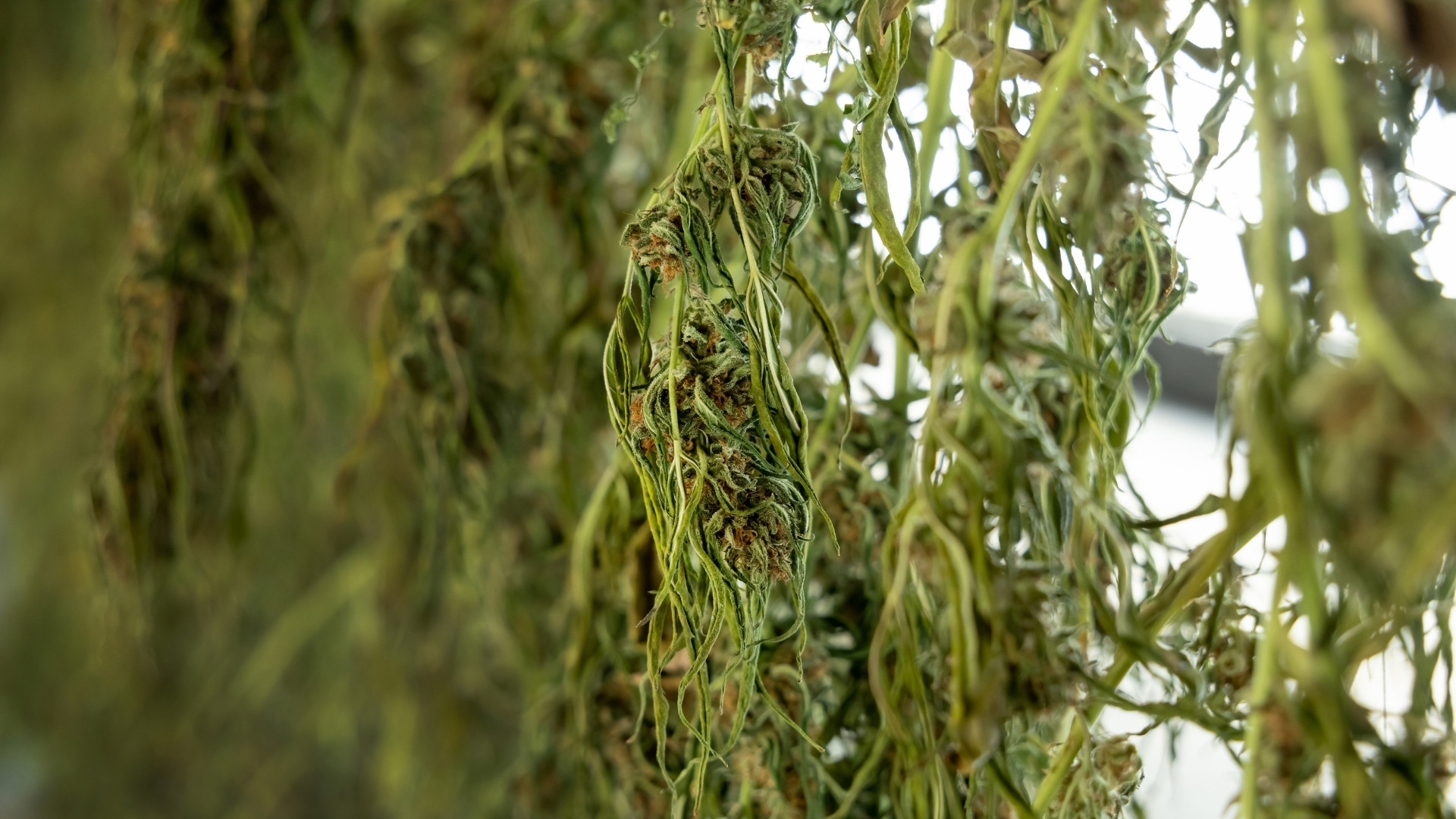
Every grower knows the heartbreak of opening a jar and finding dry, lifeless buds. Moisture loss ruins months of hard work. It steals aroma, weakens potency, and makes the smoke harsh. Even small mistakes in drying or storage can cause it.
Dehydration can occur at any stage, from drying and curing to long after harvest. With careful handling, you can prevent it from starting.
In this guide, you will learn why cannabis loses moisture, how to spot it early, and how to keep every batch fresh.
In short:
- Moisture loss starts small but costs big. Even slight dehydration affects aroma, texture, and weight, leading to lower product quality and profit loss.
- Ideal moisture levels matter. Cannabis should maintain a total moisture level of 10–12% or 0.55–0.65 aᵥ to preserve terpenes, potency, and structure across different strains.
- Over-drying is preventable. Most moisture loss happens due to unstable humidity, excessive airflow, or skipped drying checks—issues that can be avoided with consistent scheduling.
- Rehydration helps, but only up to a point. Slightly dry buds can regain balance using humidity packs or controlled chambers, but once trichomes are damaged, quality cannot be fully restored.
- Data and discipline keep moisture in check. Recording humidity levels, standardizing drying processes, and monitoring environmental conditions ensure every batch stays within its ideal moisture range.
Optimal Moisture Range in Different Cannabis Strains
Moisture is more than just water inside your buds. It is what keeps them sticky, aromatic, and smooth to smoke. Growers often talk about moisture content, but the real science lies in water activity.
Water activity (aᵥ) measures how much “free” water is available for microbes or evaporation. The sweet spot for cannabis is 0.55 to 0.65 aᵥ, which usually means 10–12% total moisture content after curing.
Different strains handle moisture differently, depending on their structure and terpene profile:
- Indica-Dominant Strains: These strains retain moisture longer in their dense buds. They can safely stay close to 12% moisture but need a slow, steady drying process to prevent mold.
- Sativa-Dominant Strains: Airy and open-structured buds dry out faster. Maintaining a moisture level of around 10–11% helps preserve aroma and texture.
- High-Terpene Strains: Fruity or citrus-heavy varieties tend to lose their scent easily when too dry. They perform best near 0.65 aᵥ, where terpenes stay vibrant and intact.
PlanaCan helps you stay ahead of moisture risks by keeping your team on schedule. With task-based scheduling, harvest tracking, and real-time visibility across rooms and cycles, the platform ensures drying and curing steps happen on time. Schedule a free demo today.
If your plants have already gone dry, do not worry. There are safe and effective ways to rehydrate them and restore balance. This is covered in the next section.
Suggested Read: Understanding the Structure and Types of Cannabis Buds
How to Rehydrate Over-Dried Weed

Each gram of overdried cannabis weighs less, sells for less, and smokes harsher. A week of poor humidity control can undo months of effort and shrink margins before the product even leaves your facility.
If the buds are only slightly overdried, you can still bring them back to life. Here are a few effective ways to reintroduce moisture safely:
- Use Humidity Packs: Place 58–62% RH packs (like Boveda or Integra) inside storage containers. They slowly restore ideal moisture without promoting mold growth.
- Try the Lettuce or Citrus Peel Method (Short-Term Only): Add a small piece of fresh lettuce or citrus peel to the jar for a few hours. It transfers light moisture to the buds, but remove it quickly to avoid mildew.
- Use a Humidity-Controlled Room: Spread the dried buds on trays in a sealed environment with 55–60% RH. This helps larger batches regain balance evenly.
- Add Moisture Gradually: If you rehydrate too fast, trichomes can rupture, and buds may feel spongy. Aim for slow absorption over 24–48 hours.
- Record the Process: Note the amount of time and humidity adjustment required for each batch. This helps fine-tune future rehydration steps.
There is a limit, though. If the buds have turned brittle, lost all scent, or crumbled into powder, rehydrating will not restore quality or potency. It is already too late.
This batch may be lost, but there are ways to prevent it from happening again. The next section breaks down what causes moisture loss in the first place, so you can stop dehydration before it starts.
Suggested Read: Lowering Humidity in a Grow Tent Without a Dehumidifier
Causes of Moisture Loss in Cannabis Cultivation
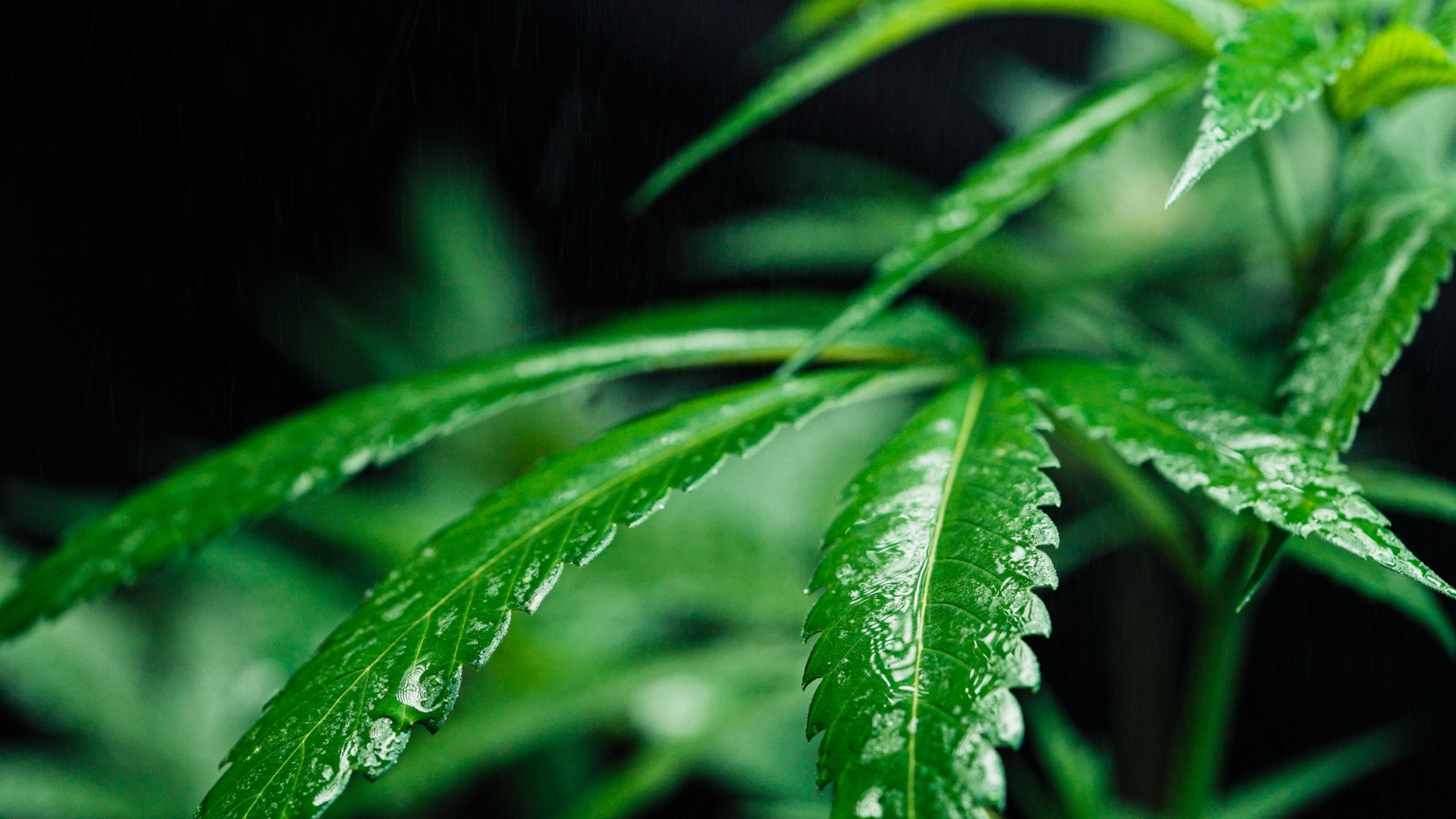
When cannabis loses moisture, it is usually a chain of small mistakes. A few degrees too warm, humidity a bit too low, or poor timing during drying can all pull precious water from your buds.
Understanding where and why dehydration occurs helps you catch it before it affects your yield and quality. These are a few reasons for moisture loss in marijuana cultivation:
1. Environmental Imbalance During Growth
When humidity or temperature drifts outside the optimal range, plants lose water faster than they can absorb it. This creates stress that affects both structure and flavor long before harvest.
Here is what typically goes wrong:
- Extremely low humidity levels increase transpiration and dry out buds prematurely.
- High-intensity lighting raises canopy temperature, speeding up evaporation.
- Uneven airflow causes some plants to lose moisture faster than others.
- Unstable temperature cycles make it hard for plants to regulate water uptake.
2. Errors in the Drying Process
Drying is a balancing act since too slow invites mold, too fast causes dehydration. Overly dry air or excessive airflow can strip moisture in just a day or two.
The most common causes of moisture loss during the drying phase include:
- Rooms are set up with inconsistent temperature and humidity zones.
- Using dehumidifiers without calibrated sensors.
- Excess fan speed is directly hitting hanging plants.
- Leaving drying rooms unattended for long periods.
Suggested Read: Simple DIY Cannabis Drying Rack Solutions
3. Improper Curing and Storage Practices
Even perfectly dried buds can lose balance if curing or storage is mishandled. Exposure to light, heat, or fluctuating humidity quickly breaks down cannabinoids and terpenes.
These issues often lead to moisture loss after drying:
- Storing buds in containers that are not airtight.
- Keeping jars or bins in areas with high temperature variation.
- Overexposing buds to air by opening curing jars too often.
- Storing near direct sunlight or heating vents.
4. Human and Scheduling Errors
Sometimes the issue is not environmental but operational. Missed checks, skipped logs, or inconsistent procedures can cause drying rooms to go unchecked for hours.
Here is where most human errors occur:
- Inconsistent handoffs between harvest and drying teams.
- Forgetting to record environmental readings or weight changes.
- Poor coordination of daily humidity checks.
- Lack of reminders or digital tracking for critical post-harvest steps.
PlanaCan helps growers prevent these errors by automating work schedules and environmental checks. Each stage, from harvest to drying to curing, can be assigned, tracked, and verified through digital task templates. This ensures that no reading, reminder, or rotation is ever missed. Schedule a free trial today.
In the next section, we look at why you need to be concerned about moisture loss in your cannabis harvest.
Suggested Read: Managing Soil Moisture for Cannabis Cultivation Using Sensors
Effects of Dehydration on Cannabis Quality

Moisture loss changes how marijuana performs, smells, and feels. Once buds dry beyond their optimal range, the damage spreads fast through aroma, potency, and texture. T
he worst part? It can be hard to tell what is causing the problem until the quality starts slipping.
Here is what dehydration typically does to your harvest:
- Loss of Aroma: Terpenes evaporate when humidity drops, dulling the natural scent and flavor of the buds.
- Texture Changes: Buds become brittle and flaky, breaking apart instead of compressing gently.
- Reduced Potency: Trichomes lose their protective moisture, exposing cannabinoids to air and light degradation.
- Harsher Smoke: Dry weed burns hotter and faster, irritating the throat and masking flavor.
- Lower Yield Weight: Each gram of lost moisture means less product to sell, directly cutting into profit.
Consider this: A cultivator with 50 pounds of fresh cannabis may end up with several pounds less simply from poor humidity control during drying. Even if the buds look healthy, the product’s market value and smoking quality suffer, and so does the brand’s reputation.
But how do you know your cannabis is really suffering from moisture loss, and not from something else like nutrient imbalance or poor curing technique?
To understand what separates a healthy batch from an overdried one, let us look at ideal moisture benchmarks.
Suggested Read: How to Tell if Your Cannabis is Dry and Ways to Rehydrate It
Moisture Benchmarks: Ideal vs. Over-Dry Cannabis
Knowing whether your cannabis is ideally dried or overdried comes down to a few measurable factors—moisture content, water activity, and texture. Small differences in these numbers can make a big impact on your product’s quality, aroma, and shelf life.
Here is a quick comparison to help you identify where your buds stand:
Tips to check for moisture loss:
- Texture Test: Gently squeeze a bud. If it cracks or crumbles instead of compressing slightly, it has lost too much moisture.
- Aroma Check: Fading or muted scent often signals terpene evaporation from dehydration.
- Weight Drop: A sudden, uneven reduction in batch weight (beyond normal drying loss) usually means overdrying has begun.
Even small drops below the ideal range can quickly strip your buds of terpenes and degrade potency. Maintaining consistent moisture protects not just the feel of the flower, but its entire sensory profile and market value. The next section details tips to prevent your cannabis from losing moisture in the first place.
Suggested Read: Determining the Moisture Content in Dried Cannabis
How to Prevent Weed from Drying Out
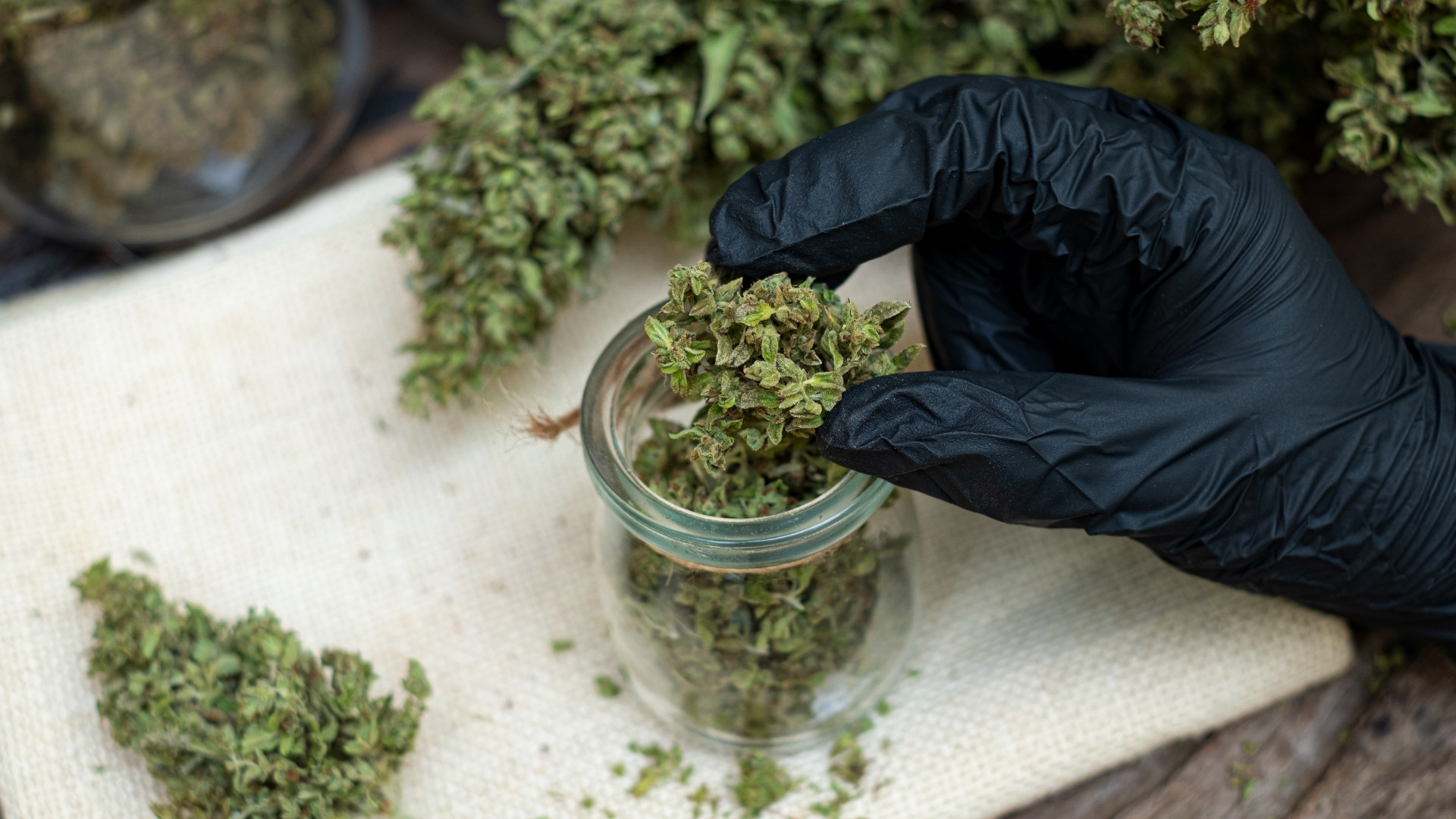
Once moisture is gone, it is almost impossible to bring back full quality. That is why prevention matters far more than correction.
Keeping cannabis within its ideal humidity range protects aroma, texture, and potency through every stage of the post-harvest process.
Here are the most effective ways to prevent drying out:
- Control the Drying Room Environment
Maintain a room temperature of 60–70°F and a relative humidity of 55–62%. Consistency is key since sudden changes can shock the buds and cause uneven moisture loss. Use calibrated moisture meters and data loggers to monitor conditions in real time.
- Avoid Direct Airflow
Air circulation is important, but fans blowing directly on hanging buds can dry the outer layers too fast. Position fans so that air moves gently around the room instead. This helps moisture escape gradually, giving buds a chance to balance internally.
- Cure Slowly and Consistently
Once buds reach the right dryness, move them to airtight glass jars for curing. Open them briefly each day for the first week to exchange air, then reduce the frequency. A slow cure lets moisture redistribute evenly, preserving aroma and potency.
- Use the Right Storage Conditions
After curing, store cannabis in cool, dark places away from sunlight or heat sources. Use humidity packs in sealed containers to maintain consistent relative humidity. Plastic bins or thin bags often leak moisture; glass or thick, vacuum-sealed containers work best.
- Track and Adjust
Record drying times, humidity levels, and weight changes after each batch. Comparing data across harvests helps fine-tune conditions for each strain. Over time, this builds predictable quality and reduces the risk of accidental dehydration.
Managing these details manually can be challenging, especially across multiple harvests and rooms. That is where PlanaCan steps in. Its automated scheduling and environmental task tracking help growers maintain perfect consistency from drying to curing, without missing a single check.
Coordinate Your Workflows with PlanaCan

PlanaCan is a cultivation management platform built specifically for cannabis growers. It replaces whiteboards, spreadsheets, and handwritten logs with a single, digital system that keeps every part of your operation organized and traceable.
When your team follows a reliable schedule and records every step, there is far less room for missed humidity checks, uneven drying, or accidental overdrying.
These are a few ways we can help:
1. Automated Work Scheduling
PlanaCan simplifies cultivation scheduling through customizable templates for each strain or harvest. You can outline every step, from planting to drying, and schedule it onto your calendar with a few clicks. This keeps post-harvest activities like drying and curing perfectly timed, reducing the risk of moisture loss caused by delays or skipped steps.
2. Interactive Calendar for Planning and Tracking
The interactive calendar gives you a clear timeline of what is happening in your grow. It allows you to plan months in advance while managing daily activities in real time. This visibility ensures that environmental checks, drying rotations, and curing cycles happen exactly when they should—before dehydration can set in.
3. Team Management Tools
With PlanaCan’s team management features, everyone knows their role and what needs to be done next. Tasks can be viewed, updated, or marked complete on mobile devices. You can keep your drying and curing teams fully aligned.
4. Harvest Analysis and Reporting
PlanaCan automatically compiles harvest data, giving you detailed insight into what worked and what did not. You can see recorded moisture readings, yield differences, and drying times across multiple batches—all in one dashboard. This helps you recognize patterns and fine-tune future cycles for better consistency and higher quality.
5. Data-Driven Refinement
Over time, PlanaCan becomes a living record of your cultivation success. Every drying schedule, moisture level, and outcome contributes to a data trail that you can refine and repeat. By turning observation into measurable action, you protect both your yield and your brand reputation.
PlanaCan offers different plans depending on your cultivation size and needs. You can choose from a free Basic plan for small grows to Premium and Enterprise options for large-scale operations with multiple locations. Whatever your setup, PlanaCan grows with you, helping you stay consistent, organized, and in full control of moisture at every stage.
Conclusion
Moisture loss directly translates into lost weight, lower potency, and reduced profit. When buds overdry, the damage affects your bottom line. The good news is that moisture loss is one of the easiest problems to prevent. With the right planning, environmental control, and scheduling, you can maintain a balanced, aromatic, and valuable harvest from start to finish.
That is where PlanaCan makes the difference. Automating work schedules, standardizing drying and curing workflows, and giving your team real-time visibility helps eliminate the small mistakes that lead to big losses. Whether you manage one grow room or multiple sites, PlanaCan brings structure, consistency, and accountability to every harvest.
Plan smarter, schedule better, and protect your yields with PlanaCan. Schedule a free call today and find a plan that fits your grow.
Frequently Asked Questions
1. How long does it take to rehydrate over-dried cannabis?
It depends on the method and how dry the buds are. Using humidity packs, rehydration usually takes 24–48 hours. If the cannabis is extremely brittle, you may need to leave it sealed with the humidity pack for several days, checking periodically to avoid overcorrection or mold.
2. Can rehydrated weed regain its original potency?
No, potency does not return once trichomes have been damaged by dehydration. Rehydration can restore texture and aroma to some extent, but it cannot rebuild lost cannabinoids or terpenes. It is best viewed as a quality salvage step, not a full recovery.
3. What is the best humidity level to store cannabis long-term after rehydration?
Store rehydrated cannabis at 58–62% relative humidity and around 60–70°F. This range keeps buds stable and prevents both mold and renewed drying. Always use airtight containers with humidity packs to maintain this balance.
4. Can I use water misting to rehydrate cannabis quickly?
Direct misting is not recommended. It wets only the outer surface, causing uneven moisture absorption and increasing the risk of mold. Instead, use controlled humidity methods, such as sealed jars with humidity packs or rehydration chambers, to allow for gradual and even moisture transfer.
5. What signs show that rehydration has gone too far?
If buds start to feel spongy, smell grassy, or clump together, they have absorbed too much moisture. This indicates relative humidity has climbed above 65%. When that happens, remove humidity sources immediately and leave the buds in a sealed container with a lower RH pack to rebalance them.