You open a jar of hash and notice a strange white fuzz or an earthy, musty smell. You pause, wondering if it is just residue from pressing or something more concerning. Unfortunately, what you are looking at could be mold.
Moldy hash is not only unpleasant to look at or smell, but it can also be unsafe to consume. Whether you make hash at home or manage commercial extraction, understanding how mold forms, what it looks like, and how to prevent it is essential for quality control and consumer safety.
This guide explains how to recognize moldy hash, why it happens, what risks it carries, and how to store your product safely so you never have to face that jar again.
TL;DR (Key Takeaways)
- Mold can grow in hash when moisture and poor storage conditions allow spores to multiply.
- Inhaling mold spores or mycotoxins can cause respiratory irritation and, in some cases, serious illness.
- Moldy hash cannot be safely salvaged. Once contaminated, the safest choice is to discard it.
- Prevention depends on correct drying, cool and dry storage, and regular quality checks.
For commercial growers or processors, using structured workflows and environmental tracking helps keep every batch consistent and mold-free.
What Counts as Moldy Hash and Why It Happens
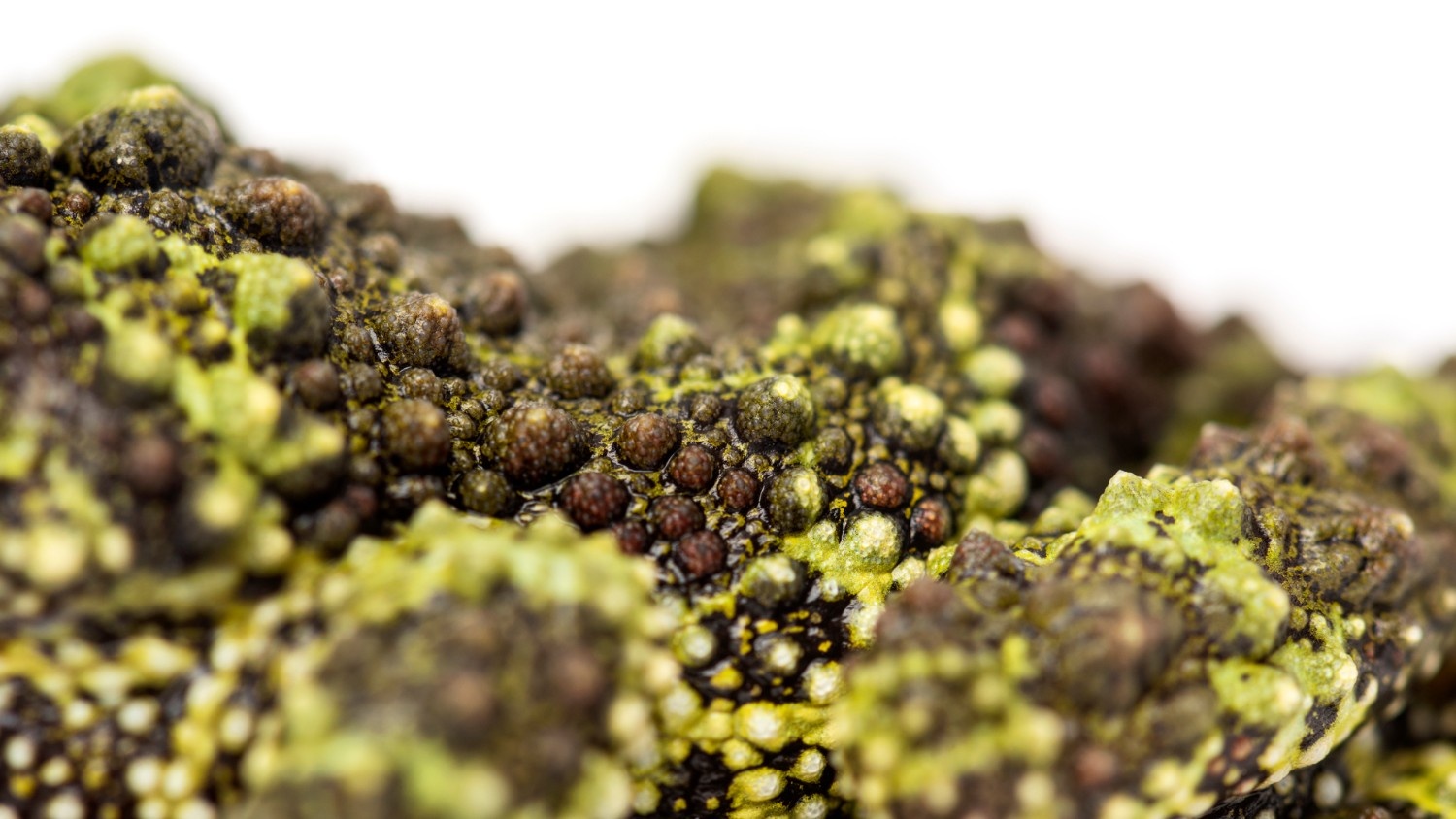
Hash is a concentrated form of cannabis made by separating and collecting the resinous trichomes from the plant. While the extraction process removes much of the plant material, it does not make hash immune to microbial growth.
Mold thrives in moist, oxygen-rich environments. If your hash retains water from washing, is pressed before fully drying, or is stored in a humid or warm space, mold spores can take hold quickly. A 2023 review found that a range of fungal genera (including Aspergillus, Penicillium, Fusarium, and Mucor) have been detected in cannabis and hemp flowers, and that mycotoxins (toxic fungal metabolites) are present in some cannabis samples. These organisms can continue to grow in concentrates if conditions allow.
Common reasons hash develops mold include:
- Using cannabis material that was not completely dried before extraction.
- Pressing or curing hash before residual moisture has fully evaporated.
- Storing hash in non-airtight containers where humidity fluctuates.
- Exposing stored hash to warm temperatures or direct light.
Mold growth often starts microscopically, but given the right conditions, it quickly becomes visible. Identifying it early can save an entire batch from contamination.
Health Risks: Spores, Mycotoxins, and Vulnerable Users

Mold in cannabis products poses two main health concerns: inhalation of spores and exposure to mycotoxins.
Spores are microscopic and easily airborne. When inhaled, they can cause allergic reactions or respiratory issues, especially for people with asthma, chronic lung conditions, or compromised immune systems. In some cases, it is reported that Aspergillus exposure through contaminated cannabis has been linked to pulmonary infections in vulnerable individuals.
Mycotoxins, such as aflatoxins and ochratoxin A, are toxic compounds that some molds release as byproducts. These toxins can survive combustion or vaporization temperatures, meaning that “burning off” mold is not an effective or safe solution.
Even if you do not feel immediate effects, consistent exposure to mycotoxins can have cumulative health consequences. Symptoms can range from coughing or sore throat to nausea and fatigue.
In short, if your hash smells musty, looks discolored, or has any unusual fuzz, do not smoke it. The health risk far outweighs the cost of replacing it.
How to Identify Mold in Hash
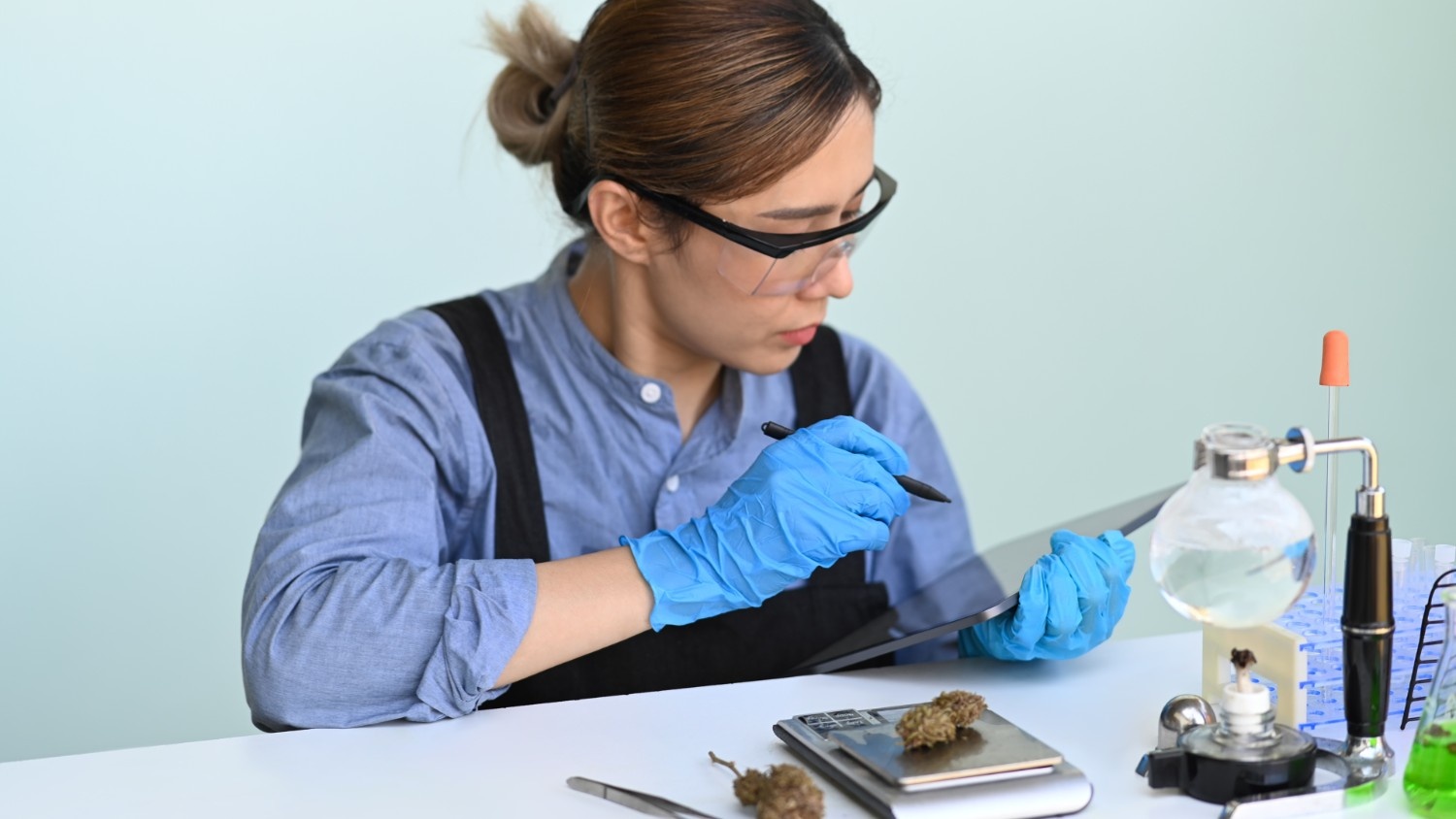
Mold can sometimes be mistaken for trichome heads or residual moisture, especially in sticky or unpressed hash. Learning to tell the difference helps you make safe decisions.
1. Visual inspection
Look closely under natural or white light. Healthy hash usually appears oily, sandy, or resinous with a natural sheen. Mold often looks powdery or fuzzy, appearing white, gray, or greenish on the surface. Some molds form thin, spider-web-like filaments.
2. Smell test
Fresh hash should smell earthy or piney, depending on the strain, never damp or musty. A sour, grassy, or “old basement” odor suggests microbial growth.
3. Texture and feel
Properly cured hash feels dry to the touch, sometimes pliable but not sticky or wet. If it clumps unnaturally or leaves moisture on your fingers, it may be harboring mold.
4. Source and storage check
Think about where and how you obtained or stored it. If it came from material that was still wet after washing or sat in a humid space, treat any suspicious signs seriously.
If you are unsure, do not consume it. Laboratory microbial tests can confirm contamination, but for consumers, the safest choice is always disposal.
Can You Salvage Moldy Hash?
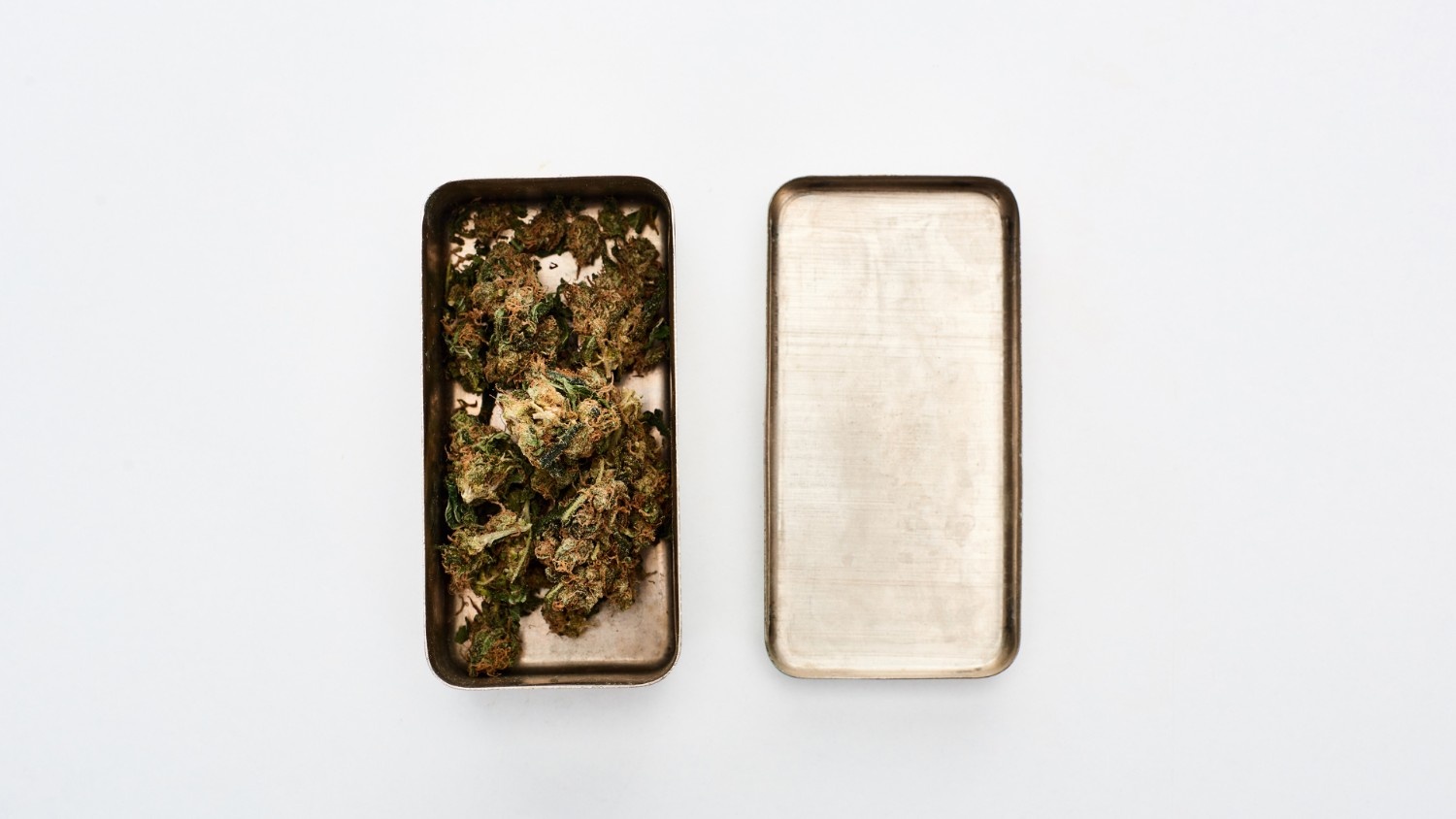
There is no proven or reliable way to make moldy hash safe again. Some online discussions mention scraping away visible growth or pressing the hash again under heat. Both are ineffective.
Once mold colonizes, its hyphae penetrate deeply, and spores spread throughout the material. Even if you remove the visible section, unseen contamination remains. Additionally, mycotoxins may already be present, and heating or repressing will not neutralize them.
Professional extractors sometimes test and remediate large batches, but that process involves solvent-based purification, filtration, and re-testing under controlled lab conditions. It is not practical or safe at home.
If you discover mold, discard the batch immediately. Use the experience as a learning opportunity to improve your drying and storage process.
If you manage multiple hash production batches or handle drying and curing across different rooms, PlanaCan helps you organize every stage. You can schedule inspections, track storage conditions, and standardize drying protocols across your team. Schedule a free call today.
How to Dry Bubble Hash Properly to Prevent Mold

Drying is the single most important step in preventing mold growth in hash. Freshly washed bubble hash retains microscopic amounts of water that can encourage microbial growth if not removed quickly and completely. Proper drying is about balancing airflow, temperature, and humidity to remove moisture without damaging resin quality.
1. Choose the Right Environment
Dry your hash in a cool, dark, and clean room with temperatures around 55–60°F and humidity between 35–45 percent. At higher temperatures or humidity levels, spores can survive and expand before the hash fully dries. Good airflow helps moisture evaporate evenly, but avoid blowing unfiltered air directly over the product.
If possible, use HEPA-filtered air movement or a small fan circulating air indirectly in the room. Maintain the environment for several days until the hash feels crumbly rather than sticky.
2. Use the Microplane or Sieve Method
After washing, break the frozen hash into fine particles using a microplane or fine mesh sieve. Spreading it evenly on parchment paper allows water to escape faster and prevents clumping.
This step increases surface area and shortens drying time while minimizing microbial risk. Always use sanitized tools, and handle material with gloves to prevent introducing contaminants.
3. Consider Freeze Drying for Commercial Quality
Freeze drying is widely used by professional extractors because it rapidly removes water under vacuum without heat damage. The hash is frozen immediately after washing, then placed in a freeze dryer that sublimates ice into vapor.
According to the Original Resinator guide, freeze drying can reduce drying time from several days to less than 24 hours while preserving terpene content and preventing mold formation. However, it requires specialized equipment and must be performed under clean-room standards to avoid contamination during handling.
4. Test for Residual Moisture
Even after drying, check for signs of retained water. Properly dried hash should crumble easily without sticking to your gloves. If it feels tacky, extend drying time. Moisture meters designed for herbs can help ensure consistency across batches.
How to Store Hash Safely
Once dried, storage determines whether your hash stays pristine or ends up contaminated weeks later. Mold spores are everywhere, and even a small rise in humidity can activate them inside a sealed jar if the hash was not completely dry.
1. Use Airtight Containers
Choose dark glass jars or stainless-steel tins that are airtight. Avoid plastic bags or containers, which can trap static and moisture. Place a small piece of parchment paper inside the container to prevent sticking and reduce light exposure.
2. Maintain Cool and Stable Conditions
Store hash in a cool, stable environment between 50°F and 65°F. Temperature fluctuations create condensation inside the container, feeding potential mold growth. Avoid leaving jars near windows, heaters, or electronic devices that radiate heat.
3. Control Humidity
Humidity control packs designed for cannabis can help regulate the microenvironment within the jar. For hash, aim for slightly lower humidity than cannabis flower, around 55–58 percent relative humidity. Anything above 63 percent increases mold risk, while humidity below 45 percent may cause the hash to dry excessively and lose texture.
4. Limit Light and Oxygen Exposure
UV light degrades cannabinoids and terpenes, while oxygen accelerates oxidation. Store containers in the dark, and if possible, vacuum seal or use inert gas flushing for long-term storage. Open containers only when necessary and reseal promptly.
5. Cold Storage: Proceed with Caution
Some hash makers store products in a refrigerator or freezer to extend shelf life. This method can work if the hash is completely dry and vacuum sealed. However, condensation during thawing is a serious concern. Always allow sealed jars to reach room temperature before opening to prevent moisture condensation on the product.
6. Rotate and Inspect Regularly
Even in perfect conditions, check the stored hash monthly. Look for color changes, surface bloom, or odor shifts. Early detection helps prevent a small contamination from spreading to other jars.
Managing multiple drying rooms or storage batches can be complex. With PlanaCan, you can create standardized drying templates, schedule moisture checks, and document each storage condition across all harvests. Schedule a free call today.
Quality Control Checklist for Home and Craft Makers
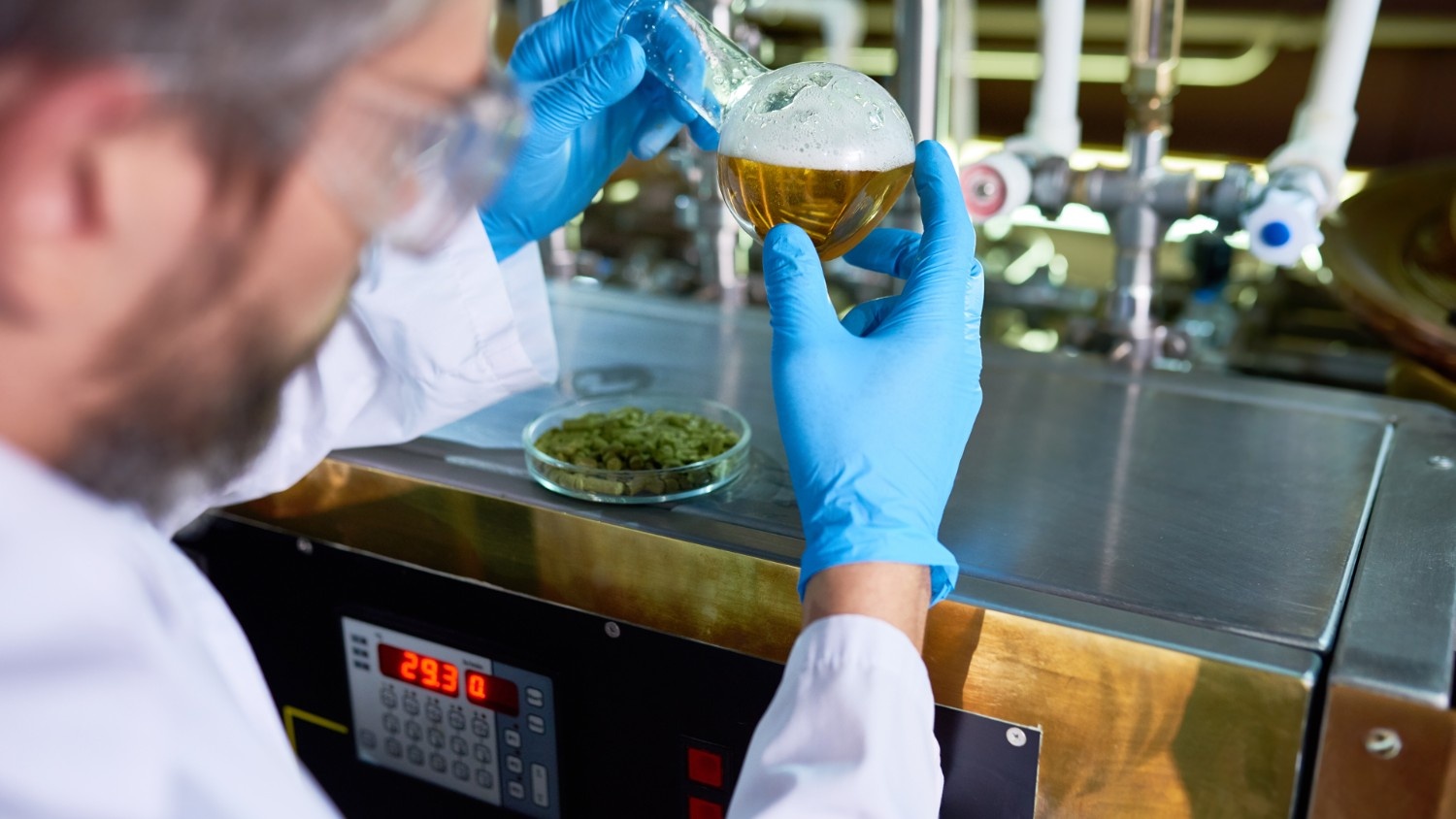
Whether you produce hash for personal use or operate a small craft brand, consistent quality control practices keep your product safe and trustworthy. Use this simple checklist:
- Start with clean, fully dried material. Never wash cannabis that still feels damp or recently cured.
- Record drying times and room conditions. Document temperature, humidity, and airflow during every batch.
- Label every container. Include strain name, production date, and batch number.
- Inspect before pressing or curing. Check for moisture pockets and texture consistency.
- Sample-test older batches. Open one jar per batch monthly to verify smell and texture.
- Maintain sanitation standards. Use gloves, sanitized tools, and avoid touching hash directly with bare hands.
- Dispose responsibly. If any sample fails inspection, isolate and discard it immediately.
Over time, following this checklist helps you detect small process issues before they result in mold contamination or product loss.
For Commercial Teams: Standard Operating Procedures and Tracking
When you move from small-batch hash making to commercial-scale production, the challenges multiply. More rooms, more batches, and more staff mean more opportunities for inconsistency. Without structure, even one lapse in drying or storage can lead to costly contamination.
That is why standardized Standard Operating Procedures (SOPs) are essential. SOPs make sure every team member follows the same process for washing, drying, curing, and storing. They also help document accountability and trace contamination if it occurs.
Here are key SOP areas to formalize in any hash operation:
1. Material Intake
- Inspect the source cannabis for signs of mold or improper curing before washing.
- Record lot numbers and supplier information for traceability.
2. Washing and Drying
- Define target temperature and humidity ranges for drying rooms.
- Specify drying duration, acceptable moisture range, and cleaning protocols for equipment and trays.
3. Pressing and Curing
- Include clear handling instructions, acceptable temperature thresholds, and time intervals for pressing.
- Ensure all staff use gloves and sanitized tools during every stage.
4. Storage
- Outline approved storage containers, humidity pack types, and environmental setpoints.
- Document where and how each batch is stored, including inspection intervals.
5. Testing and Verification
- Schedule microbial testing for representative samples before product release.
- Track all test results and corrective actions in a shared log.
6. Incident Response
- Define what happens if mold is detected: immediate quarantine, disposal protocol, and root-cause review.
When combined, these SOPs create a defensible record of quality control and reduce product waste. They also help meet compliance requirements for licensed facilities.
PlanaCan simplifies this process by turning SOPs into active workflows. You can assign drying checks, storage inspections, and testing reminders to your team, all within a unified calendar. Each action is timestamped and tracked for audit readiness. Schedule a free call today.
Conclusion
Moldy hash is not just a quality issue; it is a safety concern that can affect both your health and reputation. Once mold appears, there is no safe recovery method. The best defense is prevention.
By thoroughly drying bubble hash, storing it in stable low-humidity environments, and implementing consistent quality checks, you can maintain product integrity across every batch. For commercial operators, structured SOPs and automated task scheduling reduce risk and ensure accountability.
Consistency is what separates high-quality hash makers from those who struggle with contamination. With the right systems in place, your product remains safe, aromatic, and reliable every single time.
Ready to build a more reliable process?
PlanaCan helps you plan, track, and analyze every step of your cultivation and extraction workflows. From drying room schedules to storage inspections, you can maintain full visibility and traceability across operations.
Get started today!
FAQs About Moldy Hash
1. What does mold on hash look like compared to normal trichomes?
Trichomes appear as shiny crystals or granular resin, while mold looks fuzzy, powdery, or web-like. Mold often appears gray, white, or greenish and spreads irregularly across the surface.
2. If the hash smells musty but shows no visible mold, is it safe?
No. A musty or sour smell is a sign of microbial activity, even if you cannot see mold yet. Do not consume it. The spores may be microscopic, but still harmful.
3. Can freezing hash kill mold?
Freezing halts growth temporarily but does not destroy spores or toxins. Once thawed, mold can resume growing. Freezing is a preservation tool, not a sterilization method.
4. Does pressing or reheating hash remove mold?
No. Heat can kill some spores, but it does not eliminate mycotoxins. Reheating or pressing moldy hash is unsafe and does not make it suitable for consumption.
5. How long can a hash be stored safely?
When dried and sealed properly in a cool, dark place, hash can remain stable for up to a year. After that, oxidation and terpene loss may affect quality even if mold is not visible.
6. Why did my hash develop mold even though it looked cured?
Residual internal moisture is a common cause. Even if the surface feels dry, moisture trapped inside can create pockets where mold starts to grow. Proper drying and airflow are critical.
7. What lab tests check for mold in hash?
Microbial testing panels typically include total yeast and mold count (TYMC) and specific mycotoxin screening for aflatoxins and ochratoxin A. These are standard in licensed markets