Inconsistent growth is one of the most frustrating problems in cannabis cultivation because it rarely points to a single obvious cause. Leaves yellow, growth slows, and deficiencies appear even when nutrients, lighting, and environment seem correct.
In many cases, the real issue is pH. Research on Cannabis sativa shows that plant growth and biomass decline significantly when the substrate pH falls outside an optimal range. Root development becomes stunted at both low and high extremes.
When pH drifts, nutrients can be present but unavailable. In this article, we break down the best pH for pot and how cultivators maintain consistency across cycles.
Quick look:
- The best pH depends on the growth medium. Soil performs best around 6.2–6.8, coco around 5.8–6.2, and hydro systems around 5.5–6.0, with small shifts by growth stage.
- High pH levels can cause lockout. Soil above ~7.0 and coco or hydro above ~6.5 can restrict iron, phosphorus, and micronutrient uptake.
- High pH shows clear plant signs. Yellowing new growth, interveinal chlorosis, stalled growth, and poor response to feeding are common indicators.
- Correcting pH must be gradual. Large or rapid adjustments stress roots and often worsen symptoms instead of fixing them.
- Consistent pH control is a process issue. Regular measurement, scheduled checks, and disciplined execution prevent drift and protect yield and quality.
Importance of pH in Cannabis Cultivation
The full form of pH is "potential of hydrogen." It refers to the concentration of hydrogen ions in a solution, which determines how acidic or alkaline that solution is.
In cannabis cultivation, it determines whether nutrients can actually be absorbed by the plant. You can feed the right nutrients at the right strength, but if pH is off, uptake breaks down. That is why pH problems often look like deficiencies even when nutrition plans are sound.
This is why you need to be careful about pH levels:
- Controls Nutrient Availability: pH determines which macro- and micronutrients remain soluble and accessible to roots throughout the growth cycle.
- Directly Affects Root Health: Roots function best within a narrow pH range; deviations slow growth and increase plant stress.
- Influences Microbial Activity: Beneficial microbes in soil and media rely on stable pH conditions to remain active and effective.
- Drives Consistency Across Cycles: Stable pH helps standardize plant performance across rooms, strains, and successive harvests.
The next section breaks down the best pH for pot by grow medium, since soil, coco, and hydro systems behave very differently.
Suggested Read: Tips to Correct High pH in Cannabis Soil
Ideal pH for Cannabis by Grow Medium
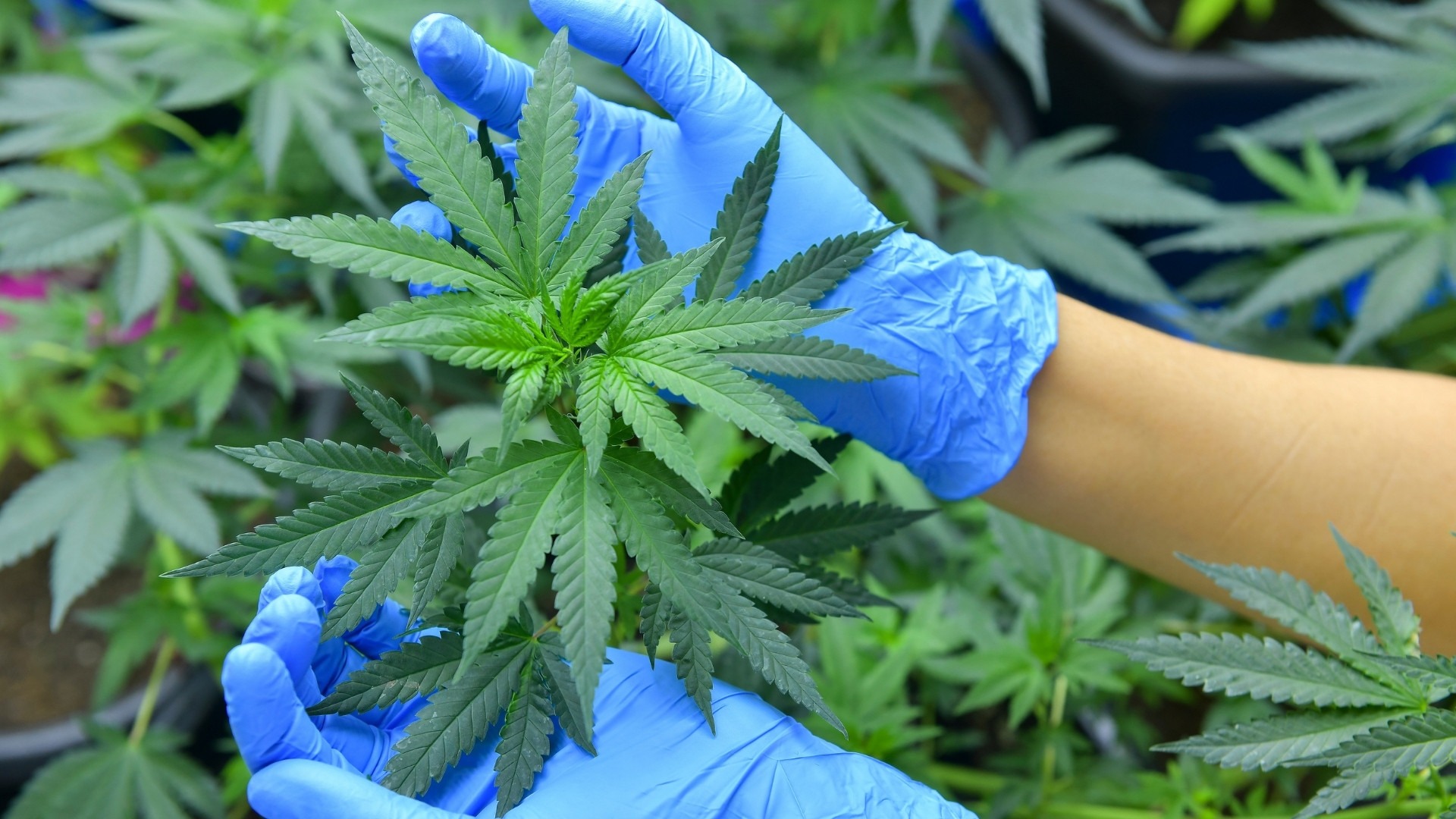
Buffering capacity, ion exchange, and microbial activity all influence uptake. That is why pH targets must be adjusted by medium and growth stage, not averaged across the facility.
Table showing recommended pH levels for cannabis by growth stage and medium:
These are explained in more detail below:
1. Soil
Soil-based systems rely heavily on microbial activity and organic matter to convert nutrients into plant-available forms. While soil buffers pH changes better than other media, prolonged drift can silently reduce uptake before symptoms appear. Corrections also take longer to register at the root level.
The ranges below reflect how soil pH is typically managed as nutrient demand changes through the cycle:
- Early Vegetative Stage (6.2–6.5)
This range promotes active root zone development and supports efficient nitrogen uptake without inhibiting beneficial microbial populations. It also helps establish stable nutrient exchange early, reducing the risk of uneven growth later in the cycle. - Late Vegetative Stage (6.3–6.7)
As canopy expansion accelerates, this range maintains balanced uptake of calcium, magnesium, and trace elements needed for structural growth. It reduces the likelihood of early lockouts, which can appear as leaf-edge burn or interveinal chlorosis. - Early Flower (6.4–6.8)
Slightly higher pH improves phosphorus availability as plants transition to reproductive growth. It also supports potassium uptake while limiting sudden shifts that can stress plants during stretch. - Late Flower (6.5–6.9)
This range prioritizes pH stability over aggressive feeding, helping prevent micronutrient lockouts as nitrogen demand drops. Stable pH at this stage supports finish quality and reduces last-minute corrective interventions.
2. Coco Coir
Coco behaves more like a hydroponic medium than soil, with a strong cation exchange capacity that directly affects calcium and magnesium availability. pH swings show faster in Coco, and poor control often appears as Cal-Mag deficiencies even when feed levels are correct.
These ranges reflect how growers maintain uptake balance across stages:
- Early Vegetative Stage (5.8–6.0)
This range supports rapid root development while minimizing calcium binding due to Coco’s cation-exchange properties. It helps establish balanced uptake early, reducing the risk of Cal-Mag issues later in the cycle. - Late Vegetative Stage (5.9–6.1)
As vegetative growth accelerates, this range stabilizes nitrogen and magnesium uptake while limiting cation competition. It supports uniform canopy development without triggering early deficiency symptoms. - Early Flower (6.0–6.2)
A slightly higher pH improves the availability of phosphorus and potassium as plants transition into flower. It also helps maintain calcium uptake during stretch, when demand remains elevated. - Late Flower (5.8–6.1)
Bringing pH slightly down helps limit salt buildup and nutrient antagonism as feeding rates taper. This reduces stress at the finish and minimizes the need for corrective flushing.
3. Hydroponic Systems
Hydroponic systems lack buffering, so roots are immediately exposed to solution chemistry. pH shifts occur quickly due to nutrient uptake, evaporation, and temperature changes. While problems show fast, so do corrections, making precision critical.
The ranges below reflect how hydro growers maintain availability throughout the cycle:
- Early Vegetative Stage (5.5–5.8)
This range maximizes nutrient solubility and supports aggressive early growth when roots are directly exposed to solution chemistry. Tight control here helps prevent early micronutrient imbalances that can stall vegetative momentum. - Late Vegetative Stage (5.6–5.9)
As biomass accumulation accelerates, this range sustains rapid nutrient uptake while reducing the risk of micronutrient lockout, particularly iron and manganese. Stable pH at this stage supports uniform canopy development. - Early Flower (5.8–6.0)
A slightly higher pH balances macro- and micronutrient availability as plants transition into flower. It helps manage increased phosphorus demand without compromising calcium and magnesium uptake. - Late Flower (5.7–6.0)
Maintaining this range preserves calcium and iron availability while reducing nitrogen input. Stability here minimizes late-cycle stress and reduces the need for corrective adjustments near harvest.
PlanaCan supports pH consistency through automated, growth-stage–based workflows. pH checks and adjustments are triggered automatically as plants move from veg to flower, ensuring nothing is missed when cycles shift. Schedule a free demo today.
What Happens If You Miss the pH Range
When pH drifts out of range, plants show clear visual symptoms that directly affect yield, quality, and consistency. These signs often start small but compound quickly if the underlying pH issue is not corrected.
You will notice:
- New Growth Turns Pale or Yellow: Chlorophyll production drops in young tissue, reducing photosynthesis during critical growth phases. This often results in weaker vigor and reduced terpene potential later in flower.
- Leaf Edges Burn or Curl: Calcium and magnesium uptake decline, leading to structural weakness in leaves and stems. Over time, this contributes to looser buds and lower final flower density.
- Interveinal Chlorosis Appears: Iron or magnesium lockout disrupts internal energy transfer within the leaf. This slows metabolic activity and limits cannabinoid and terpene development.
- Growth Slows or Stalls: Reduced nutrient uptake shortens the stretch and restricts biomass accumulation. The result is smaller plants and lower yield per square foot.
- Plants Respond Poorly to Feeding Changes: Nutrient adjustments fail to resolve symptoms because the issue is chemical availability, not feed strength. This increases input costs and labor while crop performance continues to decline.
These plant-level signals indicate that pH is already impacting output and margins. The next section explains how pH drift occurs in commercial grows and why it often goes unnoticed.
Suggested Read: Tips to Increase the Potency of Your Cannabis Plants
How Does pH Drift Happen in Commercial Grows
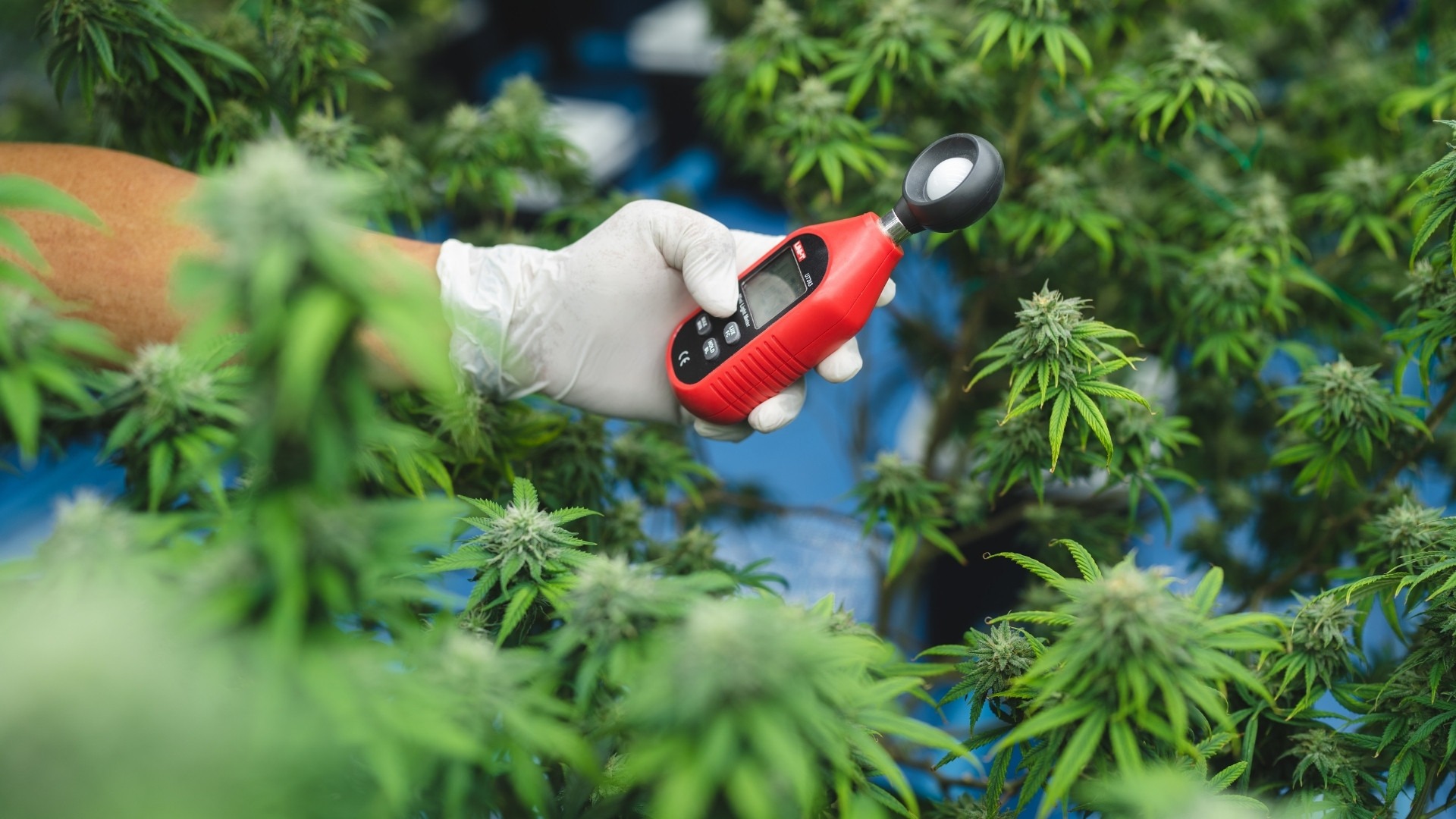
pH drift rarely comes from a single mistake. In commercial facilities, it builds gradually as small variables compound across rooms, systems, and cycles. Because drift happens quietly, it often goes unnoticed until plants start showing stress.
This is how pH fluctuations occur:
- Water Source Variability: Changes in source water alkalinity or seasonal municipal adjustments slowly shift baseline pH, especially when buffering is not recalibrated.
- Nutrient Uptake Imbalance: As plants absorb nutrients at different rates, hydrogen ion levels in the root zone change, leading to a gradual shift in pH over time.
- Salt Buildup in Media: Accumulated salts from feeding concentrate in the root zone, pushing pH out of range and restricting nutrient availability.
- Media Breakdown and Aging: Organic matter decomposition and root activity alter pH as the cycle progresses, particularly in soil and soilless mixes.
- Inconsistent Monitoring and Timing: Irregular pH checks or delayed adjustments allow minor drift to become a larger problem before it is addressed.
The next section breaks down pH-related issues that are commonly misread as nutrient deficiencies and explains why correcting nutrient levels alone does not solve them.
Suggested Read: Chemical Composition and Diversity of Commercial Cannabis
pH-Related Issues Often Misread as Deficiencies
When pH drifts out of range, plants often exhibit symptoms that mimic nutrient deficiencies. This leads growers to increase feeds or add supplements, even though nutrients are already present. The result is more inputs, more stress, and no improvement until pH is corrected.
Table showing different signs of plant fatigue and what they actually mean:
PlanaCan reduces these misdiagnoses by pairing automated workflows with an interactive cultivation calendar. pH checks and adjustments appear as scheduled tasks tied to growth stages, so teams see exactly when action is required across rooms. Try PlanaCan for free.
Measuring pH the Right Way in Cannabis Plants
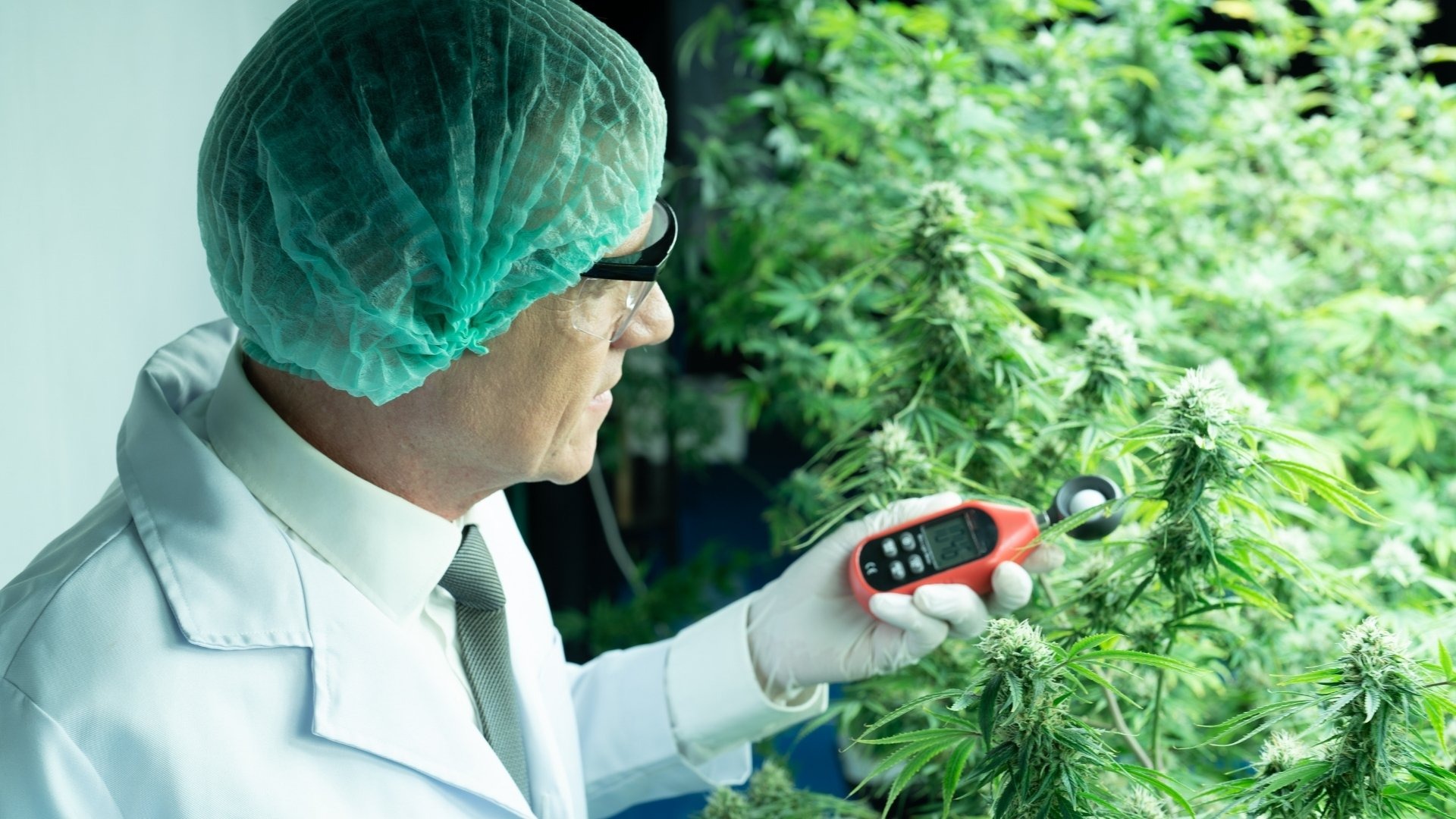
In commercial grows, inconsistent measurement methods create false confidence and delay corrective action. Measuring the right point in the system, at the right time, is what makes pH data usable.
Tips to measure pH correctly:
- Measure at the Root Zone, Not Just the Feed: Input pH alone does not reflect what roots experience, especially in soil, coco, or reused media.
- Use Consistent Timing: Measure pH at the same point in the irrigation or dryback cycle to avoid misleading swings.
- Calibrate Meters Frequently: Uncalibrated probes drift over time, leading to numbers that appear stable but are inaccurate.
- Separate Reservoir and Runoff Readings: Reservoir pH shows what you are delivering, while runoff or media readings show what plants are actually experiencing.
- Log Readings, Not Just Exceptions: Tracking normal pH behavior helps identify drift trends before plants show stress.
Once pH is measured correctly, the next challenge is fixing it without creating new stress. This is covered in the next section.
Suggested Read: Causes and Fixes for Slow Cannabis Plant Growth
Correcting pH Without Shocking Cannabis Plants
Rapid swings can damage root hairs, disrupt osmotic balance, and temporarily shut down uptake, even if the final number looks right. Effective correction is slow, deliberate, and aligned with plant demand.
This is what you need to do:
- Make Gradual Adjustments: Limit pH changes to small steps, typically no more than 0.2–0.3 at a time. Larger corrections increase the risk of root stress and often lead to secondary deficiencies.
- Correct at the Source First: Always stabilize irrigation or reservoir pH before addressing runoff or media readings. Fixing symptoms downstream without correcting inputs leads to repeated drift and inconsistent results.
- Avoid Overcorrection Cycles: Reacting to every reading creates oscillation in the root zone. Allow time for the medium to equilibrate before making additional adjustments.
- Match Corrections to Growth Stage: Vegetative plants recover faster from minor pH shifts, while flowering plants, especially late-flowering plants, are more sensitive. Adjust more conservatively as plants approach finish.
- Recheck Before Adding Nutrients: Confirm pH has stabilized after correction before increasing EC or changing feed ratios. Adding nutrients into an unstable pH environment compounds lockout risk and slows recovery.
As the scale grows, executing this level of control consistently by hand becomes difficult. The next section explains how technology turns pH correction into a structured, repeatable process instead of reactive decision-making.
Suggested Read: When to Know Your Cannabis Plant is Ready for Harvest
Use PlanaCan to Maintain pH Stability

PlanaCan is a cultivation planning and execution platform built specifically for commercial cannabis grows. It connects daily floor work to growth stages, so critical tasks like pH checks and adjustments occur when plants actually need them, not when someone remembers.
PlanaCan offers the following features to help growers manage cultivation tasks with accuracy:
- Automated, Growth-Stage Workflows
PlanaCan triggers pH-related tasks automatically as crops move from early veg to late flower. When a cycle runs longer or shorter than planned, workflows adjust without manual rescheduling. This prevents missed checks that lead to silent pH drift. - Interactive Cultivation Calendar
All pH checks, adjustments, and follow-ups appear on a shared, interactive calendar. Managers can see what is scheduled, overdue, and completed across rooms. This visibility eliminates guesswork and last-minute corrections. - Strain- and Room-Specific Task Planning
pH tasks can be tied to specific strains, rooms, and grow media. This allows tighter control for sensitive cultivars without overmanaging stable ones. The result is more consistent uptake and fewer unnecessary adjustments. - Execution Tracking and Accountability
Tasks are logged upon completion, creating a clear record of when pH was measured and corrected. This makes it easier to spot patterns, verify execution, and support compliance documentation. Nothing relies on memory or notes. - Historical Data and Cycle Comparison
PlanaCan stores pH-related execution data across cycles. Teams can compare when the drift occurred, how it was corrected, and its impact on outcomes. Over time, this turns pH management from reactive troubleshooting into a predictable process.
PlanaCan gives cultivators the structure, timing, and visibility needed to keep pH in range consistently, across strains, rooms, and cycles. When execution matches plant needs, consistency stops being a goal and becomes the default.
Conclusion
pH is one of the few variables in cannabis cultivation that affects everything and forgives nothing. When it drifts out of range, nutrients become unavailable, growth slows, and quality suffers. Left unmanaged, small pH issues compound into yield loss, inconsistent finishes, and avoidable labor spent chasing symptoms instead of causes.
PlanaCan helps cultivators keep pH under control by turning monitoring and correction into a planned, automated part of daily operations. With growth-stage workflows, an interactive calendar, and execution tracking, pH management stays aligned with plant needs across rooms and cycles.
See how PlanaCan keeps pH stable through structured execution. Schedule a free call today.
Frequently Asked Questions
1. What is the best pH for pot plants?
The ideal pH depends on the growth medium. Soil typically performs best between 6.2–6.8, coco between 5.8–6.2, and hydro systems between 5.5–6.0, adjusted slightly by growth stage.
2. How do you adjust soil pH in pots?
Soil pH is adjusted by correcting irrigation water first, then using amendments or controlled flushing if needed. Changes should be gradual, as soil buffers pH and reacts slowly in the root zone.
3. What pH is too high for cannabis plants?
In soil, a pH above 7.0 can begin to restrict the uptake of iron, manganese, and phosphorus. In coco or hydro, a pH above 6.5 increases the risk of micronutrient lockout and slowed growth.
4. How can you tell if soil pH is too high?
Common signs include yellowing new growth, interveinal chlorosis, and poor response to feeding adjustments. Runoff or root-zone pH readings typically confirm elevated levels.
5. How often should pH be checked in a commercial grow?
pH should be checked at every irrigation in hydro and coco systems, and at consistent intervals in soil, especially during growth stage transitions where drift is most likely.