Light is one of the most crucial factors influencing cannabis growth, especially during the vegetative and flowering stages. While many growers focus on nutrients, watering, and temperature, the intensity of light your plants receive can make all the difference in their overall health, growth rate, and final yield. For cannabis, getting light intensity right in the vegetative stage is key to promoting strong root development, lush foliage, and a solid foundation for future bud production.
In this blog, we will explore the impact of light intensity on cannabis growth, how it affects the vegetative phase, and how to optimize light conditions to maximize your plant's potential. Understanding light intensity for vegetative growth is essential not just for improving plant health, but for setting the stage for a more successful and bountiful harvest.
Key Takeaways
- Light intensity is crucial for cannabis growth, affecting both the vegetative and flowering stages.
- Blue light is essential during the vegetative stage for promoting leaf growth and compact plant structure, while red light in the flowering stage stimulates bud formation and improves bud quality.
- The distance between light sources and plants directly impacts light intensity, with optimal spacing required to avoid light burn or insufficient light exposure.
- LED lights are ideal for cannabis cultivation due to their energy efficiency and customizable spectrum, but careful attention must be paid to light intensity and distribution to maximize growth and yield.
Understanding Light Intensity in Cannabis Growth
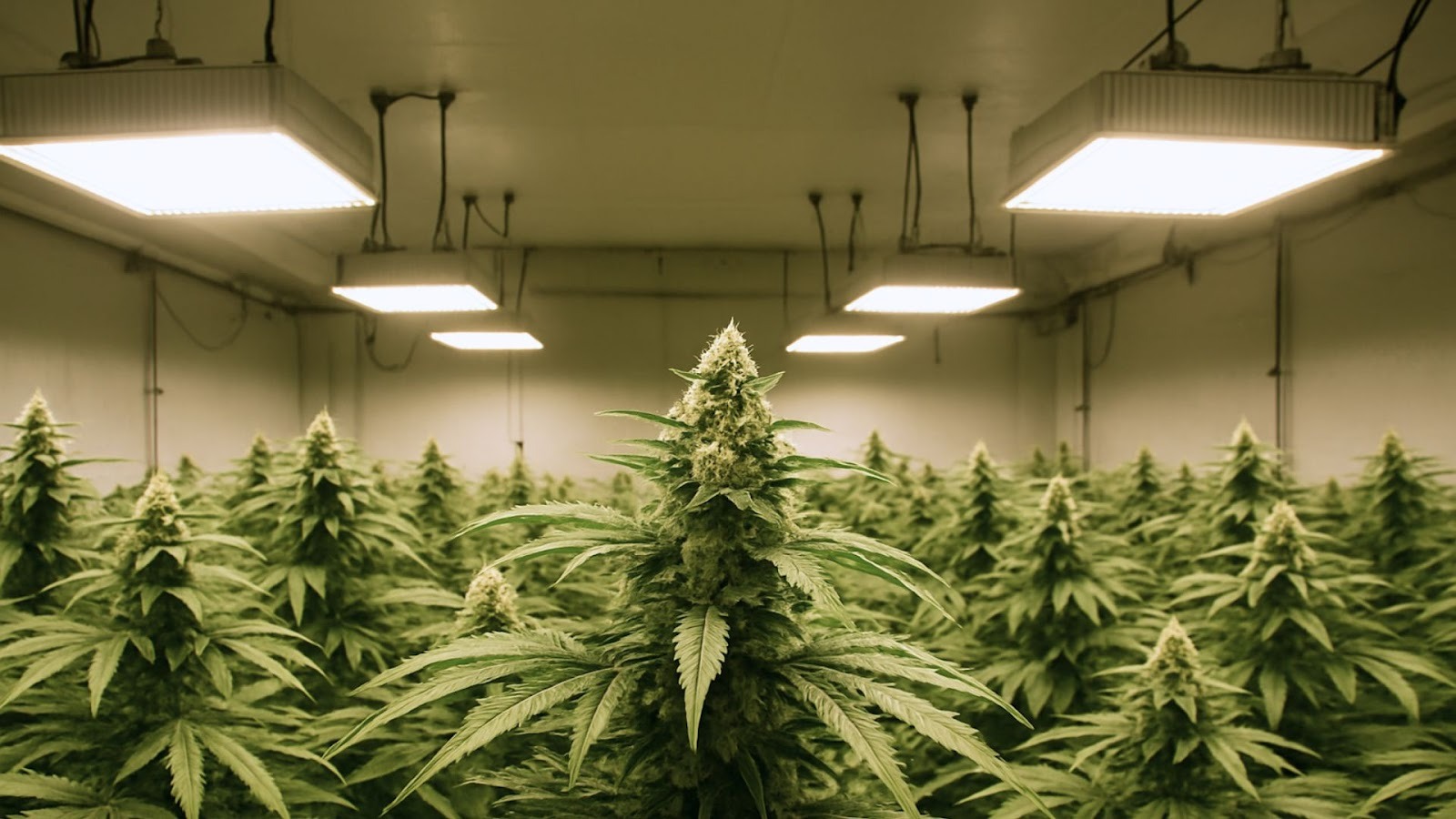
Alt text: Understanding Light Intensity in Cannabis Growth
Light intensity is a key determinant of the growth of cannabis plants, especially during the vegetative phase. To understand how light influences cannabis, it's important to first define light intensity and understand how it is measured.
Light Intensity
Light intensity refers to the amount of light that reaches the plant’s surface, which is crucial for the process of photosynthesis. It is typically measured in units like lux and foot-candles:
- Lux: This is the metric unit used to measure light intensity. One lux represents one lumen per square meter and indicates the total amount of light received by the surface.
- Foot-Candles: A foot-candle is another unit used to measure light intensity, commonly used in the United States. One foot-candle equals one lumen per square foot. It is often used in greenhouse lighting to assess the amount of light exposure plants are getting.
While both units measure light intensity, they are used in different contexts, with lux more commonly used in scientific studies and foot-candles often used in horticultural settings.
Photosynthetically Active Radiation (PAR)
Photosynthetically Active Radiation (PAR) refers to the light wavelengths that are used by plants for photosynthesis, typically in the range of 400 to 700 nanometers. This spectrum is crucial for cannabis as it is responsible for energy production in plants.
Cannabis plants require high levels of PAR for optimal photosynthesis, which in turn supports healthy growth and development. During the vegetative stage, cannabis plants need an appropriate balance of blue and red light in the PAR spectrum to stimulate robust growth and healthy leaf development. Too little PAR can stunt growth, while excessive levels can lead to stress or light burn.
PAR Measurement: PAR is measured in micromoles per square meter per second (µmol/m²/s), which quantifies the number of photons available for photosynthesis within the usable light spectrum. Understanding PAR is essential for ensuring your plants receive the right amount of light energy for maximum growth potential.
By mastering light intensity measurements and understanding PAR, cannabis growers can better tailor their lighting conditions to promote optimal vegetative growth and prepare the plants for the flowering stage.
Light Intensity in the Vegetative Stage
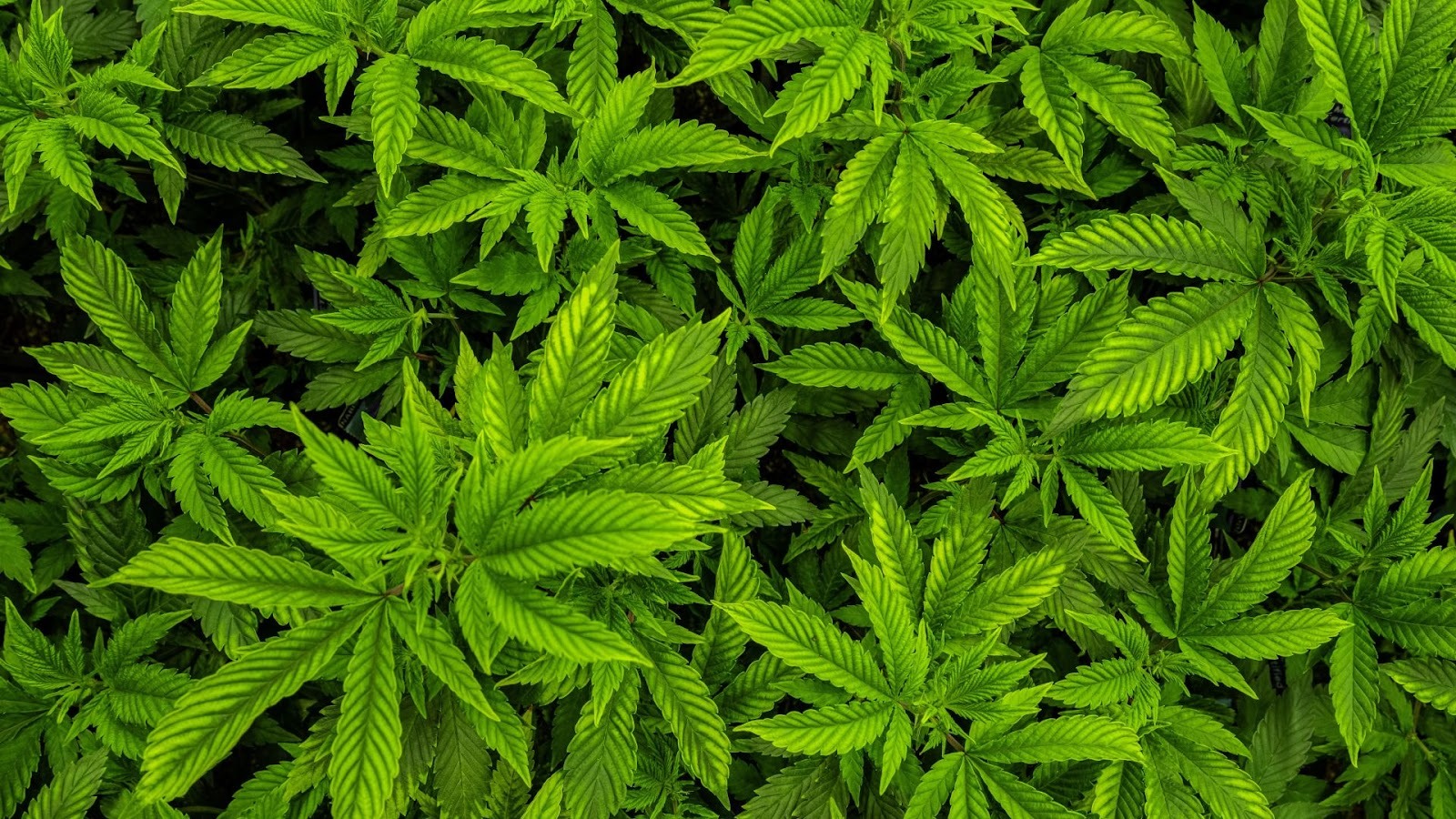
Alt text: Light Intensity in the Vegetative Stage
The vegetative stage is a critical phase in cannabis growth, during which plants focus on developing strong stems, robust leaves, and a healthy root system. Light intensity plays a central role in this stage, directly influencing plant structure, internodal spacing, and overall vigor.
Adequate light intensity ensures that cannabis plants grow compact, sturdy stems and maintain appropriate internodal spacing—the distance between sets of leaves along the stem. Proper spacing allows for better light penetration to lower leaves, improving photosynthesis and nutrient absorption.
High-quality, intense light promotes vigorous leaf growth, a strong canopy, and prepares plants for a productive flowering phase. By providing the right amount of light during vegetative growth, you set the foundation for a healthier, more productive crop.
Consequences of Insufficient Light Intensity
When light intensity is too low, cannabis plants respond by stretching toward the light source, resulting in elongated stems and weak structural integrity. This leads to sparse foliage, reduced leaf size, and poor canopy formation, which can negatively impact photosynthesis and overall plant health.
Additionally, inadequate light during the vegetative stage can delay flowering and reduce final yields, making proper light management essential for successful cultivation.
Recommended Light Intensity for Vegetative Stage
During the vegetative stage, cannabis plants require moderate light intensity to support strong stem and leaf growth. The ideal light intensity range for this stage is between: 15,000-30,000 lux (or 1,400-2,800 foot-candles)
This light level encourages healthy foliage development, maintains compact internodal spacing, and helps the plant build the necessary energy reserves for the flowering stage. It's crucial to maintain light intensity within this range to avoid stretching or weak growth.
Understanding and maintaining optimal light intensity during the vegetative stage is crucial for building strong, healthy plants that can support high-quality buds during the flowering stage.
Ensure your plants thrive with optimal light intensity. PlanaCan’s tools help you monitor light conditions in real time and adjust them for better vegetative growth!
Also Read: How to Treat Light Burn and Light Stress in Cannabis Seedlings
Light Intensity in Flowering Stage
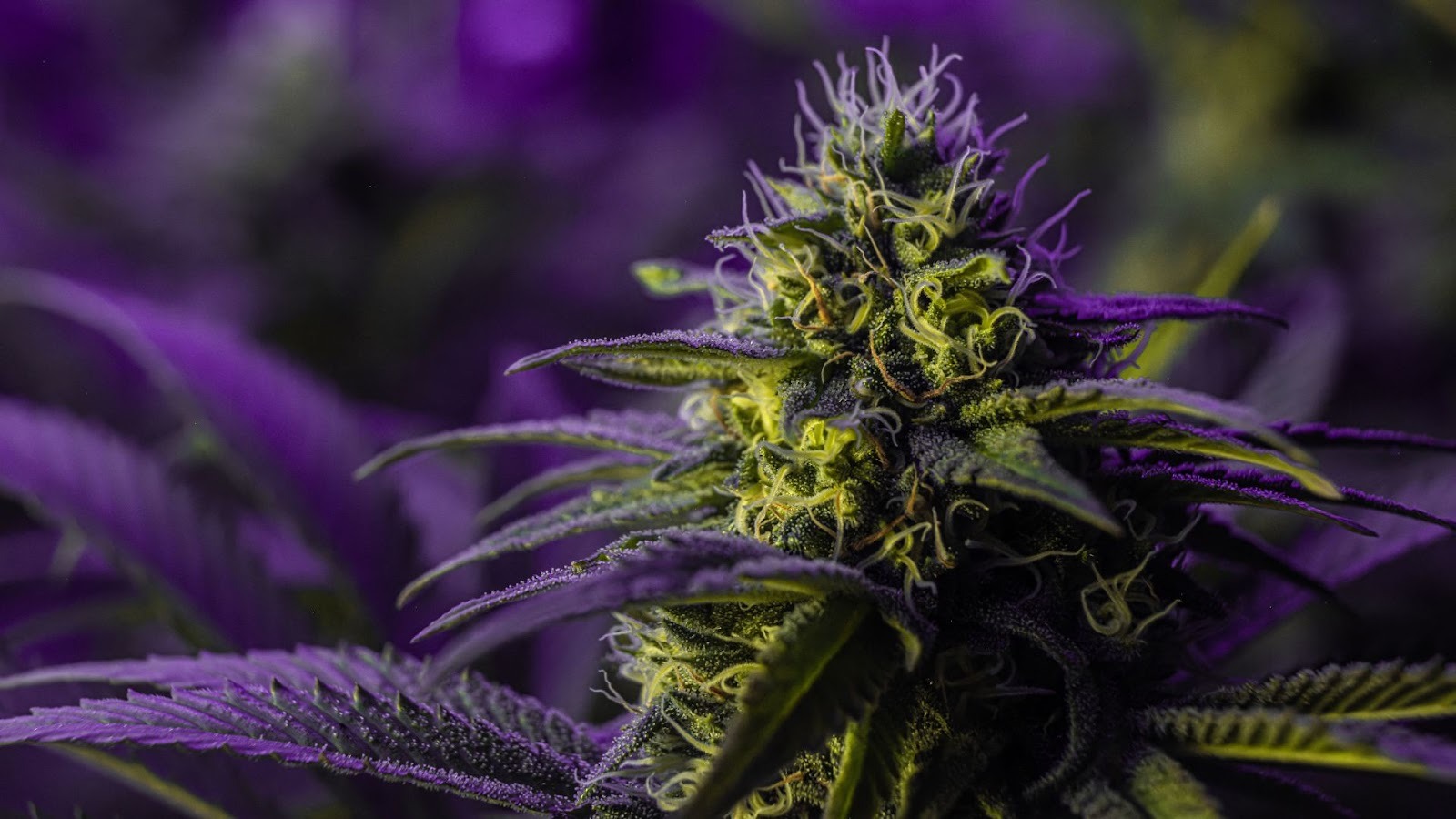
Alt text: Light Intensity in Flowering Stage
During the flowering stage, light intensity plays a key role in stimulating cannabis plants to produce high-quality buds. As plants transition from vegetative growth to flower formation, the right light conditions are essential for ensuring robust bud development and maximizing yield potential.
Stimulating Hormone Production for Flower Formation
Light intensity during the flowering stage is critical for triggering the production of hormones, such as phytochromes and auxins, that regulate flower development. High-intensity light, particularly in the red spectrum, helps plants transition from the vegetative state to the reproductive (flowering) phase. This hormone production stimulates the formation of flower sites, ensuring healthy, dense buds.
Impact on Bud Size, Density, and Trichome Production
The intensity of light directly influences bud size, density, and trichome production—factors that contribute to both the visual appeal and potency of the harvest. When cannabis plants receive adequate light, buds grow larger, denser, and more resinous.
Light intensity also plays a significant role in trichome development, the glands that produce cannabinoids like THC and CBD. The greater the light intensity (within optimal ranges), the more resin and trichomes the plant will produce, enhancing the quality and potency of the buds.
Consequences of Insufficient Light Intensity
Insufficient light intensity during the flowering stage can lead to stretched, airy buds with minimal density. This reduces the overall yield and quality of the harvest. Plants may also produce fewer trichomes, resulting in lower potency. Lack of proper light intensity can stress plants, causing delayed flower development and ultimately diminishing both the quantity and quality of your final product.
Recommended Light Intensity for Flowering Stage
As cannabis plants enter the flowering stage, they need higher light intensity to support robust bud development and trichome production. The recommended light intensity for this stage is: 30,000-60,000 lux (or 2,800-5,600 foot-candles)
Higher light levels during flowering promote dense, resin-rich buds, which contribute to higher yields and enhanced potency. At this intensity, plants are stimulated to produce more trichomes and cannabinoids, which are crucial for the overall quality and strength of the final product.
Maintaining optimal light intensity throughout the flowering stage is essential for maximizing bud production, enhancing trichome formation, and ensuring a higher yield of potent, high-quality cannabis.
Also Read: Adjust Light Intensity in the Final Flowering Stage
Providing the right light intensity ensures that your plants receive the energy needed for healthy growth, efficient photosynthesis, and maximum yield potential.
Considerations for Maintaining Optimal Light Intensity
Alt text: Considerations for Maintaining Optimal Light Intensity
To ensure your cannabis plants receive the right amount of light throughout their growth stages, several factors need to be considered. From the type of light source used to the proper positioning and uniform distribution, each element plays a crucial role in maintaining optimal light intensity and supporting healthy plant development.
Impact of Different Light Sources like HID and LEDs
The type of light source used in your grow room can significantly affect light intensity and the overall success of your cultivation.
High-Intensity Discharge (HID) Lights: HID lights, including Metal Halide (MH) and High-Pressure Sodium (HPS), are commonly used in cannabis cultivation due to their ability to emit high light intensity. While they provide great coverage, they generate more heat, which can sometimes make it difficult to maintain optimal temperature and humidity.
Light Emitting Diodes (LEDs): LEDs have become the go-to light source for modern cannabis cultivation. They are energy-efficient, produce less heat, and offer a more customizable spectrum of light. LEDs are excellent at delivering consistent light intensity without the excess heat, making them ideal for both vegetative and flowering stages. However, the intensity of LEDs can differ according to the brand and model. Hence, it’s essential to choose LEDs designed for plant growth.
Importance of Adjusting Light Height to Maintain Optimal Distance
The height at which lights are placed above your plants directly impacts the light intensity they receive. Too close, and the plants may experience light burn or heat stress; too far, and they may not receive enough light for proper growth.
Vegetative Stage: For HID lights, maintain a distance of about 24-36 inches (61-91 cm) from the canopy, while LEDs can typically be placed 12-24 inches (30-61 cm) above the plants.
Flowering Stage: As plants grow taller, the lights should be adjusted accordingly. For HID lights, a 18-24 inch (46-61 cm) distance from the canopy is ideal, while LEDs can be placed slightly closer, around 12-18 inches (30-46 cm).
Regular adjustments to light height ensure that plants receive consistent light intensity without the risk of light stress.
Ensuring Consistent Light Uniformity Across the Grow Area
Uniform light distribution is essential for promoting even growth throughout your plants. Inconsistent light coverage can lead to uneven growth patterns, with some parts of the plant receiving too much light and others too little. This can cause plants to stretch or develop weak spots.
Proper Light Coverage: Ensure that your grow area is adequately lit by placing lights in a way that ensures full coverage. If using multiple light sources, make sure they are positioned to avoid any shadows or hotspots.
Reflective Surfaces: Using reflective materials like Mylar or white walls can help increase light uniformity by bouncing light onto areas that may be shaded, ensuring that all parts of the plant receive an equal amount of light.
By carefully managing these factors, you can maintain optimal light intensity for your cannabis plants, ensuring healthy growth, robust yields, and high-quality buds.
Optimize your light setup and ensure even growth across your cultivation area with PlanaCan’s smart monitoring system and planning tools.
Impact of Light Spectrum on Growth Stages
Alt text: Impact of Light Spectrum on Growth Stages
The light spectrum, specifically the balance of blue and red wavelengths, plays a crucial role in determining how cannabis plants grow and develop at different stages. Understanding the impact of each color in the light spectrum allows growers to optimize conditions for healthier plants and better yields. Let’s look at how blue and red light influence the vegetative and flowering stages:
By optimizing the light spectrum with the right balance of blue and red wavelengths during each growth stage, you ensure that your cannabis plants receive the ideal light conditions for each phase of their development.
Also Read: Identifying and Treating Light Stress in Cannabis Plants
Conclusion
Light intensity is a fundamental factor in cannabis cultivation, playing a crucial role in achieving healthy plant growth and maximizing bud development. During the vegetative stage, proper light intensity promotes strong, compact growth and root development, laying the groundwork for a successful flowering phase. In the flowering stage, the right light intensity is essential for enhancing flower size, bud density, and trichome production, which directly impact the potency and quality of the final harvest.
Understanding the specific light needs of your plants—considering factors such as light spectrum, distance from the plants, strain requirements, and growing conditions—ensures that you create the ideal environment for optimal growth. By implementing the right light intensity throughout each growth stage, you support plant health and also optimize your yield potential.
Time to optimize your light intensity and boost your harvest quality. Schedule a free consultation with PlanaCan to see how we can streamline your cannabis cultivation process!
Frequently Asked Questions
1. What is the ideal light intensity for cannabis during the vegetative stage?
During the vegetative stage, cannabis plants thrive under light intensities ranging from 15,000 to 30,000 lux (approximately 1,400 to 2,800 foot-candles). This intensity supports robust leaf and stem development, promoting healthy growth.
2. How much light intensity is needed during the flowering stage?
In the flowering stage, cannabis plants require higher light intensities, ideally between 30,000 and 60,000 lux (about 2,800 to 5,600 foot-candles). This range enhances bud development, trichome production, and overall yield.
3. What is the difference between lux and PPFD in cannabis cultivation?
Lux measures the total amount of visible light received per unit area, but it doesn't account for the specific wavelengths plants use for photosynthesis. PPFD (Photosynthetic Photon Flux Density), measured in µmol/m²/s, quantifies the actual amount of light in the 400–700 nm range that plants can use for photosynthesis. PPFD is a more accurate measure for assessing light conditions in plant growth.
4. How does light intensity affect cannabis bud quality?
Adequate light intensity during the flowering stage leads to larger, denser buds with increased trichome production. This results in higher potency and improved aroma. Insufficient light can lead to airy buds with reduced cannabinoid content.
5. Can too much light harm cannabis plants?
Yes, excessive light intensity, especially above 75,000 lux, can cause light stress, leading to symptoms like leaf bleaching and reduced plant health. It's crucial to balance light intensity to avoid overexposure.
6. How do I measure light intensity in my grow area?
Using a lux meter is an effective way to measure light intensity. Place the meter at canopy level in various spots to ensure uniform light distribution. Adjust the light distance or intensity based on the readings to maintain optimal conditions.
7. What role does light spectrum play in cannabis growth?
Blue light (400–500 nm) is vital during the vegetative stage for promoting leaf growth and compact plant structure. Red light (600–700 nm) is essential during the flowering stage to stimulate bud formation and enhance trichome production. Balancing these spectrums supports healthy growth throughout the plant's life cycle.