Are your plants starting to show light green leaves weed, and you are not sure if it signals early stress or a normal growth shift? Most commercial growers face this at some point, especially when juggling multiple rooms, fast turnover cycles, and tight production targets.
Color changes can feel confusing because several issues look similar at first glance. Is it nutrient imbalance, light stress, or something deeper in the root zone? And more importantly, how do you know which changes need action and which are part of healthy development? These questions become even more challenging when you are trying to keep every room consistent from week to week.
In this blog, we break down what healthy leaves should look like, why they change color, and how to correct the most common issues. Read along if you want clear, practical signs to guide your decisions.
Quick Look
- Healthy cannabis leaves stay deep green with balanced nutrients, stable lighting, and proper root conditions.
- Light green foliage often signals early nutrient issues, light stress, or root-zone imbalance.
- Subspecies and natural mutations can influence leaf shape and color, but stress signs follow clear patterns.
- Different leaf colors point to specific problems like nitrogen loss, cold stress, or pH-related lockouts.
- Maintaining healthy leaves requires balanced feeding, steady watering, proper light distance, and regular pH checks.
What Do Healthy Cannabis Leaves Look Like?
Healthy cannabis leaves are your first clue that your plant is thriving. They should display a vibrant green hue and feel slightly waxy, smooth, and firm to the touch.
Key characteristics of healthy leaves:
- Even, symmetrical shape with no curling or twisting.
- Smooth edges with no browning, wilting, or drooping.
- Glossy surface that reflects strong photosynthetic activity.
- Consistent coloration, usually a deep, rich green.
Monitoring leaf appearance regularly helps you catch early signs of stress before they escalate. A leaf’s color, texture, and shape together tell the story of plant health.
Seeing light green leaves weed? Let’s explore why cannabis leaves sometimes shift shades and what it means for your grow.
Also Read: How to Spot and Resolve Cannabis Leaf Burn due to Nutrients
Why Do Cannabis Leaves Change Color?
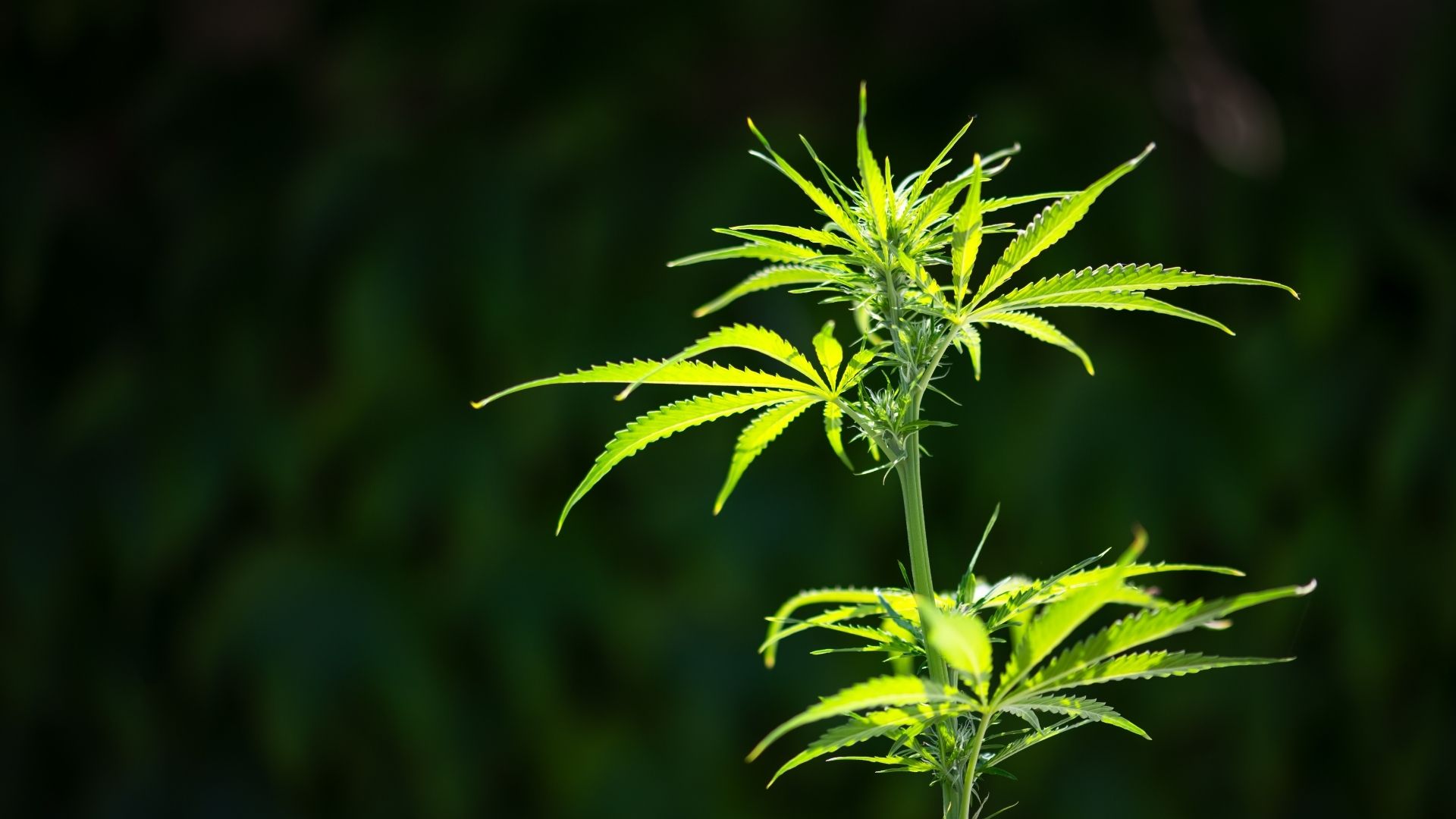
Cannabis leaves naturally change shades as part of growth, environmental adjustments, or nutrient uptake. Light green leaves, in particular, often signal a shift in plant health. Let’s explore the main factors that might be responsible:
Nutrient Deficiencies
Your cannabis plants need the right nutrients to stay lush and green. When they don’t get enough nitrogen, magnesium, or iron, they struggle to make chlorophyll. That’s why leaves can start looking pale or light green, even if the plant seems otherwise healthy.
- What to look for: Leaves turning yellow between veins, curling edges, or pale new growth.
- Tip: Adjust nutrients gradually and watch how your plant responds before adding more.
Overwatering and Root Stress
Giving your plants too much water might seem safe, but it can actually stress their roots. When roots sit in wet soil, they get less oxygen, and nutrient absorption slows down. That often shows up as light green, droopy leaves.
- What to look for: Soil that stays wet, sagging leaves, or brown, mushy roots.
- Tip: Let the soil dry a bit between waterings and check the roots if leaves keep turning pale.
Light Conditions
Cannabis leaves are sensitive to light. Not enough light can make them stretch and look lighter, while too much heat or bright light can bleach them. Either way, your plant may show those pale, light green leaves that make you worry.
- What to look for: Bleached tips, uneven leaf color, or tall, spindly growth in shaded spots.
- Tip: Adjust indoor lights for distance and intensity, or give outdoor plants some shade during peak sun.
Soil pH and Composition
Even if you’re feeding your plants perfectly, soil can be the culprit. Cannabis thrives in slightly acidic soil (pH 6.0–7.0), and if this pH is off, nutrients won’t reach the roots effectively. Compacted or poorly draining soil makes it worse by suffocating roots.
- What to look for: Pale leaves despite proper feeding or irregular growth patterns.
- Tip: Test soil pH regularly and use well-draining, airy soil for healthy roots.
The shade and shape of a leaf can also depend on the cannabis variety. Let’s look at how subspecies influence leaf appearance.
Noticing color changes only after the damage is done? PlanaCan helps you stay ahead by tracking tasks, feeding schedules, and environment checks in one clear workflow.
How Do Cannabis Leaves Differ By Subspecies?
When figuring out your light green leaves weed, you should know what “normal” looks like for each cannabis subspecies. Not all leaves share the color depth or leaflet count, so what seems unhealthy in one type might be completely natural in another.
Leaf Traits by Subspecies:
Sativa
Sativa leaves look long, thin, and sharply serrated. They often show brighter greens, so lighter shades can be normal during early growth. These leaves appear airy and spread out, matching the tall and open structure of sativa plants.
Indica
Indica leaves are wide, heavy, and deep green. A light green tone is less common here and may point to nutrition or environmental issues. Their thickness helps them retain moisture, giving them a dense and sturdy look.
Ruderalis
Ruderalis leaves are smaller and more compact, with leaflet counts that vary widely. Their color usually sits between medium and dark green. Because ruderalis plants stay small, their leaves often appear more concentrated around the stem.
With these natural leaf traits in mind, you can now spot when a leaf looks unusual for its subspecies. Some variations, however, don’t come from stress but from natural mutations.
Also Read: Controlling and Treating Cannabis Leaf Burn and Spots
What Are The Mutated Patterns On Cannabis Leaves?

Some leaf shapes don’t match any subspecies. When you see an unusual form, it does not always signal a health issue. Many mutations are stable traits, while others appear randomly during early growth. Knowing what’s normal helps you avoid confusing harmless quirks with actual issues in your light green leaves weed.
Common patterns include:
- Webbed Leaves: These leaves show fused leaflets that look like wide, connected blades. They often appear uniform from seedling to maturity.
- Whorled Phyllotaxy: Instead of two leaves per node, these plants develop three or more. The extra symmetry gives the plant a fuller look.
- Australian Bastard Cannabis (ABC): These leaves form tiny, smooth leaflets with no serration. They resemble succulent leaves rather than classic cannabis.
Now that you know how unusual leaf structures can affect the plant’s appearance, let’s go deeper into color. Because when cannabis leaves shift shades, they’re often sending you a message.
What Do Different Cannabis Leaf Colors Mean?
Cannabis leaves don’t just change color for aesthetic reasons; they’re constantly responding to temperature, nutrients, genetics, and overall plant stress. When you understand what each shade is trying to tell you, you can keep your plants thriving without second-guessing every shift.
Yellow Leaves
- Often caused by nitrogen deficiency, pH imbalance, heat stress, overwatering, or lack of light.
- Usually starts in the lower leaves and moves upward as the issue worsens.
- Growth may slow, and leaves lose their usual firmness.
- Check feeding strength, root-zone pH, and watering habits before adding extra nitrogen.
Purple or Lilac Leaves
- Typically triggered by cool night temperatures or anthocyanin-rich genetics.
- Some strains naturally express purple hues during late flowering.
- Color change is usually harmless unless paired with drooping or slowed growth.
- Review recent temperature drops and confirm nutrient consistency before making changes.
Red or Orange Leaves
- It can develop from phosphorus deficiency, environmental stress, or genetic high in anthocyanins/carotenoids.
- Often accompanied by red stems or slow bud development when nutrient-related.
- Some strains turn red even in ideal conditions—especially in colder climates.
- Test soil pH and ensure phosphorus is available in your nutrient mix.
Near-Black Leaves
- Result from extremely high levels of purple pigments or genetics bred for very dark foliage.
- Most common in cold environments or during the late flowering stages.
- Usually harmless if growth remains strong and leaves stay firm.
- Check if your strain is known for dark coloration before adjusting your environment or feed.
Now that you’ve decoded leaf colors, it’s time to shift to keeping your leaves consistently healthy.
When leaf colors shift, quick action matters. PlanaCan keeps your workflows organized with automated schedules and a shared calendar, making it easier to identify what caused the color change and fix it before it spreads.
How Can You Maintain Healthy Cannabis Leaves?
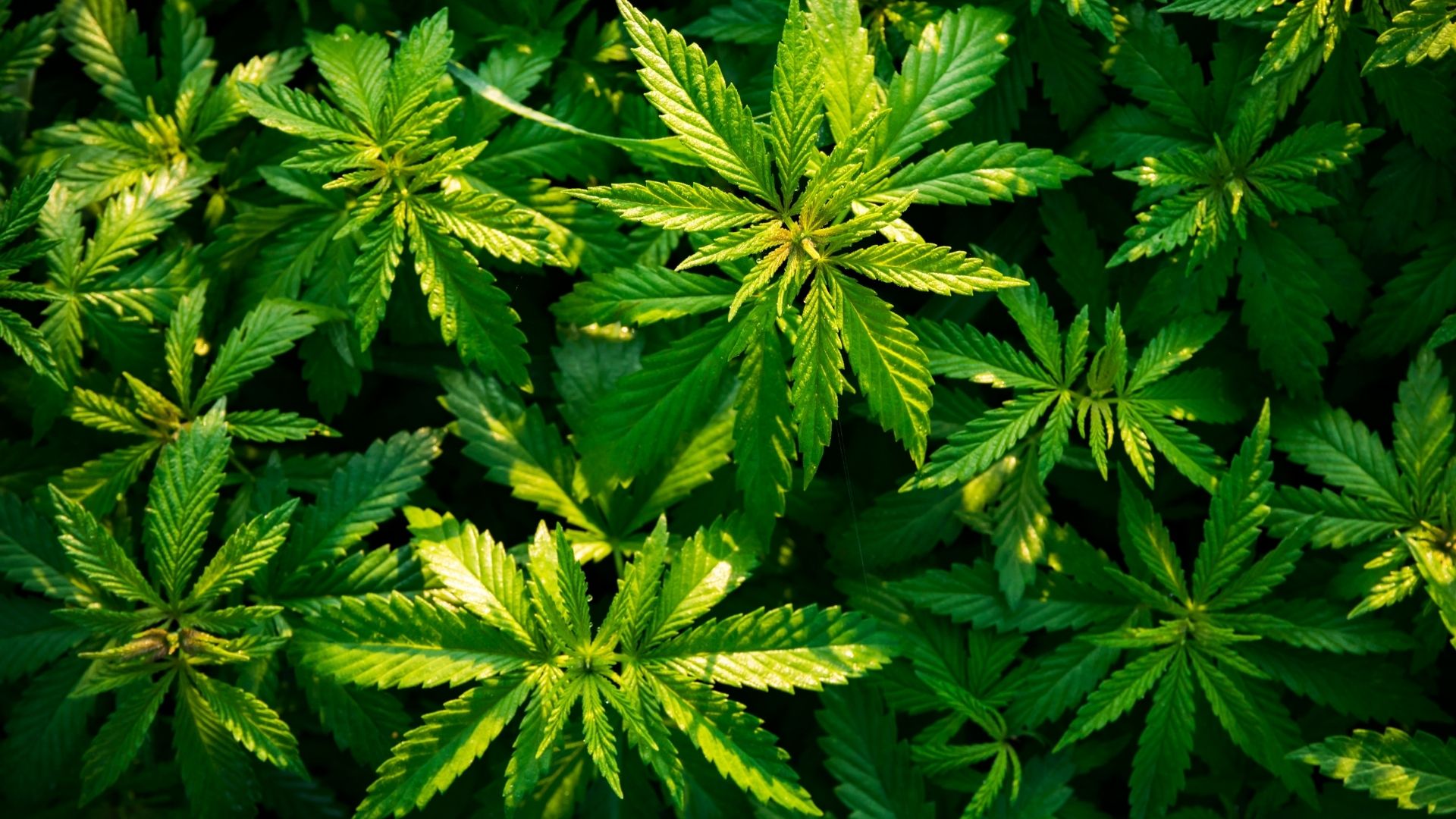
Healthy foliage comes from steady care rather than big corrections. When your routine supports strong roots, balanced nutrition, and controlled light, your plants are less prone to issues like light green leaves weed changes. Try:
Balanced Feeding
- Match nutrients to each stage. Increase nitrogen during veg, then switch to a bloom formula later.
- Watch for early signs. Fading between veins or pale tips means it’s time to adjust your mix.
Stable pH
- Test the soil or solution often. Cannabis absorbs nutrients best between 6.0 and 7.0 in soil.
- Correct gently. Use lime to raise pH or sulfur to lower it without shocking roots.
Smart Watering
- Let the root zone breathe. Allow partial drying between each session to support oxygen flow.
- Track patterns. Seasonal shifts change how quickly soil dries, so adjust based on real-time conditions.
Controlled Lighting
- Keep intensity consistent. Avoid sudden changes that cause bleaching or stretching.
- Watch canopy distance. Raise or lower lights to prevent heat stress or pale tops.
Soil Health
- Use well-aerated mixes. Perlite or coco blends keep roots active and nutrient uptake efficient.
- Check compaction. Break up dense soil to improve drainage and airflow.
Also Read: How to Spot and Fix Potassium Deficiency in Cannabis Plants
Streamline Leaf Health Monitoring With PlanaCan

When leaves shift color, the issue often traces back to inconsistent tasks, missed checks, or unclear team routines. These problems grow as your operation scales, and that’s where PlanaCan becomes a reliable partner. The platform helps you build predictable workflows that keep your plants healthier and your team aligned.
PlanaCan supports your cultivation cycle with:
- Automated Work Scheduling: Standardize your entire cultivation cycle so no critical task, be it watering, feeding, or monitoring, is ever overlooked.
- Interactive Planning Calendar: Track every action in one clean visual timeline, adjusting work as plants change.
- Team Management Tools: Keep everyone aligned with mobile task updates, notes, and real-time communication.
- Harvest Analysis Reports: Review what worked (and what didn’t) to prevent recurring leaf issues and boost yield reliability.
PlanaCan turns cannabis cultivation into a predictable system, so your plants stay healthy, and your operation runs smarter than ever.
Bottom Line
Keeping your plants healthy starts with understanding what leaf color is trying to tell you. When you spot light green leaves weed, it often signals an imbalance in nutrients, light, or daily care routines. The more consistent your environment and tasks are, the easier it becomes to prevent these issues before they affect growth or yields.
The hard part is staying consistent when every day brings new tasks, changing conditions, and team schedules that do not always line up. That’s where having structured support makes a real difference.
PlanaCan helps you bring order to the daily work so your plants get steady, predictable care every cycle. With automated scheduling and complete harvest analysis, you can prevent small issues head-on. Schedule a free call to see how PlanaCan strengthens your cultivation workflow.
FAQ’s
1. Is light green weed bad?
Not always. Light green leaves weed can be normal in young plants or certain genetics, but sudden changes often signal stress. If the color shift appears along with slow growth or weak leaves, you should check nutrients, pH, and light levels.
2. Why is my cannabis plant light green?
Cannabis usually turns light green when it lacks nitrogen or struggles to absorb nutrients due to poor pH. It can also happen when plants get too much light, too little light, or irregular watering. Checking these basics usually reveals the cause.
3. What weed is light green?
Some strains naturally grow with softer green tones, especially sativa-leaning varieties with thinner leaves. Young plants and new growth also appear lighter before they mature.
4. What color is high-quality weed?
High-quality cannabis typically shows deep greens with hints of purple, orange, or gold depending on genetics. The buds look vibrant, well-trimmed, and coated with visible trichomes.