Is improper handling of your flowering buds affecting your cannabis yield and quality? With cannabis prices dropping by 32% since 2021, the competition is fiercer, and the pressure to maintain both high output and quality is mounting.
Small mistakes, such as touching buds during flowering, can disrupt trichome production, cause physical damage to the buds, and lead to a loss in potency. This not only lowers the quality of your final product but can also shrink your profit margins.
In this blog, you will understand why handling your buds with care is crucial for maintaining a high-quality harvest and how it can help protect your bottom line.
TL;DR
- Touching cannabis buds during flowering can damage trichomes, reducing potency and aroma.
- Excessive handling can cause buds to become less dense, affecting both yield and market value.
- Proper handling ensures buds stay healthy and retain their full potential for quality and strength.
- Physical stress from touching can lead to visible damage like bruising or bending, harming the overall product.
- Minimizing touch during flowering helps preserve resin production, maximizing the potency of your final harvest.
Why Flowering Buds Are Crucial in Cannabis Cultivation
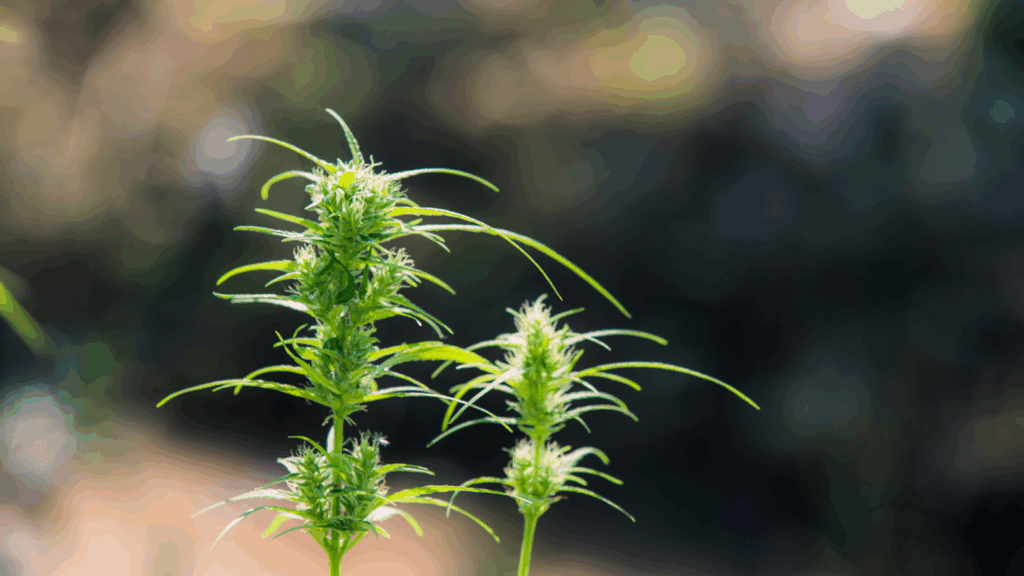
The flowering stage is when your cannabis plants’ value is determined. This stage directly affects the potency, size, and overall marketability of your buds. Any mismanagement, whether in nutrient delivery, environmental conditions, or handling, can lead to loss in quality and profit.
Understanding the importance of flowering buds will help you avoid costly mistakes. Here’s why this phase is pivotal in achieving the best harvest:
- High yield potential: Flowering buds are the source of your cannabis yield. During this stage, the plant’s energy is focused on bud growth, and properly nurtured flowering buds maximize the overall output.
- Determines market value: Flowering buds are where most of the plant’s cannabinoids, like THC and CBD, are concentrated. The size and quality of these buds determine the potency, which in turn affects the market price.
- Aroma and flavor development: Terpenes, responsible for the cannabis aroma and flavor profile, are concentrated in the flowering buds. This stage is crucial for developing the unique characteristics of each strain.
- Harvest timing: The timing of harvesting cannabis is heavily based on the condition of the flowering buds. Harvesting at the right time during the flowering phase ensures that the plant has reached its maximum potential.
- Visual appeal for consumers: Dense, resin-covered buds with vibrant color and proper trichome development are more appealing to consumers.
- Foundation for post-harvest processing: Flowering buds are the foundation for further cannabis processing, such as curing, extraction, and concentrate production.
- Plant health and disease resistance: Healthy flowering buds are more resilient to pests and diseases. If the flowering phase is poorly managed, plants are more susceptible to issues like bud rot.
Flowering buds are the key to a successful yield. Handling your buds too much during flowering can cause irreversible damage. Understanding the effects of this interaction is essential for ensuring your harvest reaches its full potential.
What Happens When You Touch Cannabis Buds During Flowering?

Touching cannabis buds during the flowering phase can disrupt their natural development. Even slight physical contact can damage the trichomes, which play a key role in overall quality. These issues can affect your final product, reducing both its value and appeal. Here's what happens when you touch cannabis buds during flowering.
Effect
Short-term Impact
Long-term Impact
Trichome damage
Immediate loss of resin and cannabinoids.
Decreased aroma and flavor, reducing potency,
Physical stress to buds
Can cause bruising or breaking of delicate buds.
Stunted bud growth, compromised plant health.
Humidity imbalance
Disruption in moisture balance increasing bud mold risk.
Persistent mold growth leading to entire crop loss.
Reduction in quality and yield
Reduced flower density, affecting market value.
Lower yields with less potent and less dense buds.
Damage to pistils
Pistils can get bent or damaged, affecting pollination.
Damaged pistils can lead to malformed or underdeveloped buds.
Over-exposure to light
Touching buds may expose hidden parts to light, affecting growth.
Long-term exposure causes degradation of cannabinoids and terpenes.
Disruption in resin flow
Direct contact may inhibit resin flow in certain areas of buds.
Long-term decrease in resin production leading to less potent buds.
Don’t let improper handling hurt your harvest. Prevent costly mistakes and automate key processes with PlanaCan, minimizing manual intervention for a healthier crop.
Improper handling during the flowering stage can cause lasting damage to your cannabis quality. To avoid common mistakes and protect your plants, implementing best practices for handling during flowering is essential.
Best Practices for Handling Cannabis Plants During Flowering
The flowering stage is critical for cannabis development, and proper handling can make the difference between a high-quality harvest and one that falls short. The focus here is on preventing unnecessary stress to the plant, which could result in stunted growth or lower potency.
Here are the best practices to help you handle cannabis plants effectively during flowering:
- Use minimal physical contact: Touch buds as little as possible. Frequent handling can damage delicate trichomes and affect resin production, which reduces potency and aroma.
- Inspect with care: When checking plants, use soft tools like tweezers or brushes instead of direct contact. This avoids crushing or bruising the buds.
- Wear gloves during inspections: Gloves help prevent the transfer of oils, dirt, or contaminants from your hands to the buds, preserving their quality and protecting them from bacteria or pests.
- Support buds and branches: Use stakes, nets, or other supports to keep branches from sagging or breaking. This reduces the need to physically manipulate the plant and ensures buds stay intact.
- Avoid excessive movement: Avoid moving the plant too much. Shaking or repositioning it frequently can damage the structure and disrupt growth, especially when the buds are heavy with resin.
- Handle during cooler times of the day: Handle plants during the cooler parts of the day when they are less stressed. High temperatures can weaken the plant, making it more vulnerable to damage.
- Ensure proper humidity and temperature: Maintain stable conditions. High temperature and humidity can cause buds to become soft, increasing the risk of damage when handling.
- Be gentle when removing leaves: Trim or remove leaves carefully, ensuring that you don't damage buds or stems. Using sharp, clean tools for trimming can help avoid unnecessary stress or injury.
Best practices alone aren’t enough. Ensure consistent results with proper planning and a systematic approach using PlanaCan. Streamline your flowering process and optimize your crop.
Improper handling during the flowering phase can lead to damage that affects your plant's growth and the quality of the buds. To avoid such damage, using the right tools is essential.
Best Tools for Handling Cannabis Buds Without Causing Damage
Handling buds during the flowering phase requires a careful approach to protect their delicate structures. Using the wrong tools or applying excessive force can lead to trichome damage and a decrease in quality. The right tools, however, can help your cannabis plants reach their full potential without causing unnecessary stress.
Tool
Purpose
Benefit for Handling Buds
Soft-Tipped Tweezers
Gently handling individual buds.
Helps with precision and avoids crushing delicate trichomes.
Pruning Shears
Trimming leaves and stems near buds.
Provides clean cuts without affecting the buds, reducing stress.
Soft Paintbrush
Dusting or removing excess pollen.
Prevents trichome loss and ensures buds stay undisturbed.
Support Stakes
Support branches and buds during growth.
Reduces the need for handling while maintaining bud structure.
Microfiber Cloth
Wipe down tools or gently support buds.
Prevents transferring dirt or oils onto the buds.
Plant Ties
Gently tie plants for support.
Offers secure support without damaging buds or stems.
Lupa Magnifier
Detailed inspection of buds and trichomes.
Helps inspect buds closely without physical contact.
Flexible Plant Trellis
Guide plant growth and prevent bud droop.
Reduces manual handling and keeps buds protected while growing.
Also Read: Top Cannabis Technology Solution Companies in 2025
Using the right tools is essential to minimize damage during the flowering phase, but even with the best tools, mistakes can still happen. Recognizing the early signs of damage from improper handling is key to preventing long-term issues.
How to Recognize and Address Damage from Touching Cannabis Buds?
Touching cannabis buds during the flowering phase can directly impact their development and quality. When buds are disturbed, it can result in physical damage, a drop in resin production, and less dense buds. Spotting these issues early helps you prevent further harm and protect your harvest.
Here's how to recognize and correct the effects of touching cannabis buds during flowering:
- Visible trichome damage: If trichomes are missing or damaged, it means the buds have been handled roughly. Damaged trichomes will result in a loss of aroma. Minimize handling and allow the buds to recover in a stress-free environment.
- Crushed or bent buds: Bent or crushed buds will not only look unappealing but also affect the plant’s ability to produce high-quality flowers. Support the plant immediately using stakes or nets to prevent further damage.
- Bruising or discoloration: Bruised buds are a sign of excessive handling. This physical stress can lead to poor bud development, causing discoloration. Remove the damaged parts gently and adjust handling practices to prevent future issues.
- Loss of resin production: When buds are touched repeatedly, their resin glands can be disrupted. This leads to reduced resin production. Limit contact and ensure buds are given the right growing conditions for resin development.
- Overly soft or mushy buds: If buds feel soft or mushy to the touch, it may have been damaged by rough handling or environmental stress. Ensure the buds have proper airflow, and avoid touching them.
- Faded or wilting leaves: Leaves near touched buds may begin to fade or wilt if they've been stressed. If this happens, check the overall health of the plant and adjust the environment to ensure it is receiving optimal care.
- Resin leakage: If resin is leaking from the buds, it could be from excessive rough handling. Reducing physical contact will help preserve the resin, which is crucial for the flavor, aroma, and potency of your cannabis.
- Uneven bud development: Physical stress can cause uneven growth or distorted buds, leading to a less visually appealing harvest. Support the plant and adjust care practices to ensure even development during the flowering phase.
Managing the flowering stage requires precise control over factors like humidity, temperature, and light. PlanaCan provides the tools to monitor and adjust environmental conditions, ensuring the flowering phase is optimized for the best results.
How PlanaCan Can Help You Optimize the Flowering Stage?
Managing the flowering stage of cannabis cultivation requires precise care and ongoing adjustments to ensure optimal growth and quality. PlanaCan simplifies this process by offering tools to monitor environmental factors and track plant development in real time. Here’s how PlanaCan supports:
- Automated work scheduling: PlanaCan allows you to automate tasks specific to the flowering stage, like adjusting light cycles or managing nutrient schedules. Customizable templates ensure that these crucial activities are scheduled consistently, keeping your flowering plants on track.
- Interactive calendar for planning and tracking:
The interactive calendar provides a visual overview of the entire flowering stage. You can track key milestones, such as bud formation or trichome development, and make timely adjustments to the growing environment. - Team management tools: With PlanaCan’s team management features, all team members involved in the flowering stage can stay aligned. Centralized task tracking ensures that everyone is informed, whether it’s for nutrient adjustments or inspecting plant health.
- Harvest Analysis and Reporting: Detailed reports on each stage of flowering help you assess how environmental factors, handling, and care influence your buds. Analyzing these insights lets you fine-tune your approach.
Conclusion
Improper touching of buds during flowering can impact the quality and yield of your cannabis crop. By understanding the consequences and applying the right practices, you ensure that your buds develop to their full potential. Optimizing the flowering stage with precise care and monitoring will ultimately lead to a more potent and valuable harvest.
With PlanaCan, you can optimize every detail of the flowering stage. Track the health of your buds, monitor the environmental conditions, and ensure proper care, all in one platform. By managing these factors effectively, you can avoid common mistakes and enhance your harvest.
Want better results and easier management? Schedule a free call today to see how PlanaCan can help!
FAQs
1. Can you touch cannabis buds during flowering?
It's best to avoid touching buds during flowering, as physical contact can damage trichomes and reduce potency. Handling too much can also lead to stress, affecting bud development.
2. What happens if you touch cannabis buds too much?
Excessive handling can disrupt trichome production, lower resin content, and result in less potent buds. It may also cause physical damage to the buds, reducing quality and yield.
3. How does touching cannabis buds affect their quality?
Touching buds during flowering can lead to a loss of aromatic oils and reduce the resin content. This directly affects flavor, aroma, and overall potency of the final product.
4. Can handling cannabis buds affect yield?
Yes, handling buds too often or too roughly can cause them to be less dense and less resin-rich, ultimately lowering the yield. Less contact helps ensure robust growth and better results.
5. Why are cannabis buds sensitive during flowering?
During flowering, cannabis buds are in their most delicate stage of development. Stress or physical contact can affect their growth, disrupt resin production, and lower overall quality.