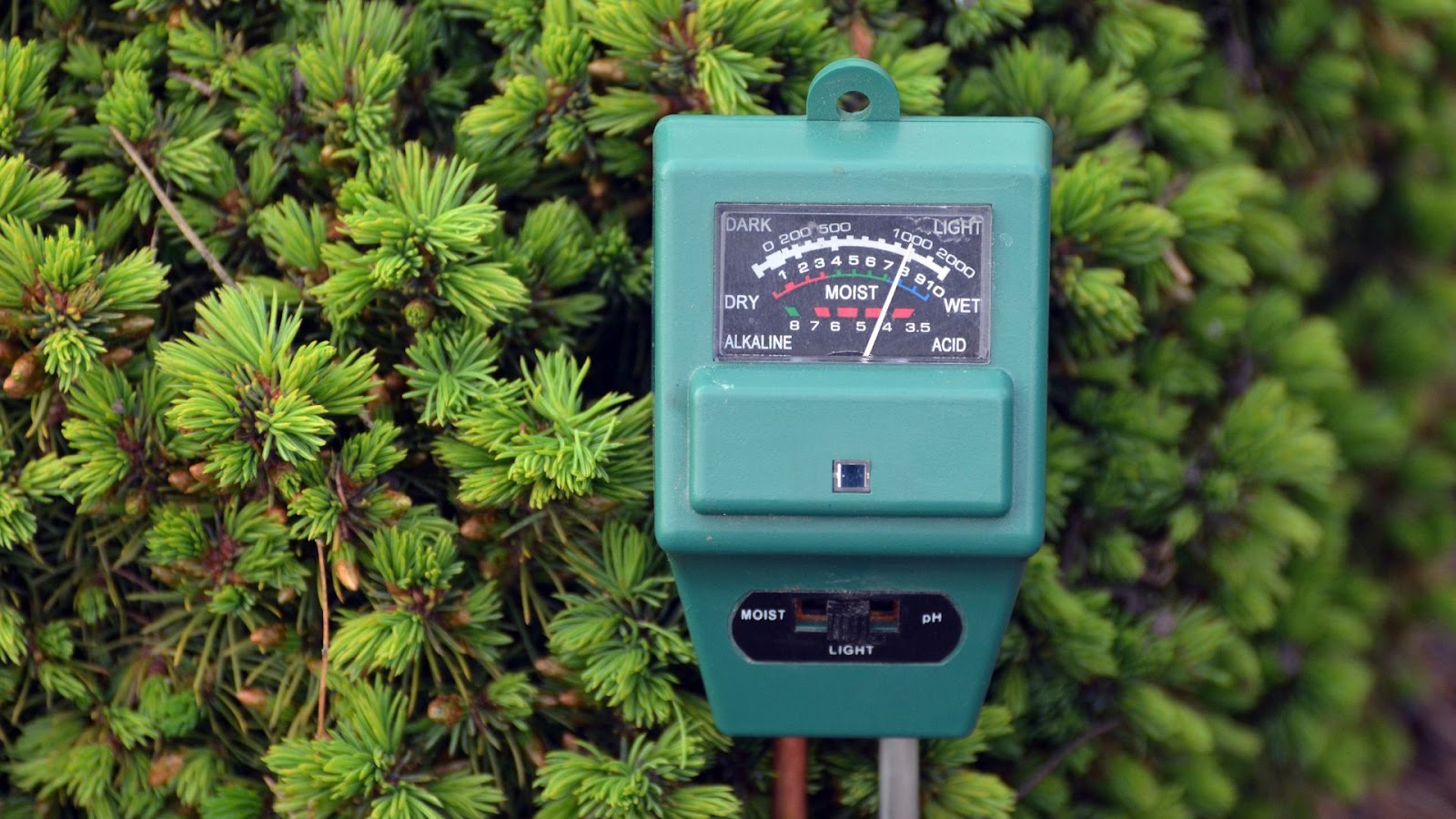
When you're cultivating cannabis, you likely know how crucial it is to maintain the right conditions for your plants. But how do you keep track of something as elusive as moisture? Enter the cannabis moisture meter. The cannabis industry is growing rapidly. As of June 26, 2025, cannabis products are legal for medical use in 40 states, three territories, and the District of Columbia.
This cannabis market is projected to reach $46.99 billion in revenue in 2025. During the period between 2025 and 2030, the market is expected to grow by 3.36% annually and reach $55.43 billion. These figures highlight just how important it is for growers like you to maintain healthy, high-yielding crops amidst increasing demand.
Many cannabis growers, whether you're working with a small-scale operation or managing large cultivation rooms, face the same challenge: inconsistent moisture levels. These fluctuations lead to problems such as uneven drying, mold growth, and reduced yields.
In a nutshell:
- A cannabis moisture meter helps you control moisture during air layering cannabis, ensuring proper root growth.
- Moisture levels can impact cannabinoid accuracy; proper monitoring protects quality.
- Use moisture meters at different growth stages for best results.
- Cannabis moisture meters differ from hygrometers; each has a role in cultivation.
- Common mistakes include overwatering and not monitoring consistently.
- Advanced growers use moisture control to improve yields and cultivation precision.
What Is a Cannabis Moisture Meter?
A cannabis moisture meter is a specialized tool designed to measure moisture levels specifically in cannabis plants and their growing medium. Unlike regular moisture meters, this one focuses on what cannabis specifically needs. It usually has probes that go into the soil or growing medium to check moisture. Some models also measure moisture in leaves or buds.
Using a cannabis moisture sensor gives you real numbers, so you don't have to guess when watering. This accuracy helps you avoid watering too much or letting the plant dry out. Both conditions can harm roots and invite fungal issues. Whether you're air layering cannabis or managing a full grow room, this meter guides you in keeping moisture balanced.
Understanding the specialized role of a cannabis moisture meter sets the stage for appreciating why moisture balance is vital throughout your grow.
Also read: Optimal Humidity and Temperature for Storing Cannabis: A Guide
Why You Need Moisture Matters in Cannabis Cultivation
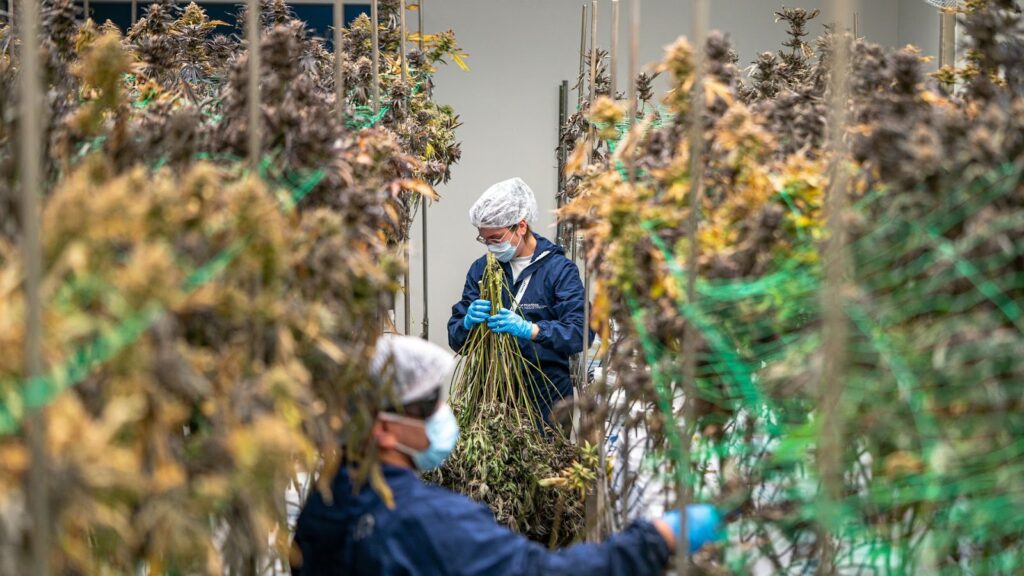
Moisture has a key role throughout cannabis cultivation, from early growth stages to your final harvest quality. Here's why it matters for your plants and yield:
- Growth Efficiency: When your plants have the right amount of moisture, they grow stronger and more quickly. Proper hydration supports root development and nutrient absorption, which helps your plants develop robustly.
- Cannabinoid Production: Keeping moisture balanced improves your plant's ability to produce cannabinoids. Moisture stress can reduce the potency and quality of your buds, so controlling moisture helps you get the best from your crop.
- Mold and Mildew Prevention: Too much moisture creates conditions where mold and mildew thrive. These fungi can damage your crop and cause significant losses. Monitoring moisture helps you avoid these issues before they spread.
Using a weed moisture meter gives you clear, reliable information on moisture levels. This precision lets you manage watering and humidity in each phase of cultivation. Maintaining the right moisture helps ensure your cannabis plants stay healthy and productive through every stage.
Now that you know why moisture is key to your crop’s success, let’s dive into how to use a moisture meter to keep it just right.
By integrating PlanaCan’s automated moisture tracking system, you can maintain the perfect moisture balance throughout your entire cultivation process. This ensures consistent growth and improves the potency and quality of your buds by eliminating moisture-related stress.
Step-by-Step Guide: How to Use a Moisture Meter for Cannabis
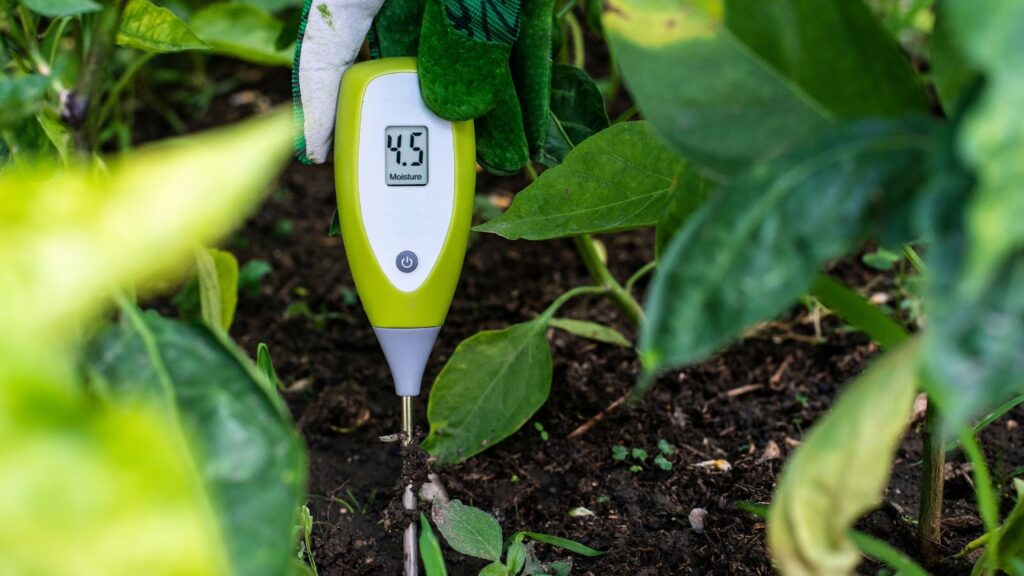
When using a moisture meter for cannabis, following a good process is key to getting accurate moisture readings. Here's a simple guide to help you manage your moisture levels effectively:
- Choose Your Device
Select a moisture meter designed for cannabis. Often called a weed moisture meter or cannabis moisture sensor, it should be easy to use and provide clear results.
- Calibrate Your Meter
Before using, calibrate the device according to the instructions for your specific soil or growing medium. Calibration improves accuracy, which is especially important during propagation, such as air layering cannabis.
- Measure Soil Moisture
Insert the probes carefully near your air layering site or root zone. Take moisture readings and compare them to the optimal level recommended for your cannabis strain.
- Check Leaf or Bud Moisture
Some meters can also measure moisture in leaves or buds, which helps you detect fungal problems early before they spread.
- Adjust Watering
Use the moisture readings to decide when to water. If the meter shows soil is too wet, reduce watering. If too dry, increase watering frequency.
- Monitor Regularly
Take readings daily while your air-layered branches develop roots. Continue regular monitoring through the growing cycle to keep moisture in balance.
Using a moisture meter this way lets you catch problems early and helps you keep your plants healthy through all stages. Regular moisture checks reduce risks of over- or underwatering, improving your chances of a consistent and quality harvest.
Monitoring moisture consistently leads to healthier plants and more reliable harvests. Keep reading to understand how moisture meters also impact cannabinoid testing.
How Moisture Meters Monitor Cannabinoid Level Accuracy
When testing harvested and dried cannabis flowers, knowing the moisture content is essential. Moisture directly affects the accuracy of your THC and cannabinoid readings. Without proper moisture control, test results can be misleading or inconsistent.
Why Moisture Affects Cannabinoid Accuracy
- Cannabinoid Levels Are Weight-Based: THC and other cannabinoids are measured as a percentage of the total flower weight. Any changes in moisture content alter the flower's weight, which in turn affects the reported cannabinoid percentage, even though the actual amount remains unchanged.
- Example of Moisture Impact: Consider a 10-gram cannabis sample with 2 grams of THC. The THC percentage is 20%. But, if the flower weighs 15 grams due to excess moisture, the THC percentage drops to around 13.3%, despite the THC content staying the same.
- Inconsistent Drying Skews Results: Two flower samples with the same THC amount can show different potency readings if their moisture levels differ. The dryer sample will weigh less, making its THC concentration appear higher than it truly is.
How Moisture Meters Help
- Accurate Moisture Measurement: Moisture meters ensure accurate moisture content readings, which are critical for reliable cannabinoid testing and maintaining consistency in your results.
- Near-Infrared (NIR) Moisture Meters: The KJT130, a popular NIR moisture meter, uses near-infrared light to measure moisture levels without direct contact with the flower, maintaining cleanliness and suitability for medicinal use.
- Fast, Non-Destructive Testing: NIR meters provide fast, non-destructive measurements, allowing growers to confirm that each bud is properly dried before potency testing, ultimately saving time and ensuring quality.
By using moisture meters, you can remove guesswork from drying and testing, ensuring your products have accurate and consistent cannabinoid levels.
Ensure consistent potency in every harvest with PlanaCan's moisture control features. With automated moisture checks during drying and curing, you can maintain optimal cannabinoid accuracy, maximizing the quality of your cannabis.
Using a Weed Moisture Meter in Different Stages
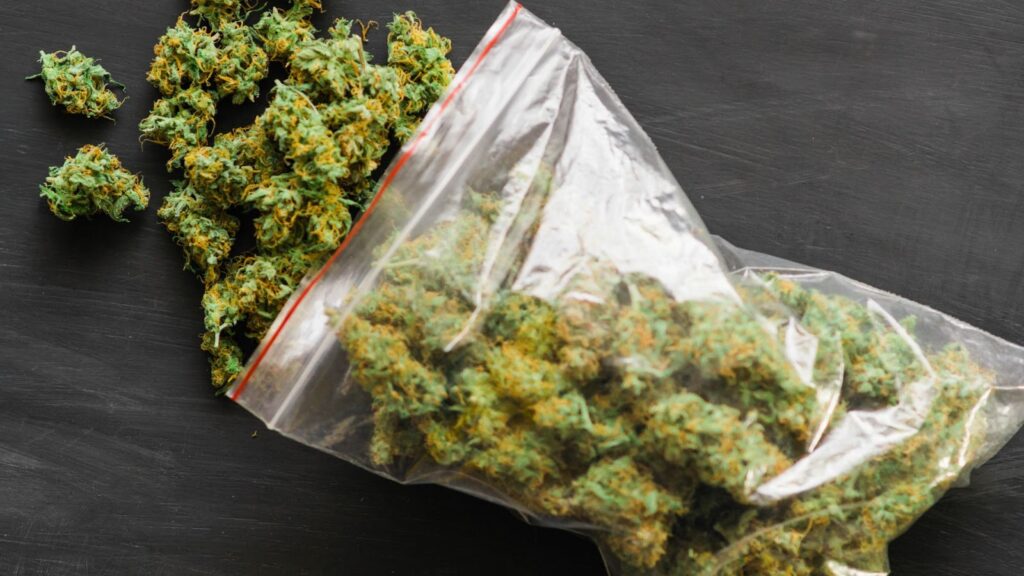
Maintaining the right moisture levels is one of your biggest challenges when growing cannabis. Each stage of growth demands specific moisture care to keep plants healthy and productive. Using a moisture meter helps you avoid overwatering or dryness that can harm your crop. It also supports better planning and problem prevention throughout the growth cycle.
- Propagation (Air Layering Cannabis): Use your moisture sensor to keep sphagnum moss and root zones moist. This helps avoid drying out or rotting. Maintaining consistent moisture here supports healthy roots and a strong start.
- Vegetative Stage: During this stage, monitor soil moisture carefully. Keeping the soil moist without waterlogging lets roots grow well. Too much water can stunt root development and reduce vigor.
- Flowering Stage: Precise moisture control is essential now. It encourages good bud growth while preventing mold. Too much moisture can cause mold issues, harming your yield and quality.
- Harvest and Drying: Moisture meters also help in this phase. They ensure buds dry to the right moisture level. Proper drying keeps potency and prepares buds for long-term storage.
Using a moisture meter throughout your cannabis grow lets you catch problems early. It helps maintain optimal moisture levels, which supports healthy plants and better yields. As you monitor moisture in your plants, it’s important to understand how this tool complements environmental measures like temperature and humidity sensors.
Also read: How Long Does it Take a Weed Seed to Germinate? Growth Timeline
Comparing Thermo-Hygrometers and Moisture Meters for Cannabis Cultivation
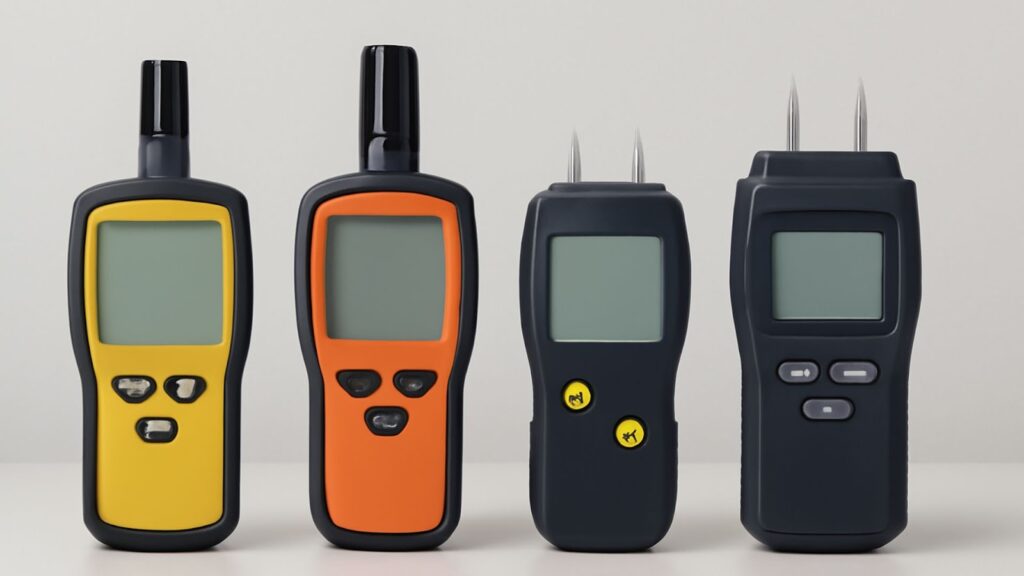
When growing cannabis, keeping moisture under control is crucial for plant health and yield quality. You need to monitor both the environment and the moisture inside your plants. Thermo-hygrometers and moisture meters serve these different purposes. Understanding what each tool measures and when to use them helps you avoid common issues like mold, drying errors, and inconsistent harvests.
AspectThermo-HygrometerMoisture MeterPurposeMeasures temperature and relative humidity of the air surrounding your grow area.Measures the actual moisture content inside the cannabis plant material or other substrates.Measurement FocusAir moisture (relative humidity) and temperature.Internal moisture percentage of plant tissues or materials.UsageHelps monitor environmental conditions to maintain ideal humidity and temperature levels in grow rooms.Assists in determining dryness or wetness of cannabis buds and other materials for curing and storage.How it Helps GrowersAlerts you to fluctuations in humidity that risk mold or drying problems.Provides precise moisture levels in buds to prevent over- or under-drying.Typical AccuracyGenerally ±1°C for temperature; ±3-5% for humidity.Varies from ±0.1% to ±5% depending on the device and method.Common Form FactorsHandheld devices or fixed sensors with digital displays, sometimes with data logging.Pin-type or pinless handheld devices are designed for quick spot checks.Benefit for WorkflowKeeps your grow environment stable, helping you avoid mold and improve yield quality.Ensures your harvested product is dried and cured properly for optimal quality and safety.When to UseContinuously during growth stages to track environment changes.Mostly during harvest and post-harvest curing and storage phases.LimitationsDoes not measure moisture inside the plant; only monitors air conditions.Does not provide ambient conditions; moisture content readings can vary by plant part and sample size.Example of Problem SolvedPrevent unpredictable humidity shifts leading to crop damage.Avoids marijuana buds being too wet or too dry, affecting potency and shelf life.Both tools complement each other. A cannabis moisture meter regulates hydration at the plant level, while hygrometers manage room humidity for overall plant health.
Common Mistakes When Using a Cannabis Moisture Meter
Using a cannabis moisture meter helps you maintain the right soil moisture for healthy plants. However, there are common mistakes that can affect your readings and lead to poor watering decisions.
- Ignoring Calibration: Not calibrating your moisture meter causes inaccurate readings. Different soils hold water differently, so regular calibration ensures your meter matches your growing conditions.
- Taking a Few Readings: Moisture levels vary even within small parts of your grow area. Taking only a few measurements can mislead you. Measure at multiple spots often to get a complete picture.
- Relying Solely on Meter: While moisture meters give useful data, relying on them alone can be risky. Always combine readings with visual inspection of your plants and soil to confirm moisture levels.
- Overwatering After High Readings: A high moisture reading might just mean you watered recently. It doesn't always indicate soil saturation. Avoid overwatering by considering watering history and plant needs.
- Ignoring Stage Needs: Cannabis plants need different moisture levels during growth. Adjust watering based on whether your plants are in air layering, vegetative, or flowering stages.
Now that you're equipped with best practices, explore how advanced moisture control techniques can improve your workflow.
Tips for Using Moisture Meters Effectively

Regularly checking soil moisture helps you optimize the health and yield of your cannabis plants. Using a moisture meter can give you critical insights when applied correctly. Here are effective tips for using moisture meters in your cultivation routine:
- Clean and Maintain Probes: Keeping the meter's probes clean is key to accurate readings. Dirt, residue, or corrosion on probes can lead to inaccurate moisture levels. Wipe the probes regularly using a soft cloth and mild cleaning solution.
- Measure at Consistent Times: Take moisture readings at the same time each day, ideally in the morning. This consistency helps track moisture patterns reliably due to stable environmental conditions at that time.
- Combine Meter Data with Plant Behavior: Use the moisture meter readings along with your observations of plant health and behavior. This combined approach helps you make better decisions about watering schedules.
- Log Moisture Readings: Keep a daily record of your moisture meter data. Over time, this log reveals trends that allow you to anticipate changes and adjust irrigation proactively.
- Integrate with Nutrient Management: Don't rely on moisture data alone. Consider it alongside nutrient application plans to provide balanced care and promote overall plant health consistently.
By following these steps, you can make more informed watering decisions that support your cannabis plants' growth and yield. Once you've nailed the basics, integrating moisture monitoring into automated systems can elevate your grow to a whole new level.
Also read: Causes and Fixes for Slow Cannabis Plant Growth
Advanced Techniques: Integrating Moisture Control
When growing cannabis, one of your biggest challenges is managing water efficiently to support healthy plants without causing damage. Integrating moisture data into automatic irrigation systems can help you meet this challenge by adjusting watering schedules based on real-time soil moisture levels.
- Automatic Irrigation Adjustment: Sensors measure the moisture in your grow medium and communicate directly with your irrigation system. This lets you water your plants only when they need it, reducing both overwatering and underwatering risks.
- Real-Time Data for Responsive Care: By continuously monitoring moisture levels, you get instant updates. When soil dries out or becomes too wet, your system adapts immediately, keeping conditions optimal throughout each growth phase.
- Combined Environmental Controls: Using moisture sensors alongside temperature and light controls helps create a stable environment. This balance supports better root development and overall plant health, minimizing stress and maximizing growth potential.
- Reducing Watering Errors: Automated moisture control reduces costly mistakes, such as air layering or irregular watering, that can stunt growth or cause disease.
Taking control of your moisture levels brings predictability to your cultivation and helps you produce stronger, healthier cannabis plants.
Conclusion
A well-planned moisture management system is essential for achieving reliable, high-quality cannabis harvests. By monitoring moisture levels at every growth stage, tracking the readings, and addressing any issues promptly, you ensure the health of your plants and improve your yields.
PlanaCan simplifies the process by centralizing your moisture control in one platform. With automated alerts, real-time data tracking, and actionable insights, you can spot problems early and make adjustments that improve your cultivation outcomes.
If managing moisture feels challenging, PlanaCan can streamline your process and ensure your plants stay hydrated at every stage. Take control of your cultivation with tools designed to support your unique needs. Schedule a free call today to see how PlanaCan can help you optimize your moisture management, enhance team collaboration, and boost your harvest quality.
FAQs
Q. Do moisture meters work for cannabis?
Yes, moisture meters are effective tools for cannabis cultivation. They give you accurate readings of soil or plant moisture, helping you avoid overwatering or underwatering. These meters help maintain the right moisture balance, which is important for healthy root growth and preventing mold.
Q. What is the best moisture level for cannabis?
The ideal moisture level depends on the growth stage and the medium you use. Generally, soil should be moist but not soggy. For most cannabis plants, soil moisture between 20% and 40% is a good target. During propagation or air layering, keep the moisture slightly higher to support root development.
Q. What is the best humidity level for drying cannabis?
When drying cannabis, the ideal humidity level is between 45% and 55%. This range slows down drying just enough to preserve cannabinoids and terpenes while preventing mold growth. Maintaining this level helps your buds dry evenly without becoming brittle or overly damp.
Q. Is 70% humidity too high for cannabis?
Yes, 50%-70% humidity is generally too high for cannabis plants, especially during the flowering and drying phases. Mold and mildew can damage your crop when the humidity is high.
Q. What is the ideal water activity for cannabis?
The ideal water activity for dried cannabis is typically between 0.55 and 0.65. Water activity measures the availability of water for microbial growth. Keeping it in this range helps prevent mold and bacterial contamination while maintaining bud quality.