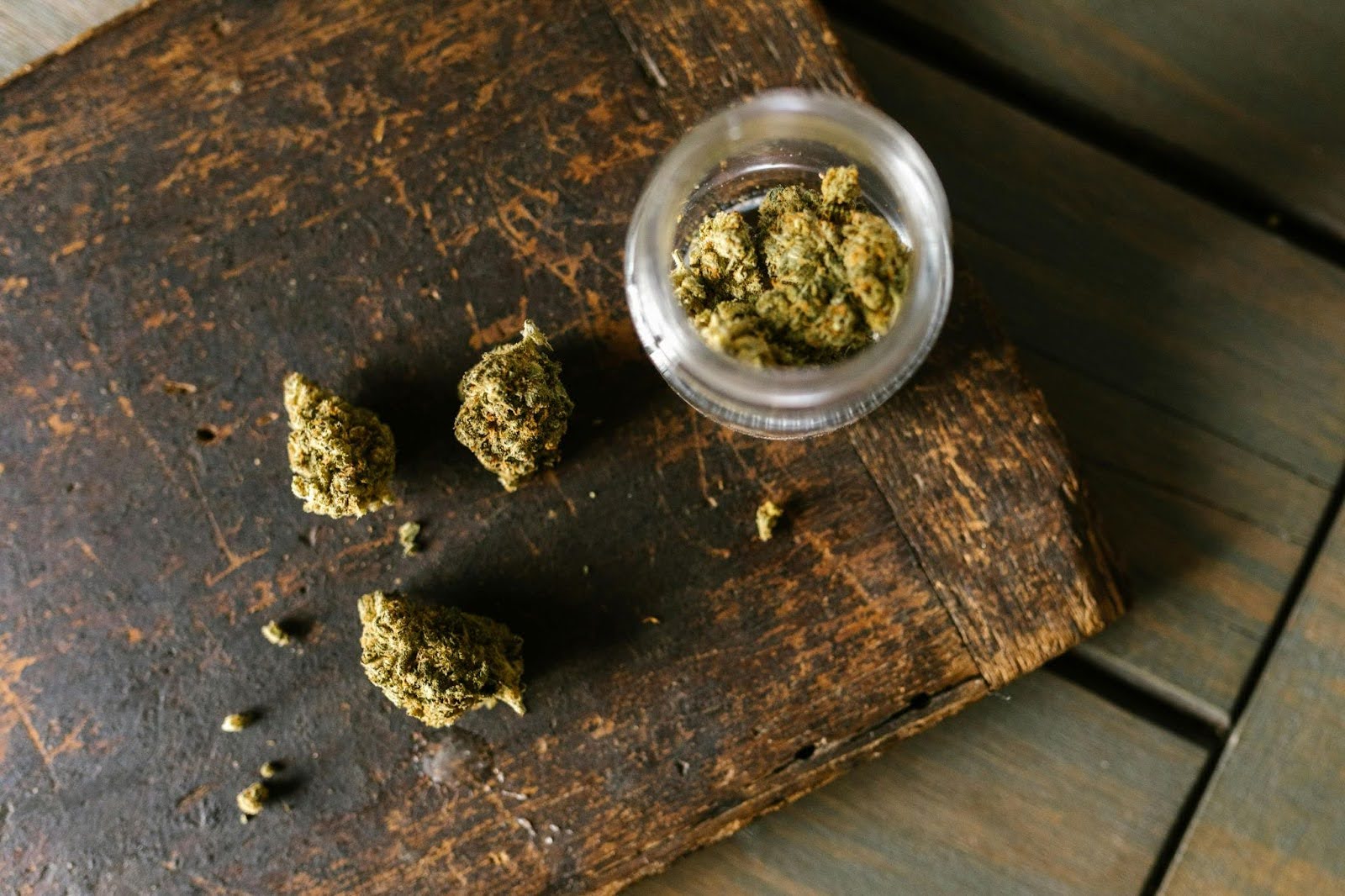
You open a curing jar and instantly feel it, your buds are dry, brittle, and smell flat. No stickiness. No rich aroma. Just dust waiting to crumble. If you’ve ever asked yourself why is my weed dry or how to make weed softer, you’re not alone. This is one of the most common problems growers face after harvest.
Dry cannabis doesn’t just ruin the smoke. It breaks down trichomes, weakens aroma, and compromises the overall value of your harvest. Whether you’re growing for personal use or for sale, you can’t afford to ignore moisture levels.
This guide walks you through everything you need to know to fix dry buds, from recognizing overdried weed to rehydrating it safely and preventing it from happening again. You’ll learn how to tell if your weed is too dry, how to restore proper texture without risking mold, and how to lock in the right moisture for future harvests.
However, first, you need to understand what went wrong and how to prevent it from happening again.
Why Do You Need to Rehydrate Weed?
If your harvested buds end up dry, brittle, and harsh, you're not just dealing with cosmetic issues. Over-dried cannabis can lose potency, aroma, and market value. Rehydration is about protecting product quality and maintaining the integrity of your grow.
Here’s why rehydrating cannabis matters:
- Protect Terpene Profile: Once cannabis gets too dry, terpenes begin to degrade. These volatile compounds give each strain its unique scent and flavor. A weak terpene profile affects both the consumer experience and the perceived quality of your product. Controlled rehydration helps preserve or restore aromatic complexity.
- Improve Burn Quality: Over-dried flower burns too hot and too fast, leading to a harsh smoking experience. This reflects poorly on your growth, even if everything else was done right. Rehydrated buds retain enough moisture to promote even, smoother combustion or vaporization.
- Maintain Cannabinoid Potency: THC, CBD, and other cannabinoids degrade more rapidly when trichomes dry out or become brittle. If your product sits too long in low humidity, you risk losing potency. Rehydrating helps stabilize the remaining cannabinoids and slows the rate of degradation.
- Preserve Trim Quality and Appearance: Buds that are too dry crumble easily during handling, trimming, or packaging. That damages the structure and reduces visual appeal. Slight rehydration makes the flower more resilient during processing and protects bag appeal.
- Prevent Product Loss: If a batch dries out beyond usable levels, you risk product loss. That could mean flowers you can’t sell, buds that won’t cure properly, or biomass that underperforms. Rehydration gives you a second chance to recover quality and reduce waste.
- Keep Inventory Shelf-Stable: Even in long-term storage, flowers must remain within optimal relative humidity, typically between 55% and 62%. If your storage environment gets too dry, rehydration offers a quick solution to stabilize moisture without introducing mold risk.
So, what are the effects of extremely dried weed on your crop’s quality? Let us understand below.
What Are the Effects of Overly Dried Weed?
As a cannabis grower, properly managing moisture during drying is vital to preserving your crop’s quality, yield, and market value. Over-drying your buds causes several issues that directly impact your operation:
- Trimming and Processing Challenges: Over-dried buds become too brittle, which makes machine or hand trimming inefficient. Buds may crumble, and trichomes can break off during handling. This reduces overall yield and increases product loss during post-harvest processing.
- Reduced Sellable Weight: Cannabis that dries out too much loses moisture beyond optimal levels. This leads to unnecessary weight loss. Since cannabis is often sold by weight, this directly impacts revenue per harvest, even if potency remains decent.
- Increased Brittleness and Handling Losses: Brittle buds crumble easily, resulting in significant trim loss and product waste during manicuring, packaging, and transportation.
- Reduced Shelf Life and Stability: Overly dry flower degrades more rapidly due to oxidation and terpene loss, thereby shortening its shelf life and accelerating quality decline during storage.
- Lower Extraction Efficiency: When used for concentrates or edibles, over-dried flower yields fewer cannabinoids and terpenes, thereby reducing extraction efficiency and ultimately compromising final product quality.
- Increased Static Charge and Handling Issues: Dry buds generate static electricity, causing trichomes to adhere to tools and machinery, resulting in cannabinoid loss and increased labor.
- Packaging Challenges: Over-dried buds don’t compress well, complicating packaging and sealing. Poor packaging can lead to increased air exposure and faster degradation.
- Reduced Final Weight and Profit Margins: Excessive drying removes more water than necessary, thereby lowering the final product weight and directly reducing your profits.
So, how do you tell if your cannabis buds are dry? Let us understand how to recognize dry buds below.
How To Recognize Dry Cannabis
As a cannabis grower, detecting dry cannabis early helps you protect quality, potency, and value. Watch for these clear signs if your buds have lost too much moisture:
- Dull or faded color: Buds lose their vibrant green and develop brownish or yellowish hues.
- Crumbly, brittle buds: The structure breaks apart easily during handling or trimming.
- Excessive dryness: Buds crumble or turn powdery under light pressure instead of feeling dense and slightly sticky.
- Lack of resin stickiness: Resin-coated buds become dry and rough without that characteristic tackiness.
- Weak or musty smell: Terpene evaporation causes buds to lose their pungent, fresh scent, leaving a faint or hay-like odor.
- Sharp, brittle snap: Dry stems break cleanly and crumble, unlike fresh stems that bend slightly before snapping softly.
- Increased leaf breakage: Over-dry buds shed leaves and trichomes easily during trimming.
- Poor bud integrity: Dry buds lose shape and density, negatively impacting appearance and weight.
- Noticeable weight loss: Moisture evaporation lowers bud weight, affecting your yield and revenue.
- Brittle or falling trichomes: Trichomes become fragile and can break off, reducing potency and visual quality.
- Increased static cling: Dry buds generate static, causing them to stick to gloves and tools, complicating handling and packaging.
- Cracking or splitting: Overly dry buds, especially dense colas, may crack or split apart due to moisture loss.
- Unusual drying times: If buds dry too quickly or unevenly in future batches, it signals your drying environment is too dry, risking overdrying.
Now that we understand how to recognize dried weed, let us discuss how to dry your weed properly to ensure its quality.
How To Properly Rehydrate Weed
When you find your cannabis too dry, don’t panic. You’ve several reliable methods to restore moisture without sacrificing quality. But keep this in mind: rehydrating cannabis requires patience and precision, especially when working with bulk storage. Overdoing it can invite mold or damage those precious terpene profiles that give your buds their unique aroma and effects. Here’s how to tackle dry cannabis like a pro:.
1. Use Humidity Packs (Like Boveda or Integra Boost)
If you’re a commercial or personal grower, humidity packs are your best friend. These packs are designed to regulate the relative humidity (RH) inside your storage container, usually maintaining it at around 62% RH, the ideal zone for cured cannabis. What’s great is that these packs are mold-resistant, so they safely add moisture without overdoing it.
How To: Simply place one pack inside your curing jar or storage bag with the dry buds. Seal the container tightly and leave it untouched for 24 to 48 hours. You’ll notice your buds regain some softness and bounce back to a more pleasant texture. For bulk storage, use multiple packs spaced evenly, depending on the number of jars or bags you have. Be careful not to remove the pack prematurely; give it time to work steadily.
2. Add a Fresh Cannabis Leaf from the Same Batch
If you saved some fan or trim leaves from the same harvest, you have a natural and gentle rehydration option right at your fingertips. These leaves contain moisture but won’t introduce foreign flavors or terpenes, like those found in citrus peels or fruits, which can sometimes alter the aroma profile of your buds.
How To: Choose a small, healthy-looking leaf, not wilted or overly wet. Gently place it in the jar with your dried buds and seal it tightly. You should start to notice a texture shift within 12 to 24 hours. Unlike humidity packs, this method works faster and has a more noticeable effect, so check the buds frequently. Once they feel pliable again, remove the leaf immediately to prevent introducing excess moisture or increasing the risk of mold. For best results, do not reuse the same leaf across multiple jars.
3. Use Terracotta Discs or Clay Stones for Slow Moisture Release
Terracotta discs or clay stones are popular among growers who want a reusable, controlled way to add moisture. These tools absorb water slowly and then release it gradually, mimicking natural fluctuations in humidity.
How To: Start by soaking the disc or stone in clean water for about 10 to 15 minutes. After soaking, remove it and gently pat the surface dry; you want it damp, not dripping wet. Place the disc inside your storage container, keeping it away from direct contact with the buds (you can nestle it in a small mesh bag or on the lid of the jar). Over time, the disc will help raise humidity inside the jar slowly and evenly. This method works best with small to medium batches and is a great, eco-friendly option.
4. Controlled Damp Paper Towel Method (Use with Caution)
This method requires extra care but can be effective for quick fixes in small jars or bags. Take a clean paper towel, dampen it lightly (it should be barely moist), then wrap it in aluminum foil or place it in a small perforated container. The holes allow moisture to escape slowly without saturating your cannabis directly.
How To: Place the wrapped paper towel carefully inside the storage container, making sure it doesn’t touch the buds. Seal the container and check frequently, every few hours at first, to avoid overhydration. Remove the towel as soon as the buds regain some softness. This approach is faster but riskier; overdoing it can cause mold, so proceed cautiously.
5. Rehydration Chamber for Large Batches
If you’re dealing with a big harvest that dried too fast during curing, a rehydration chamber can save your product. Grab a large, airtight plastic bin and set up a simple humidity control inside. Place a humidity pack or a small container with a damp sponge or cloth inside the bin, but make sure none of it touches the buds directly.
How To: Spread your cannabis out inside smaller mesh bags or trays within the bin to allow air circulation. Seal the bin tightly, and let the humidity pack or sponge raise the moisture level slowly over 24 to 72 hours. This indirect moisture exposure prevents over-saturation and promotes an even, gentle rehydrate across large quantities. Check periodically to avoid any wet spots or mold growth.
Tools like PlanaCan help you stay on top of post-harvest tasks. It offers a clear visual timeline for planning and tracking cultivation work, from long-term goals to daily priorities. You can adjust tasks as needed, and with centralized info, everyone knows what to do and when.
If you’re searching for how to rehydrate marijuana or how to moisturize weed, keep one thing in mind: patience. Rushing this step can lead to mold, and overhydrating can ruin the terpene profile.
So, how do you know that you have properly dried your cannabis? Let us find out below.
Signs of Properly Rehydrated Cannabis
When storing harvested cannabis for curing or transport, improper humidity can cause buds to overdry. If you’ve taken steps to rehydrate your product, it’s important to confirm the process worked without compromising quality or safety.
- Buds Feel Supple, Not Brittle: Gently press the flower between your fingers. Properly rehydrated buds should feel soft and pliable without falling apart. They should retain their shape but compress slightly under pressure. Brittle or dusty textures mean further rehydration is required.
- Stems Snap Cleanly: Test the smaller stems. A clean snap, without a bend or crumble, indicates that the ideal moisture balance has been restored. If stems bend without breaking, the moisture content is still too high. If they shatter or crumble, the interior is too dry.
- Aroma Returns to Strain-Specific Profile: Once rehydrated, the terpene profile should return to its strain-specific profile. Expect the original scent to return, whether citrusy, gassy, or earthy. If you detect a musty, sour, or moldy smell, discard the affected batches immediately. Always rehydrate in a clean, controlled environment to avoid microbial contamination.
- Burn Test Shows Balanced Moisture: In post-curing QA, a small burn test helps verify proper rehydration. The flower should light evenly and maintain a steady burn. Harshness, sparking, or rapid combustion point to over-drying. Struggling to stay lit signals too much moisture.
- Trichome Integrity is Maintained: Check the buds under magnification. Trichomes should remain intact, shiny, sticky, and firmly attached to the surface. Excessive moisture or poor handling during rehydration can lead to trichome loss, which directly affects cannabinoid and terpene content.
- No Visual Signs of Mold or Mildew: Inspect every batch. Mold often appears as grey or white fuzzy growth, sometimes with a chalky texture. Even minor contamination makes the product unsellable and unsafe. Ensure your rehydration method does not involve uncontrolled humidity spikes or unclean materials.
So, how do you prevent your cannabis from becoming dry and maintain its moisture? Let us explore this in more detail below.
Preventing Cannabis from Becoming Too Dry
Keeping your cannabis fresh is crucial for preserving its potency, aroma, and overall quality. When your buds become too dry, they lose flavor, burn harshly, and can even degrade the active compounds you want to enjoy. To prevent this, you need to understand the factors that cause cannabis to dry out and how to properly store and handle it.
- Understand Why Cannabis Dries Out: Cannabis naturally loses moisture over time, especially when exposed to air. Environmental conditions such as heat, low humidity, and sunlight speed up this drying process. If you store your cannabis improperly, it will dry out much faster, which compromises its texture and potency.
Tip: Keep an eye on your storage environment and avoid leaving your cannabis exposed for long periods. Opening jars only when necessary slows down moisture loss.
- Store Cannabis in the Right Containers: Using the right storage containers makes a big difference. Glass jars with airtight seals are your best option because they minimize air exposure. Plastic bags or containers that are not airtight let in oxygen, which dries out your buds and can degrade their quality. Always make sure to seal your jars tightly after every use to keep the moisture locked in.
Tip: Invest in quality mason jars or specialized cannabis storage jars with humidity seals. Avoid plastic as it can create static and damage trichomes.
- Control the Environment: Where you store your cannabis matters just as much as how you store it. You should keep it in a cool, dark place away from direct sunlight and heat, both of which dry out your buds quickly. The ideal relative humidity for cannabis storage falls between 55% and 62%, which keeps your buds fresh without risking mold growth. Using humidity control packs designed for cannabis can help you maintain these optimal conditions.
Tip: Use a hygrometer inside your storage container to monitor humidity levels. Adjust with humidity packs as needed to keep conditions stable.
- Avoid Overhandling Your Buds: Handling your buds too frequently can cause damage. Each time you touch your cannabis, you expose it to air and can rub off the trichomes, the tiny resin glands that contain the cannabinoids and terpenes responsible for potency and flavor. To avoid this, use tools like tweezers or gloves when possible, and handle your buds as little as necessary.
Tip: When you need to inspect or use your cannabis, handle it gently and only take what you need. Store the rest away to minimize repeated exposure.
For a deeper understanding of how handling and other decisions affect your yield, PlanaCan helps growers generate detailed harvest reports. It captures data on every cultivation choice and its impact, organizing everything in one place. Reviewing these reports makes it easier to spot patterns, refine methods, and improve both yield and profitability over time.
- Rehydrate If Needed: If your cannabis does become too dry, you can carefully bring back some moisture. Place a small piece of citrus peel, a dampened cotton ball, or a humidity pack inside the storage container, but make sure it does not directly touch the buds. Check regularly and remove the moisture source as soon as the buds feel springy again. This method helps restore some softness without encouraging mold.
Tip: Avoid overdoing rehydration. It’s better to add moisture slowly and in small amounts to prevent mold growth and spoilage.
Achieving the right balance in moisture content is not just about quality. It protects your yield, your margins, and your reputation.
Conclusion
Don’t discard a batch just because it dried out. You just need the right approach to rehydrate dry weed. Whether you rely on humidity packs for long-term storage, fresh leaves or terracotta for quick fixes, or better curing controls to prevent dryness, the key is knowing what works for your scale.
Managing moisture and curing can quickly become overwhelming, especially when you want to protect your entire harvest. That is where PlanaCan comes in. PlanaCan helps growers monitor humidity levels, track curing stages, and organize rehydration tasks effortlessly. With real-time alerts and intuitive management tools, PlanaCan ensures you keep your cannabis in optimal condition from harvest through storage.
Ready to take control of your cannabis quality? Schedule a free call today to discover how PlanaCan streamlines your workflow and helps you optimise every harvest.