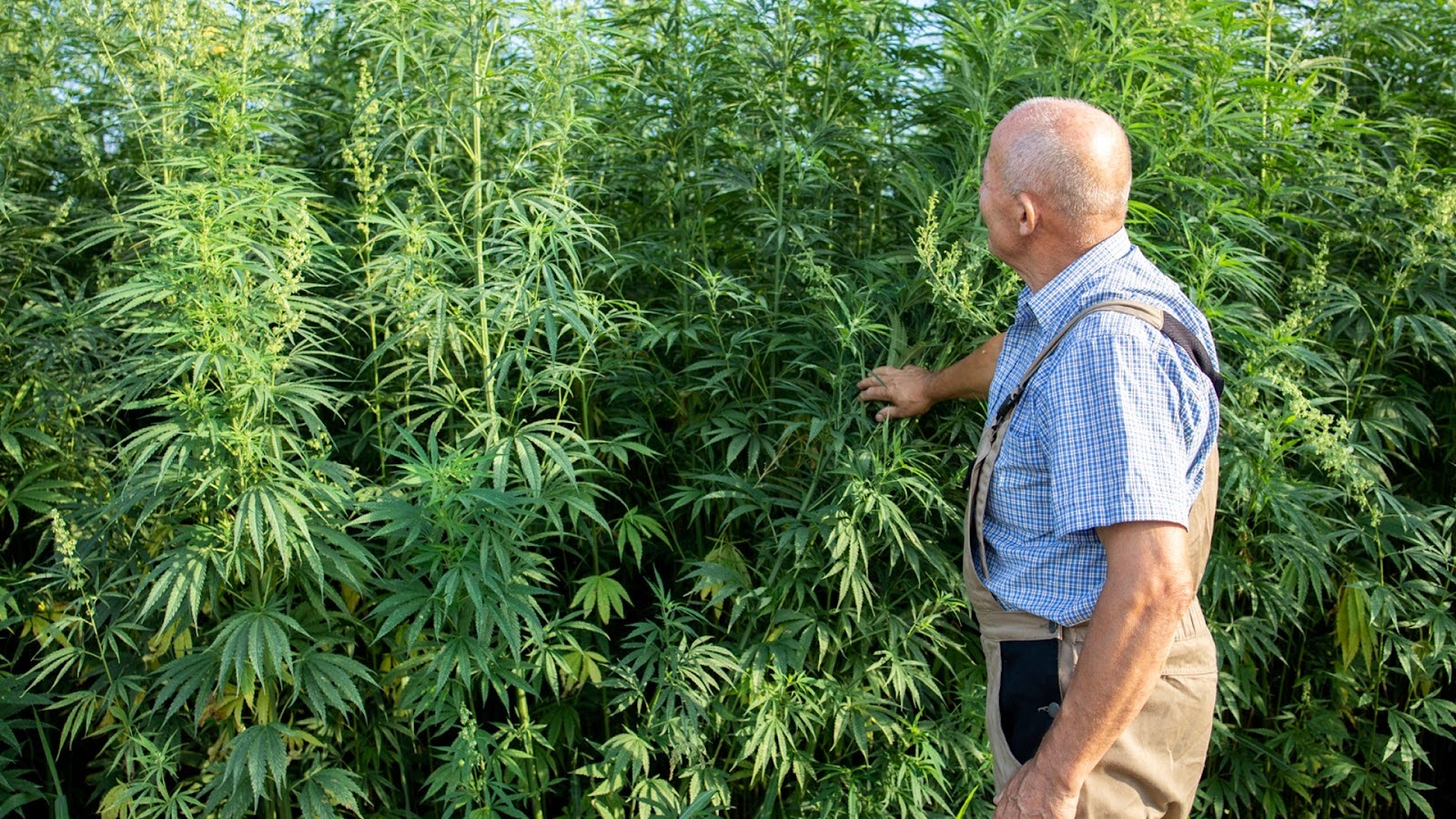
Are you struggling to maximize your cannabis yields and ensure consistent growth? With 2.5% of the world’s population consuming cannabis, the demand for high-quality products continues to rise. This growing market makes it important to fine-tune your cultivation practices, as small mistakes can impact yield and profitability.
One common issue is not optimizing your plants' height, which is crucial for maximizing space, light exposure, and overall growth potential.
In this blog, you will explore how tall pot plants get and how understanding their optimal height can directly impact your yield and quality.
TL;DR
- Understanding cannabis plant height is key to maximizing space, light exposure, and yield.
- Factors like genetics, light, and nutrients directly affect how tall your plants will grow.
- Proper plant height management prevents overcrowding and ensures even bud development.
- Techniques like topping, LST, and pruning can help control height and promote healthy growth.
- Determining the ideal plant height before flowering sets the stage for a successful harvest.
The Role of Plant Height in Cannabis Cultivation

The height of your cannabis plants directly impacts their ability to thrive and produce high-quality buds. Incorrect plant height can lead to wasted space, inefficient light distribution, and reduced yields. By understanding the importance of controlling plant height, you can maximize your crop’s yield. Here’s how it affects cultivation:
- Space utilization: Taller plants may require more space, potentially reducing the number of plants you can grow in a given area. Managing height ensures you make the most of your available space.
- Light penetration and distribution: Ensuring plants stay within optimal height ranges helps ensure that light is distributed evenly, allowing all parts of the plant to grow strong and healthy.
- Airflow and plant health: Taller plants may create more shaded areas where humidity can build up, increasing the risk of mold or mildew. Proper height management improves airflow around the plant.
- Harvesting efficiency: Plants that are too tall may become difficult to manage during harvest, leading to longer processing times and potential damage. Keeping plants at a manageable height ensures a smoother harvest.
- Yield optimization: Plant height can also influence bud development. Managing height through techniques like topping or low-stress training can encourage bushier growth and higher yields, producing resin-rich buds.
- Impact on temperature regulation: Taller plants may trap heat at the canopy level, leading to temperature imbalances. Managing plant height helps maintain consistent temperature, preventing heat stress and ensuring healthy growth.
- Stress resistance and stability: Plants that grow too tall may become unstable, especially if not properly supported. Managing height helps ensure structural integrity, making the plants less prone to bending or breaking.
- Control over flowering timing: The height of a plant can influence how quickly it transitions from vegetative growth to flowering. Keeping plants within an optimal height range can prevent early or late flowering that could affect the overall yield.
Plant height plays a crucial role in the success of your cannabis crop, affecting your yield and quality. Several factors directly influence the height of cannabis plants, and controlling them will help ensure your plants grow to their full potential.
Key Factors Influencing Cannabis Plant Height
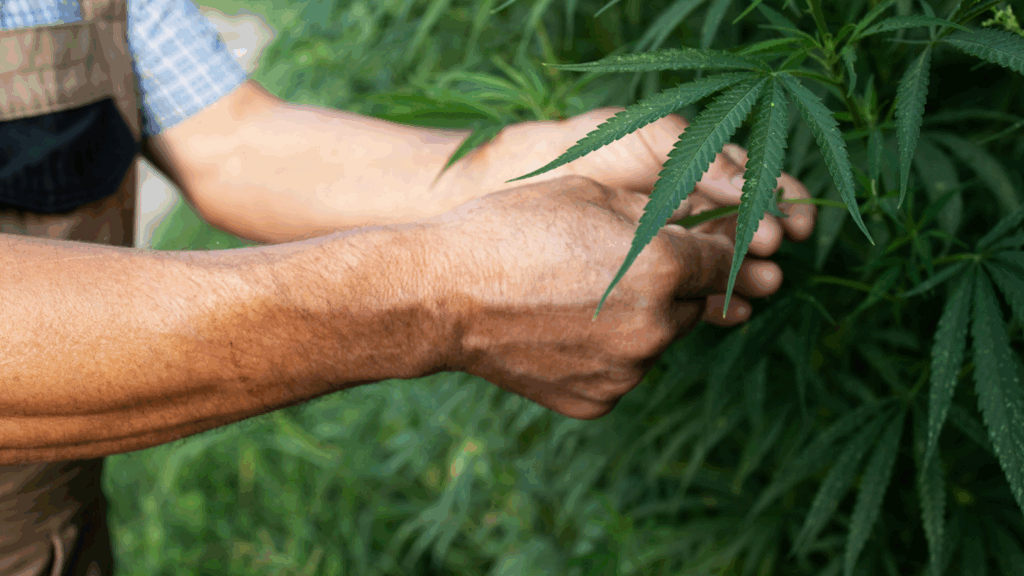
Improper plant height can drastically affect your cultivation results. Too tall, and you risk overcrowding and poor light penetration; too short, and you risk lower yields. A variety of factors impact height, and understanding how to control them is essential for maximizing your crop’s efficiency and quality. Here are some key factors involved:
Factor
Description
Impact on Plant Height
Light Intensity
The amount of light a plant receives during the vegetative stage.
Insufficient light leads to stretching, making plants taller and less sturdy.
Nutrient Levels
The availability of important nutrients like nitrogen, phosphorus, and potassium.
Excessive nitrogen can cause plants to grow taller than desired.
Plant Training Techniques
Methods like topping, low-stress training (LST), or SCROG.
Controls and limits plant height by guiding growth in desired directions.
Genetics and Strain
The genetic makeup of the plant determines its growth potential.
Different strains have different height expectations; some are bred to be compact.
Environmental Stress
Stress caused by factors like heat, humidity, or pest damage.
Stress can either stunt growth or cause excessive stretching.
Temperature and Humidity
The overall climate in the growing area.
High temperatures and low humidity lead to plants stretching in search of light.
Carbon Dioxide Levels
Availability of carbon dioxide
Higher CO2 promotes taller, healthier growth.
Growing Medium
The type of growing medium can affect nutrient uptake.
Hydroponic systems promote faster, taller growth compared to soil-based methods.
Managing cannabis plant height involves juggling multiple factors. PlanaCan automates this process, allowing you to track and adjust conditions with ease, so you don’t miss a critical step.
Optimizing cannabis plant height is crucial for achieving the best possible yield and quality. By applying the right techniques, you can ensure your plants grow in a controlled, healthy way, maximizing their potential.
Techniques for Managing Cannabis Plant Height
Controlling cannabis plant height is critical for maintaining plant health and achieving optimal growth. Without effective height management, you risk issues like uneven canopy growth, poor bud development, and inefficient use of light and nutrients.
Implementing the right techniques ensures your plants grow strong and remain manageable. Here are targeted techniques to keep plant height in check while promoting healthy growth:
- Topping: Cutting off the main stem’s top growth encourages lateral growth, resulting in a bushier plant. It helps keep the plant's height in check while increasing the number of bud sites for a higher yield.
- Low-Stress Training (LST): Gently bending and tying down branches promotes horizontal growth instead of vertical, keeping the plant shorter while exposing more bud sites to light.
- Defoliation: Removing some of the fan leaves that block light allows the plant to focus its energy on growing vertically. Carefully defoliating the lower leaves also promotes better air circulation and ensures healthier cannabis buds.
- Selective pruning: Cutting weak or underdeveloped branches and shoots redirects energy toward the main stem and healthier branches. This allows the plant to grow at a controlled height, with stronger bud sites.
- Screen of Green (SCROG): It uses a net or screen to spread out the plant’s branches horizontally. It’s perfect for controlling plant height while increasing light penetration and improving bud density.
- Hydroponic systems: In hydroponics, the controlled environment allows you to adjust growth parameters like nutrient flow and light exposure. Height-control mechanisms in hydroponic can help prevent excessive vertical growth.
- Top-shelf strains for smaller heights: Some cannabis strains naturally stay shorter, especially those bred for compact growing spaces. Opting for genetics that are naturally smaller can eliminate heavy manipulation during flowering.
- Adjusting light distance: Moving grow lights further from plants encourages vertical stretching. By adjusting light distance during the vegetative stage, you can control how tall your plants grow, giving you more flexibility.
Also Read: Steps to Make Cannabis Grow Faster
Effective height management ensures that your plants are in the optimal condition for a productive flowering phase. Knowing when and how to adjust plant height before flowering sets the foundation for a successful harvest.
Determining the Ideal Plant Height Before Flowering
If plant height is not properly managed before flowering, it can lead to complications with nutrient distribution, pest control, and even plant health. Excess height can hinder efficient airflow, while short stature may not have enough structure to support healthy bud development. Here’s how to determine the best height:
- Evaluate vertical space: Assess the amount of vertical space in your grow area, factoring in the height of the plants, containers, and lighting systems. Ensuring you have enough space without overcrowding is essential for optimal height.
- Strain growth: Indica strains typically grow shorter, while sativas can grow much taller. Knowing the specific strain’s growth habits helps set realistic expectations for height.
- Plant growth rate: Track how quickly your plants are growing during the vegetative stage. A rapid growth rate can indicate that your plants may become too tall if flowering is delayed.
- Light distance and penetration: Ensure that your plants reach a height where the light can effectively reach all branches. Too tall, and the lower branches may not receive enough light, resulting in poor bud development.
- Size of the root system: A plant’s height is influenced by the size and health of its root system. If the roots are cramped or underdeveloped, the plant may not reach its full height potential.
- Post-Flowering Stretch: Most cannabis plants experience a vertical stretch during the early stages of flowering. Plan for this growth spurt to ensure your plants do not outgrow their designated space during the flowering phase.
- Grow method impact: Different growing methods (e.g., hydroponics or soil) can influence how tall your plants get. Understanding how your method interacts with plant growth can help you determine the best height for healthy development.
Determining plant height manually can lead to errors. PlanaCan’s automated tracking system keeps tabs on your plant's growth, making adjustments as needed for optimal results.
Each cannabis strain has its own growth characteristics, influencing its ideal height for optimal yield and quality. However, the ideal plant height varies based on the strain’s genetic.
cing elit. Ut elit tellus, luctus nec ullamcorper mattis, pulvinar dapibus leo.
Optimal Plant Height for Different Cannabis Strains
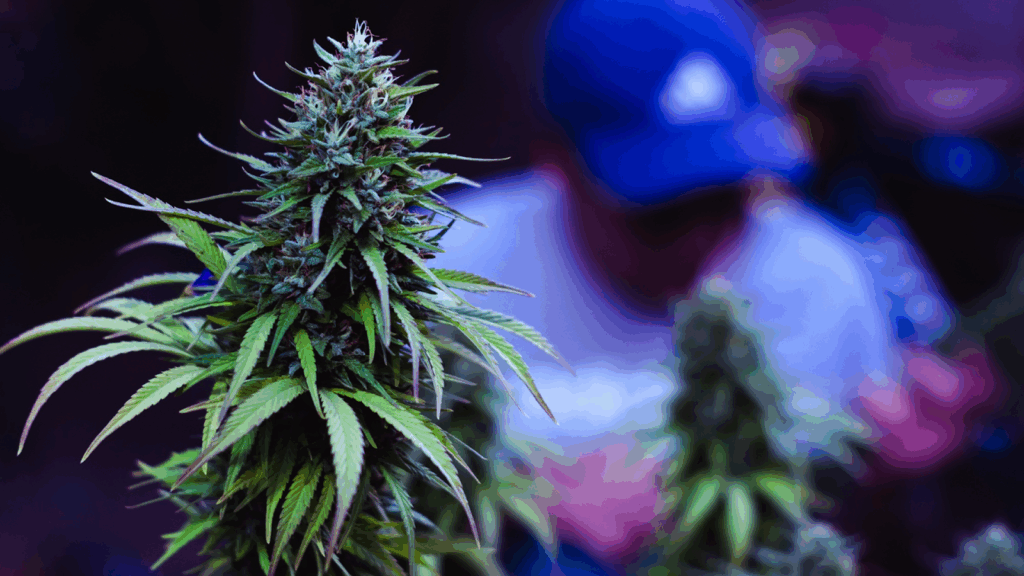
Not all cannabis strains are built the same. Some grow short and bushy, while others stretch tall, which can impact your grow space. Misunderstanding the height requirements for different strains can lead to inefficient canopy management and ultimately a lower-quality harvest.
Here’s a breakdown of how to determine the optimal height for the strains you’re working with.
Cannabis Strain Type
Typical Height
Tips for Managing Height
Indica
3 - 5 feet
Use training methods like topping and LST to maintain compact growth.
Sativa
5 - 8 feet
Train the plants early to limit height and optimize light exposure.
Hybrid
4 - 6 feet
Apply selective pruning to control vertical growth.
Autoflowering
1.5 - 3 feet
Limit light intensity and use smaller containers to control height.
High-THC Strains
3 - 6 feet
Use SCROG or LST techniques to prevent excessive stretching.
CBD Strains
3 - 5 feet
Light pruning and regular height checks help maintain uniform growth.
Small-Compact Strains
1.5 - 3 feet
Little to no training is needed. These strains naturally fit well in smaller setups.
Without proper tracking, plants can outgrow their space or fall victim to uneven growth, leading to wasted resources. PlanaCan simplifies plant height management by providing real-time tracking and insights, allowing you to make informed adjustments.
How PlanaCan Can Optimize Plant Height Management?
Managing cannabis plant height requires precision, real-time monitoring, and the ability to adjust growth factors as needed. PlanaCan simplifies the process by giving growers the tools they need to ensure their plants reach the ideal height for maximum yield and quality. Support includes:
- Automated Work Scheduling: PlanaCan allows you to automate key cultivation tasks like pruning or training schedules. By setting these tasks in advance, you ensure that height management is integrated into your daily workflow.
- Interactive Calendar for Planning and Tracking: The interactive calendar lets you track plant height and growth milestones in real time. This tool enables you to monitor your plants’ progress and make timely adjustments.
- Team Management Tools: Height management often involves collaboration across multiple team members. PlanaCan centralizes communication and task assignments, making it easier for your team to track and manage plant height consistently.
- Growth Analysis and Reporting: PlanaCan provides detailed reports on how plant height impacts overall growth and yield. By analyzing these reports, you can refine your height management strategies and adjust nutrient levels.
Conclusion
Managing plant height isn't just about keeping things neat: it's about optimizing every inch of space and ensuring your plants grow efficiently. Getting the height right before flowering directly impacts light distribution, bud development, and overall yield. Mastering this simple but critical step can significantly elevate the quality of your harvest.
PlanaCan gives you full control over your cannabis cultivation. Track plant growth, monitor conditions, and make real-time adjustments to ensure optimal height and yield, all from one platform.
Want to simplify your cultivation process? Schedule a free call today to see how PlanaCan can help optimize your plant height management!
FAQs
1. How tall can cannabis plants grow indoors?
A: Indoor cannabis plants can grow between 3 to 6 feet, depending on strain and growth methods. With proper height management techniques like LST or topping, you can control the size to fit your space.
2. Why does my cannabis plant keep growing too tall?
Excessive plant height is often due to insufficient light or nutrient imbalance. Tall plants may also be a result of neglecting to use training methods such as topping or low-stress training during the vegetative phase.
3. What is the ideal height for cannabis plants before flowering?
The ideal height is generally between 12 to 18 inches before flowering. However, this varies depending on strain genetics and the space you have available for vertical growth.
4. How can I stop my cannabis plant from getting too tall during flowering?
Control height during flowering by using techniques like SCROG (Screen of Green) or pruning lower growth to redirect energy to the upper buds. Also, adjust the light distance to control stretching.
5. Does the size of my cannabis container affect plant height?
Yes, the size of the container can influence plant height. Smaller containers restrict root growth, resulting in shorter plants, while larger containers allow roots to expand, encouraging taller growth.